LEO Flight, an American aerospace startup, is on the cusp of transforming personal transportation with its innovative electric vertical takeoff and landing (eVTOL) aircraft. The company is developing two distinct models, the LEO Coupe and the LEO Solo, designed to bridge the gap between terrestrial driving and aerial transit, ushering in a new era of sophisticated and convenient mobility. This initiative represents a significant stride in the burgeoning field of personal aviation, promising to alleviate urban congestion and offer unprecedented freedom of movement.
The vision behind LEO Flight is to democratize access to flight, making it a practical and accessible option for everyday use. The company’s commitment to electric propulsion underscores a broader industry trend towards sustainable aviation, aiming to reduce the carbon footprint associated with transportation. By integrating advanced technology with user-friendly design, LEO Flight aims to make flying as intuitive as driving, a prospect that was once confined to the realm of science fiction.
The LEO Coupe: A Premium Aerial Experience
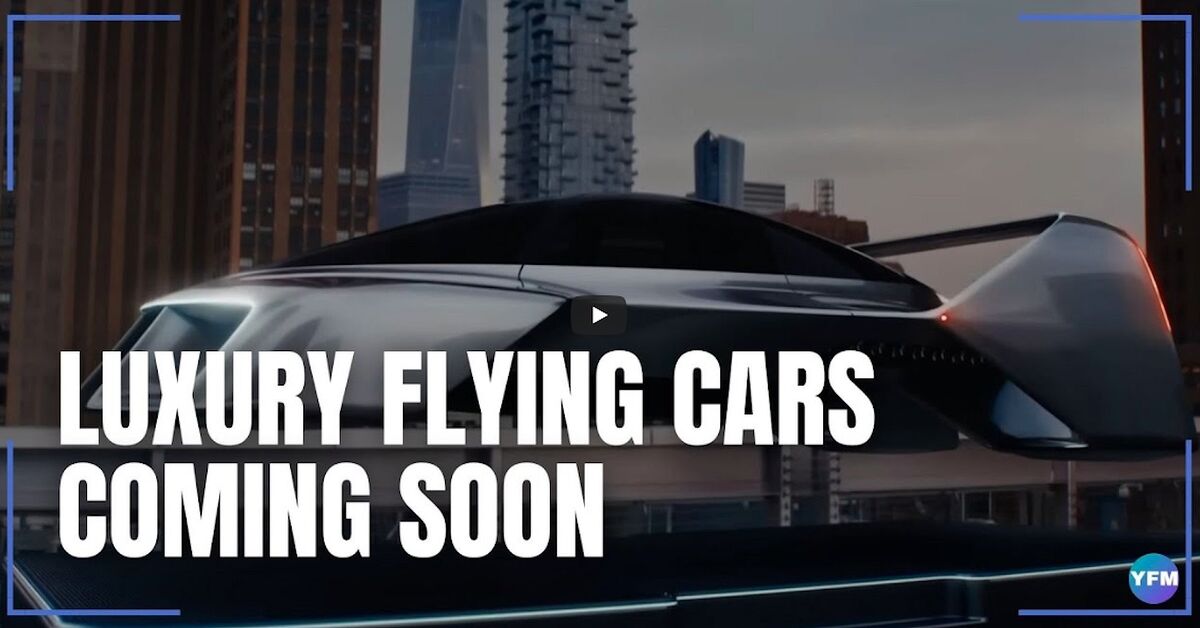
The LEO Coupe is positioned as a luxurious, two-seater eVTOL aircraft designed for discerning individuals seeking a premium aerial experience. Its propulsion system is a marvel of engineering, employing 100 meticulously clustered electric jets. This sophisticated arrangement ensures not only powerful lift and propulsion but also redundancy and a smooth flight profile. The design prioritizes passenger safety and comfort, incorporating advanced features such as airbags, a whole-aircraft parachute for emergency situations, and emergency flotation devices, indicating a robust approach to risk mitigation.
Performance specifications for the LEO Coupe are ambitious. The aircraft is targeting an impressive range of 250 miles on a single charge, a critical factor for practical cross-city or regional travel. Its projected top speed of 200 mph further emphasizes its capability for rapid transit. The Coupe is envisioned as a vehicle for both personal travel and potentially for premium taxi services, offering a swift and scenic alternative to congested road networks. The estimated retail price for this flagship model is set at $459,900, placing it firmly in the luxury market segment. This pricing strategy reflects the advanced technology, extensive safety features, and premium experience that the LEO Coupe aims to deliver.
The LEO Solo: Accessible Personal Flight
Complementing the Coupe, the LEO Solo is a single-seater eVTOL designed for individual travel, with a specific focus on ease of operation and accessibility. A key distinguishing feature of the Solo is that it will not require a pilot’s license to operate, a move that significantly broadens its potential user base. This is made possible by LEO Flight’s development of intuitive, user-friendly controls, effectively simplifying the piloting process. The Solo is engineered for shorter-range personal commutes and recreational flights, boasting a 20-mile range and a comfortable cruise speed of 63 mph.
The LEO Solo represents a more attainable entry point into personal aviation, priced at $99,999. This competitive pricing, combined with the simplified operation, positions the Solo as a groundbreaking option for individuals seeking an alternative to traditional ground transportation for daily errands or short trips. The intention is to make personal flight a realistic and practical option for a wider demographic, fostering a new culture of aerial mobility within urban and suburban environments.
A Strategic Timeline for Production and Market Entry
LEO Flight has outlined a clear roadmap for bringing these revolutionary aircraft to market. The company plans to commence production in 2027. This timeline allows for the necessary research, development, testing, and regulatory approvals that are critical in the aerospace industry. The period leading up to 2027 will likely involve extensive flight testing, certification processes with aviation authorities such as the Federal Aviation Administration (FAA) in the United States, and the scaling up of manufacturing capabilities.
The development of eVTOL technology is a complex undertaking, requiring significant capital investment, adherence to stringent safety standards, and collaboration with regulatory bodies. The projected production start date suggests that LEO Flight is progressing steadily through these stages. The company’s strategy appears to be a phased approach, first focusing on establishing production and then gradually expanding availability and operational scope.
The Broader Context of the eVTOL Revolution
LEO Flight is not alone in its pursuit of personal aerial mobility. The global eVTOL market is experiencing rapid growth, with numerous companies worldwide investing heavily in the development of similar aircraft. This surge in innovation is driven by several converging factors:
- Technological Advancements: Significant progress in battery technology, electric motor efficiency, advanced composite materials, and flight control systems has made eVTOLs technically feasible and increasingly practical.
- Urban Congestion: Growing populations in major cities worldwide are leading to unprecedented traffic congestion, increasing travel times and reducing quality of life. eVTOLs offer a potential solution by enabling three-dimensional transit.
- Environmental Concerns: The push towards decarbonization and sustainable transportation solutions is a major catalyst. Electric propulsion in eVTOLs offers a cleaner alternative to traditional combustion-engine aircraft and vehicles.
- Regulatory Evolution: Aviation authorities are actively developing regulatory frameworks for eVTOL operations, including certification standards, air traffic management systems, and operational guidelines. While still evolving, this progress is crucial for market entry.
Major players in the automotive and aerospace industries, as well as a host of startups, are vying for dominance in this new market. Companies like Joby Aviation, Archer Aviation, and Wisk Aero are also developing eVTOLs, often with a focus on air taxi services rather than purely personal ownership. The competitive landscape is fierce, but the potential market size is immense, promising to reshape urban landscapes and commuting habits.
Potential Implications and Future Outlook
The successful introduction of LEO Flight’s aircraft, and eVTOLs in general, could have profound implications:
- Reduced Urban Congestion: By shifting a portion of travel from roads to the sky, eVTOLs could significantly alleviate traffic jams, leading to shorter commute times and more efficient movement of people and goods within cities.
- Enhanced Accessibility: For individuals living in areas with poor ground infrastructure or facing mobility challenges, eVTOLs could offer a new level of freedom and connectivity.
- Economic Growth: The development, manufacturing, and operation of eVTOLs will create new industries, jobs, and economic opportunities, ranging from aircraft engineering and production to maintenance, pilot training, and air traffic management.
- New Mobility Services: The advent of eVTOLs will likely spawn innovative mobility services, such as on-demand air taxis, premium personal transport, and specialized logistics solutions.
- Infrastructure Development: The widespread adoption of eVTOLs will necessitate the development of new infrastructure, including vertiports (landing and takeoff sites), charging stations, and advanced air traffic control systems.
However, significant challenges remain:
- Safety and Certification: Ensuring the absolute safety of eVTOL operations is paramount. Rigorous testing and stringent certification processes are required to build public trust and gain regulatory approval.
- Noise Pollution: While electric, eVTOLs can still generate noise. Managing noise levels, particularly in urban environments, will be a critical factor for public acceptance.
- Air Traffic Management: Integrating a significant number of eVTOLs into existing airspace will require sophisticated air traffic management systems to ensure safe and efficient operations.
- Public Acceptance: Overcoming potential public apprehension about flying vehicles and ensuring their integration into communities will be a key challenge.
- Cost and Affordability: While prices are expected to decrease over time, the initial high cost of eVTOLs will limit access to a select few. Widespread adoption will depend on achieving greater economies of scale and technological advancements that drive down manufacturing and operational costs.
LEO Flight’s ambitious project with the LEO Coupe and LEO Solo represents a tangible step towards realizing the dream of accessible, personal flight. The company’s focus on both a premium and a more accessible model suggests a strategic approach to market penetration. As the eVTOL industry matures, LEO Flight is positioning itself as a key innovator, poised to play a significant role in shaping the future of transportation. The coming years will be critical in determining the pace of adoption and the ultimate impact of these revolutionary machines on our daily lives. The journey from concept to widespread reality is complex, but the potential rewards – a more connected, efficient, and perhaps even more exhilarating way to travel – are immense.