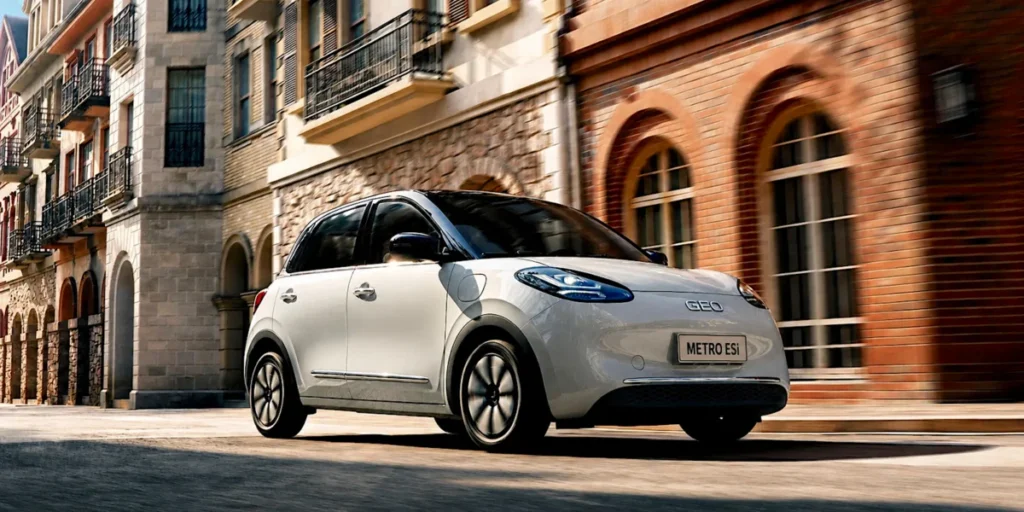
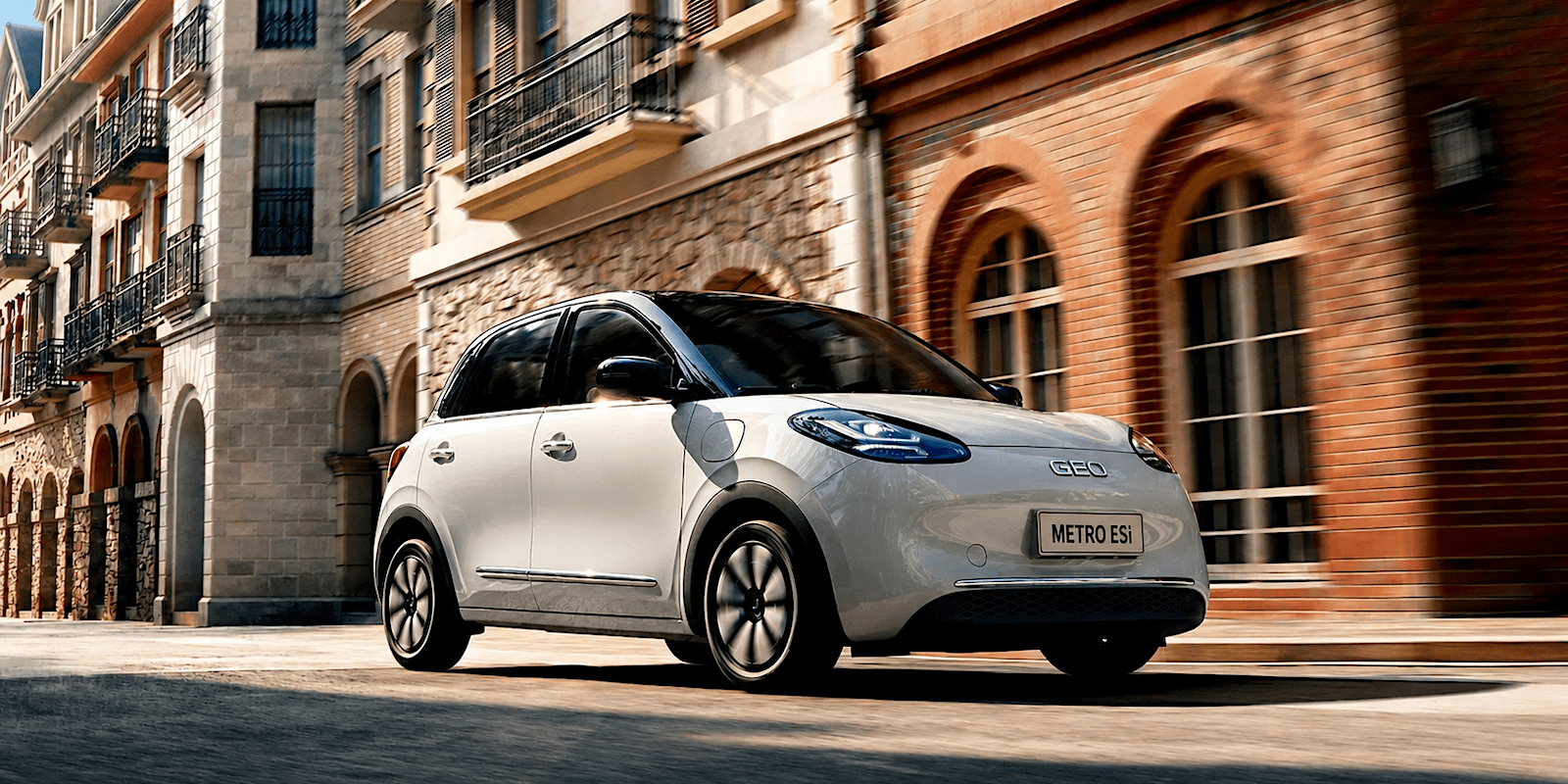
Reports are emerging that General Motors is exploring the possibility of re-badging the Wuling Bingo Pro, a compact electric vehicle developed by its joint venture with SAIC Motor, for sale under the Chevrolet brand in key global markets. This strategic move, if realized, could signify a swift entry for Chevrolet into the increasingly competitive affordable EV segment, potentially offering a spiritual successor to the fuel-efficient, albeit iconic, Geo Metro. The initiative, detailed by GM Authority based on unnamed sources with knowledge of the matter, suggests a targeted approach to quickly expand Chevrolet’s electric vehicle portfolio in regions where the brand already has a significant presence.
The Wuling Bingo Pro, known for its sub-$10,000 price point in China, has garnered considerable attention for its blend of affordability and practicality. Its potential introduction to global markets under the Chevrolet banner, particularly if it includes markets like Canada, could see a resurgence of interest in hyper-miling and economical personal transportation, albeit powered by electric motors rather than internal combustion engines. This exploration aligns with broader automotive industry trends and specific market dynamics, such as Canada’s recent moves to diversify its auto imports and encourage EV adoption.
The Wuling Bingo Pro: A Potential Global Contender
The Wuling Bingo EV, from which the Pro variant is derived, has already demonstrated success in the Chinese market. According to available specifications, the Bingo EV is equipped with a 37.9 kWh lithium iron phosphate (LFP) battery pack, capable of delivering an estimated range of up to 255 miles on the Chinese CLTC cycle. While its 50 kW (approximately 67 horsepower) electric motor may not compete with the rapid acceleration of high-performance EVs, it represents a significant leap in performance over the original Geo Metro’s 55 horsepower three-cylinder gasoline engine. The Bingo Pro is likely to offer similar or enhanced specifications, making it a competent option for daily commuting and urban driving.
The appeal of the Wuling Bingo Pro lies in its cost-effectiveness. In China, the standard Wuling Bingo has been lauded for its accessibility, often priced well below comparable electric vehicles. This strategy of offering a low-cost, functional EV aligns with the global push for electrification, particularly in developing markets where affordability is a primary barrier to adoption. By leveraging the existing Wuling Bingo platform, General Motors could bypass extensive research and development costs and accelerate the introduction of an entry-level EV to its Chevrolet lineup.

Strategic Rationale for Chevrolet
General Motors’ potential adoption of the Wuling Bingo Pro as a Chevrolet model can be understood within the context of several strategic objectives. Firstly, it addresses the growing demand for affordable electric vehicles. As EV technology matures, consumers are increasingly seeking options that do not necessitate a significant financial outlay. Chevrolet, as a mainstream brand, is well-positioned to capture this segment of the market.
Secondly, this move aligns with GM’s broader global electrification strategy. The company has committed substantial resources to developing and deploying a wide range of electric vehicles. However, filling the entry-level segment quickly and cost-effectively is a challenge. Partnering with SAIC-GM-Wuling (SGMW), a joint venture where GM holds a significant stake, provides a ready-made solution. SGMW has a proven track record of producing high-volume, low-cost vehicles, including popular EVs like the Hongguang Mini EV and the Wuling Bingo.
Thirdly, the initiative could be a response to evolving international trade dynamics and market access. Canada, for instance, has recently enacted agreements that facilitate the import of Chinese-manufactured EVs, including a deal that allows for the annual import of up to 49,000 Chinese EVs at reduced tariff rates. This opens up opportunities for brands like Chevrolet to introduce models sourced from Chinese production facilities, thereby diversifying their offerings and potentially gaining market share. The mention of "key global markets where the brand is already present" strongly suggests that Canada is a prime candidate for such a rollout.
The Geo Metro Legacy and its Electric Echo
The Geo Metro, a subcompact car produced from 1989 to 2001, holds a special place in automotive history, particularly among those who prioritize fuel economy. Its lightweight construction and small-displacement engines made it exceptionally fuel-efficient for its era, earning it a reputation as a favored choice for hyper-milers and budget-conscious drivers. While the original Metro was a gasoline-powered vehicle, its core ethos of providing economical and practical transportation could resonate with a new generation of consumers looking for affordable electric mobility.
The idea of a "spiritual successor" in the form of an electric Geo Metro taps into a vein of nostalgia while addressing contemporary needs. A Chevrolet-badged Wuling Bingo Pro could evoke similar sentiments of practicality and efficiency, albeit with the added benefits of zero tailpipe emissions, lower running costs, and a quieter driving experience. This connection to a beloved, albeit simple, automotive icon could provide a unique marketing angle for Chevrolet, appealing to a demographic that values both heritage and innovation.
Market Implications and Potential Challenges
The introduction of an affordable EV like the Wuling Bingo Pro under the Chevrolet brand could have several significant implications for the automotive market.
Increased Competition: It would intensify competition in the burgeoning affordable EV segment, potentially putting pressure on other manufacturers to accelerate their own entry-level EV offerings.
Democratization of EVs: By offering a more accessible price point, Chevrolet could play a crucial role in democratizing electric vehicle ownership, making EVs attainable for a broader segment of the population.
Diversification of GM’s Portfolio: This move would significantly diversify GM’s EV lineup, complementing its existing range of more premium and performance-oriented electric vehicles.
However, challenges and considerations remain. The perception of quality and brand image associated with vehicles manufactured by joint ventures, especially those originating from markets that are relatively new to global automotive exports, will be a key factor. Chevrolet would need to ensure that the re-badged Wuling Bingo Pro meets the company’s stringent quality standards and aligns with the brand’s established reputation.

Furthermore, the adaptation of the vehicle for different global markets, including safety regulations, charging infrastructure compatibility, and consumer preferences, will require careful attention. While the Wuling Bingo Pro has proven popular in China, its success in more developed markets will depend on its ability to meet diverse local requirements.
Canada as a Proving Ground
Canada’s proactive stance on EV adoption and its recent trade agreements with China position it as a potential launchpad for the Chevrolet-badged Wuling Bingo Pro. The country’s automotive market is closely linked to that of the United States, and a successful rollout in Canada could pave the way for a broader introduction in North America. The precedent set by the arrival of Lotus Eletre EVs, the first Chinese-built electric vehicles from a Chinese-owned brand to go on sale in Canada under a new trade arrangement, highlights the evolving landscape and the growing acceptance of vehicles from Chinese manufacturers.
The Canadian market’s receptiveness to diversifying its automotive sources, coupled with government incentives for EV purchases, creates a favorable environment for a competitively priced electric vehicle. If the Wuling Bingo Pro, under the Chevrolet badge, can offer a compelling combination of range, features, and affordability, it could find a receptive audience. The narrative of a "new-age, electric Geo Metro" could resonate with Canadian consumers seeking practical and environmentally conscious transportation solutions.
Global Reach Beyond North America
Should the Wuling Bingo Pro not gain widespread traction in the US market, potentially due to differing consumer preferences or regulatory hurdles, its potential reach extends to other emerging markets. Countries in Africa and South America, such as Brazil, are increasingly prioritizing electrification to reduce their reliance on imported fossil fuels and combat environmental pollution. These regions often present a strong demand for affordable and efficient vehicles, making them ideal candidates for a cost-effective EV like the Wuling Bingo Pro.
By leveraging its global presence and manufacturing capabilities, General Motors could strategically deploy the Chevrolet-badged Wuling Bingo Pro in markets where the demand for accessible electric transportation is high and growing. This would not only contribute to GM’s global electrification goals but also support the broader transition to sustainable mobility in diverse economic landscapes.

The Path Forward
The decision by General Motors to consider the Wuling Bingo Pro for global markets under the Chevrolet brand represents a significant strategic pivot. It underscores the company’s agility in adapting to market demands and leveraging its international partnerships to accelerate its electrification efforts. While the specifics of pricing, features, and market rollout remain subject to confirmation, the potential for a Chevrolet-badged, affordable EV inspired by the Wuling Bingo Pro is a development that warrants close observation.
The success of such an endeavor will hinge on GM’s ability to effectively integrate the Wuling Bingo Pro into its existing brand framework, ensuring it meets consumer expectations for quality, performance, and value. If successful, this move could redefine the entry-level EV segment and offer a new generation of drivers an accessible pathway to electric mobility, echoing the pragmatic spirit of its iconic predecessor, the Geo Metro. The coming months and years will reveal whether this strategic consideration will translate into a tangible and impactful addition to Chevrolet’s global lineup.