The 1990s represented a watershed moment in automotive design and engineering, ushering in an era of sleeker, more aerodynamic, and often more bulbous vehicle forms, a stark departure from the sharp-edged aesthetics of the preceding decades. Beyond styling, this period also witnessed the widespread adoption of fuel injection systems, a technological leap that dramatically improved engine reliability and performance across the board. This advancement contributed to a general elevation in automotive quality, with many vehicles becoming remarkably dependable for the first time. While some cars from this transformative decade achieved significant fame and commercial success, others, despite their merits, have regrettably faded from public memory. This article explores a selection of these often-overlooked automotive gems that, for various reasons, deserve greater recognition.

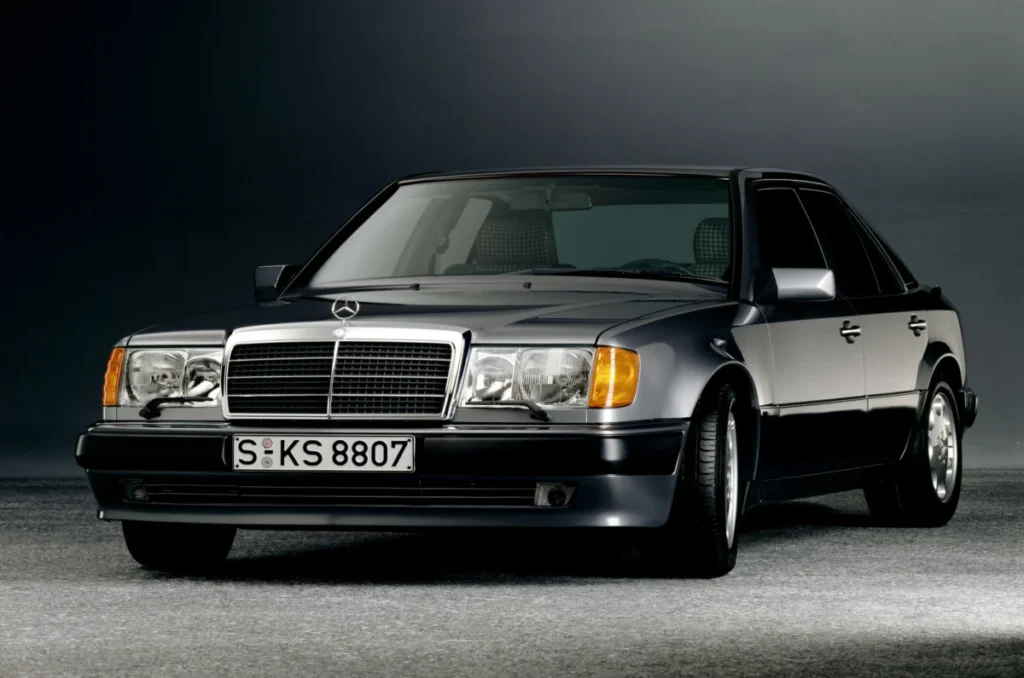
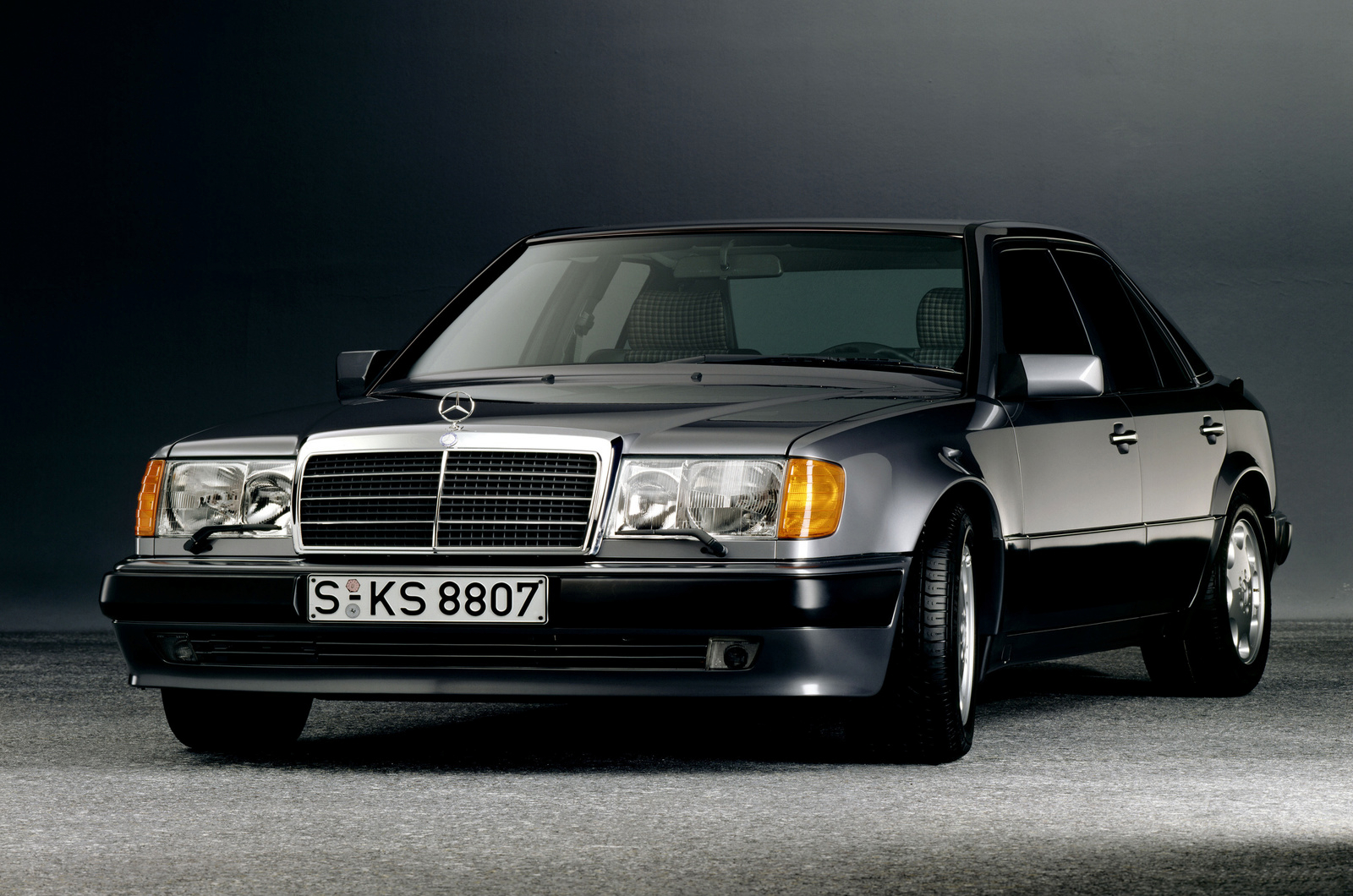
Mercedes-Benz 500E: The Discreet Performance Icon
Produced between 1991 and 1994, the Mercedes-Benz 500E was a product of an unusual but highly effective collaboration between Mercedes-Benz and Porsche. Mercedes commissioned Porsche to integrate the potent 322bhp 5.0-litre V8 engine from the SL-Class into the W124 chassis. This endeavor involved a comprehensive redesign of the chassis, suspension, and drivetrain to accommodate the larger engine and its associated power. The exterior was subtly enhanced with muscular bodywork, hinting at the performance lurking beneath its understated exterior. A total of only 10,479 units were manufactured, rendering the 500E a rare sight. Despite its impressive engineering and performance capabilities, the 500E has historically lived in the shadow of its more overtly sporty contemporaries, such as the BMW M5, often failing to command the attention its unique blend of luxury and performance warranted. A testament to its enduring appeal, one example fetched £32,250 at auction in 2021, highlighting its collector status.
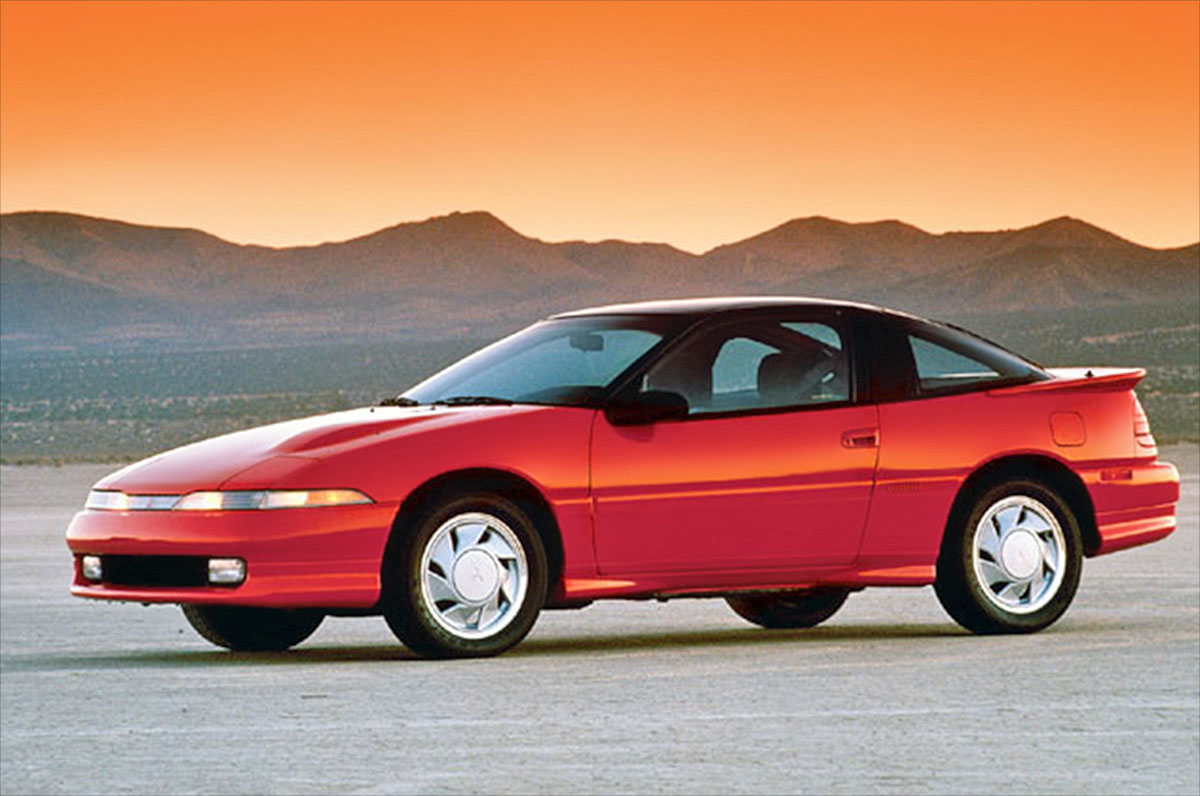
Mitsubishi Eclipse GSX: A Turbocharged All-Wheel Drive Contender
When the Mitsubishi Eclipse GSX arrived in the 1990s, it quickly established itself as a formidable force in the sports coupe segment. Its compact dimensions, robust four-wheel-drive system, and a potent turbocharged four-cylinder engine offered performance that could easily outclass many American sports cars of the era. The GSX, as the top-tier all-wheel-drive model, delivered an impressive 195bhp, enabling it to accelerate from 0 to 60 mph in under 7 seconds. This combination of accessible performance and advanced technology made it a popular choice for enthusiasts. However, as the automotive landscape shifted towards hybrid and electric powertrains, Mitsubishi eventually discontinued the Eclipse line, focusing its development efforts on these emerging technologies, leaving the GSX as a memorable, albeit somewhat niche, performance icon of the decade.
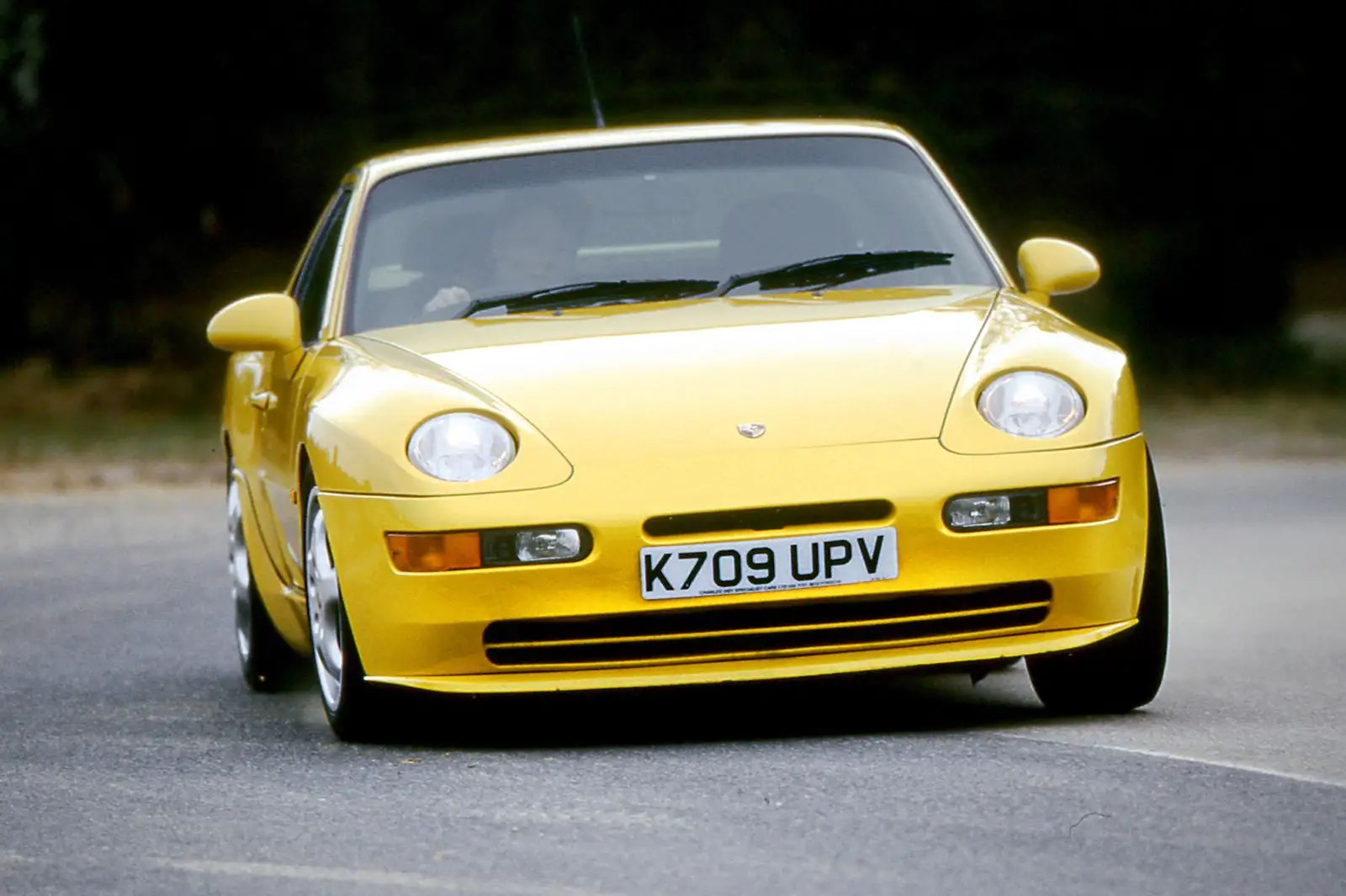
Porsche 968: An Unsung Transaxle Masterpiece
While Porsche is renowned for iconic models like the 911, Boxster, and 928, the 968, produced from 1991 to 1995, often finds itself overlooked. Sharing its engine layout with the preceding 944, the 968 featured Porsche’s innovative VarioCam system, enhancing its 237bhp output. Capable of reaching speeds of 156 mph, the 968’s primary focus was on delivering an exceptional handling experience, a hallmark of Porsche engineering. It represented the final iteration of Porsche’s front-engine, rear-wheel-drive transaxle layout. Despite its sophisticated engineering, precise handling, and luxurious appointments, the 968 was met with a degree of disappointment from some enthusiasts who yearned for the mid-engined configuration of the 911. This perception, perhaps unfairly, overshadowed the car’s inherent qualities, leaving it a somewhat forgotten chapter in Porsche’s illustrious history.
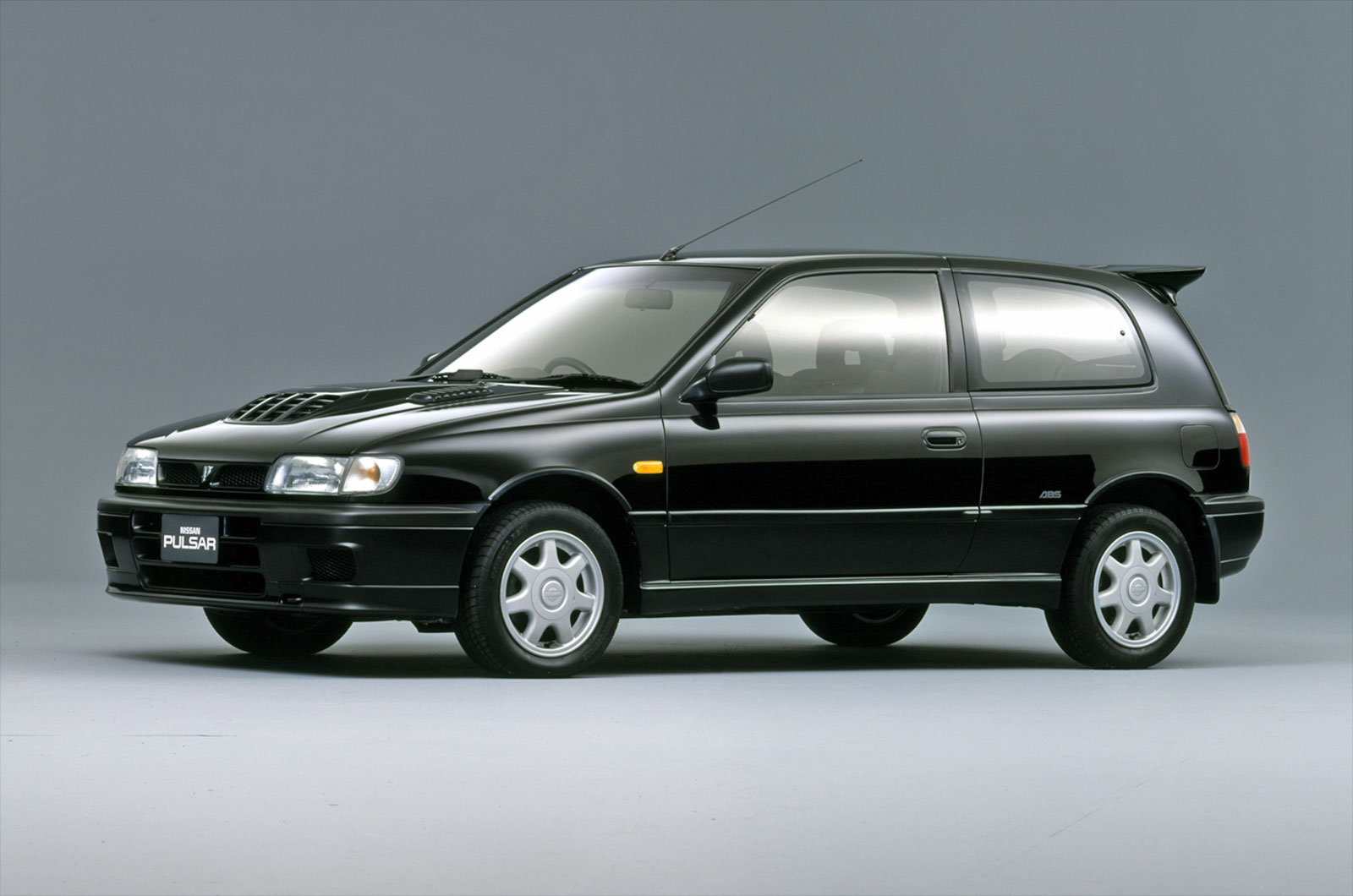
Nissan Sunny GTI-R: The Rally-Bred Pocket Rocket
The Nissan Sunny GTI-R, known as the Pulsar GTI-R in its native Japan, carved out a significant cult following in the early to mid-2000s, long after its initial production run. Initially conceived as a homologation special for the World Rally Championship’s Group A category, the GTI-R was a radical departure from the utilitarian Sunny. Nissan transformed the humble compact into a formidable rally contender, equipping it with a turbocharged 2.0-litre engine producing 220bhp, channeled through an advanced all-wheel-drive system. This potent package allowed it to compete fiercely against rivals like the Mazda 323. Despite its motorsport pedigree and exhilarating performance, Nissan produced a limited number of these machines, with just 14,613 units manufactured globally, contributing to its scarcity and subsequent desirability among collectors and performance enthusiasts.
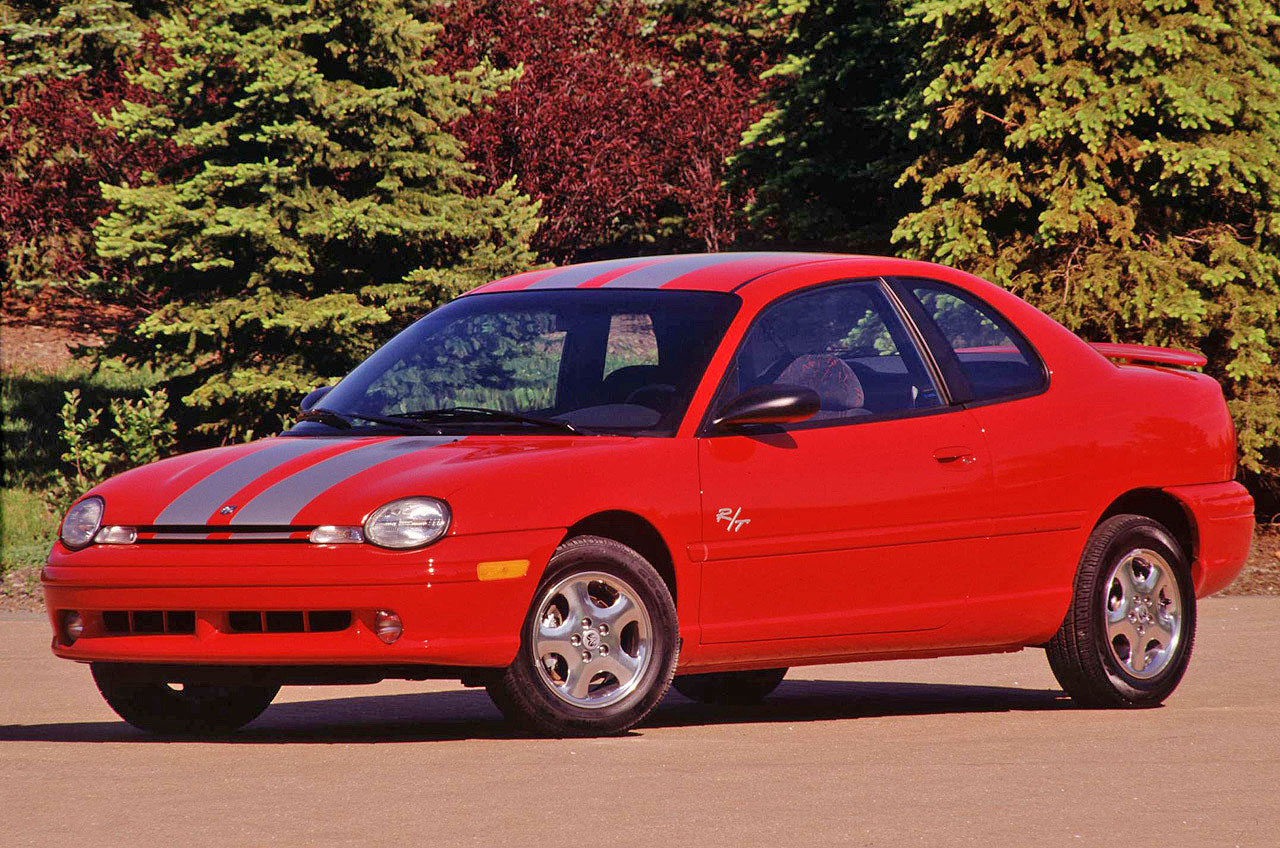
Dodge Neon R/T: A Forgotten American Performance Sedan
The "R/T" (Road/Track) designation, once synonymous with legendary muscle cars like the Dodge Charger and Challenger, was applied in the 1990s to more mainstream vehicles, including the family-oriented Dodge Neon. The Neon R/T variant, introduced in 1998, featured a 2.0-litre engine that produced a respectable 150bhp, an 18bhp increase over the standard model. While it offered performance that could rival contemporary hot hatchbacks like the Volkswagen Golf GTI, the Neon R/T was often criticized for lacking the refinement and sophistication found in competitors such as the Ford Focus. Despite its spirited performance and sporting aspirations, the Neon R/T struggled to gain lasting traction in the market and soon faded from public consciousness, leaving it as a curious footnote in Dodge’s performance history.
Volvo 850R: The Unassuming Performance Wagon
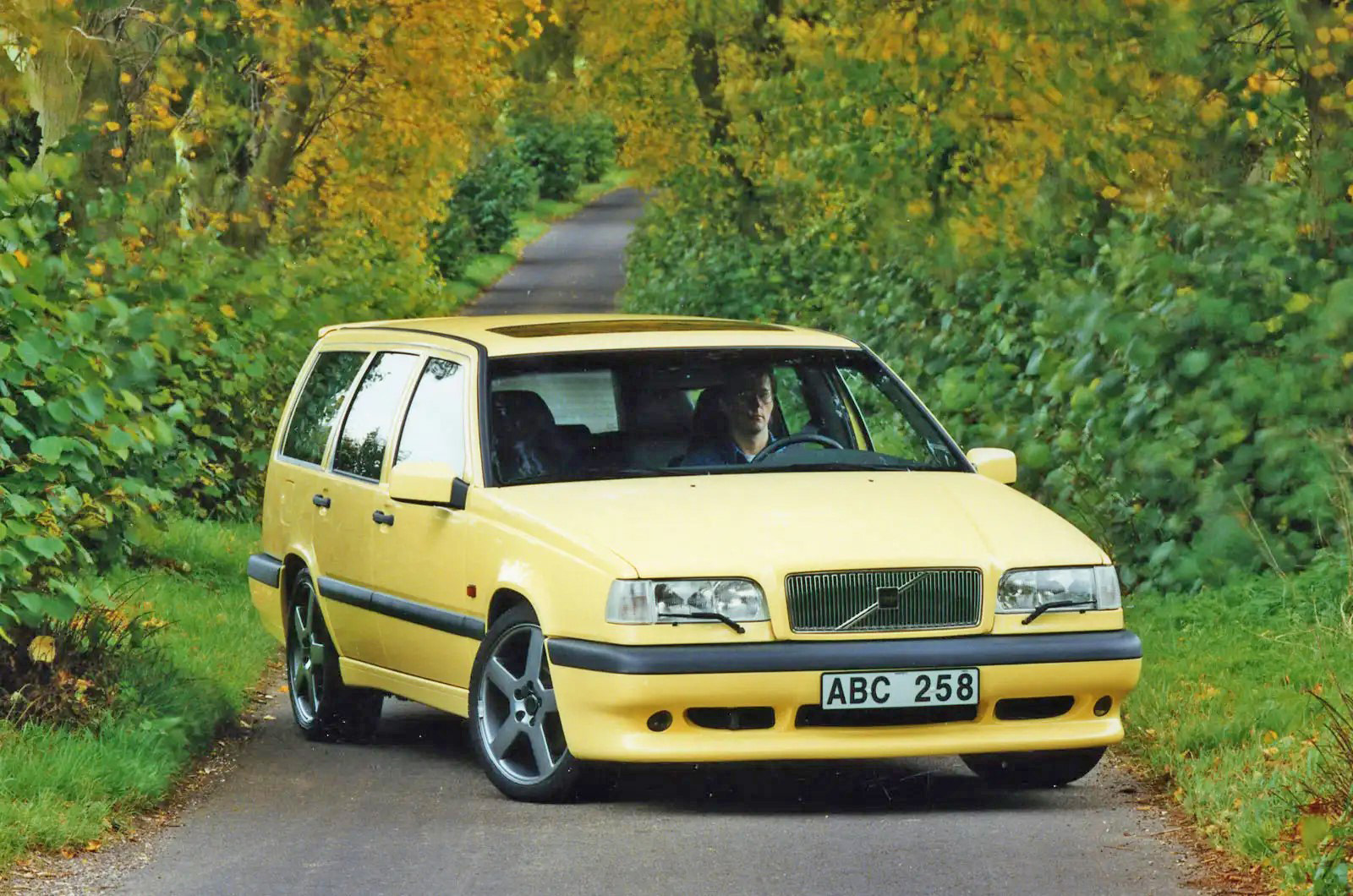
As the 2000s dawned, vehicles like the Audi RS6 and more modern Volvo estates began to capture the performance wagon market. However, the 1990s harbored its own formidable contender in the form of the Volvo 850R. Replacing the utilitarian 240 series, the 850 was offered in both sedan and wagon body styles. The 1996 850R represented a significant performance upgrade, boasting 247bhp from its turbocharged 2.3-litre engine, an 18bhp boost over the standard 850 Turbo. This power enabled the manual transmission variant to achieve 0-62 mph in a brisk 6.9 seconds. Visually, the 850R was distinguished by subtle sporty bodywork, 17-inch alloy wheels, and an interior featuring Alcantara seats and a distinctive two-tone leather steering wheel, blending practicality with potent performance in a characteristically understated Volvo fashion.
Volkswagen Corrado: A Stylish and Capable Sports Coupe
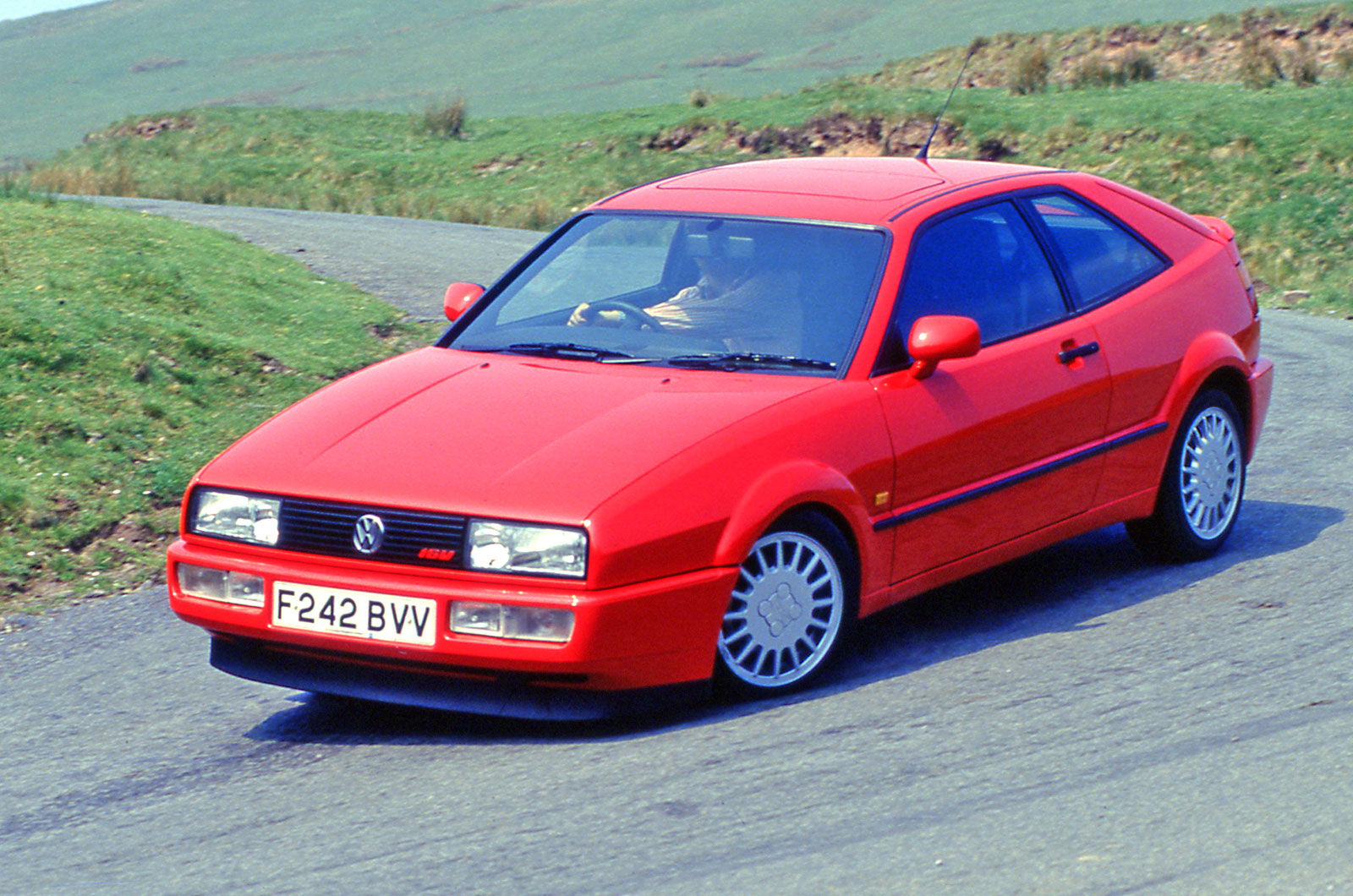
While the VR6-powered variant often garners the most attention, the Volkswagen Corrado, produced from 1988 to 1995, offered a range of compelling engine options and a distinctive, aerodynamic design. Base models featured a 1.8-litre engine producing 134bhp, while the G60 variant introduced a supercharged 1.8-litre with 158bhp. Later models included a 2.0-litre with 134bhp and, of course, the potent 187bhp VR6. Even in its less powerful iterations, the Corrado retained its majestic presence, further enhanced by an active rear spoiler that deployed at higher speeds. With a total production run of 97,521 units, the Corrado remains a stylish and engaging coupe, often appreciated for its unique blend of Volkswagen practicality and sporty flair, though it sometimes gets overshadowed by more overtly performance-focused German coupes.
Vauxhall Corsa B GSi: A Pocket-Sized Hot Hatch
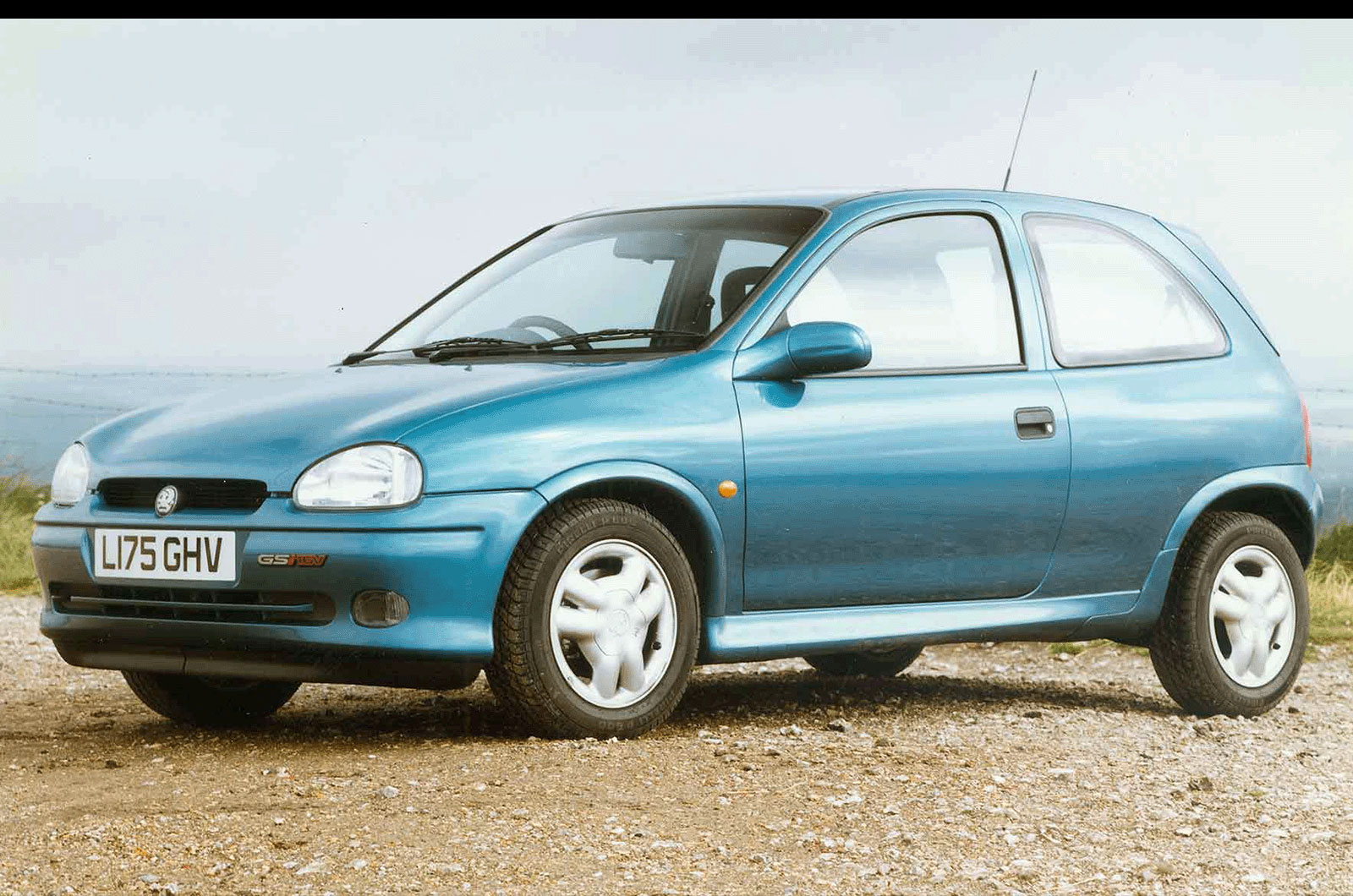
The GSi badge historically signified Vauxhall’s performance-oriented "hot" models, and the Corsa B GSi, launched in the mid-1990s, was no exception. Following in the tire tracks of the successful Nova GSi, the Corsa B GSi offered a sportier take on Vauxhall’s popular small car. Weighing in at just under a tonne and producing 108bhp, the GSi could achieve 0-60 mph in under 10 seconds and reach a top speed of 119 mph. Its agile steering and sporty body kit made it a popular choice for younger drivers seeking an affordable and engaging driving experience. However, as automotive design evolved and the Corsa B reached the end of its production cycle in 2000, being replaced by the more modern Corsa C, the GSi variant’s distinct character and performance capabilities gradually receded from the spotlight.
Nissan 100NX: A Forgotten Front-Wheel Drive Sports Car
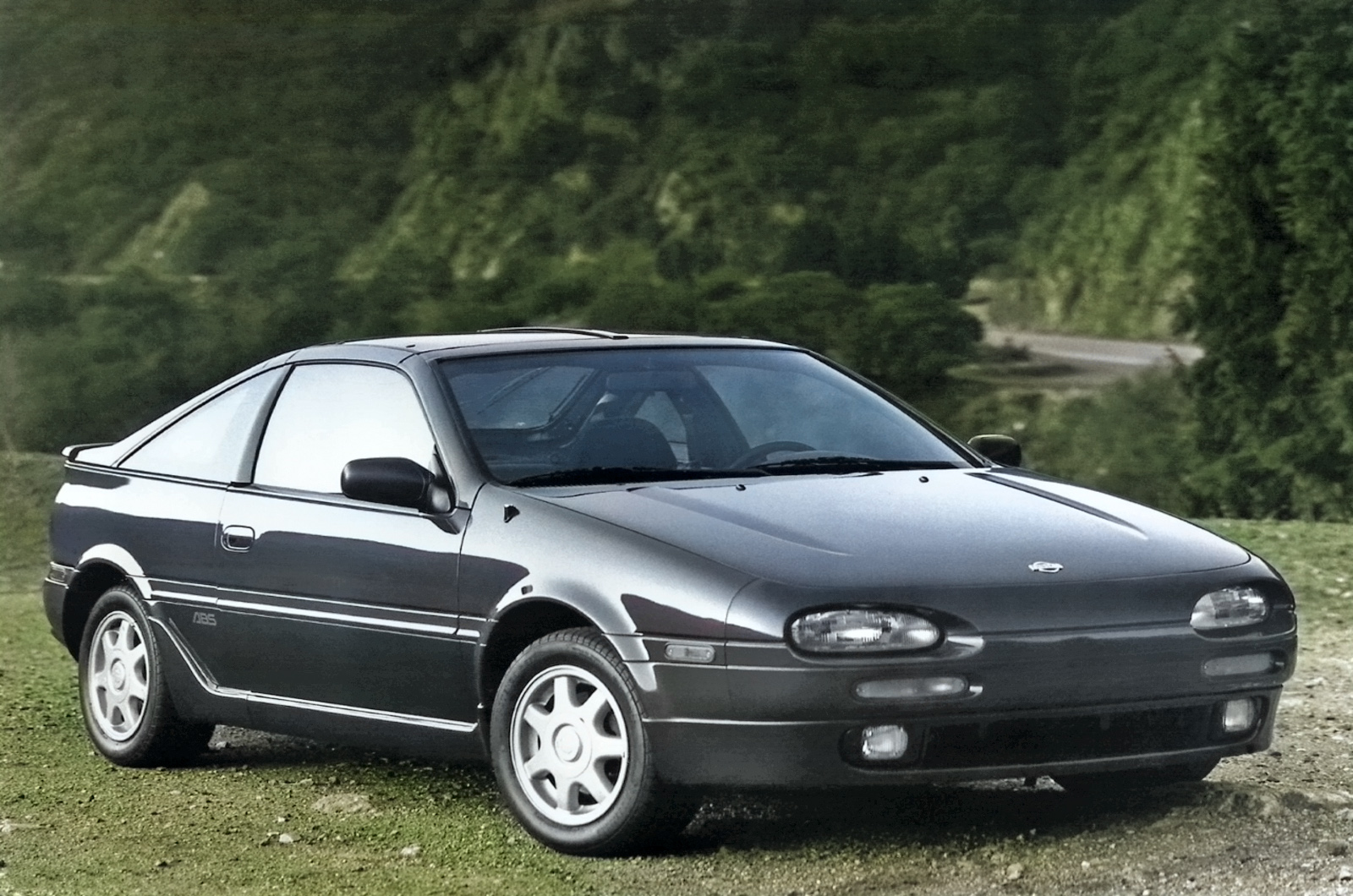
Launched in 1990, the Nissan 100NX was a front-wheel-drive sports car that shared its underpinnings with the Nissan Pulsar. While the base model utilized a 1.6-litre engine sourced from the Sentra, a more potent 2.0-litre option, derived from the Sentra SE-R, was also available. The 100NX was offered in both T-Top and hardtop configurations, appealing to a variety of preferences. In its 2.0-litre guise, combined with a lightweight, stiff chassis and a limited-slip differential, the 100NX was considered one of the best-handling front-wheel-drive cars of its time, rivaling even the Lotus Elan in its dynamic capabilities. Despite its impressive handling, the 100NX failed to meet its sales targets and was eventually discontinued, leaving it as an underappreciated example of Japanese sports car engineering.
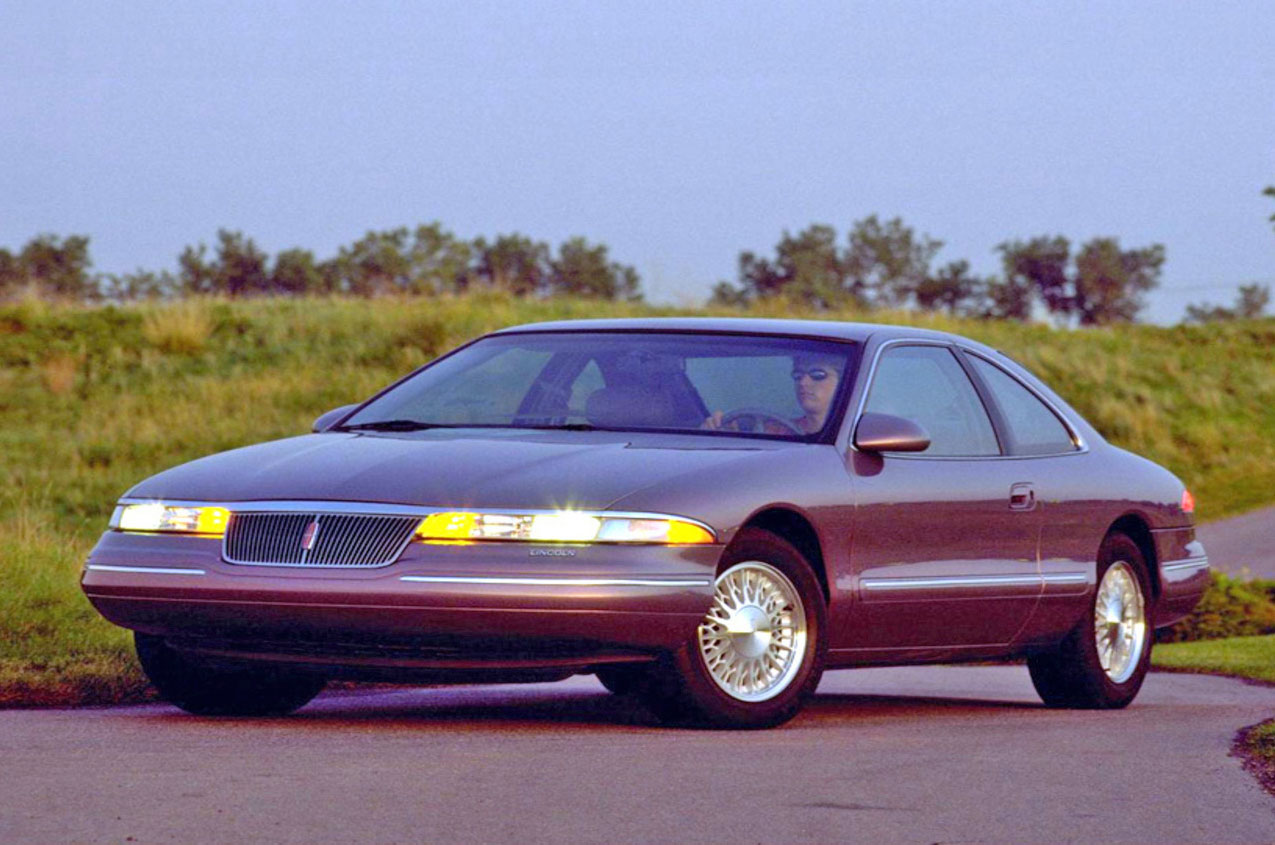
Lincoln Mark VIII: An American Grand Tourer with a Distinctive Style
The Lincoln Mark VIII, produced from 1993 to 1998, was an opulent American grand tourer designed to compete with the Cadillac Eldorado. Built on a slightly longer platform than the Ford Thunderbird and Mercury Cougar, the Mark VIII exuded presence with its long hood and sharp front end, accentuated by elongated headlights. Under its stylish exterior lay a potent 4.6-litre V8 engine producing a healthy 280bhp. A significant facelift in 1997 brought smoother lines to the front and rear, enhancing its visual appeal. With a total production of 122,060 units, the Mark VIII offered a luxurious and powerful cruising experience, representing a different facet of American automotive design during the 1990s, focusing on comfort and effortless performance rather than outright sportiness.
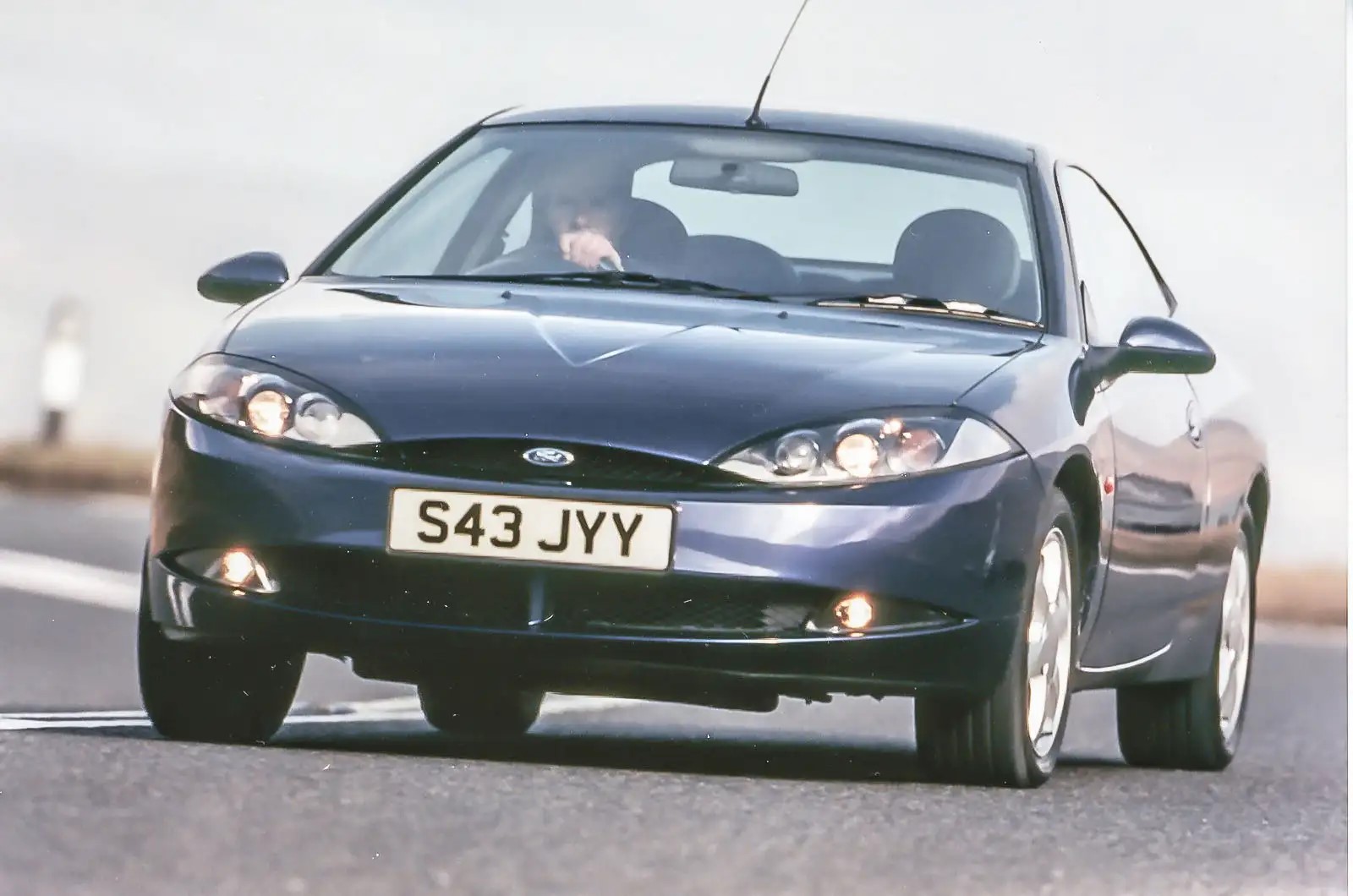
Ford/Mercury Cougar: A Stylish Coupe with Unfulfilled Potential
The Ford Cougar, launched in 1999, was envisioned as a successor to the Ford Probe but ultimately carried its own distinct identity. While its bulbous styling initially met with mixed reviews, the Cougar offered competent handling and a choice of two gasoline engines: a 123bhp 2.0-litre and a more potent 168bhp 2.5-litre. In North America, the car was sold under the Mercury brand. However, it faced stiff competition from rivals like the Toyota Celica GT, which offered similar power levels but was generally perceived as quicker and more dynamically engaging. Furthermore, performance-oriented buyers often gravitated towards Ford’s Mondeo ST200 or ST24 models. This confluence of factors meant the Cougar, despite its stylish coupe form, struggled to carve out a significant niche in the market, leading to its eventual discontinuation.
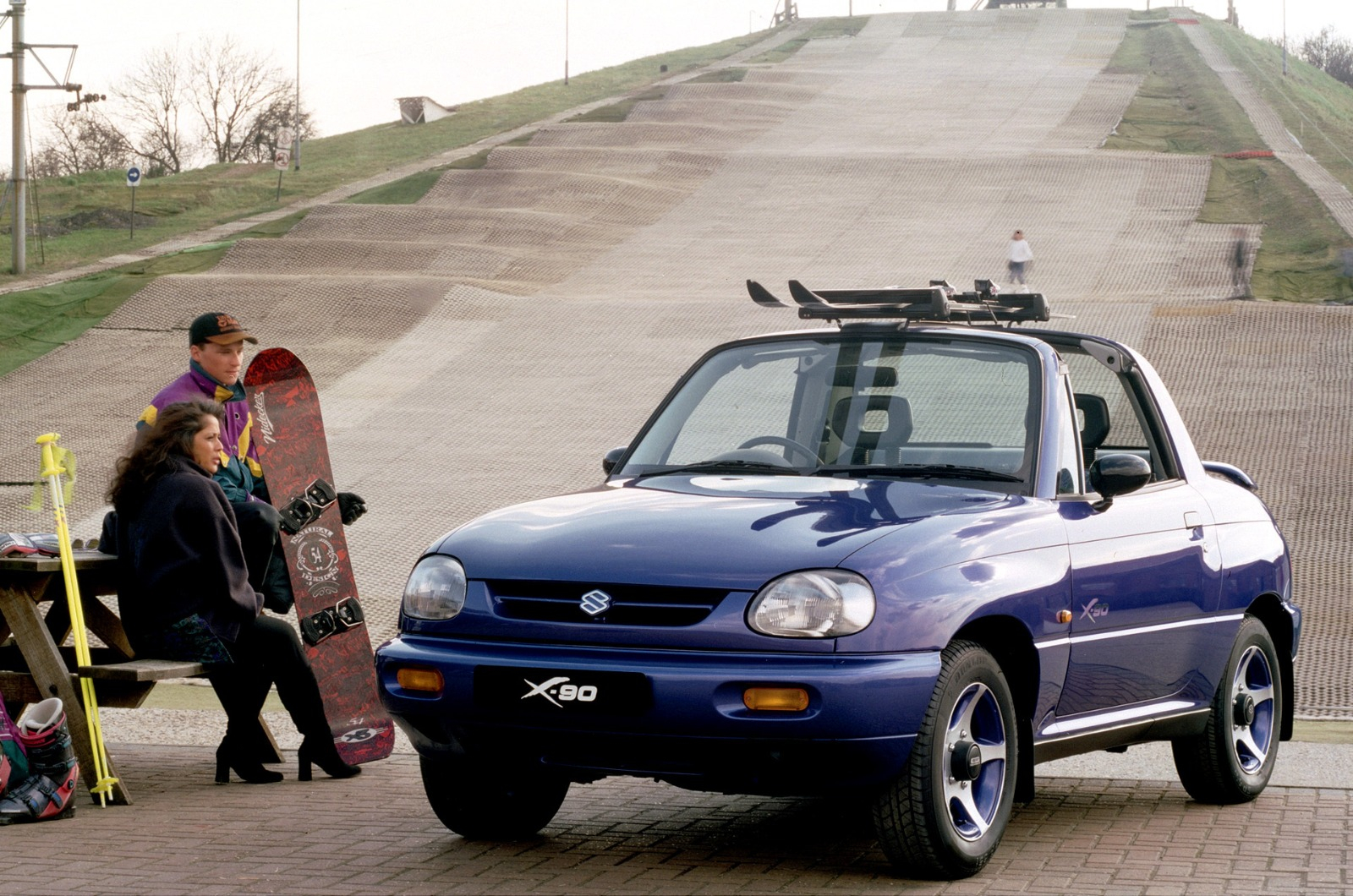
Suzuki X-90: A Quirky Two-Seater SUV
The Suzuki X-90, produced from 1995 to 1997, was an unconventional two-seater, short-wheelbase convertible SUV that defied easy categorization. While it possessed genuine off-road capability, its compact size and 95bhp 1.6-litre engine meant it struggled on steeper inclines. Buyers could opt for either four-wheel-drive or rear-wheel-drive configurations. The X-90’s unusual design and niche appeal led to a significant commercial failure, with only around 7,000 units sold in the US, a market Suzuki had high hopes for. Its brief production run and ultimate flop earned it the nickname "Barbie-Doll-Jeep," cementing its status as one of the decade’s more peculiar and unsuccessful automotive experiments.
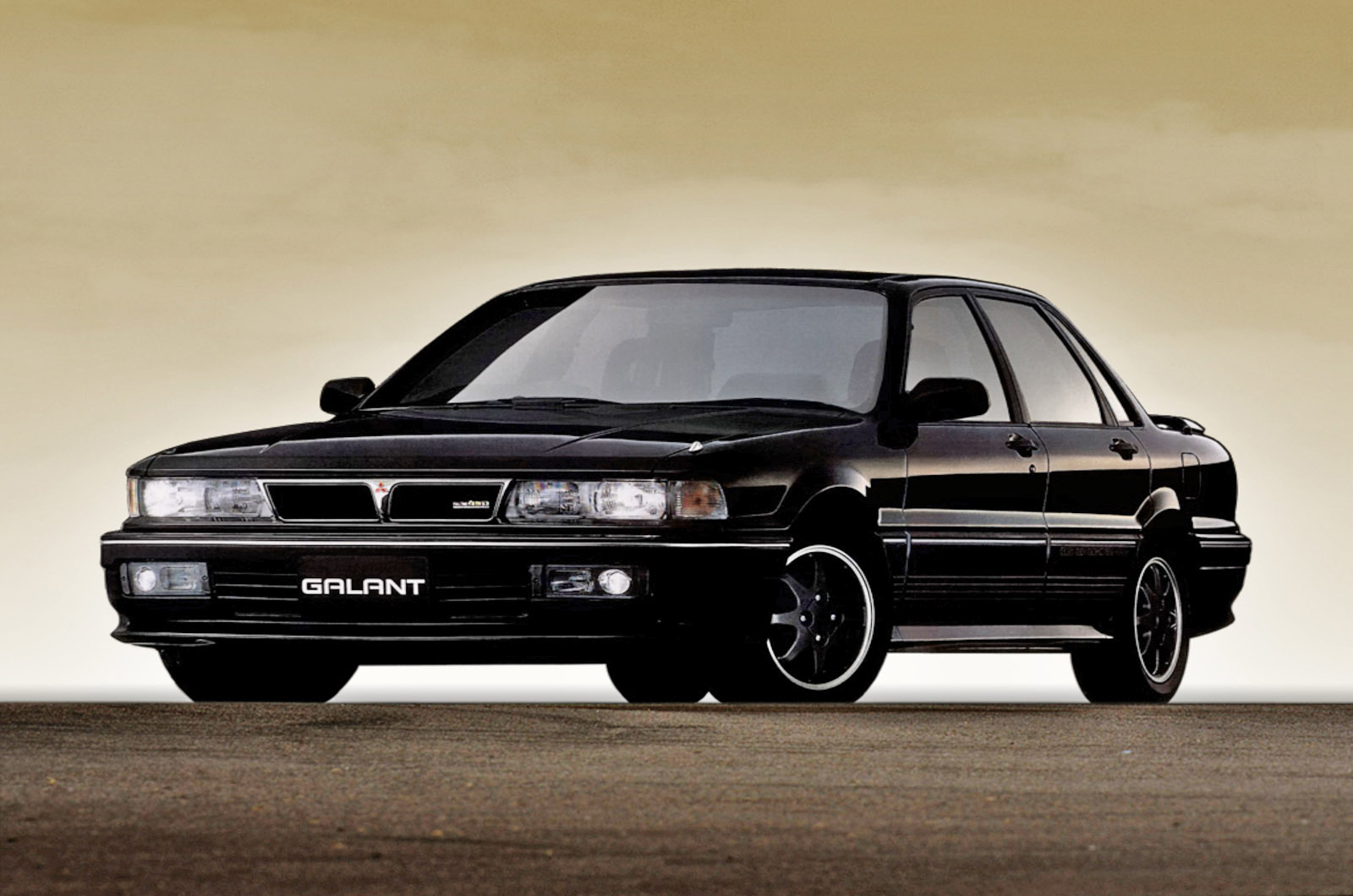
Mitsubishi Galant VR-4: A Performance Sedan’s Underrated Legacy
The seventh-generation Mitsubishi Galant, produced from 1992 to 1998, offered a performance-oriented VR-4 variant, though the eighth-generation model (1996-2006) is often more fondly remembered in markets like the UK. While the Galant range offered various engine options, the VR-4 stood out as the flagship. Buyers opting for this top-tier model were rewarded with a 276bhp, four-wheel-drive powerhouse capable of a 160mph top speed and a 0-60 mph sprint in just 5.3 seconds. It was also available with a five-speed automatic transmission featuring Porsche’s Tiptronic technology. Ultimately, the Galant line was superseded by the highly successful Lancer Evolution series, a move that saw the capable Galant VR-4 fade from the performance car conversation, despite its impressive engineering and performance credentials.
Lotus Elan M100: A Front-Wheel Drive Sports Car Conundrum
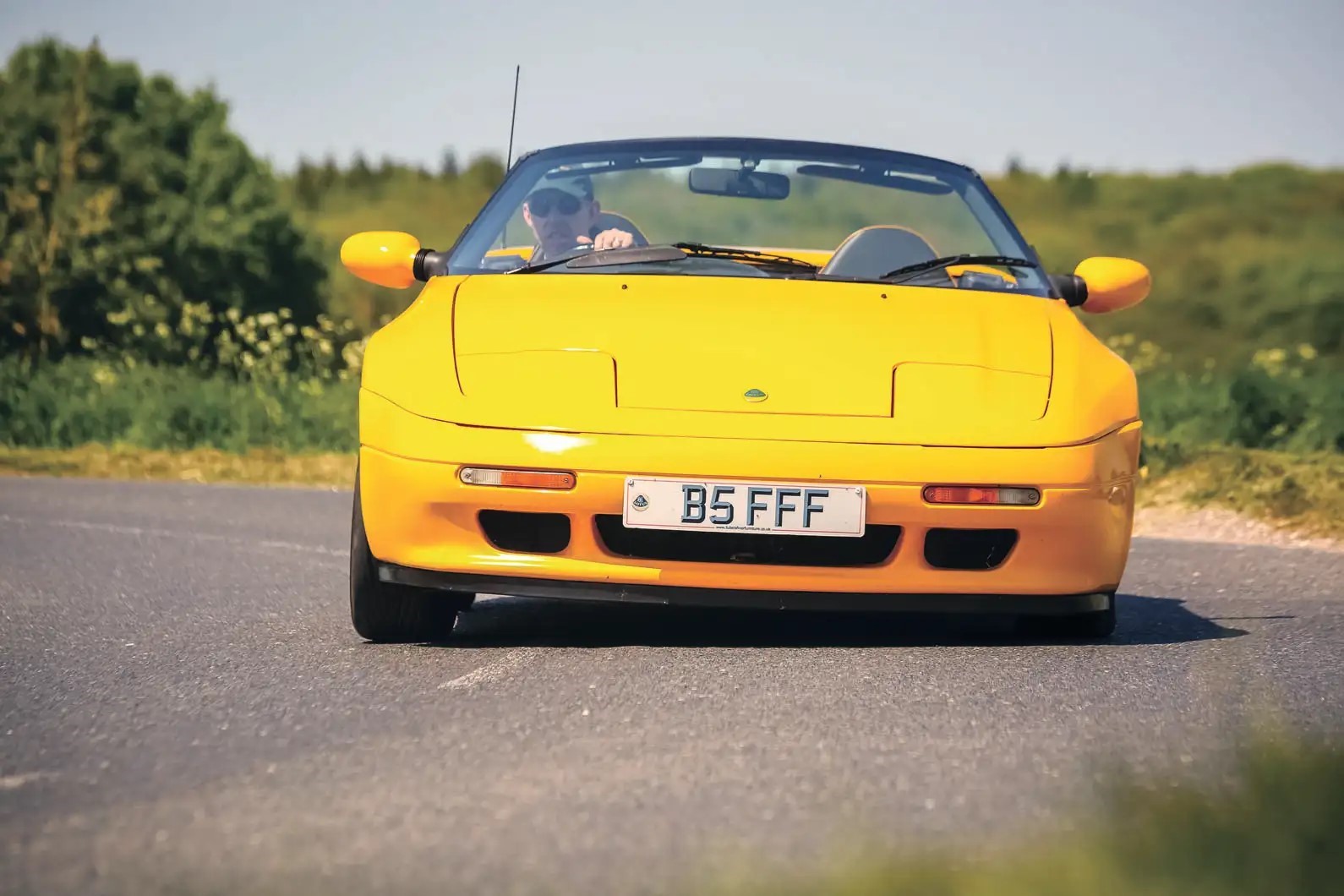
The Lotus Elan M100, produced from 1989 to 1995, has seen a gradual increase in popularity among enthusiasts, though for a considerable period, it was largely forgotten. During its relatively short production run, Lotus manufactured only 4,700 Elans across two series: the SE and S2. These cars were powered by a spirited 162bhp turbocharged 1.6-litre engine driving the front wheels, supported by a rigid chassis that minimized body roll. A naturally aspirated 1.6-litre option was also available. Despite its reputation for being one of the quickest point-to-point cars of its era, the Elan M100 faced a significant hurdle: public perception. Many enthusiasts struggled to accept a front-wheel-drive Lotus sports car, a departure from the brand’s rear-wheel-drive heritage. While sales and initial interest were strong, they eventually declined, leading Lotus to sell the rights to Kia, who briefly produced the car in South Korea.
Honda Del Sol: A Sporty Targa Top Successor
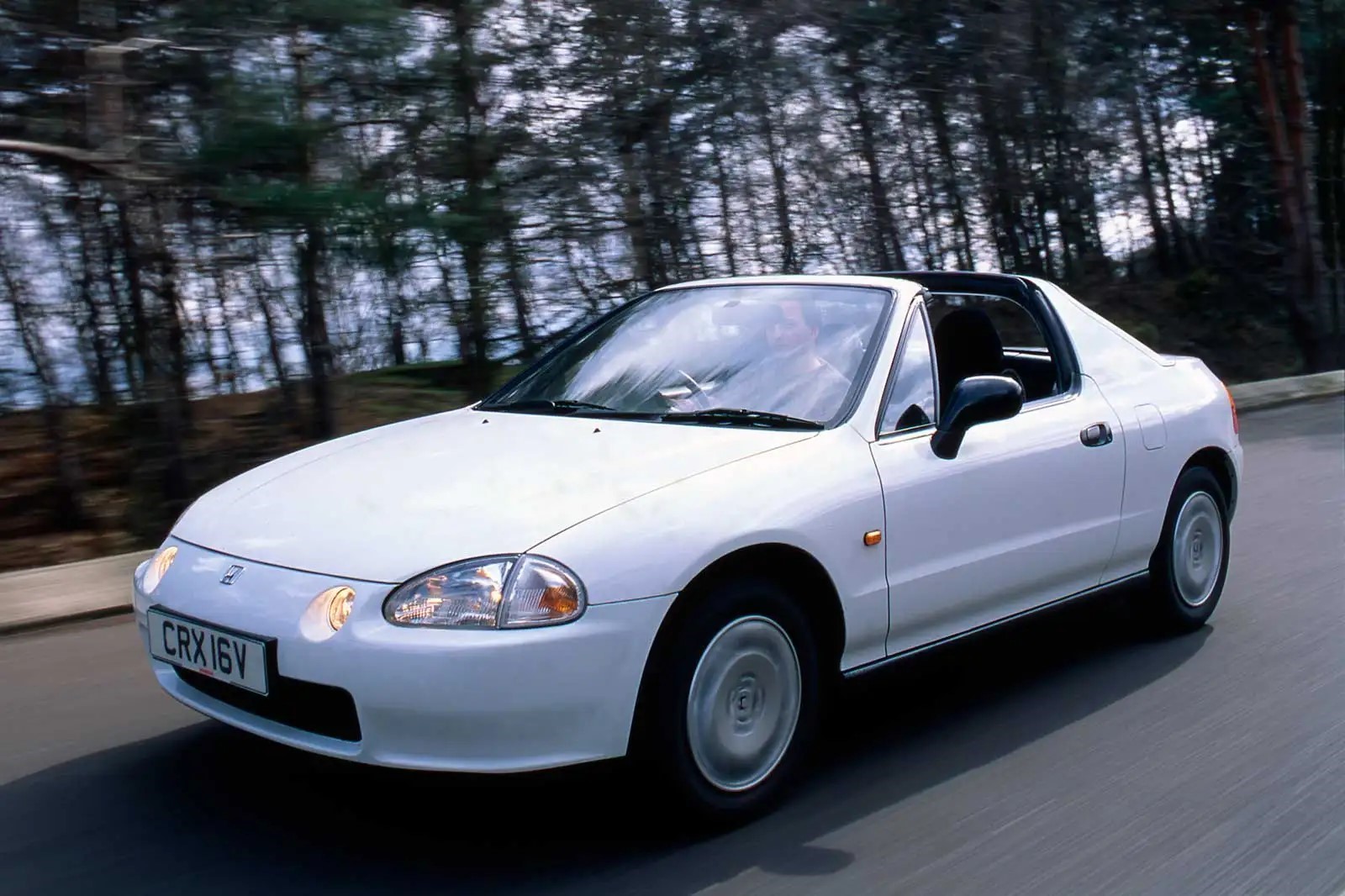
When Honda needed to replace the beloved CR-X, the Del Sol emerged as its sporty successor. Sharing its platform with the Civic, the Del Sol’s name, meaning "of the sun" in Spanish, perfectly encapsulated its identity as a convertible. Its most memorable feature was the innovative TransTop system, which, at the touch of a button, would automatically retract the 11kg hardtop into the trunk. For those who preferred a more conventional approach, a manual hardtop option was also available. While the Del Sol offered a unique and engaging experience, it ultimately faced stiff competition from the Mazda MX-5, which delivered a more visceral and pure driving thrill, leading many buyers to opt for the latter.
Citroën AX GTI: A Lightweight French Hot Hatch
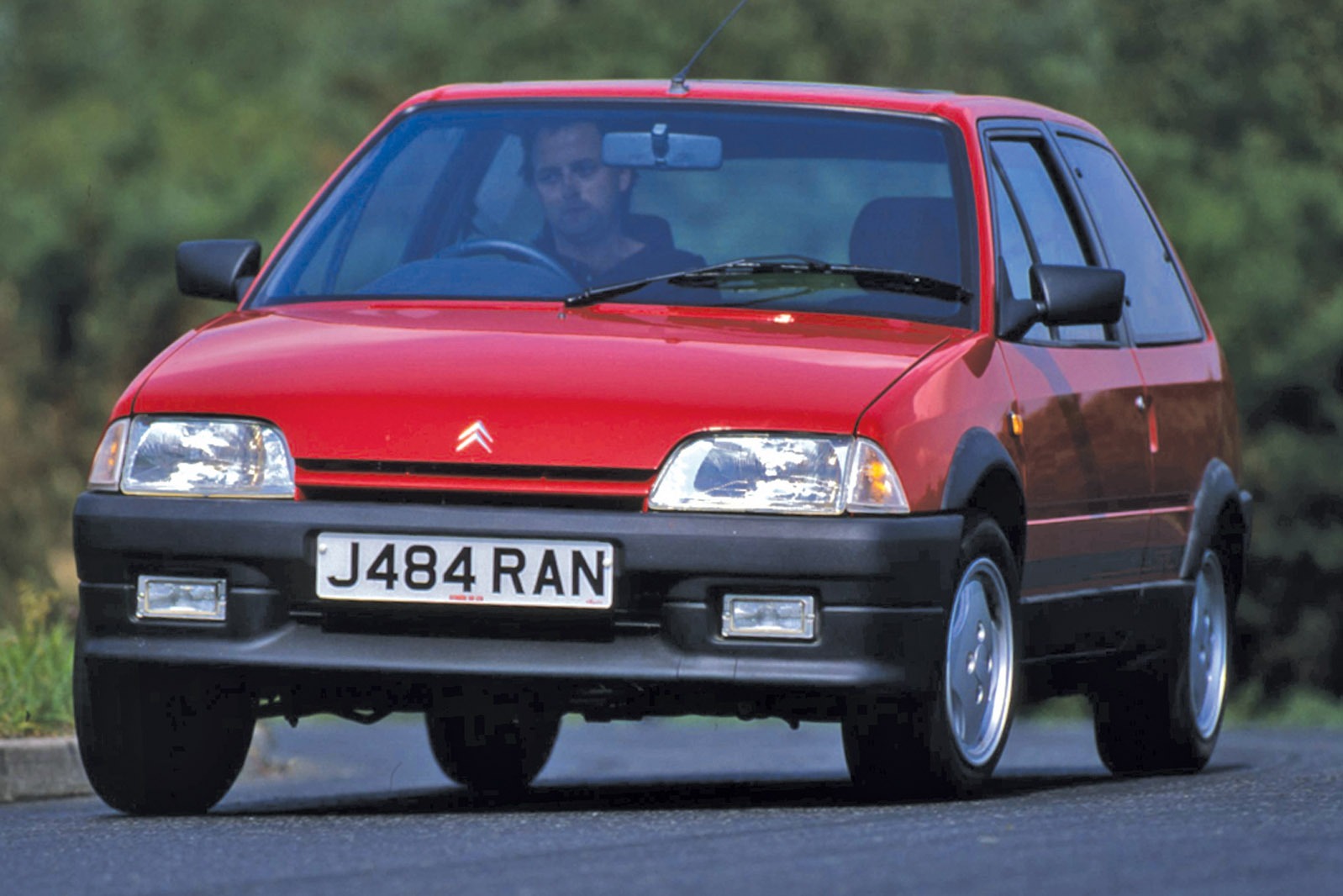
Citroën AX models were a common sight on UK roads throughout the 1980s and 1990s, appreciated for their small size and affordability. The performance-oriented GTI variant arrived in the UK in 1992, transforming the humble supermini into a surprisingly potent hot hatch. Weighing under 800kg and powered by a lively 99bhp 1.4-litre engine, the AX GTI could rival larger, more powerful cars in acceleration up to 60 mph, achieving the benchmark in 8.5 seconds. Its nimble handling and ability to pivot around corners made it an exciting drive. However, with the introduction of the Saxo, Citroën had to streamline its model range, leading to the discontinuation of the AX. The AX GTI remains a fondly remembered example of a lightweight, engaging French hot hatch.
Mercury Capri: A Sporty Coupe’s Struggle for Identity
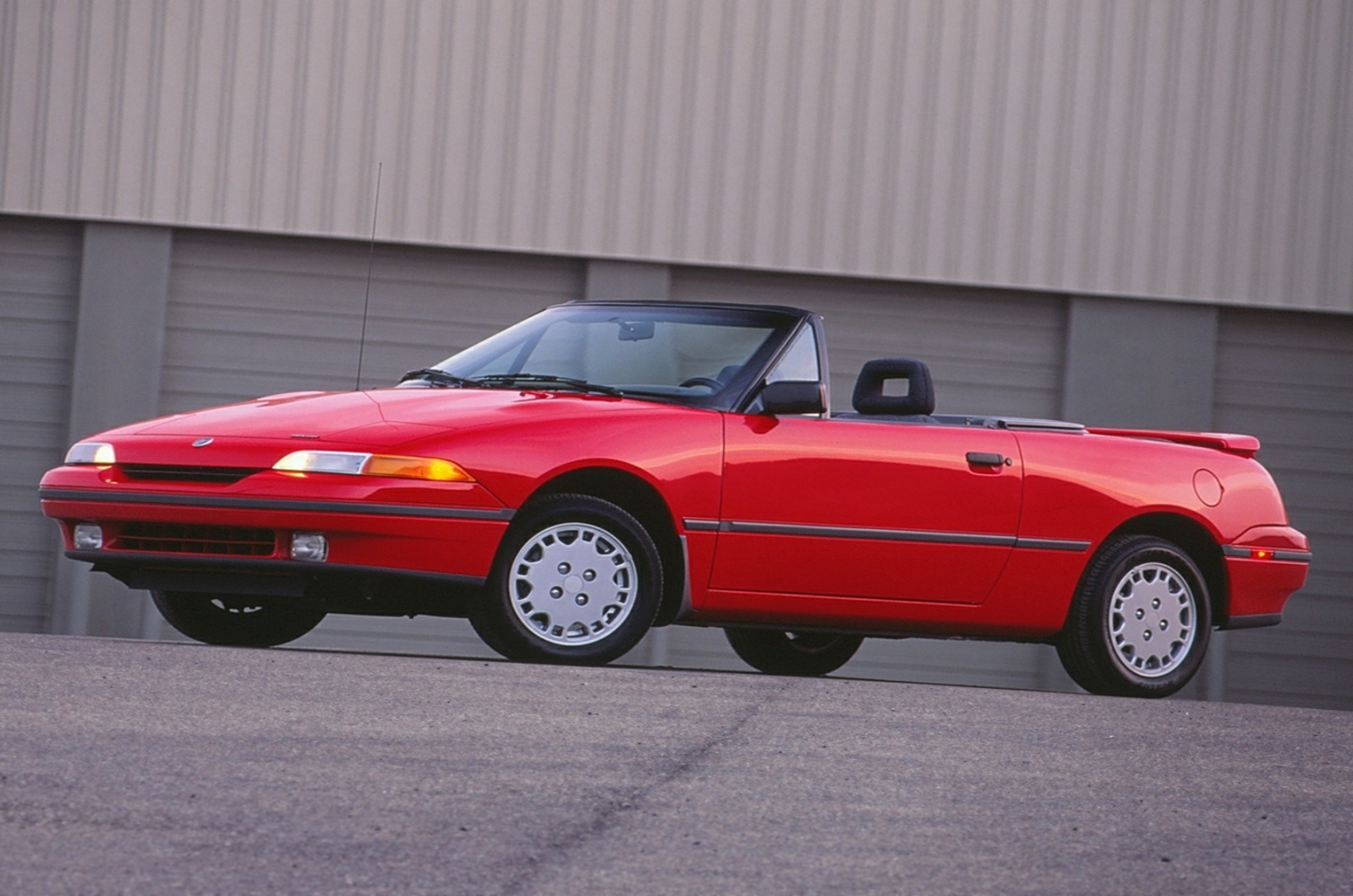
The Mercury Capri, particularly the third-generation model launched in 1991, was an ambitious attempt to revive the spirit of the classic Capri. Built by Ford Australia and designed to compete with the Mazda MX-5 and Toyota MR2, it incorporated numerous components from the Mazda 323. However, unlike its predecessors, larger engines were not an option. Prospective buyers could choose between a 100bhp Mazda 1.6-litre engine or a turbocharged version producing 132bhp. Despite its sporty intentions, the Capri struggled to differentiate itself from its more accomplished rivals, the MR2 and the MX-5, which offered superior performance and driving dynamics. This resulted in the Capri being largely relegated to automotive history.
Mazda MX-3: A Stylish Coupe with Innovative Rear Steering
Distinct from its popular sibling, the MX-5, the Mazda MX-3 was a four-seater front-wheel-drive coupe that shared its underpinnings with the Mazda 323. Produced from 1991 to 1998, the MX-3 offered a range of engine choices, including 1.5-litre, 1.6-litre, 1.8-litre, and a notable 1.8-litre V6. A key technological highlight was Mazda’s Twin-Trapezoidal Link rear suspension, which effectively provided the benefits of four-wheel steering without the added weight and complexity. Despite its innovative engineering and stylish design, the MX-3 was ultimately outsold by the more focused and purer sports car experience offered by the MX-5, leading to its eventual discontinuation.
Mitsubishi 3000GT: A Technologically Advanced Japanese Sports Car
The 1990s was a golden age for Japanese grand touring sports cars, with competitors like the Mazda RX-7, Nissan 300ZX, Toyota Supra, and Honda NSX dominating the segment. Mitsubishi entered this arena with the 3000GT, which served as the brand’s flagship model for much of the decade. Due to US regulations, early models were intentionally detuned to produce 164bhp from their 3.0-litre V6 engines, though a more powerful 222bhp GT variant was later introduced. European markets, however, received the full-power version with 282bhp. The 3000GT was a marvel of engineering complexity, featuring advanced technologies such as active aerodynamics and four-wheel steering. However, this complexity also contributed to high production costs, leading to its eventual withdrawal from the market as future generations would have been prohibitively expensive to develop and build.
Alfa Romeo 164: A Stylish Italian Executive Sedan
Although first introduced in 1987, the Alfa Romeo 164 remained a popular and distinctive choice throughout the 1990s, particularly with the introduction of its high-performance Quadrifoglio Verde and Q4 variants. Positioned as a compelling alternative to German executive sedans, the 164 offered a range of engines, including a 2.0-litre Twin Spark, a 3.0-litre V6 12-valve, and a 2.5-litre diesel. The lineup was further bolstered in 1990 with the addition of a 2.0-litre Turbo and the potent 229bhp Quadrifoglio Verde. In 1998, the 164 was succeeded by the more curvaceous Alfa Romeo 166, but the 164’s blend of Italian style, executive comfort, and spirited performance ensured its place as a memorable car of the decade.
Audi S4: A Performance Sedan’s Brief but Potent Reign
The Audi S4, first appearing in 1991 as the C4 generation, was designed to fill the performance gap left by the aging 200 Quattro Turbo. Aimed at drivers seeking spirited performance, the S4 offered two distinct engine choices. The first was a turbocharged 2.2-litre engine producing 227bhp, channeling power to all four wheels via Audi’s renowned quattro system. For those desiring even more power, a 4.2-litre V8 producing 276bhp was available exclusively in the "Plus" trim. Despite its potent performance, the S4 had a relatively short production life, being discontinued in 1994. Audi’s strategic decision to reintroduce the model as the S6, featuring minor cosmetic updates but retaining the core mechanicals, meant the S4’s standalone legacy was brief but impactful.
Mitsuoka Viewt: A Nostalgic Design on a Modern Platform
Since its debut in 1993, the Mitsuoka Viewt has consistently drawn curious glances and comparisons to classic vehicles, most notably the 1963 Jaguar Mk II. This resemblance was an intentional design choice by Mitsuoka, a Japanese manufacturer known for its retro-styled vehicles. Beneath its vintage-inspired exterior, however, lay the mechanicals of a humble Nissan Micra (or March, as it was known in Japan). While the exterior evoked classic elegance, the interior offered no such connection to its Jaguar inspiration. Available with 1.0-litre or 1.3-litre engines, in either manual or automatic transmission, the Viewt was not officially sold in the UK but found its way to the British market through independent importers, offering a unique blend of retro aesthetics and modern reliability.
Toyota Celica: A Sporty Coupe’s Evolving Identity
The Toyota Celica nameplate enjoyed significant popularity throughout the 1990s, particularly with the introduction of its seventh generation from 1999 to 2006. However, the fifth-generation models, produced for a shorter period until 1993, before Toyota transitioned to the updated sixth generation, also held their own appeal. European markets received several trim levels, including the ST-I with a 103bhp 1.6-litre engine, the GT-I featuring a 158bhp 2.0-litre engine, and the performance-oriented ST185 GT-Four, which delivered a substantial 232bhp. The Celica consistently offered a blend of sporty design and reliable performance, cementing its reputation as a desirable coupe.
Mercedes-Benz C36 AMG: The Birth of the Compact Performance Sedan
Distinguishing the Mercedes-Benz C36 AMG from its C280 Sport base model was a subtle art, often requiring a keen eye for detail. The most definitive identifiers were the AMG badges, a twin-exhaust system, and the potent 3.6-litre straight-six engine, which produced a formidable 280bhp. This powerplant propelled the C36 AMG to a top speed of 155 mph and allowed it to accelerate from 0 to 62 mph in just 6.7 seconds, placing it squarely in competition with the BMW M3. While the M3 was often lauded for its superior driving dynamics, Mercedes-Benz responded by introducing the C43 AMG, a V8 variant with 306bhp, effectively replacing the C36. A mere 5,221 C36 AMGs were produced, with only 378 finding their way to the UK, making it a rare and sought-after performance sedan.
Subaru SVX: A Bold Grand Tourer’s Short Run
Subaru’s ambitious foray into the grand tourer segment resulted in the SVX, a striking vehicle penned by the renowned Giorgetto Giugiaro, the designer behind the Lotus Esprit and DMC DeLorean. The SVX boasted a distinctive four-wheel-drive system, unique "window-within-a-window" side glass, an aircraft-inspired instrument panel, and a jet-fighter-like glass roof. Upon its release, the SVX garnered considerable media attention for its avant-garde design and innovative features. However, its outlandish styling and premium price point failed to resonate with the broader public. The 3.3-litre flat-six engine delivered a respectable 230bhp, but its performance potential was somewhat hampered by a sluggish four-speed automatic gearbox. The SVX’s lack of widespread appeal led Subaru to withdraw it from sale after just five years, leaving it as a unique but ultimately unsuccessful chapter in automotive history.
Lexus SC: Luxury and Performance with Polarizing Design
Lexus entered the luxury coupe market with the SC, directly challenging established players like Mercedes-Benz’s CL-Class. The SC lineup featured the SC 400, equipped with a 4.0-litre V8, and the SC 300, powered by a 3.0-litre inline-six. The SC 300 was the only model offered with a five-speed manual transmission, while other variants utilized four-speed or five-speed automatics. Lexus produced the first-generation SC until 2000, when it was replaced by the second generation. While the SC received accolades for its luxurious appointments, its design proved to be a point of contention, attracting both admiration and criticism. Lexus manufactured 33,000 units of the SC 300 and 49,538 units of the SC 400, marking a significant, albeit somewhat polarizing, entry into the premium coupe segment.
Isuzu VehiCROSS: An Off-Road Icon with an Unconventional Look
The Isuzu VehiCROSS, produced from 1997 to 2001, retained much of the radical styling of its concept car predecessor. Sharing a significant number of components with the Isuzu Trooper, the VehiCROSS was designed with off-road prowess in mind. Isuzu planned a limited production run of just 5,958 vehicles, with the majority intended for the US market. It featured an advanced computer-controlled "Torque On Demand" four-wheel-drive system and a separate low-gear system for serious off-roading. However, much like the Pontiac Aztek, the VehiCROSS’s polarizing design proved to be its biggest impediment to widespread success, with many potential buyers unable to look past its unconventional aesthetics, despite its capable off-road credentials.
Aston Martin Vantage V550: A Supercharged British Muscle Car
As was customary with Aston Martin’s lineage, a high-performance Vantage variant inevitably emerged from the Virage production line. Produced between 1993 and 2000, the standard Vantages were exceptionally scarce, with only 239 units manufactured, alongside 40 Le Mans special edition cars. This exclusivity underscored its rarity and desirability. While the standard Virage was powered by a 5.3-litre engine producing 330bhp, the Vantage featured twin superchargers, significantly boosting its power output to an astonishing 550bhp, all from the same engine displacement. This supercharged powerhouse represented the pinnacle of British performance engineering of its era, a true muscle car with an aristocratic lineage.
Maserati Shamal: A Biturbo-Derived Exotic
Designed in collaboration with Marcello Gandini, the renowned designer of the Lamborghini Countach, the Maserati Shamal was a 2+2 grand tourer produced from 1990 to 1996. Built during a period of financial difficulty for Maserati, the Shamal utilized parts from the existing Biturbo platform. It shared the Biturbo’s body shell, doors, and interior but sat on a shorter wheelbase derived from the Biturbo Spyder. The twin-turbocharged 2.8-litre V6 from the Biturbo was also adapted, receiving an additional bank of cylinders to create a 3.2-litre V8. This powerplant produced a formidable 322bhp. With a limited production run of just 369 examples, the Shamal remains a rare and intriguing Italian exotic, a testament to Maserati’s resilience and design flair.
Ferrari 456: The Last Pop-Up Headlight Ferrari
In 1992, Ferrari introduced the 456 as the successor to the front-engined, four-seater 412. It marked the final chapter for Ferrari models featuring pop-up headlights. Production concluded in 1997, with a total of 3,289 units built before the 612 Scaglietti took its place. Buyers had the choice of a six-speed manual or a four-speed automatic gearbox, both paired with a potent 436bhp 5.5-litre V12 engine, a derivative of the Dino V6, enabling a top speed of 192 mph. The 456M, arriving in 1998, introduced aerodynamic, cooling, and interior refinements, further enhancing this elegant front-engined V12 grand tourer.
MTX Tatra V8: A Czech Supercar’s Tragic Beginning
In 1991, Czech Republic-based car builder MTX collaborated with Tatra to produce a supercar, the Tatra V8. Equipped with a 302bhp 3.9-litre V8 engine, the Tatra V8 was the fastest Czech car of its time, capable of accelerating from 0 to 62 mph in 5.6 seconds and reaching a top speed of 165 mph. Teased at the Prague auto show in 1991, the car garnered significant interest, with 200 orders placed. However, tragedy struck early in the production phase when the factory burned down, resulting in only four cars ever being completed. This devastating event curtailed the ambitious project, leaving the MTX Tatra V8 as a rare and poignant example of what might have been.
Vector W8: A Futuristic American Supercar’s Limited Run
Gerald Wiegert, the founder of Vector, harbored a vision of building the ultimate sports car, culminating in the W2 prototype, first presented in 1976. Financial constraints and economic downturns delayed production significantly. However, by 1980, with improved finances and a growing team, Vector was poised to develop the W2’s successor, the W8. This futuristic supercar was powered by a 6.0-litre twin-turbocharged V8 engine, producing 625bhp at 8psi of boost, with the capability for cabin-adjustable boost levels reaching up to 1200bhp during testing. Unfortunately, a hostile takeover by Megatech in 1993 brought the W8’s production to an abrupt end after just 22 units were built, cementing its status as a rare and technologically advanced machine.
Honda Accord Type-R: A Sports Sedan in a Class of Its Own
When the Honda Accord Type-R arrived in 1998, it occupied a unique space in the automotive market. While rivals like the Ford Mondeo ST200 and Vauxhall Vectra GSi were considered fast executive cars, and the Integra Type-R was firmly in sports car territory, the Accord Type-R offered a distinct blend of sports sedan performance. Powered by a 2.2-litre VTEC engine producing 217bhp and 164 lb ft of torque at 6700 rpm, it featured a stiffer chassis and suspension, a limited-slip differential, dual exhaust, upgraded brakes, Xenon headlights, and Recaro seats. Honda produced only 3,789 Accord Type-Rs before ceasing production in 2002, not due to any specific fault, but rather a decline in the sports sedan segment.
Proton Satria GTi: A Lotus-Tuned Malaysian Hot Hatch
Proton’s development of the Satria GTi saw the integration of a 1.8-litre Mitsubishi Lancer GSR engine, albeit without the turbocharger. To compensate for the loss of forced induction, the compression ratio was increased, resulting in a power output of 138bhp. Lotus, renowned for its chassis tuning expertise, lent its assistance to the project, contributing to the Satria GTi becoming one of Proton’s fastest models. The car was intended to compete with established hot hatches like the Volkswagen Polo GTI and Peugeot 206 GTI. Despite its competent performance and handling, it failed to convince a significant number of buyers to part with their money, leading to its discontinuation in 2005 and a gradual disappearance from the roads.
Nissan R390 GT1: A Le Mans Homologation Special
In the 1990s, Nissan’s entry into the grueling 24 Hours of Le Mans necessitated the creation of a road-going homologation version of its race car. Nissan produced a single R390 road car, with no intention of mass production. This exclusive machine was powered by the same twin-turbocharged 3.5-litre V8 as its racing counterpart, delivering 550bhp to the rear wheels via a six-speed manual gearbox. The styling of the R390 GT1 was a collaborative effort led by Ian Callum, who was then working for TWR. Later, one of the actual race cars was modified over two years to be road-legal, retaining approximately 95% of its original race car components, making it an extraordinary and exceptionally rare piece of automotive engineering.
Rover Metro: A Safety-Conscious Demise
Originally launched as the Austin Metro, the Rover Metro underwent significant design revisions upon its arrival in 1990. It featured the new K-series engines in 1.1 and 1.4-litre displacements, with a 1.4-litre diesel option also available. In 1994, a revised model known as the Rover 100 was introduced, retaining the gasoline engine options but offering a 1.5-litre diesel. However, the Rover 100’s fate was sealed in 1997 when Euro NCAP crash-tested it, resulting in a disastrous one-star rating for adult occupancy. This poor safety performance, coupled with collapsing sales, led Rover to discontinue the model, marking a somber end for a car that had been a staple on British roads.
GMC Typhoon: The Performance SUV Pioneer
For enthusiasts of high-performance SUVs, the GMC Typhoon stands as a pioneering vehicle that signaled the dawn of a new automotive segment. It shared its powertrain with its sibling, the Syclone pickup truck, featuring a 4.3-litre V6 engine producing 280bhp. Unique pistons and a throttle body from a 5.7-litre Chevrolet small-block engine were incorporated to enhance its performance. Power was delivered to all four wheels through a four-speed automatic transmission, enabling a 0-60 mph sprint in just 5.3 seconds and a quarter-mile time of 14.1 seconds. This level of performance rivaled that of established sports cars like the Ferrari 348TS and Chevrolet Corvette. GM produced a limited run of just 4,697 Typhoons between 1992 and 1993, making it a rare and highly sought-after performance SUV.
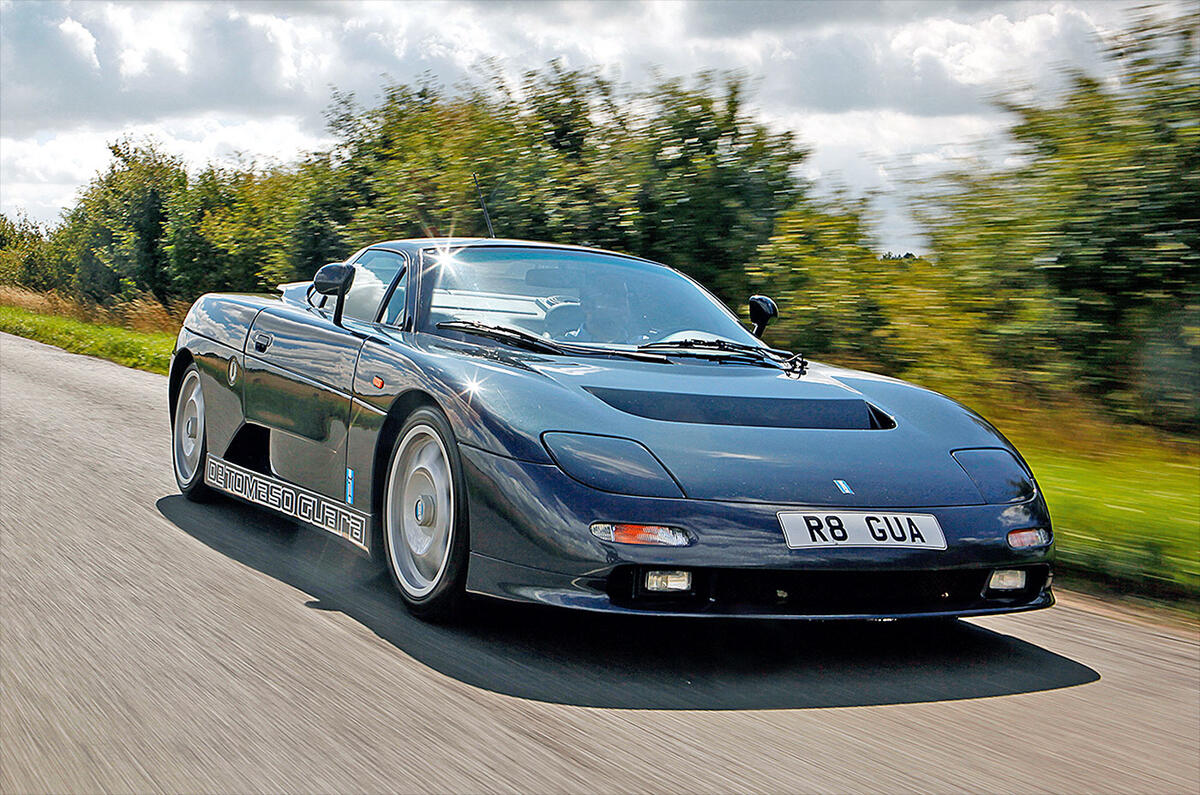
De Tomaso Guara: An Exotic Blend of Maserati and BMW
Alejandro de Tomaso’s vision for the Guara was inspired by the Maserati Barchetta Stradale prototype of the early 1990s. The Guara featured a fiberglass and Kevlar body mounted on an aluminum backbone chassis, with suspension components reminiscent of Formula One cars. Initially, Ford was slated to supply engines, but a change in plans led to the adoption of BMW powertrains. Early models utilized the V8 engine from the BMW 840Ci, producing 280bhp. As BMW phased out this engine, later Guaras were fitted with a 4.6-litre V8 delivering 316bhp. With a production run of only 52 cars between 1994 and 2004, the Guara represents a rare and exotic fusion of Italian design and German engineering, ultimately succumbing to De Tomaso’s liquidation.
Renault Sport Spider: A Lightweight Track Day Special
The success of the Renault 5 Turbo spurred Renault to establish a dedicated sport division, which subsequently produced the Renault Sport Spider. Designed to compete in its own one-make racing series and serve as a road car, production commenced in 1996. Initially equipped with a small aero screen, a full windshield and wiper became an option in 1997, while all models featured distinctive scissor doors. The Spider’s chassis was constructed from aluminum, with its bodywork made from a plastic composite. Its engine, borrowed from the Clio Williams, produced 148bhp. Renault manufactured just 1,726 Sport Spiders before ceasing production, leaving it as a focused, lightweight track day car with a unique character.
Conclusion
The 1990s was an era of significant automotive evolution, marked by groundbreaking design shifts, technological advancements, and the emergence of new performance paradigms. While many vehicles of this decade achieved widespread acclaim, a remarkable number of cars, possessing unique engineering, compelling performance, or distinctive styling, were either overshadowed by their more prominent contemporaries or failed to capture the public imagination despite their inherent merits. These overlooked gems, from the discreet performance of the Mercedes-Benz 500E to the rally-bred aggression of the Nissan Sunny GTI-R and the quirky charm of the Suzuki X-90, collectively represent a rich tapestry of automotive history that warrants rediscovery and appreciation. Their stories serve as a reminder that exceptional engineering and captivating design can sometimes emerge in unexpected packages, often deserving of a more prominent place in the annals of automotive excellence.