In the intricate world of medical device manufacturing, where the difference between success and failure can be measured in microns and the stakes involve human health and longevity, the application of adhesives, coatings, and potting compounds demands an unparalleled level of precision. This exigency is particularly pronounced for Class III medical devices – those vital instruments that are often implanted, life-sustaining, or carry significant potential risk. Such devices, ranging from sophisticated neurostimulators to life-saving cardiovascular stents, necessitate manufacturing processes that adhere to the most stringent quality and safety standards.
The journey of a medical device from concept to implantation is fraught with regulatory hurdles and technical challenges, none more critical than ensuring the integrity of its constituent parts. Precision dispensing, often overlooked by the casual observer, stands as a foundational pillar supporting the reliability, biocompatibility, and long-term performance of these advanced medical tools. As the global medical device market continues its robust growth, projected to exceed $600 billion by the mid-2020s, the demand for manufacturing technologies that can meet escalating design complexity and miniaturization trends has never been higher. This market expansion is driven by an aging global population, increasing prevalence of chronic diseases, and continuous innovation in medical science, all of which underscore the imperative for flawless device assembly.
The Imperative for Micro-Precision in Critical Applications
The need for exact material application is exemplified by devices such as the Deep Brain Stimulator (DBS), a marvel of modern medicine used to alleviate symptoms of Parkinson’s disease, essential tremor, and therapy-resistant epilepsy. A DBS system functions by delivering precise electrical impulses to targeted brain regions via extremely fine electrodes. Within these highly sensitive devices, even minuscule amounts of adhesive play a monumental role. Each contact point and block segment must be meticulously secured to prevent movement during the subsequent potting process, which encapsulates the entire assembly. This critical step not only ensures structural stability but also prevents the formation of voids that could allow potting compounds to penetrate uncontrollably, potentially compromising device function or patient safety.
The potting process itself creates a homogeneous protective layer, essential for guaranteeing long-term biocompatibility – a non-negotiable requirement for any implantable device. This protective layer also confers resistance to vibration and shock, crucial for devices operating within the dynamic environment of the human body. Given the propensity of body fluids to migrate into microscopic gaps between primary and secondary barriers, an adhesion promoter is frequently employed. Applied with extreme precision, this promoter establishes an even more robust and long-term stable seal, a testament to the layered approach required for implantable device integrity. The biological evaluation of medical devices, guided by standards like ISO 10993, dictates rigorous testing to ensure these materials and their application methods pose no risk to the patient.
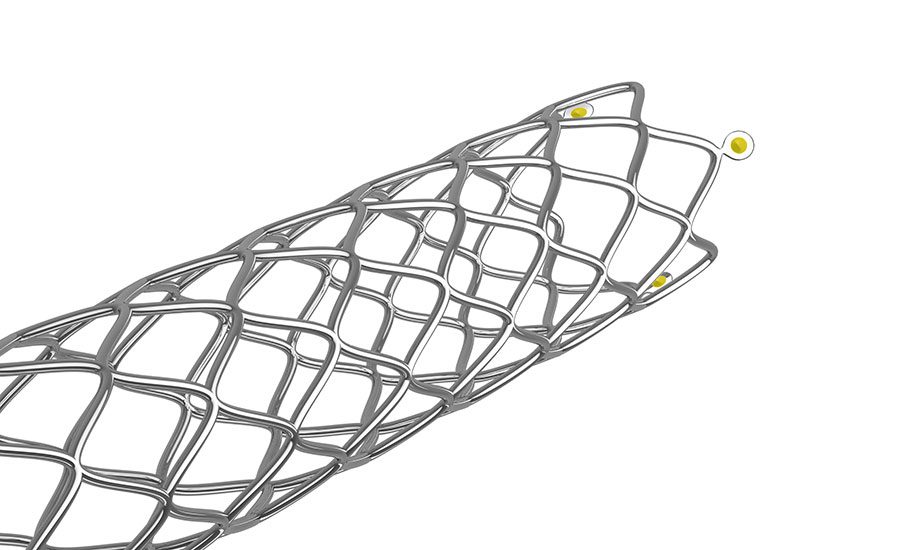
Beyond neurostimulation, precision adhesive application is equally critical in the assembly of stents. These life-saving vascular scaffolds, particularly those fabricated from materials with low radiopacity such as nitinol, present a unique challenge. Nitinol, celebrated for its superelasticity and shape memory properties, is difficult to visualize under X-ray imaging. To enable accurate placement within the body, tiny radiopaque markers are attached to the stents. This process involves filling gaps as minute as 15 to 30 microns with minuscule quantities of adhesive. These "micro-doses" are not merely about securing the markers; they are painstakingly engineered to preserve the stent’s inherent mobility, maintain its crucial flexibility, and, critically, ensure long-term biocompatibility within the cardiovascular system. Any deviation in adhesive volume could compromise the stent’s mechanical properties, leading to potential complications.
Another pervasive application demanding microdispensing expertise is the assembly of catheters. These versatile medical tubes, used for a myriad of diagnostic and therapeutic procedures, require the precise joining of various components, such as connectors, within extremely tight tolerances. The challenge lies in applying tiny dots of adhesive to secure these assemblies without impeding the catheter’s inherent flexibility or restricting the flow within its lumens. Overdosing could result in constrictions, blockages, or even the detachment of adhesive particles, posing severe risks to patients. Conversely, underdosing could lead to mechanically weak points, potentially causing device failure during use. The requirement for adhesive dots often less than 2.5 millimeters in diameter underscores the microscopic scale of these assembly tasks, where every drop matters.
Technological Challenges and Evolving Solutions in Dispensing
The demands placed on dispensing systems for medical device manufacturing are extraordinarily high. Even the slightest deviation in application volume, position, or consistency can have significant ramifications for the final product’s quality and safety. Achieving the required precision necessitates dispensing platforms with exceptional axis accuracy and repeatability. However, the greatest challenges often stem from the inherent variability of the materials themselves. Factors such as temperature fluctuations, entrapped air within the material, or manufacturer-related viscosity deviations can profoundly affect dispensing outcomes.
Traditional time-pressure dispensing systems, while adequate for less critical applications, often reach their operational limits in this demanding environment. Their output volume is heavily dependent on the fill level of the pressurized cartridge, as air compresses differently than liquid. A full, half-full, or nearly empty cartridge can produce varying application volumes, leading to inconsistent results that are unacceptable for medical-grade products. This variability introduces an unacceptable degree of risk and makes validation processes more arduous.
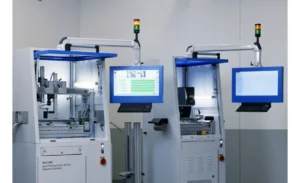
Recognizing these profound challenges, leading automation specialists have collaborated to develop advanced solutions. Rehm Thermal Systems, a German company renowned for its automated systems in dispensing, coating, soldering, drying, metallizing, and testing across electronics, solar panels, and medical devices, has partnered with ViscoTec for microdispensing technology. This collaboration underscores an industry-wide trend towards integrated, specialized solutions that address the unique demands of high-precision manufacturing.
The Innovation of Volumetric Progressive Cavity Dispensing
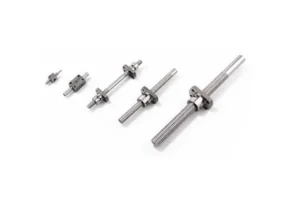
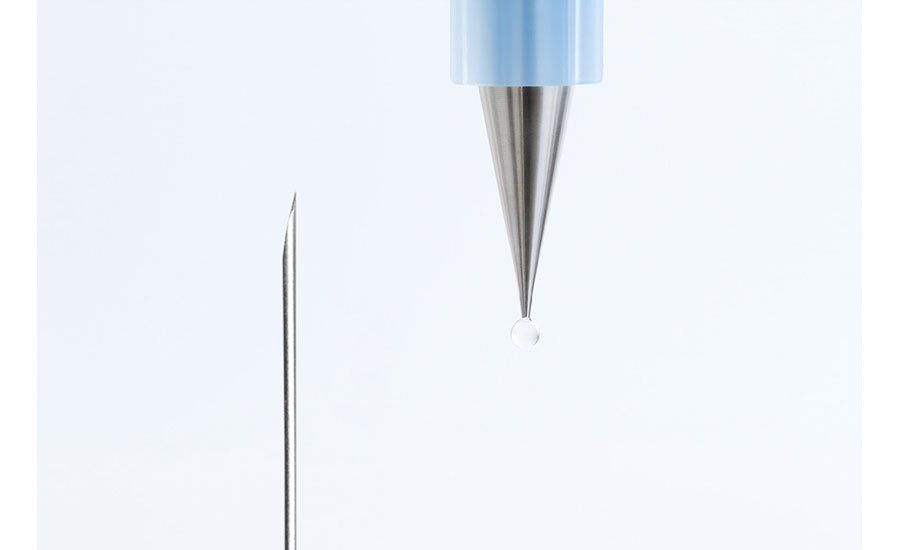
At the heart of ViscoTec’s solution is its progressive cavity design, a technological leap forward from traditional methods. This system employs a rotating screw that transports material uniformly and without pulsation. This fundamental design ensures exceptionally high repeatability, making the dispensing process largely independent of viscosity fluctuations. Unlike time-pressure systems, ViscoTec’s technology operates on a purely volumetric principle: the screw displaces the exact same volume per revolution, regardless of the cartridge fill level, material temperature, or other common variables. This inherent volumetric accuracy is a game-changer for critical medical applications.
A significant advantage of this progressive cavity technology is its resilience to material variations. Whether dealing with temperature changes or materials containing fillers – a common occurrence in specialized medical adhesives – the screw mechanism conveys even highly viscous or filled media gently and at a constant delivery rate. This gentle conveyance prevents air entrapment and phase separation, ensuring that fillers remain homogeneously suspended within the matrix. This consistency is vital for maintaining the structural and chemical integrity of the dispensed material, which directly translates to device reliability and biocompatibility.
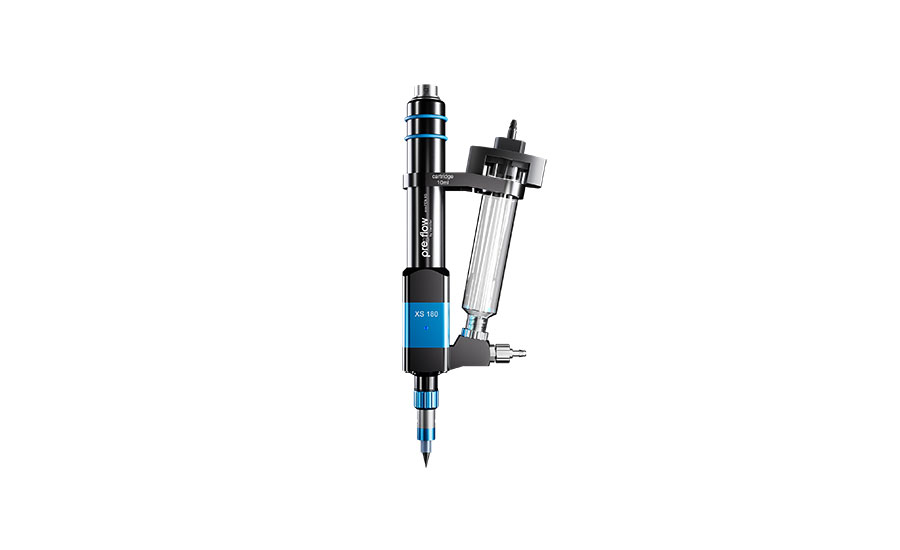
ViscoTec offers a range of microdispensing options tailored for medical device assembly. For instance, their Vipro-Head dispensing valve has been specifically engineered for this sector. All contact parts are meticulously crafted from stainless steel or FDA-certified plastics and elastomers, adhering to strict material compatibility requirements for medical applications. An autoclavable variant, capable of withstanding temperatures up to 121°C, further enhances its suitability for sterile environments, crucial in medical manufacturing. Another notable product is the Preeflow Eco-Pen XS 180, designed for ultra-small dispensing volumes. Its compact footprint facilitates seamless integration into automated assembly systems, allowing for the parallel operation of multiple valves to maximize throughput without compromising precision. These systems boast dispensing accuracy of up to ±1 percent, enabling precise and reproducible application of adhesive quantities in the microliter range.
Integrated Curing and Comprehensive Quality Assurance
Dispensing is merely the first critical step; the material must then be properly cured. This is where Rehm’s expertise in thermal processing becomes indispensable. The curing and drying steps must be meticulously controlled to prevent air entrapment between the substrate and the dispensed material. Through precisely coordinated temperature profiles, Rehm’s systems ensure that materials cure completely, forming a smooth, homogeneous, and robust bond. Depending on the chemical composition of the adhesives or potting compounds, Rehm configures its curing and drying systems individually, offering both infrared (IR) and ultraviolet (UV) technologies to optimize the curing process for specific materials. This integrated approach, combining precise dispensing with controlled curing, is paramount for achieving the desired material properties and device performance.
In validated medical device assembly processes, consistent quality assurance through regular maintenance and calibration is not merely good practice – it is a regulatory mandate. ViscoTec’s technology addresses a common issue in dispensing: unwanted material discharge. The progressive-cavity screw can rotate both forwards and backwards, and the amount of retraction is programmable. This allows engineers to set a defined string break, preventing dripping and ensuring a clean application without material contamination.
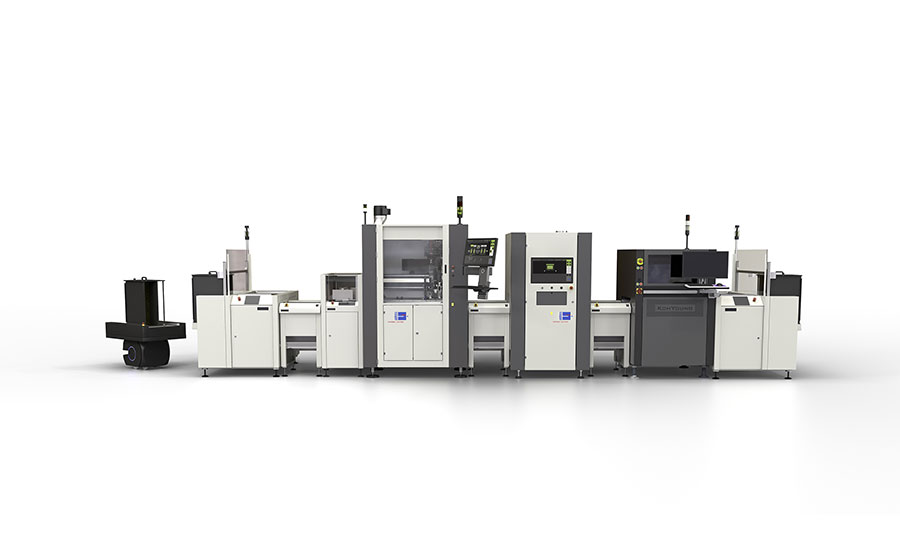
Rehm further enhances quality control by equipping its dispensing and coating systems with automated cleaning mechanisms, often involving a tape that cleans the dispensing needle before each application. The machine’s advanced controller allows engineers to precisely set every parameter, including material type, nozzle diameter, dispensing volume, and flow behavior. Material output is continuously monitored via precision load cells, enabling early detection and prevention of any deviations. This real-time feedback loop is crucial for maintaining process stability and ensuring consistent quality in high-volume production.
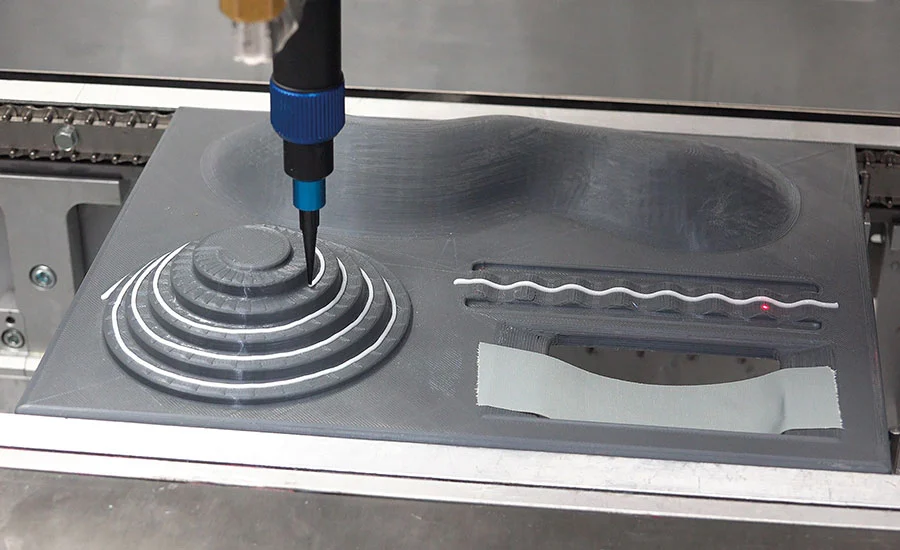
To address the complexities of locating and positioning soft or intricately shaped medical products, these automated systems incorporate automatic needle measurement. This feature periodically checks the applicators and automatically readjusts them if necessary. An integrated fiducial camera detects alignment marks, corrects the zero point, and ensures precise operation even if the assembly is not perfectly positioned in the fixture. Furthermore, a 3D height sensor automatically compensates for any warpage or instability, a common challenge with thin substrates, guaranteeing uniform material application across varied topographies. These layers of automation and sensor-based feedback are vital for operating within the stringent ISO 7 cleanroom environments often required for medical device manufacturing.
Flexibility, Reliability, and Regulatory Compliance
The ability to adapt quickly to new applications, or "on the fly," is a significant advantage in dynamic manufacturing environments. Rehm’s dispensing systems offer this flexibility with minimal changeover times, accommodating a diverse range of materials, from viscous silicones to watery acrylates and filled epoxy resins. The technology automatically adjusts to different nozzle types, needle lengths, application patterns, and process parameters. Centralized control software manages material parameters and dispensing paths, automatically loading programs based on the product, thereby minimizing changeover times and maximizing system availability.
However, in the highly regulated medical device sector, process stability often takes precedence over maximum flexibility. Each assembly line is typically validated for a specific product, meaning any changes to the process, geometry, or material necessitate extensive revalidation. This stringent requirement is mandated by regulatory bodies like the FDA in the United States and the EMA in Europe, which enforce strict guidelines for medical device manufacturing, including ISO 13485 (Quality Management Systems for Medical Devices). EU medical device regulations, for example, stipulate that operator intervention must be minimized in high-volume production to reduce human error and ensure consistent quality. Therefore, dispensing systems are often precisely tailored to a single product to ensure unwavering process stability.
Cleanliness, as noted, is paramount. Rehm’s systems are specifically designed for operation within ISO 7 cleanroom environments, adhering to the strict particle count limits necessary to prevent contamination of sterile medical devices. Material compatibility is another critical consideration; every component of the dispensing system that comes into contact with the dispensed material must be compatible to prevent degradation or contamination. For biocompatibility reasons, aluminum surfaces in contact with medical-grade materials are frequently replaced with stainless-steel variants.
Traceability: A Cornerstone of Medical Device Manufacturing
Data collection and analysis are not merely beneficial but essential for quality assurance and regulatory compliance in medical device assembly. Production must be traceable for many years, often for the entire lifecycle of the device. If a problem arises, it is insufficient to narrow it down to a rough time period. Systems must be capable of determining precisely which serial numbers are affected, which process parameters were present during dispensing, and under what conditions each product was manufactured. This granular traceability enables targeted recall actions, preventing the unnecessary removal of safe products from the market and significantly mitigating financial and reputational damage to manufacturers.
This level of traceability is achieved through consistent data acquisition and individually configurable interfaces. Temperatures, material batches, serial numbers, and complete process histories can be captured and synchronized horizontally between machines, then reported vertically to higher-level Manufacturing Execution Systems (MES). This creates a comprehensive digital footprint for every device. Material and process interlocks provide an additional layer of safety. Before each production run, the system verifies that the current program matches the intended product and material. Any mismatch automatically locks the process, preventing errors. These integrated measures ensure seamless traceability and enable an immediate response to any process deviations, upholding the highest standards of patient safety.
Design for Automation: Bridging Development to Production
A significant challenge in the medical device industry is scaling prototypes up to series production. New products undergo extensive development and validation phases, and only after all processes are rigorously qualified can they transition to high-volume manufacturing. To shorten these often-lengthy timeframes, it is crucial to consider future automation strategies during the initial product development phase. This "Design for Automation" philosophy is gaining increasing traction as manufacturers seek to accelerate market entry for innovative devices.
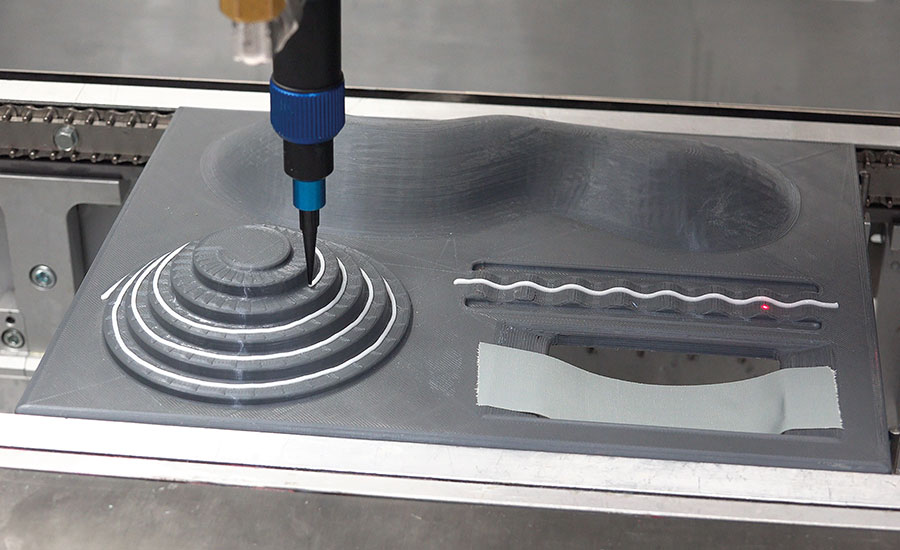
Both Rehm and ViscoTec actively support their customers early in the development phase, conducting practical trials using production and prototype parts. By testing under realistic conditions, optimal process parameters can be identified, and potential challenges addressed proactively. This close collaboration between device developers and manufacturing technology providers upfront helps to accelerate the transition from development to production, avoiding costly and time-consuming adjustments or revalidations later in the product lifecycle.
In essence, the precision dispensing technologies provided by companies like ViscoTec, integrated into automated systems by partners like Rehm Thermal Systems, are not just about applying materials; they are about embedding quality, safety, and reliability into every single medical device. As medical technology continues to advance, the unseen precision of these manufacturing processes will remain a critical, non-negotiable factor in delivering life-changing innovations to patients worldwide. The continued evolution of these technologies will directly influence the future capabilities and safety profiles of medical devices, affirming precision dispensing’s role as a cornerstone of modern healthcare.