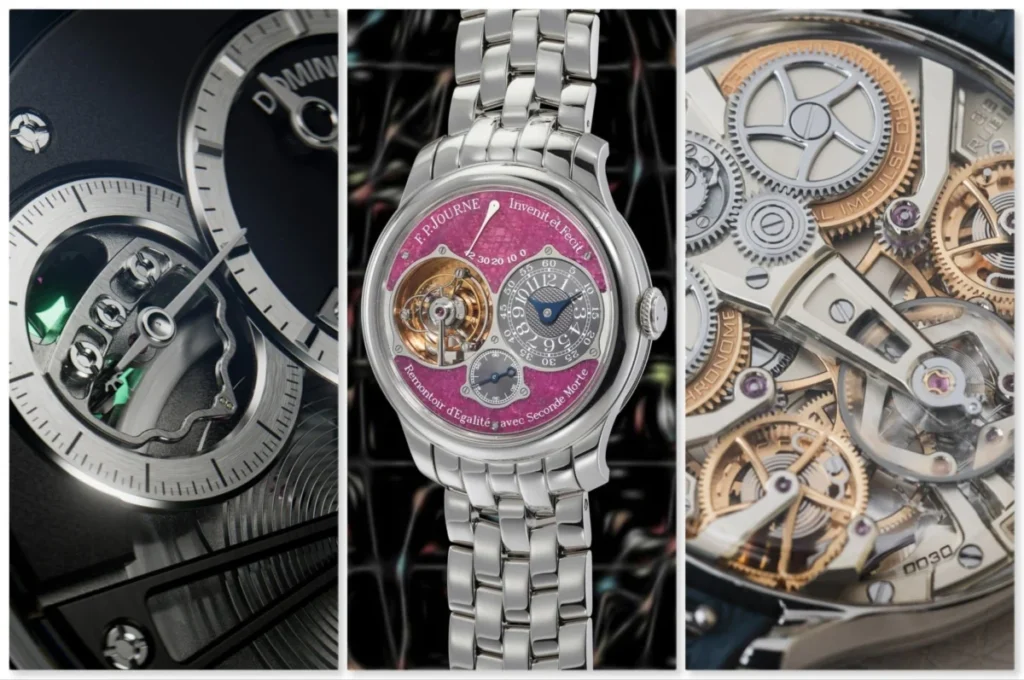
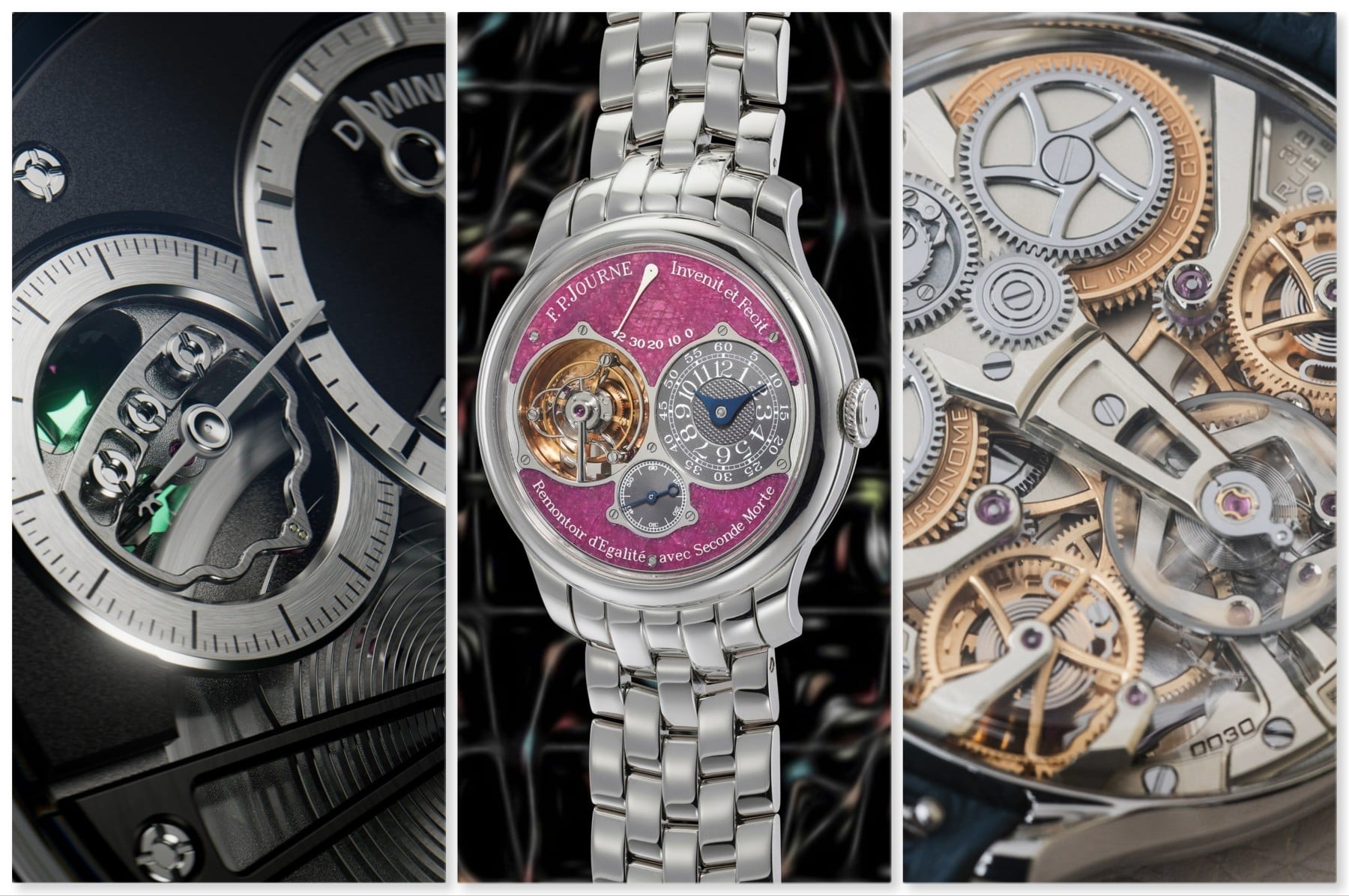
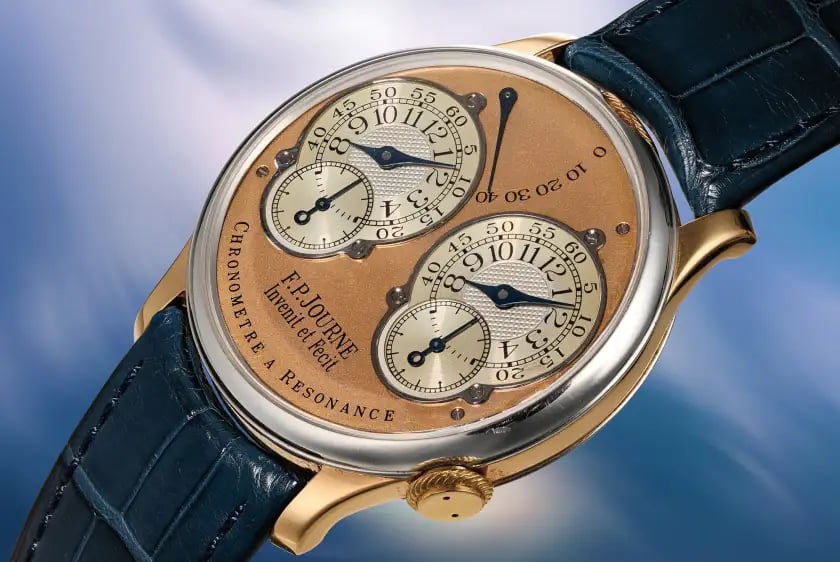
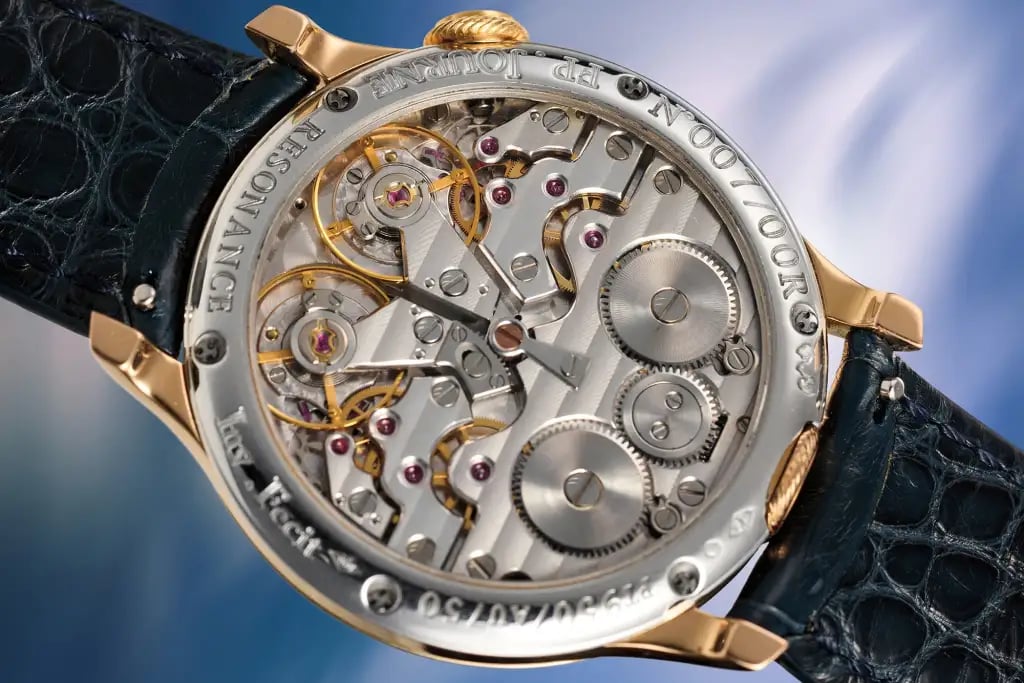
The recent record-breaking auction at Phillips, which generated an astonishing $75.8 million in sales – the highest grossing watch auction in U.S. history – has ignited a profound conversation within the collecting world and beyond: when does a timepiece transcend mere mechanical marvel to become a genuine work of art? This question, pondered over a Lebanese lunch with prominent figures from Phillips, Aurel Bacs and Alex Ghotbi, served as the catalyst for an in-depth exploration into the increasingly blurred lines between haute horlogerie and fine art. The auction itself, where every single lot found a buyer and a staggering 16 timepieces exceeded the $1 million mark, culminating in the sale of an ultra-rare F.P. Journe Chronomètre à Résonance “Souscription, No. 007” for an astounding $13.92 million, underscores the seismic shift in how exceptional watches are perceived and valued.
The Transformation of the Auction Block: From Salesroom to Salon
A cursory visit to any major watch auction house today reveals a palpable transformation. These are no longer sterile, transactional events. Instead, they have evolved into electrifying spectacles, mirroring the dynamics of high-profile art auctions. The atmosphere is charged with anticipation, narratives are meticulously woven around each lot, and the fervor of bidding often eclipses the mere mechanics of sale. This dramatic evolution begs the question: how did this profound shift occur?
Several converging factors have propelled watches into this elevated realm. The digital age, with its pervasive social media platforms like Instagram, has undeniably amplified the visibility of luxury timepieces. However, the ascent of watches goes beyond mere popularization. Over the past two decades, exceptional watches have graduated from being solely objects of intricate craftsmanship to being recognized as tangible assets, akin to fine art, classic automobiles, and rare wines, within the portfolios of affluent collectors and investors.
The Investment Angle: Scarcity, Desire, and Veblen Goods
The investment allure has been a primary driver of this revaluation. Iconic pieces from established houses like Rolex and Patek Philippe, alongside contemporary powerhouses such as Richard Mille and F.P. Journe, have become established stores of value for high-net-worth individuals. Much like the art market, the inherent scarcity of these exceptional timepieces fuels their desirability. The singular status of a "Paul Newman" Rolex Daytona or the rarity of the F.P. Journe Chronomètre à Résonance “Souscription, No. 007” exemplifies this principle.
This dynamic aligns with economic principles of Veblen goods – luxury items for which demand increases as the price increases, due to the exclusivity and prestige they confer. Limited production runs coupled with enduring demand create an environment where rarity directly correlates with hammer price. As Aurel Bacs, co-founder of Bacs & Russo, a consultancy and auctioneering firm partnering with Phillips, aptly noted, watches are now "sitting side by side on the podium with fine art, extraordinary jewelry, historic rare motorcars at the top of the collecting world."
Defining Art: Beyond Price and Provenance
However, the substantial price tags alone do not automatically confer artistic status. The definition of art itself is fluid, evolving with societal perspectives and technological advancements. At its core, art is the embodiment of human creativity and imagination, striving to evoke resonance beyond its physical form. It invites deeper engagement, prompting contemplation, emotional response, and the discovery of personal meaning. The question remains whether exceptional timepieces can fulfill these criteria.
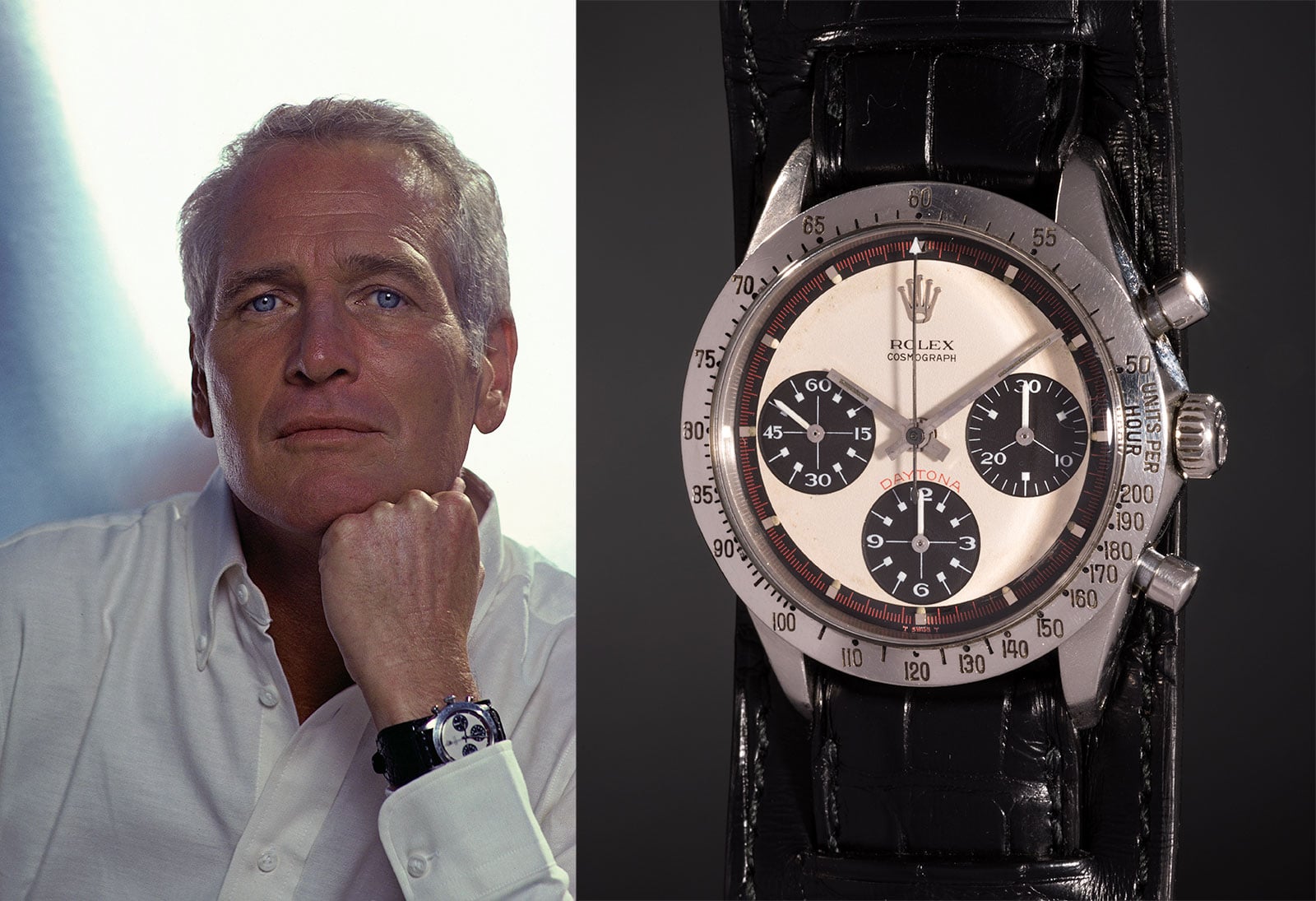
Consider the historical sale of Paul Newman’s personal Rolex Cosmograph Daytona (reference 6239) for $17,752,500 at a Phillips auction in 2017. This figure, comparable to the auction price of René Magritte’s 1957 painting Le Seize Septembre (over $17.7 million), highlights the financial valuation. Yet, the sheer volume of Rolex Daytona ref. 6239 produced between 1963 and 1969 (approximately 14,000 units) contrasts sharply with the singular artistic creation of Magritte’s revisited Le Seize Septembre. This disparity underscores a crucial distinction: while a watch’s value can reach artistic levels, its inherent nature and the intention behind its creation are paramount in determining its artistic merit.
The Artist’s Intent: Dadaism and the Drive for Expression
The Dadaist philosophy, emerging from the ashes of World War I, proposed that art is defined by the artist’s intent. This perspective offers a valuable framework for understanding the artistic potential of watches. If a watch is manufactured purely for commercial reasons, as was the Rolex Daytona, then, by this definition, it is not art, regardless of its auction performance.
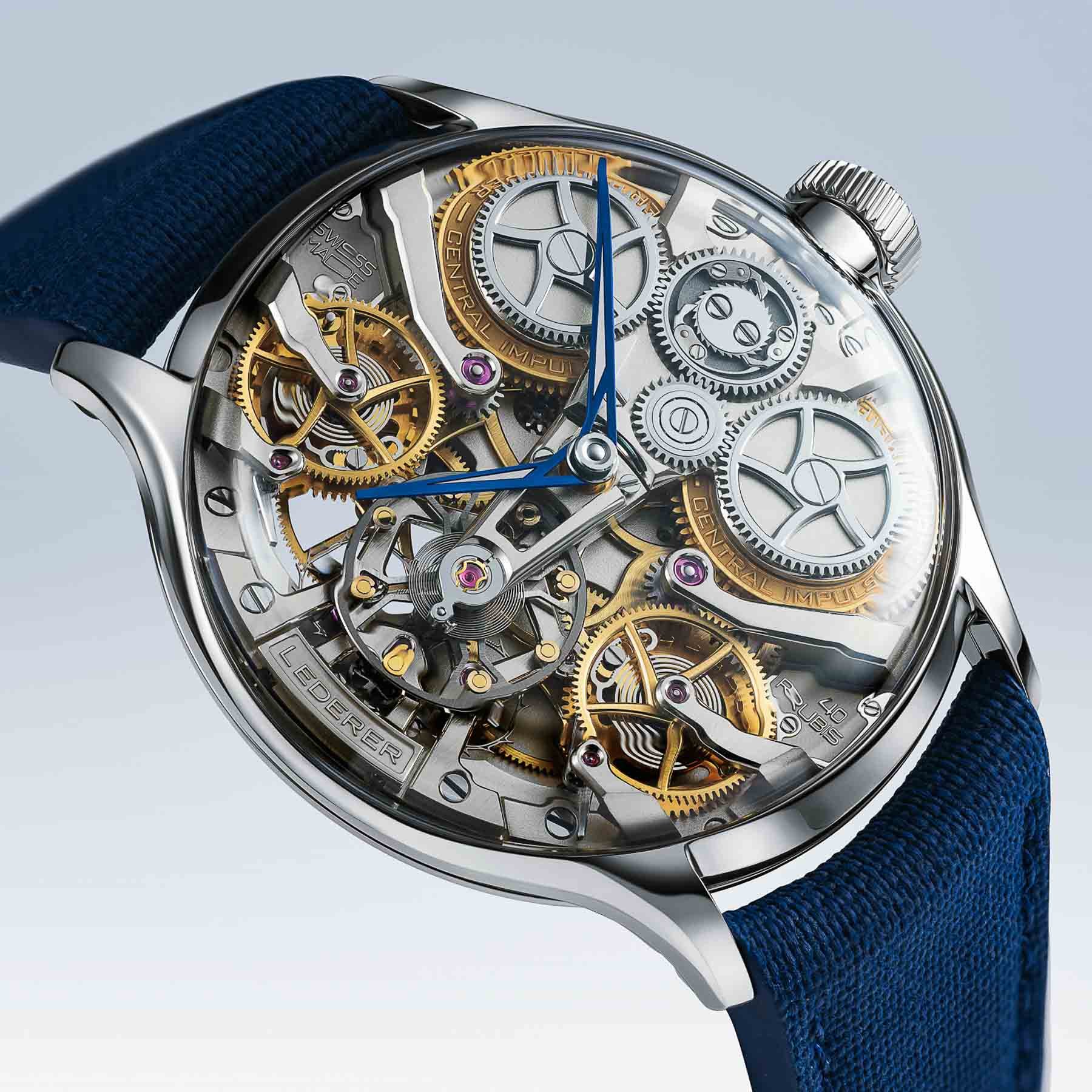
However, the landscape shifts dramatically when considering watches created by independent watchmakers who exhibit profound artistic intent. Figures like François-Paul Journe, Rexhep Rexhepi, Dominique Renaud, Bernhard Lederer, and Kari Voutilainen are not merely assembling components; they are engaged in a deeply personal process of creation. Their motivation often stems from an intrinsic drive to process emotions, communicate complex ideas, and explore the boundaries of mechanical artistry. This pursuit of expression, akin to that of painters or sculptors, imbues their creations with potential artistic value.

Experiencing Time: From Function to Feeling
Historically, watches were designed for a singular, utilitarian purpose: to tell time. This fundamental function has been largely superseded by ubiquitous digital displays. Consequently, mechanical timepieces have evolved into objects of adornment and, for some, artistic appreciation. Art, in its purest form, is appreciated for its intrinsic qualities, irrespective of external utility. It is a product of an artist’s internal world, existing to be experienced on its own terms.
The question then arises: can a watch be enjoyed in this same manner? While many watches remain primarily functional or design objects, a select few transcend this categorization. A watch produced in series, even a limited one, is more accurately described as a design object. While it may exhibit artisanal qualities – meticulous hand-finishing and traditional techniques – it doesn’t necessarily qualify as art unless it represents a genuine expression of personal artistic exploration or struggle. This distinction is particularly relevant when a watch is a product of a large, faceless commercial entity. The presence of intricate complications or decorative elements, however impressive, does not automatically elevate a mass-produced item to the status of art.
The Unmistakable Signature: Personal Vision and Subjective Value
Ultimately, the artistic value of a watch hinges on the creator. Is the timepiece a manifestation of a personal quest, a reflection of the watchmaker’s unique vision, or does it bear the unmistakable signature of its maker? When a watch is undeniably identifiable as a creation of a specific watchmaker, such as a Journe or a Rexhep Rexhepi, it carries the potential for artistic classification.
The value ascribed to these pieces, much like in the art world, is highly subjective. It is not necessarily tied to the cost of raw materials but rather to a complex interplay of factors. Emotional resonance, cultural significance, market demand, the watchmaker’s reputation, historical context, and the sheer mastery of craftsmanship all contribute to its perceived worth. Furthermore, the precedent set by previous auction sales can significantly influence the valuation of such exceptional pieces.

The Eleventh Art: A New Paradigm in Horology
The horological community has long referred to watchmaking as the "Twelfth Art," a designation that acknowledges its position at the confluence of engineering prowess and artistic sensibility. If art is defined by uniqueness, intentionality, expression, and individual perception, then certain watches unequivocally qualify. Exceptional craftsmanship, while a vital component, becomes an enhancement rather than the sole determinant of artistic merit.
The scarcity of art pieces, whether paintings or watches, also warrants careful consideration. A painting is inherently unique. Limited edition prints are accepted as art due to the practical constraints of the printing process. Watches, however, present a different scenario. A watch limited by its inherent technical complexity and the painstaking dedication to artisanal finishing possesses a more profound authenticity than one whose scarcity is purely a marketing stratagem. Limitations born from necessity and dedication tend to carry more weight than those created solely by design.

The Haldimann H9 Reduction: An Exemplar of Artistic Horology
A compelling example of a watch that embodies artistic expression is the Haldimann H9 Reduction, priced at CHF 209,000. Created by Beat Haldimann in Thun, Switzerland, this 39mm platinum timepiece challenges conventional notions of timekeeping. It poses a provocative question: can time be experienced without being explicitly seen? The H9 features an in-house triple-barrel central flying tourbillon movement, yet its hours and minutes remain concealed behind an opaque crystal. Instead of presenting time as a visual readout, it invites the wearer to imagine it, shifting the focus from mechanical function to contemplative experience. Haldimann has effectively transformed a mechanical instrument into a thought-provoking object, a true work of art.
In contrast, more conventional creations, like Haldimann’s H1 Flying Central Tourbillon GMT Milano Edition, while technically impressive and beautifully finished, do not engage with the viewer in the same profound, questioning manner. The H9’s radical departure from established norms and its focus on evoking a conceptual experience over mere utility firmly place it within the realm of artistic creation.

Conclusion: The Personal Vision as the Ultimate Arbiter
In conclusion, a watch transcends its utilitarian origins to become art when it is, above all, personal. It is art when it is a clear and unequivocal reflection of the vision, perspective, and the deeply ingrained intent of the individual watchmaker who conceived and brought it into being. The recent market surge and the evolving discourse around horology suggest that the world is increasingly ready to embrace exceptional timepieces not just as luxury goods or investment vehicles, but as profound expressions of human creativity and artistic endeavor. The dialogue initiated by the Phillips auction serves as a critical juncture, urging us to re-evaluate the very definition of art in the context of mechanical mastery and human imagination.