An implied discussion between two Glashütte brands sets the stage for a deeper exploration of horological artistry and heritage. While no formal debate exists between Moritz Grossmann (MGr) and A. Lange & Söhne (ALS), the proximity of their manufacture in Glashütte, their shared historical roots, and their modern reestablishment create a compelling narrative of parallel development and subtle differentiation. This dynamic, though not overtly declared, offers a fascinating lens through which to examine the unique characteristics that distinguish Moritz Grossmann timepieces.
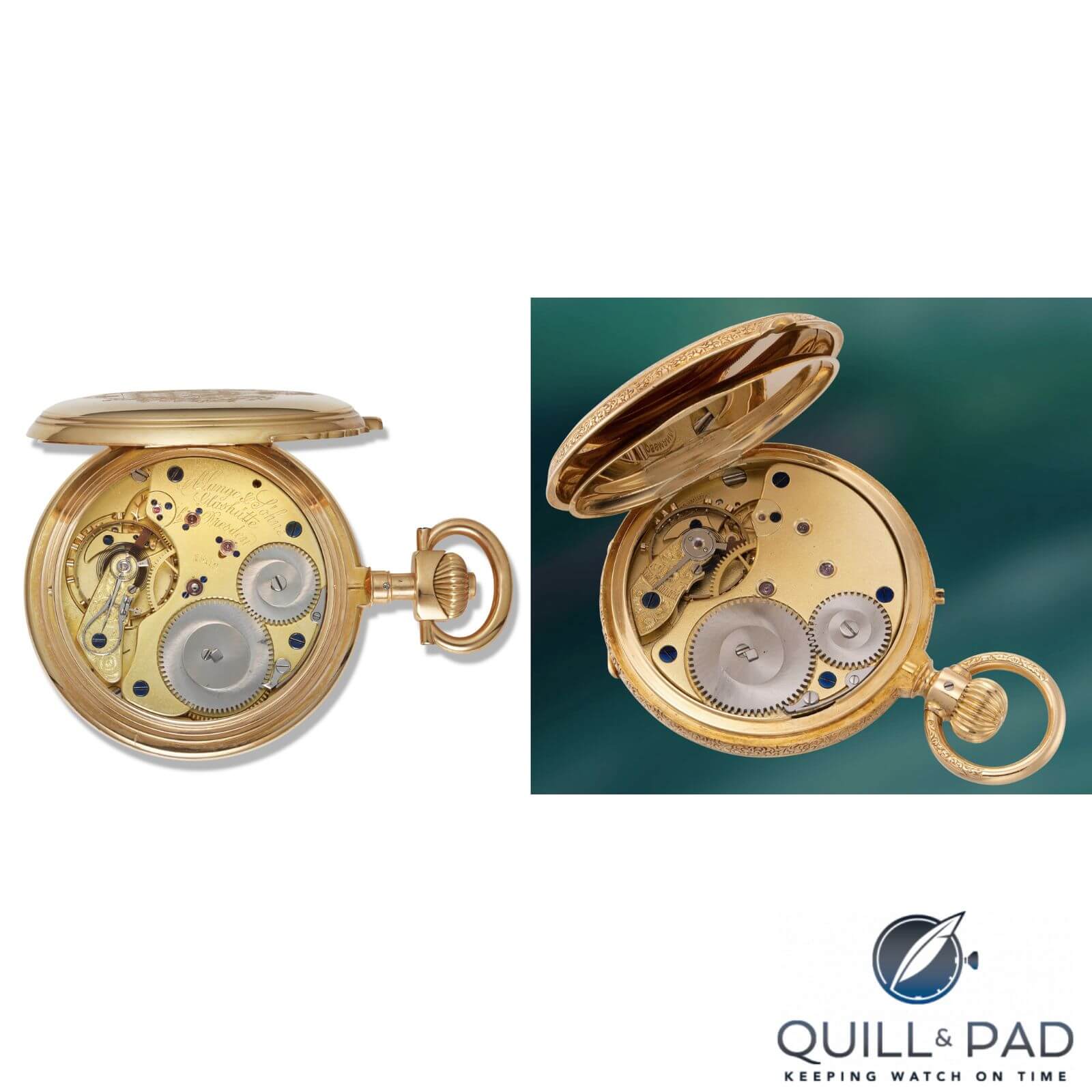
The historical lineage of both brands is inextricably linked to the pioneering spirit of Ferdinand Adolf Lange. His entrepreneurial vision in Glashütte fostered an ecosystem that supported a diverse range of watch and clockmaking businesses. Moritz Grossmann, in many respects, followed in the wake of Lange’s establishment, a relationship evident even in surviving 19th-century pocket watches that showcase a shared technical and aesthetic foundation. Both brands, drawing from this rich Saxon horological tradition, utilized nickel silver for their main plates and bridges, incorporated traditionally engraved balance cocks, and employed gold chatons for their jewels.
However, the modern iterations of these Glashütte houses have carved distinct paths. A. Lange & Söhne, re-established in 1990 and launching its first collections in 1994, paved the way for the revival of high-end German watchmaking. Moritz Grossmann, founded in 1854 and re-established in 2008 with its first watches appearing in 2010, has progressively distinguished itself by venturing into territories less explored by its esteemed neighbor. This includes the development of skeletonized and open-dial timepieces, watches with inverted calibers, and innovative automatic movements featuring unique winding mechanisms.
This nuanced evolution is not merely a matter of individual brand strategy but is also influenced by the inherent competitive spirit within the tightly knit Glashütte watchmaking community. It is logical to infer that both A. Lange & Söhne and Glashütte Original, the third prominent manufacture in town, closely monitor each other’s technical and design innovations to ensure unique positioning and avoid direct overlap. This "implied debate" fosters a healthy environment for horological advancement, ultimately benefiting watch enthusiasts by broadening the spectrum of available complications, designs, and finishing techniques. For Moritz Grossmann, this has led to a clearly defined identity, increasingly apparent with each passing year, making its collection development and unique features particularly compelling to observe, especially when contrasted with its closest horological kin.
Historical Foundations and Modern Trajectories
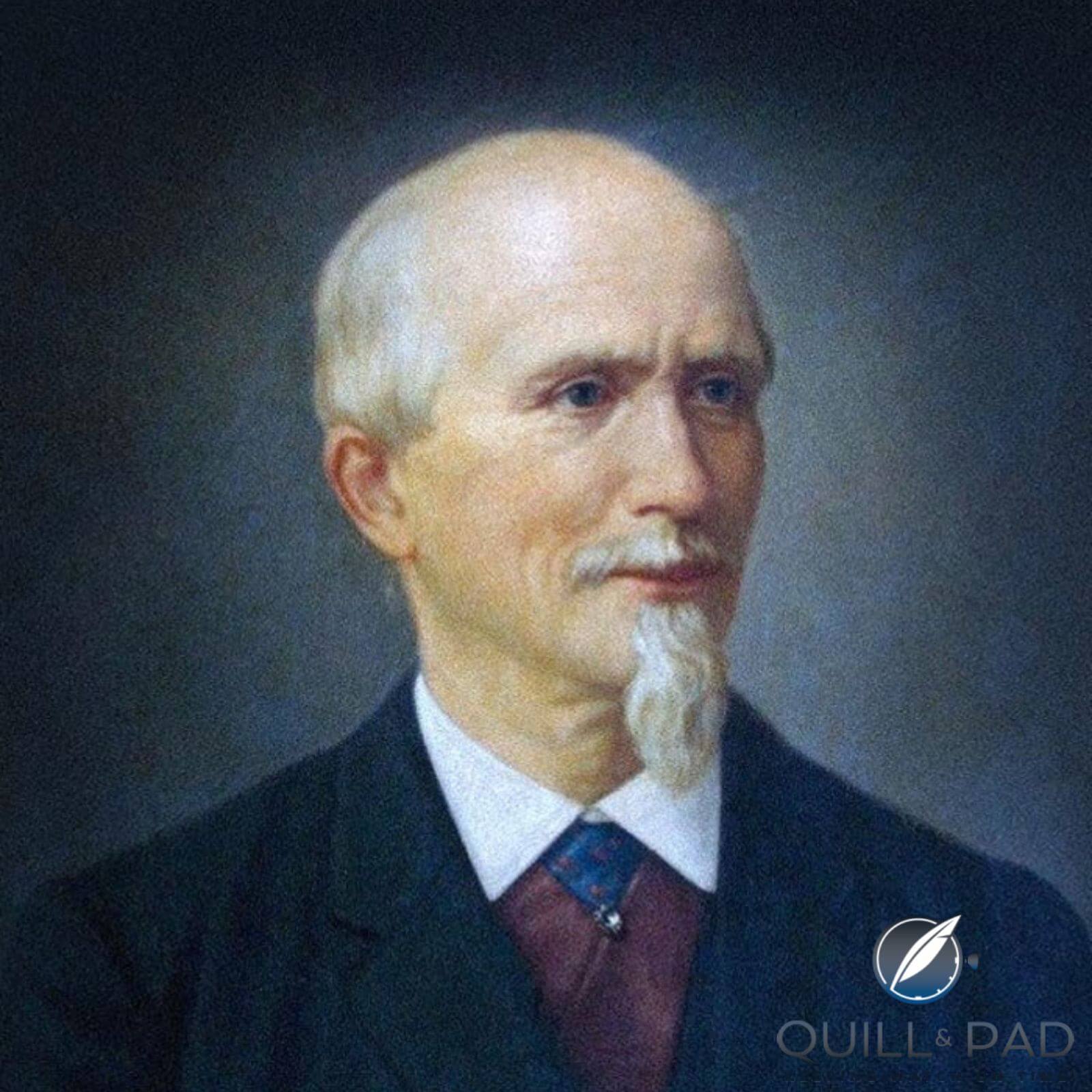
Carl Moritz Grossmann, a visionary craftsman, established his watchmaking company in 1854. His interests extended beyond mere timekeeping, encompassing the production of marine chronometers, precision measuring instruments, watchmaker’s lathes, and intricate model escapements. A significant contribution was his development of the Glashütte seconds pendulum clock, which served as a crucial reference timepiece for regional watchmakers. Grossmann’s focus was on quality over quantity; his firm produced an estimated 8,000 pocket watches over three decades, averaging a modest 250 to 300 pieces annually. This dedication to a niche, high-quality production strategy is a philosophy that the modern Moritz Grossmann brand continues to uphold.
Beyond his technical prowess, Grossmann was also a prolific writer and educator. His influential 1866 essay, "Der freie Ankergang für Uhren" (The Free Lever Escapement for Watches), offered a profound analysis of the Swiss lever escapement, a cornerstone of modern watchmaking. In his 1880 treatise, "Über die Konstruktion einer einfachen, aber mechanisch vollkommenen Uhr" (On the Construction of Simple, Yet Mechanically Perfect Watches), he detailed techniques that would later define Glashütte watches. Furthermore, recognizing the importance of skilled craftsmanship, Grossmann founded the German School of Watchmaking in Glashütte in 1878, a pivotal institution for nurturing talent and solidifying Glashütte’s reputation as a global horological hub.
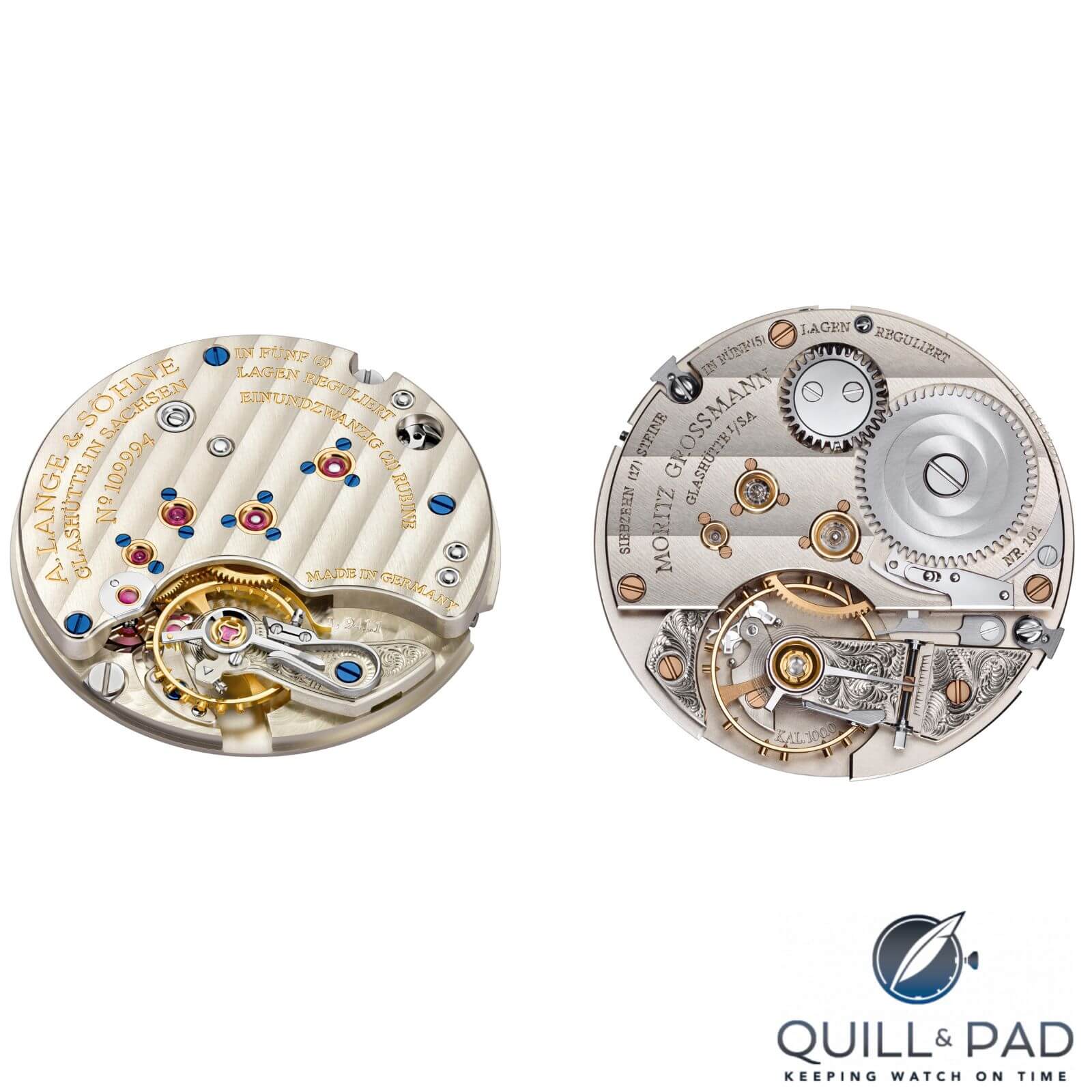
The contemporary chapter of Moritz Grossmann began in 2008 with the founding of Grossmann Uhren GmbH. This revival sought to honor the founder’s legacy by adapting his design principles and technical innovations for modern wristwatches. The inaugural Benu model, launched in 2010, was powered by Caliber 100.0, a movement that, much like the early calibers of A. Lange & Söhne, encapsulates the brand’s core identity.
A Timeline of Innovation and Refinement
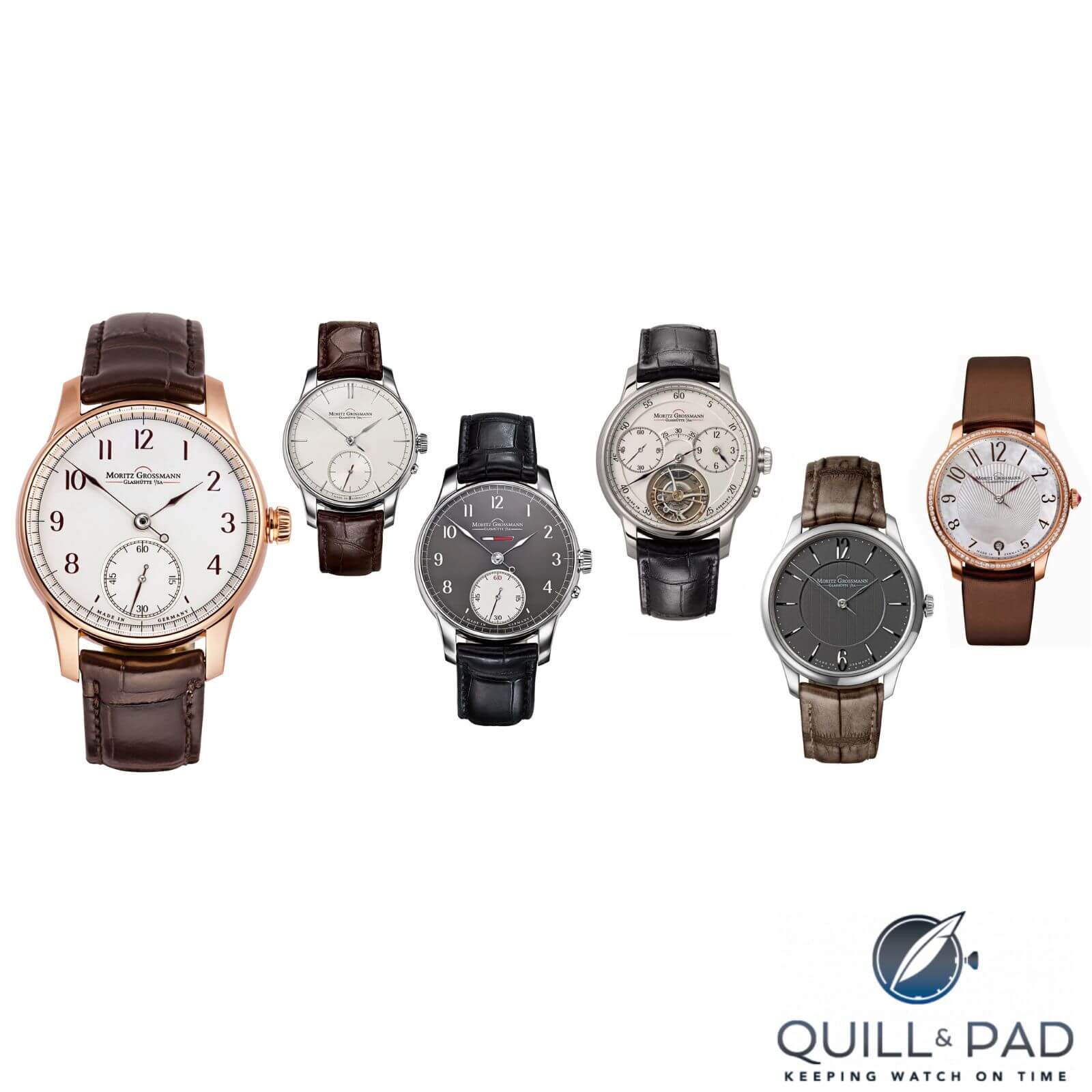
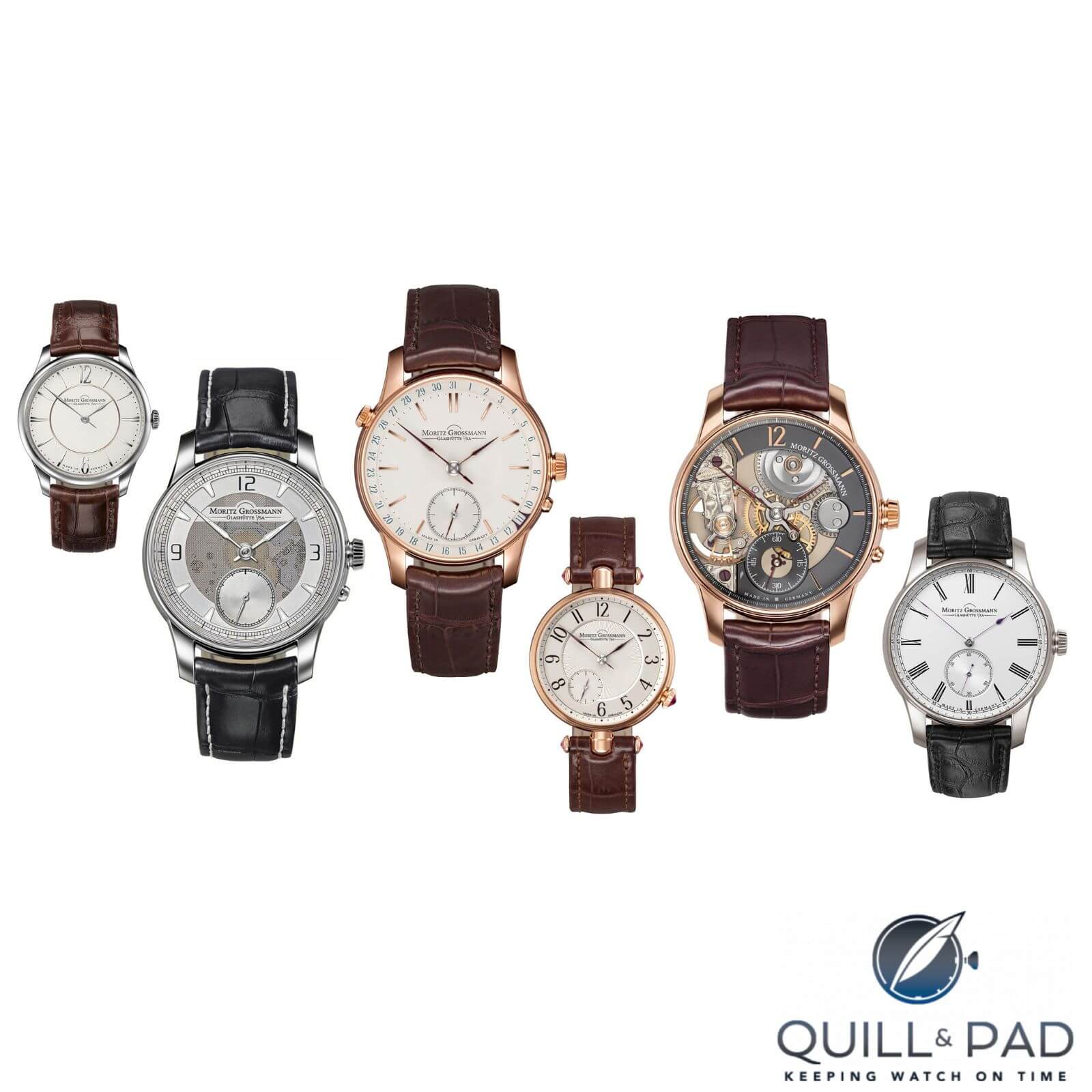
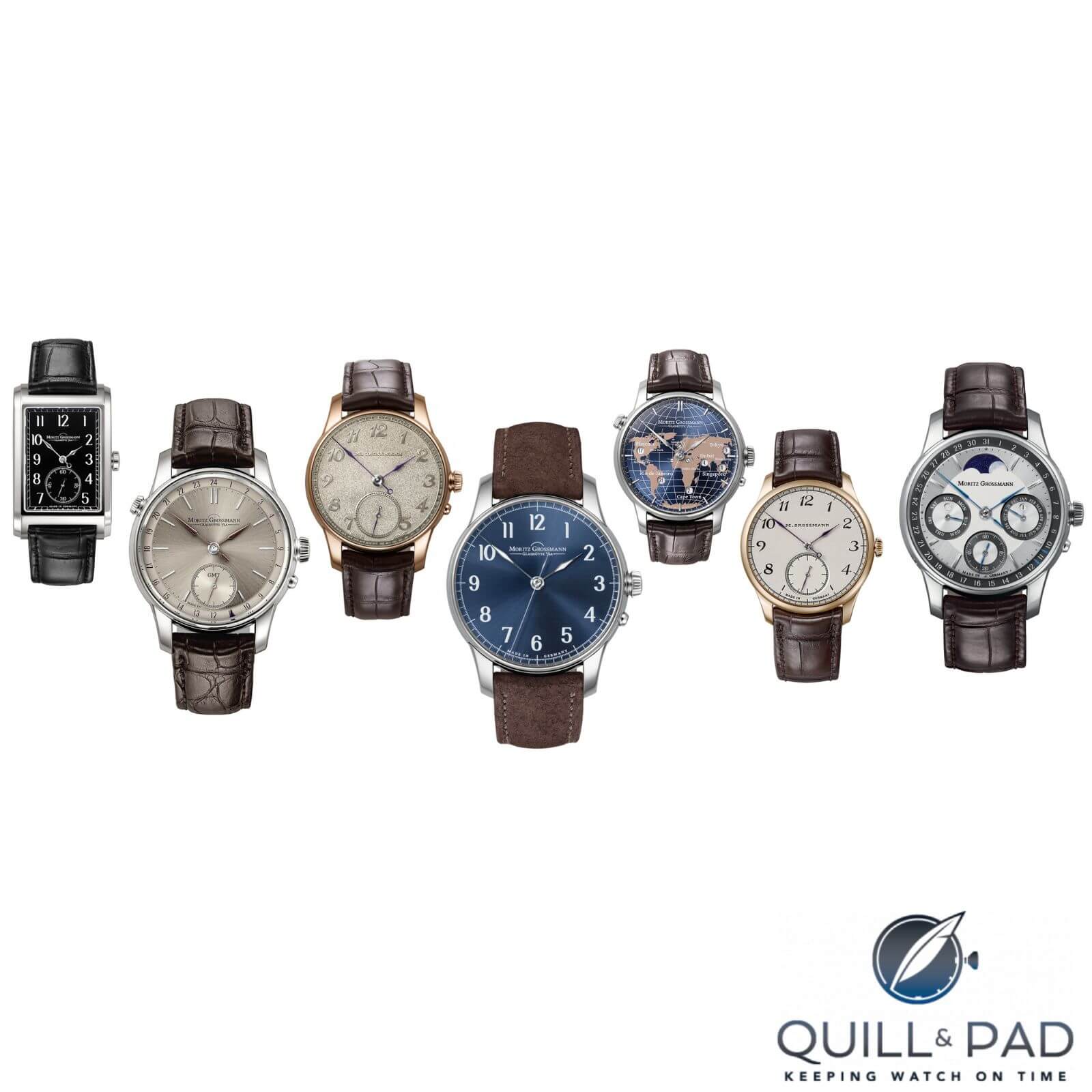
The evolution of Moritz Grossmann’s contemporary collection since 2010 showcases a deliberate progression, marked by releases that highlight both adherence to tradition and a spirit of innovation.
-
2010-2015: This foundational period saw the introduction of the Benu (since 2010), embodying traditionalism and restraint. The Atum (since 2013) introduced a contemporary classic style, followed by the Benu Power Reserve (since 2013) and the Benu Tourbillon (since 2013), which offered unique approaches to complex mechanics. The Tefnut (since 2015) emerged as a refined two-hand dress watch, and the Tefnut Lady (since 2015) marked the brand’s foray into women’s timepieces.
-
2016-2019: This phase witnessed further diversification and material exploration. The Tefnut Pure (since 2016) represented the brand’s first steel watch equipped with a new caliber (201.0 and 202.0), featuring unengraved bridges and a sandblasted finish. The Atum Pure M – Mesh Dial (since 2016) offered a steel watch with a transparent dial center and a mesh bracelet. The Atum Date (since 2017) introduced an in-house developed date indication with bidirectional setting. The Tefnut Twist (since 2017) featured the Grossmann "strap winder." A significant development was the Backpage (since 2018), showcasing a reversed caliber and an openworked dial. The Atum Hamatic (since 2019) debuted as the brand’s first automatic watch with a novel pedometric winding system.
-
2019-2025: The most recent period has seen the introduction of more specialized and complex timepieces. The Corner Stone (since 2019) was the first rectangular watch with a shaped caliber. The Atum GMT (since 2019) provided a practical complication for globetrotters. The Tremblage (since 2021) featured a dial with an engraved, textured nickel silver finish. The Central Second (since 2021) introduced the first version with a central seconds hand and its specialized drive. The Universalzeit (since 2022) presented a unique approach to displaying world time in a truncated format. The Tefnut Silver-plated by Friction (since 2023) utilized a fresh-looking antique dial decoration technique. The Perpetual Calendar (2025) represents the brand’s distinct interpretation of this complex calendar mechanism.
This timeline reveals a consistent exploration of watchmaking trends. While chronographs and chiming watches are notably absent, the brand has shown interest in complications such as tourbillons, perpetual calendars, and GMT functions, often with its own distinct interpretation. The brand’s commitment to its historical pillar-and-plate construction for modern calibers suggests a deliberate choice to retain a connection to its Saxon roots, even as it explores more contemporary design elements. The potential for future explorations into areas like fusee mechanisms, constant force escapements, or even integrated sports watch designs remains open, though each would require careful consideration of the brand’s established aesthetic and technical philosophy.
Fourteen Distinctive Features of Moritz Grossmann Timepieces
The true character of Moritz Grossmann watches lies not just in their overall design and complications, but in the multitude of meticulously executed details. These "delicious" features transform a finely crafted timepiece into an object of desire and contemplation.
Particularity #1: The Reflective Brilliance of the Collet
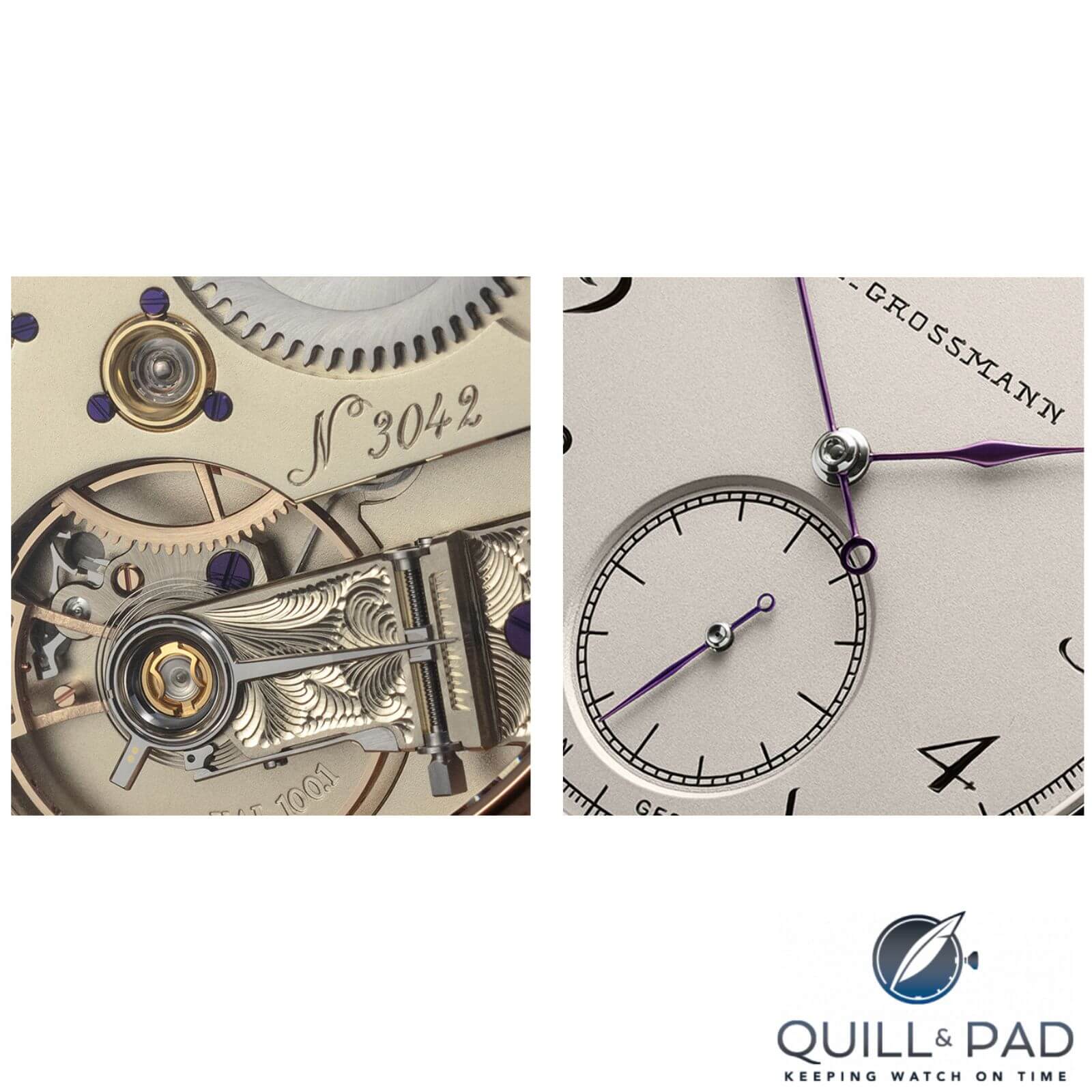
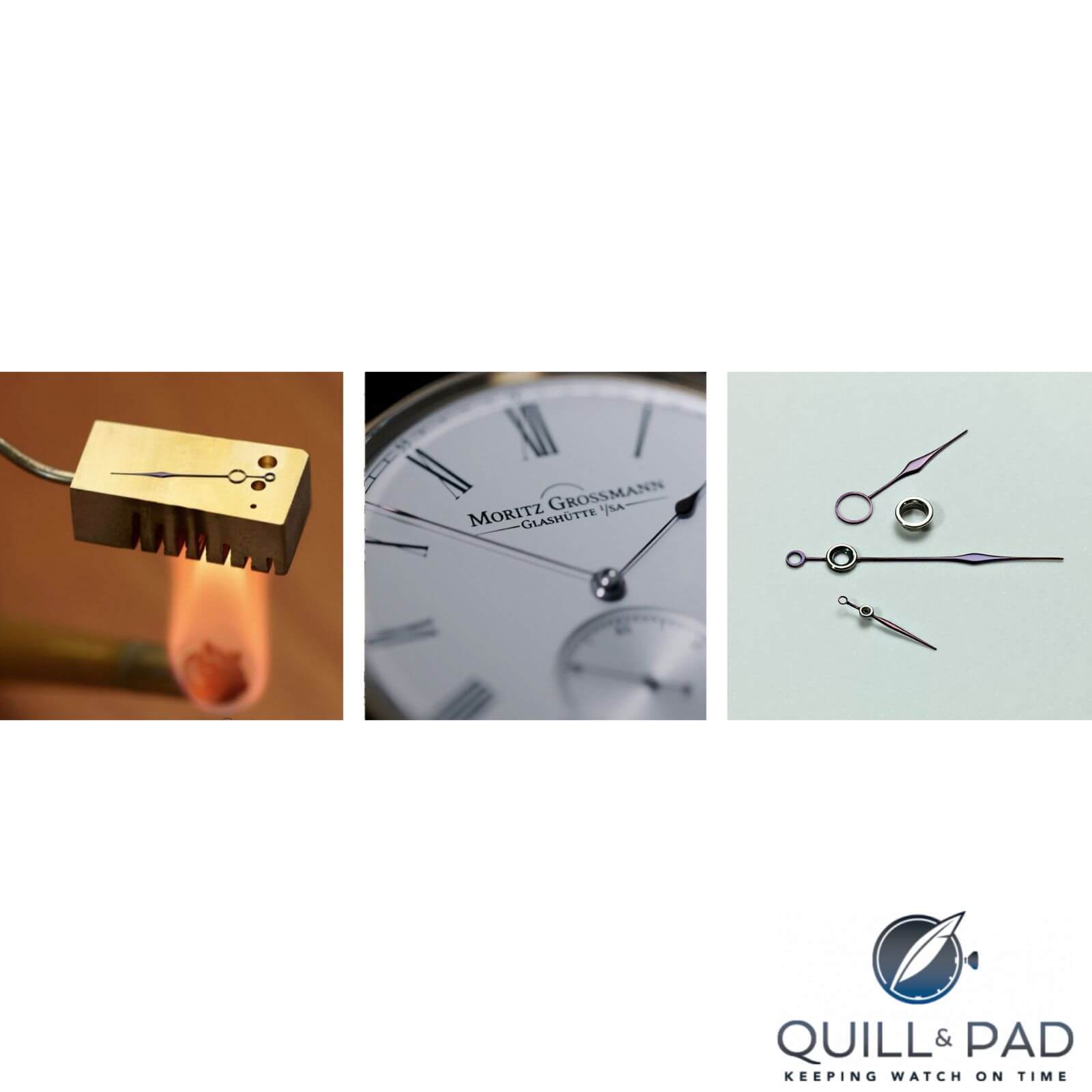
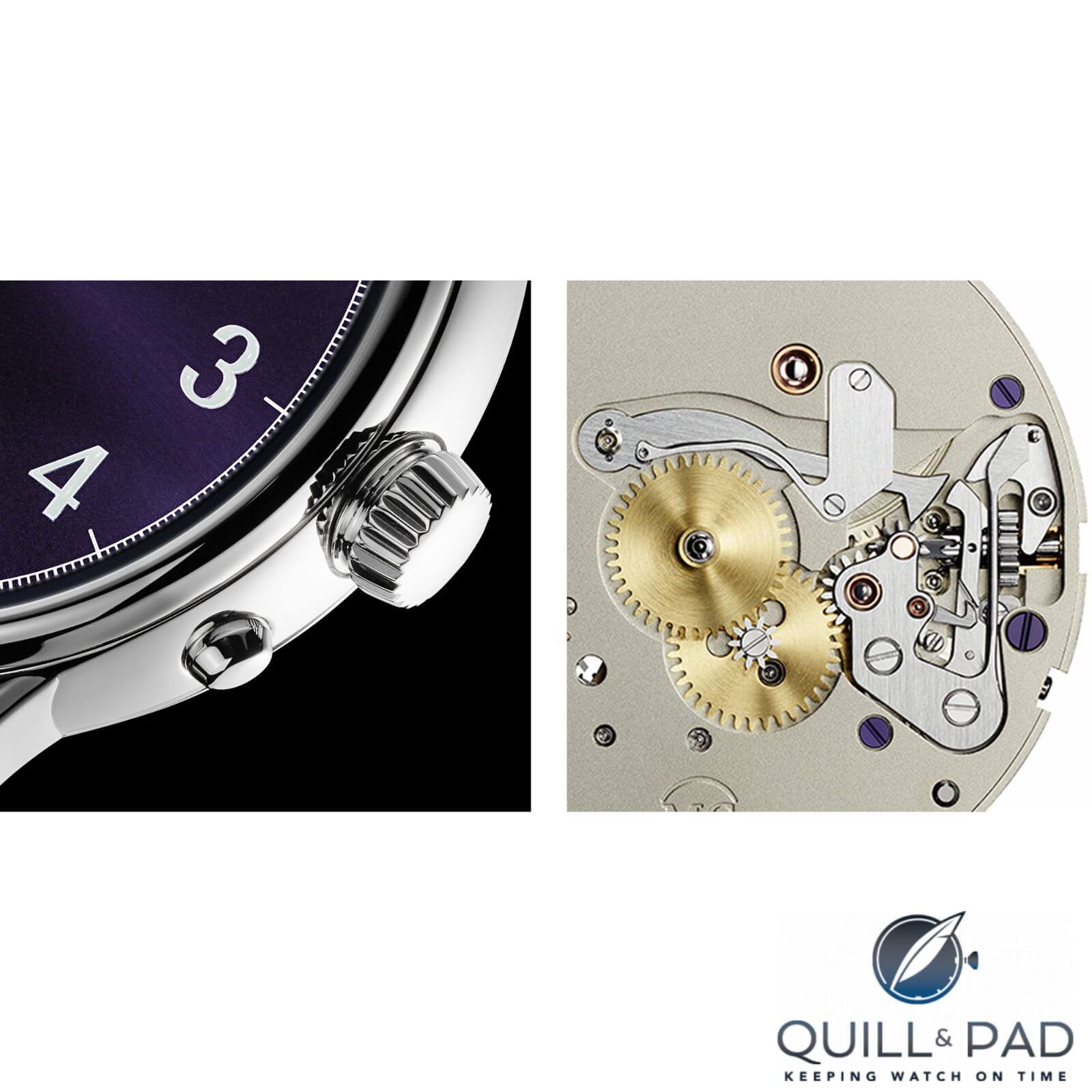
A striking detail that immediately captures attention is the unusual, highly reflective shine emanating from the center of the dial, precisely where the hands are mounted. The collet of the minute hand, and similarly that of the small seconds hand, features a concave, spherical, mirror-polished internal section that surrounds the shaft of the cannon pinion. This seemingly minor detail is a testament to the brand’s meticulous attention to craftsmanship, demonstrating how ingenuity, skill, and time can elevate any element into a miniature masterpiece. This reflective quality is echoed in the movement, where the chatons of the balance jewel and other jewels protrude noticeably from the plate, creating a consistent visual harmony between the dial and the caliber’s finishing.
Particularity #2: The Unique Hue of Blued Steel
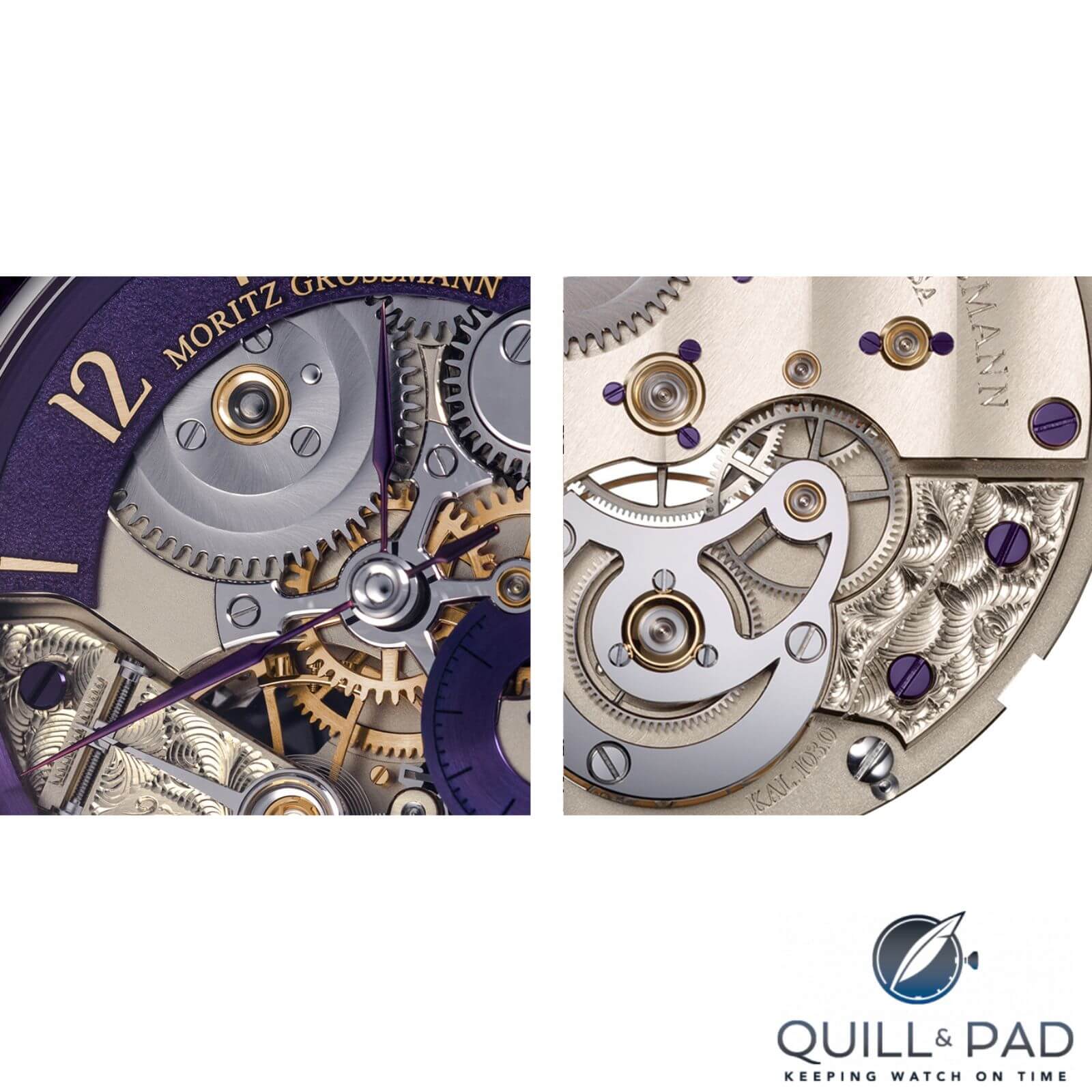
The blued steel components in Moritz Grossmann watches, particularly the hands and the screws securing the chatons, exhibit a distinctive color. Instead of the typical deep blue favored by many watchmakers, MGr’s blued steel possesses a unique hue, often described as a deep brownish-violet, ripe cherry, or purple. Achieving this specific color requires a craftsman’s precise control over the heating process, a testament to the artisanal nature of the finishing.
Particularity #3: Refined and Sharp Hands
Moritz Grossmann produces some of the most refined and meticulously crafted hands in modern watchmaking. Beyond their elegant shapes, the tips of these hands are often brushed and polished to a sharp, precise finish. The brand employs two primary hand styles: the elongated and very narrow lozenge hands, a classic shape popular in the 1930s and widely used across the modern collection, and the assegai hands, an elongated and narrow variation of traditional spade and whip hands that emerged in the late 19th century, seen on models like the Hamatic. This attention to detail in the hands’ finishing is comparable to the level of refinement seen at houses like Laurent Ferrier.
Particularity #4: In-House Calibers with Pillar-and-Plate Construction
All Moritz Grossmann calibers are developed and produced entirely in-house, ensuring their exclusivity. A distinctive technical choice is the use of pillar-and-plate construction in these movements. This design harks back to the historical practices of German watchmakers who, resisting the prevailing French and Swiss Lepine bridge-caliber construction, adapted traditional two-plate systems into designs featuring 3/4 or 2/3 plates. This construction provides a robust and visually appealing architecture for the movements.
Particularity #5: The Breguet Overcoil Balance Spring
A significant indicator of the brand’s commitment to chronometer-quality components is the inclusion of a balance spring with a Breguet overcoil in many of its calibers. While modern watchmaking often omits this feature due to its production cost, MGr’s decision to incorporate it underscores a dedication to precision and a respect for traditional horological excellence, reflecting a discerning taste.
Particularity #6: The Precise Manual Winding System
Moritz Grossmann watches equipped with a manual winding system featuring a crown and pusher offer a perfectly precise restart of the movement after setting the hands. This complex mechanism, a modified remontoire, halts the movement when the crown is pulled, allowing for exact hand setting. Pressing the pusher restarts the watch without the common issue of minute hand slippage often encountered with traditional systems. This technical sophistication is highly valued by collectors.
Particularity #7: Diverse Click Designs
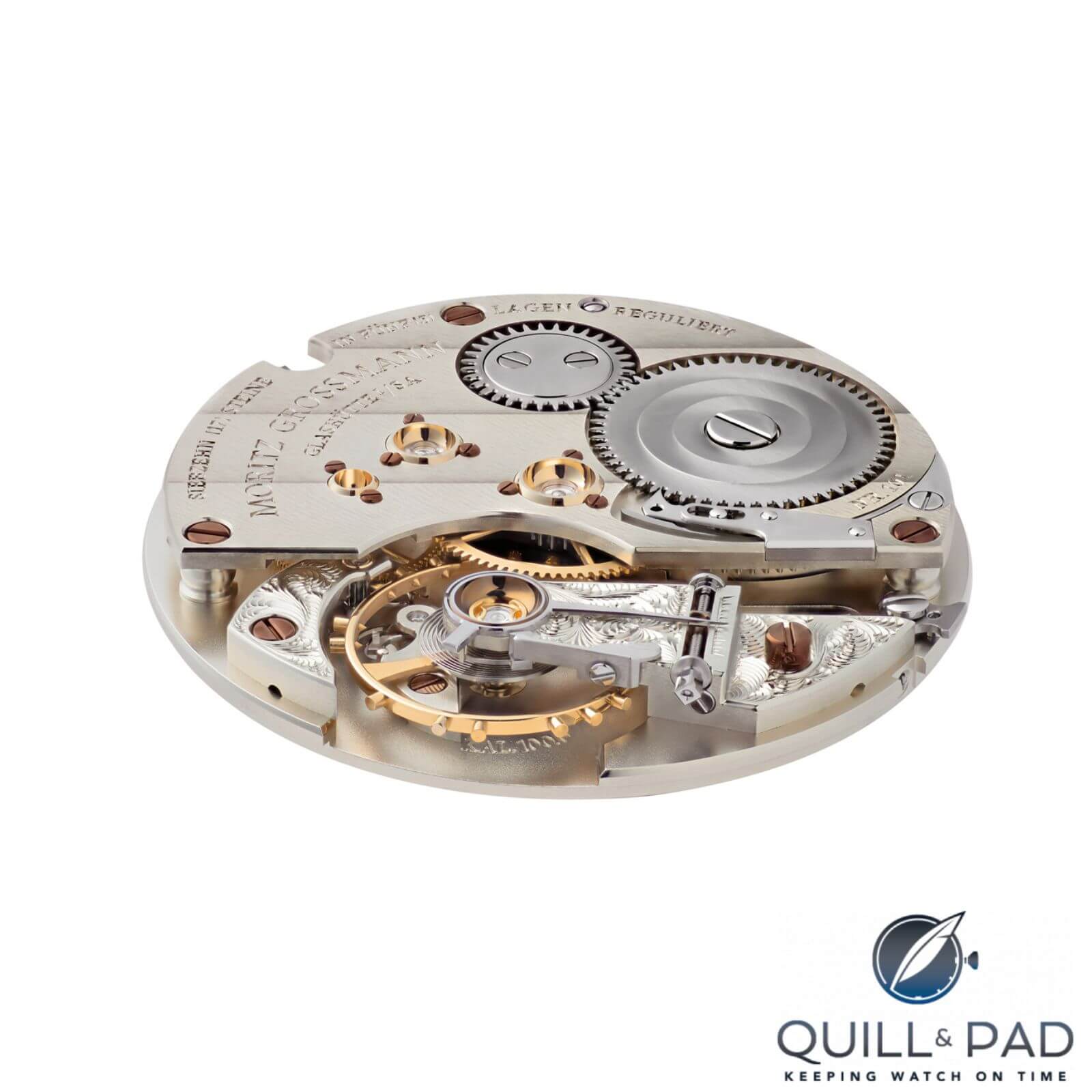
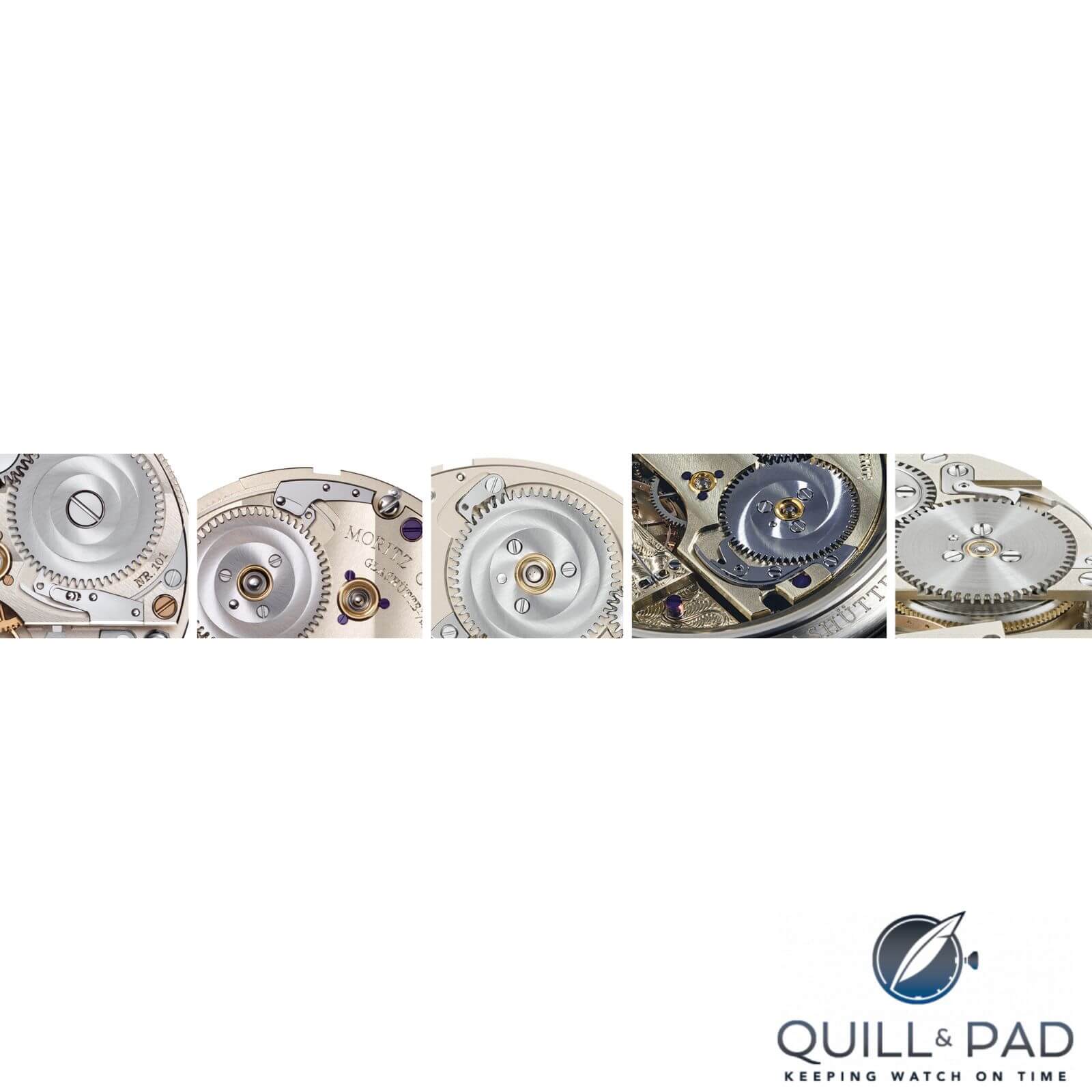
The use of different click designs across various Moritz Grossmann calibers is a fascinating aspect of the brand’s mechanical artistry. With five distinct types observed, the brand demonstrates a creative approach to this often-overlooked component. The author’s favorite is the spectacular sliding-action ratchet wheel click found in the original Caliber 100.0, which effectively relieves excess tension on the mainspring during manual winding.
Particularity #8: Elaborate Ratchet Wheel Finishing
The ratchet wheel of the winding barrel frequently receives a traditional and rare finishing technique: 3-band snailing. While a single or double band would suffice to create an impressive visual, MGr often opts for the most intricate three-band version, particularly in Caliber 100.0 and its derivatives, as well as in Calibers 102.3 and 103.0. Even the two-band snailing found in some models, such as Caliber 102.1, adds a very attractive accent to the movement.
Particularity #9: The Grossmann Micrometer Screw Regulator
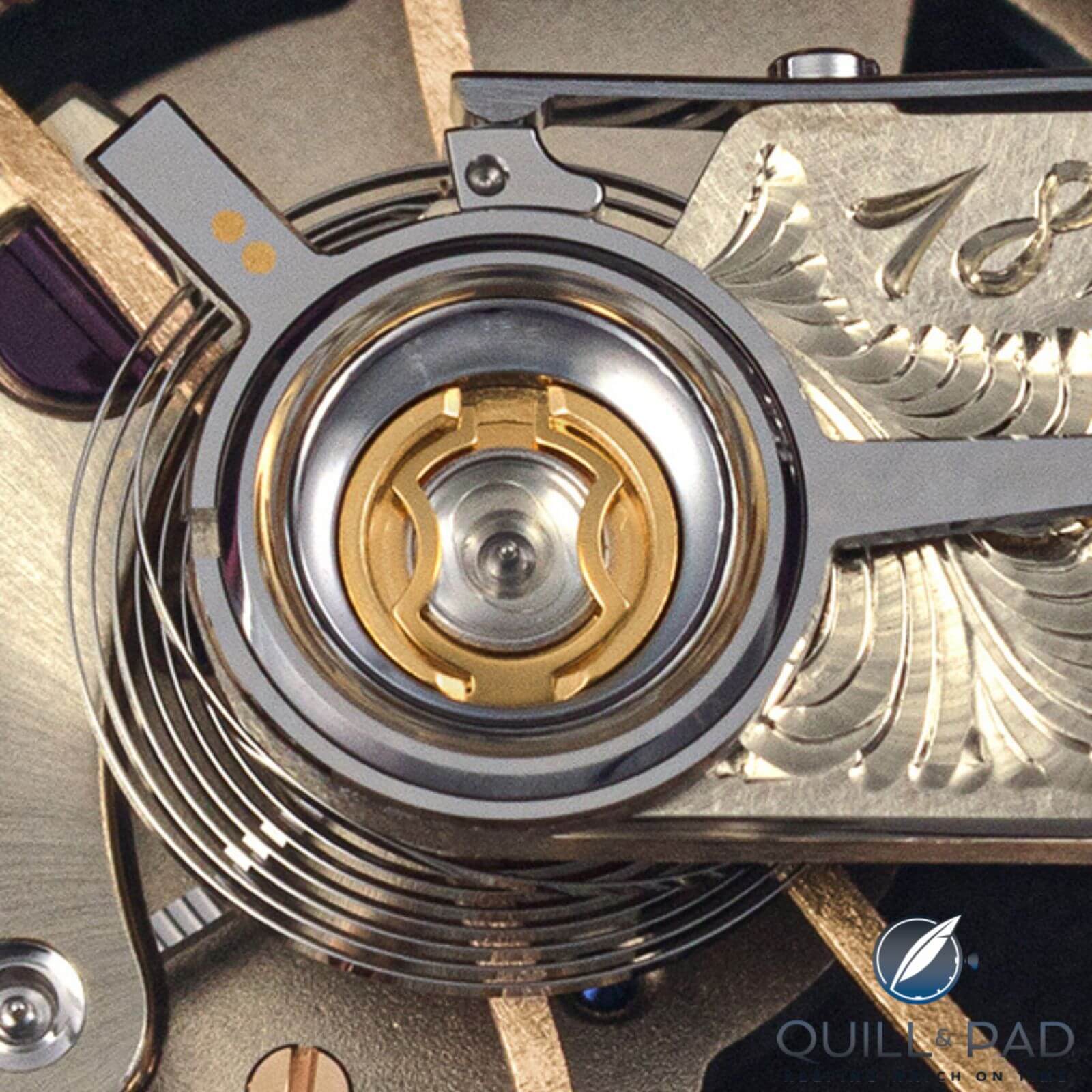
Modern MGr watches employ a unique Grossmann micrometer screw regulator system for adjusting the hairspring. This system features a long micrometer screw and a non-rotating sliding bolt that precisely shifts the index. The brand utilizes two variations of this regulator: an open style (Caliber 100.0) and a semi-open style (Calibers 102.1, 202.0). This regulator is believed to have been invented by Carl Moritz Grossmann himself, with examples found on pocket watches dating back to the 1870s.
Particularity #10: Colorless Sapphire Jewels
A point of discussion for some enthusiasts is the choice of colorless sapphire jewels in many MGr calibers. While technically equivalent to red or blue jewels, the traditional aesthetic often favors the visual warmth and richness of red jewels. The use of colorless jewels, while not a technical drawback, represents a departure from the expected traditional appearance in such high-quality movements, sparking debate among purists.
Particularity #11: Hand-Engraved Inscriptions
The presence of hand-engraved inscriptions on the two-thirds mainplate is a hallmark of Moritz Grossmann’s niche mechanical watches. This deliberate avoidance of CNC machining for these inscriptions ensures a distinctive touch of a master craftsman, a feature that adds significant value and character to the watch.
Particularity #12: Exquisite Hand-Engraved Scroll Motif
In most MGr movements (excluding the 200-series calibers), the balance cock and escapement wheel bridge are adorned with an exquisite hand-engraved scroll motif. This engraving is not merely a subtle accent but covers almost the entire upper surface of these bridges, with exceptions only where technically impossible. This extensive decorative work showcases the brand’s commitment to artisanal finishing.
Particularity #13: The "Tremblage" Dial Finish
Introduced in 2021, the "tremblage" dial finish features a chaotic yet uniform textured engraved pattern. While similar techniques have been employed by other brands, MGr’s application to nickel silver dials creates a particularly dramatic and vintage aesthetic, enhanced by the natural patina that develops over time. This technique contributes to a warm and unique visual appeal.
Particularity #14: Silver-Plating by Friction
The distinctive character of MGr dials is further enhanced by the rare 19th-century technique of silver-plating by friction. This process, involving the application of a mixture of silver powder, salt, and cream of tartar, imparts a delicate matte texture reminiscent of an eggshell’s surface, bestowing an airy, warm, and soft appearance. Engraved numerals, inscriptions, and tempered steel hands stand in striking contrast against this backdrop, creating unforgettable visual combinations.
In conclusion, the implied competition between Moritz Grossmann and its Glashütte neighbors, particularly A. Lange & Söhne, has undoubtedly spurred innovation and refinement. Moritz Grossmann, by embracing its historical legacy while forging a distinct path, has cultivated a collection characterized by exceptional craftsmanship, unique technical solutions, and a profound appreciation for traditional finishing techniques. The 14 features detailed above are not mere embellishments but fundamental elements that define the identity and allure of Moritz Grossmann watches, making them stand out in the demanding world of haute horlogerie.