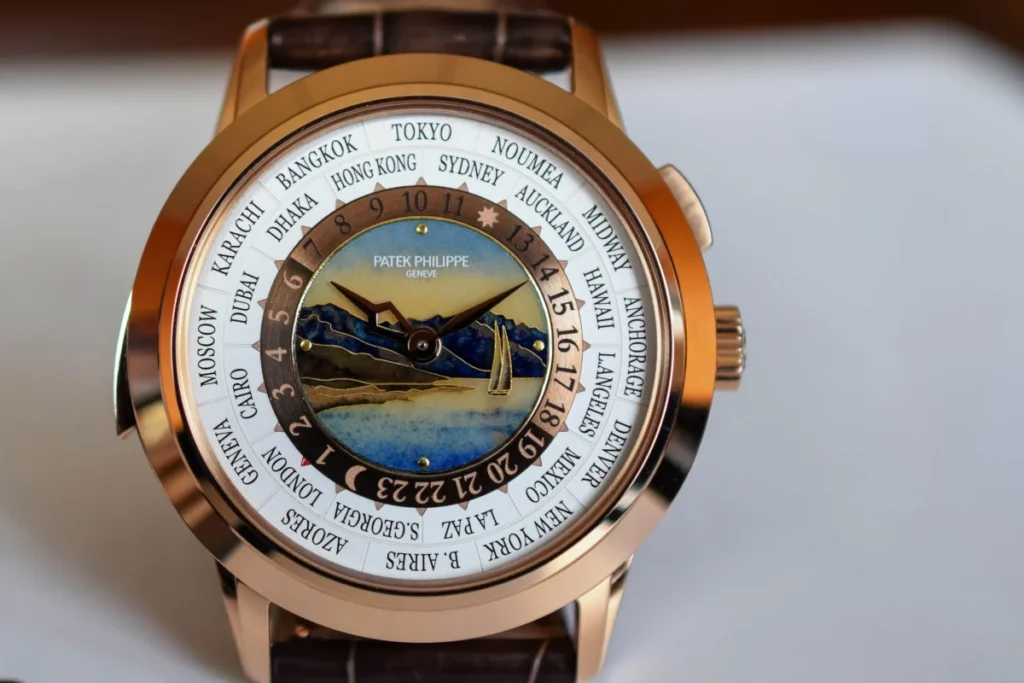
The intricate world of watchmaking often places the spotlight on the mechanical heart of a timepiece, the movement. With its finishing, complexity, and innovative technologies like silicon components and novel escapements, it’s easy for the movement to steal the show, especially through exhibition case backs. Yet, the dial remains the undisputed centerpiece, the element we engage with most frequently. Even in the mid-range segment, where off-the-shelf calibers from Sellita, Miyota, and others are common, dials can ascend to the realm of luxury, employing techniques like Grand Feu enamel, natural stones, porcelain, and meteorite, often rivaling the craftsmanship found in haute horlogerie. Many of these techniques boast histories stretching back hundreds, if not thousands, of years, while others are more recent 20th-century developments. Regardless of their origin, watch dials have traversed a remarkable evolutionary path since the dawn of portable timekeeping in the 16th century.
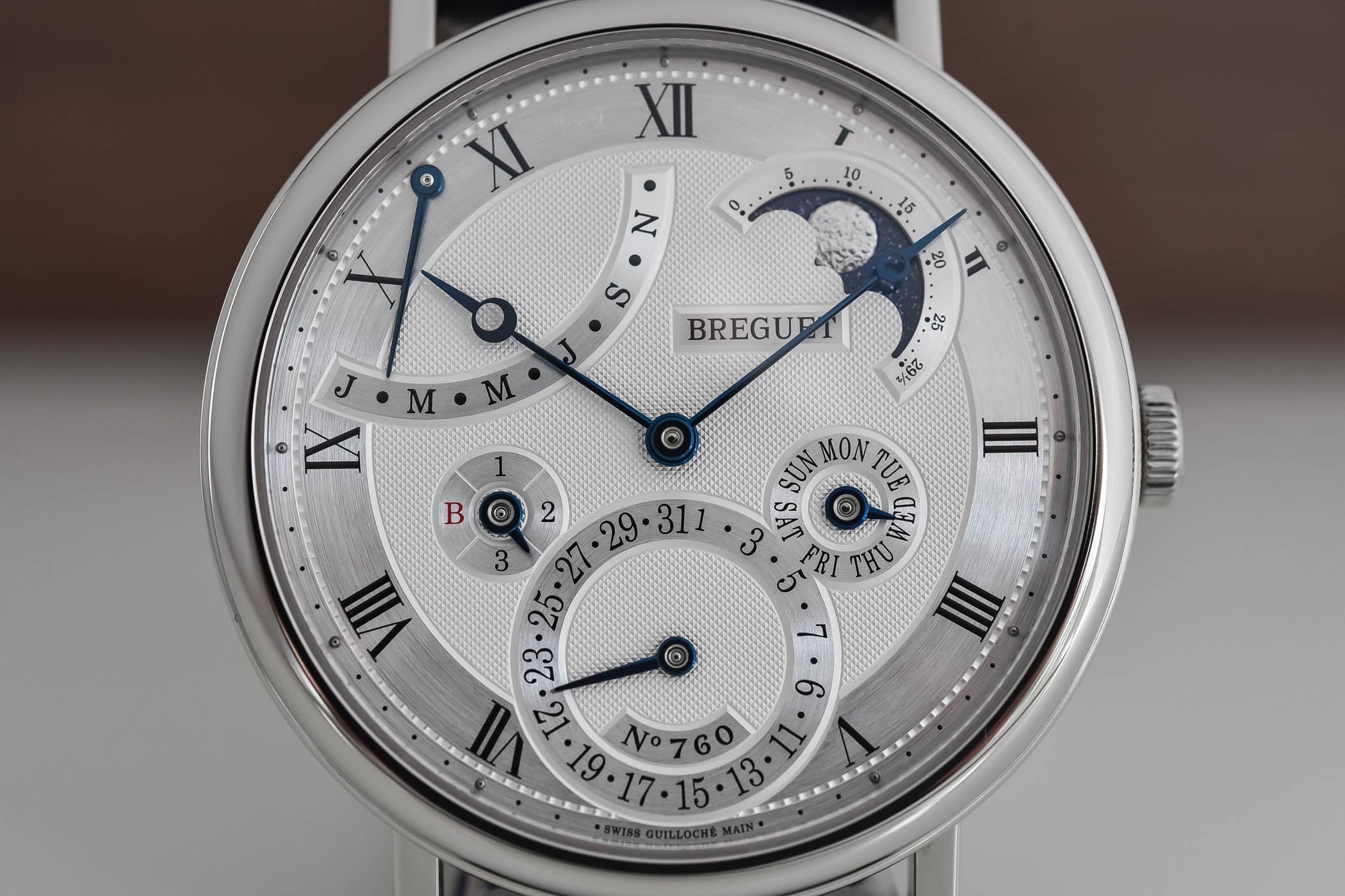
The earliest iterations of what we now recognize as "watches," dating back to around 1510, were essentially miniaturized clocks worn around the neck. These portable "Nuremberg eggs," pioneered by Peter Henlein, laid the foundational principles for the wristwatches we know today. Early dials, typically crafted from brass, featured simple Roman numerals, mirroring the aesthetic of contemporary clocks. Over time, they evolved to become more ornate, incorporating embossed markings and intricate decorative engravings, such as floral patterns. Due to the limited accuracy of early movements, which could deviate by hours per day, these early timepieces were restricted to a single hour hand. Arabic numerals soon joined Roman numerals, and dials were often protected by hinged metal lids, foregoing protective crystals, which meant water and dust ingress was a significant concern. This rudimentary approach, however, was the essential starting point for what would become a sophisticated art form. While this exploration will not encompass every conceivable dial material or stylistic variation, such as sector, California, or military-spec designs, it will delve into a diverse array of synthetic and natural dial examples, beginning with one of the most coveted materials, whose history dates back to the 13th century BC.
Vitreous Enamel: A Timeless Art of Fused Glass
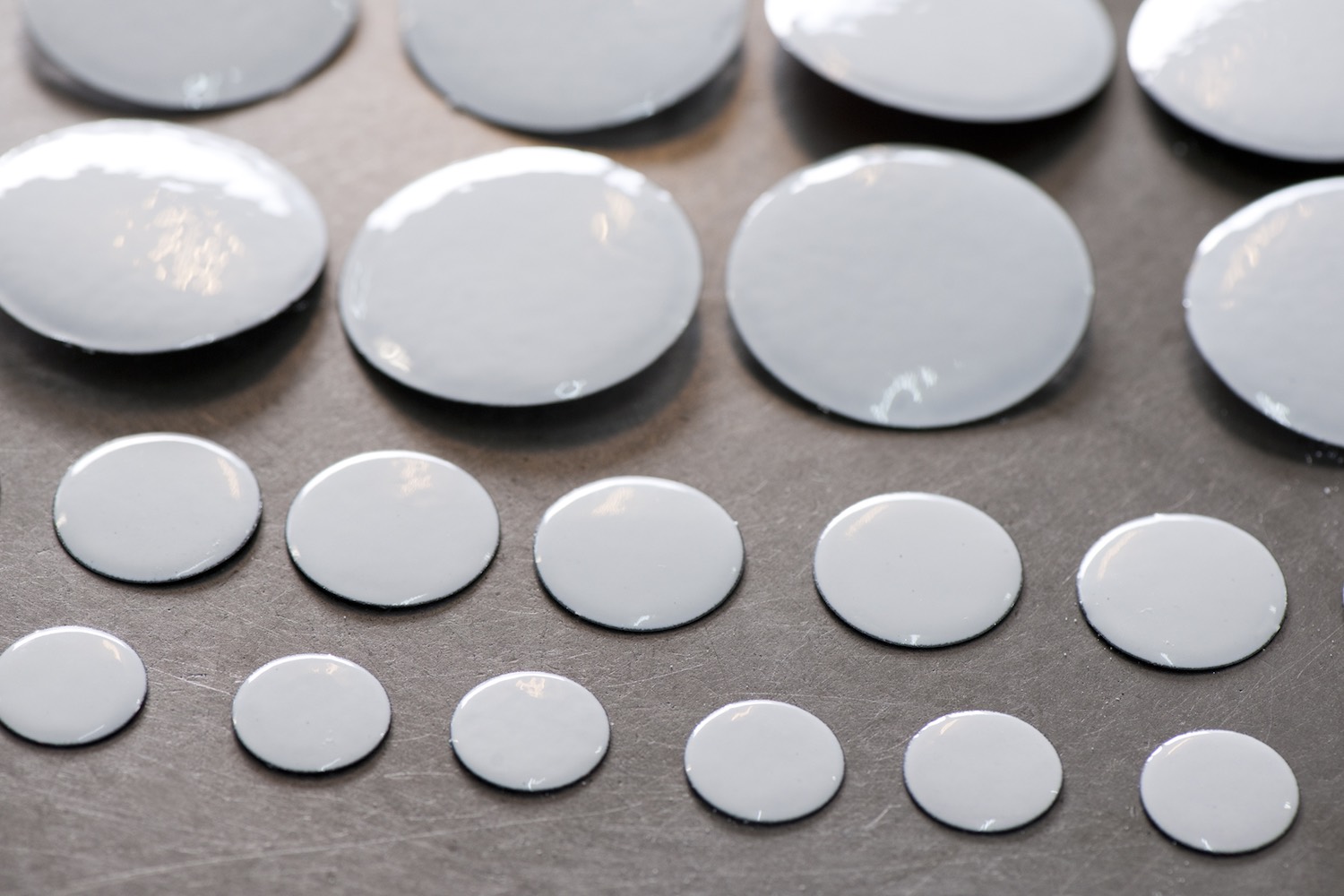
While the history of vitreous enamel spans millennia, its application to watch dials remains a profoundly challenging craft, with failure rates reaching as high as 80% to 90% even among the most experienced and dedicated manufacturers, such as Switzerland’s Donzée Cadrans. The earliest known examples of vitreous enamel are six gold rings adorned with decorative fused glass layers, unearthed from Mycenaean tombs in Cyprus, dating back to the 13th century BC. Vitreous enamel involves the meticulous melting and fusing of glass powder onto a metal base, typically applied in multiple layers to achieve a durable finish with exceptional visual depth. Historically, this technique was reserved for jewelry and religious artifacts. As the technique disseminated through ancient Greece, Rome, and the Celtic regions of Britain, its applications expanded into more practical realms. By the 18th century, enamel was applied to sinks, cookware, and various cast iron products to provide protection against corrosion and heat, while also offering a smoother, easier-to-clean surface.
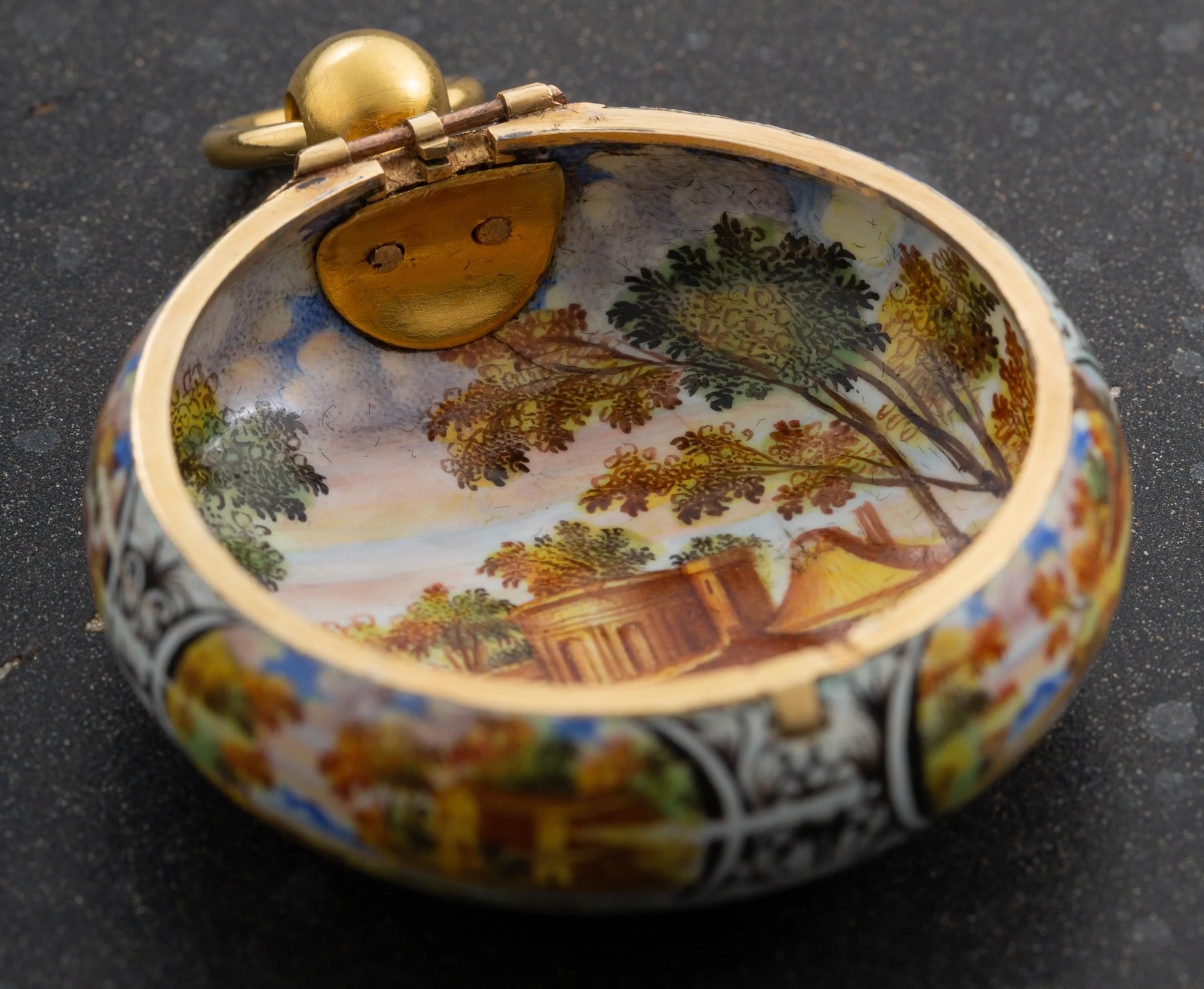
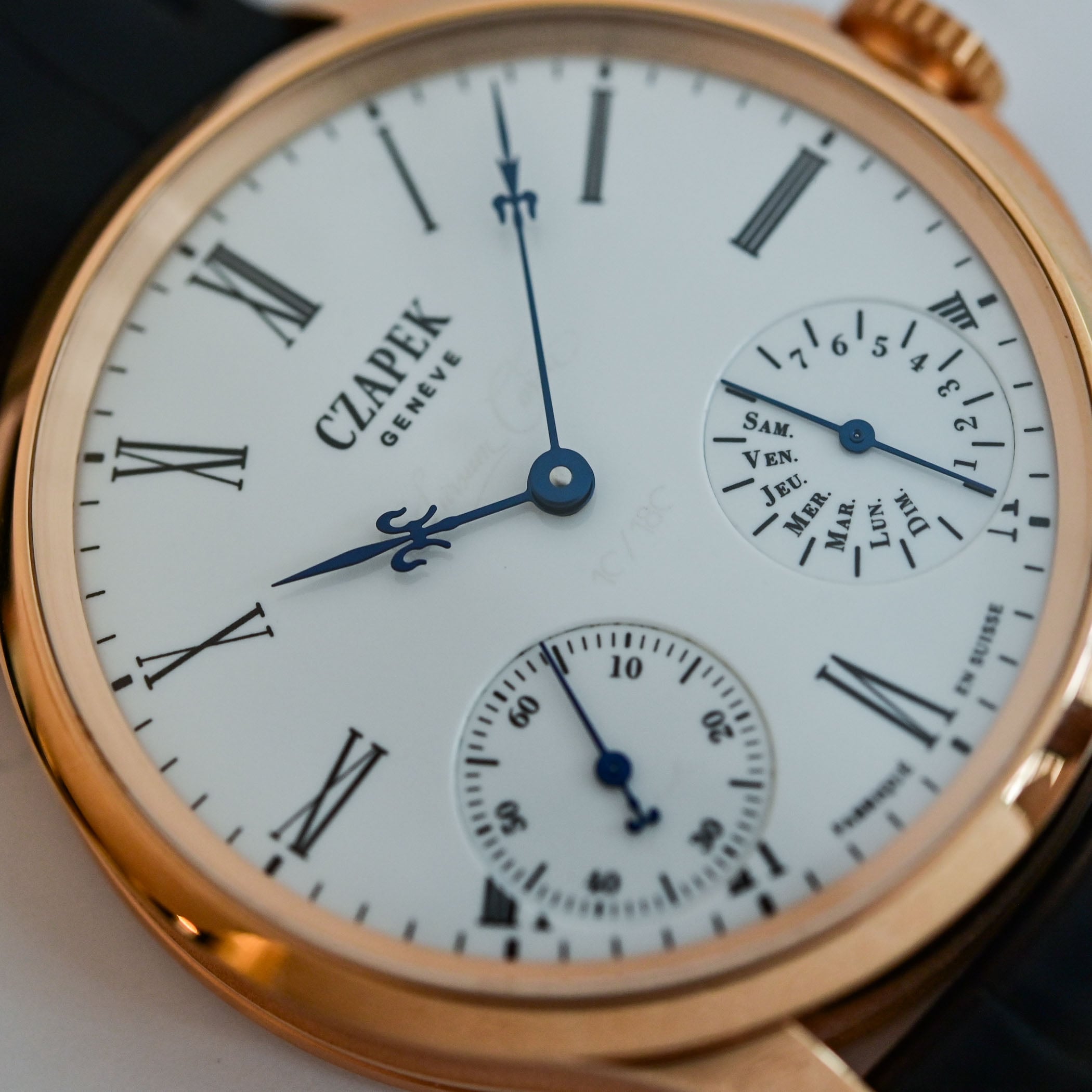
Watch dial enameling commenced in France and Switzerland approximately a century after the advent of the earliest watches in Germany. It found its early champions in horological centers like Geneva and Blois. Paul Viet, a French clockmaker, emerged as an early master, crafting enamel watch dials from around 1635 in Blois, while also decorating watch cases with enamel. These pioneering efforts by Viet and others, such as Pierre Huaud and Jean Toutin in Geneva, differed slightly from modern vitreous enamel. They employed a higher heating process to enhance resistance against cracking and fading over time. This more intense technique, specifically refined for dial making, became known as Grand Feu, meaning "great fire" in French. It’s crucial to understand that all Grand Feu enameling is vitreous, but not all vitreous enameling qualifies as Grand Feu; the critical differentiating factor is the temperature.
Grand Feu Enameling: The Crucible of Color and Depth
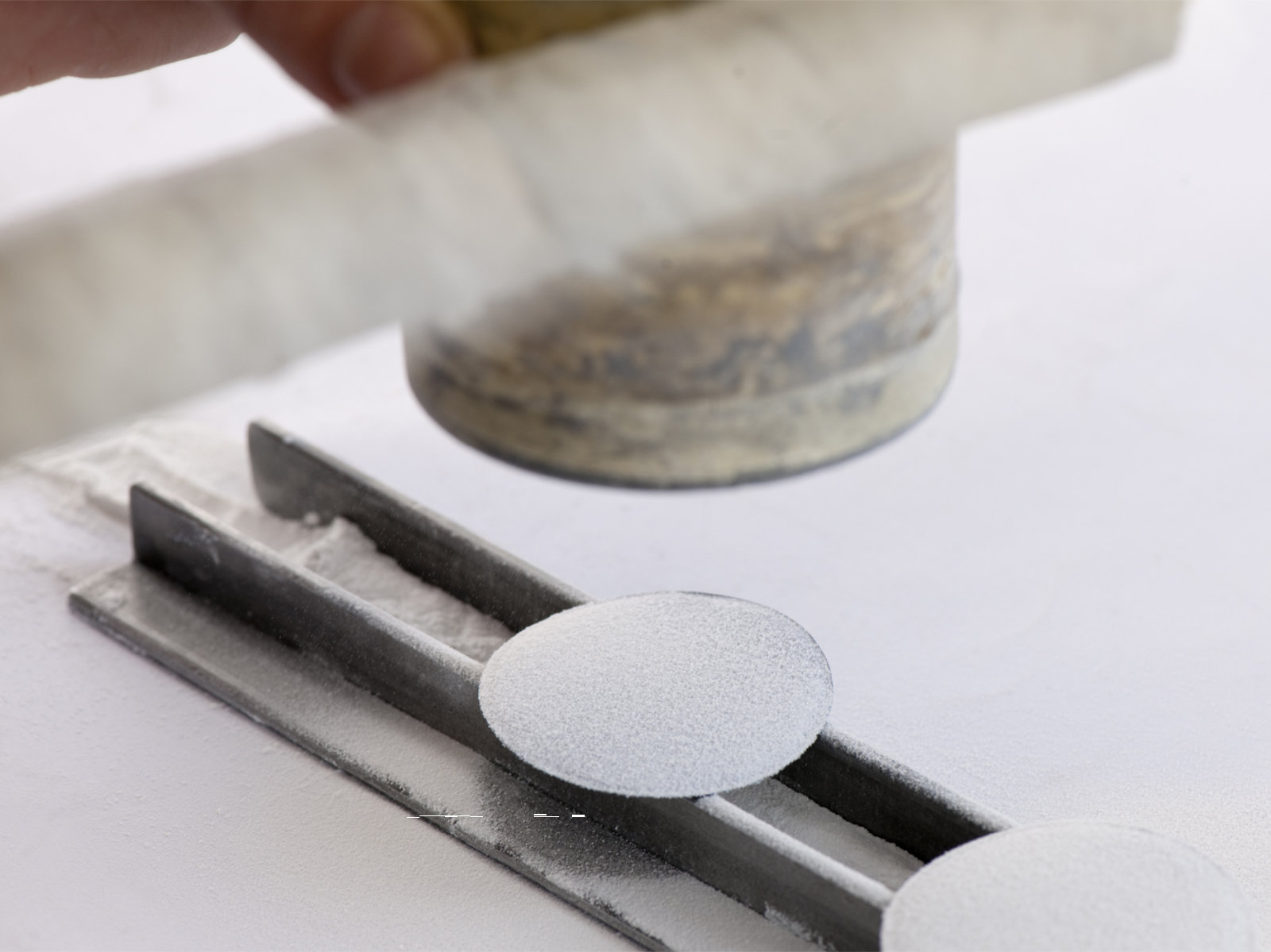
Grand Feu dial enameling is a demanding process where soft silica (glass) powder is fused to a metal blank, most commonly copper, at temperatures ranging between 800°C and 900°C. In contrast, the broader vitreous enameling process can commence at lower temperatures, around 700°C. The higher heat of Grand Feu is instrumental in creating a superior visual depth that cannot be replicated by paints, lacquers, porcelain, or polished metals, although skilled artisans can achieve remarkable results with lacquer. The inherent difficulty of the process is compounded by the extreme temperatures involved, which cause significant thermal shock. If the metal base and the silica powder expand at different rates, cracks inevitably form, necessitating a complete restart. Even the slightest particle of dust or an impurity in the silica can contaminate the visual finish, again demanding a laborious redo. The formation of air bubbles within the silica during firing can lead to surface pitting, while the metal base itself is susceptible to warping, rendering even the slightest deformation the dial unusable. This arduous cycle is repeated multiple times, exponentially increasing the risk of failure. To achieve desirable color depth and clarity, between six and twenty layers of enamel are often applied, each requiring individual firing, and each layer presents an equal risk of damage.
Exotic Grand Feu Enamels: Artistic Expressions on the Wrist
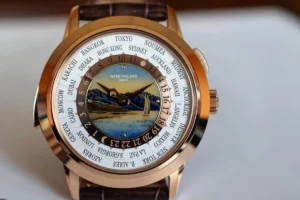
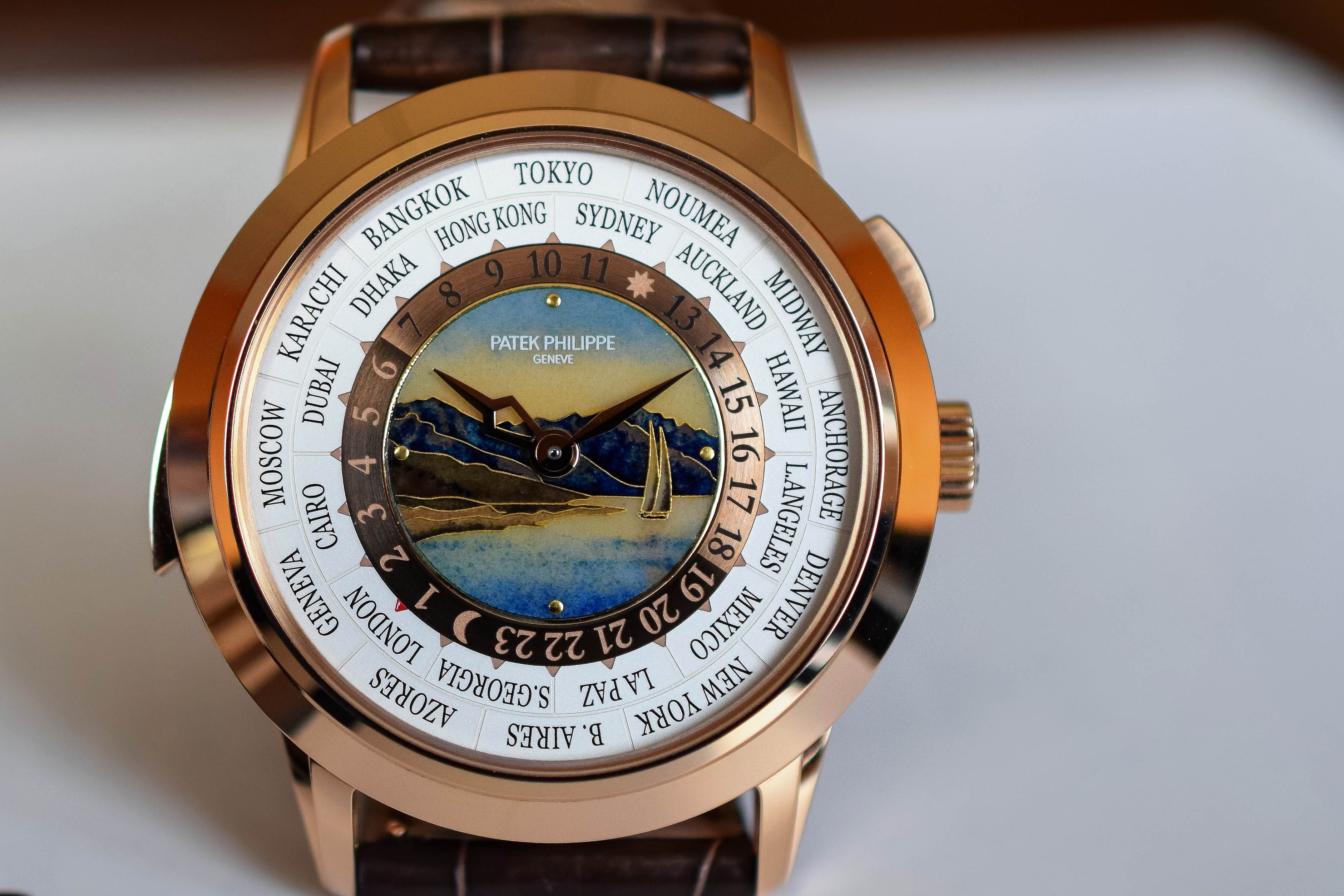
Despite the inherent challenges, production processes have seen significant improvements, leading to a degree of democratization that allows for more accessible enamel dials, with new entrants increasingly exploring this craft. While Grand Feu enamel was historically the preserve of high-end brands, specialized techniques often remain within the purview of major players, though not exclusively. For instance, cloisonné enamel involves bending and manipulating ultra-thin wires to delineate images, creating small pockets, or "cloisons," which are then filled with colored glass powder or a specially formulated enamel paste. The result is akin to a vibrant painting, capable of depicting nature, maps, ships, and virtually any subject an artist can conceive. Notable examples include rare Patek Philippe Calatrava models featuring intricate depictions of ships (ref. 1543R), birds (ref. 5077P-035), and fish (ref. 5177G-013).
Grisaille enamel presents a distinct approach, utilizing shades of white silica powder applied to a black enamel base. Through successive layers, this technique builds shadows and highlights, ultimately rendering distinctive monochromatic images or scenes. Cartier’s Rotonde de Cartier 42 mm décor tigre (ref. HPI00492), showcasing a striking tiger’s face, is an excellent illustration of this technique. Paillonné enamel incorporates paillons – meticulously hand-cut gold or silver foil – placed between layers of clear enamel to create a three-dimensional image or pattern imbued with a vibrant, metallic sheen. Jaquet Droz has been a pioneer in this technique, with notable examples including their Petite Heure Minute Paillonnée and Grande Seconde Paillonnée. The brand also employs plique-à-jour Grand Feu, a technique that eschews a base layer, allowing the enamel to be set within thin gold or silver wires, producing a stained-glass-like effect where light passes directly through. These examples represent a selection of the diverse and exquisite Grand Feu techniques available.
Affordable Grand Feu Enamels: Accessibility in High Art
A contemporary watchmaker that has carved a niche for itself specializing in enamel dials is the independent Scottish brand anOrdain. Founded in 2015 by designer Lewis Heath, anOrdain is arguably best known for its affordably priced enamel dials outside of Asia. The brand offers made-to-order enamel collections, including the Model 1, Model 1 fumé, Model 2, and Model 3. While the movements are sourced from Sellita and La Joux-Perret, the dials are meticulously produced in-house by resident artisans, imbuing them with a distinct Scottish identity that sets them apart from typical Swiss and Asian counterparts. The anOrdain Model 1, for instance, starts at around USD 2,400, representing a remarkably accessible entry point into the world of in-house enamel craftsmanship.
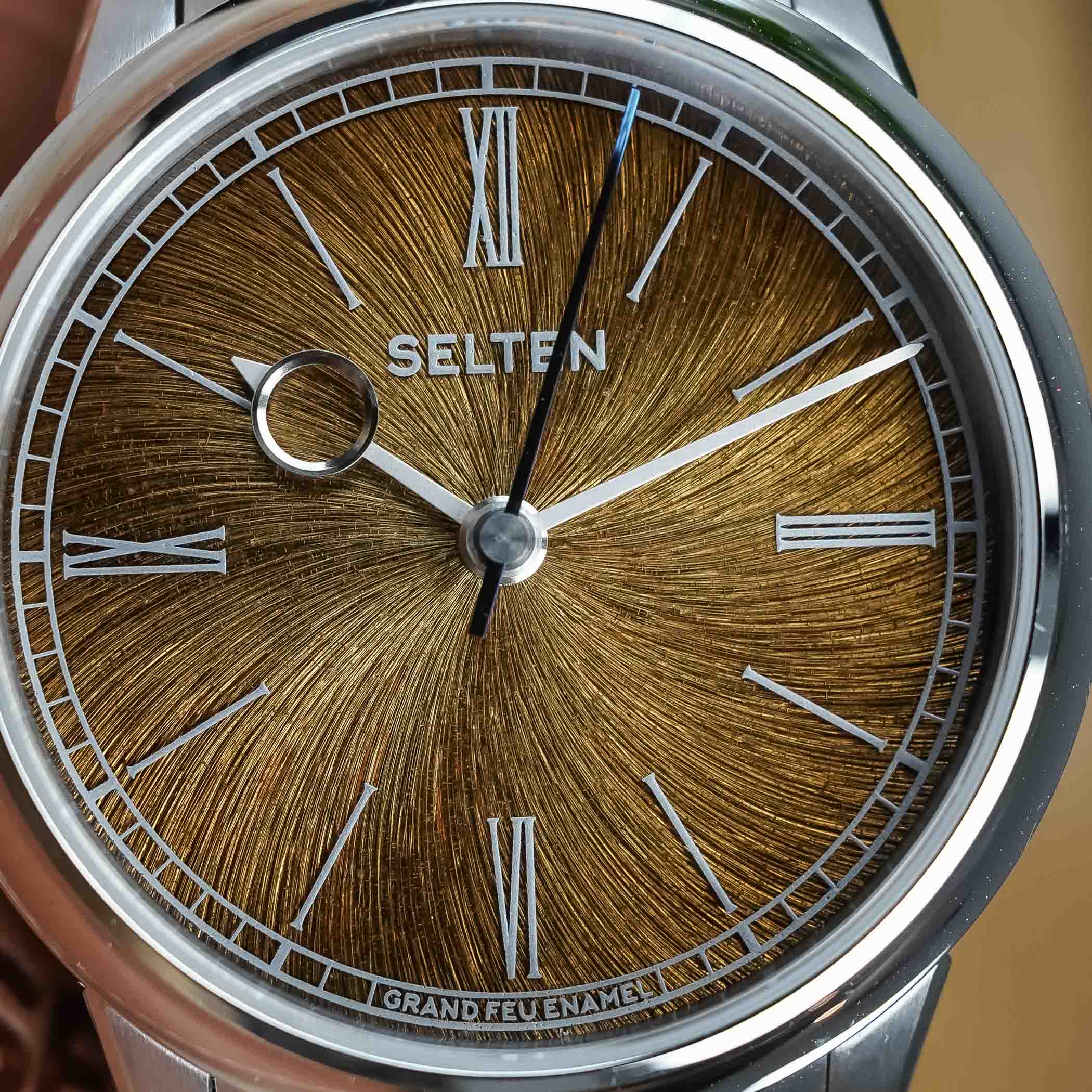
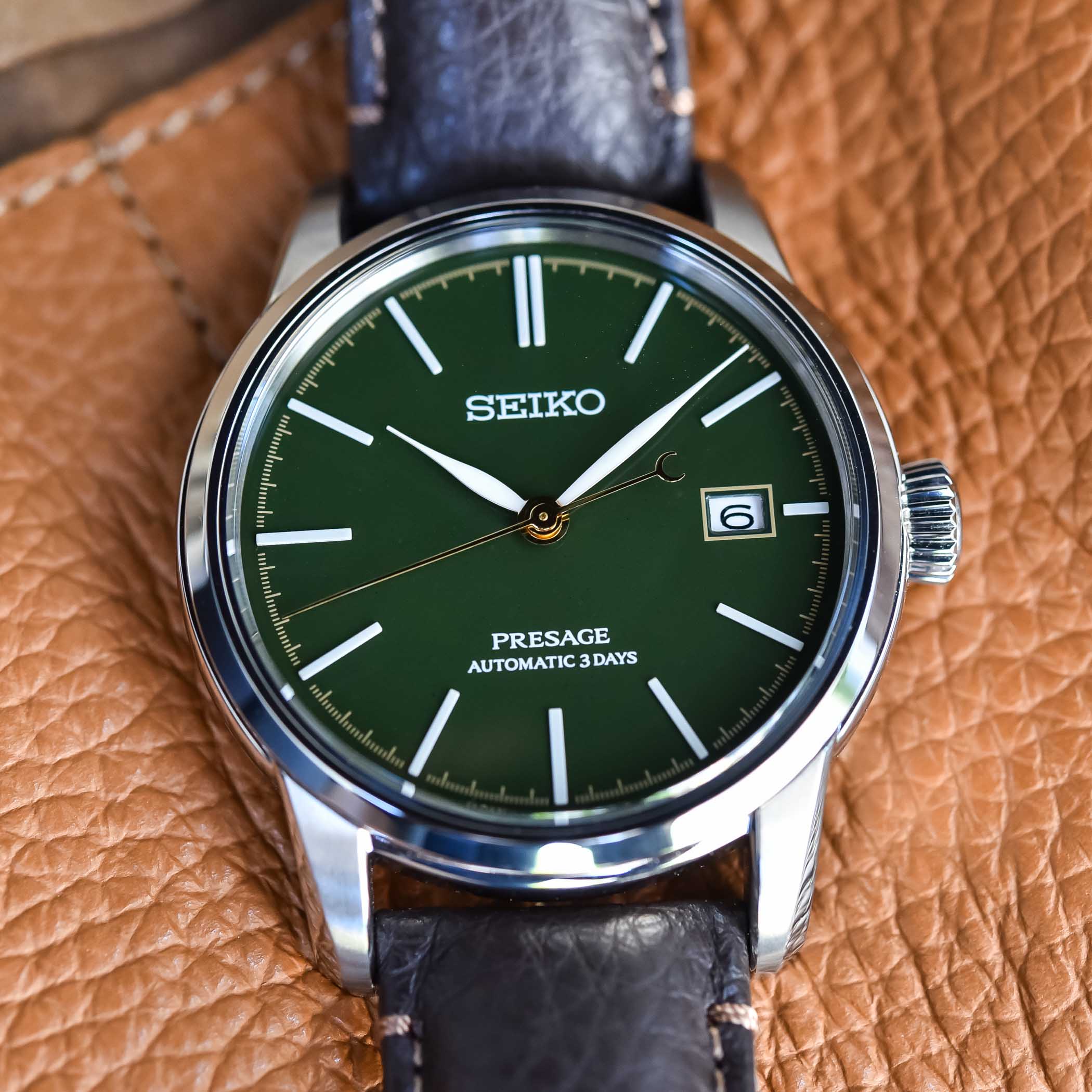
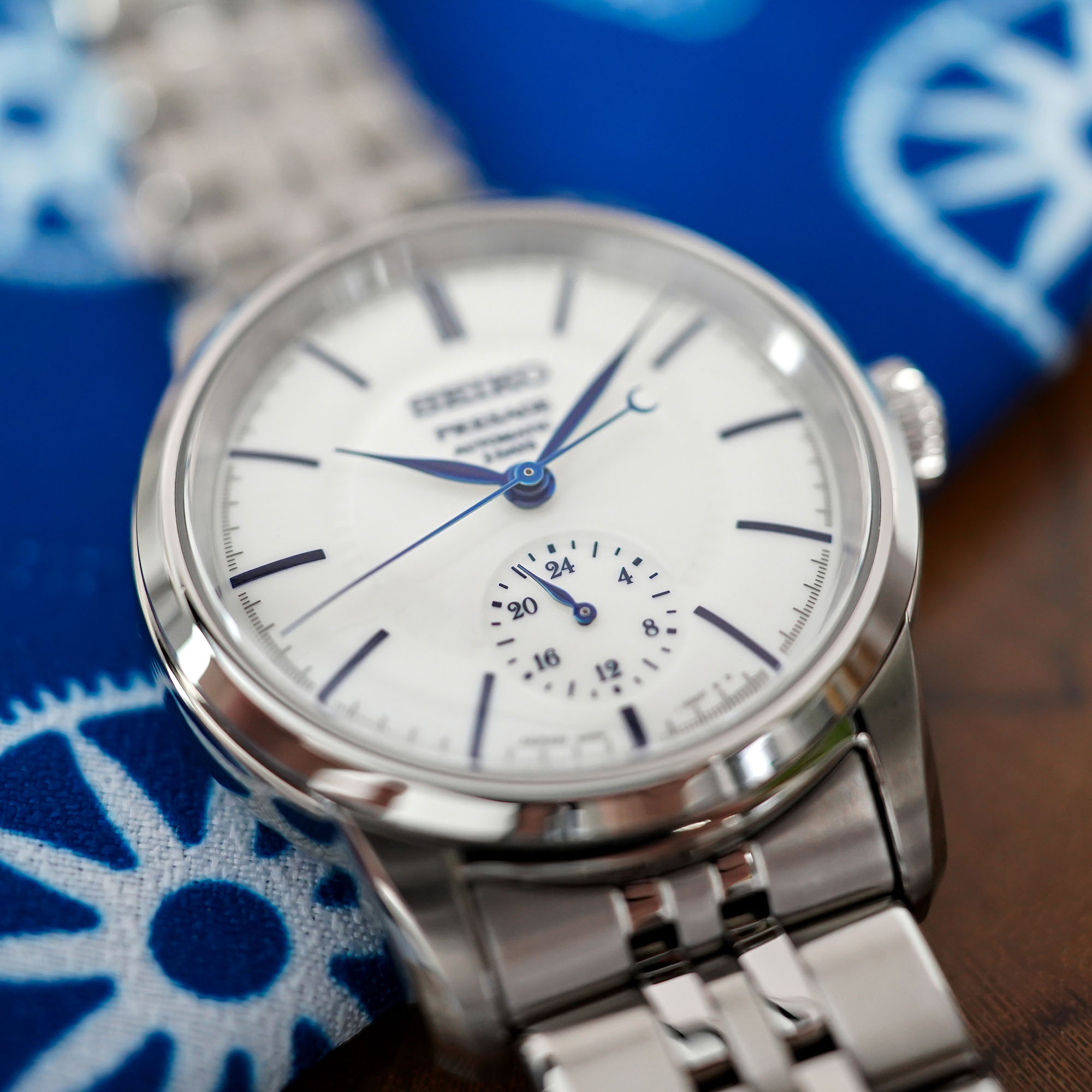
Seiko’s Presage Enamel Series stands as a testament to exceptional value, offering some of the best bang for the buck for Grand Feu enamel dials from a well-established brand. These timepieces feature traditional white and colored dials at even more accessible price points than anOrdain, starting at USD 1,400. O&HoraPictor, a more recent entrant founded in 2024, traces its roots back to 2017 when founder Eriks established a small enamel atelier. The 2024 watch brand offers both traditional and cloisonné in-house enamel dials, paired with Sellita automatic movements, with prices commencing around USD 1,600. Other brands that provide accessible Grand Feu dials include Louis Erard and Selten.
Lacquer: The Modern Counterpart to Enamel’s Enduring Appeal
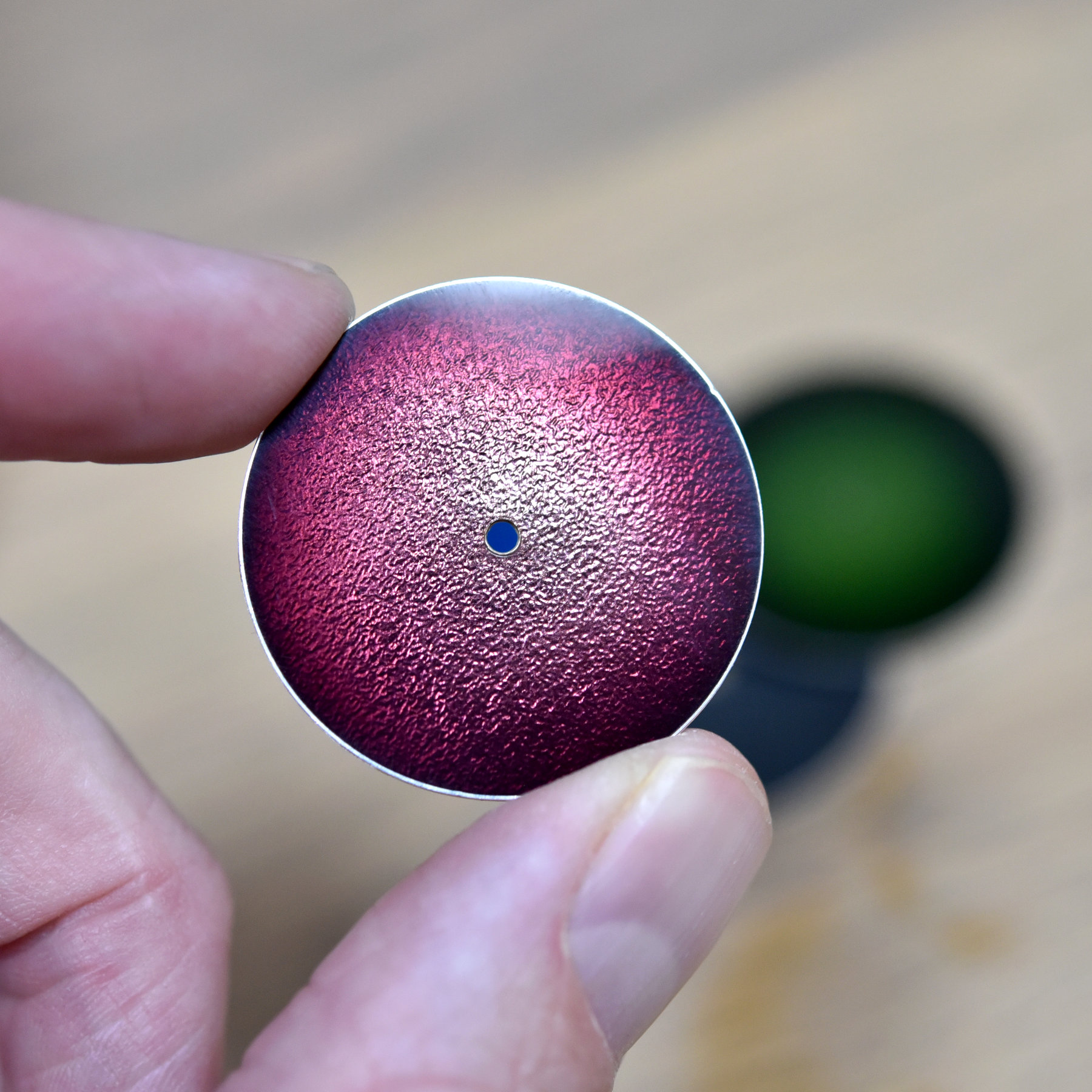
Lacquer emerged in the 20th century as a more practical and cost-effective alternative to enamel. While enamel had long been the gold standard for depth, clarity, and resistance to fading, it remained susceptible to cracking from accidental drops or hard impacts. Lacquer, being significantly cheaper and easier to work with, offered a deep, rich finish that rivaled the aesthetic appeal of enamel. Modern lacquers are typically formulated from synthetic materials such as urethane or acrylic resins. However, traditionally, lacquer is derived from natural tree resin, most notably Urushi. Seiko, in particular, is renowned for its adherence to this centuries-old tradition, utilizing sap from the Toxicodendron vernicifluum, or "lacquer tree." This natural Urushi lacquer requires trees to be at least 15 years old, with sap collection occurring between June and October through horizontal grooves carefully cut into the bark. The process is arduous, as the sap itself contains urushiol, an allergen that can cause skin reactions akin to poison ivy. After collection, the sap is meticulously filtered through traditional papers or hemp cloth. Iron particles are often incorporated to achieve a deep black finish, as the natural sap dries to a brown or amber hue. Other minerals can be employed to create different colors; for example, cinnabar yields a rich red. Similar to enamel, multiple layers of Urushi lacquer are applied, with each layer being meticulously sanded and cured in a specialized humid cabinet. This method offers a significantly reduced risk of cracking or damage compared to the high-heat firing required for enamel.
Modern lacquer processes often involve airbrushing, either through automated machinery or by hand, onto brass, silver, or gold dial plates. To prevent oxidation on brass or silver, a protective layer of nickel or gold is applied before successive layers of lacquer are applied, finished, and cured. A final protective varnish is frequently applied before a final polish. Pad printing and other dial embellishments are typically executed after the final polishing, directly onto the finished surface. Lacquer dials are more prevalent than enamel dials, with popular examples including Seiko’s aforementioned Presage Urushi Series, Cartier’s Tank Musk, Omega’s Seamaster Aqua Terra, and numerous other models across various brands.
Porcelain: Ceramic Finesse with Ancient Roots
While porcelain shares similarities with enamel in terms of its historical longevity and high-temperature firing processes, it is fundamentally a distinct material. Both require firing at elevated temperatures, but porcelain is formed from fired clay, whereas enamel is derived from powdered glass. Porcelain typically utilizes kaolinite as its ceramic base. The molded clay is fired as a single piece at 1,200°C or higher, a significantly more intense heat than that used for enamel. The resulting dial blank, after careful sanding and finishing, possesses a natural matte or satin appearance, though a glaze can be applied to enhance gloss and depth. While resembling more common clays like terracotta, porcelain’s higher firing temperatures produce a smoother and denser product. The intense heat, however, introduces the risk of cracks or other damage. Furthermore, dial blanks are meticulously sanded down to a thickness of one millimeter or less, further increasing the fragility. The ceramic also shrinks during the firing stage, making the production of perfect dials nearly as challenging as Grand Feu enamel, and consequently, failure rates remain high. It is important to distinguish porcelain dials from the high-tech ceramics used in watchmaking for cases and bracelets, which are typically zirconium oxide and offer superior toughness, scratch resistance, and resistance to magnetism and corrosion, as employed by brands like Rado, Omega, and Hublot.
Porcelain’s origins can be traced back to China’s Shang Dynasty (1600-1050 BC), with the more recognizable variant emerging later during the Eastern Han Dynasty (25-220 AD). Upon its arrival in Europe centuries later, it was revered as "white gold," and numerous attempts to replicate Chinese hard-paste porcelain were made with limited success until the late 17th century. The breakthrough occurred in Saxony, Germany, in 1708, thanks to the efforts of alchemists Johann Friedrich Böttger and Ehrenfried Walter von Tschirnhaus. Commercial production commenced in 1710, with the now-iconic trademark blue cross swords appearing in 1720. Porcelain and enamel dials are frequently conflated, particularly with older timepieces predating the 20th century. Most white pocket watch dials from that era were enamel, as porcelain was rare and appeared in limited numbers beginning in the 19th century. Today, Seiko is particularly recognized for its traditional porcelain dials, though anOrdain also produces them alongside its Grand Feu enamel offerings. Other brands, such as Halcyon and Blonie, also create porcelain dials, but it remains a relatively uncommon material in the industry, with enamel often being the preferred choice.
Metals: The Foundation of Dial Design
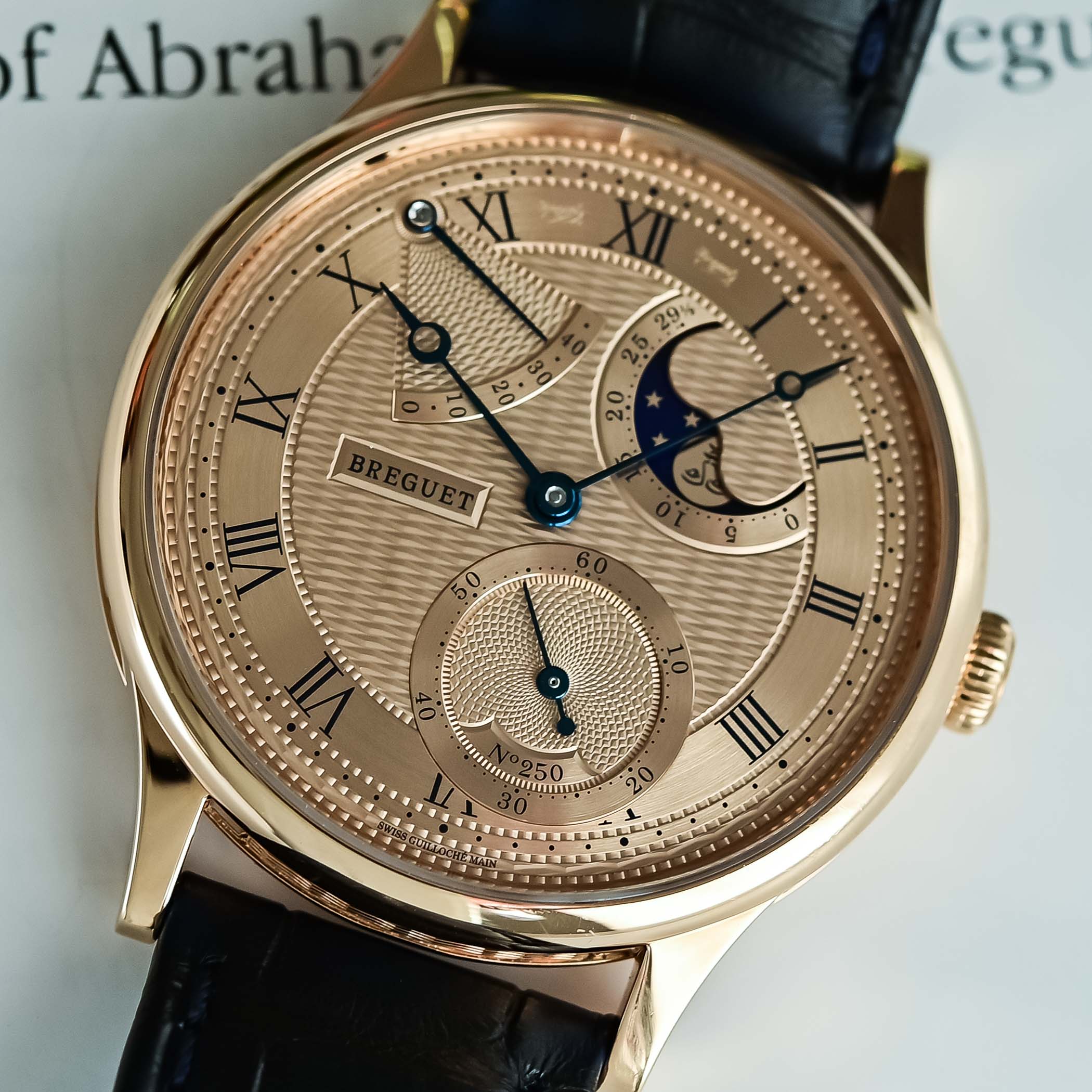
Brass has served as the standard metal base for watch dials for centuries, owing to its affordability, ease of manipulation, and compatibility with paint, lacquer, and other finishes. However, for high-temperature applications like Grand Feu enamel, it is often replaced by copper or, occasionally, precious metals such as gold and platinum. The majority of watches today that feature precious metal dials, like gold or platinum, utilize them as a base for enamel or other finishes, though notable exceptions exist. F.P. Journe, for instance, offers 18K red or yellow gold textured dials for models such as the Chronomètre Souverain and Octa Reserve. Rolex, in some of its gold models, pairs them with matching gold dials, as seen in the Day-Date and Cosmograph Daytona. A select few Audemars Piguet Royal Oaks also feature 18K gold tapisserie dials, though these instances remain exceptions rather than the rule.
It is rare to find watches with solid steel or stainless steel dials. Brass, copper, and softer precious metals are generally easier to work with. Stainless steel dials offer little aesthetic value as their appearance can be easily mimicked by other metals and finishes, and they would simply match the stainless steel case and bracelet for a seamless look. Moreover, stainless steel is a very hard metal that does not stamp small features well, nor does it readily accept paint or enamel without additional chemical treatments. Aluminum follows a similar pattern; it is frequently used for watch cases (popularized by brands like Bulgari) and more commonly for diving bezels, but rarely for dials. There are, of course, exceptions to these norms. Brands like REC Watches incorporate metal from vintage car and airplane bodies into their dials. The REC Watches RNR ARKONIK Limited Edition features an aluminum dial salvaged from a 1984 Land Rover 110 door, while the Mark I M1 utilizes steel from a Mark I Mini Cooper. The REC Habu even boasts a titanium dial from a Lockheed SR-71 Blackbird. Avant-garde watchmakers such as MB&F also experiment with unconventional metals like titanium for their dials, though these remain exceptionally rare.
Meteorite: A Glimpse into the Cosmos
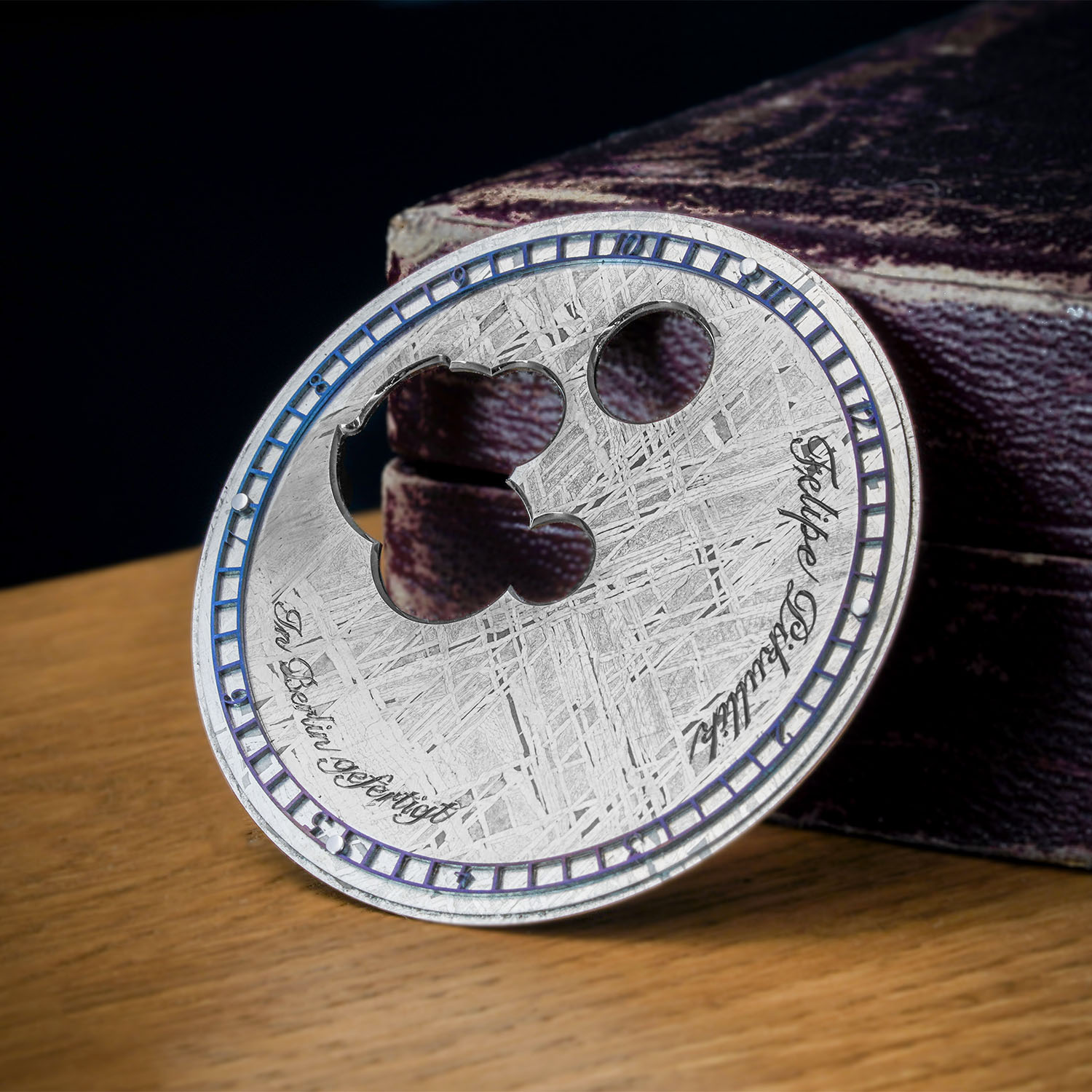
A rather exotic metal used for watch dials originates from outer space: meteorite. These celestial fragments possess distinctive patterns formed in space that are impossible to replicate on Earth, making them highly sought after by watchmakers. The specific type of space rock employed for dials is iron meteorite from the octahedrite subgroup, which typically comprises 90% iron and up to 10% nickel, with trace amounts of other metals. The aforementioned patterns, known as Widmanstätten Patterns, become visible when meteorites are sliced into sections, polished, and then treated in an acid bath. This intricate crystalline lattice takes millions of years to form in space as molten iron and nickel cool extremely slowly. Crucially, no two patterns are exactly alike, ensuring that every meteorite watch dial is utterly unique. Two common sources for watch dials are the Gibeon meteorite from Namibia and the Muonionalusta meteorite from Sweden, although other iron/nickel meteorites are also utilized within the industry.
Corum was the first commercial brand to introduce a meteorite dial in 1986, utilizing slices from the Cape York meteorite discovered in Greenland in 1894. While Corum was a niche luxury brand, it was Rolex that truly popularized meteorite dials in the early 2000s. They employed slices from the Gibeon meteorite on iconic models like the Day-Date, GMT Master II, and Cosmograph Daytona. Meteorite dials are now relatively common, and despite carrying a notable premium over conventional dials, they are becoming increasingly accessible as their popularity has surged over the past decade. While pricier than conventional metals, standard iron/nickel meteorite dials are not prohibitively expensive in terms of raw material value; rather, it is the challenging shaping and finishing processes that significantly contribute to their cost.
Stones: Earth’s Natural Palette for the Wrist
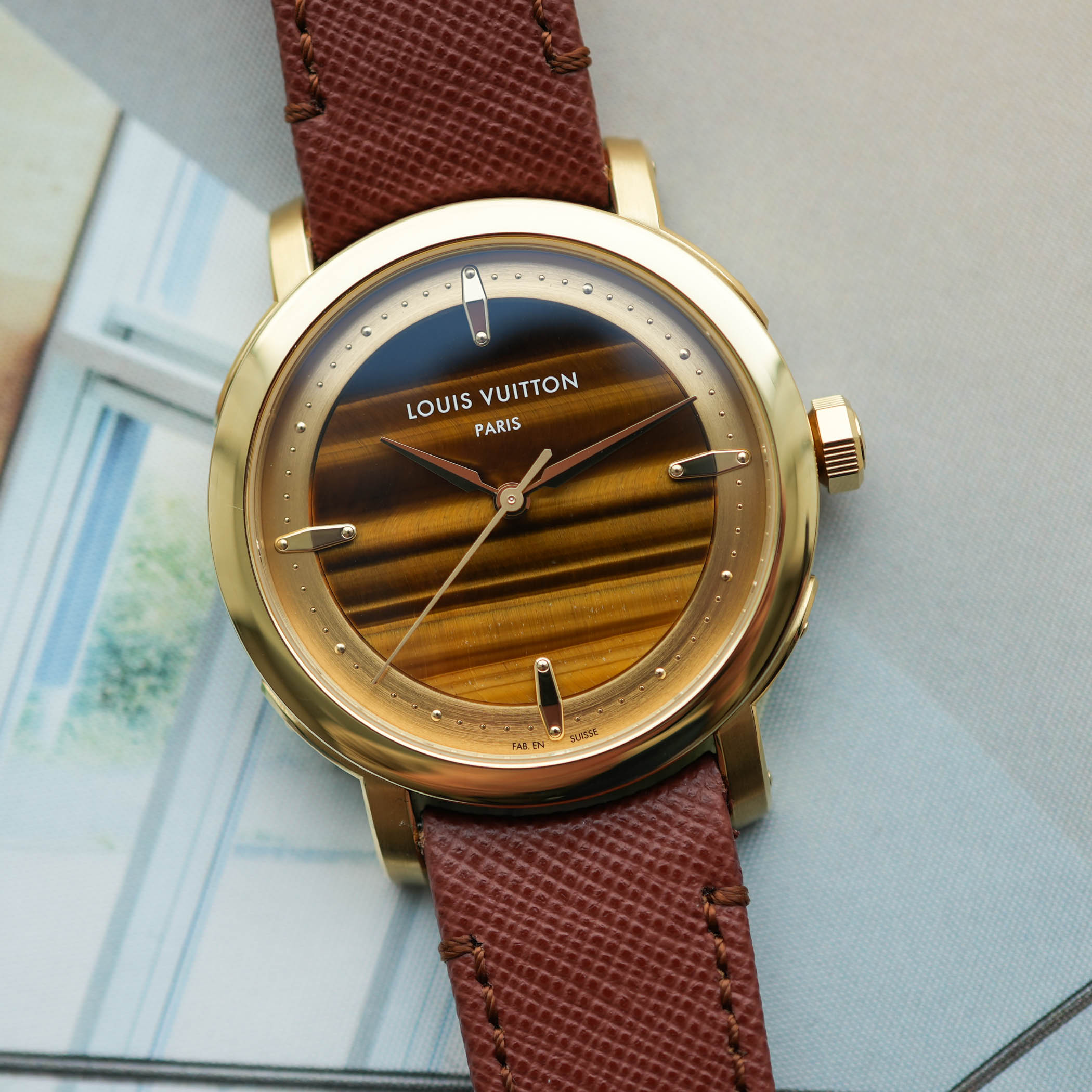
A diverse array of semi-precious stones, while somewhat rare, are popular across various price points, adding an exotic flair to a watch’s aesthetic without drastically inflating the cost, though they are certainly more expensive than conventional dials. Stones such as onyx, tiger’s eye, lapis lazuli, jade, and turquoise offer unique visual appeal. Similar to meteorite, a significant portion of the additional cost is attributed to preparation and finishing. Stone dials require meticulous cutting into thin, fragile wafers, often around 0.7mm or less, to manage weight and thickness while dramatically reducing the risk of cracking. Affordable examples include the French brand Baltic’s Prismic collection, which features stone dials like pietersite, pink albite, and bloodstone, with prices starting at EUR 1,300. Baltic’s more recent Heures du Monde Worldtimers also incorporate stone dials, such as tiger’s eye and sodalite, with prices comparable to the Prismic collection. Many luxury brands also occasionally employ stone dials, including Rolex, Piaget, Cartier, and Audemars Piguet. Variations of lapis lazuli, onyx, tiger’s eye, opal, and malachite are frequently favored. Piaget was the first to introduce stone dials in 1963, and their unique colors and styles gained significant popularity in the 1970s.
Aventurine: Capturing the Starry Night Sky
Contrary to popular belief, most aventurine is not a natural stone but an artificial dial surface crafted from translucent glass embedded with tiny copper crystals, creating a mesmerizing starry night aesthetic, also known as goldstone. This material is particularly popular for celestial-themed watches, such as those featuring moon phases, orreries, and planetariums, and it sparkles with a three-dimensional depth, evoking the appearance of a night sky (a phenomenon known as aventurescence). Some brands utilize natural quartz stone with embedded mineral flecks like mica or fuchsite; however, this is less common and does not typically provide the same depth and visual effect as artificial goldstone. Like meteorite, all slices of quartz aventurine are unique, and no two dials are identical. While green is the most common color, it can be found in shades of red, blue, brown, and orange. In the luxury segment, Rolex utilizes a green quartz aventurine dial for certain Day-Date models. A. Lange & Söhne employs black or midnight blue glass aventurine dials for its Saxonia Thin models. This selection represents a small sample of aventurine dials, with brands ranging from microbrands to top luxury watchmakers utilizing both glass and natural quartz variants.
Aventurine glass is not a modern invention, with its origins dating back to the 17th century in Italy. However, its application to watch dials is a more recent phenomenon. It derives its name from the Italian phrase all’avventura, meaning "by adventure" or "by chance." The exact inventor remains unclear, but the prevailing story recounts an artisan accidentally dropping copper shavings into molten glass, which created a star-like effect as the glass cooled and metallic crystals formed. Its use as a watch dial truly gained traction in the late 20th and early 21st centuries. Rado introduced a glass aventurine dial as early as the 1970s, and luxury brands like Jaeger-LeCoultre and Ulysse Nardin helped popularize it in later years. The natural quartz equivalent was discovered in the 18th century and named after the glass type due to its similar appearance. It is particularly fragile when cut and finished for watch dials, a characteristic shared with other natural stone equivalents.
Mother-of-Pearl: The Iridescent Beauty of the Ocean
Mother-of-pearl is not a stone but a natural material called nacre, harvested from the underside of mollusk shells, such as oysters and abalone. The iridescent inner layer of the shell possesses a shimmering aesthetic, often displaying multiple colors as the light shifts. Like stone, no two mother-of-pearl dials are exactly alike. The organic material is the same substance that produces pearls, hence its name. The nacre is meticulously cut and finished to an incredibly thin state, sometimes as little as 0.2mm, and must be adhered to a metal dial blank for stability. Mother-of-pearl naturally exhibits a white or cream hue, but this can be modified with lacquer to achieve a variety of colors. It was first used for pocket watch dials in the early 19th century and was also employed to decorate cases. Rolex was an early luxury brand, in the 1970s, to perfect mother-of-pearl dial production with ultra-thin, stable slices, enabling reliable and more affordable mass production into the 1980s. Historically, mother-of-pearl dials were often perceived as feminine and primarily used in women’s watches. However, in recent times, they have increasingly appeared on select men’s watches as a stylish and sophisticated alternative to stone, enamel, and other materials. Examples include the Rolex Cosmograph Daytona and Datejust, Breitling Navitimer, and Tissot PRX.
The use of decorative mother-of-pearl dates back to Ancient Egypt for jewelry and funerary artifacts, as well as the Chinese Shang Dynasty (1600 BCE to 1046 BCE). It spread throughout Europe and the Middle East during the Middle Ages and became a global sensation for buttons throughout the 19th and early 20th centuries, with mass production centered in Western Australia, where extensive shell-harvesting operations were established. Today, mother-of-pearl adorns everything from watch dials and buttons to guitars and mosaic tiles, continuing to be a popular and lightweight alternative to other natural stones and metals.
Unconventional Materials: Pushing the Boundaries of Dial Design
Beyond the more common materials, a smaller pool of unusual dial materials is employed in modern watchmaking. Carbon fiber was popularized by brands like IWC with its Ingenieur Automatic Carbon Performance in 2013, which featured both the case and dial made from the material. IWC has since incorporated carbon fiber into numerous watches. Composed of carbon fiber-reinforced polymer, this material is exceptionally strong, lightweight, and resistant to magnetism and corrosion. It presents a variety of specific or random patterns, with the latter category encompassing variants of forged carbon. Sapphire crystals are sometimes utilized as dials to showcase the underlying movement components while allowing for markers, brand names, and images to be placed above. Occasionally, multiple sapphire discs are used to create the illusion of floating rotating hands. Cartier’s Rotonde de Cartier Mysterious Hours is a high-end example of this technique, while Christopher Ward’s accessible C60 Sapphire model reveals the movement and date wheel beneath a tinted sapphire dial, with indices applied around the perimeter.
Some dials are crafted from natural wood, a unique and popular option in the 1970s. Models like early Rolex Day-Dates featured "Sequoia wood" dials (ref. 1807) or later "Mahogany dials" (ref. 18038). Hamilton, Cartier, and numerous other brands experimented with wooden dials. Contemporary brands like WoodWatch from Rotterdam, Netherlands, offer watches entirely constructed from wood, including the dial, case, and bracelet.
Exotic metals, though rarely used, include ruthenium, osmium, and tantalum, often found in the creations of high-end independent watchmakers like Maximilian James, with dials supplied by specialists such as MetaMetals in Weitersfelden, Austria. Recycled plastics have become a prominent material in recent years for cases, straps, and dials. The Oris Aquis Date Upcycle is an example featuring dials made from recycled PET plastic bottles. Maurice Lacroix, in 2022, utilized recycled plastic bottles sourced from the ocean for its affordable AIKON #tide collection.
Conclusion: A Tapestry of Time on the Wrist
This comprehensive overview does not enumerate every conceivable watch dial material but highlights the most common and historically significant, illustrating the remarkable diversity that exists. While mainstream offerings of brass bases adorned with paint, enamel, and lacquer continue to dominate the industry, materials such as meteorite, natural stone, aventurine, and mother-of-pearl contribute to a sophisticated and captivating horological landscape. Alongside the popular dial styles, from California and sector designs to regulators and various military specifications, the fundamental choice of dial material forms the bedrock upon which applied indices, logos, and overall aesthetic appeal are built. The future of watchmaking promises further innovation, and it will be fascinating to observe what novel materials, whether recycled, natural, or artificially crafted, will be employed for watch dials in the years to come.