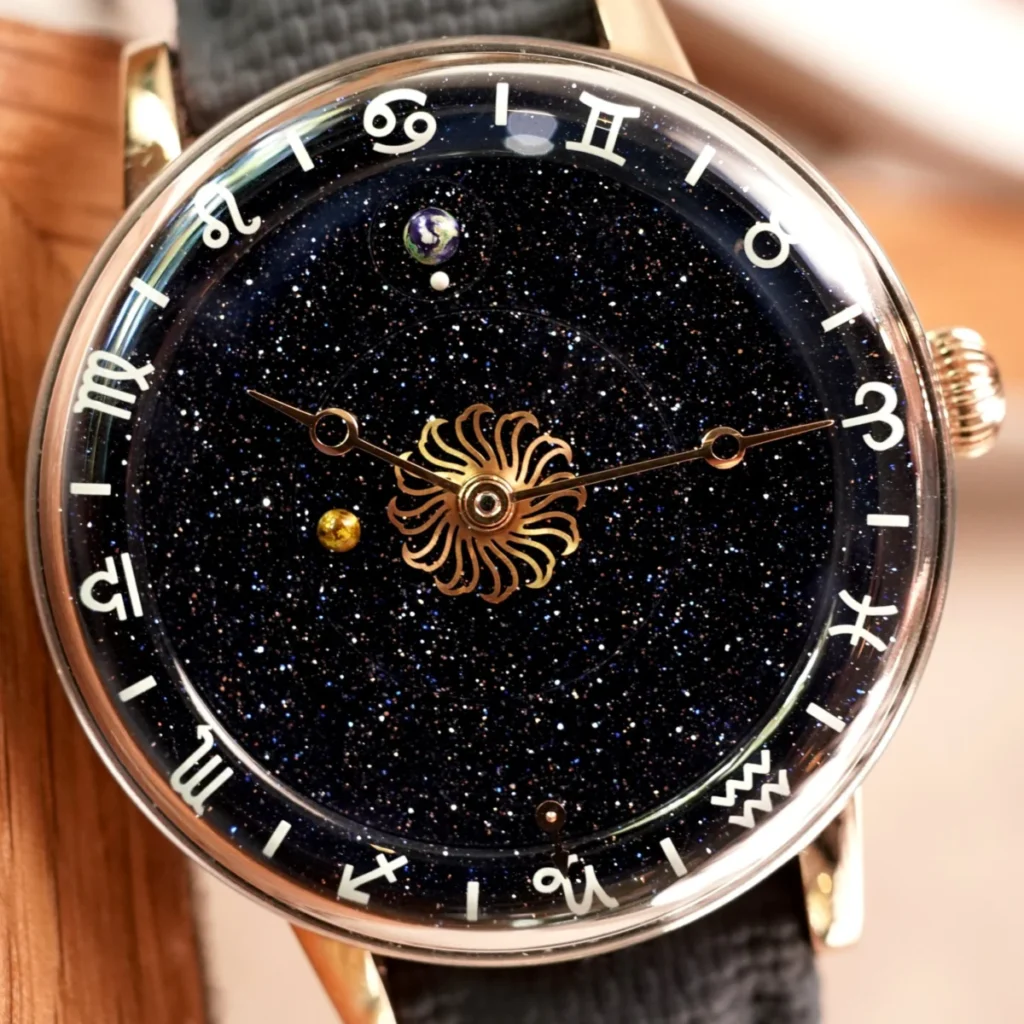
The Prague Astronomical Clock, an enduring testament to medieval ingenuity, stands as the oldest operational mechanical device dedicated to tracking celestial events. Introduced in 1410, this marvel of horology displays the intricate dance of the sun, moon, and zodiacal constellations. While it represents a significant early achievement, its lineage can be traced back to even earlier innovations. Richard of Wallingford’s 1330 clock, though no longer extant in its original form, possessed the remarkable ability to track the sun’s annual progression, predict lunar phases and eclipses, and even account for tidal movements. Further pushing the boundaries of mechanical astronomy, Giovanni Dondi’s Astrarium, completed in 1364, showcased seven dials dedicated to charting the positions of the sun, moon, and the five known planets of the era. The emergence of mechanical clocks around 1270 laid the groundwork for these sophisticated astronomical complications, underscoring the brilliance of early scholars and engineers. Today, this spirit of innovation thrives in modern mechanical wristwatches, which can display not only solar and lunar positions but also planetary movements and, in some avant-garde designs, even feature a miniature orrery beneath the crystal.
The Dawn of Moon Phase Indicators
The miniaturization of these grand astronomical displays into portable timepieces presented a formidable challenge. However, this feat was achieved relatively swiftly following the advent of portable timekeeping. Peter Henlein’s spring-driven "Nuremberg eggs" in the early 16th century marked a significant step in this direction. Initially, moon phase indicators were rudimentary, their accuracy hampered by the limitations of early timekeeping mechanisms, which could err by hours per day due to archaic verge escapements and foliot regulators.
It was not until the early 17th century that English watchmakers developed more contemporary and accurate moon phase displays for pocket watches. These early examples, such as a surviving piece dating from around 1605 from London, proved to be genuinely useful. Sailors relied on them to understand tidal patterns, travelers used them to plan journeys under optimal moonlight, and farmers could better time agricultural activities. The true refinement of the moon phase complication, however, awaited the invention of the hairspring in the late 17th century. This innovation dramatically improved the accuracy and reliability of pocket watches, enabling truly precise moon phase indications.
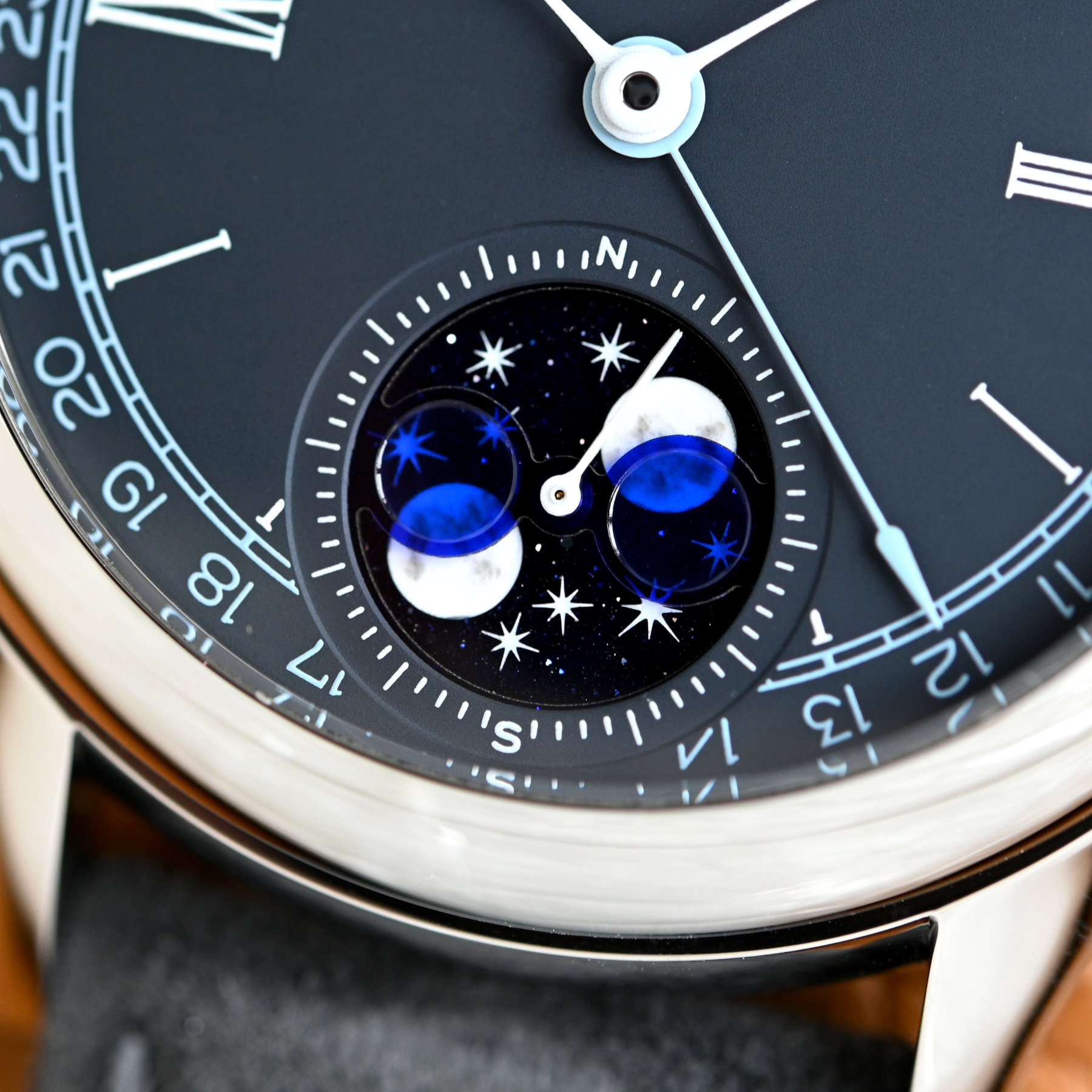
The inherent challenge in accurately displaying the lunar cycle lies in its duration. A synodic month, the period from one new moon to the next, spans approximately 29.53 days. Early mechanical designs often employed a 59-tooth wheel, representing a double lunar cycle. This mathematical approximation, while ingenious for its time, introduced an inherent error. Even with perfect mechanics, this slight deviation would cause the moon phase indicator to drift by one day every 2 years, 7 months, and 20 days. While this inaccuracy was generally accepted and sufficient for daily use, it necessitated manual adjustments every few months to maintain relative precision.
The Revolutionary Impact of the Perpetual Calendar
The invention of the perpetual calendar by English watchmaker Thomas Mudge in 1762 marked a pivotal moment in the quest for astronomical accuracy. This groundbreaking complication revolutionized moon phase displays by introducing far more complex and specialized gear trains. These new mechanisms were designed to automatically account for the varying lengths of months, including the shorter February and leap years, thereby eliminating the need for frequent manual adjustments.
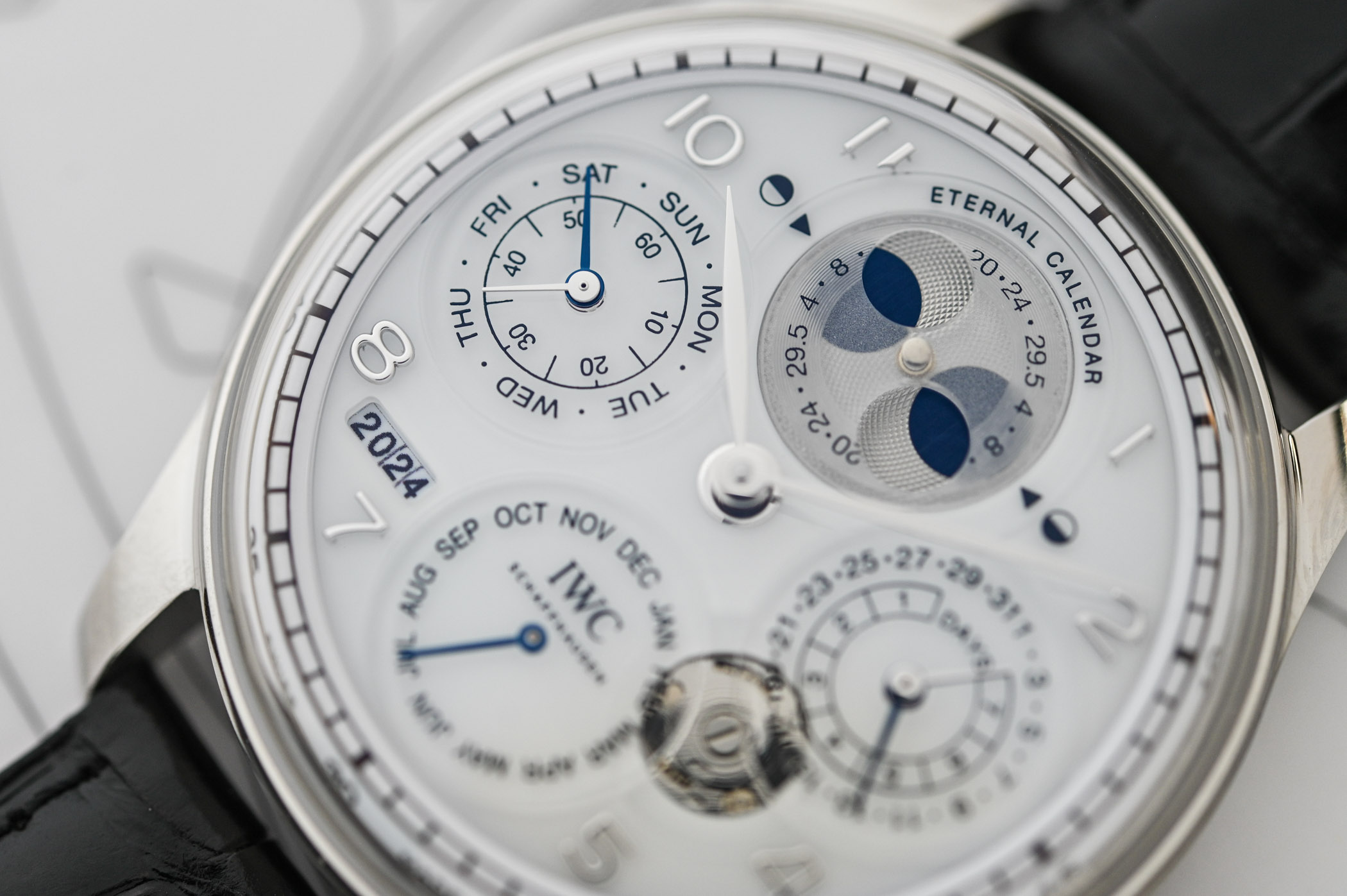
Crucially, these sophisticated perpetual calendar movements incorporated custom gear trains specifically for the moon phase, abandoning the flawed 59-tooth wheel. Through meticulous gear mapping, deviations were reduced to a mere one day over a century or more. While this level of accuracy is theoretical, as mechanical watches require regular maintenance and are not designed for continuous century-long operation, it represented an extraordinary leap forward. Today, virtually all perpetual calendars are equipped with a moon phase indicator, a natural pairing that enhances their astronomical prowess, though the two complications operate independently.
Orreries and Planetariums: The Grand Celestial Theater
While moon phase indicators are the most common celestial complication found on watches today, orreries represent the pinnacle of mechanical astronomical representation. These intricate devices showcase miniature physical models of the sun, moon, and planets, precisely tracking their positions throughout the year. The concept of a mechanical solar system model traces its roots back to the ancient Greeks, most notably the Antikythera mechanism, discovered in a shipwreck and dated to around 150 BC. This remarkably complex, hand-powered device, often hailed as the world’s first analog computer, could track the positions of the sun, moon, and five known planets.
The term "orrery" itself was coined in 1712 when English engineer John Rowley built a sophisticated model for Charles Boyle, the 4th Earl of Orrery. These 18th-century orreries were informed by Sir Isaac Newton’s groundbreaking laws of gravity and the understanding of a heliocentric universe. During the 18th and 19th centuries, large orreries became coveted status symbols for the wealthy and affluent educational institutions, though they are now considered rare and somewhat obsolete.
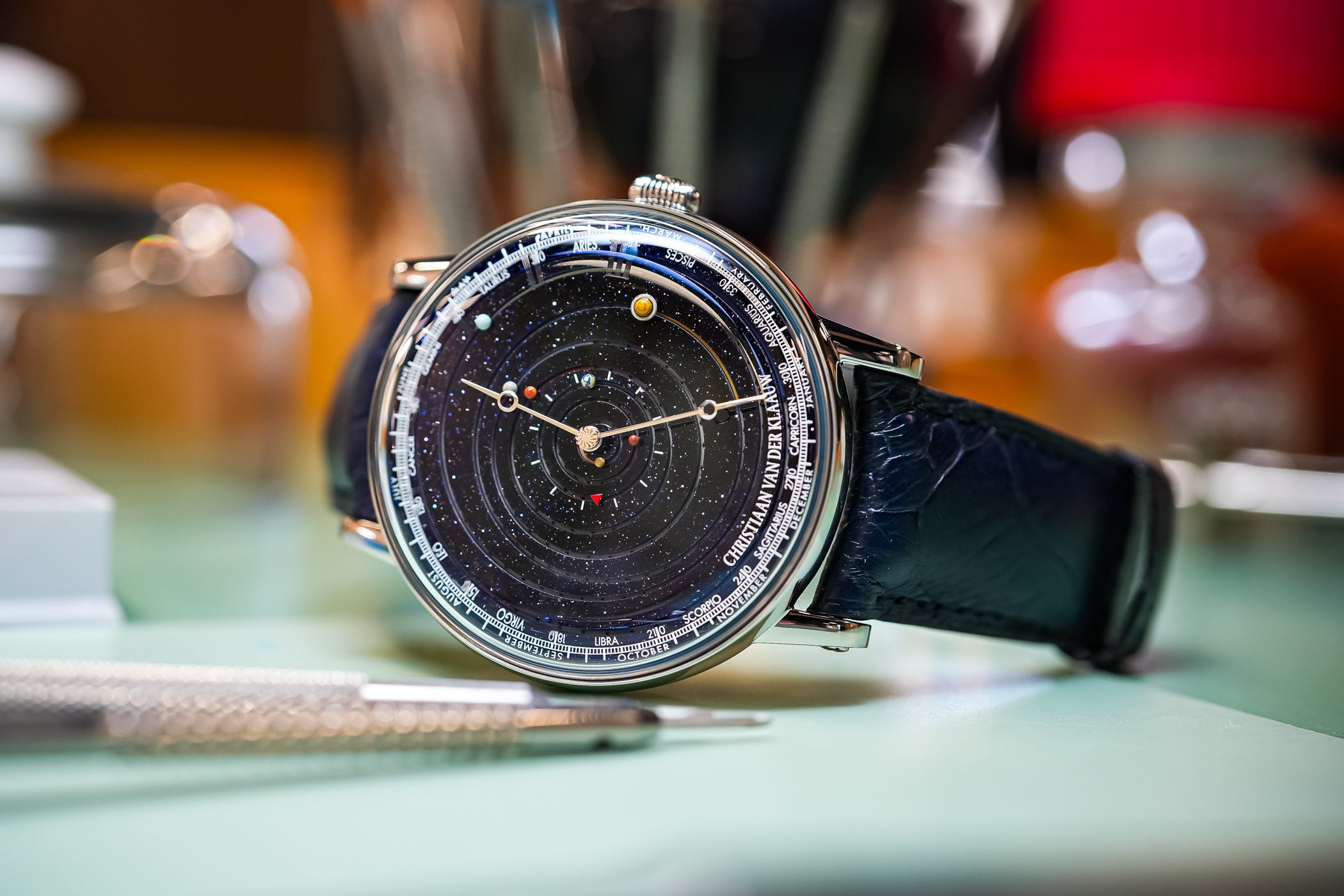
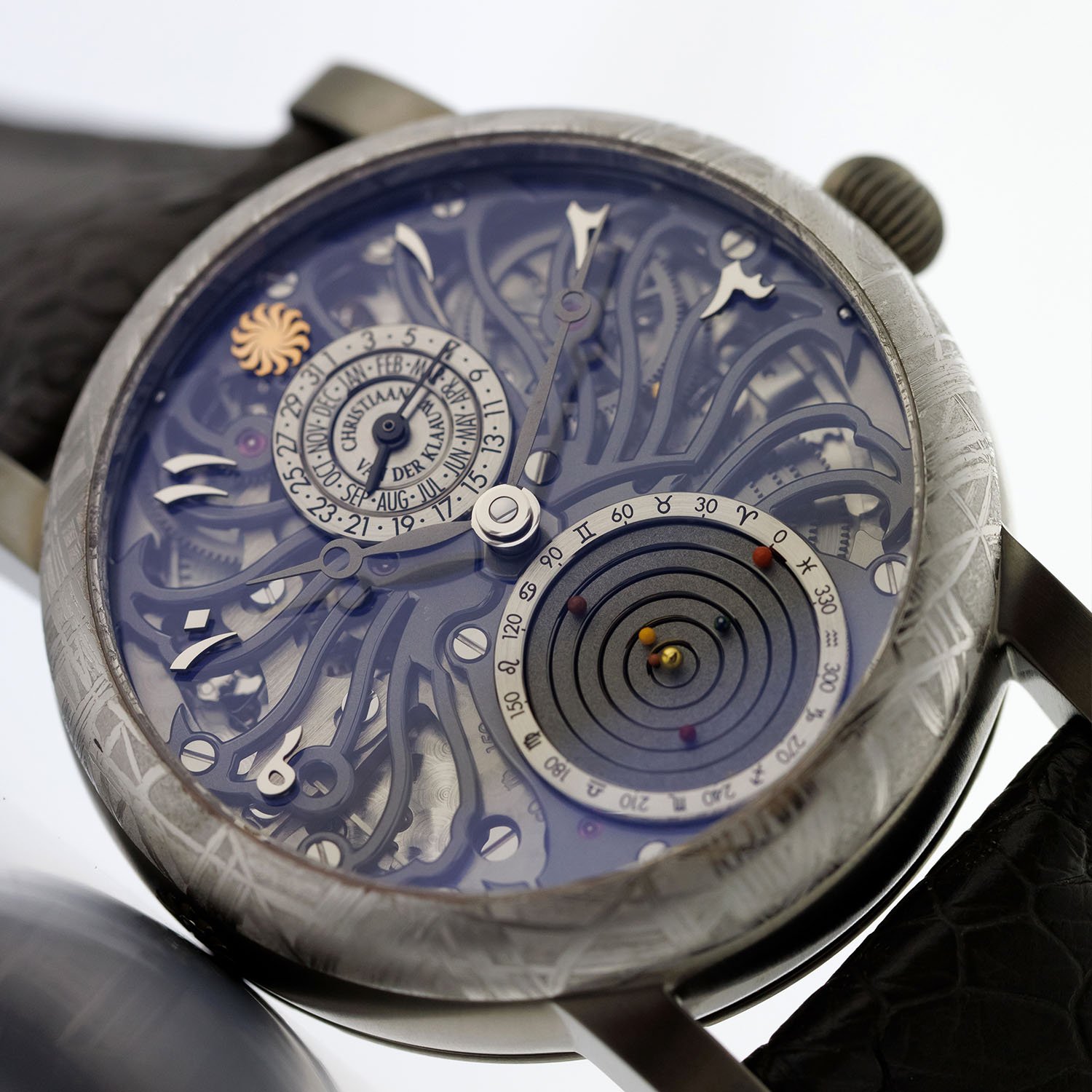
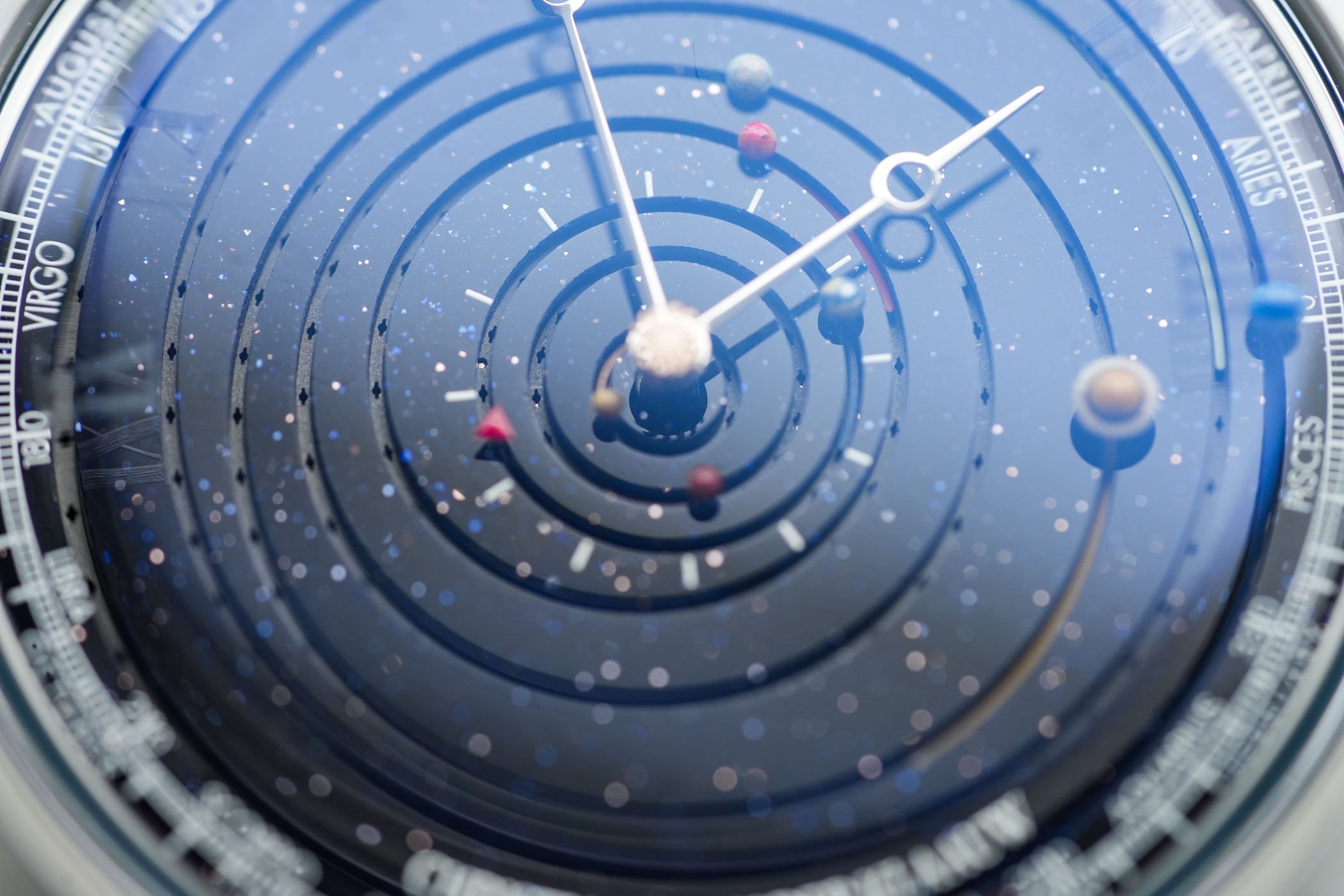
The miniaturization of such complex systems into wristwatches remains an exceptionally difficult and rare endeavor, typically undertaken only by high-end watchmakers. These watch-scale planetariums, often referred to as "planetarium complications," are among the most expensive complications, frequently commanding six-figure price tags. A notable example is Christiaan van der Klaauw’s Grand Planetarium Eccentric from the Netherlands. This particular model presents a two-dimensional representation of the solar system, with spherical satellites orbiting a starry aventurine dial, and is recognized for its exceptional accuracy. Christiaan van der Klaauw is renowned for its mastery of this complication, and this piece meticulously displays the elliptical orbits of Mercury, Venus, Earth, Mars, Jupiter, Saturn, Uranus, and Neptune – the only watch of its kind capable of accurately tracking all eight planets simultaneously. The orbital periods range from 90 days to over 160 years, with the sun positioned centrally above the hour and minute hands. Other astronomical creations from Christiaan van der Klaauw include variations like the Venus Zodiac and Venus Annual Calendar, which focus on tracking Venus, Earth, and the Moon.
The visual appeal of a three-dimensional orrery is undeniable, exemplified by the Jacob & Co. Astronomia Solar. Encased in a 44.5mm 18k gold case with a height of 21mm, it features five celestial bodies. Four are represented by cut gemstones: a 1.5-carat citrine crystal for the sun, and amethyst, garnet, and smoked quartz for the planets. The Earth is depicted more realistically with rose gold and blue lacquer. The dial base is a starry aventurine, and time is displayed on a small sub-dial. At its heart lies a bi-axial flying tourbillon, completing a horizontal rotation every 60 seconds and a vertical rotation every 10 minutes. The planets revolve every 10 minutes, while the dial base rotates counterclockwise at the same interval, creating a captivating miniature solar system. However, it’s crucial to note that this display is primarily aesthetic, lacking the scientific accuracy of orbital paths found in other astronomical timepieces.
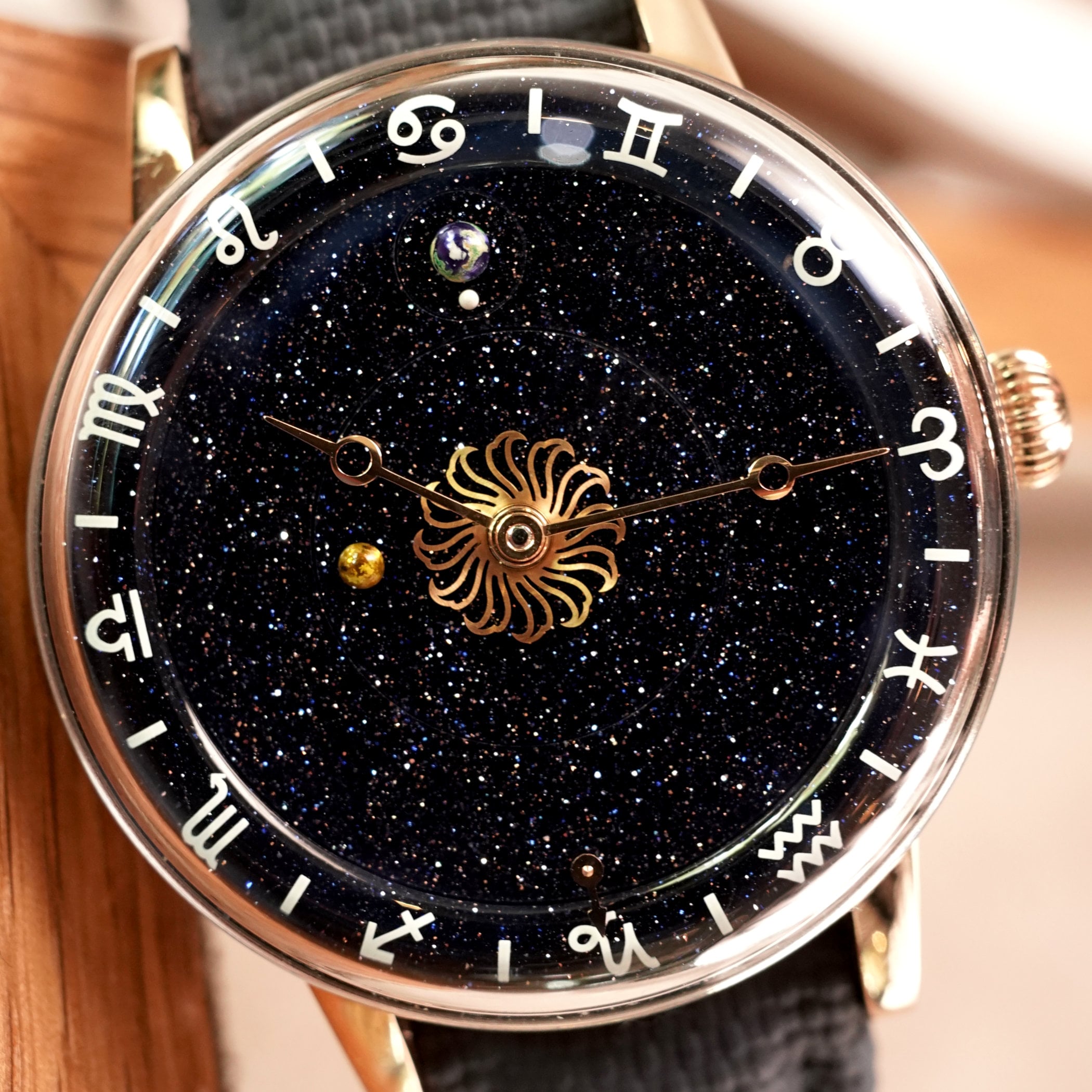
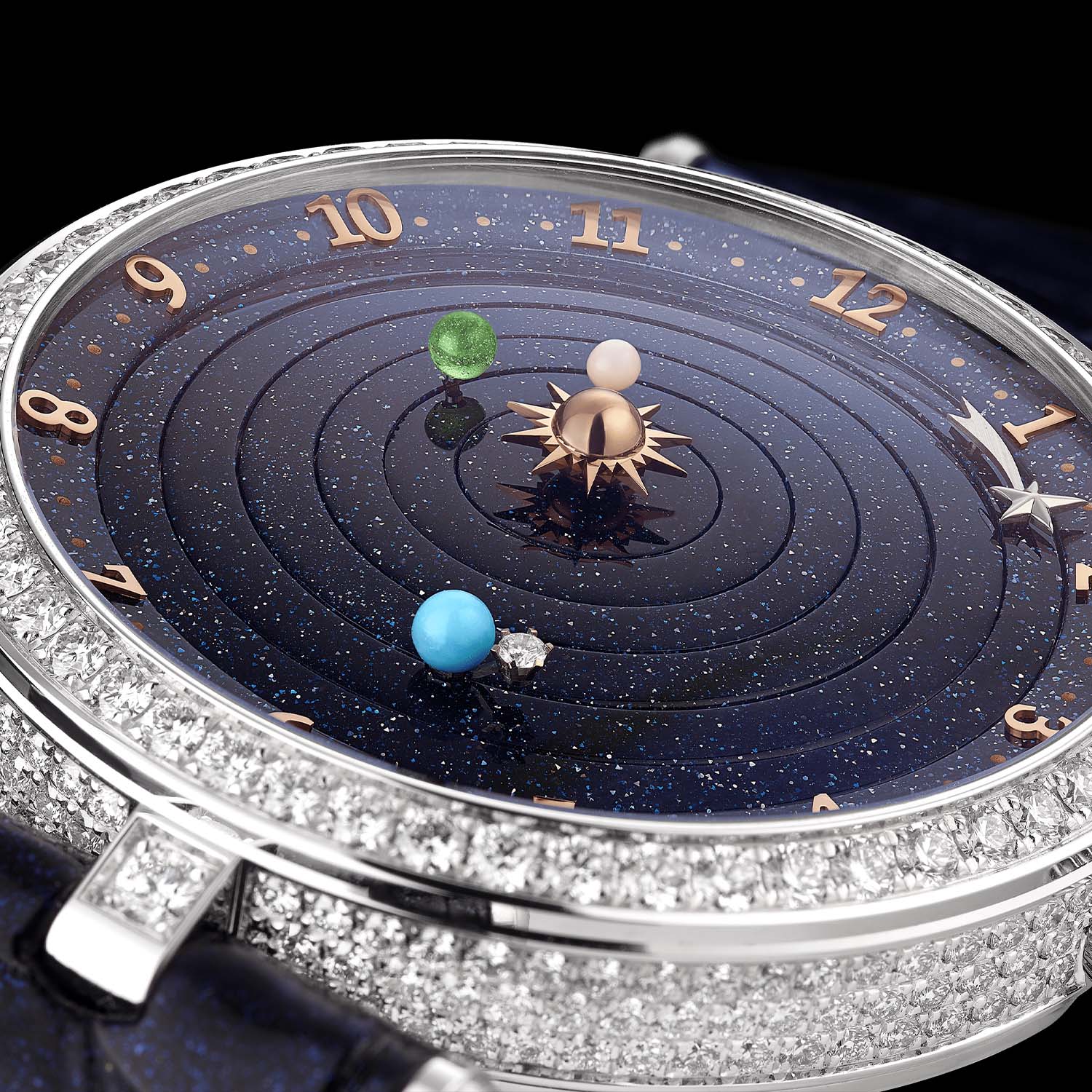
Other notable orrery-inspired watches include the Van Cleef & Arpels Midnight Planetarium, which visually resembles the two-dimensional Grand Planetarium Eccentric but is limited to six planets (Mercury, Venus, Earth, Mars, Jupiter, and Saturn), a configuration also produced by Christiaan van der Klaauw. For those seeking a more accessible yet sophisticated option, the SpaceOne Tellurium offers a simplified three-dimensional spectacle, accurately depicting the Earth and Moon orbiting the sun. Housed in Grade 5 titanium, it is available at a significantly more attainable price point.
Martian Time: Charting a New Frontier
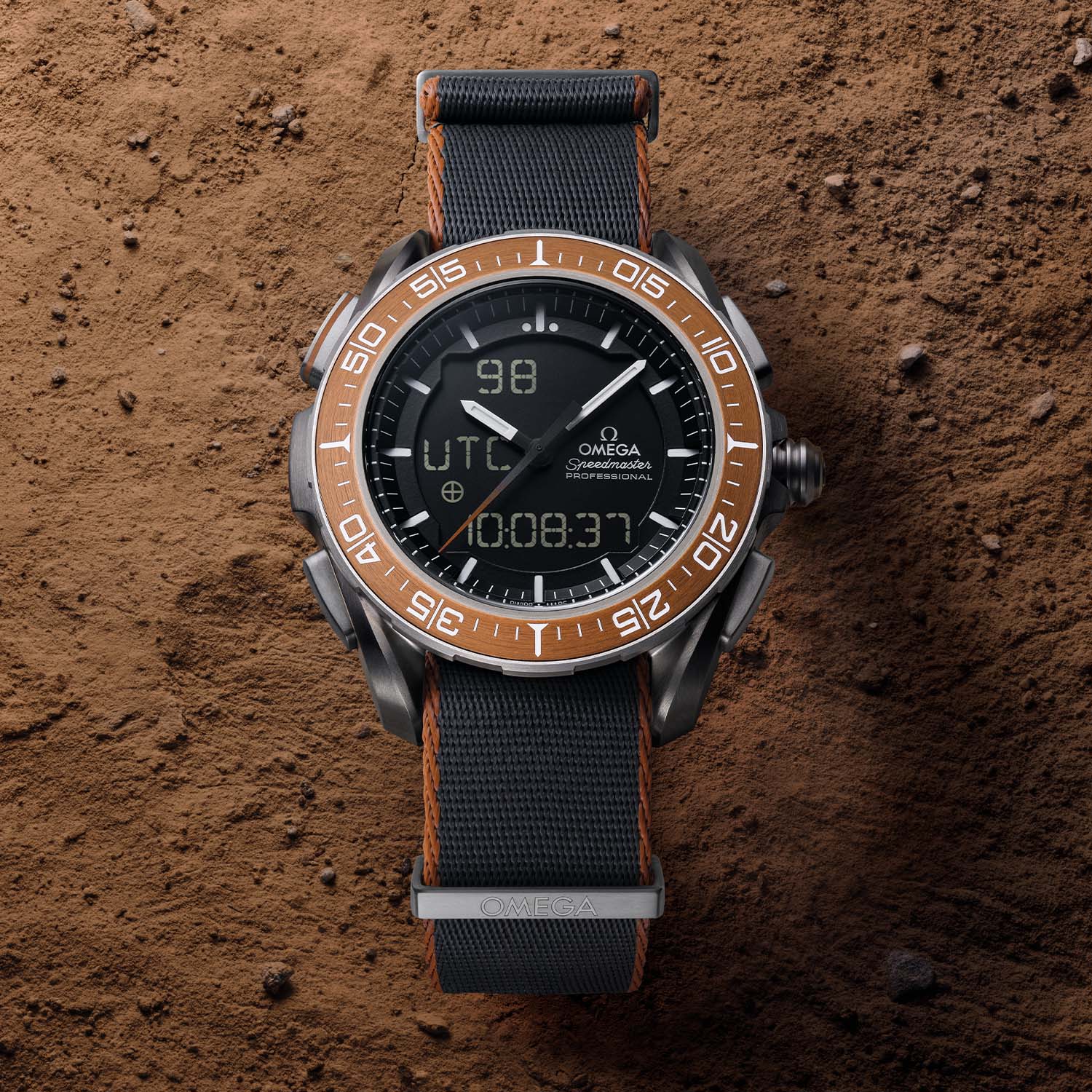
Mars, our closest planetary neighbor, has been the focus of intense exploration for nearly three decades, with rovers and robotic helicopters charting its surface. This intimate relationship, coupled with a long history of science fiction narratives, has inspired watchmakers to occasionally incorporate "Mars time" into their creations. The Omega Speedmaster X-33 Marstimer stands out as a prominent example, merging analog hands with a digital LCD display. While its use of electronic components differentiates it from purely mechanical timepieces, its relevance is undeniable, particularly given the Speedmaster’s iconic association with space exploration, having been the first watch on the moon. The Marstimer, a variant of the Speedmaster X-33 Skywalker, is designed to be certified for future human missions to Mars, potentially making it the first watch on the Red Planet.
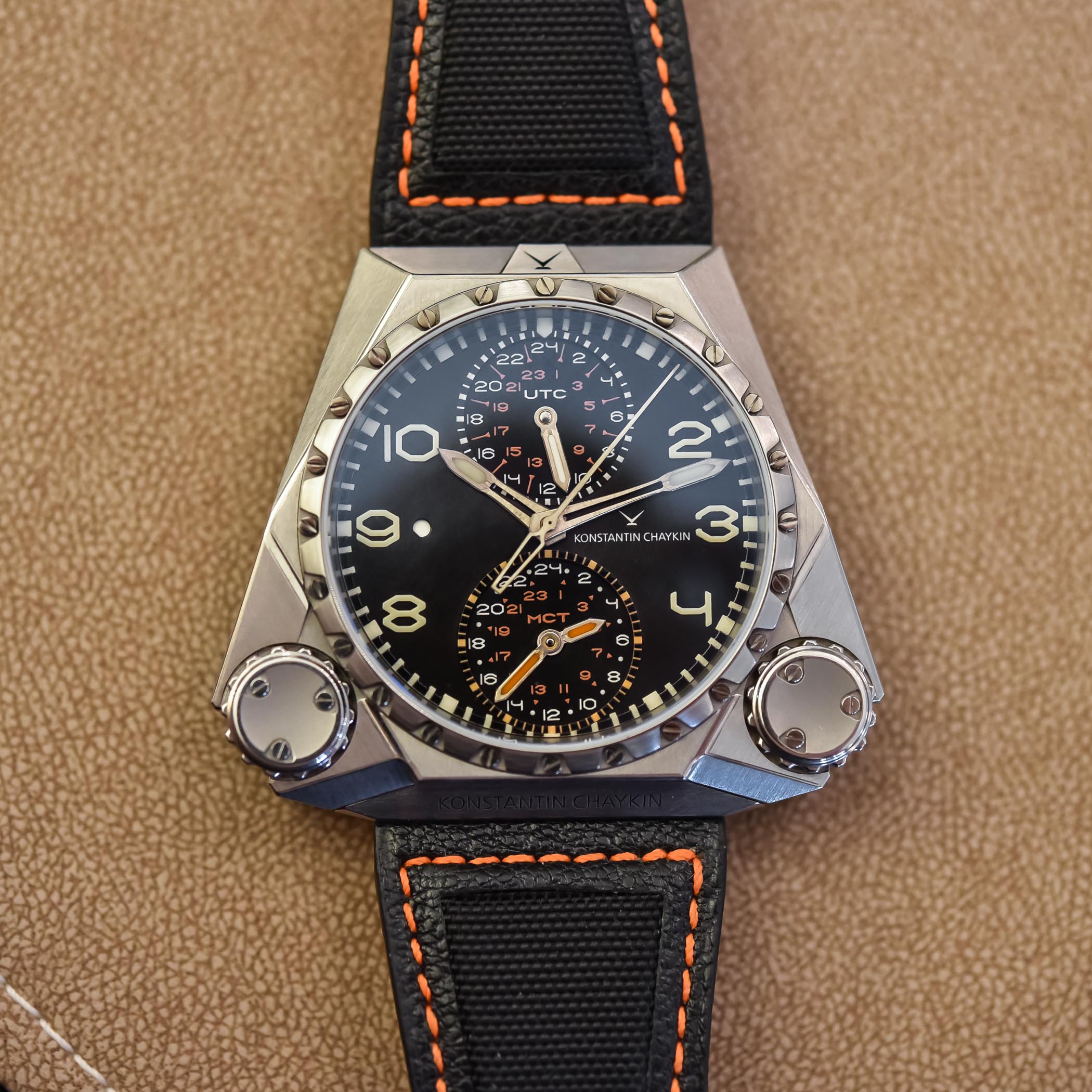
A Martian day, or sol, lasts 24 hours, 39 minutes, and 35 seconds, a duration that would cause standard Earth-based watches to accrue significant time discrepancies over extended periods. The Omega Marstimer addresses this by displaying local Martian time for interplanetary travelers while simultaneously showing Earth time for communication with mission control. Mechanical watches also offer Martian timekeeping, often as a novelty. The Russian watchmaker Konstantin Chaykin’s Mars Conqueror MK3 is a sophisticated example, featuring a unique trapezoidal design. This third-generation model, the first to move beyond the prototype stage, boasts dual crowns designed for use with bulky spacesuit gloves. Its dial displays UTC time and Martian time on separate sub-dials, with the central hands indicating local Earth time. This large, distinctive titanium watch, produced in a limited run of eight pieces, represents a bold statement in horological exploration.
Independent watchmaker Behrens, based in Shenzhen, China, offers futuristic models at more accessible price points, reminiscent of the avant-garde designs seen from brands like MB&F. Their Project One features large, three-dimensional spherical models of Earth and Mars, with Earth rotating every 24 hours and Mars every 24 hours and 37 minutes. Both Earth and Mars time are displayed via analog rolling wheels, akin to an odometer, alongside a calendar and day of the week. This design pays homage to China’s own Mars rover mission.
Grand Complications: The Zenith of Horological Achievement
The definition of a "grand complication" typically includes a perpetual calendar, chronograph, and minute repeater – already a testament to immense complexity and craftsmanship. However, some brands push these boundaries even further. Vacheron Constantin’s Les Cabinotiers Solaria Ultra Grand Complication, boasting an astounding 41 complications, stands as the most complicated wristwatch globally. Introduced for the brand’s 270th anniversary, it incorporates not only the core grand complications but also a comprehensive suite of astronomical functions. These include moon phase and age, tides, solar position and declination, equinoxes and solstices, sunrise and sunset times, equation of time, sidereal time, zodiac signs, a sky chart, and temporal tracking of celestial objects. This extraordinary collection of astronomical functions is housed within a 45mm wristwatch case, in addition to its other complex features. Vacheron Constantin also offers the Les Cabinotiers Celestia Astronomical Grand Complication, which, as its name suggests, places a more direct emphasis on celestial events, even omitting a chiming mechanism while retaining its status as a bona fide grand complication.
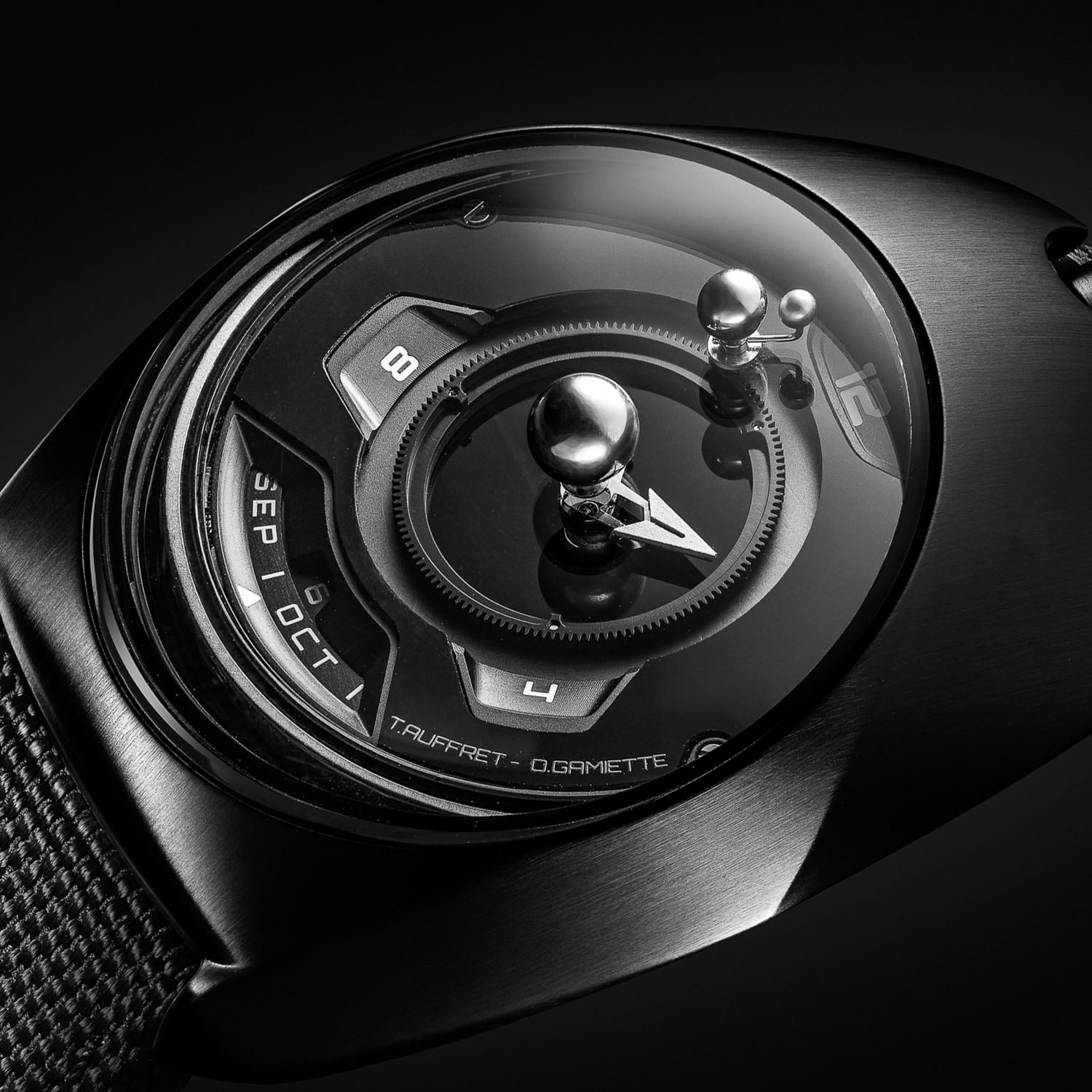
Konstantin Chaykin’s Stargazer, with its 17 complications and 664 components, represents the brand’s most complex watch to date. This elite member of the Wristmon collection features dual-sided displays, offering a "Dark Side" and a "Light Side" with a tourbillon. Its astronomical indications include sidereal time, zodiac signs, moon phase, equation of time, a celestial map of the Northern Hemisphere, a unique four-stage discreet moon phase indicator, solar activity cycle information, and sunrise/sunset azimuth indicators – the latter four being world firsts. Originally a unique piece for Only Watch 2023, it has since become a limited production model, fitting into a remarkably wearable 42mm case.
Astronomically Focused Timepieces
Beyond the realm of grand complications, numerous watches are dedicated solely to astronomical functions, showcasing impressive complexity. Urwerk’s UR-10 SpaceMeter, a rare model from the brand featuring traditional central hands, is part of their "Space Projects" series. While appearing conventional at first glance, its dial houses three sub-dials that measure the distance Earth travels in its daily rotation, the distance Earth travels in its solar orbit, and a combined reading of both. The case back features a day/night indicator, providing a practical display of Earth’s full rotation.
Ulysse Nardin’s Moonstruck Worldtimer continues the brand’s legacy of astronomical timepieces, which includes the Astrolabium Galileo Galilei, Planetarium Copernicus, and Tellurium Johannes Kepler. This modern iteration tracks the movements of the sun and moon in relation to Earth, incorporates a map of tides, and displays world time cities. The dial features Earth at its center, with the sun and moon rotating around it. The sun disc orbits the perimeter, serving as a day/night indicator and displaying time for 24 cities. The moon disc orbits closer to Earth, indicating its phases and position.
Bovet’s Recital 22 "Grand Recital" is not a repeater as its name might suggest, but a complex instrument for tracking the moon’s position and phases with exceptional precision, requiring only a one-day adjustment every 122 years. It features a perpetual calendar on the case back and a date display on the dial. The sun is represented by a flying tourbillon, while the Earth is a hand-painted semi-spherical piece displaying 24-hour time. Orbiting the Earth is a three-dimensional spherical moon, flanked by retrograde minutes and power reserve indicators.
Conclusion: The Enduring Appeal of Celestial Timekeeping
This exploration, while not exhaustive, highlights the diverse and intricate ways mechanical watches can track and display celestial events. Time itself is intrinsically linked to the observable movements of the Earth and sun. The moon’s orbit around the Earth, its phases, and its influence on tides are fundamental to our understanding of time and natural cycles. While many astronomical functions on watches may seem like mere "eye candy" for those not deeply fascinated by space, they represent a remarkable feat of mechanical engineering. The ability to translate the vastness of the cosmos into the intricate mechanics of a wristwatch continues to captivate watch enthusiasts and admirers of horological artistry alike, offering a tangible connection to the universe and the passage of time.