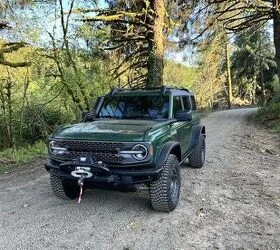
Ford Motor Company is initiating a significant recall affecting 565,691 Ford Bronco SUVs, prompted by the identification of a faulty wiring harness that poses a fire risk within the vehicle’s engine compartment. The automaker has received reports of at least 15 fires linked to this issue, underscoring the potential danger to drivers and passengers. This expansive recall highlights a critical safety concern and underscores Ford’s commitment to addressing manufacturing defects that could compromise vehicle integrity and occupant safety.
The Nature of the Defect and Investigation
The genesis of this recall can be traced back to Ford’s Critical Concern Group, which launched an in-depth investigation on June 18th. The group was tasked with examining "fire events" associated with the Bronco SUVs, aiming to consolidate existing investigative efforts and gain a comprehensive understanding of the problem. The investigation, detailed in a filing with the National Highway Traffic Safety Administration (NHTSA), revealed a specific vulnerability within the vehicle’s electrical system.
According to the NHTSA filing, the core of the problem lies in the interaction between the wiring harness and surrounding components within the engine compartment. Over time, movement between the wiring harness and these components can lead to the abrasion and eventual wear of the protective coating on the harness. This erosion exposes the underlying wiring and delicate circuits. When these exposed wires come into contact or are subjected to friction, it can create intermittent electrical shorts. These shorts can, in turn, generate arcing – a sudden surge of electrical current across a gap.
The implications of such arcing are severe. If the engine compartment reaches a sufficiently high temperature, or if a spark occurs during the arcing process, it can ignite flammable materials present within the engine bay. This ignition can lead to smoke, potentially obscuring the driver’s vision and creating a disorienting and dangerous situation. More critically, the arcing can directly ignite nearby "flammable components," initiating a fire. Both scenarios – smoke obscuring vision and direct ignition – significantly escalate the risk of injuries or a potential crash.
Ford’s report explicitly outlines the potential warning signs for drivers. "Following a short circuit, a driver may notice smoke in their air vents or a cluster warning message prior to observing flames coming from the passenger side engine compartment area," the filing states. This suggests a progression of the issue, with early indicators that, if heeded, might allow drivers to take evasive action. However, the inherent unpredictability of electrical faults means that rapid escalation to a fire is also a distinct possibility.
While the recall addresses a significant safety hazard, Ford has stated that it is not aware of any accidents or injuries directly resulting from this specific wiring harness defect. This is a crucial piece of information for consumers, but it does not diminish the imperative of the recall, as the potential for severe consequences remains.
Chronology of the Issue and Reporting
The timeline of reported incidents provides a clearer picture of how this issue came to Ford’s attention and the subsequent actions taken. As of July 13th, Ford had identified a total of 15 reported incidents where a fire event may have originated from the engine compartment wiring harness. These incidents are associated with 2021-2026 model year Bronco vehicles.
The reports compiled by Ford offer a detailed breakdown of the types of feedback received:
- Warranty Reports: Two instances were identified through Ford’s internal warranty claim system, indicating that owners or dealers had previously reported issues that might be related.
- Field Reports: Three reports originated from Ford’s field service operations, suggesting that technicians encountered the issue during routine service or inspections.
- Customer Service Reports: One report came through Ford’s dedicated customer service channels, highlighting direct communication from a concerned owner.
- Vehicle Owner Questionnaires (VOQs): Four reports were submitted via the NHTSA’s Vehicle Owner Questionnaire program, a system designed to collect consumer-reported safety concerns.
- Legal Claims: Ten legal claims were filed, indicating that some owners had pursued legal avenues, potentially due to the severity of the reported issues or prior dissatisfaction with resolutions.
The period during which these fire events occurred is also noteworthy, spanning from October 15, 2024, to June 20, 2026. This extended timeframe suggests that the problem might be a gradual development rather than an immediate manufacturing flaw that manifests shortly after production. The date range for the reported fire events is particularly interesting as it extends into the future. This could indicate that the recall was initiated proactively based on predictive analysis of potential failures or that the reporting mechanism for these future events is already in place. It is important to note that the reporting of future events is likely an artifact of how the data is being compiled and presented in the NHTSA filing, and the actual fires would have occurred in the past. The filing likely refers to events that have been identified and are being categorized within a specific reporting window.
The recall process itself is designed to be straightforward for affected owners. Ford will be notifying owners by mail, instructing them to bring their vehicles to the nearest Ford dealership. At the dealership, technicians will implement a corrective measure to address the faulty wiring harness. This remedy involves adding "convolute sheathing with abrasion tape" to the wire harness. This enhancement is intended to provide an additional layer of protection against wear and tear, thereby preventing the abrasion of the protective coating and subsequent exposure of the wiring. This service will be provided to owners at no cost, a standard practice for safety recalls.
Broader Context and Implications of the Recall
The recall of over half a million Ford Broncos is not an isolated incident in the automotive industry. Vehicle recalls are a regular occurrence, driven by evolving safety standards, technological advancements, and the complexities of modern vehicle manufacturing. Each recall, however, carries its own set of implications for both the manufacturer and the consumer.
For Ford, this recall represents a significant undertaking. The logistical challenge of reaching out to over 565,000 owners, scheduling appointments, and performing the necessary repairs across a vast network of dealerships requires substantial resources and careful coordination. Beyond the immediate operational costs, such recalls can also impact a manufacturer’s brand reputation. While addressing safety defects is a responsible action, the news of a large-scale recall can erode consumer confidence and raise questions about the quality control processes in place. Ford’s proactive approach in initiating the recall and providing a clear remedy, however, aims to mitigate these potential negative perceptions.
From a consumer perspective, recalls can be a source of inconvenience and anxiety. Owners of affected vehicles must dedicate time to visit a dealership and may worry about the safety of their vehicle until the repair is completed. The potential for a fire hazard, even if rare, is a serious concern that can impact the perceived value and reliability of the vehicle. The prompt notification and provision of a free repair are designed to alleviate these concerns and ensure the safety of all Bronco owners.
The specific nature of this defect – a wiring harness issue leading to potential fires – is a recurring theme in automotive safety. Electrical systems are becoming increasingly sophisticated, with more wires, sensors, and control modules packed into increasingly confined spaces. This complexity, while enabling advanced features, also introduces potential points of failure. Abrasion of wire insulation, short circuits, and subsequent fires are not unique to Ford and have been the subject of recalls for various manufacturers across different vehicle models. This underscores the ongoing challenge for automakers to design and manufacture robust and durable electrical systems that can withstand the rigors of daily use and varying environmental conditions.
The NHTSA’s role in overseeing these recalls is critical. By requiring manufacturers to report defects and issuing official filings, the agency ensures transparency and provides consumers with vital information. The detailed nature of the NHTSA filing, including the description of the defect, the chronology of events, and the proposed remedy, empowers consumers to understand the risks and the steps being taken to address them. The agency’s oversight also serves as a deterrent, encouraging manufacturers to prioritize safety and to address potential issues proactively.
The Ford Bronco, in its modern iteration, has been a highly anticipated and popular vehicle, appealing to a demographic that values ruggedness, capability, and style. A recall of this magnitude, while addressed with a repair, could momentarily temper that enthusiasm. However, the robust performance of the Bronco in various tests and its strong sales figures suggest that the underlying appeal of the vehicle remains high. The successful execution of this recall and the effectiveness of the repair will be key factors in maintaining consumer trust and the long-term success of the Bronco nameplate.
In conclusion, the recall of 565,691 Ford Broncos due to a faulty wiring harness represents a significant safety initiative by Ford Motor Company. The defect, which can lead to engine compartment fires, has been thoroughly investigated and a clear remedy has been established. While the recall necessitates action from affected owners, Ford’s commitment to addressing the issue proactively and at no cost to the consumer underscores the paramount importance of vehicle safety. As the automotive industry continues to evolve with increasingly complex technologies, such recalls serve as vital reminders of the ongoing vigilance required to ensure the safety and reliability of vehicles on our roads.