The watch industry and its dedicated collectors have long relied on a rich tapestry of classifications to define and appreciate timepieces. These categories often revolve around a watch’s intended use, such as sport watches designed for specific athletic pursuits, watches distinguished by their mechanical complications or utility features, timepieces tailored for fashion statements and formal occasions, and those characterized by unique shapes or thematic designs. While the core functionality of a watch—telling time—remains constant, the subtle nuances that differentiate models frequently lie in when, where, or by whom they are intended to be worn. This established framework, however, overlooks a significant, yet often unarticulated, aspect of watch appreciation: the impact of ambient light on a timepiece’s aesthetic appeal and legibility. To address this, a novel categorizing criterion is proposed, suggesting a segmentation of watches into those better suited for daytime wear and those optimized for nighttime occasions.
Redefining Watch Categorization: The Day and Night Dichotomy
The concept of distinguishing watches based on their performance in daylight versus low-light conditions is not entirely novel, but it has yet to be formally adopted or widely discussed within the horological community. Collectors and enthusiasts rarely consider a watch’s appropriateness for daylight hours in contrast to its suitability after sunset. This oversight is particularly unfortunate, as certain watches demonstrably excel, both figuratively and literally, under specific lighting conditions. The proposed categorization hinges on the idea that a watch’s design—its materials, finishes, dial colors, and even its luminous elements—enables it to look or function optimally in one lighting environment over another.
A "daytime watch," under this new framework, is envisioned as a timepiece primarily intended for observation and wear in direct sunlight or brightly lit environments. Conversely, a "nighttime watch" is one designed to be appreciated and read in lower-light conditions, whether indoors under artificial illumination or during evening outings. This distinction moves beyond the traditional understanding of "evening watches" as merely an extension of formal "evening wear." Historically, evening watches were characterized by their simplicity and elegance, intended to complement attire like suits or tuxedos. While some of these watches incidentally performed well in low light, their primary designation was tied to sartorial formality rather than an intrinsic suitability for nocturnal viewing.

The Influence of Light on Watch Design and Perception
The inherent appeal of watches, particularly high-end pieces, is deeply intertwined with how light interacts with their surfaces and angles. The meticulous craftsmanship involved in polishing metals, facet-cutting gems, and applying intricate dial finishes is often aimed at maximizing light reflection and refraction in aesthetically pleasing ways. This human fascination with "sparkly things that refract light" has driven the value of precious metals and the artistry of watchmaking for centuries. Understanding how light plays upon a watch’s surfaces is therefore not a trivial matter; it is fundamental to our visual experience and appreciation of a timepiece.
Materials and technologies employed in watchmaking react differently to light. A watch that appears stunning under the bright, white light of the sun might become difficult to read in the dim glow of a restaurant or appear less captivating under the warmer, more yellow-orange hues of indoor lighting. This is where the proposed day/night categorization gains its significance.
Daytime Watches: Maximizing Brilliance in Sunlight
Daytime watches are often characterized by design elements that are most impactful in well-lit environments. This can include:
- Color Palettes: Bright colors, pastels, and vibrant hues often look their best under direct sunlight, which tends to present a more neutral and intense white light. These colors can appear muted or altered by the warmer tones of indoor lighting.
- Low-Contrast Dials: While seemingly counterintuitive, some low-contrast color combinations, which might pose legibility challenges in dim light, can offer a sophisticated and fashionable aesthetic in bright daylight. The subtle interplay of shades is best appreciated when the light allows for clear differentiation.
- Polished Finishes: Highly polished surfaces, while inherently attractive, can sometimes appear almost "plasticky" or overly reflective in harsh sunlight. However, their brilliance and the way they catch the light can be a defining characteristic of a daytime watch.
- Dial Textures and Patterns: Intricate dial textures, guilloché patterns, or sunburst finishes are often designed to play with light. In bright conditions, these textures can reveal their depth and complexity, adding a dynamic visual element to the dial.
- Legibility in Bright Light: While luminous materials are crucial for low-light readability, some daytime watches might prioritize clear dial markers and hands that offer excellent contrast against a bright background, ensuring easy reading even when the sun is at its zenith.
A significant aspect of daytime watch design is how it capitalizes on the clarity and intensity of natural light. Brands that focus on vibrant dials, intricate surface treatments, or color combinations that pop under the sun are effectively creating timepieces optimized for outdoor and well-lit environments. The challenge for designers lies in creating watches that are not only visually appealing but also functionally sound in their intended lighting conditions.

Nighttime Watches: Elegance and Readability in Lower Light
Nighttime watches, conversely, are crafted to perform and impress when the ambient light diminishes. Key attributes include:
- Luminous Materials: The most apparent feature of a nighttime watch is the presence of effective luminous material (Super-LumiNova, tritium, etc.) on the hands, hour markers, and sometimes the bezel or dial. This ensures legibility in darkness or very low light. The intensity and longevity of the lume are critical factors.
- High Contrast for Legibility: In low-light scenarios, high contrast between the dial, hands, and markers becomes paramount. White or brightly colored hands and markers against a dark dial are a classic combination for nighttime readability.
- Material Depth and Subtlety: Certain materials and finishes can take on a more refined and mysterious character in lower light. For instance, a polished black case might reflect light more softly indoors, revealing subtle warm undertones or a deeper sheen than it would under direct sunlight.
- Reflective Surfaces: While excessive glare can be problematic, well-managed reflective surfaces on hands or indices can catch ambient light, providing just enough visibility without being overwhelming.
- Subdued or Deep Color Palettes: Darker dials, deep blues, blacks, and metallic finishes with a subtle sheen often appear more sophisticated and less stark in evening settings. These colors can absorb and reflect light in a way that enhances their luxurious appeal.
- Case Design and Form: The shape and construction of the watch case can also influence its nighttime appeal. A well-proportioned case with subtle chamfers or brushed finishes can appear more substantial and elegant in dimmer light.
The concept of an "evening watch" historically alluded to a certain formality. However, the proposed "nighttime watch" category expands this to encompass the functional and aesthetic advantages of a timepiece under low-light conditions. This includes not only readability but also the way materials and finishes interact with softer, more ambient light sources.
Historical Context and the Evolution of Watch Design
The historical evolution of watchmaking provides a backdrop for understanding the development of features that cater to different lighting conditions. Early timekeeping devices were primarily functional, with legibility being a key concern. As watches evolved into luxury items and fashion accessories, aesthetics became increasingly important.
The advent of luminous materials, such as radium and later tritium and Super-LumiNova, marked a significant turning point. These innovations directly addressed the need for timekeeping in darkness, paving the way for watches that were not only elegant but also practical for nocturnal use. Divers’ watches, pilot’s watches, and military watches, for example, all prominently feature luminous elements to ensure legibility in challenging environments, which often include low-light conditions.

The mid-20th century saw a diversification in watch design. Sport watches embraced robust construction and clear, often luminous, dials. Dress watches, on the other hand, leaned towards slim profiles, precious metals, and refined dials, with legibility in dimly lit ballrooms or formal dinners being a consideration, albeit often secondary to overall elegance.
In recent decades, advancements in material science and manufacturing techniques have allowed for an even greater range of aesthetic possibilities. Ceramic, titanium, and advanced alloys offer new textures and finishes, while sophisticated dial treatments and multi-layered constructions can dramatically alter how a watch interacts with light. This technological evolution has created a fertile ground for exploring the day/night categorization more deeply.
Implications for Brands and Consumers
The adoption of a "day" versus "night" watch categorization could offer significant strategic advantages for watch brands and a richer experience for consumers.
For Watch Brands: Strategic Marketing and Product Development
- Enhanced Product Segmentation: Brands can leverage this distinction to better segment their product lines and communicate the intended use and aesthetic strengths of each model. Marketing campaigns can be tailored to highlight how a particular watch shines in specific lighting conditions.
- Targeted Marketing Campaigns: Instead of generic lifestyle imagery, brands can develop campaigns that showcase watches in their optimal environments. Daytime watches could be featured in sun-drenched outdoor settings, while nighttime watches could be depicted in elegant evening venues or cozy indoor spaces.
- Informed Product Development: Understanding this dichotomy can influence design decisions. For instance, a brand might consciously opt for specific color palettes or finishes for a collection intended for daytime wear, while prioritizing advanced luminous materials and high-contrast designs for a nighttime-focused line.
- Consumer Education: By actively promoting this concept, brands can educate consumers about the nuances of watch aesthetics and functionality, leading to more informed purchasing decisions and a deeper appreciation for watchmaking. This can foster a more engaged and knowledgeable customer base.
- Expanding the Appeal of Existing Collections: Even watches not explicitly designed with day/night in mind can be re-contextualized. A brand might highlight how a particular watch’s metallic sheen is best appreciated under ambient indoor light, or how its vibrant dial truly comes alive in the sun.
For Consumers: A New Lens for Appreciation and Collection
- Informed Purchasing Decisions: Collectors can make more deliberate choices, understanding whether a watch will best suit their lifestyle and the environments in which they typically wear their timepieces.
- Expanded Collecting Rationale: The day/night paradigm provides a new and compelling reason to acquire multiple watches. Enthusiasts might seek to build a collection that offers optimal choices for different times of the day and various social settings.
- Enhanced Appreciation: By consciously considering the lighting conditions, wearers can gain a deeper appreciation for the design intricacies of their watches, noticing how materials and finishes transform throughout the day.
- Engaging in Community Discussions: This categorization offers a fresh topic for horological forums and discussions, sparking debate and shared experiences among collectors about which watches excel in which environments.
Case Studies and Examples
Consider the Tudor Ranger 36mm with its "Dune White" dial. In bright sunlight, the subtle texture and pale color of the dial likely offer a clean, legible, and perhaps slightly subdued aesthetic, making it an excellent candidate for daytime wear. Its robustness and classic design further align with outdoor activities.

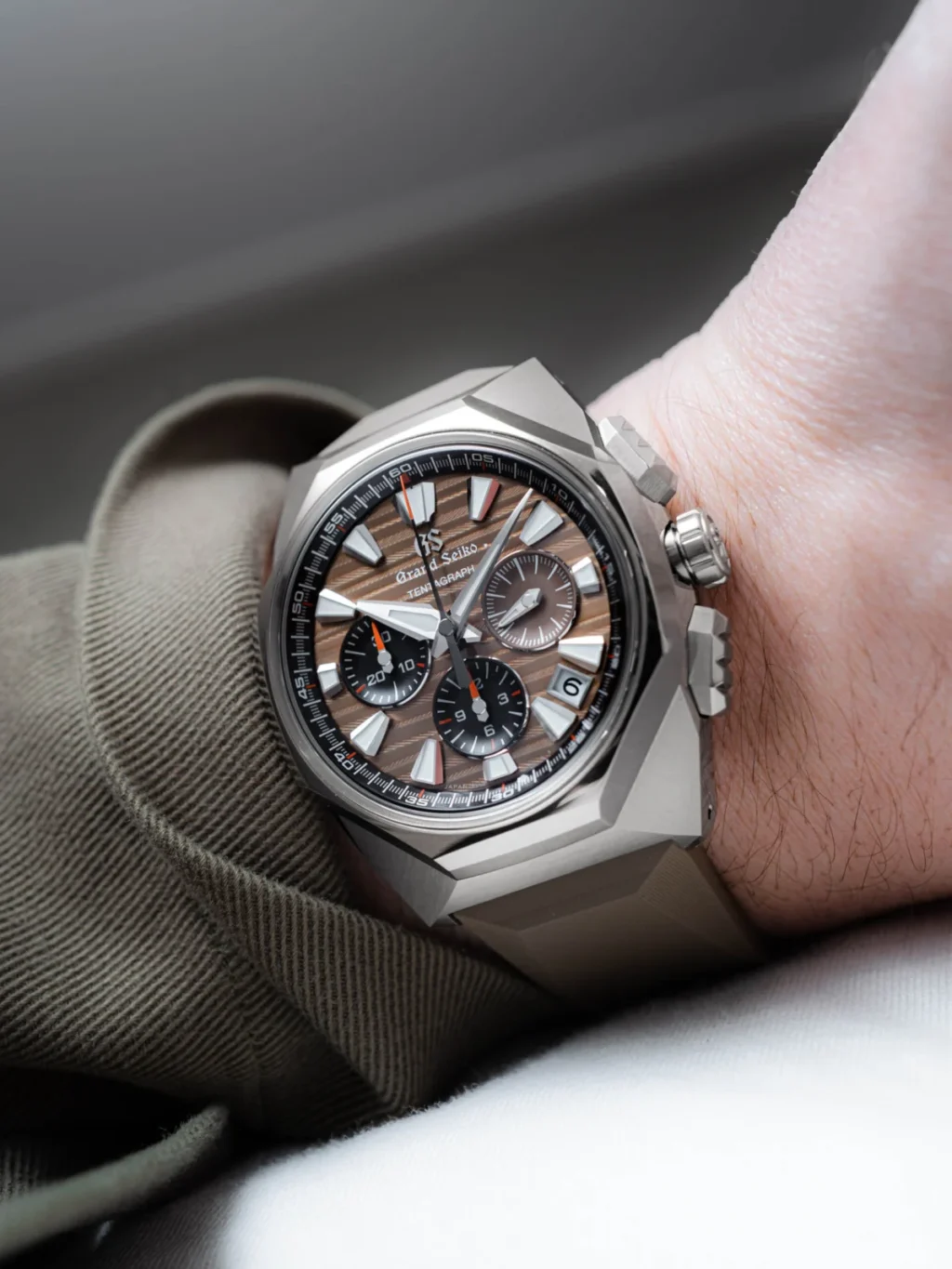
In contrast, a watch like the Grand Seiko SLGC009 Tentagraph, with its intricate dial work and potentially polished case elements, might reveal its full splendor under controlled lighting. The interplay of light on its complex surfaces, especially the rich textures and deep colors, could be amplified in a well-lit indoor environment, showcasing its artistry in a way that direct, harsh sunlight might not permit.
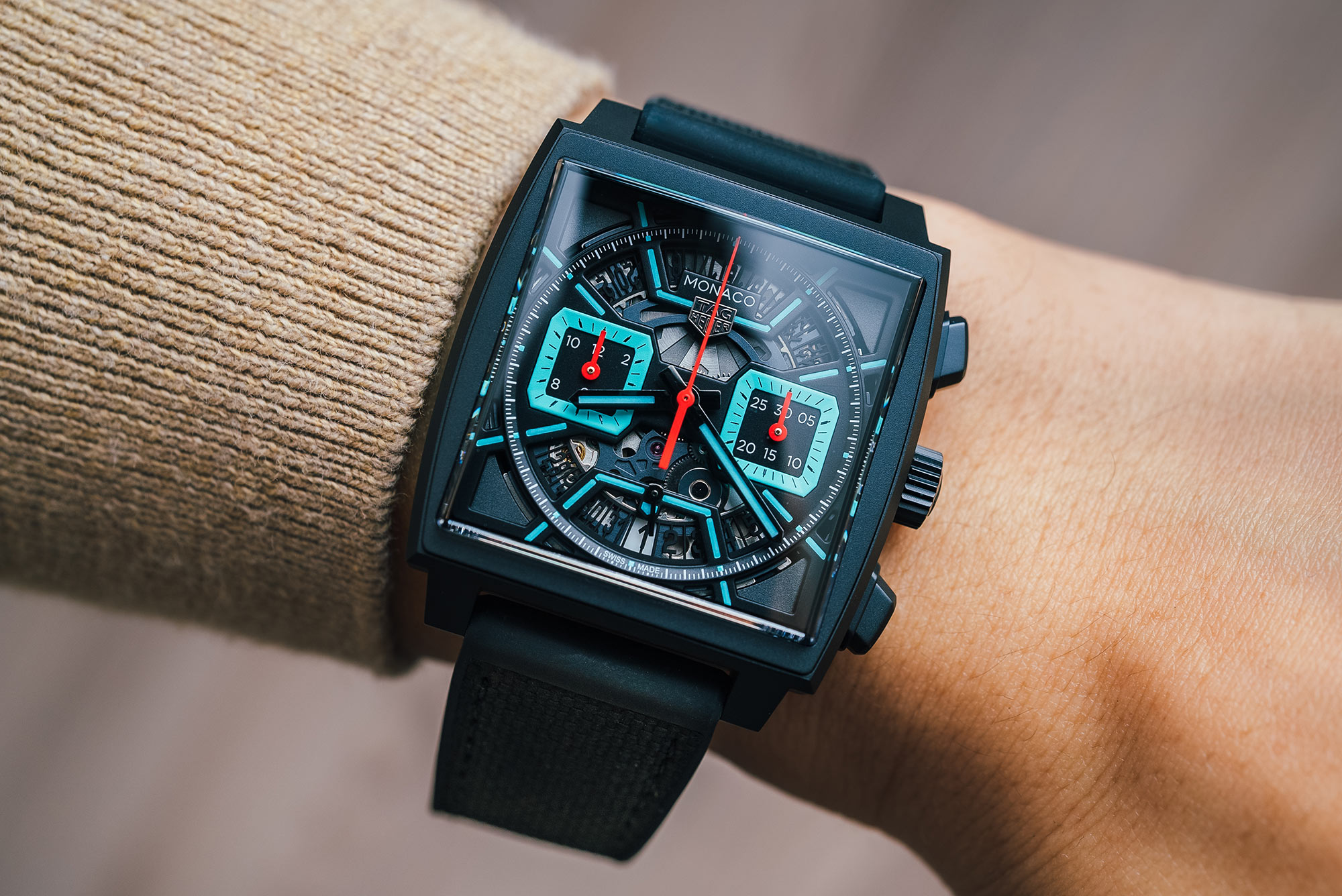
Another example could be the TAG Heuer Monaco Skeleton. The openworked dial and intricate movement can be visually stunning. In daylight, the skeletonization might offer excellent legibility by allowing light to pass through. However, in the evening, the metallic components of the movement, particularly if they have polished or brushed finishes, could catch and reflect ambient light in a more subtle and sophisticated manner, lending themselves to a nighttime aesthetic.
The IWC Big Pilot’s Watch Perpetual Calendar Ceratanium, with its luminous ceramic case, presents an interesting duality. During the day, its robust build and clear dial are paramount. At night, the "Ceratanium" material’s potential for integrated luminosity would transform the entire case into a glowing element, making it exceptionally visible and striking in the dark. This exemplifies how a single watch can possess attributes that cater to both day and night, albeit with different primary strengths.
The Future of Watch Categorization
The proposal to categorize watches as "day" or "night" wearers is not intended to be a rigid, absolute classification but rather a framework for enhanced appreciation and informed choice. It acknowledges the dynamic relationship between a timepiece and its environment, recognizing that a watch’s appeal is not solely determined by its internal mechanics or standalone design but also by the context in which it is viewed.
As the watch industry continues to innovate, embracing such nuanced perspectives can lead to more thoughtful product design and marketing. For collectors, it opens up new avenues for understanding, enjoying, and curating their timepieces. The conversation around watches has always been rich and multifaceted; adding the dimension of light and environment promises to enrich it further, encouraging wearers to experience their watches not just as time-telling instruments but as dynamic objects that interact with the world around them. The subtle shifts in how light plays upon a dial, the way a polished bezel gleams under a restaurant chandelier, or how luminous markers cut through the darkness are all integral parts of the horological experience, deserving of their own distinct recognition.