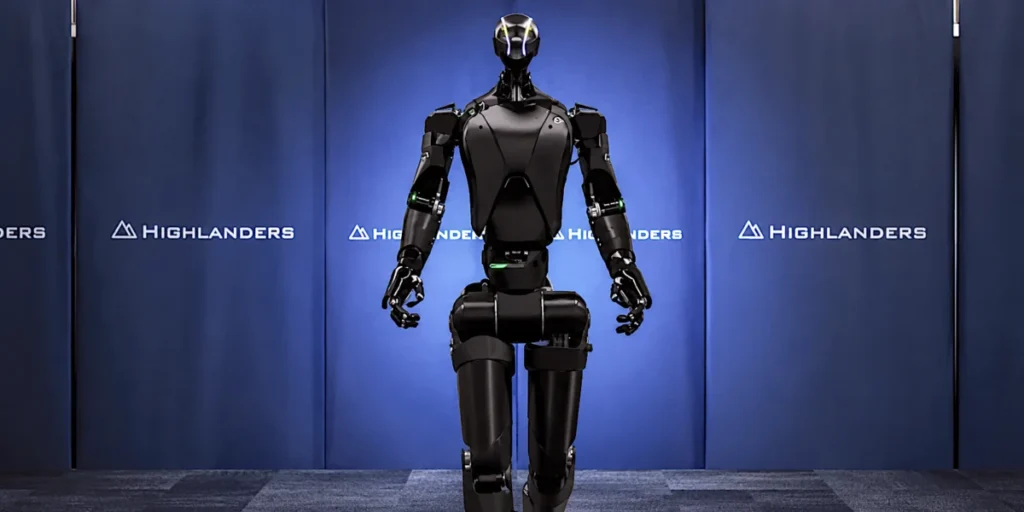
Mitsubishi Motors is making a significant pivot into the burgeoning field of robotics, announcing plans to construct up to 1,000 advanced humanoid robots per month at one of its former internal combustion engine (ICE) manufacturing facilities in Kyoto. This ambitious undertaking, if realized, could see the mass production of these new industrial robots commence as early as next year, marking a substantial expansion of Mitsubishi’s involvement in automation beyond its traditional automotive role.
While the general public may primarily associate Mitsubishi with its automotive division, the company possesses a deep and recognized global expertise in automation and control systems. It is precisely this established strength that Mitsubishi intends to leverage and amplify through the introduction of thousands of new industrial robots. The strategic move signals a broader industry trend where established manufacturing giants are exploring new avenues for growth and technological advancement by integrating cutting-edge robotics.
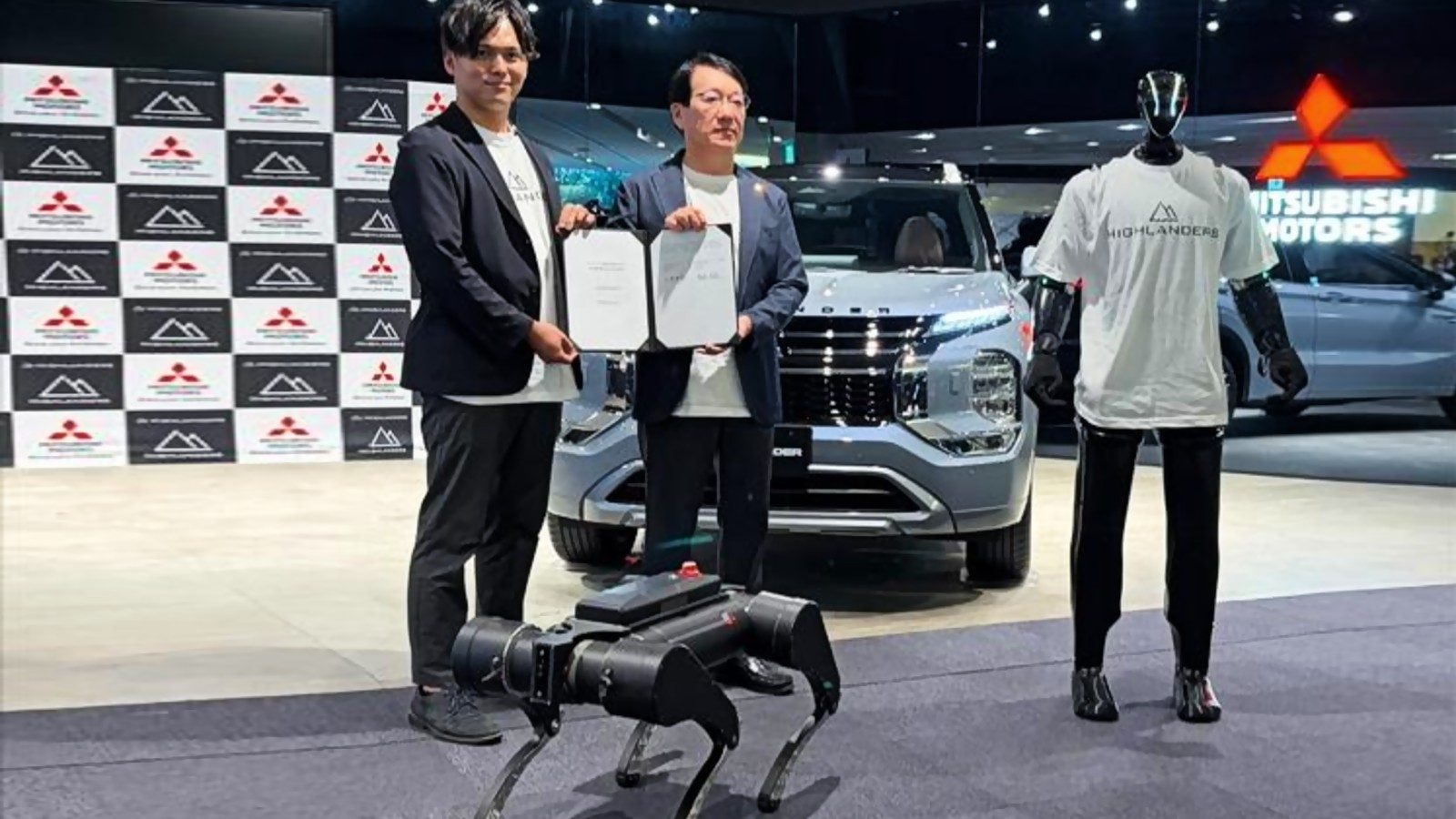
The humanoid robots, a product of a collaborative development effort between Mitsubishi Motors and Highlanders, a promising startup originating from the University of Tokyo, are slated for initial deployment within Mitsubishi’s own manufacturing facilities. This internal testing and integration phase is crucial for refining the robots’ capabilities and ensuring their seamless operation alongside human workers. The plan even includes putting these sophisticated machines to work in the very plant where they will be manufactured – Mitsubishi’s former engine production facility in Kyoto. This decision was formalized through a Memorandum of Understanding (MOU) signed by both companies last month, underscoring a commitment to a shared vision for the future of industrial production.

Takao Kato, Chairman of the Board and CEO of Mitsubishi Motors, articulated the significance of this partnership, stating, "Our collaboration with Highlanders represents a challenge aimed at building a new industrial foundation in which humans and robots work together." He further elaborated on the dual benefits of this initiative: "At the same time, it provides Mitsubishi Motors with a valuable opportunity to deepen our technological and business expertise in the field of humanoid robotics. By utilizing humanoid robots in our own manufacturing facilities and supporting the production of Highlanders products, we aim to leverage the outcomes of this collaboration to drive our growth and enhance corporate value." This statement highlights Mitsubishi’s strategic intent to not only produce robots but also to gain invaluable experience and intellectual property in the rapidly evolving robotics sector, which can then be applied to future innovations and business ventures.
The Evolving Landscape of Industrial Robotics and the Rise of Humanoids
The push into humanoid robotics by established industrial players like Mitsubishi is occurring within a broader context of rapid technological advancement. The development of electric vehicles (EVs) has been a significant catalyst, driving innovation in areas that are directly transferable to robotics. These include advancements in battery technology, the efficiency and precision of electric motors and servos, sophisticated automation systems, and the rapid evolution of artificial intelligence (AI). Consequently, many of the same companies and technologies that are at the forefront of the EV revolution are now deeply involved in the race to develop capable humanoid robots.
Companies such as Nissan, and indeed Tesla, have historically pursued distinct approaches to early EV development, exemplified by models like the iMiEV, LEAF, and Model S. However, the current landscape of humanoid robot development appears to exhibit less divergence in core design philosophies. While there are variations in specific implementations and capabilities, the fundamental objective for many developers is to create robots that can perform a wide range of tasks in diverse environments, mirroring human dexterity and mobility.
This convergence in design goals means that the competition in the humanoid robot space is becoming increasingly focused on execution, efficiency, and practical application. As noted by industry observers, once the initial hype and promotional efforts are set aside, the true leaders in this field are becoming more apparent, with some, like Hyundai’s efforts, demonstrating more advanced progress than others. The successful integration and deployment of these robots in real-world industrial settings will be the ultimate arbiter of success.
The "HL Human" Platform: Capabilities and Applications
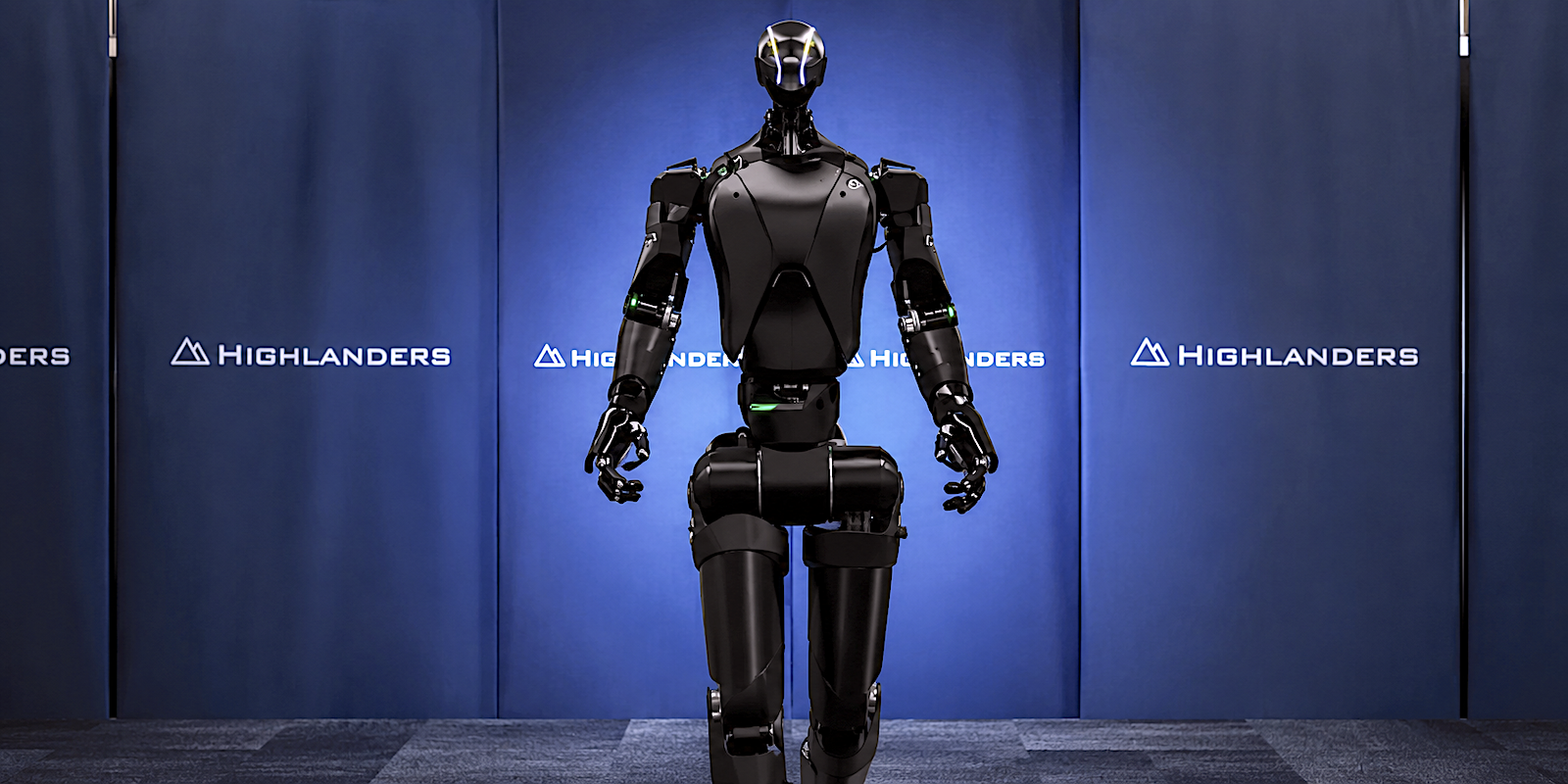
The flagship humanoid robot platform developed by Mitsubishi and Highlanders, named "HL Human," is engineered with advanced capabilities designed for complex industrial tasks. The robot features a sophisticated "19-degree-of-freedom" (DOF) body, a measure of its articulated joints, which allows for a high degree of maneuverability and human-like movement. This flexibility is powered by high-output electric actuators, enabling precise and dynamic motion control.
A key differentiator for the HL Human is its integration of artificial intelligence. The robot is designed to autonomously perform intricate industrial tasks through AI-powered perception, which allows it to understand its surroundings, sophisticated motion planning algorithms that dictate its movements, and natural language interaction capabilities. This last feature is particularly significant, as it facilitates seamless communication and collaboration with human co-workers. The intention is for humans to not only work alongside these robots but also to actively train them, helping to refine their operational efficiency and adaptability for practical applications.
The envisioned applications for the HL Human are diverse and address critical needs across several sectors. These include:
- Manufacturing: Automating repetitive, dangerous, or ergonomically challenging tasks on assembly lines, thereby improving efficiency and worker safety.
- Logistics: Assisting in warehouses and distribution centers with tasks such as picking, packing, and moving goods, which are often labor-intensive.
- Construction: Performing tasks in hazardous environments or those requiring high precision, potentially including site preparation, material handling, and assembly.
- Disaster Response: Operating in environments too dangerous for human responders, such as search and rescue operations, hazardous material handling, or structural assessment in disaster zones.
These application areas are particularly relevant given the increasing global trend of labor shortages in various industries. The introduction of capable humanoid robots is seen as a potential solution to bridge these gaps, ensuring continued productivity and operational continuity.
A Strategic Manufacturing Pivot: Repurposing an ICE Plant
The decision to repurpose a former internal combustion engine plant for robot manufacturing is a strategic move that highlights Mitsubishi’s commitment to this new venture. ICE plants, while designed for a specific type of manufacturing, often possess the robust infrastructure, skilled workforce (with retraining potential), and extensive production capacity necessary for large-scale industrial output. By retooling such a facility, Mitsubishi can leverage existing assets and accelerate its entry into the robot production market.
This approach also offers a compelling narrative about industrial evolution. As the automotive industry transitions towards electrification, traditional engine plants face an uncertain future. Repurposing them for advanced robotics production demonstrates a forward-thinking strategy, allowing these facilities and their associated workforce to remain relevant and contribute to the next wave of technological innovation. The target of producing 1,000 robots per month signifies a commitment to significant scale, indicating that Mitsubishi anticipates substantial demand for its humanoid robots.
Background and Chronology of the Collaboration
The partnership between Mitsubishi Motors and Highlanders is a relatively recent development, culminating in the signing of the MOU last month. However, the roots of such a collaboration likely stem from Mitsubishi’s long-standing engagement with advanced manufacturing technologies and Highlanders’ specialized expertise in robotics research.
- Pre-MOU Period: Mitsubishi has been actively involved in automation and control systems for decades. Highlanders, as a startup emerging from the University of Tokyo, would have been at the forefront of academic research in advanced robotics, likely focusing on humanoid locomotion, AI integration, and human-robot interaction. It is plausible that preliminary discussions and research collaborations occurred prior to the formal MOU.
- Last Month: The official signing of the Memorandum of Understanding (MOU) between Mitsubishi Motors and Highlanders. This agreement formally establishes their partnership to jointly develop and manufacture humanoid robots, with an initial focus on production at Mitsubishi’s former Kyoto engine plant. The MOU likely outlines the scope of the collaboration, the division of responsibilities, and the shared objectives for the project.
- Near Future (Next Year): The projected commencement of mass production for the Highlanders’ humanoid robots. This timeline suggests that the development phase has progressed significantly, and Mitsubishi is confident in its ability to retool the Kyoto facility and establish the production lines required to meet the ambitious monthly output target.
Broader Implications and Industry Analysis
The entry of a major industrial conglomerate like Mitsubishi Motors into the humanoid robot manufacturing sector has several significant implications for the broader industry and the future of work.

1. Acceleration of Humanoid Robot Adoption: Mitsubishi’s manufacturing capacity and established global presence can significantly accelerate the adoption of humanoid robots across various industries. By providing a reliable and scalable supply of these advanced machines, Mitsubishi can help overcome existing production bottlenecks and make humanoid robots more accessible to businesses worldwide.
2. Advancements in Human-Robot Collaboration: The emphasis on developing a "new industrial foundation in which humans and robots work together" suggests a focus on seamless integration and effective collaboration. This could lead to new paradigms in workplace design and operational management, where robots augment human capabilities rather than solely replacing them. The development of intuitive interfaces and AI-driven interaction protocols will be crucial for the success of this vision.
3. Impact on the Future of Work: As humanoid robots become more capable and widely deployed, they will undoubtedly reshape the labor market. While this can lead to increased productivity and the creation of new job roles focused on robot maintenance, programming, and oversight, it also raises concerns about job displacement in sectors heavily reliant on manual labor. Proactive strategies for workforce reskilling and upskilling will be essential to navigate this transition smoothly.
4. Technological Convergence and Synergies: This move underscores the increasing convergence of technologies. The skills and infrastructure developed for the automotive sector, particularly in areas like precision manufacturing, supply chain management, and quality control, are highly transferable to robotics. Conversely, advancements in robotics can feed back into automotive manufacturing, leading to more automated and efficient production processes for vehicles, including EVs.

5. Competitive Landscape: Mitsubishi’s entry intensifies the competition in the humanoid robot market. Companies that have been pioneers in this field will now face a formidable competitor with significant manufacturing capabilities and a strong reputation for industrial quality. This heightened competition is likely to drive further innovation and potentially lead to more competitive pricing for advanced robotic solutions.
6. Addressing Labor Shortages: The stated goal of addressing severe labor shortages in manufacturing, logistics, construction, and disaster response is a critical societal and economic imperative. Humanoid robots offer a potential solution to maintain productivity and operational capacity in sectors facing demographic challenges or an unwillingness to undertake hazardous or undesirable jobs. The debate around "just paying people more" as a solution is often simplistic, failing to account for the inherent risks and unappealing nature of certain essential jobs, which robots are better suited to perform.
In conclusion, Mitsubishi Motors’ strategic foray into humanoid robot manufacturing, in partnership with Highlanders, represents a significant development in the rapidly evolving landscape of industrial automation. By leveraging its manufacturing prowess and focusing on human-robot collaboration, Mitsubishi is positioning itself as a key player in shaping the future of production, addressing critical labor needs, and driving technological innovation across multiple sectors. The success of this ambitious initiative will be closely watched as it unfolds in the coming years.