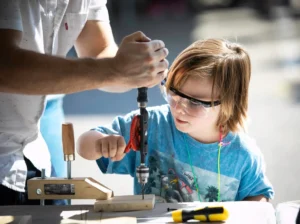
The global movement for non-formal computing education reached a significant dual milestone this month as CoderDojo celebrated its 15th anniversary since its inception in Ireland, while the local Selby CoderDojo in the United Kingdom marked its 40th successful event. These milestones highlight the enduring relevance of community-led coding clubs in an era increasingly defined by rapid advancements in artificial intelligence and a widening digital skills gap. From its humble beginnings in a single classroom in Cork to a network that now spans the globe, CoderDojo has become a cornerstone of the Raspberry Pi Foundation’s mission to democratize technology education. Today, the movement encompasses over 600 active Dojos worldwide, contributing to the broader Code Club network, which boasts more than 10,000 monthly meetings, making it the largest coordinated network of free coding clubs for young people in existence.
The Genesis and Growth of a Global Movement
The CoderDojo movement began in 2011 at National Software Centre in Cork, Ireland. Founded by James Whelton and Bill Liao, the initiative was born out of a desire to provide young people with a space to explore computer programming outside the rigid constraints of a traditional school curriculum. Whelton, who gained notoriety for hacking the iPod Nano, and Liao, an entrepreneur and philanthropist, sought to create a "social" environment for learning. The philosophy was simple: CoderDojos would be free, volunteer-led, and open to all, regardless of prior experience.
The rapid expansion of the movement in its first five years was unprecedented. By 2013, Dojos had been established in over 20 countries. The success of the model was attributed to its "Ninja" culture—where students are referred to as Ninjas—and its focus on peer-to-peer mentoring. Unlike a classroom where a teacher delivers a lecture, a Dojo functions as a collaborative workshop where "Champions" (organizers) and "Mentors" (volunteers) guide young people as they work on self-directed projects, ranging from basic HTML and CSS to complex Python scripts and hardware integration with devices like the Raspberry Pi.
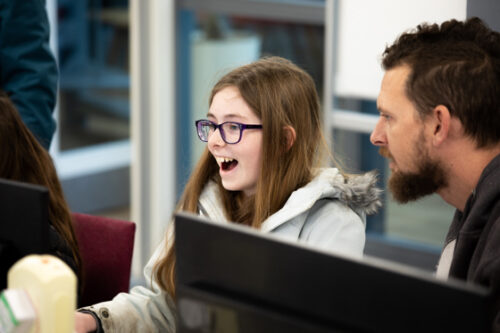
In 2017, the CoderDojo Foundation merged with the Raspberry Pi Foundation. This strategic partnership was designed to scale the movement further, providing Dojos with access to world-class educational resources, training for volunteers, and a more robust infrastructure for global operations. This merger ensured that the ethos of CoderDojo—fun, creativity, and openness—remained at the heart of its expansion.
Case Study: The Local Impact of Selby CoderDojo
While the global statistics are impressive, the true impact of the movement is often best observed at the community level. Four years ago, the Selby CoderDojo was established in North Yorkshire, England. Its founding was driven by a specific goal: to experience the practicalities of being a CoderDojo Champion firsthand to better support the wider community. Since its launch, the Selby club has not only sustained monthly sessions to meet consistent local demand but has also served as a regional incubator.
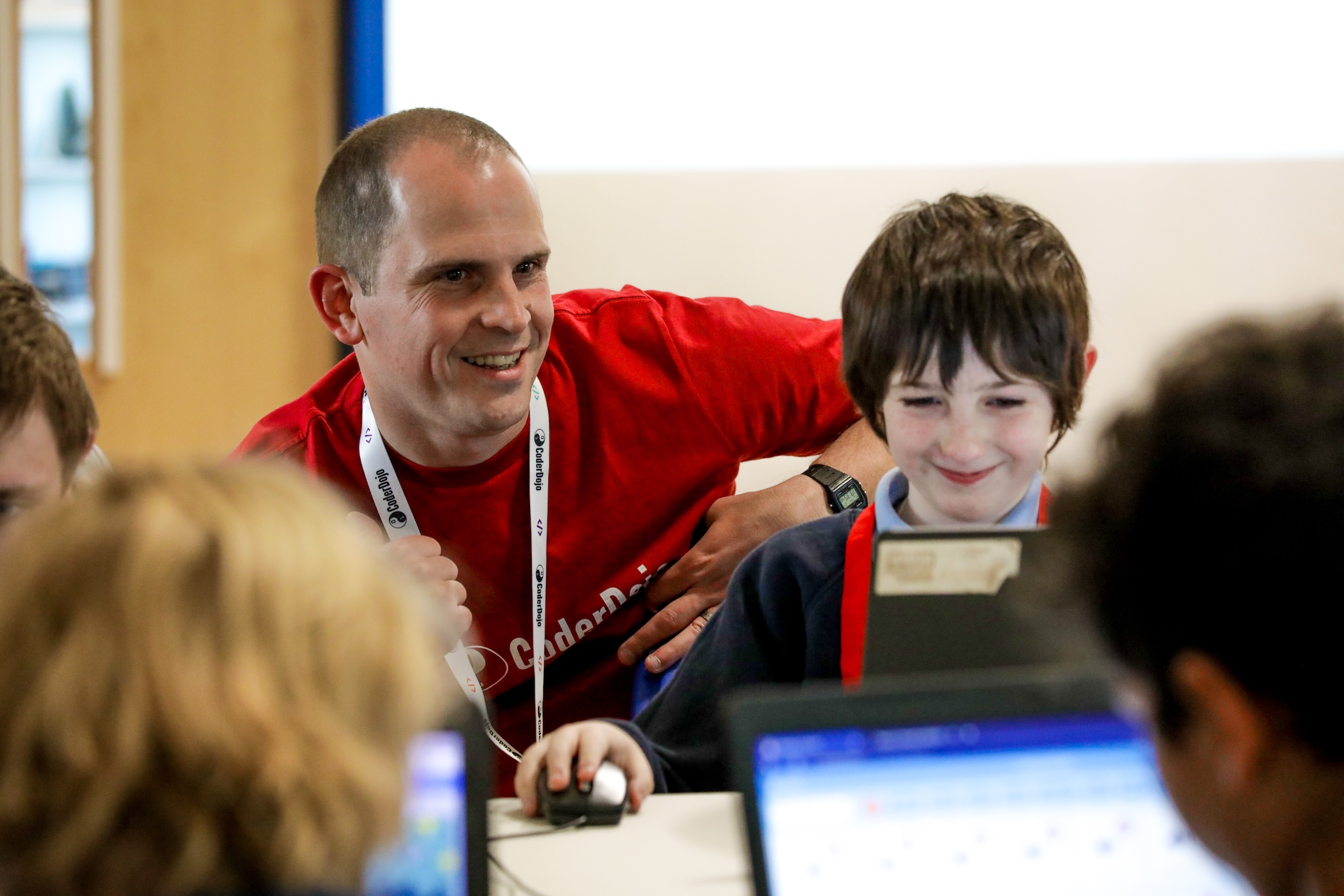
The Selby initiative has been the direct catalyst for the launch of six additional local clubs. This "multiplier effect" is a core component of the CoderDojo strategy. By empowering local volunteers, a single successful club can inspire a network of satellite programs, significantly increasing the number of young people reached. In Selby alone, the 40 events held over the last four years have provided hundreds of children with their first exposure to physical computing, such as lighting an LED for the first time or collaborating with parents on game development. These moments of "joyful discovery" are cited by organizers as the primary motivation for maintaining the volunteer-led model.
The Raspberry Fields Global Summit and the AI Frontier
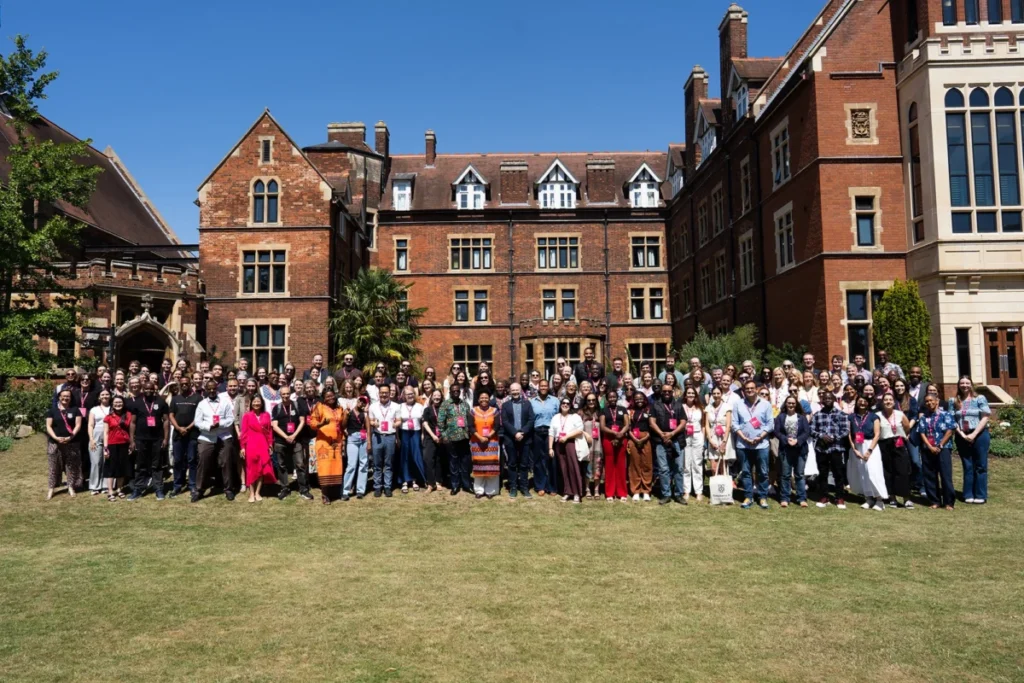
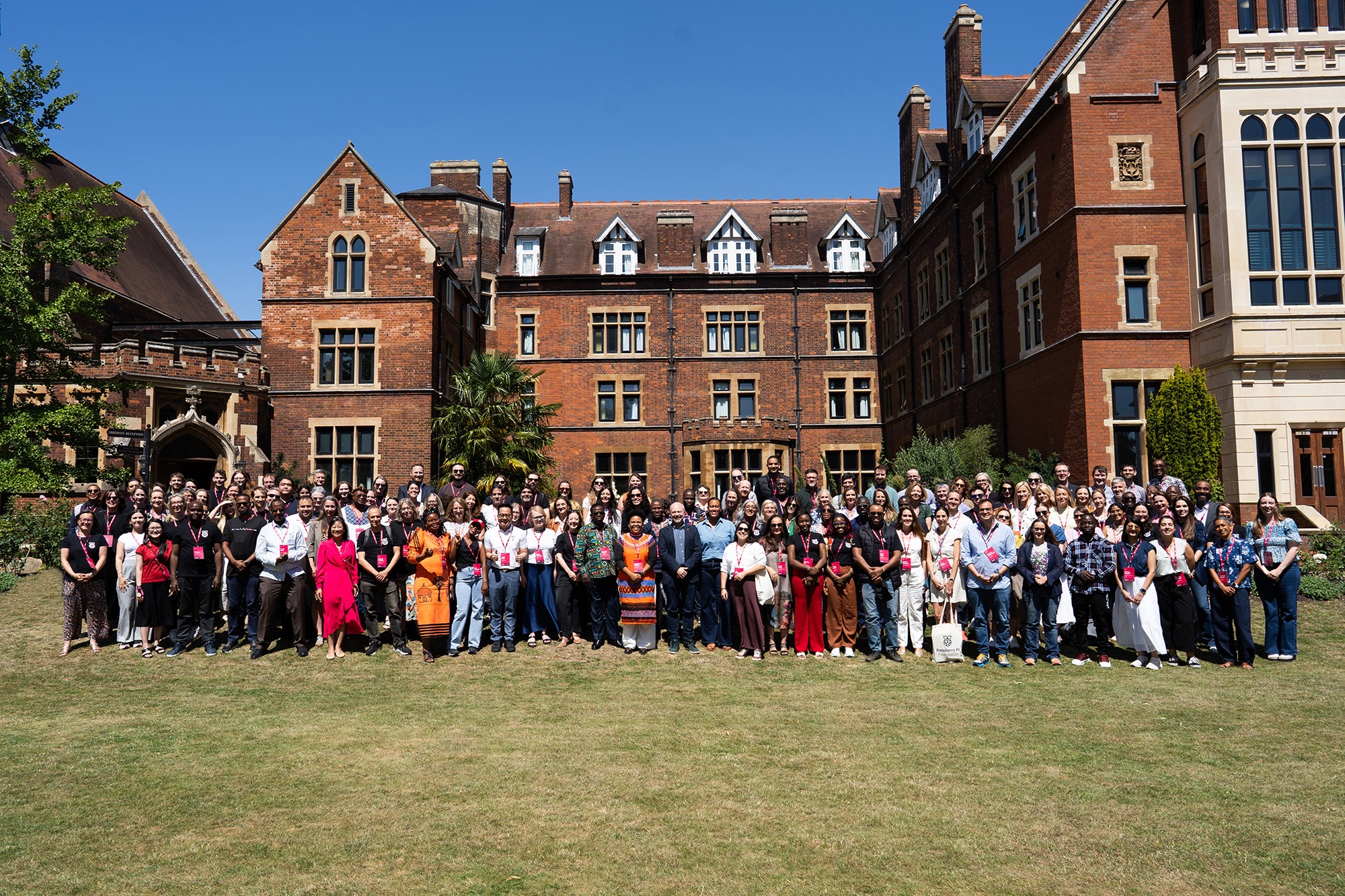
The 15th-anniversary celebrations coincided with "Raspberry Fields," a global partners summit held recently in Cambridge. The summit brought together representatives from Dojos and Code Clubs worldwide to discuss the shifting landscape of technology education. A central theme of the summit was the integration of Artificial Intelligence (AI) into non-formal learning environments.
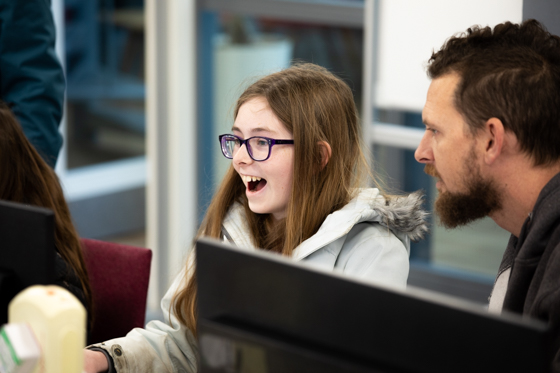
Educational experts at the summit emphasized that as AI begins to reshape industries and daily life, the focus of coding clubs must evolve. It is no longer sufficient for young people to simply learn syntax; they must also understand the ethical implications, data dependencies, and structural mechanics of AI systems. The summit served as a platform for workshops on how to introduce machine learning concepts to children as young as seven or eight, ensuring they are not just consumers of AI but informed creators and critics.
The discussions in Cambridge also underscored a critical socio-economic reality: while schools play a vital role in education, they often face budgetary and bureaucratic hurdles that prevent them from keeping pace with technological shifts. Non-formal spaces like CoderDojo fill this gap, offering a more agile environment where new technologies can be explored without the pressure of standardized testing.
Supporting Data: The Digital Skills Imperative
The continued growth of programs like CoderDojo is supported by a wealth of data regarding the future of the global workforce. According to reports from the World Economic Forum, more than 50% of all employees worldwide will need reskilling by 2025 due to the adoption of new technology. Furthermore, the demand for "soft skills" such as problem-solving, creativity, and collaboration—the very skills fostered in a Dojo environment—is projected to rise alongside technical requirements.
In the United Kingdom, the "digital divide" remains a significant concern. Research from the Department for Education and various NGOs indicates that children from lower-income backgrounds are less likely to have access to extracurricular STEM (Science, Technology, Engineering, and Mathematics) activities. CoderDojo’s commitment to being 100% free is a direct intervention in this disparity. By removing the financial barrier to entry, the movement ensures that the "Ninjas" of today come from a diverse range of socio-economic backgrounds, fostering a more inclusive future for the tech industry.
Official Perspectives and Future Outlook
Philip Colligan, CEO of the Raspberry Pi Foundation, has frequently highlighted the importance of the volunteer network in sustaining this mission. During the 2025 DojoCon event in the Netherlands, Colligan noted that the success of the movement rests on the shoulders of thousands of Mentors and Champions who donate their time and expertise. This sentiment was echoed during the 15th-anniversary tributes to founders James Whelton and Bill Liao, whose original vision of "being cool" and staying open continues to guide the organization.
Looking ahead, the movement is focused on geographic expansion and curriculum modernization. In October, a major event titled "Meet, Learn, Make" is scheduled to take place in Athlone, Ireland. This gathering will focus on sharing best practices between Irish Dojos—where the movement began—and the newer international clubs. The event is expected to draw hundreds of educators and volunteers, further strengthening the ties within the global community.
The integration of AI, the expansion into underserved regions, and the continuous support of the volunteer base are the three pillars of CoderDojo’s strategy for the next decade. As the movement enters its 16th year, the emphasis remains on creating a safe, creative, and collaborative space where young people can find their voice through technology.
Analysis of Implications
The longevity of CoderDojo suggests that the "non-formal" approach to education is not merely a supplement to schooling but a necessary component of modern childhood development. By prioritizing "fun and creativity on their own terms," Dojos help young people build a sense of agency over technology. In an age where children are often passive users of highly polished, closed-source applications, the "open-source" ethos of a Dojo—encouraging kids to "look under the hood"—is a radical and necessary act of empowerment.
Furthermore, the collaborative nature of these clubs addresses the social isolation that can sometimes accompany intensive technology use. By bringing parents and children together to solve technical challenges, Dojos strengthen community bonds and facilitate intergenerational learning. As the Selby experience demonstrates, the impact of a single club extends far beyond the four walls of the meeting room, creating a culture of volunteerism and lifelong learning that benefits the entire community.
The mission that began 15 years ago in Cork remains unfinished. With the rise of AI and the persistent digital divide, the need for free, accessible, and community-driven computing education is greater than ever. The Raspberry Pi Foundation and the global CoderDojo community appear well-positioned to meet these challenges, continuing to inspire the next generation of "Ninjas" to shape the digital world of tomorrow.