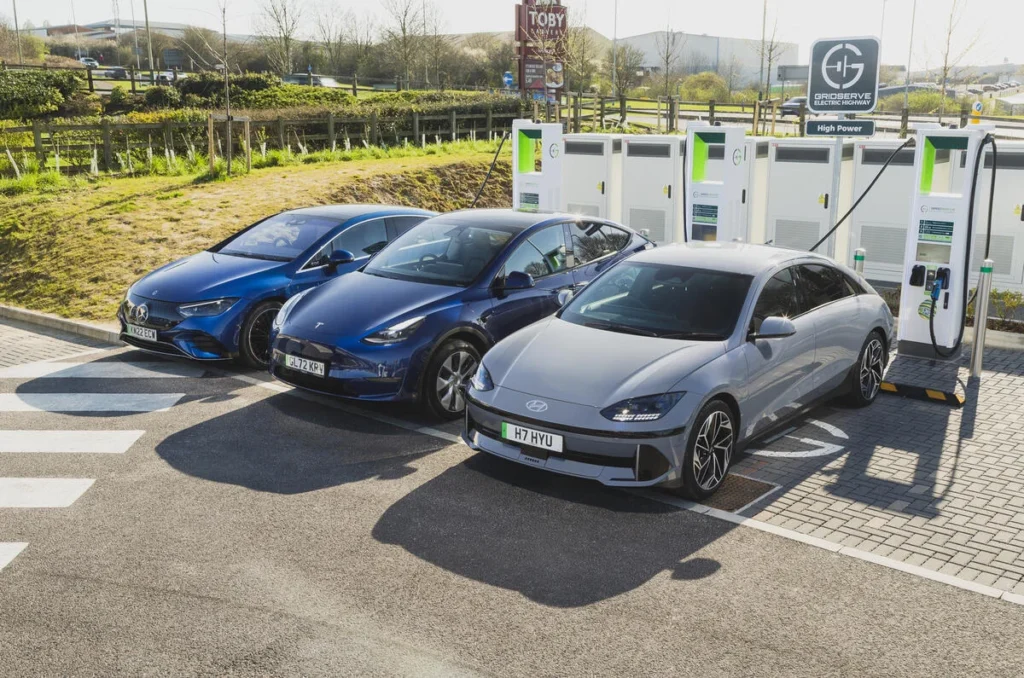
The government is poised to initiate a comprehensive six-week review, commencing imminently, into the feasibility of its Zero-Emission Vehicle (ZEV) mandate targets for electric car sales. This critical assessment will scrutinize the mandated sales percentages for the period spanning 2027 to 2035, a crucial phase leading up to the current plan’s ultimate goal of requiring all new vehicle sales to be zero-emissions by 2035. The review will engage extensively with automotive manufacturers, broader industry stakeholders, and other relevant parties to determine potential adjustments to these targets.
Deep Dive into the Mandate and its Challenges
The ZEV mandate, first implemented in 2024, set an initial requirement for 22% of new car sales to be electric. This figure has been progressively increasing, reaching 28% in 2025 and 33% in the current year. The immediate future sees a target of 38% for next year, the first year directly impacted by the impending review. The trajectory then escalates sharply, with targets set at 52% in 2028, 66% in 2029, and a substantial 80% by 2030. Notably, no specific targets have been formally established for the interim period between 2030 and the 2035 deadline, when 100% zero-emission sales are envisioned.
However, a significant undercurrent of apprehension exists within governmental circles. There is a palpable fear that the current pace and ambition of the ZEV mandate could disproportionately affect the viability of established automotive brands operating within the United Kingdom. This, in turn, raises concerns about potential job losses and the broader economic implications for the sector. The review’s mandate explicitly includes addressing these concerns, acknowledging the potential impact on employment and the long-term stability of the UK automotive industry.
Despite these concerns, the government has emphasized that all options remain on the table. This means that while adjustments to the ZEV targets are being considered, the possibility of maintaining the current trajectory, or implementing only minor modifications, has not been ruled out. This cautious approach suggests a desire to balance environmental objectives with the practical realities faced by the automotive industry.
Industry Reactions and Historical Context
The impending review is expected to be met with widespread approval from legacy car manufacturers. These established players have consistently voiced their concerns regarding the attainability of the current ZEV targets, arguing that they are overly ambitious and do not accurately reflect the prevailing market demand for electric vehicles. This review presents a crucial opportunity for these manufacturers to formally articulate their perspectives and lobby for policy changes that they believe are more aligned with market dynamics and their operational capacities.
The Society of Motor Manufacturers and Traders (SMMT) has provided substantial data to underscore the challenges. Recent sales figures indicate a significant year-on-year rise of 44.5% in EV sales from July 2025. However, the current year-to-date run rate for EV sales stands at approximately one in four vehicles sold, falling short of the one-in-three proportion required to meet the mandate’s immediate targets. This disparity highlights the gap between the mandated pace of transition and the current market absorption rate.
It is important to note that this is not the first instance of the ZEV mandate undergoing scrutiny. A previous review resulted in adjustments, including a reduction in fines for non-compliant car sales, from £15,000 to £12,000 per vehicle. Furthermore, greater flexibility was introduced concerning the banking and borrowing of EV sales credits across future years, acknowledging that manufacturers might introduce electric models at different rates. Low-volume car makers were also granted extended timelines for compliance, along with certain exemptions. Additionally, the previous review confirmed that hybrid cars would be permissible for sale between 2030 and 2035, offering a transitional pathway for a segment of the market.
The Political Landscape and the "Burnham Administration"
This review marks a significant policy intervention by the administration led by Andy Burnham, underscoring its commitment to shaping the future of the UK’s automotive sector. The government’s apprehension stems from a genuine concern for the long-term viability of car manufacturers that have made substantial investments in manufacturing facilities and human capital within the UK over many years. The potential for these investments to be jeopardized by an unachievable mandate is a primary driver for this reassessment.
A key consideration for the government is the competitive landscape. The emergence of new automotive players, particularly from China, presents a different dynamic. These newer entrants are not burdened by the same legacy manufacturing structures and established supply chains that require a significant pivot towards EV production. Consequently, they are perceived as less susceptible to the pressures and potential disruptions that established manufacturers face in adapting to the ZEV mandate. This differential impact could lead to an uneven playing field, with existing stakeholders potentially facing job losses and market disinvestment, while newer entrants may capitalize on the transition.
Unforeseen Elements and Future Projections
The precise scope of the current review remains to be fully delineated. However, there is speculation that the review may also extend to setting targets for the years between 2031 and 2034. The crucial 2035 deadline itself, which mandates 100% zero-emission new vehicle sales, has not yet been indicated as being open for review.
The UK’s commitment to achieving net-zero emissions by 2050 is a legally binding target, and the automotive sector plays a pivotal role in this broader environmental strategy. The composition of the UK’s car parc – the total number of vehicles in use – is a significant factor in realizing these ambitious climate goals. Therefore, it has been widely anticipated and generally accepted that a substantial majority of new car sales must indeed be electric by 2035 to ensure the nation remains on track to meet its legally binding net-zero commitment. This overarching objective will undoubtedly cast a long shadow over the deliberations of the ZEV mandate review, ensuring that any proposed adjustments remain broadly compatible with the UK’s long-term environmental aspirations. The review’s findings and subsequent decisions will be closely watched by the industry, policymakers, and environmental advocates alike, as they will shape the trajectory of automotive innovation and the UK’s journey towards a sustainable future.