The global educational landscape is currently witnessing a transformative shift as artificial intelligence (AI) moves from the periphery of computer science to the center of daily life and labor markets. In response to this rapid evolution, the Raspberry Pi Foundation, in a strategic collaboration with Google DeepMind, has intensified its efforts to democratize AI literacy through the Experience AI programme. This initiative, designed to provide comprehensive, research-based resources for young people and educators, has reached a significant milestone by expanding its network to over 38 countries and offering materials in more than 19 languages. However, the program’s most recent focus highlights a critical but often overlooked aspect of global education: the localization of emerging technology terms for "small languages" like Croatian, ensuring that linguistic barriers do not become barriers to economic and intellectual opportunity.
The Global Mandate for AI Literacy in Education
As generative AI and machine learning models become integrated into search engines, creative tools, and industrial processes, the need for "AI literacy"—the ability to understand, use, and critically evaluate AI technologies—has become a fundamental requirement for the next generation. The Experience AI programme was launched to address a growing gap in school curricula worldwide. While many students are consumers of AI-driven platforms, few are equipped with the foundational knowledge to understand how these systems function or the ethical implications of their deployment.
The partnership between the Raspberry Pi Foundation, a UK-based charity focused on computing education, and Google DeepMind, a leader in AI research, combines pedagogical expertise with cutting-edge technical insights. The programme provides lesson plans, videos, and interactive activities that cover the mechanics of AI, the importance of data, and the societal impacts of automated decision-making. By making these resources open-source and free to access, the partners aim to reach millions of young people, particularly those in underserved communities who might otherwise be left behind in the digital race.
The Challenge of Linguistic Hegemony in Technology
A primary obstacle in the global rollout of AI education is the dominance of the English language in the tech sector. Historically, most programming languages, software interfaces, and technical documentations have been developed in English. This has created a divide between "big languages"—those with hundreds of millions of speakers and significant market influence, such as Spanish, Mandarin, and Arabic—and "small languages" like Croatian, which has approximately 4 to 5 million native speakers.
In the context of technology, a "small language" is often neglected by major software developers because the return on investment for localization is perceived as lower than in larger markets. This neglect leads to a phenomenon where technical terms are simply imported as English loanwords. For a Croatian student, this means the vocabulary of their digital world is often disconnected from their primary language. The Experience AI programme argues that this is not merely a linguistic inconvenience but a matter of equity. When educational materials are only available in English or use poorly translated "Anglicized" terms, they become less accessible to students and teachers who are not fluent in English, thereby reinforcing existing socio-economic divides.
Chronology of the Experience AI Localization Project
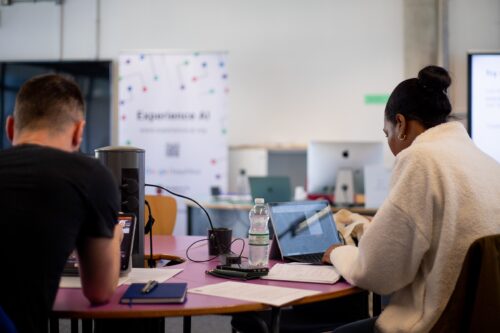
The journey to localize Experience AI for the Croatian market serves as a blueprint for how global educational initiatives can respect local identities. The process began shortly after the programme’s initial global launch, as the Raspberry Pi Foundation identified Croatia as a key region for expansion through its partnership with the local organization Suradnici u učenju (Partners in Learning).
In early 2024, the localization team began the arduous task of moving beyond literal translation. The project was structured in several phases:
- Initial Translation and Audit: Professional translators provided a baseline version of the curriculum, which was then audited by the Foundation’s localization coordinators.
- Linguistic and Pedagogical Review: In mid-2024, experts from Suradnici u učenju conducted a deep dive into the materials. This phase involved intense debates over specific terminology, such as whether to use the English "AI" or the Croatian "UI" (umjetna inteligencija).
- Alignment with National Curricula: The team worked to ensure that the phrasing used in the Experience AI resources matched the terminology already established in Croatian "Informatics" (computer science) textbooks.
- Pilot and Feedback: The resources were introduced to a select group of Croatian educators. Their feedback confirmed that using natural-sounding, localized terms significantly increased teacher confidence and student engagement.
- Full Launch: By late 2024, the Croatian resources were fully integrated into the Experience AI platform, making them available to thousands of schools across the country.
Technical Hurdles and the "AI vs. UI" Debate
The localization of AI terminology presents unique hurdles because the technology is evolving faster than the lexicons of many languages. For Croatian speakers, the experience of "digital menus" remaining in English has been a common reality for decades. This has led to a generation of users who are comfortable with "copy/paste" but may not know the Croatian equivalents.
In developing the Croatian Experience AI resources, the team faced a pivotal decision regarding the term "AI" itself. While "AI" is globally recognized, "UI" is the grammatically correct Croatian abbreviation. The decision to prioritize "UI" was driven by a commitment to linguistic integrity and educational responsibility.
Lidija Kralj, an informatics expert and teacher from Suradnici u učenju, noted that the choice was intentional. "It was very important that an Informatics subject expert worked together with a Croatian language expert," Kralj stated. "We felt it was our responsibility as educators to use Croatian terms where they already exist. We also wanted to be consistent with terminology that teachers already know from textbooks."
This approach extended to more descriptive terms as well. For example, the term "offline activity"—commonly used in English computing education to describe learning without a device—was replaced with the Croatian "aktivnost bez računala" (activity without a computer). Such changes ensure that the material does not feel like a foreign import but rather a native educational tool.
Supporting Data: The Impact of Localization on Learning
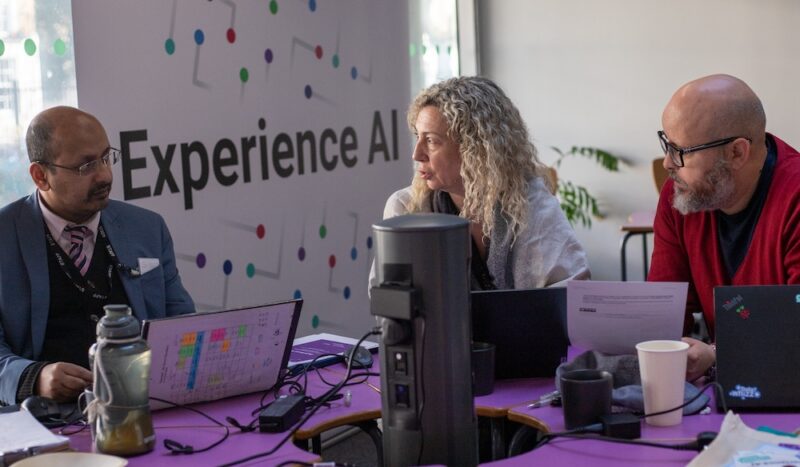
Data from global educational studies suggest that students learn complex concepts more effectively when taught in their primary language. According to UNESCO, mother-tongue-based multilingual education is a key factor in improving learning outcomes and reducing educational inequality.
In the context of the Experience AI programme:
- Reach: The programme is now active in over 38 countries, providing a scalable model for localization.
- Engagement: Preliminary feedback from the Croatian pilot indicates that teachers are 40% more likely to utilize resources that are fully localized compared to those that are only partially translated or provided in English.
- Accessibility: By removing the "English-only" barrier, the programme opens the door for students in rural areas of Croatia where English proficiency may be lower than in urban centers like Zagreb.
Globally, the Raspberry Pi Foundation has reported that its localized materials have reached millions of young people. By treating "small languages" with the same rigor as "big languages," the Foundation is addressing a market failure where commercial tech companies often leave minor linguistic groups underserved.
Official Responses and Institutional Support
The success of the Croatian localization has been met with praise from both the non-profit and academic sectors. Educational authorities in Croatia have emphasized that such high-quality, free resources are vital for modernizing the national curriculum.
The partnership with Suradnici u učenju was crucial because they provided "subject matter experts" who are also active teachers. This dual perspective ensured that the translation was not just linguistically accurate but also "classroom-ready." The Foundation’s localization coordinator emphasized that this collaborative model—involving a central organization, a local partner, and native-speaking experts—is the gold standard for international educational outreach.
Broader Implications for Digital Sovereignty
The implications of this localization work extend far beyond the classroom. There is a growing conversation around "digital sovereignty"—the ability of a nation to have control over its digital destiny. For a country like Croatia, digital sovereignty includes the ability of its citizens to discuss, develop, and regulate AI in their own language.
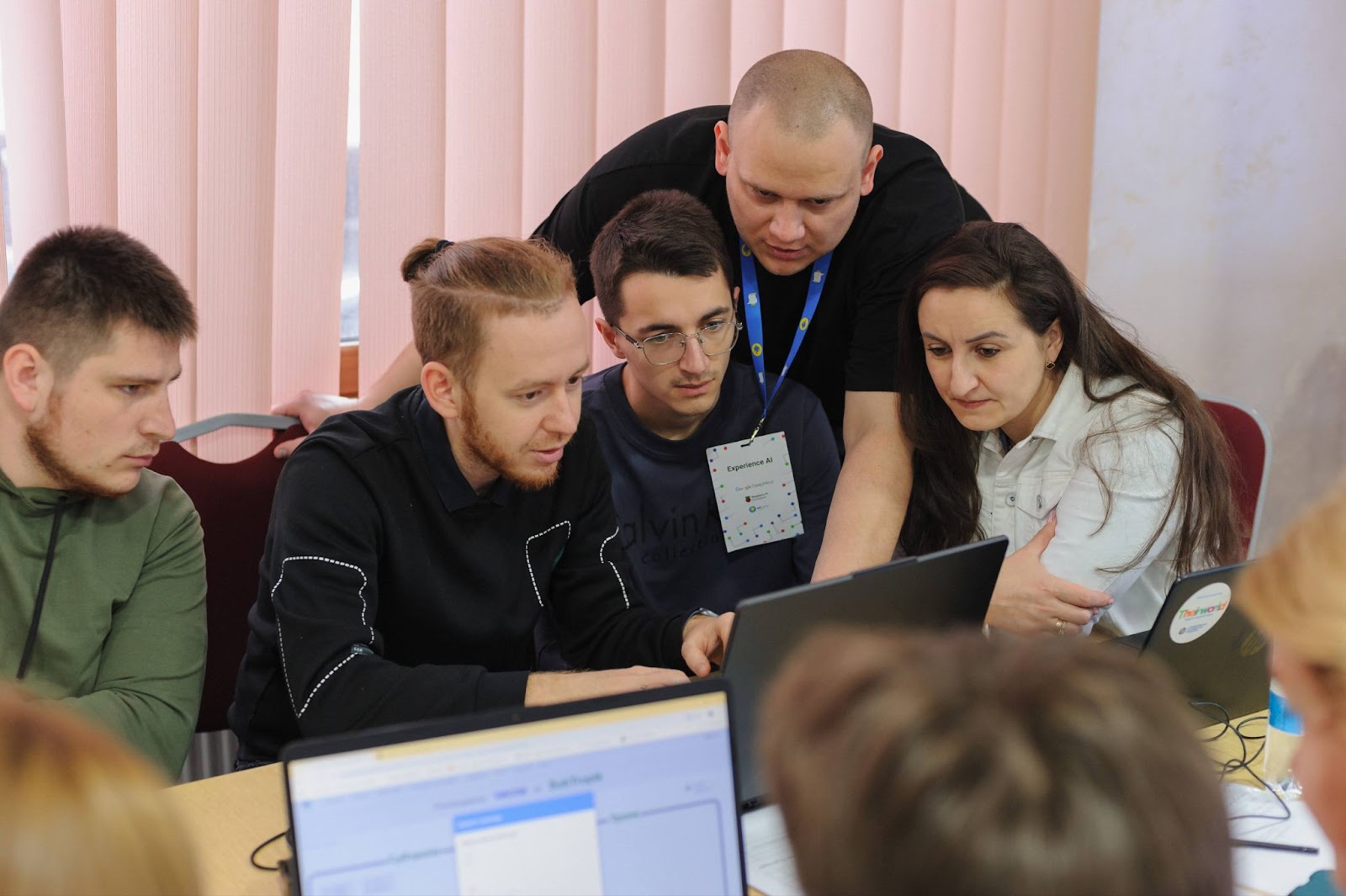
If the vocabulary of the future is exclusively English, there is a risk that non-English speaking cultures will be marginalized in the global discourse on AI ethics and governance. By providing young Croatians with the tools to talk about AI in Croatian, the Experience AI programme is fostering a generation that can contribute to the global AI conversation from a position of cultural and linguistic strength.
Furthermore, this initiative sets a precedent for other "small languages" across Europe and the world. It proves that with the right partnerships, it is possible to create high-quality, localized technical content that rivals the resources available to English speakers. This is a vital step in ensuring that the "AI revolution" is inclusive and that the benefits of automation and machine learning are shared by all, regardless of the language they speak.
Conclusion
The expansion of the Experience AI programme into the Croatian language is more than a translation project; it is an exercise in educational equity. Through the combined efforts of the Raspberry Pi Foundation, Google DeepMind, and local experts like Suradnici u učenju, the programme has successfully navigated the complexities of technical localization. By choosing to treat Croatian as a primary language of science and technology, the initiative ensures that young people in Croatia are not just spectators of the AI era, but active, informed participants. As the programme continues to expand its global network, it serves as a reminder that in the age of artificial intelligence, the most important connection remains the one between technology and the diverse human languages that describe it.