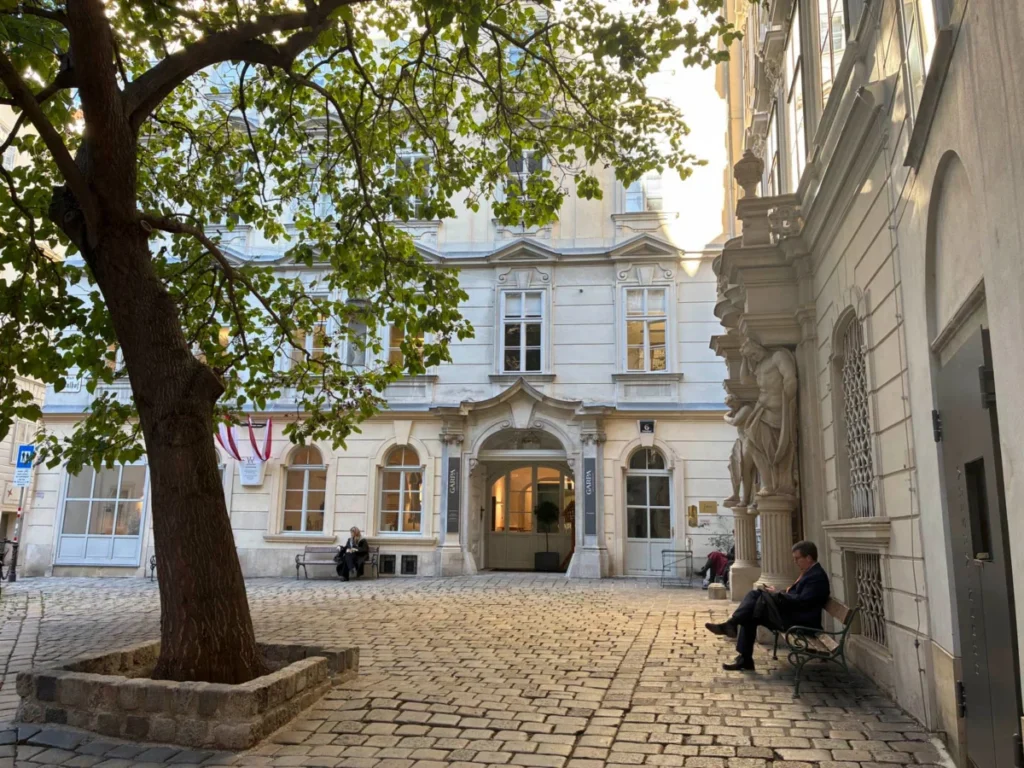
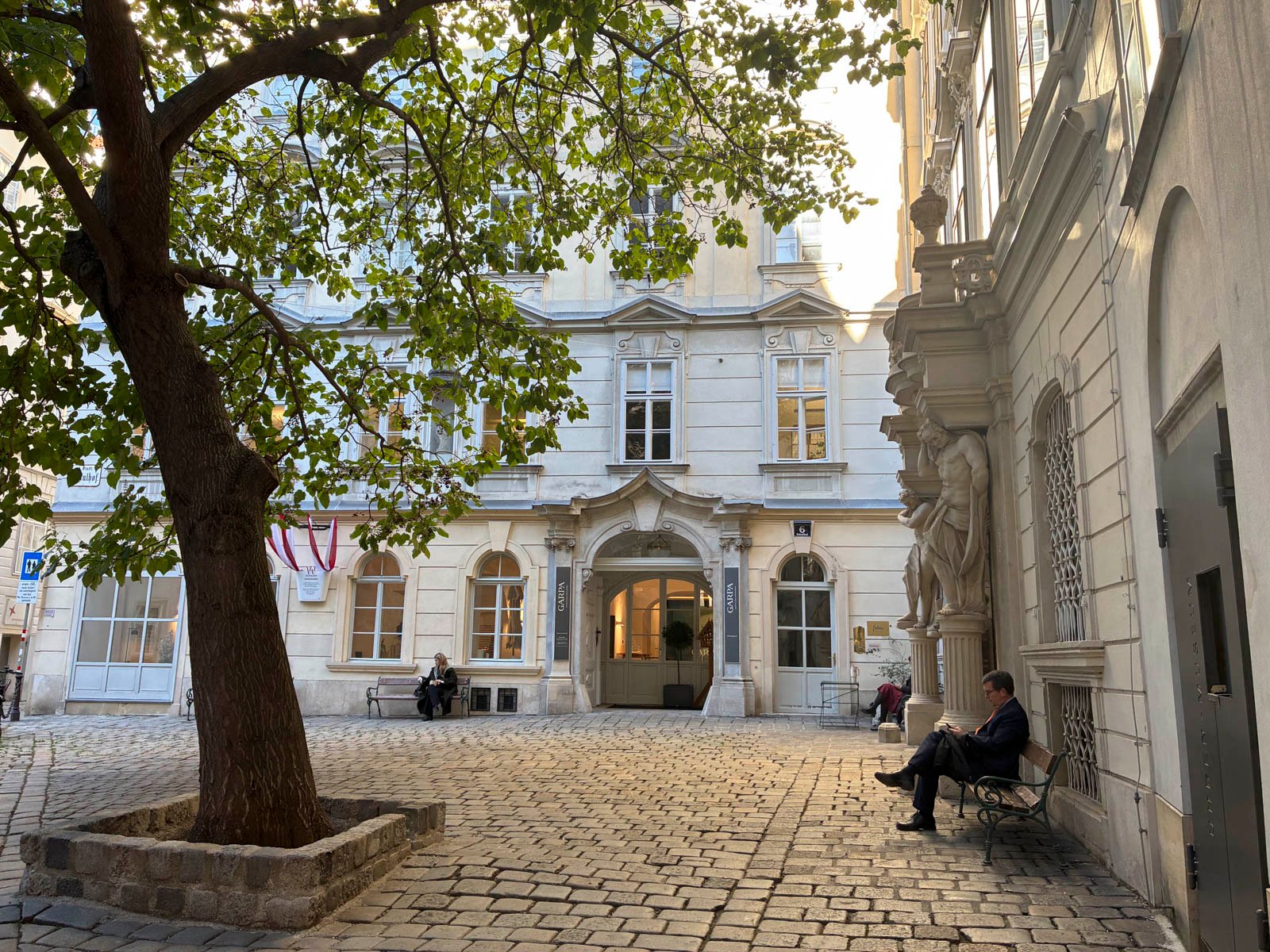
The hushed reverence that envelops visitors upon entering a museum dedicated to horology is a unique phenomenon, a palpable quietude that descends even amidst the subtle whirring of a distant pendulum or the impending chime of a winding bell. This is the immediate sensation at Vienna’s Uhrenmuseum, the Austrian capital’s treasure trove of timekeeping marvels. Tucked away in a tranquil corner just behind the historic Am Hof square, a mere five-minute amble from the bustling Stephansplatz, this unassuming institution, housed within the 17th-century Palais Obizzi, harbors Austria’s largest and one of the world’s most significant collections of clocks and watches. With approximately 7,000 objects in its holdings, over 700 of which are rotated for display across its three floors, the museum offers an immersive journey through the evolution of horology.
A Collector’s Obsession Preserved: The Genesis of the Uhrenmuseum
The foundation of the Uhrenmuseum’s extraordinary collection lies in the singular vision and fervent passion of Rudolf Kaftan, a dedicated schoolteacher and an ardent horological enthusiast. In the early 20th century, Kaftan meticulously amassed an impressive array of timepieces and intricate clockwork mechanisms. His dedication culminated in a collection so significant that when the building housing his prized possessions faced demolition in 1917, the City of Vienna intervened. Recognizing the cultural and historical importance of Kaftan’s work, the city acquired the entire collection and appointed Kaftan as the museum’s inaugural director. He was even provided with a service apartment within the premises, a testament to his lifelong commitment, allowing him to literally live amongst his life’s work. The museum officially opened its doors to the public in 1921, and since then, it has remained a steadfast guardian of horological history in its discreet Innere Stadt location.
Beyond the professional horologist, the collection also owes a significant debt to the discerning eye of Marie von Ebner-Eschenbach, a celebrated Austrian writer of the 19th century. Her personal collection of pocket watches forms another cornerstone of the museum’s holdings, underscoring the fact that the appreciation and collection of timekeeping devices have historically transcended professional circles, offering solace and interest to individuals from all walks of life. This inclusion serves as a comforting reminder to contemporary enthusiasts that their passion is part of a rich and diverse tradition.
A Chronicle in Time: Walking Through Six Centuries of Horological Artistry
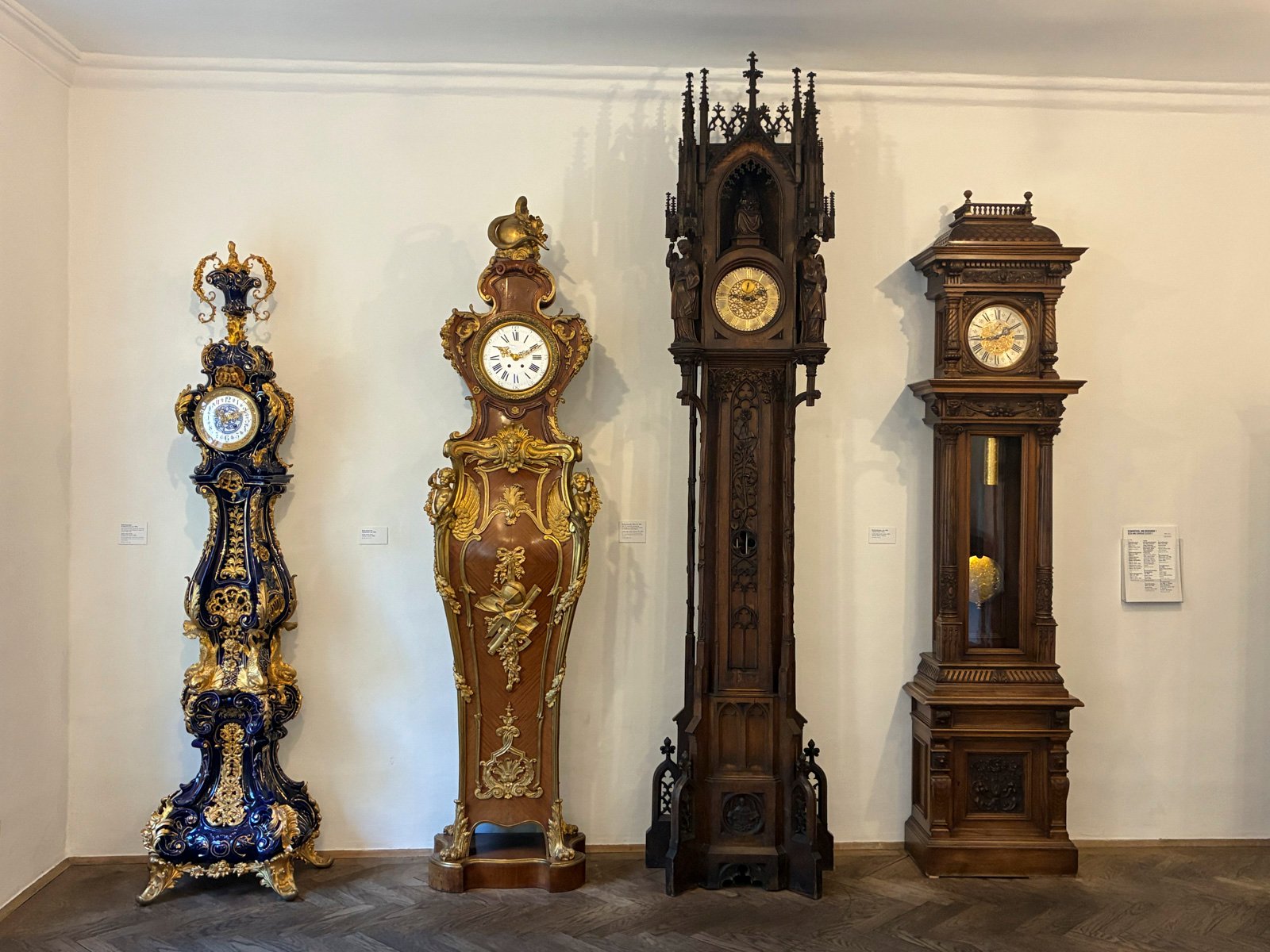
As one navigates the museum’s exhibition spaces, a compelling narrative emerges, transcending a mere technical archive to become a profound social history of Central Europe, meticulously told through the lens of timekeeping. The earliest pieces on display date back to the 15th century, presenting formidable iron mechanisms that evoke an era of robust engineering, more akin to instruments of defense than delicate adornments. From these monumental beginnings, the collection traces a path through the intricate designs of Gothic tower clocks, the elegant artistry of Renaissance table clocks, and into the distinct charm of the Biedermeier period.
A particular highlight of the Viennese horological tradition is showcased through the museum’s celebrated "Laterndluhren," or lantern clocks. These delicate, lamp-like timepieces, popular in the early 19th century, exemplify the unique craftsmanship and aesthetic sensibilities that defined Vienna’s clockmaking heritage during that era. Their intricate details and refined forms offer a glimpse into the domestic lives and artistic preferences of the time.
The undisputed centerpiece, both in terms of scale and historical significance, is the 17th-century tower clock mechanism from St. Stephen’s Cathedral. This colossal assembly of iron gears and counterweights, weighing several tons, once governed the temporal rhythm of the entire city from its vantage point high above the iconic Stephansdom. Standing beside this formidable apparatus, visitors gain a visceral appreciation for the immense labor, engineering prowess, and sheer ambition that were once required simply to mark the passage of hours. It serves as a powerful reminder of the complexities of early timekeeping, offering a valuable perspective for anyone who has ever found themselves frustrated by the intricacies of setting a modern-day GMT function.
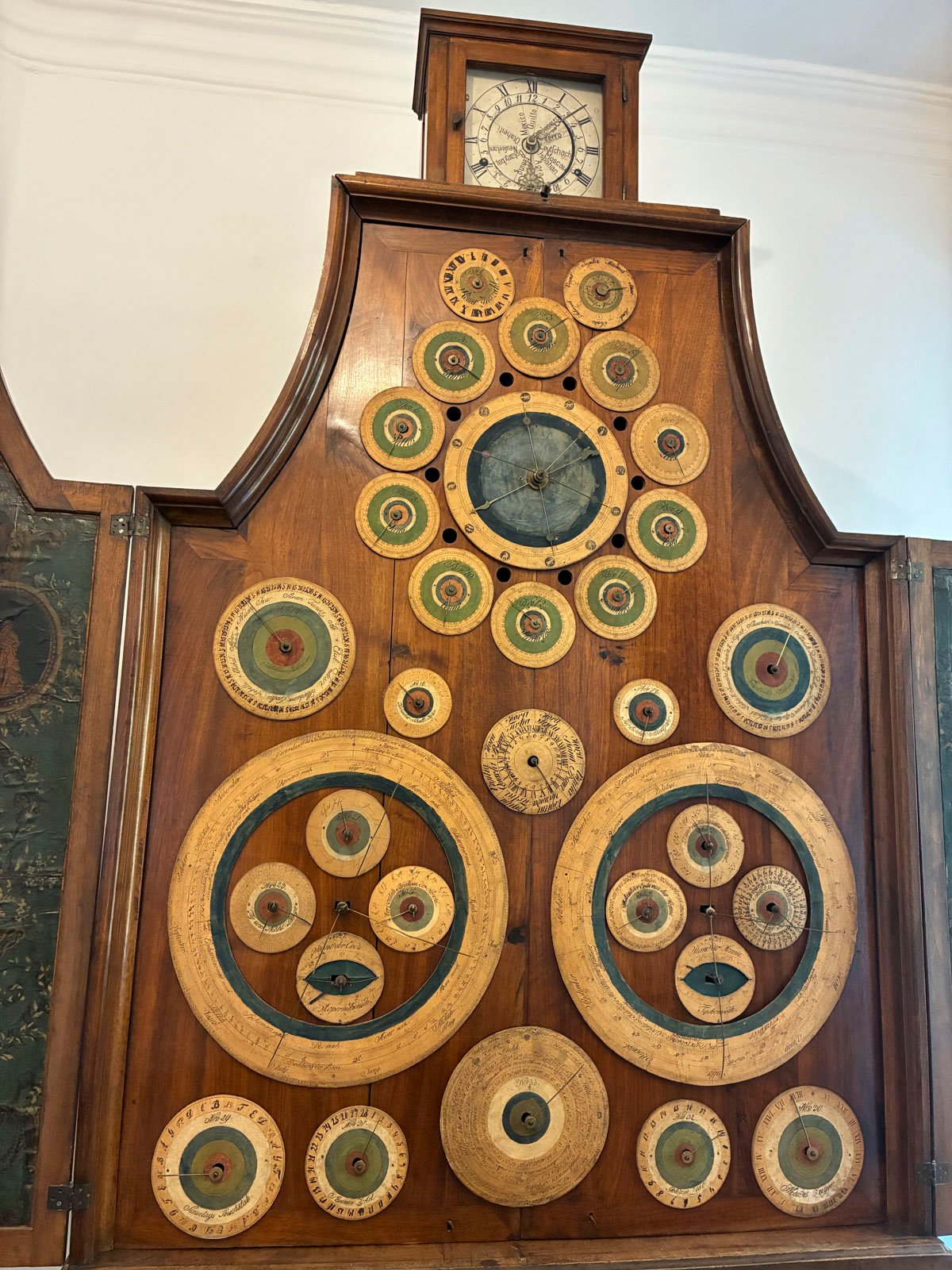
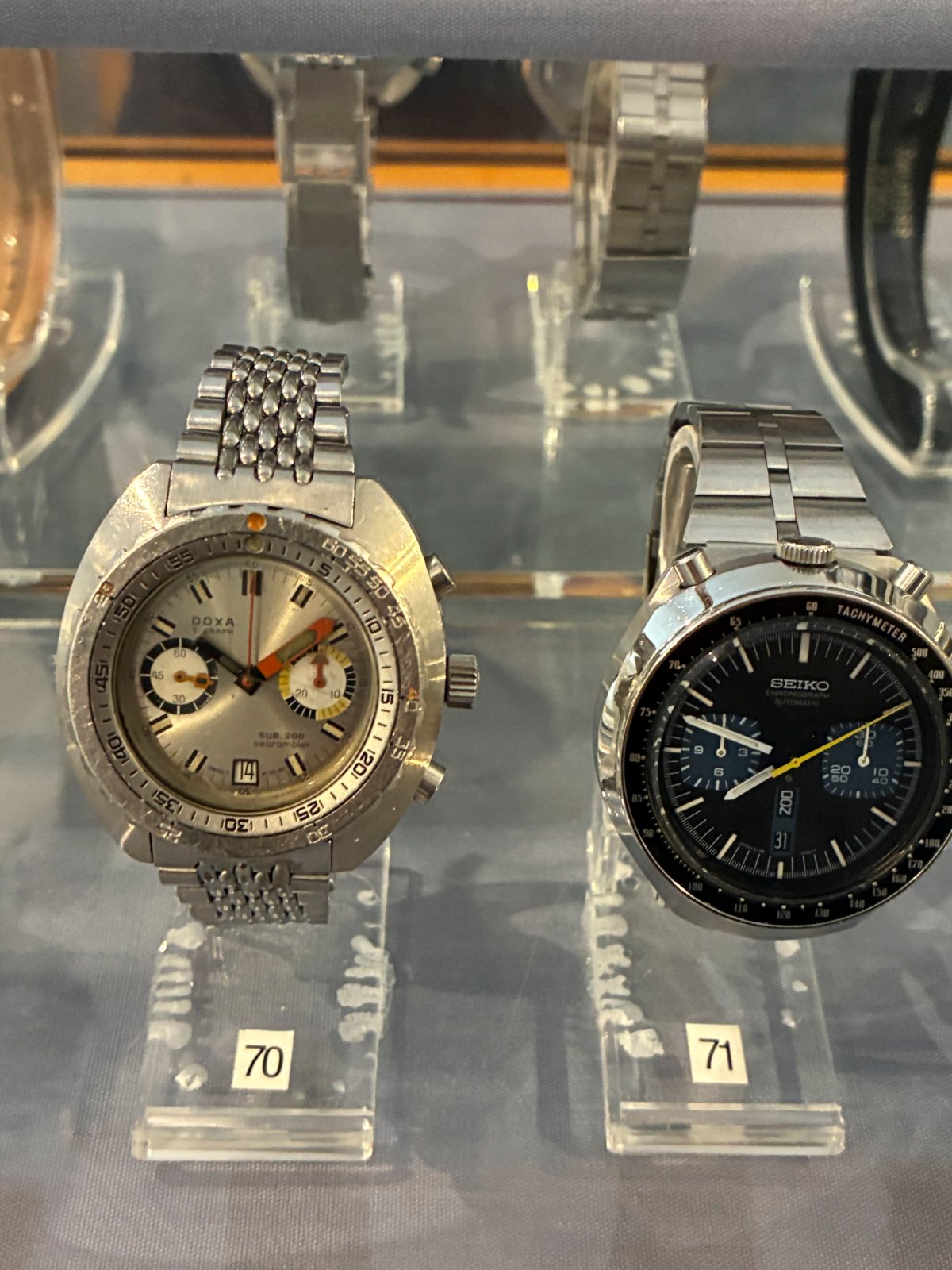
Beyond the grand mechanisms, the museum also features an astronomical clock meticulously crafted by the monk David a Sancto Cajetano. This single, complex device is capable of simultaneously displaying the time in multiple geographical locations while also charting planetary orbits, solar eclipses, and lunar eclipses. This remarkable piece of ingenuity speaks to the deep understanding of celestial mechanics that existed centuries ago. Furthermore, the Uhrenmuseum boasts a comprehensive collection of wristwatches spanning various eras, demonstrating the democratization and miniaturization of timekeeping technology over the centuries.
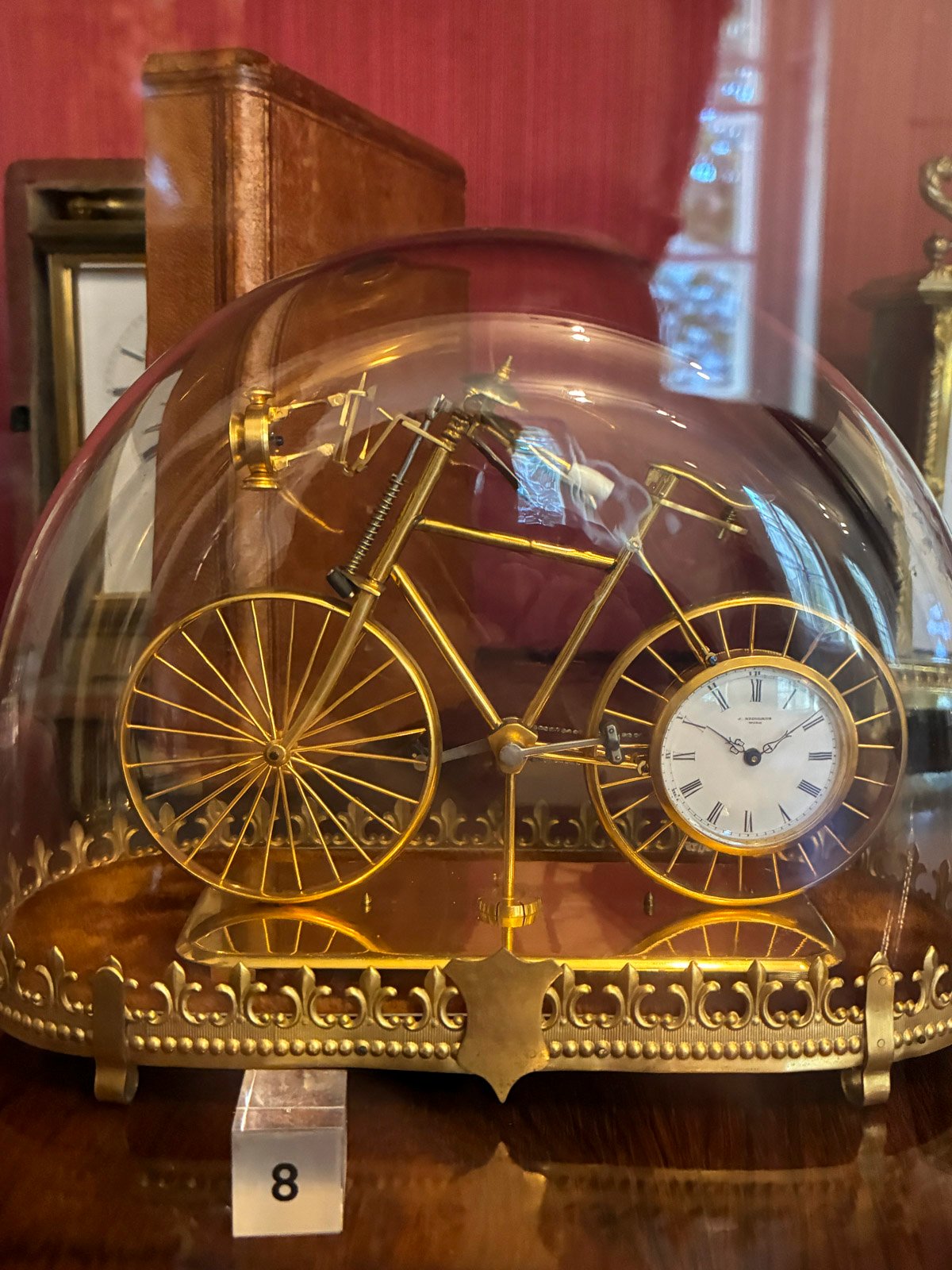
The profound impact of viewing such diverse artifacts under one roof – from the sublime complexity of an astronomical clock to the mass-produced elegance of pocket watches and the charming simplicity of hand-wound Biedermeier lanterns – is what truly elevates the Uhrenmuseum. It eschews the separation of the extraordinary from the ordinary, recognizing that each item, in its own way, is a testament to humanity’s persistent endeavor to understand and measure time. Both the monumental and the mundane receive equal billing, united by this shared human drive.
Interactive Engagement and Sensory Delights: Beyond the Static Display
The Wien Museum, responsible for the Uhrenmuseum’s stewardship, has commendably moved beyond the traditional museum model of a static reliquary. Recognizing the need to engage contemporary audiences, particularly younger generations, the museum offers an innovative AR-powered escape game that unfolds across all three floors. This interactive experience centers around a fictional mystery involving a lost pocket watch, with twelve interactive stations guiding participants through the collection. Played in small groups and facilitated by provided tablets, the game is designed to appeal to families and casual visitors, encouraging them to engage more deeply with the intricate workings of centuries-old clockwork rather than passively observing. This approach cleverly bridges the gap between historical artifacts and modern entertainment, fostering a greater appreciation for horological craftsmanship.
A particularly memorable experience awaits visitors who time their visit for the top of the hour. In this unique environment, the proximity of numerous mechanical clocks triggers a symphony of striking mechanisms and chimes. The overlapping sounds of cuckoos, flute clocks, and cathedral-scale bells create a cacophony that is simultaneously chaotic, slightly absurd, and utterly captivating. This auditory spectacle is a powerful reminder of the enduring appeal and dedication inspired by mechanical timekeeping. It’s a delightful, almost overwhelming, sensory experience that encapsulates the very essence of why these intricate machines continue to fascinate.
Logistical Details and Planning Your Visit
The Uhrenmuseum is a relatively compact institution, allowing for a comprehensive exploration within an hour for those with limited time. However, dedicated collectors and horology enthusiasts will undoubtedly find themselves drawn to linger for closer to two hours, absorbing the intricate details and historical context of each piece.
Admission is priced at €8 for standard entry and €6 for reduced tariff tickets. Notably, the museum offers free admission on the first Sunday of every month, a valuable incentive for budget-conscious visitors. It is crucial to note that the Uhrenmuseum operates on a more restricted schedule than many other Viennese cultural institutions. It is open from Friday to Sunday, between 10:00 AM and 5:00 PM. The museum observes closures on January 1st, May 1st, and December 25th, making it advisable to check the opening hours prior to planning an itinerary.
It is important to be aware that access to the exhibition rooms is exclusively via a spiral staircase. Consequently, the museum may not be suitable for individuals with mobility concerns. For all other visitors, however, the Uhrenmuseum offers an exceptionally rewarding experience, providing an insightful hour for anyone captivated by the elegance of a watch movement, the artistry of a dial, or the sheer ingenuity of mechanical timekeeping. The museum is conveniently located at Schulhof 2, 1010 Vienna, a central and accessible point within the city.
Broader Implications and the Enduring Fascination with Time
The Uhrenmuseum in Vienna serves as more than just a repository of historical artifacts; it is a testament to human ingenuity, artistic expression, and our enduring quest to understand and control time. In an era dominated by digital precision and instantaneous communication, the meticulous craftsmanship and intricate mechanics displayed within its walls offer a compelling counterpoint. They remind us of a time when timekeeping was an art form, a complex endeavor that required immense skill and dedication.
The presence of both monumental public clocks and delicate personal timepieces highlights the multifaceted role of horology in society. From regulating the pulse of a city to marking personal milestones, clocks and watches have consistently shaped our daily lives and our perception of existence. The collection’s ability to seamlessly integrate these diverse examples underscores the universal human drive to measure, record, and make sense of the passage of time.
The museum’s innovative approach, particularly the AR escape game, reflects a growing trend in cultural institutions to engage audiences through interactive and participatory experiences. By transforming passive observation into active exploration, the Uhrenmuseum ensures that its historical treasures remain relevant and captivating for contemporary visitors. This approach not only educates but also fosters a deeper emotional connection with the objects and the stories they tell.
The Uhrenmuseum stands as a vibrant testament to the enduring legacy of horology. It is a place where history, art, and science converge, offering a unique perspective on human civilization’s ongoing relationship with time. For anyone who has ever marveled at the intricate dance of gears, the sweep of a second hand, or the resonant chime of a clock, a visit to this Viennese gem is an indispensable experience, a journey that resonates long after one has left its hushed halls.