The United Kingdom’s educational landscape is witnessing a significant shift toward formalized non-formal learning, as the government recently moved to recognize Code Club as a primary resource for school and college enrichment. This endorsement from the Department for Education (DfE) marks a pivotal moment for the Raspberry Pi Foundation, the charity behind the Code Club initiative, which has long advocated for the integration of creative computing into the lives of young people. By including Code Club in its official Enrichment Framework, the UK government has signaled that digital literacy and computational thinking are no longer merely optional extracurricular activities but are essential components of a well-rounded modern education.
This recognition comes at a time when schools are under increasing pressure to provide high-quality enrichment that prepares students for a rapidly changing workforce dominated by automation and artificial intelligence. Code Club, which operates through a global network of thousands of free, volunteer-led clubs, offers a unique environment where young people aged 9 to 13 can explore technology on their own terms. Unlike the rigid structure of a traditional classroom, these clubs emphasize experimentation, play, and peer-to-peer collaboration. The recent government validation confirms what years of independent research and community feedback have suggested: the benefits of these clubs extend far beyond the syntax of Python or the blocks of Scratch.
The Evolution of Code Club: A Chronology of Growth
The journey of Code Club began in 2012, founded by Clare Sutcliffe and Linda Sandvik with the simple goal of giving every child in the UK the opportunity to learn to code. The initiative quickly gained momentum, tapping into a burgeoning realization that the national curriculum needed to catch up with the digital revolution. In 2015, Code Club merged with the Raspberry Pi Foundation, a move that provided the organizational infrastructure and global reach necessary to scale the program.
By 2024, the initiative had expanded into a truly international phenomenon, with a particularly strong presence in regions like Kenya and South Africa, where it serves as a critical bridge over the digital divide. In the UK, the Foundation’s ambition has sharpened into a specific, measurable goal: to establish a Code Club in every school and library across the country. The recent announcement of a support package for UK trusts and local authorities represents the latest phase in this chronological expansion, shifting from a grassroots "bottom-up" model to a strategic "top-down" partnership with educational governing bodies.
Strengthening Life Skills Through Computational Thinking
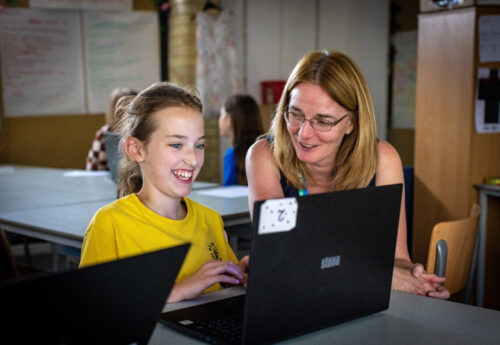
While the primary output of a Code Club session might be a video game, a website, or a simple animation, the underlying outcomes are deeply rooted in soft-skill development. Independent research commissioned by the Raspberry Pi Foundation has consistently shown that regular attendance at a Code Club fosters significant growth in resilience and problem-solving. In the context of coding, failure is not a terminal state but a diagnostic tool; when a program does not run, the "coder" is tasked with identifying the error, a process known as debugging. This iterative cycle of trial and error is a practical application of the growth mindset, teaching children that persistence leads to solutions.
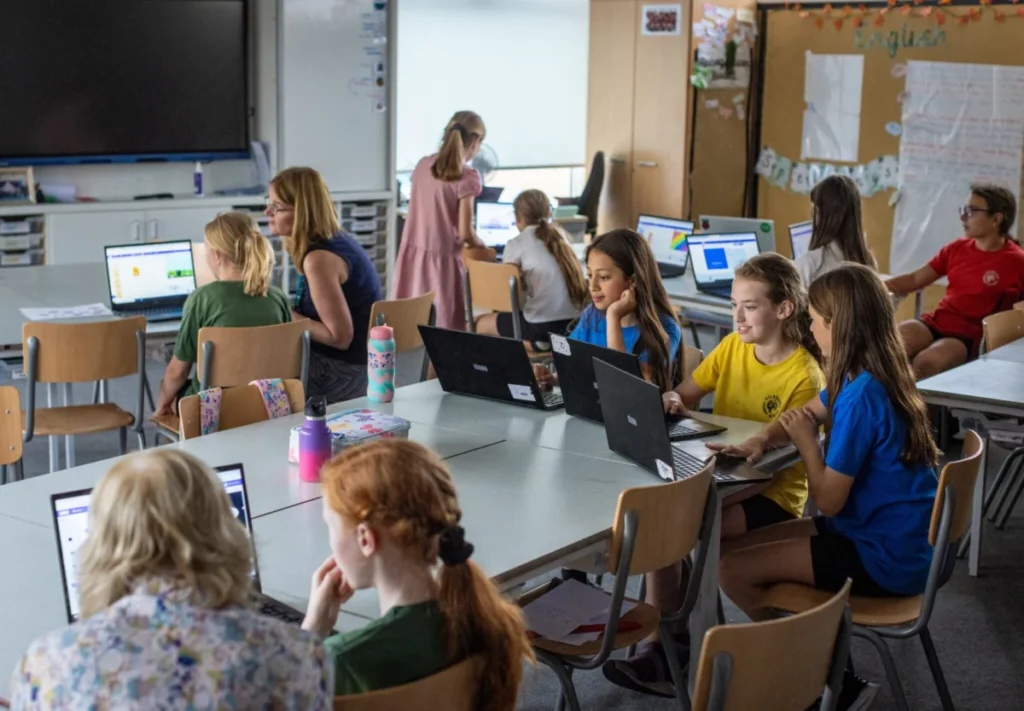
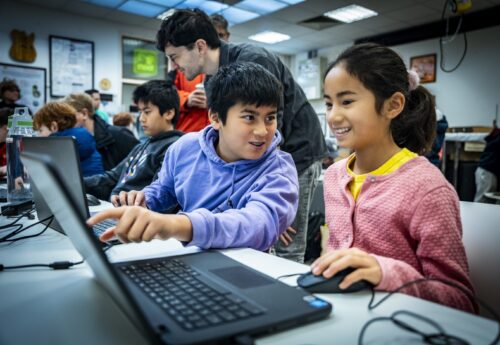
Furthermore, the social structure of these clubs promotes teamwork and communication. It is common to see young people huddled around a single screen, helping a peer troubleshoot a logic error or brainstorming the mechanics of a new digital project. These interactions culminate in public showcases, such as the "Coolest Projects" online exhibition, where participants present their creations to an audience of peers, parents, and mentors. This exposure is instrumental in building confidence, particularly for students who may not excel in traditional academic subjects but find their voice through digital creation.
Addressing the AI Imperative in Modern Education
The surge of interest in Artificial Intelligence (AI) has brought a new sense of urgency to the mission of Code Club. As Generative AI tools like ChatGPT and image synthesizers become ubiquitous, there is a growing debate regarding the necessity of learning to code. Some critics argue that if AI can write code, humans no longer need to. However, the Raspberry Pi Foundation and the UK government take a different stance: understanding the underlying logic of code is more important now than ever before.
To address this, the Foundation has integrated specific AI and data science resources into its project library. These modules are designed to demystify how AI models are trained and how they make decisions. By learning to code in the age of AI, young people gain "agency"—the ability to not just use these tools, but to question their outputs, understand their biases, and ultimately shape how they are used in society. The goal is to move students from being passive consumers of technology to informed, critical creators.
Data and Evidence: The Impact of Free Enrichment
The effectiveness of Code Club is supported by data from the Code Club Annual Survey Report. According to recent findings, a vast majority of club leaders report a noticeable increase in student confidence after just one term. Furthermore, the "completely free" nature of the program is a critical factor in its success. In an era of tightening school budgets, the ability to run a high-impact enrichment program using existing hardware—such as laptops or desktop computers already present in school labs—remains a significant draw for educators.
The Raspberry Pi Foundation’s data also highlights the role of Code Club in promoting diversity in STEM (Science, Technology, Engineering, and Mathematics). By providing a low-stakes, fun environment, the clubs attract a higher percentage of girls and students from underrepresented backgrounds compared to elective computer science courses at the secondary level. This early intervention is seen as a vital step in diversifying the future tech workforce.
The Growth Partner Initiative: A New Model for Scale
To achieve the goal of national coverage, the Raspberry Pi Foundation has launched a new support package specifically for UK multi-academy trusts (MATs) and local authorities. Recognizing that individual teachers often face time constraints, this "growth partner" model seeks to implement Code Clubs at a systemic level.
Under this initiative, partner organizations receive a comprehensive suite of free support, including:
- Dedicated training sessions for staff and volunteers to ensure they feel confident leading technical sessions.
- Access to a curated library of over 200 projects, ranging from beginner Scratch tasks to advanced Python and web development.
- Administrative tools to help track the progress and impact of clubs across multiple sites.
- Long-term support and guidance on maintaining club engagement and integrating the projects with the existing curriculum.
This strategic shift allows local authorities to standardize their enrichment offer, ensuring that students in disadvantaged areas have the same access to high-quality digital education as those in more affluent districts.
Broader Implications and Economic Impact
The implications of widespread Code Club adoption extend into the broader UK economy. The UK’s digital sector is a major engine of growth, yet it faces a persistent skills gap that costs the economy billions in lost productivity each year. By fostering an early interest in computing, Code Club acts as a "top of the funnel" mechanism, encouraging more students to pursue formal computer science qualifications at GCSE, A-Level, and university.
Moreover, the focus on "digital citizenship" ensures that even those students who do not go on to become professional software engineers are equipped with the digital fluency required for almost any modern career. From healthcare to agriculture, the ability to understand data and interact with complex digital systems is becoming a universal requirement.
Conclusion: Shaping a Future of Digital Creators
The UK government’s recognition of Code Club as a key enrichment resource is a testament to the program’s decade-long track record of success. By blending technical instruction with the development of life skills like resilience and creativity, Code Club provides a blueprint for what modern enrichment should look like.
As the Foundation moves forward with its growth partner initiative, the focus remains on accessibility and empowerment. In a world where technology is often seen as something that happens to people, Code Club provides the tools for young people to ensure that they are the ones making it happen. Through the continued support of the government, local authorities, and a dedicated network of volunteers, the vision of a Code Club in every school and library is moving closer to becoming a national reality, ensuring that the next generation is ready to thrive in the age of AI.