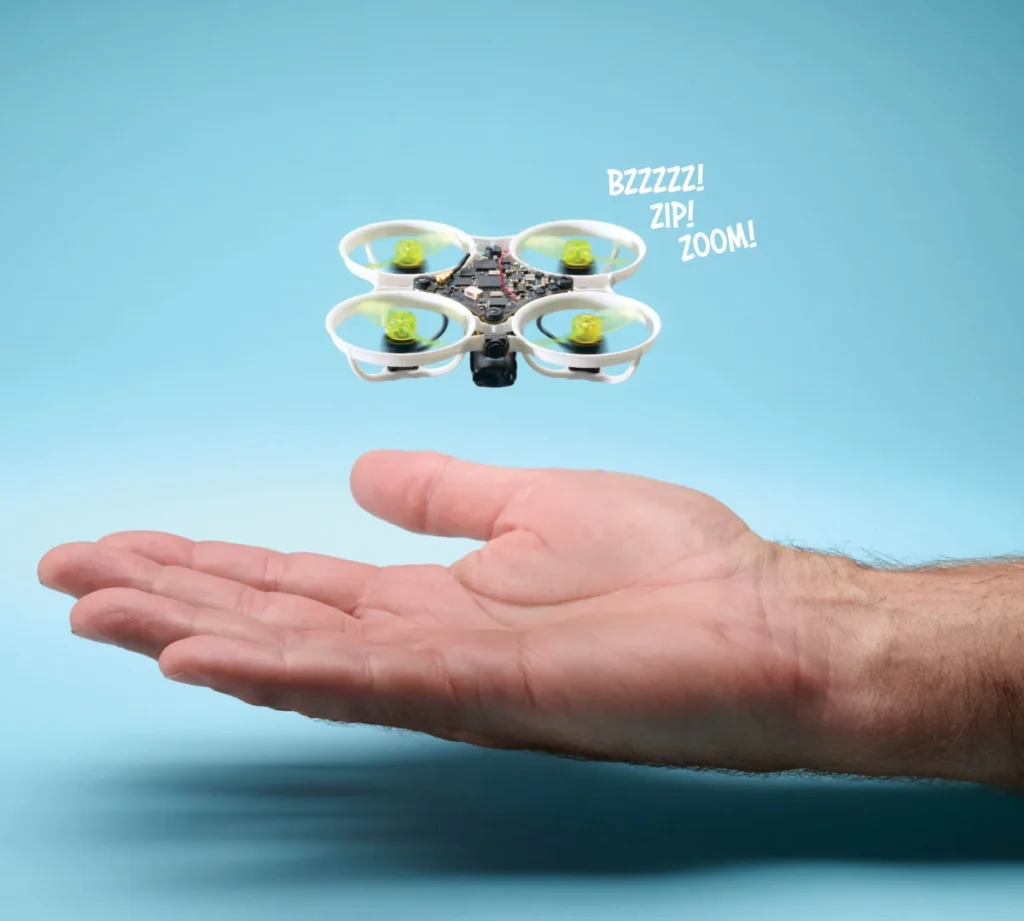
The landscape of First-Person View (FPV) drone racing has undergone a radical transformation over the last decade, shifting from large, heavy outdoor quads to high-performance micro-drones capable of navigating indoor environments with surgical precision. At the forefront of this movement is the "Whoop" class of drones—small, ducted quadcopters that prioritize safety and agility. However, as the competitive scene has matured, the demand for "ultralight" builds has become the primary focus for engineers and hobbyists alike. The pursuit of a 13.5-gram flight weight represents a significant engineering challenge, requiring the removal of every non-essential component and the optimization of every solder joint. This technical report examines the meticulous process of constructing an ultralight Whoop, utilizing advanced soldering techniques, material science, and custom electronics modifications to push the boundaries of micro-aviation.
The Evolution of the Micro-Drone Movement
The origin of the "Whoop" can be traced back to the modification of the Blade Inductrix, a toy-grade drone that pilots began equipping with tiny cameras and upgraded motors in 2016. What started as a grassroots hobby has evolved into a sophisticated industry involving specialized flight controllers, high-KV brushless motors, and carbon-fiber-reinforced polymers. In the current era, the "ultralight" philosophy dictates that even the standard plastic connectors provided by manufacturers are considered excessive weight. By moving toward a "direct-solder" approach, pilots can reduce the "dry weight" of the craft, which directly translates to improved thrust-to-weight ratios and longer battery endurance.
In professional micro-racing, the difference between a 20-gram drone and a 13-gram drone is profound. A lighter craft possesses less inertia, allowing for sharper cornering and more rapid recovery from maneuvers. Furthermore, reducing mass decreases the kinetic energy involved in crashes, significantly increasing the durability of the frame and components during high-speed indoor heats.
Phase I: Component Stripping and Weight Reduction
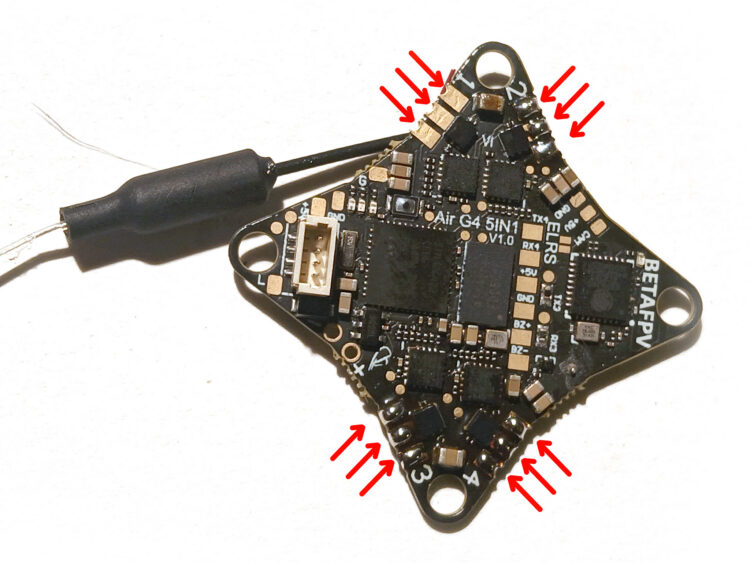
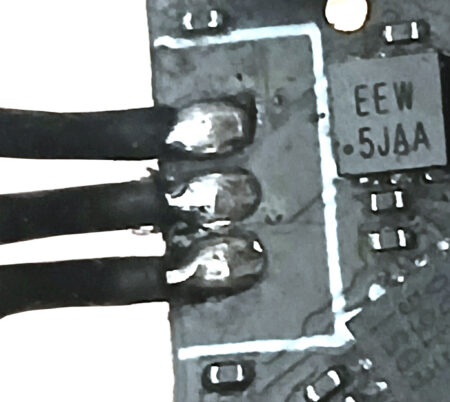
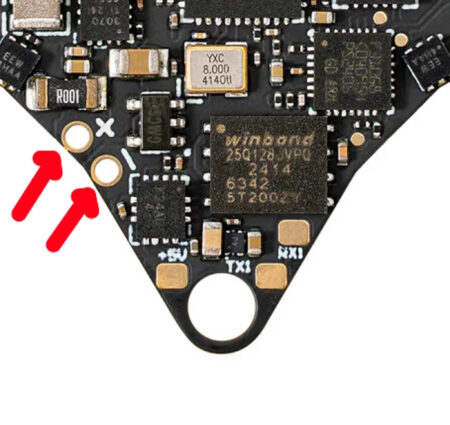
The first stage in achieving an ultralight build involves the aggressive removal of factory-installed hardware. On a standard Matrix flight controller, motor connectors are pre-installed to allow for "plug-and-play" assembly. For the ultralight enthusiast, these plastic housings and metal pins represent nearly half a gram of unnecessary mass.
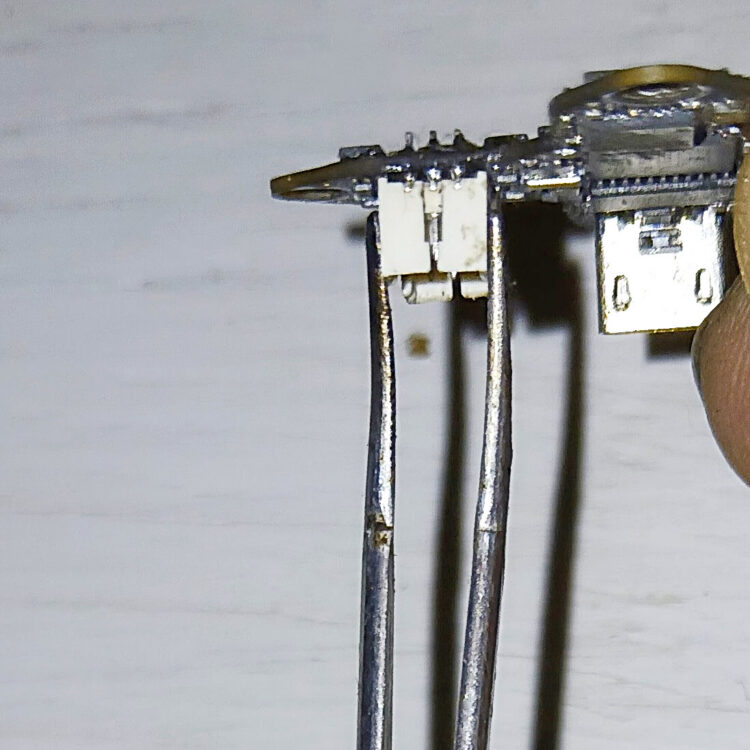
To remove these connectors without damaging the sensitive Surface Mount Device (SMD) components, engineers utilize a hobby vise or "helping hands" to stabilize the board. The application of high-quality flux is essential here, as it facilitates the heat transfer required to melt the solder across multiple pins simultaneously. A common technique involves using clamping tweezers suspended from the connector; as the soldering iron heats the joints, gravity pulls the heavy connector away from the board the moment the solder reaches its liquidus state. This ensures that the delicate copper pads on the PCB remain intact. Following removal, a solder wick is used to clean the pads, preparing them for direct motor wire integration.
Phase II: Motor Integration and Power Systems
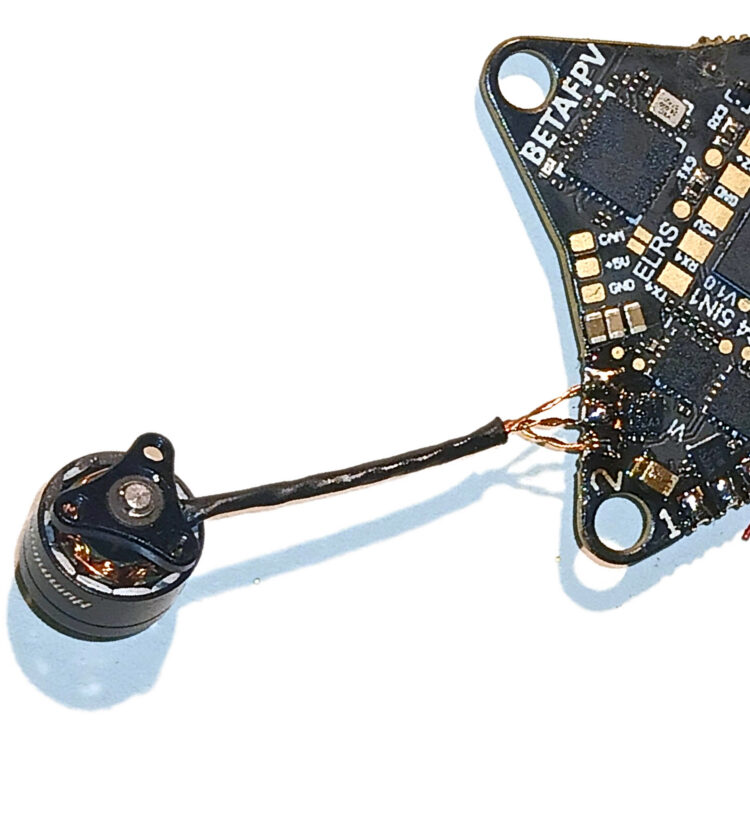
The choice of motors is critical to the performance of a 65mm Whoop frame. Modern builds typically utilize brushless motors with high KV ratings (revolutions per volt), often exceeding 20,000KV. These motors provide the high RPM necessary to generate lift from small propellers.

When attaching the motors to the flight controller, the orientation is paramount. The wires must be soldered directly to the pads where the connectors once sat. This direct-solder method not only saves weight but also reduces electrical resistance, ensuring that the motors receive the maximum possible current from the Electronic Speed Controllers (ESCs). During this phase, it is vital to maintain a clean soldering tip to avoid "cold joints," which can fail under the high-frequency vibrations generated during flight.

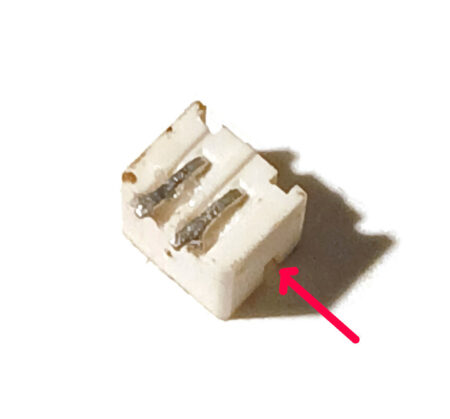
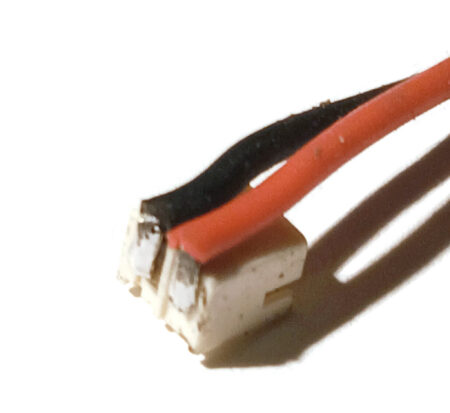
The power delivery system is further optimized by modifying the battery connector. The PH 2.0 connector is the industry standard for 1S (single-cell) batteries, but the factory-supplied wires are often too long or made of heavy insulation. By shortening the leads to exactly 1.6 inches and using fine-strand silicone wire, the builder minimizes voltage sag—a phenomenon where the battery voltage drops under load due to the resistance of the wires.
Phase III: Advanced Visual System Modifications
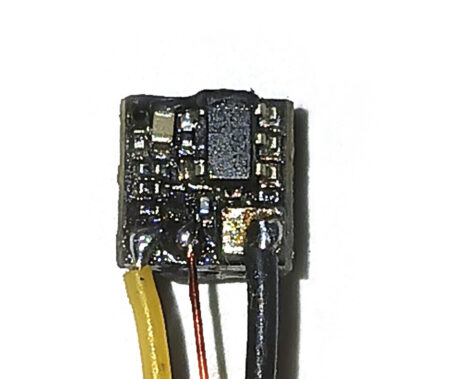
The FPV camera is the pilot’s "eyes" in the cockpit, and in the ultralight category, the visual stack must be as lean as possible. Standard cameras often come with thick, inflexible wiring that adds bulk and limits mounting options. Builders replace these with 1.3-inch silicone wires and ultra-fine enameled wire. Enameled wire, also known as magnet wire, consists of a thin copper core with a microscopic insulation layer, providing the ultimate weight-to-conductivity ratio.
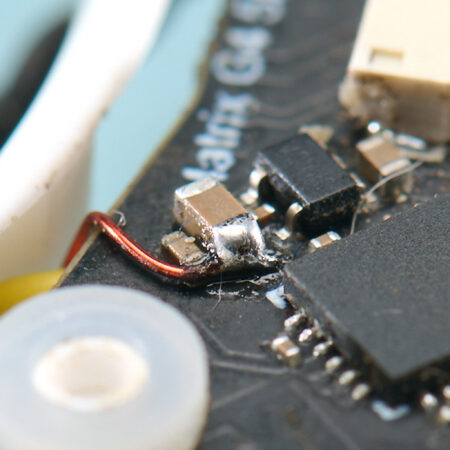
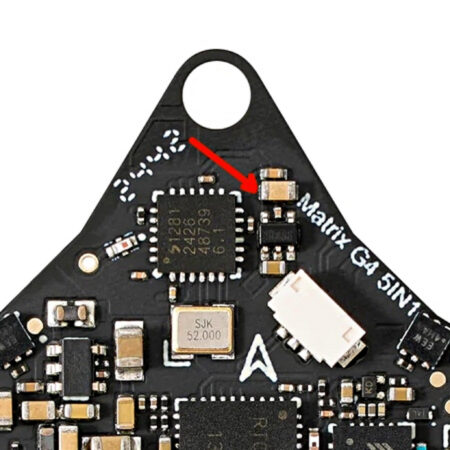
A significant technical hurdle in micro-builds is voltage compatibility. Most flight controllers are designed to output 5V for peripheral devices, yet the smallest high-performance FPV cameras often require a 3.3V power source to operate efficiently and minimize heat. Because many flight controllers do not have a dedicated 3.3V breakout pad, builders must perform a "regulator tap." This involves soldering the camera’s power lead directly to the output side of the onboard 3.3V SMD capacitor. This modification requires extreme precision, as overheating the capacitor can cause it to desolder or fail.
Furthermore, the ground wire is often soldered to the camera’s timing crystal. This is a high-risk maneuver; the crystal is a sensitive component that can easily be displaced by the heat of a soldering iron. Professional builders use a "quick-touch" method to secure the bond in under a second.
Phase IV: Structural Assembly and Material Science
The assembly of the drone involves mounting the modified components into a lightweight polymer frame. The flight controller is typically suspended on rubber grommets to dampen vibrations, which prevents "gyro noise" from interfering with the flight algorithms.
In the pursuit of the 13.5-gram goal, even the screws are scrutinized. Standard steel screws are replaced with PEEK (Polyether ether ketone) plastic screws. PEEK is a high-performance engineering thermoplastic that offers an incredible strength-to-weight ratio and is resistant to the heat generated by the motors. While robust, PEEK screws have a lower shear strength than metal, requiring builders to use calibrated torque to avoid snapping the screw heads during installation.
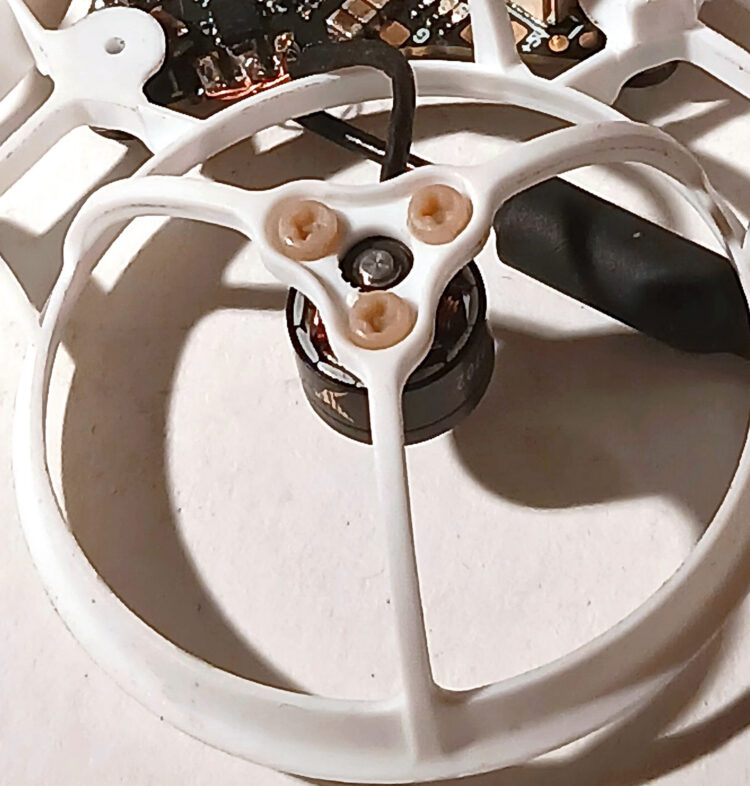
The camera is secured to the frame using E6000 industrial adhesive, a flexible glue that provides shock absorption. To save additional milligrams, any excess glue is trimmed away with an X-Acto blade once cured. Even the motor screws are trimmed to the minimum length required to engage the threads, a practice that highlights the obsessive nature of ultralight engineering.

Phase V: Signal Optimization and Propeller Dynamics
The antenna system is the final piece of the electronic puzzle. Pilots may use a pre-made "Hummingbird" antenna or construct a custom "monopole" antenna using a U.FL connector. A custom antenna must be tuned to the 5.8GHz frequency used for FPV video. This requires the silver interior wire to be cut to a precise length of 12.92mm—exactly one-quarter of the wavelength of the signal. Even a deviation of half a millimeter can result in significant signal degradation and reduced flight range.

Finally, the propellers are modified to suit the "ultralight" flight characteristics. While four-blade propellers provide more "grip" in the air, they also create more drag and draw more current. Many top-tier pilots use fingernail clippers to remove two blades from each propeller, creating a "bi-blade" configuration. This reduces the load on the motors, allowing them to spin up faster and increasing flight time, albeit at the cost of some low-end thrust.

Chronology of the Ultralight Build Process
- Preparation: Component sourcing and weight budget planning.
- De-soldering: Removal of factory motor connectors and unnecessary pins.
- Tinning: Application of solder to PCB pads and motor leads.
- Integration: Direct-soldering motors and the PH 2.0 battery lead.
- Camera Mod: Swapping factory wires for enameled wire and performing the 3.3V regulator tap.
- Structural Mount: Seating the FC on grommets and securing motors with PEEK screws.
- Signal Setup: Mounting the 5.8GHz tuned antenna.
- Weight Trimming: Snipping excess screw lengths and adhesive.
- Propeller Prep: Trimming blades and installing in a "props-out" configuration.
- Calibration: Connecting to Betaflight software for final PID tuning and motor direction verification.
Broader Impact and Industry Implications
The techniques pioneered in the DIY ultralight Whoop community have had a ripple effect across the broader drone industry. Manufacturers such as BetaFPV, HappyModel, and Foxeer have begun releasing "factory-light" versions of their products, incorporating many of the modifications—such as enameled wiring and connector-less boards—that were once the exclusive domain of hardcore makers.

The move toward 13-gram drones also makes the sport more accessible. These micro-quads can be flown safely in small apartments, allowing pilots to practice year-round regardless of weather conditions. As battery technology continues to improve, with higher-discharge "folded cell" Lipos becoming available, the performance of these tiny machines is beginning to rival that of their much larger 5-inch counterparts.

The DIY nature of these builds also serves as a vital educational tool. By building an ultralight Whoop, hobbyists gain a deep understanding of circuit theory, thermal management, and aerodynamics. As Scott Stevenson, a veteran drone builder, notes, the process is as much about the "passion for experimenting" as it is about the final flight. The ultralight Whoop is a testament to the fact that in the world of high-performance racing, sometimes less truly is more.