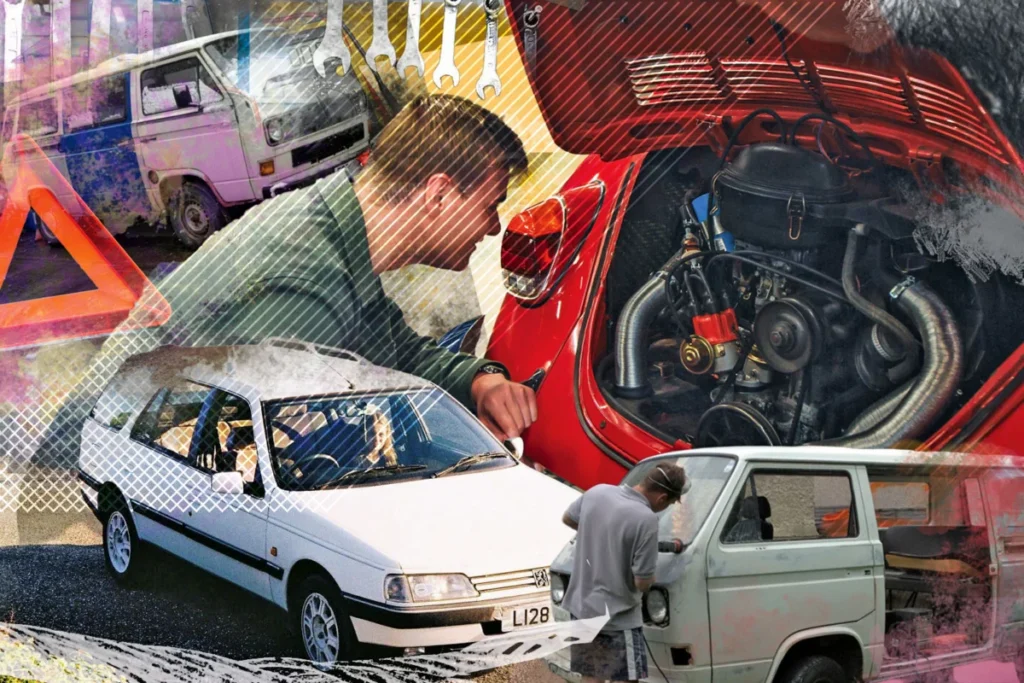
The allure of unearthing forgotten automotive treasures, often buried under layers of rust and overgrowth, has captivated a significant audience on platforms like YouTube. Channels dedicated to "barn find" restorations have seen exponential growth in viewership, transforming the often arduous process of bringing classic cars back to life into compelling digital entertainment. This phenomenon, exemplified by popular content creators such as Derek Bieri of Vice Grip Garage, raises the question: has the romanticized portrayal of these automotive resurrections inspired a new wave of enthusiasts to undertake their own classic car projects?
Derek Bieri, a mechanic from Minnesota, has gained a considerable following for his series where he ventures to remote locations to retrieve derelict classic vehicles. His content typically showcases the discovery of cars that have been dormant for decades, often in states of severe disrepair, adorned with natural debris like rat nests and moss. Bieri’s approach, frequently presented as achievable with basic tools and a determined spirit, involves meticulously cleaning, performing essential maintenance – such as replacing fuel lines and tires – and ultimately driving these resurrected machines hundreds of miles back to his workshop. The dramatic transformation from abandoned relic to a running vehicle, often accomplished within a short timeframe on camera, creates an accessible and aspirational narrative for viewers. This accessibility, however, may obscure the significant challenges and expertise often required for such endeavors.
The Rise of the Barn Find Phenomenon
The popularity of barn find content is not a recent development, but its reach and impact have been amplified by the democratizing nature of online video platforms. Prior to the widespread accessibility of platforms like YouTube, the pursuit of classic cars was often the domain of seasoned collectors and mechanics with established networks and resources. Barn find stories, while existing in automotive magazines and local lore, lacked the visual immediacy and narrative depth that video provides.
Supporting Data and Trends:
- YouTube Viewership: Channels dedicated to car restoration, particularly barn finds, consistently rank among the most viewed automotive content categories. While specific, real-time data fluctuates, it is not uncommon for individual videos to garner millions of views, with subscriber counts for prominent channels reaching into the millions. This indicates a substantial and engaged audience.
- Market Value: The value of classic cars, especially those with provenance or rarity, has seen a significant increase in recent years. The "barn find" aspect can add a layer of mystique and desirability, sometimes driving up auction prices for vehicles that have undergone such a dramatic rescue. Hagerty’s classic car price index, a widely respected benchmark, has shown consistent growth in the classic car market over the past two decades, with specific periods of accelerated growth.
- Online Communities: The rise of barn find content has fostered a proliferation of online forums, social media groups, and dedicated websites where enthusiasts share their own finds, offer advice, and discuss restoration techniques. These communities serve as both inspiration and support networks for aspiring restorers.
The Allure and Reality of Classic Car Resurrection
The appeal of a barn find is multifaceted. It taps into a sense of adventure, the thrill of discovery, and the satisfaction of bringing something old and neglected back to its former glory. For many, it represents a tangible connection to automotive history and a personal challenge. The "YouTube effect" amplifies this by presenting these rescues as achievable feats, often condensing weeks or months of labor into digestible video segments.
However, the reality of undertaking a classic car restoration, particularly from a derelict state, is often far more demanding than the on-screen portrayal suggests. Factors that contribute to the complexity include:
- Hidden Damage: Cars left to deteriorate in barns or fields are susceptible to extensive rust, structural damage, and pest infestations that may not be immediately apparent. Water ingress can lead to rot in the chassis, bodywork, and interior, requiring significant fabrication and repair.
- Mechanical Complexity: Older vehicles, while mechanically simpler in some respects than modern cars, still require specialized knowledge and tools for diagnosis and repair. Sourcing original or suitable replacement parts can be a significant challenge, often involving extensive searching through junkyards, online marketplaces, or specialist suppliers.
- Cost and Time Investment: Even seemingly straightforward restorations can quickly escalate in cost due to unforeseen issues, the need for specialized labor (e.g., bodywork, upholstery), and the acquisition of rare parts. The time commitment is also substantial, often requiring hundreds or even thousands of hours.
- Legal and Regulatory Hurdles: Depending on the location, there can be legal requirements related to vehicle registration, emissions standards (though often less stringent for classic vehicles), and roadworthiness inspections that must be met before a resurrected car can be legally driven.
Expert Perspectives and Industry Reactions
While the online popularity of barn find content is undeniable, industry professionals and experienced restorers often offer a more nuanced perspective.
"The YouTube channels are fantastic for inspiring people and showcasing the passion that exists for classic cars," commented Sarah Jenkins, owner of ‘Vintage Motors Restoration,’ a specialist workshop with over 20 years of experience. "They bring a level of excitement to the hobby that perhaps hasn’t been seen before. However, it’s crucial for aspiring restorers to understand that what’s presented in a 20-minute video is the tip of the iceberg. The hours spent researching, the frustration of finding a rare part, the sheer physical labor – that’s often not fully conveyed. We see many individuals come to us after trying to tackle a project themselves, realizing the scope of what’s involved."
Jenkins also highlighted the potential for valuable vehicles to be irrevocably damaged by inexperienced hands. "There’s a fine line between a charming resurrection and well-intentioned but ultimately destructive tinkering. Sometimes, a car is too far gone, or the approach taken by an amateur can cause more harm than good, diminishing its historical value and potential for a proper restoration."
The Broader Impact and Implications
The widespread appeal of barn find restorations on YouTube has several broader implications for the classic car community and the automotive hobby:
- Democratization of Interest: These platforms have made classic cars more accessible and relatable to a wider audience, potentially drawing in younger generations who might not have previously engaged with the hobby. This influx of new enthusiasts could be vital for the long-term sustainability of classic car culture.
- Preservation vs. Modification: The "YouTube method" often involves a pragmatic approach to getting a car running, sometimes with period-appropriate but not necessarily concours-level originality. This can lead to debates within the community about the best way to preserve automotive heritage – whether through strict adherence to original specifications or through functional restorations that allow the cars to be enjoyed.
- Economic Opportunities: The demand for classic car parts, restoration services, and specialized tools has likely been bolstered by the increased interest. This can create economic opportunities for small businesses and individuals within the classic car ecosystem.
- Ethical Considerations: As the popularity of barn finds grows, so does the potential for unethical practices, such as misrepresenting a car’s condition or origin, or the "flipping" of recently discovered vehicles without proper restoration. Educating the public about responsible sourcing and restoration practices becomes increasingly important.
Is it Time for Your Own Classic Resurrection?
The answer to whether it’s time to embark on your own classic car resurrection is complex and depends heavily on individual circumstances, resources, and expectations. The inspiration derived from online content is a powerful starting point, but it should be tempered with a realistic understanding of the commitment involved.
Key considerations for aspiring barn find restorers:
- Realistic Assessment: Before acquiring a vehicle, thoroughly assess your skills, available time, budget, and workspace. Start with a project that aligns with your capabilities.
- Thorough Research: Understand the specific model you are interested in, its common issues, parts availability, and the typical restoration process.
- Budget Wisely: Factor in not just the purchase price of the car, but also the cost of tools, parts, potential professional assistance, and unexpected expenses. A common rule of thumb in restoration is to double your initial budget estimate.
- Community Support: Engage with online forums, local car clubs, and experienced restorers. Networking can provide invaluable advice, support, and access to parts.
- Patience and Persistence: Classic car restoration is a marathon, not a sprint. Embrace the challenges, celebrate small victories, and be prepared for setbacks.
The world of barn find classic cars, as showcased on platforms like YouTube, offers a captivating glimpse into automotive history and the dedication required to preserve it. While the digital narratives may simplify the journey, the underlying passion for these mechanical marvels is undeniable. For those inspired to participate, a well-researched, realistic, and patient approach is the most reliable path to a successful classic resurrection. The reward, beyond a running vintage vehicle, is the profound satisfaction of having breathed new life into a piece of automotive heritage.