A significant advancement in therapeutic delivery systems has emerged from a collaborative effort at MIT, Brigham and Women’s Hospital, and the Broad Institute of MIT and Harvard. Researchers have developed an innovative platform designed to facilitate the direct, targeted delivery of drugs to the esophagus, addressing a long-standing challenge in treating a range of debilitating esophageal conditions. This breakthrough promises to enhance treatment efficacy while significantly mitigating the systemic side effects associated with current therapeutic approaches, particularly immunosuppressants.
"There are many people with esophageal disease, and if you look at drugs for these conditions, they’re very limited in their ability to target this part of the body and it’s very difficult to develop them. We hope this platform will make it easier to develop systems that can help patients suffering from these conditions," stated Giovanni Traverso, an associate professor of mechanical engineering at MIT, a gastroenterologist at Brigham and Women’s Hospital, and an associate member of the Broad Institute of MIT and Harvard. Traverso served as the senior author of the comprehensive new study, which was published today in the esteemed journal Nature Biomedical Engineering. The lead author of the pivotal paper is Christina Karavasili, formerly an MIT postdoc and now an assistant professor at Aristotle University of Thessaloniki in Greece.
The Unmet Clinical Need: A Barrier to Effective Treatment
The esophagus, a muscular tube connecting the throat to the stomach, plays a critical role in digestion. However, it is susceptible to various inflammatory and structural disorders that can severely impair a patient’s quality of life. Among the most prevalent is eosinophilic esophagitis (EoE), a chronic allergic inflammatory disease of the esophagus characterized by the infiltration of eosinophils, a type of white blood cell. EoE, often triggered by food allergies, leads to inflammation, swelling, and scarring, causing the esophagus to narrow and stiffen. This results in dysphagia (difficulty swallowing), food impaction, and chest pain, affecting an estimated 1 in 2,000 individuals in the United States, with increasing prevalence globally. Another condition that can affect the esophagus is Crohn’s disease, a chronic inflammatory bowel disease that can manifest anywhere along the gastrointestinal tract, including the esophagus, albeit less commonly than in the intestines. When Crohn’s affects the esophagus, it can lead to similar inflammatory symptoms and structural changes as EoE.
Current treatments for these esophageal disorders primarily rely on systemic drugs, which are administered orally or intravenously and circulate throughout the entire body. A prominent example is infliximab, an antibody that neutralizes tumor necrosis factor-alpha (TNF-alpha), a potent inflammatory protein. While highly effective in modulating the immune response, infliximab and similar systemic immunosuppressants carry substantial risks. By broadly suppressing the immune system, these drugs can significantly increase a patient’s susceptibility to infections, from common colds to more severe opportunistic pathogens. They can also lead to other systemic health problems, including infusion reactions, liver enzyme elevations, and a potential increased risk of certain malignancies. The systemic nature of these drugs means that therapeutic benefits are often accompanied by undesirable side effects in tissues not directly targeted by the disease.
The challenge of delivering drugs directly to the esophageal tissue is multifaceted. Orally ingested medications typically pass through the esophagus rapidly, limiting the contact time required for local absorption. Furthermore, the esophagus is lined by a specialized protective tissue called stratified squamous epithelium. This layer, akin to the skin’s outer layer, is remarkably impermeable, acting as a robust barrier against the penetration of foreign substances, including therapeutic molecules. This inherent impermeability, while crucial for protecting the underlying tissues from ingested food and stomach acid, simultaneously poses a significant hurdle for drug absorption.
Alternative local delivery methods have also presented their own set of limitations. Injecting drugs directly into the esophageal tissue, for instance, requires endoscopic procedures, which are uncomfortable and invasive for patients, necessitating repeated visits to a doctor’s office. While some anti-inflammatory steroid drugs are formulated as viscous mixtures designed to prolong their contact with the esophageal lining after swallowing, their effectiveness is still hampered by the impermeability of the squamous epithelial layer, preventing adequate penetration into the diseased tissue. This landscape of limited and challenging treatment options underscored the urgent need for a novel, patient-friendly, and effective drug delivery system.
A Novel Approach: Mimicking and Overcoming the Esophageal Barrier
Recognizing these profound challenges, the research team embarked on a mission to develop new drug formulations capable of enhancing the permeability of esophageal cells, thereby allowing a greater quantity of the therapeutic agent to reach the target tissue. Their strategy centered on identifying specific molecules, known as excipients, which are inactive ingredients that can improve drug delivery characteristics without exerting their own pharmacological effects.
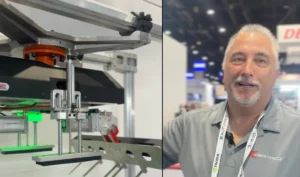
To systematically screen for these permeability-enhancing excipients, the researchers ingeniously designed a sophisticated in vitro screening system that faithfully mimics the complex structure and barrier function of the human esophagus. This innovative system comprises actual esophageal tissue precisely pressed between two vertical plates. Drug formulations, suspended in various carriers, can then be introduced into the top of this system, accurately simulating the process of oral ingestion. Critically, the system incorporates collection wells at the bottom, allowing researchers to precisely quantify how much of the drug successfully traverses the esophageal tissue and reaches the underlying layers.
This robust and high-throughput screening platform enabled the systematic evaluation of approximately 100 different compounds. Through this rigorous process, several promising candidates were identified that demonstrated an initial ability to enhance esophageal permeability. The research then progressed to an even more refined stage: testing combinations of these top candidates to identify synergistic effects. This meticulous combinatorial screening led to a pivotal discovery: the most effective combination for enhancing permeability was a pair of naturally occurring bile salts, specifically sodium chenodeoxycholate and sodium cholate.
The Breakthrough Mechanism: Bile Salts and Hydrogel Synergy
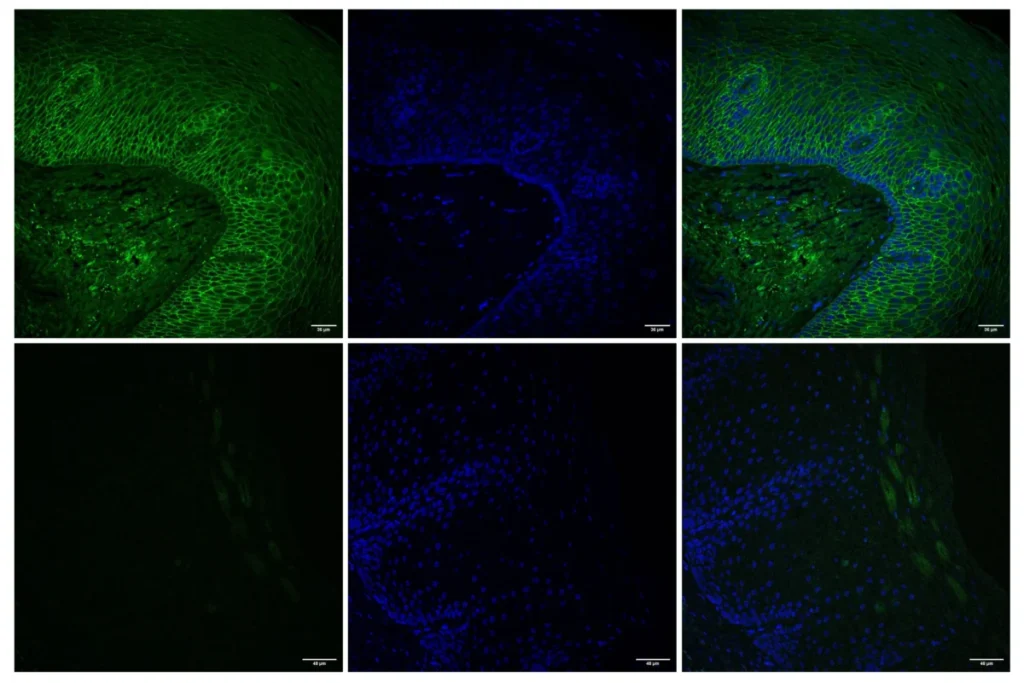
The identification of these bile salts marked a critical turning point. The researchers theorized that these salts could temporarily modulate the tight junctions between esophageal cells. These cell-cell junctions are crucial structural components that normally seal the spaces between adjacent epithelial cells, forming a formidable barrier against the passage of molecules. By interacting with these junctions, the bile salts could create transient, permissive pathways, allowing larger drug molecules to pass through.
To maximize the therapeutic potential of this discovery, the researchers integrated the permeability-enhancing bile salts into a polysaccharide-derived hydrogel. This hydrogel possesses a carefully calibrated viscous consistency, designed to adhere lightly to the lining of the esophagus after being swallowed. This adherence is critical for ensuring prolonged contact time between the drug formulation and the esophageal tissue, a significant improvement over rapidly passing oral liquids.
Christina Karavasili elaborated on the dual function of this innovative formulation: "The hydrogel helps the formulation remain on the esophageal surface for longer, while the bile salts help increase transport across the tissue. Our data suggest that the bile salts temporarily loosen these cell-cell junctions, mainly by interacting with calcium ions that help maintain junction integrity. This creates a more permissive pathway between the cells, allowing larger molecules to move into the mucosal tissue more efficiently." The interaction with calcium ions is particularly noteworthy, as calcium plays a vital role in maintaining the structural integrity and stability of these intercellular junctions. By temporarily disrupting this calcium-mediated stability, the bile salts effectively create a reversible "gate" for drug entry.
Pre-clinical Validation and the Promise of Reduced Side Effects
The efficacy and safety of this novel drug delivery system were rigorously evaluated in animal models. These pre-clinical tests demonstrated that the hydrogel-bile salt formulation could effectively deliver infliximab directly to the esophageal tissue. This targeted delivery achieved therapeutic concentrations at the site of inflammation, bypassing the need for systemic circulation. Crucially, the studies also yielded reassuring findings regarding the reversibility of the permeability enhancement. The loosening of the cell-cell junctions induced by the bile salts was found to be temporary, with the cells returning to their normal barrier function within approximately three days. This temporary and reversible effect is paramount for safety, ensuring that the natural protective barrier of the esophagus is not permanently compromised.
This ability to deliver potent drugs like infliximab directly to the esophagus, while minimizing systemic exposure, represents a paradigm shift in the management of chronic esophageal inflammatory conditions. "We were interested in delivering anti-TNFs as a model drug, but also to help people who suffer from conditions like Crohn’s disease to have options that could be delivered to the site," Traverso emphasized. "If we have the possibility of site-directed delivery, we may be able to mitigate systemic side effects from these immunosuppressing agents." The reduction of systemic side effects, such as the increased risk of infections associated with broad immunosuppression, could profoundly improve patient safety, adherence to treatment, and overall quality of life. Patients suffering from conditions like esophageal Crohn’s, who currently face limited options and significant systemic risks, stand to benefit immensely from such a localized therapy.
Broader Impact and Future Horizons
The development of this novel drug delivery platform extends far beyond the immediate application of infliximab for EoE or esophageal Crohn’s. The researchers envision this as a versatile "platform to enable the development of drug-delivery systems for the esophagus, which hasn’t been possible before because the tools haven’t existed," as Traverso articulated. This means the system could potentially be adapted to deliver a wide array of therapeutic agents, including other biologics, small molecule anti-inflammatories, or even gene therapies, directly to the esophageal lining.
The research team is actively engaged in further optimizing the formulation for eventual testing in human subjects. A key focus is to fine-tune the hydrogel’s adherence properties – ensuring it remains on the esophageal surface long enough for effective drug delivery, yet not so long as to cause patient discomfort or interfere with normal swallowing. This delicate balance is crucial for patient compliance and overall therapeutic success. Beyond the esophagus, the fundamental principles underlying this platform – particularly the temporary modulation of epithelial barriers using excipients – could potentially be applied to other mucosal surfaces in the body that present similar drug delivery challenges, such as the small intestine or colon.
The implications for patient care are significant. By offering a targeted approach, this platform could lead to:
- Improved Efficacy: Higher drug concentrations at the site of disease, potentially leading to better control of inflammation.
- Reduced Side Effects: Minimizing systemic exposure to powerful drugs, thereby lowering the risk of generalized immunosuppression and other adverse events.
- Enhanced Patient Convenience: A non-invasive, orally administered treatment could replace uncomfortable injections or less effective systemic therapies.
- Broader Therapeutic Window: Allowing for the use of drugs that might otherwise be deemed too toxic for systemic administration due to their side effect profiles.
This research was made possible through the generous support of several key organizations, including the Karl van Tassel Career Development Professorship, the Department of Mechanical Engineering at MIT, the Division of Gastroenterology at Brigham and Women’s Hospital, and the U.S. Advanced Research Projects Agency for Health (ARPA-H). ARPA-H, a relatively new agency established to accelerate breakthrough health research, plays a crucial role in funding high-risk, high-reward projects that have the potential for transformative impact on human health. Their support underscores the perceived significance and potential of this innovative drug delivery system. It is important to note, as ARPA-H states, that the views and conclusions presented in this article are those of the authors and do not necessarily represent the official policies of the United States government.
The journey from a laboratory discovery to a widely available clinical treatment is often long and arduous, involving rigorous clinical trials to confirm safety and efficacy in humans, followed by regulatory approval. However, this foundational research marks a pivotal step forward, offering a beacon of hope for millions suffering from chronic esophageal conditions and paving the way for a new era of localized, targeted therapies.