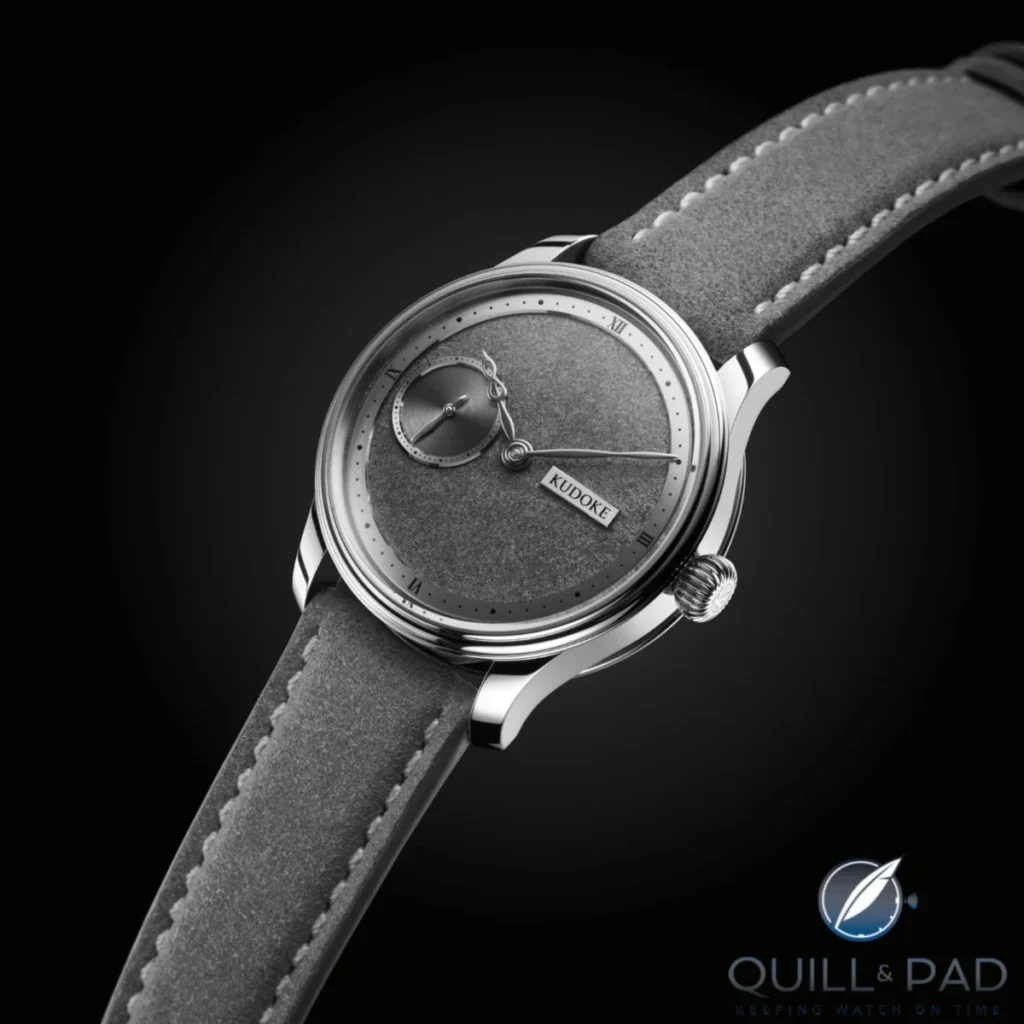
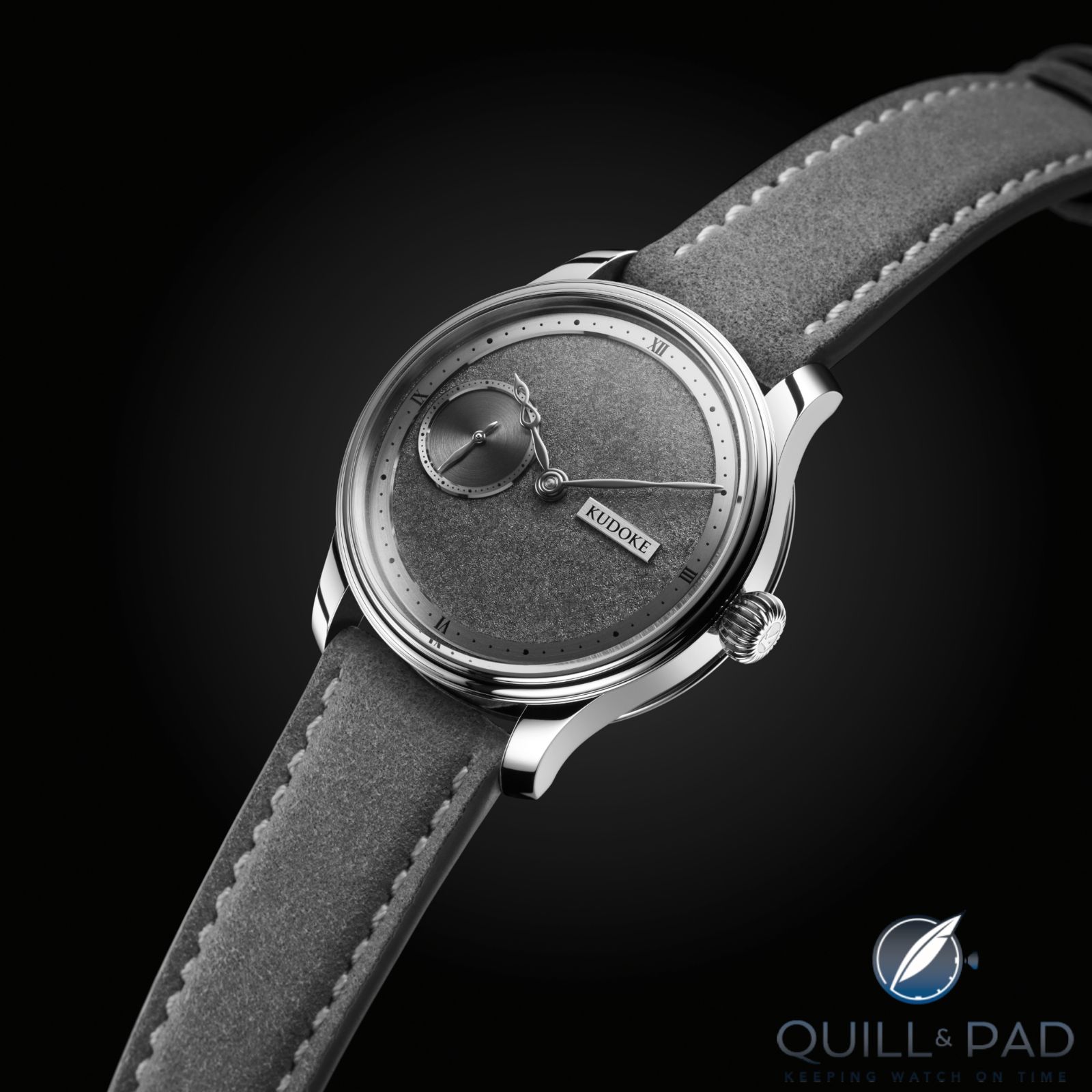
In early April 2026, Kudoke unveiled the Tremblage versions of its renowned Kudoke 1 and Kudoke 2 models, extending the artistic flair of its Handwerk collection. These new iterations are distinguished by their striking dials, meticulously adorned with traditional, centuries-old hand-engraving techniques, a hallmark that now graces the brand’s leading timepieces. This sophisticated application of tremblage engraving elevates the aesthetic of the Kudoke watches, offering collectors a unique blend of horological craftsmanship and artistic expression.
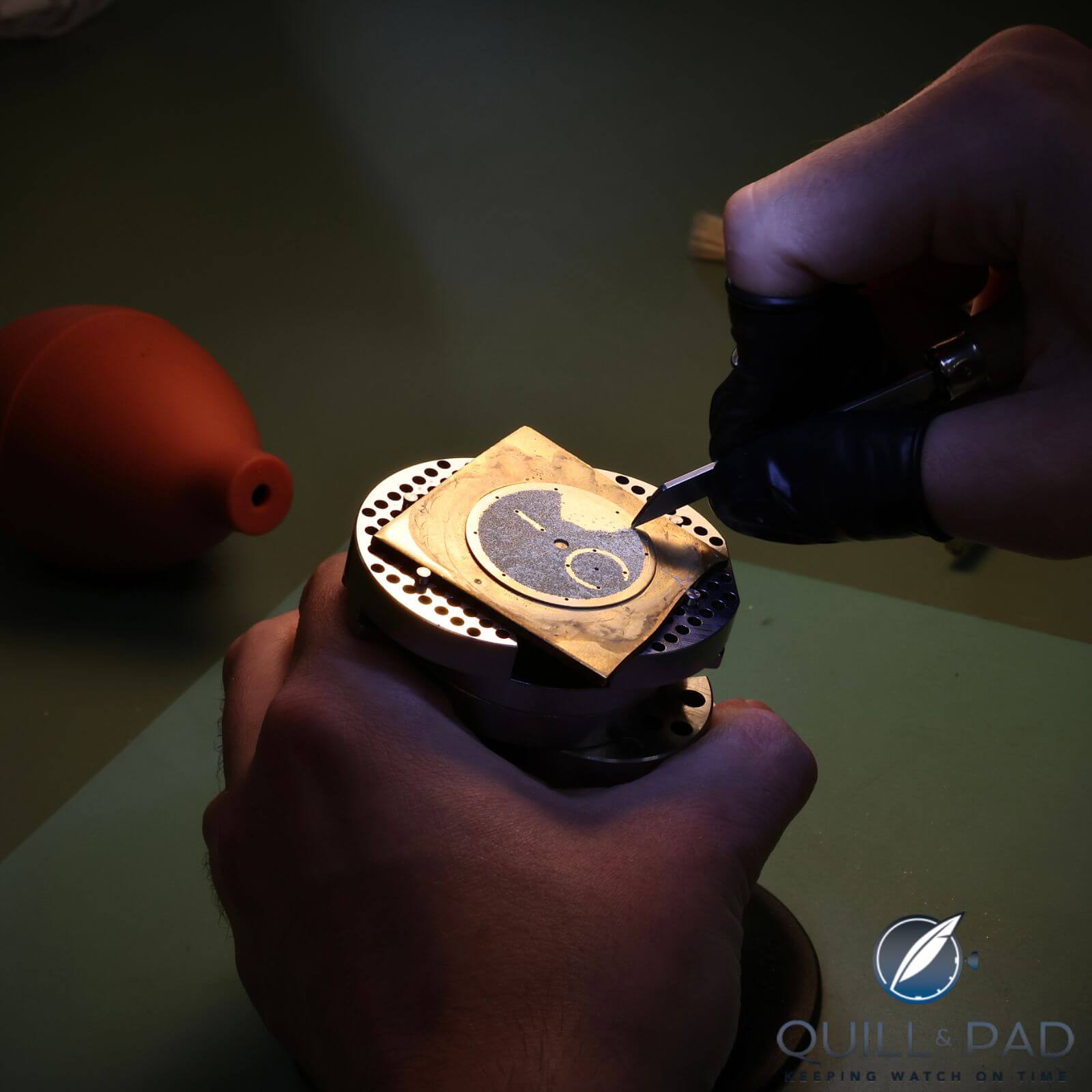
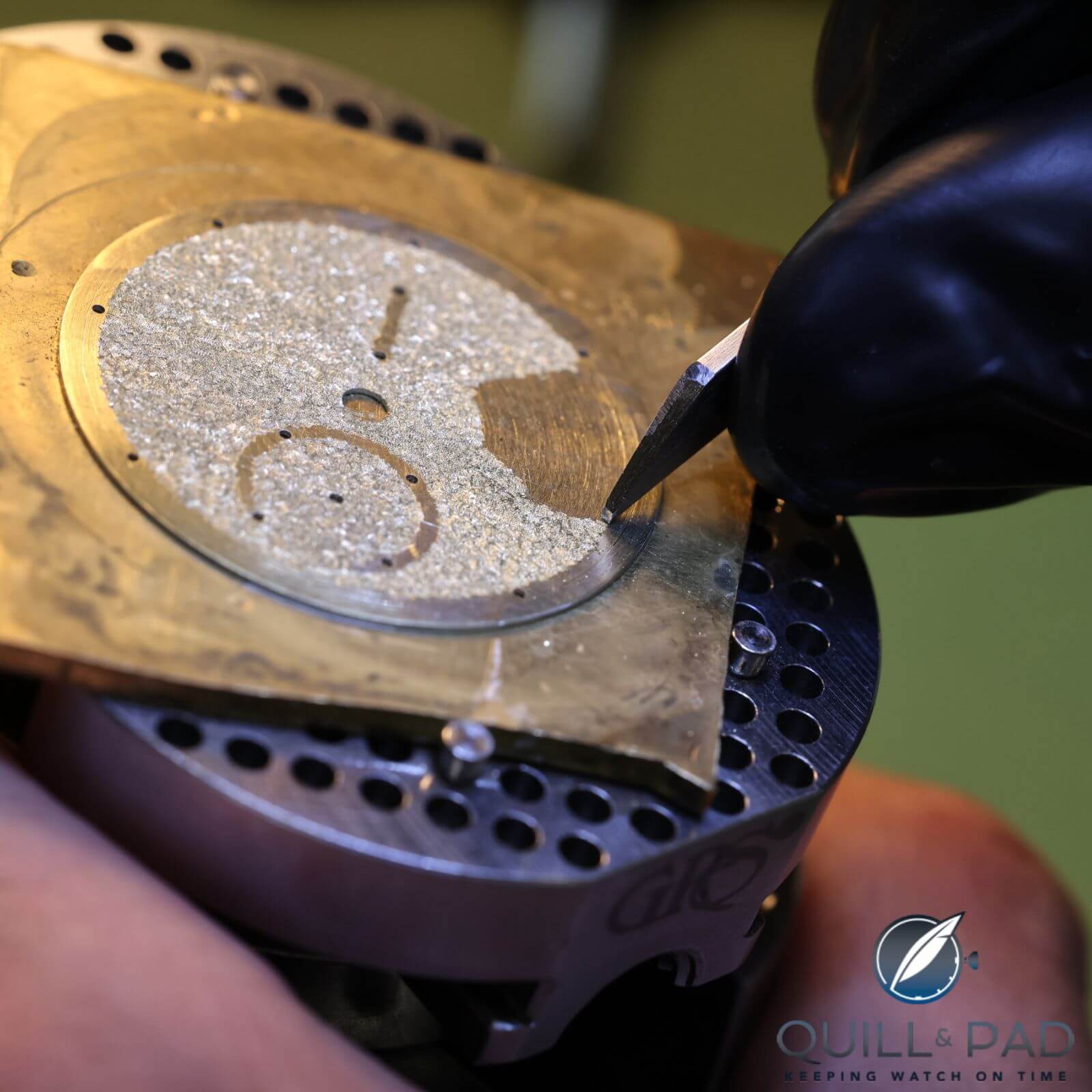
The art of tremblage, a demanding decorative technique, sets itself apart from other engraving methods through the unique texture it creates. Unlike traditional engravings that produce clearly structured images, whether figurative motifs or precise geometric ornaments like guilloché, tremblage utilizes a burin to generate a uniform yet seemingly chaotic texture across the treated surface. Achieving this distinctive, granulated appearance requires an oscillating burin to traverse each section of the surface numerous times, in varying directions. This process, while yielding a visually captivating and tactile finish, presents a significant challenge to the engraver, demanding exceptional skill and considerable time. The result is a dial that possesses a depth and character unlike any other.
The Emergence and Evolution of Tremblage in Watchmaking
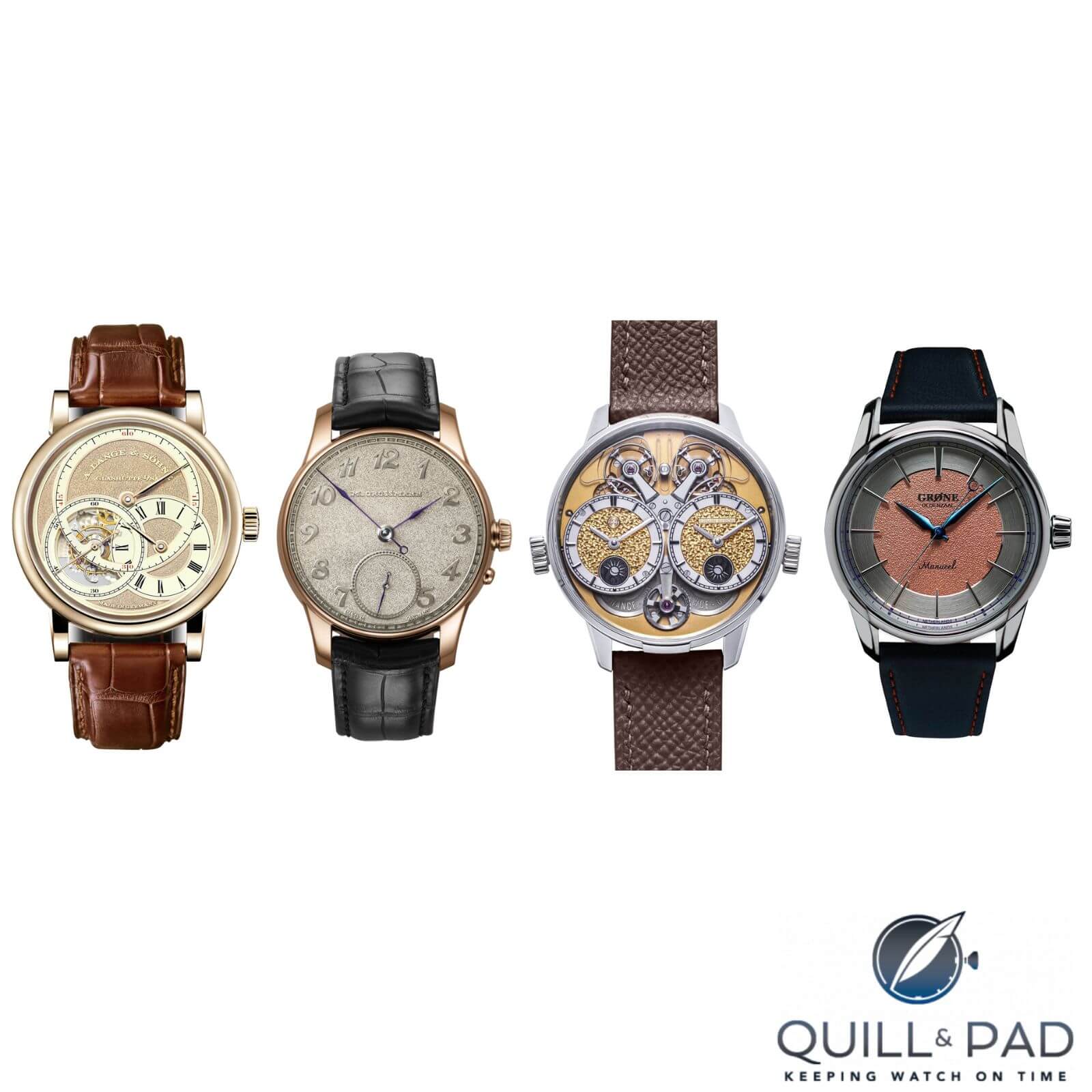
The rarity of brands employing the tremblage technique is understandable given its labor-intensive nature. A. Lange & Söhne is credited with bringing this ancient art form into modern haute horlogerie, notably gracing select models within their exclusive Handwerkskunst line, known for its extremely limited production runs. The pioneering timepiece to feature tremblage was the Richard Lange Tourbillon “Pour le Mérite” Handwerkskunst Ref. 761.050, introduced in 2011. Only fifteen examples of this exquisite watch were produced, establishing a precedent for the technique’s use in high-end watchmaking.
Following in the footsteps of this prestigious German manufacturer, Moritz Grossmann, a neighboring manufacture in Glashütte, introduced its own Tremblage series in 2021. These watches featured dials crafted from nickel silver, where the tremblage engraving interacted with the inherent properties of the material to produce unpredictable color shifts as a patina developed over time. Moritz Grossmann has since expanded its Tremblage line significantly, now encompassing at least four core designs, including the Backpage Tremblage, the Tourbillon Tremblage, the Tremblage Gold (which surprisingly also includes a platinum variant), and the Tremblage Green. This strategic diversification appears to be paying dividends, with Moritz Grossmann’s Tremblage models now appearing more frequently in online listings than those of the original pioneer, A. Lange & Söhne.
The "tremblage club" continued to grow. In 2024, Grönefeld’s sub-brand, Manueel One, joined the ranks with its own interpretation of the technique. This was followed in 2025 by Armin Strom with the Armin Strom “Revolution Dual Time GMT Resonance ‘Tremblage’” watch, a piece reportedly limited to just five examples. The year 2026 saw Stefan Kudoke add his distinctive touch to the art form with the aforementioned tremblage versions of the Kudoke 1 and Kudoke 2.
Stefan Kudoke’s Innovative Approach to Tremblage
Stefan Kudoke, an independent watchmaker known for his ability to deliver collector-grade timepieces at accessible price points, has approached the tremblage technique with characteristic ingenuity. His strategy for achieving the desired texture efficiently and cost-effectively involves several key elements. Firstly, Kudoke utilizes a brass plate as the base for his dials, foregoing more expensive materials like solid gold or German silver. Secondly, the design is based on a flat plate, which is subsequently electroplated and fitted with appliqués. This construction method simplifies the engraving process, as areas adjacent to the appliqués do not require meticulous finishing right up to the edge, as these margins are ultimately concealed beneath the applied elements. Finally, Kudoke employs a serrated burin for the engraving. This specialized tool allows him to achieve a consistent tremblage texture significantly faster than with traditional methods.
In his tremblage dial production, Stefan Kudoke prioritizes the visual impact of the technique. The Kudoke 1 model features the main tremblage dial complemented by a small seconds subdial at the 9 o’clock position. The Kudoke 2 model incorporates the tremblage dial with a day/night indicator. This focused application ensures that the defining characteristic of the tremblage finish is prominently displayed.
The uniform, chaotic texture created by tremblage imparts a distinctive aesthetic to the watches, lending them a character that transcends typical decorative timepieces. The matte finish achieved through this technique brings these watches into proximity with a military-inspired style, presenting a finish that is both austere and robust, rather than overly ornate.
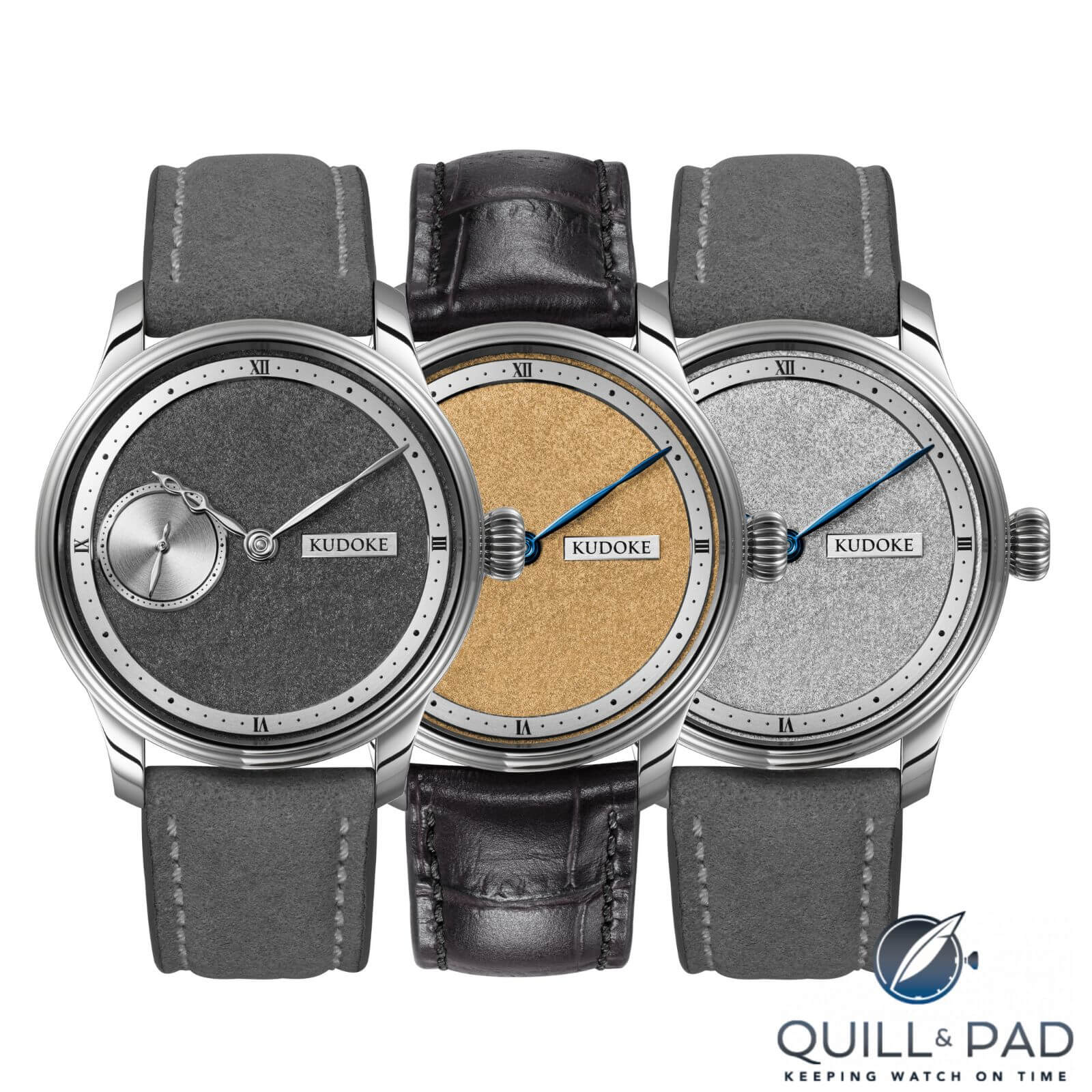
Kudoke offers his Kudoke 1 Tremblage in three distinct variations, each featuring gold-plated, rhodium-plated, and black rhodium-plated dials. All three are compelling, but the versions with blued hands particularly stand out. These hands add an additional, fittingly archaic note, largely due to their well-chosen spade-and-whip shapes. These hand styles first appeared in the late 18th century, with John Arnold being one of the first watchmakers to regularly incorporate them in the 1770s. The double-ended hour hand on the Kudoke 1, intended by Kudoke to resemble a horizontal figure eight – the infinity symbol – also evokes the double-spade hour hand found on traditional half-hunter pocket watches, a design element that would, arguably, further enhance the watch if paired with a half-hunter case cover.
The Heart of the Matter: Kudoke’s Kaliber 1 Movement
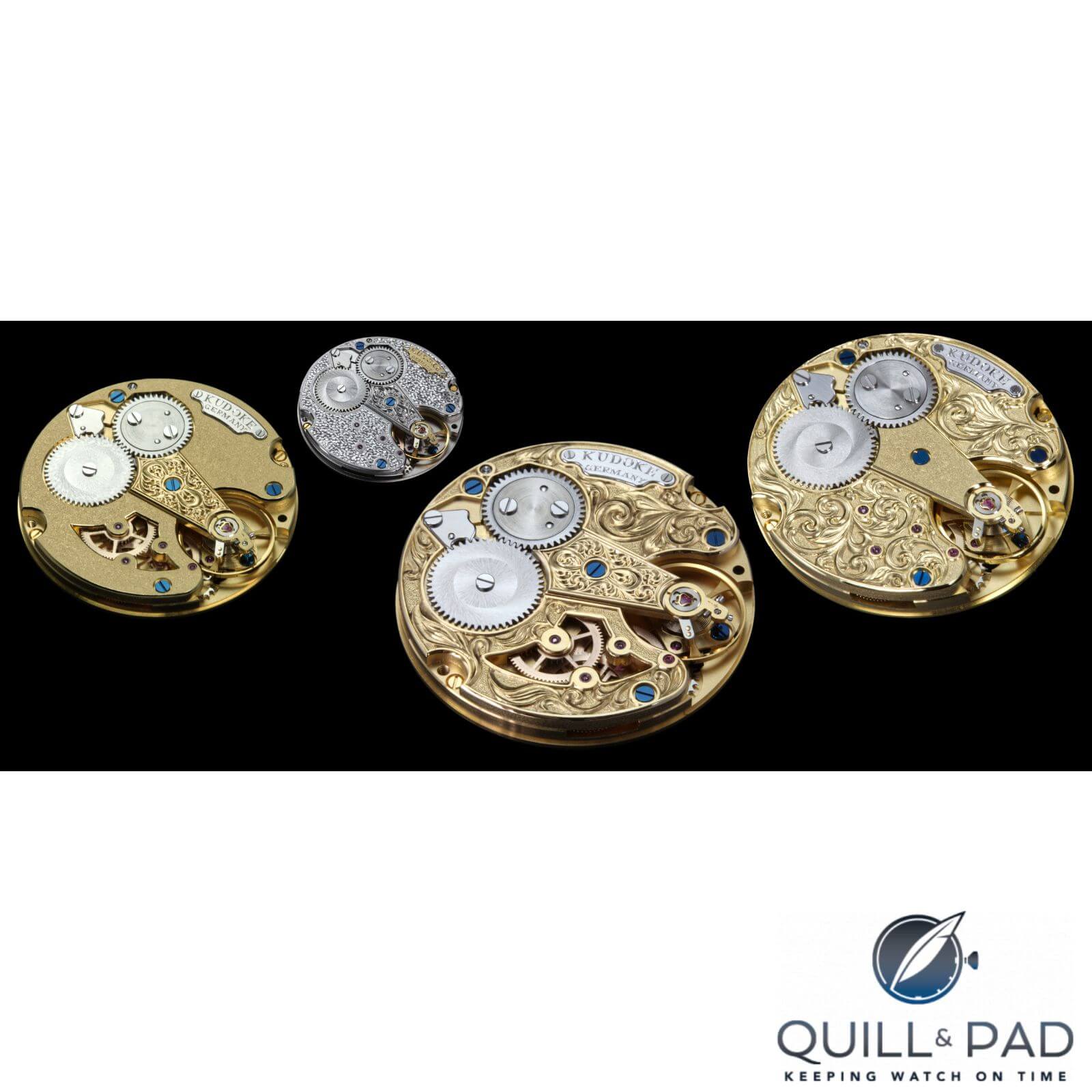
When examining a watch from a small, independent, and creative brand, the natural inclination is to admire the movement visible through the sapphire caseback. It is always a welcome discovery to find a specialized caliber that deviates from the ubiquitous ETA/Unitas 6497/6498, SW200/300, or other mass-produced options, which, while capable, represent a more standardized approach. Kudoke’s flagship Handwerk collection, however, is built around precisely such a specialized caliber, simply named Kaliber 1. This movement shares no commonality with industrial, mass-produced calibers.
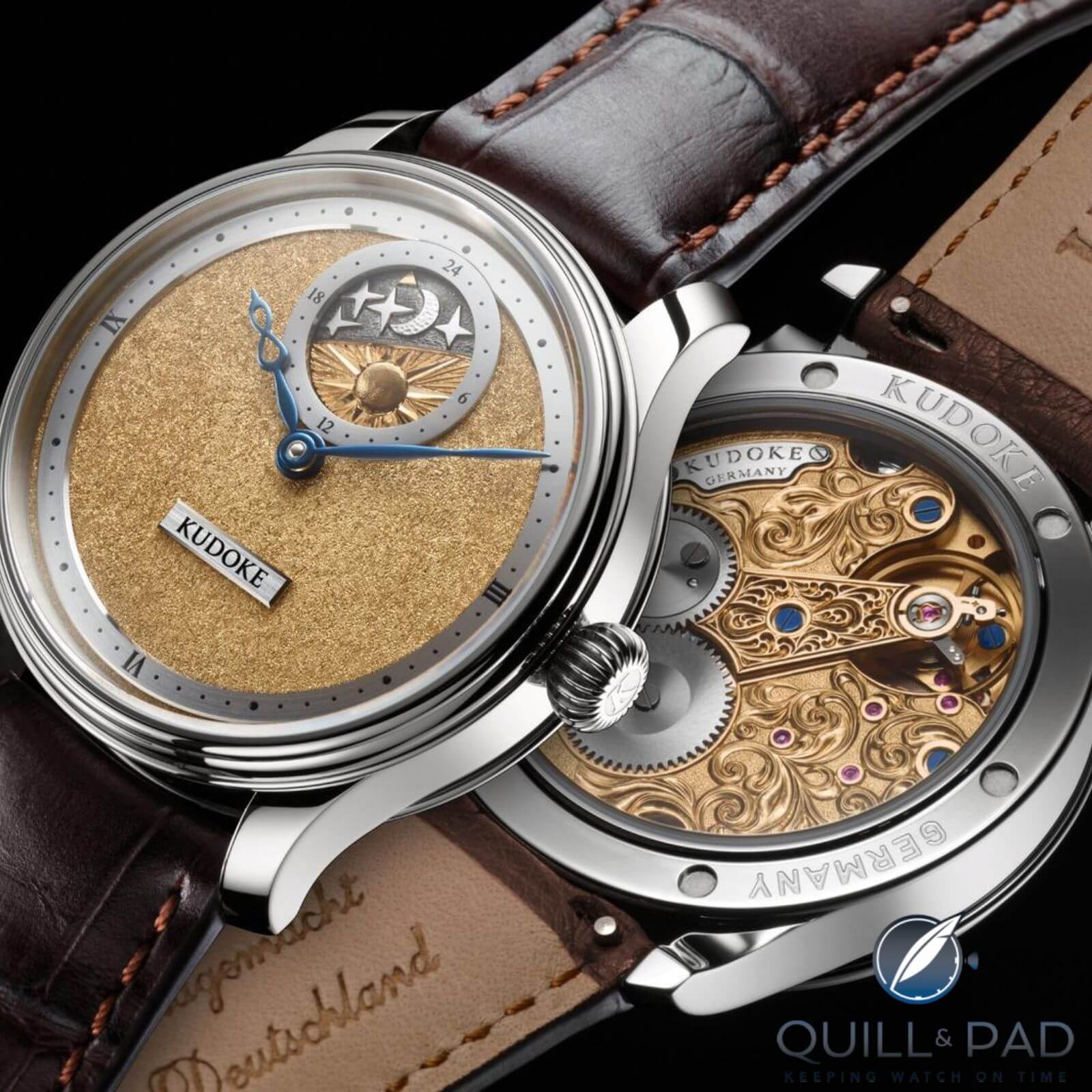
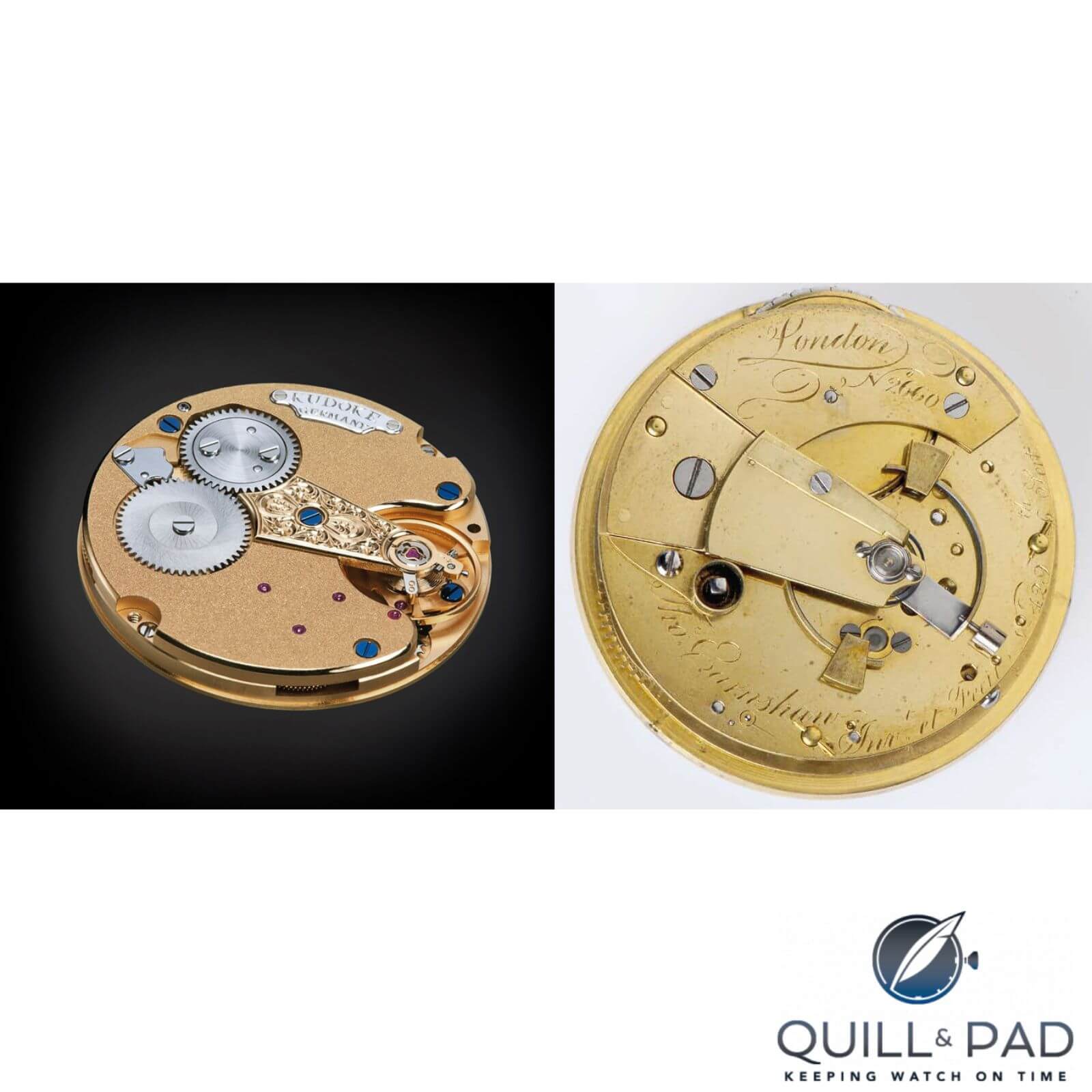
The design of Kaliber 1 is undeniably unique and, at first glance, somewhat enigmatic. Stefan Kudoke himself acknowledges that its origins trace back to an antique English pocket watch caliber from the 19th century that he acquired. The design principles of this caliber type emerged in the latter quarter of the 18th century. During this era, certain English watchmakers, including prominent figures like John Arnold and Thomas Earnshaw, eschewed the elaborate Baroque balance cocks in favor of an aesthetic influenced by the burgeoning Industrial Revolution. They began equipping their movements with symmetrically positioned, simply shaped, stepped trapezoidal balance cocks.
The central balance cock of Stefan Kudoke’s Kaliber 1 movement, subtly elevated above the symmetrical backplate and flanked by the crown wheel and ratchet wheel, immediately draws the eye. Without specific guidance, discerning its historical roots can be challenging. Deeper research, however, reveals the unusual lineage of this distinctive caliber.
The Enduring Legacy of the Valjoux 7750
The narrative behind Kudoke’s Kaliber 1 is intertwined with a challenge faced by many independent watchmakers and brands in the early 2000s. This challenge stemmed from Nicolas Hayek Sr.’s 2002 strategy for the Swatch Group, which involved ceasing the supply of ébauches to external companies. In response to this shift, Austrian independent watchmaker Richard Habring, who had gained a reputation for his expertise in adapting the Valjoux 7750 chronograph caliber for various complications, sought a more secure path. He decided to develop his own caliber, essentially a base movement derived from the 7750. This was a viable endeavor, as the intellectual property rights to the 7750, originally developed in 1972, had long since expired.
The technical approach involves utilizing the core kinematics of the base movement, essentially the components remaining after stripping away the chronograph and self-winding mechanisms for which the 7750 was originally designed. In 2011, Richard Habring developed the A11 caliber, his own interpretation of this fundamental part of the 7750 movement, conceptualized as it might have been if it had been produced in its most basic form since the 1970s.
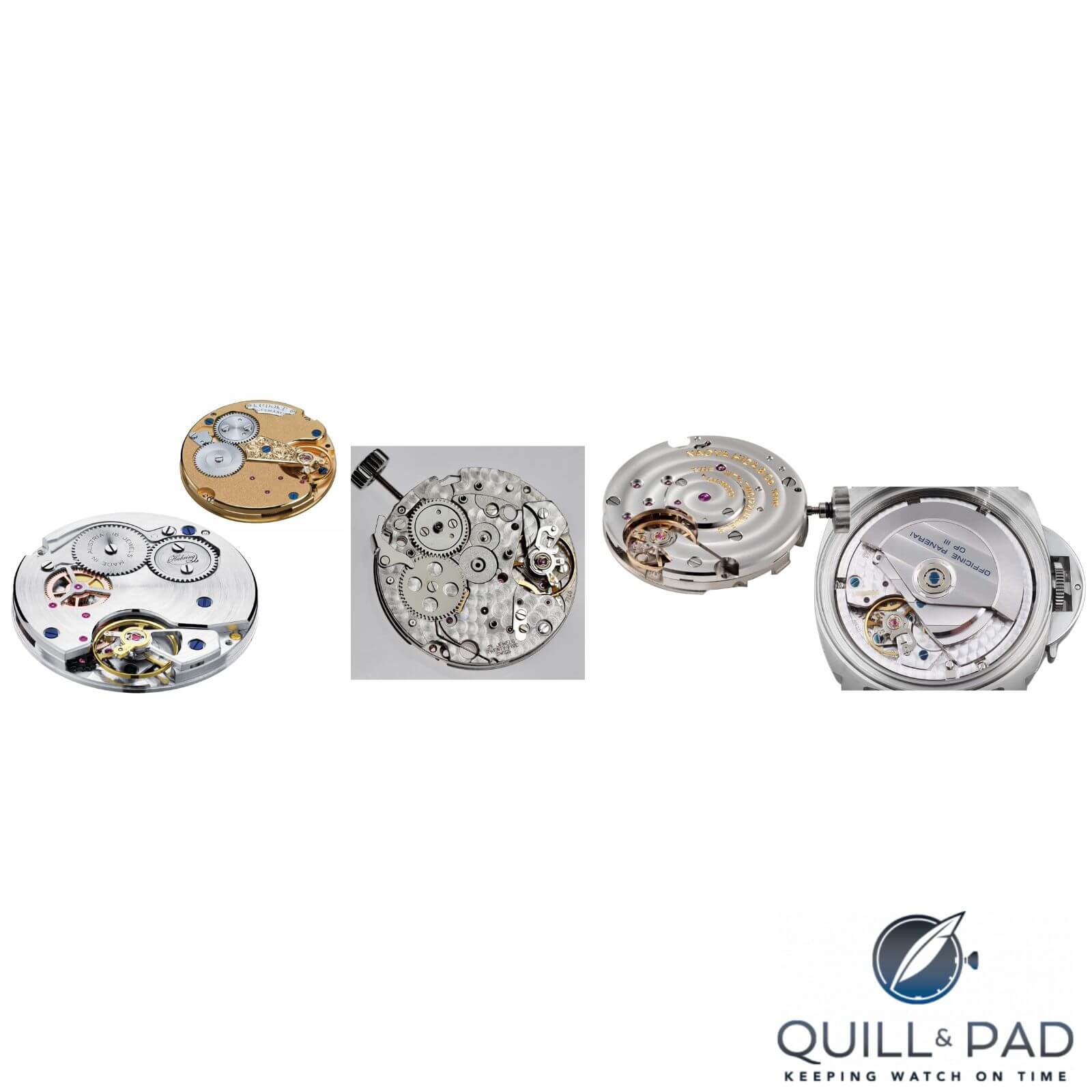
Richard Habring was not alone in this pursuit. Naoya Hida, a Japanese entrepreneur who founded his eponymous brand in 2018, also relies on a stripped-down 7750 caliber as the foundation for the movements in his collection. Around the same period, in 2018, Stefan Kudoke began collaborating with Richard Habring, adapting the A11 caliber to his own design, incorporating a symmetrical layout and a central balance cock.
The decision by watchmakers like Habring, Hida, and Kudoke to leverage the "gold remnant" of the 7750 is entirely logical by contemporary standards. By the early 1970s, Swiss watchmaking had perfected the art of creating simple manual-winding calibers with minimal functionality – typically two or three hands, with a small seconds subdial that added no kinematic complexity to a basic two-hand movement. It is important to note that, in contrast to modern perceptions, automatic winding systems were still considered an advanced feature in the early 1970s, and when combined with a chronograph, they represented avant-garde technical development. To fully appreciate the evolution of self-winding chronographs, it is worth remembering that the first automatic Rolex Daytona appeared in 1988, a full 16 years after the introduction of the Valjoux 7750.
Panerai also utilized a stripped-down version of the 7750 movement. Soprod reportedly adapted the 7750 to create its three-hand OP III self-winding caliber in the late 1990s for Panerai. The brand’s choice of this caliber, particularly its small seconds subdial at 9 o’clock (a Lepine-type caliber configuration), allowed Panerai to authentically recreate a rugged, military-inspired aesthetic. This design echoed the historical precedent set by the 1956 Egiziano models, which featured the 8-day Angelus cal. SF240 movement with the same small seconds placement. This stylistic continuity supported Panerai’s established rugged military image. As a side note, Panerai also extensively used the OP III in models from its less severe, more decorative Sealand line (originally Black Seal), launched in 2002 and produced until around 2011.
Kudoke’s Distinctive Place in Decorative Watchmaking
Within the relatively niche field of watches featuring tremblage finishing, Kudoke timepieces carve out a uniquely distinctive stylistic identity. Stefan Kudoke presents his own vision of decorative watches, eschewing the excessive ornamentation that can sometimes overwhelm modern pieces in this genre. His approach results in timepieces that are both artistically refined and possess a subtle severity, a departure from the purely ornamental.
The Kudoke 2 Tremblage models, available in three distinct dial finishes, highlight the subtle texture of the tremblage as a contrasting backdrop to the brand’s signature day/night indicator. This interplay between the textured dial and the functional complication showcases Kudoke’s mastery of balancing intricate decoration with practical watchmaking.
In summary, Stefan Kudoke’s latest creations, the Kudoke 1 and Kudoke 2 Tremblage models, represent a significant contribution to the art of decorative watchmaking. By masterfully applying the challenging tremblage technique and housing these exquisite dials within a movement of historical significance and independent design, Kudoke continues to solidify his reputation as a creator of exceptional and distinctive timepieces. The preserved essence of the Valjoux 7750, reimagined through Kudoke’s Kaliber 1, provides a robust and historically resonant foundation for these artistic expressions, ensuring that these watches are not just beautiful, but also deeply rooted in horological heritage.