A Lifelong Dedication to Flight and Aerospace Innovation
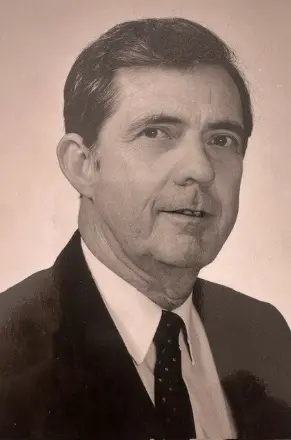
Born in 1933, Gerald Francis Marsters embarked on his journey with the Royal Canadian Air Force (RCAF) in 1952 as a Pilot Officer. By 1953, he had earned his pilot wings, a testament to his early aptitude and dedication to aviation. His military service saw him rise to the rank of Lieutenant Commander, where he served not only as a pilot but also as a vital pilot trainer. During this formative period, Marsters logged significant flight hours and gained invaluable experience flying iconic aircraft such as the Harvard, a robust trainer aircraft, and the potent Sabre and Silver Star jet fighters, which were instrumental in shaping the early jet age of military aviation. His time in the RCAF provided him with a deep, hands-on understanding of aircraft performance and operational demands, a foundation that would inform his subsequent academic and professional pursuits.
Following his distinguished service in the RCAF, Marsters pursued higher education with an unyielding passion for aerospace. He attended Queen’s University, a prestigious Canadian institution known for its strong engineering programs. His academic excellence continued to shine as he was awarded a full doctoral scholarship to Cornell University, a globally renowned research university. It was at Cornell that Marsters deepened his theoretical knowledge, culminating in the award of his Ph.D. in Aerospace Engineering in 1967. His doctoral research likely delved into critical areas of aerodynamic design, propulsion systems, or flight mechanics, contributing to the burgeoning field of aerospace science during a period of intense technological advancement, spurred by the Space Race.
Shaping the Future of Canadian Aerospace: Academia, Industry, and Government
Upon completing his Ph.D., Dr. Marsters returned to Queen’s University, this time as a professor. He embraced the role of an educator, generously sharing his extensive knowledge and his profound passion for aerospace engineering with a new generation of students. His lectures and mentorship undoubtedly inspired countless individuals to pursue careers in the field, fostering a legacy of knowledge transfer. During his tenure at Queen’s, Marsters also engaged in valuable applied research. He took sabbaticals to work with De Havilland, a historic Canadian aircraft manufacturer, contributing to practical industry challenges. Furthermore, he spent time in the high-speed aerodynamics lab at the National Aeronautical Establishment, a key research arm of the Canadian government, where he likely contributed to cutting-edge aerodynamic studies crucial for advanced aircraft design.
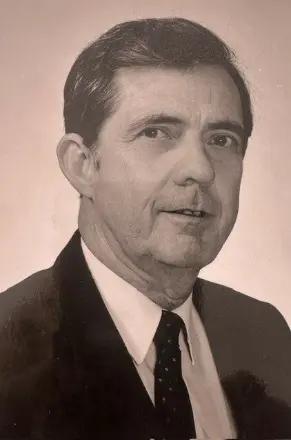
The year 1982 marked a significant pivot in Dr. Marsters’ career as he transitioned into a pivotal leadership role within the Canadian government. He accepted an appointment as Director of Airworthiness at Transport Canada, the federal department responsible for transportation policy and programs. In this capacity, he was instrumental in shaping the vision and regulatory framework for the future of aerospace in Canada. His tenure was characterized by a forward-thinking approach to aviation safety and technological integration. A major focus of his work was the development of a new Bilateral Aviation Agreement between the United States and Canada. This agreement aimed to streamline aviation regulations, foster closer cooperation, and facilitate the cross-border movement of aircraft and aviation services. The success of these efforts was recognized by the Federal Aviation Administration (FAA) of the United States, which bestowed upon him a prestigious gold medal. This honor, rarely given to Canadians, underscored the significant impact of his work and the high regard in which he was held by the international aviation community. The citation accompanying the award, which stated, "Dr. Marsters has earned the respect of the world aviation community," speaks volumes about his influence and the quality of his contributions.
Leading National Research and Pioneering UAV Technology
In 1987, Dr. Marsters moved to another crucial national research institution, the Institute of Aerospace Research at the National Research Council of Canada (NRC). He assumed the position of Director General, a role that placed him at the helm of numerous significant research and development projects. Under his leadership, the institute pursued ambitious initiatives, including the development and testing of advanced systems such as the "bird gun," a critical tool for testing aircraft resilience against bird strikes, a persistent safety concern in aviation. He also oversaw advancements in wind tunnel technology, essential for aerodynamic research, and the development of artificial vision systems, which were precursors to modern sensor technologies used in navigation and autonomous flight. Flight simulation capabilities were also enhanced under his direction, providing invaluable tools for training and research.
Crucially, during his leadership at the NRC, Dr. Marsters was a recognized pioneer in the emerging field of uncrewed aerial vehicles (UAVs), commonly known as drones. At a time when UAVs were in their nascent stages, he championed research and development in this area, anticipating their potential applications in surveillance, research, and various commercial sectors. His foresight and leadership helped position Canada at the forefront of UAV technology development.
A Legacy of Service and Influence in Professional Organizations
Upon retiring from government service, Dr. Marsters continued to contribute his expertise through a private consultancy, AeroVations Associates. This venture allowed him to leverage his decades of experience to advise and guide companies and organizations within the aerospace sector, ensuring his knowledge continued to benefit the industry.
Beyond his direct professional roles, Dr. Marsters was deeply involved in shaping the discourse and direction of Canadian aerospace through his active participation in professional organizations. He served as president of the Canadian Aeronautics and Space Institute (CASI), a pivotal role that involved leading the organization and influencing national conversations about the future of aviation and space exploration in Canada. His leadership within CASI helped to foster collaboration and advance the interests of the Canadian aerospace community. Furthermore, Dr. Marsters contributed his valuable insights to the AIAA Corporate Member Committee in the early 1990s, demonstrating his commitment to fostering strong ties between industry and the professional society. His elevation to Fellow status in both AIAA and CASI, in 1992 for AIAA, signifies the highest level of recognition for his outstanding contributions and leadership within these esteemed organizations. This dual fellowship is a rare distinction, highlighting his broad and impactful influence across both Canadian and international aerospace landscapes.
A Life Dedicated to Advancement
Gerald "Gerry" F. Marsters’ life was a testament to unwavering dedication to the advancement of aerospace. From his early days as a military pilot to his impactful roles in academia, government, and research leadership, he consistently pushed the boundaries of innovation and safety. His legacy is woven into the fabric of Canadian aerospace, marked by his profound impact on pilot training, academic research, national aviation policy, and the pioneering development of uncrewed aerial systems. The respect he garnered from the global aviation community, as noted in his FAA award, serves as a lasting tribute to a life richly lived in service to flight and technological progress. His passing represents a significant loss to the aerospace world, but his contributions will continue to inspire and guide future generations of engineers, scientists, and aviators.