The allure of owning a timepiece that is not merely purchased but meticulously crafted to one’s exact specifications lies at the heart of the bespoke watchmaking tradition. This principle, deeply ingrained in horological history, was the very genesis of the industry centuries ago. Renowned high-end watchmakers, from the historic ateliers to contemporary innovators, continue to embrace this art, creating one-of-a-kind timepieces for discerning clients. This legacy of exclusivity and personalized craftsmanship is vividly illustrated by the phenomenon of "off-catalog" watches, particularly those produced by Rolex, and the remarkable journeys of collectors who seek the ultimate expression of individuality on their wrists.
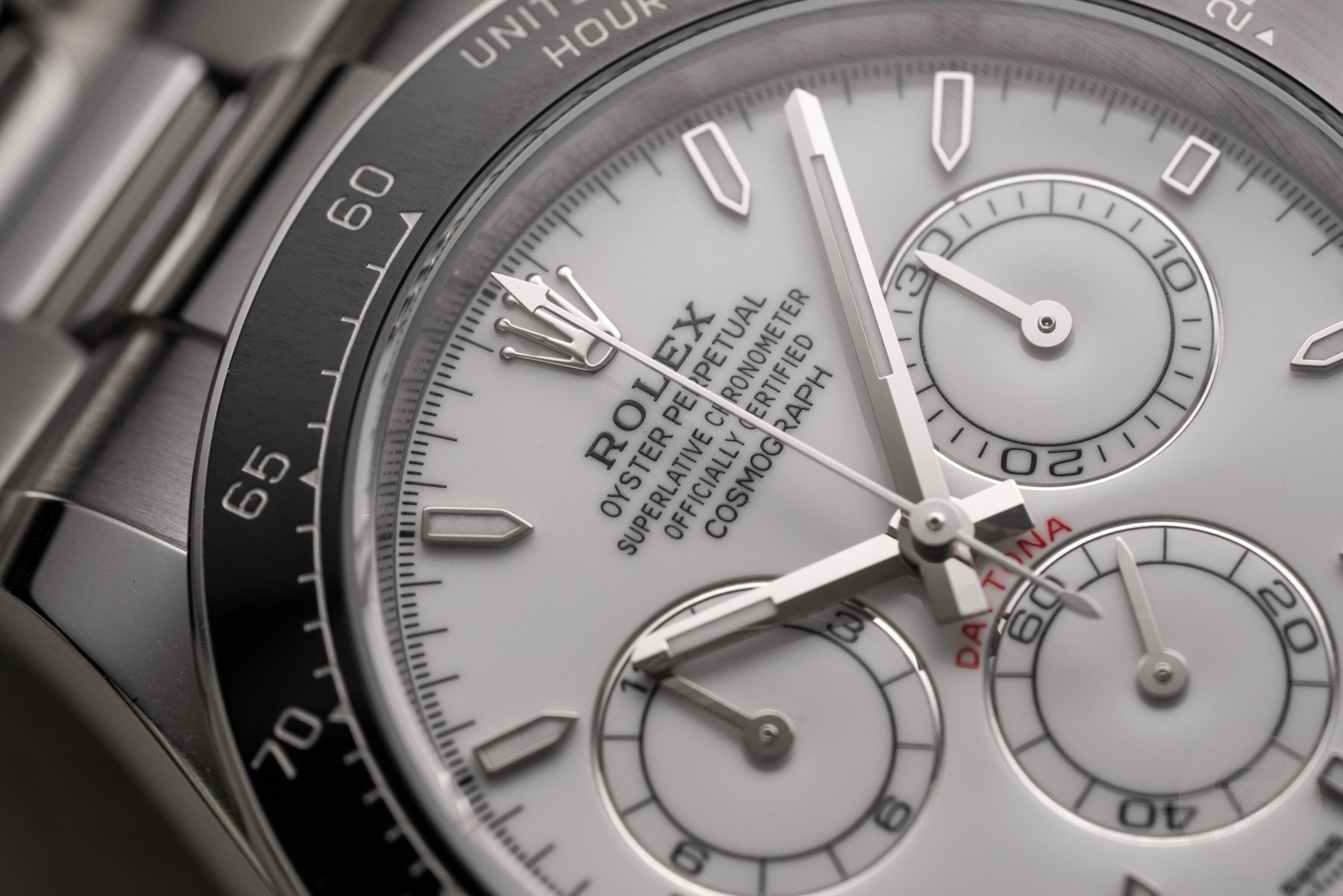
Rolex, a brand synonymous with precision and enduring value, has long operated in a realm where certain creations exist beyond the public eye. These off-catalog models are not found in standard brochures or accessible to the general consumer. Instead, they are produced in highly limited quantities for a select clientele, embodying an exclusivity that transcends mere rarity. This approach is rooted in personal relationships, continuity with the brand, and privileged access, rather than overt marketing or widespread recognition. However, for a select few, even this level of exclusivity can be surpassed, as exemplified by the notable collection of Canadian rapper and singer Drake.
With a staggering sales record exceeding 170 million units globally and holding the distinction of being the highest-certified artist for digital singles in the United States, Drake’s financial capacity to acquire exceptional timepieces is undeniable. In 2024, he revealed in his track "It’s Up" that he possessed 143 Rolex watches, showcasing a significant number of customized and off-catalog pieces on his social media. This collection suggests an exceptionally close relationship with "The Crown," as Rolex is often referred to in horological circles.
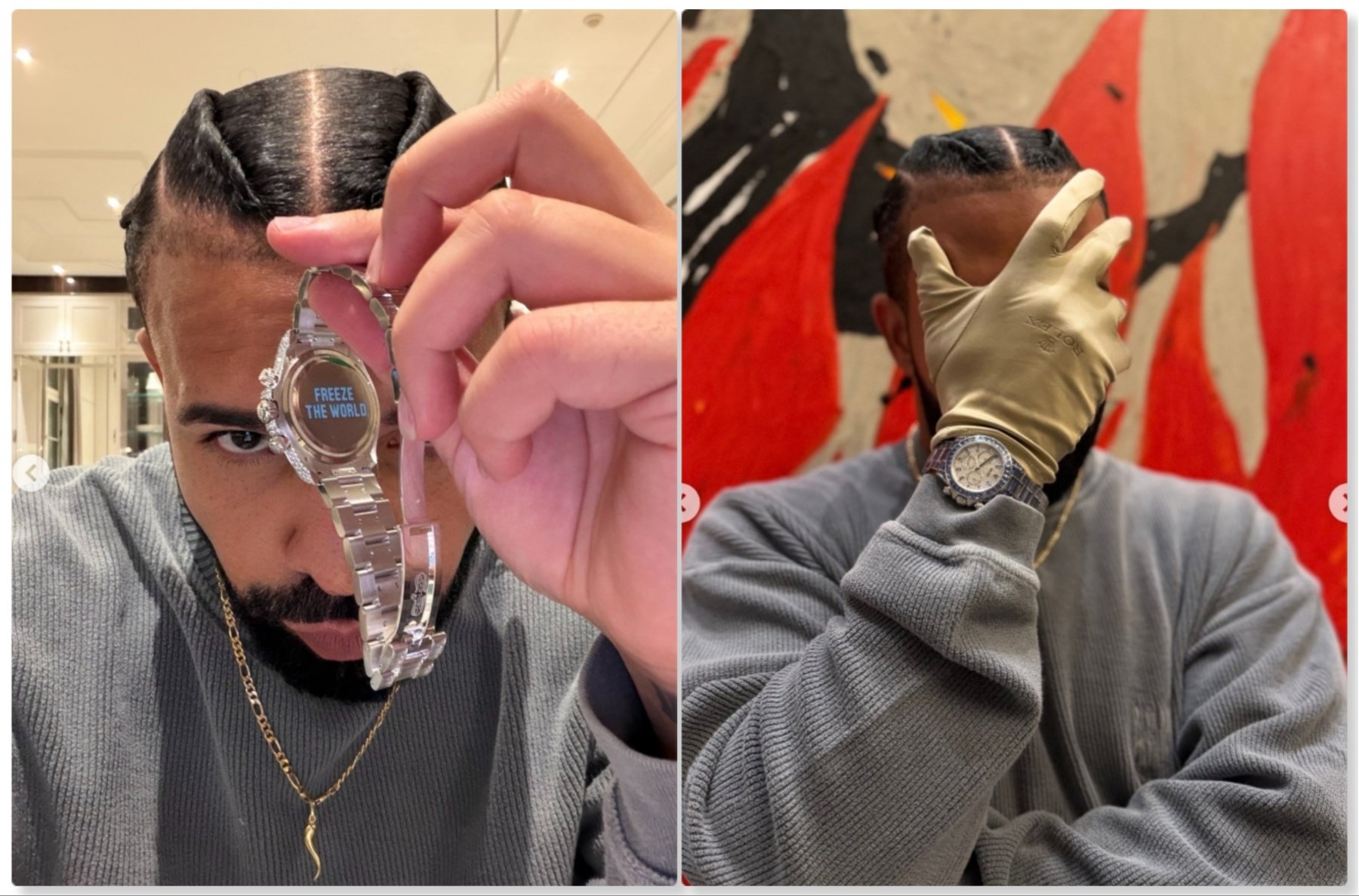
Drake’s "Freeze The World" Rolex Daytona: A Unicorn of Customization
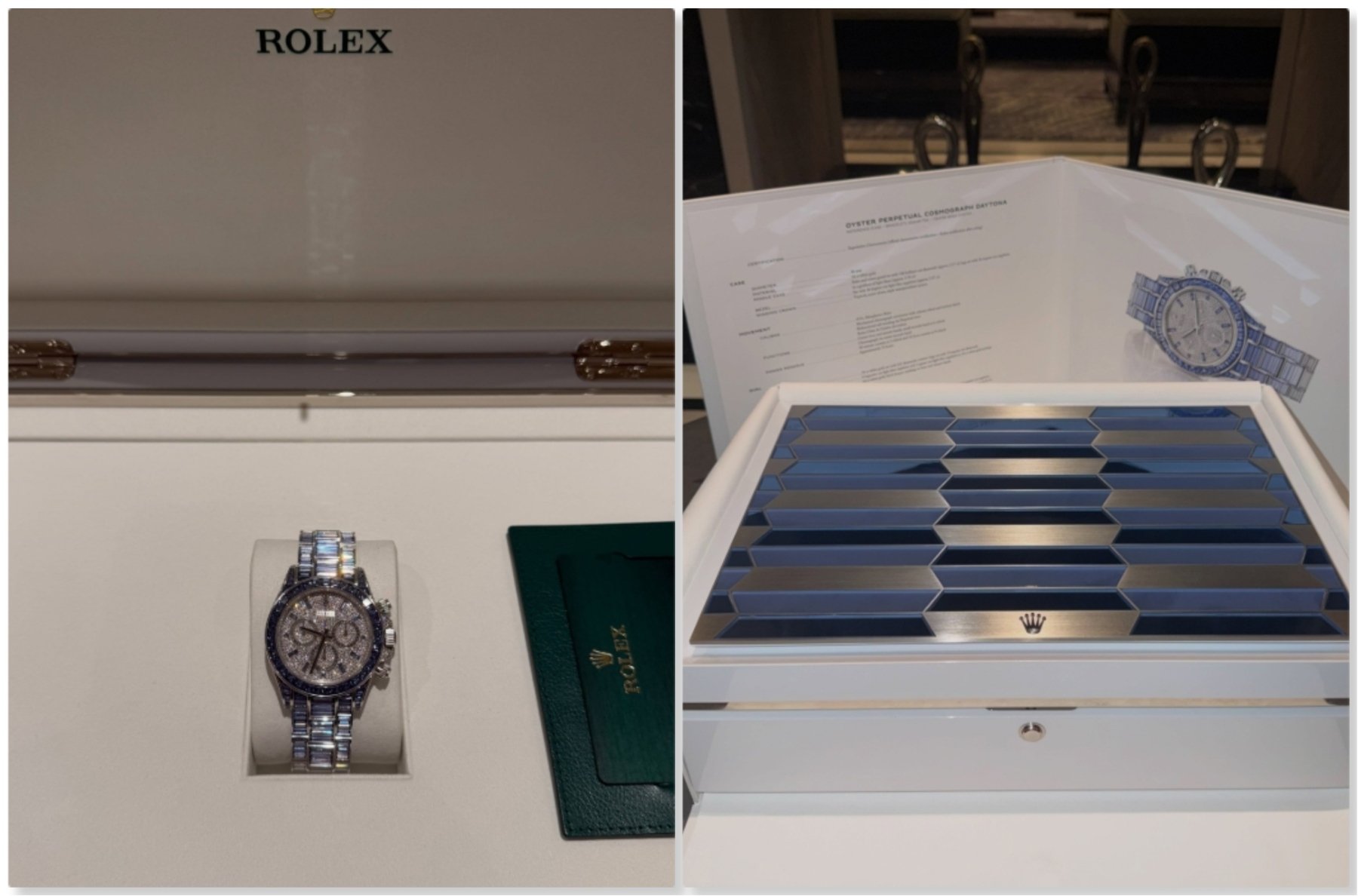
The release of an album titled "Iceman" might inspire a fittingly "iced-out" Rolex. Drake’s personal collection includes a remarkable one-of-one Rolex Daytona, a piece he proudly displayed on Instagram, complete with its original Rolex box and papers. He described this diamond-covered marvel as "the most important thing I have ever had the pleasure of owning." This sentiment underscores the unique nature of the watch. While Rolex is known for producing exclusive off-catalog pieces, on-demand custom manufacturing is not its typical modus operandi. Rolex’s immense success is partly attributed to its brand consistency and the safeguarding of its iconic identity. Historically, Rolex did produce custom dials for corporate clients, such as Domino’s Pizza, but this practice is largely a relic of the past.
The "Freeze The World" Daytona, as it is known, represents a significant departure from Rolex’s standard production. Its existence, evidenced by the accompanying documentation, points to a highly personalized commission. The meticulous craftsmanship and the extraordinary embellishments suggest a production timeline that likely paralleled the creation of Drake’s album. The watch’s exceptional nature, referred to as a "unicorn," highlights the extreme rarity of such bespoke factory-made creations from Rolex.
Rare Examples: Factory-Made Bespoke Timepieces in Rolex History
Genuine factory-made bespoke watches from Rolex are exceptionally rare, making each known example a subject of intense interest within the horological community. These pieces are often associated with high-profile individuals or significant historical moments. While most personalized Rolex watches originate from off-catalog offerings or independent customization houses, a few notable factory commissions stand out.
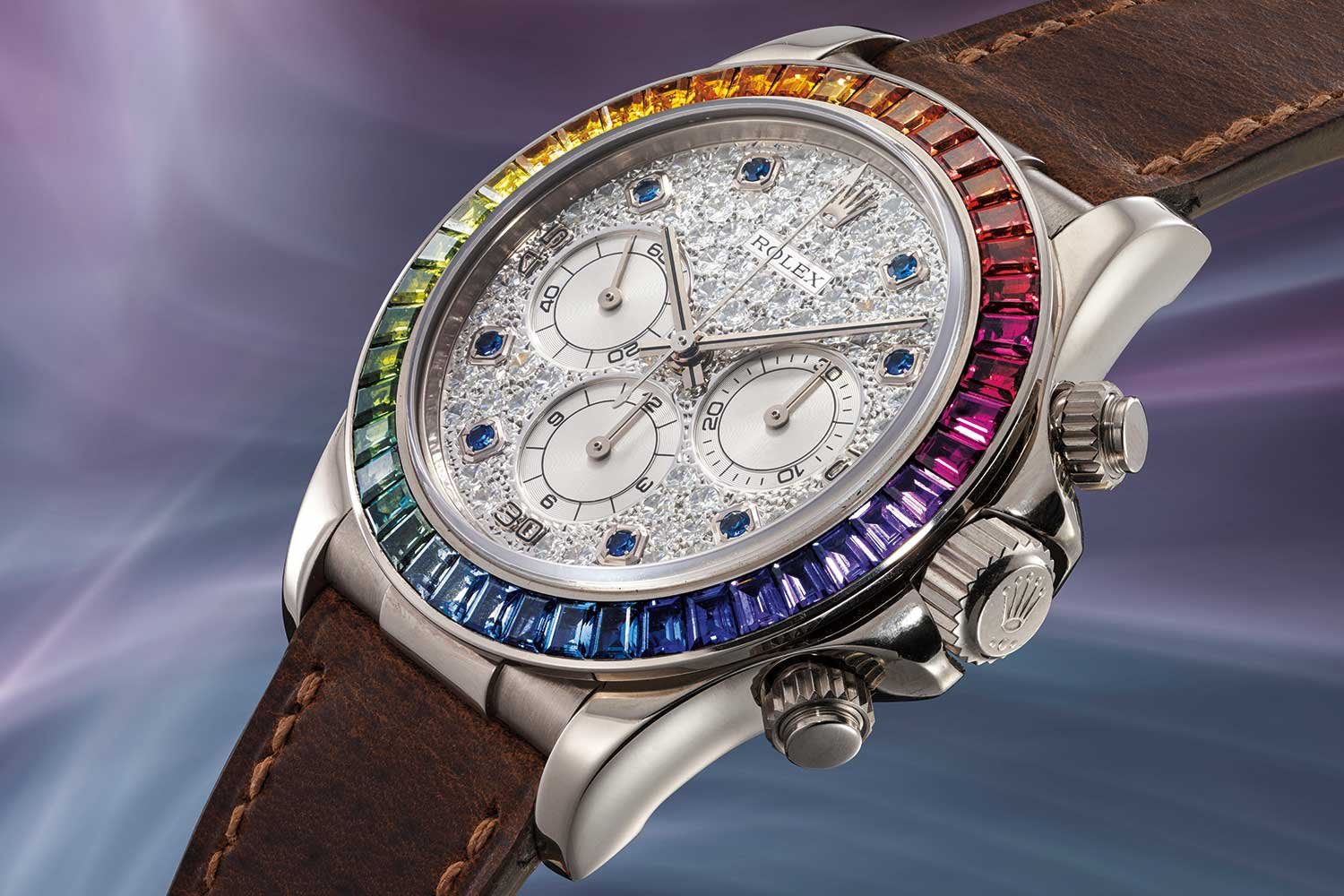
One such significant piece is the Rainbow Daytona reference 16599SAAEC, created in 1994 for a VIP client in the Middle East. This watch is widely considered the first factory-made, one-of-a-kind custom order. The designation "SAAEC" stands for "saphir arc-en-ciel," French for "sapphire rainbow," and this timepiece set the precedent for the celebrated "Rainbow Daytona" models that followed. Its elaborate gem-setting and unique dial configuration marked a new era of opulence within Rolex’s offerings for its most valued patrons.
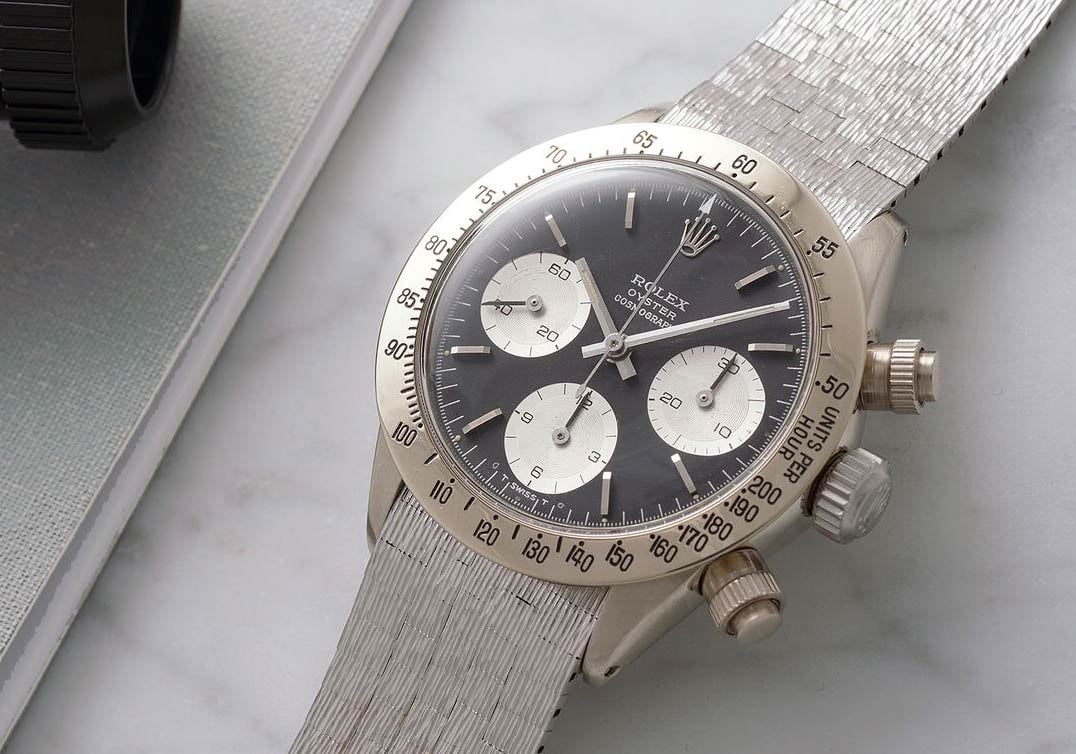
Another piece that has garnered significant collector attention is the white gold Daytona ref. 6265, famously known as "The Unicorn." This watch is unique as it is the only manual-winding Daytona ever produced by Rolex in white gold. Originally made in 1970 for a German retailer in Dortmund, it later achieved a record-breaking price of US$5.9 million at auction, making it one of the most expensive Rolex watches ever sold. However, its provenance has been a subject of considerable debate among collectors and historians. Critics have questioned its authenticity as a factory original, suggesting it might be a "Frankenwatch" assembled from various components. This controversy adds a layer of intrigue to its already legendary status, leaving its definitive place in Rolex’s history open to interpretation.
"Off-Catalog" Models: A Glimpse into Rolex’s Private Catalog
The term "off-catalog" might imply that these watches are not listed in any official record. However, they are typically featured in a special, private catalog accessible only to select clients. These models, therefore, represent elusive and often mysterious creations within the Rolex universe. In recent years, Rolex has become more communicative about some of these off-catalog offerings, much to the delight of watch enthusiasts.
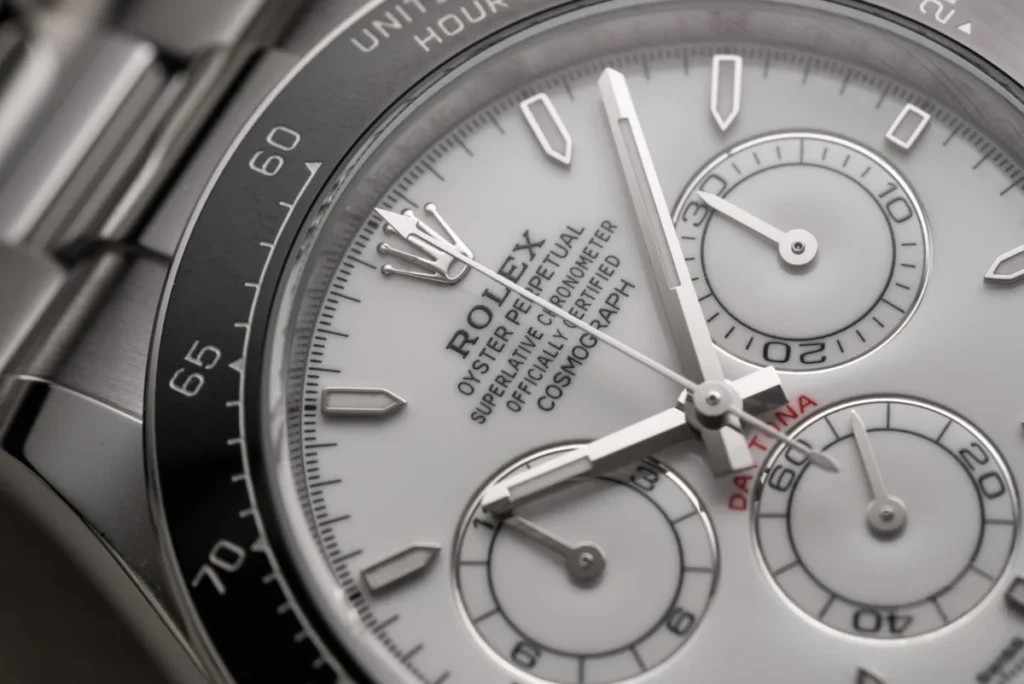
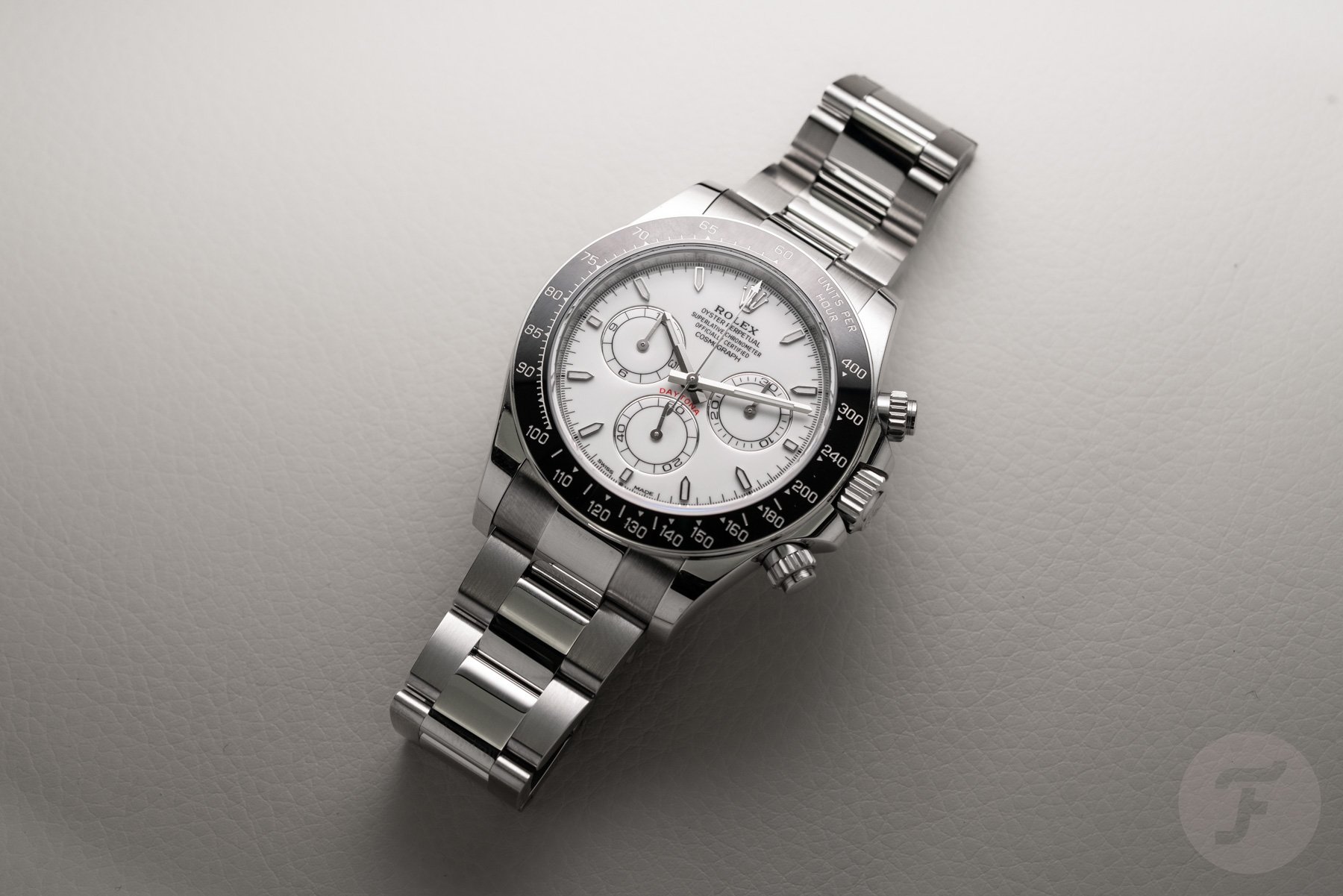
A prime example of an off-catalog model that has entered the public consciousness is the Cosmograph Daytona ref. 126502-0001, showcased by Rolex at the Watches and Wonders exhibition. This particular Daytona, while not unique, represents a departure from standard production models. It features the robust 40mm diameter and the caliber 4131 movement, visible through a transparent case back. The Oystersteel case and bracelet are complemented by platinum elements, including the bezel frame and a portion of the case back. The gray bezel insert is crafted from a novel composite material enriched with zirconia and tungsten carbide. A distinctive redesign is also evident in the tachymeter scale, which now features numerals in a contemporary font arranged vertically, a first for an in-house Daytona. This off-catalog creation is priced at US$57,800 for select Rolex clientele.
The Allure of "Off-Catalog Gold" and New Alloys
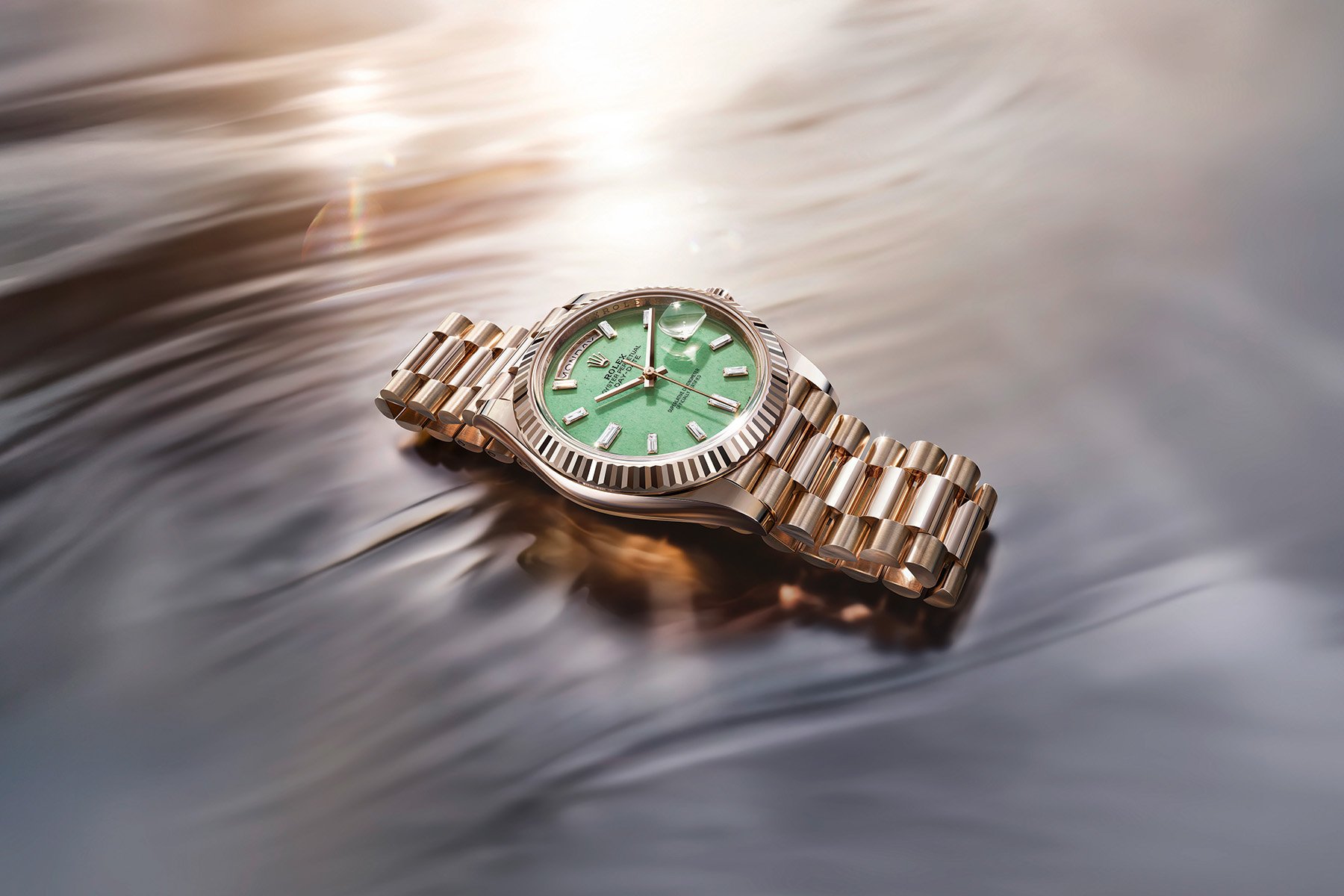
Rolex’s innovation extends to material science, as demonstrated by the introduction of "Jubilee Gold" at the recent Watches and Wonders event. This proprietary alloy, described as a blend of warm yellow, soft gray, and gentle pink tones, was featured in two new Day-Date 40 models. The ref. 228235JG-0003, priced at US$62,700, boasts a vibrant green aventurine dial accented with ten baguette-cut diamond hour markers. Another variant, ref. 228235JG-0002, priced at US$61,000, presents a gold-leaf-patterned dial with Roman numerals.
The classification of these models as "off-catalog" becomes debatable when they are officially presented to the press and featured on Rolex’s official website. This increased visibility challenges the traditional notion of "off-catalog" as entirely hidden. It suggests a subtle shift in Rolex’s strategy, potentially balancing the desire for exclusivity with a calculated approach to showcasing innovation and design prowess to a wider audience, albeit still within a privileged framework. This move might prompt collectors like Drake to seek even more personalized experiences directly from the brand’s Geneva headquarters.
Historical Precedents: Famous Bespoke Masterpieces
The practice of creating bespoke timepieces is not exclusive to Rolex or modern times; it is a tradition that dates back centuries. Watchmaking houses historically served as personal artisans to royalty, aristocrats, and notable figures, crafting timepieces tailored to their precise requirements. Clients would specify complications such as alarms or calendars and dictate every detail, from case material to custom engravings. These commissions were as much a personal statement as they were functional instruments, and many have left an indelible mark on horological history.
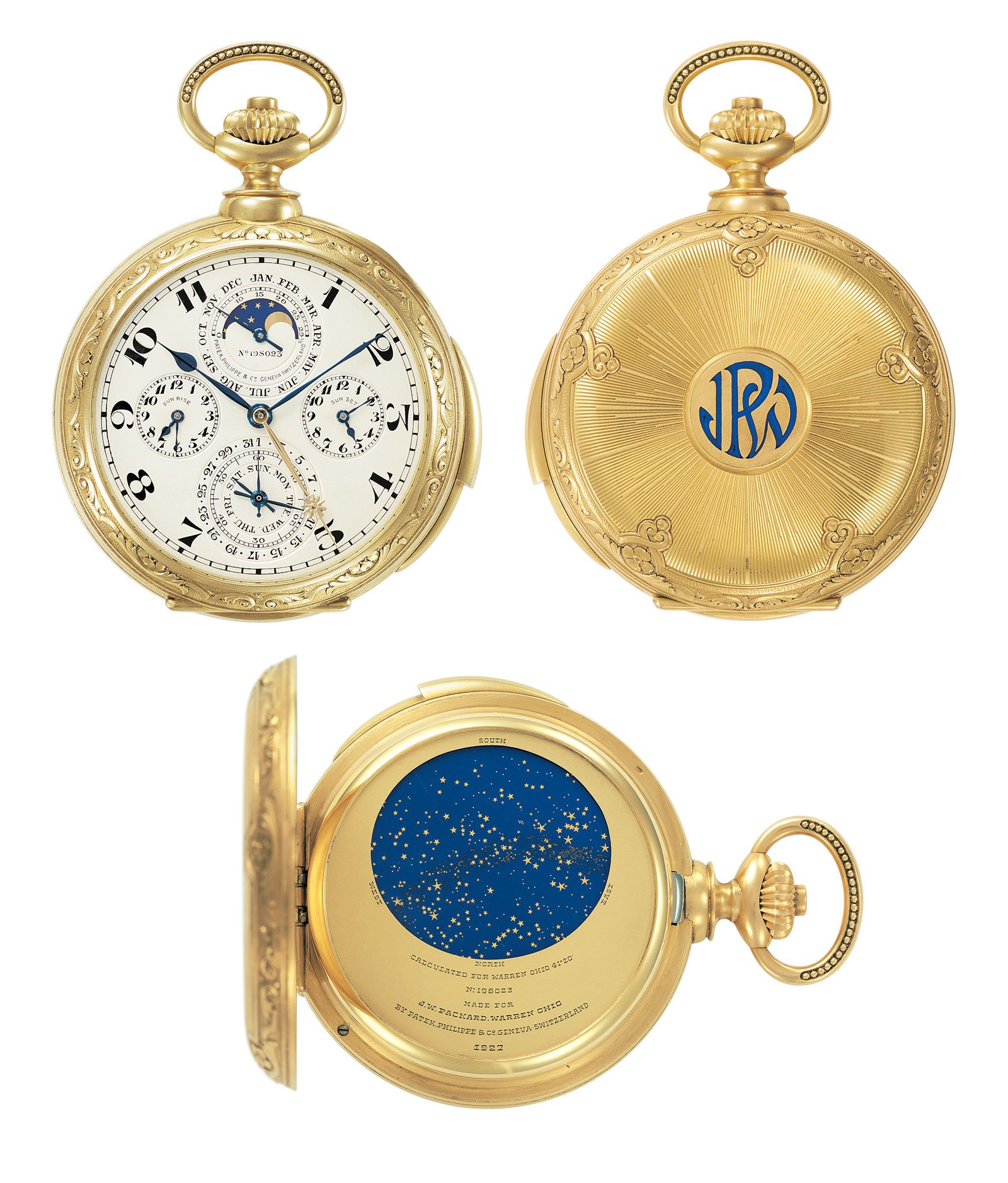
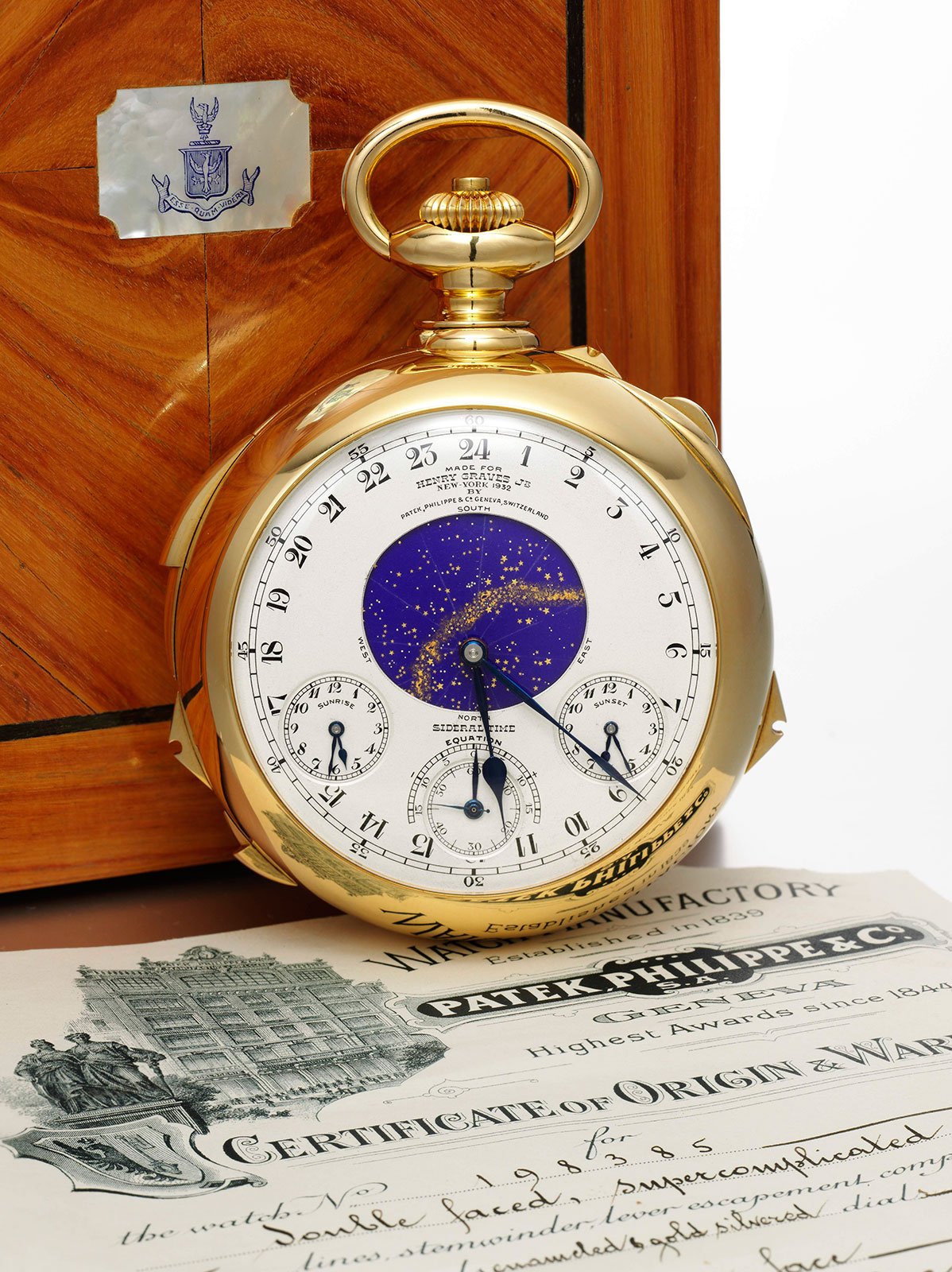
A significant chapter in this history involves Patek Philippe and the intense "watch arms race" between two titans of industry: James Ward Packard and Henry Graves Jr. Packard, an American industrialist, consistently pushed Patek Philippe to create increasingly complex watches. His persistent requests culminated in 1927 with an astronomical pocket watch, featuring a sky chart precisely calculated for the coordinates of his Ohio home.
Henry Graves Jr., a New York banker, was determined not to be outdone. Driven by a desire to surpass Packard’s horological achievements, he approached Patek Philippe in 1925 with a formidable request: to create a watch more complicated than Packard’s. The result was the Henry Graves Supercomplication, a masterpiece that took eight years to build. Completed in 1933, it became one of the most complex mechanical timepieces ever conceived, integrating an extraordinary array of functions into a single pocket watch, a testament to the ultimate pursuit of horological excellence through bespoke commission.
Contemporary Bespoke: The Traditional Path with Modern Flair
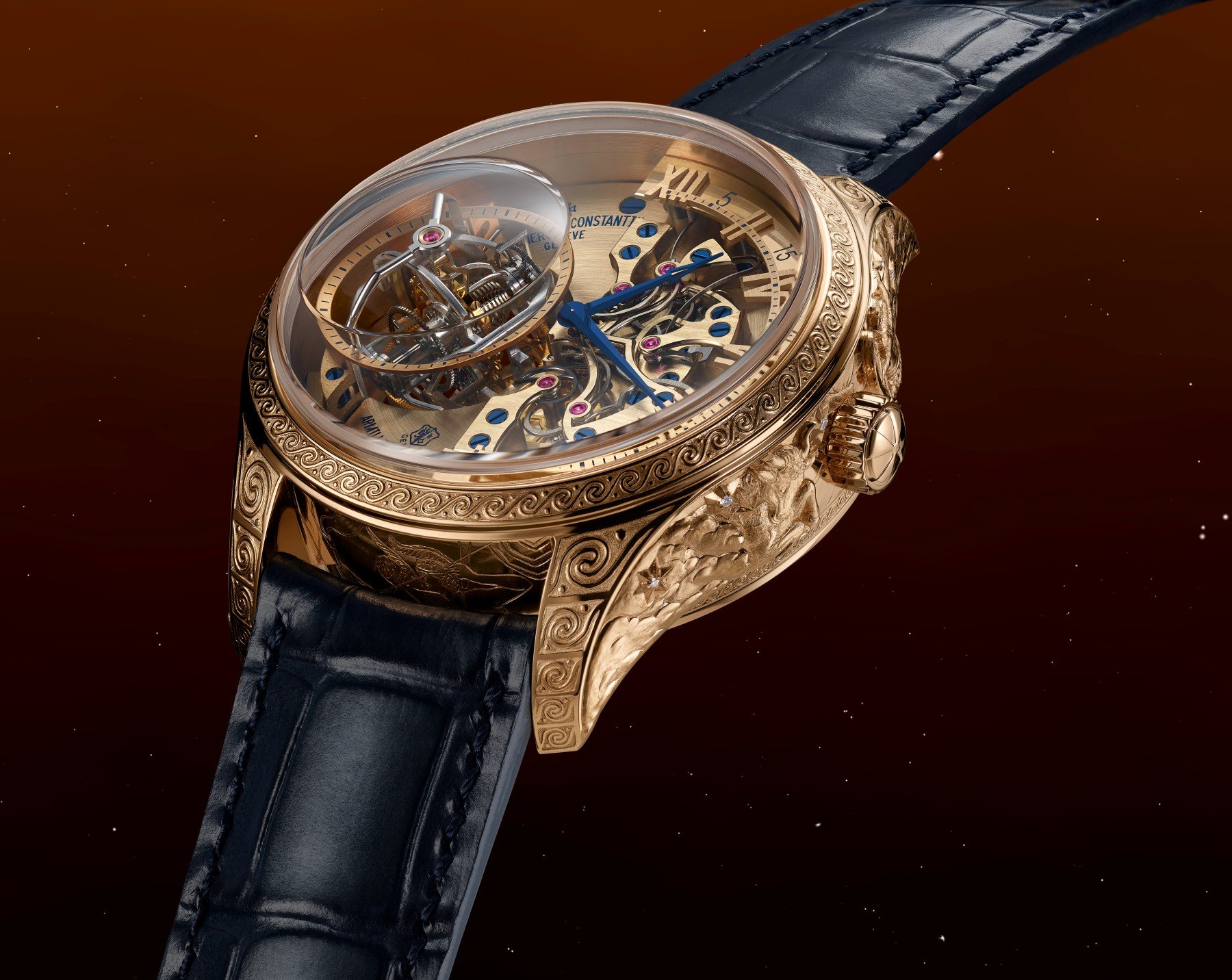
Today, Patek Philippe continues its tradition of creating bespoke timepieces, though these creations generally remain discreet. In contrast, fellow Genevan watchmaker Vacheron Constantin openly celebrates its "Les Cabinotiers" department. This ultra-exclusive service is dedicated to crafting one-of-a-kind, made-to-order timepieces, drawing inspiration from Geneva’s elite 18th-century master watchmakers. The workshop seamlessly integrates highly complex mechanics with exceptional artistic craftsmanship, including gem-setting, enameling, and intricate hand-engraving.
A notable example from Les Cabinotiers is the Armillary Tourbillon – Myth of the Pleiades. This unique watch is part of the "La Quête" series, meaning "The Quest," created to commemorate Vacheron Constantin’s 270th anniversary. The 18K rose gold timepiece features intricately engraved case sides adorned with diamonds and sculpted in bas-relief, depicting the Greek myth of the Pleiades. Its mechanical prowess is equally impressive, featuring Caliber 1990, protected by four patents, and incorporating a biaxial armillary tourbillon and retrograde hour and minute displays.
Another extraordinary Vacheron Constantin, reference 30016/00P, exemplifies the pinnacle of private commission. This unique platinum minute repeater, double-faced perpetual calendar tourbillon with zodiac and day/night indications, dates to 2011. The 44mm watch, with its elaborately finished offset dial, was a private order rather than a public showcase. While a testament to the brand’s capabilities, its eventual appearance at auction suggests that even the most exclusive, custom-made pieces can sometimes re-enter the market.
Roger Dubuis: "Just for Friends" and the Spirit of Bespoke
Roger Dubuis, a relatively younger Genevan watch brand established in 1995, embodies a philosophy captured by the phrase "Just for Friends," which the founder, Roger Dubuis, engraved on some of his early watches. This ethos centers on creating timepieces for individuals who share a passion for technical complexity, avant-garde design, and traditional craftsmanship. It emphasizes belonging to a community of like-minded enthusiasts rather than mere ostentatious exclusivity.
This philosophy continues through the brand’s "Rarities" program, dedicated to unique and bespoke pieces. The Rarities department collaborates with collectors to transform their visions into singular Roger Dubuis timepieces, considering all aspects of design, including materials, complications, finishing, and decorative techniques. At a recent Watches and Wonders event, Roger Dubuis presented the one-of-a-kind Excalibur Moonlight (ref. DBEX1221) as a demonstration of their bespoke capabilities.
The 45mm titanium watch features a multi-layered dial design, with blue enamel hour and minute discs adorned with hand-painted luminous zodiac constellations and moon phases. A standout element is the hand-engraved brass tourbillon cage featuring a moon face. This showcase piece, reportedly purchased by an affluent collector, exemplifies the successful realization of a private commission without prior public announcement, a true testament to the exclusive nature of bespoke watchmaking.

The pursuit of an off-catalog Rolex or a custom-designed timepiece from a reputable watchmaker represents the ultimate expression of personal taste and horological appreciation. These rare creations are more than just instruments for telling time; they are wearable art, testaments to individual stories, and enduring symbols of craftsmanship and exclusivity. The ongoing evolution of bespoke watchmaking, from historical commissions to contemporary marvels, ensures that this tradition will continue to captivate collectors for generations to come.