Tesla has officially discontinued its Solar Roof product, a groundbreaking initiative aimed at integrating solar energy generation directly into roofing tiles. The decision, confirmed by multiple sources close to the program, signals a significant pivot away from the ambitious project that was once a cornerstone of the company’s renewable energy vision. Third-party installers have been informed that Tesla will no longer supply solar roof tiles, shifting its focus exclusively to conventional solar panels and related energy storage solutions.
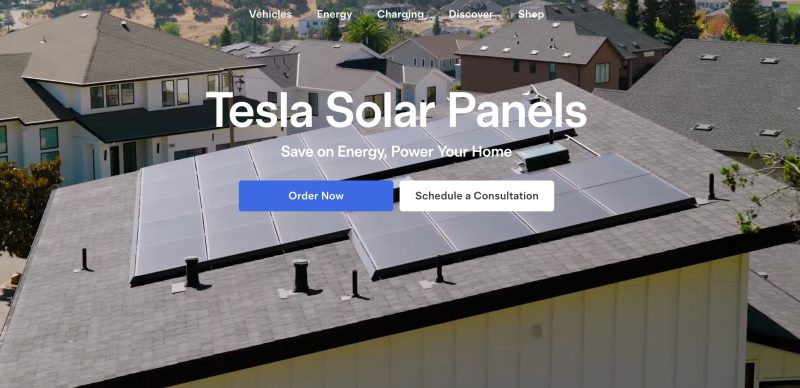
The company’s website now reflects this change, with the dedicated Solar Roof page redirecting to the general solar panels section. The "Solar Roof" option has been entirely removed from Tesla’s energy product navigation menu, which now prominently features Solar Panels, Powerwall, and Megapack. This move formalizes a retreat that has been subtly evident for years, as Tesla ceased to report specific Solar Roof deployment figures in its quarterly earnings reports in early 2024 and largely removed the product from its marketing efforts.

Confirmation of the Solar Roof’s End
Two independent sources with direct knowledge of the Solar Roof program confirmed to Electrek that Tesla has communicated its decision to its network of certified third-party installers. These installers have been notified that they can no longer order solar roof tiles. The company will exclusively supply traditional solar panels moving forward. One of the sources indicated that Tesla’s internal assessment concluded that the Solar Roof product was not financially viable, a critical factor in the decision to cease production.
The abrupt halt to the Solar Roof program marks the end of a highly anticipated product that was closely tied to Tesla’s acquisition of SolarCity in 2016. The ambitious project, intended to offer an aesthetically pleasing and functional alternative to traditional solar panels, struggled with production scaling, cost overruns, and market adoption throughout its lifespan.
A Product Born from Acquisition and Vision
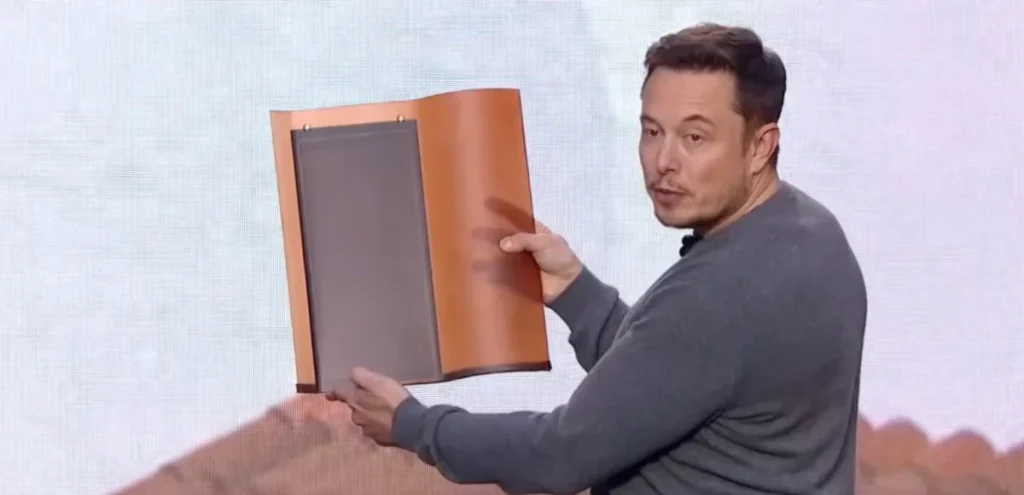
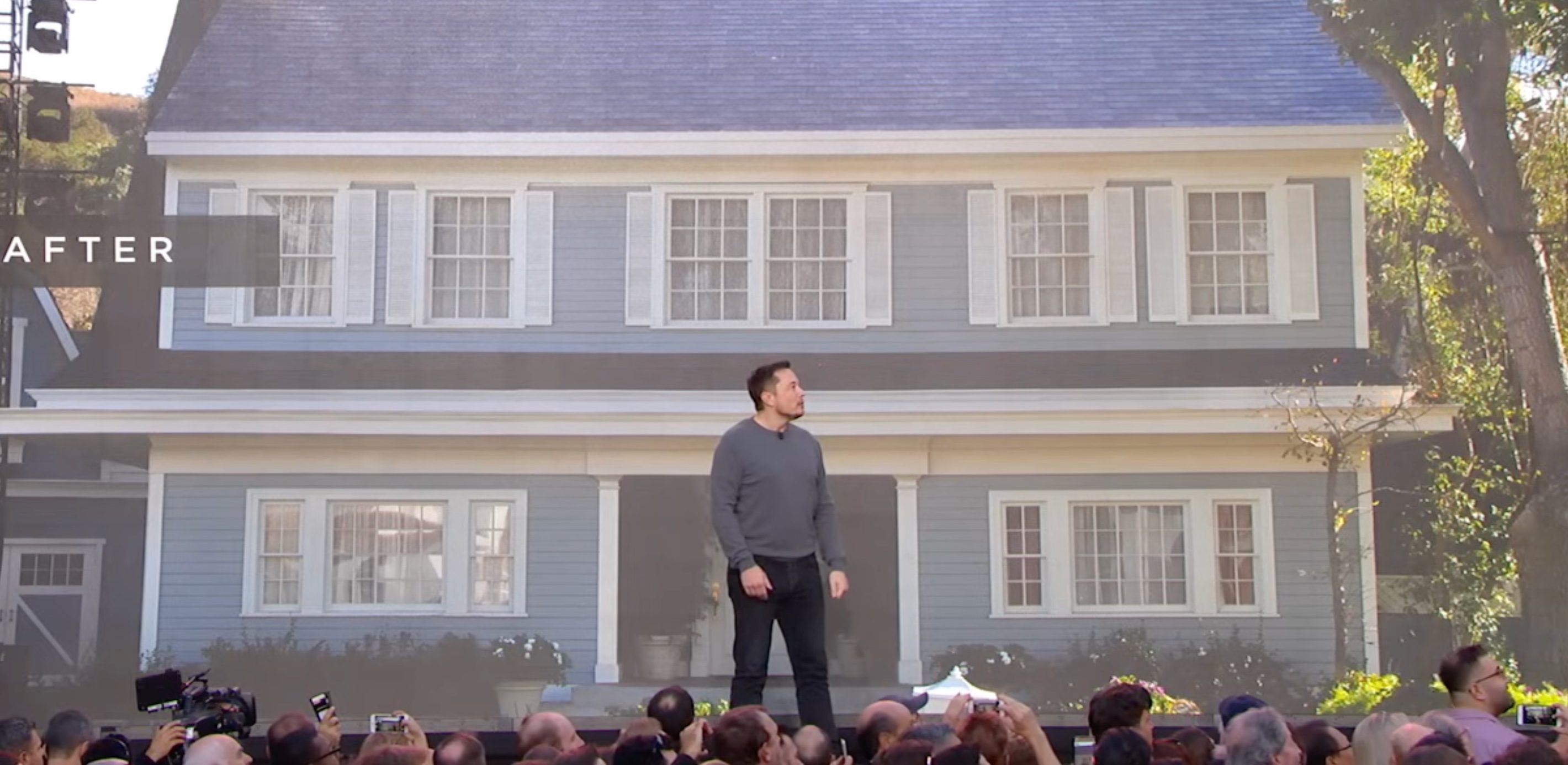
The unveiling of the Tesla Solar Roof in October 2016 was a pivotal moment, presented by CEO Elon Musk against the backdrop of a Hollywood back lot featuring homes from the television series Desperate Housewives. This high-profile demonstration was instrumental in garnering shareholder support for Tesla’s acquisition of SolarCity, a struggling solar installer with significant debt. At the time, Musk was the largest shareholder and chairman of SolarCity, and the company was managed by his cousins.
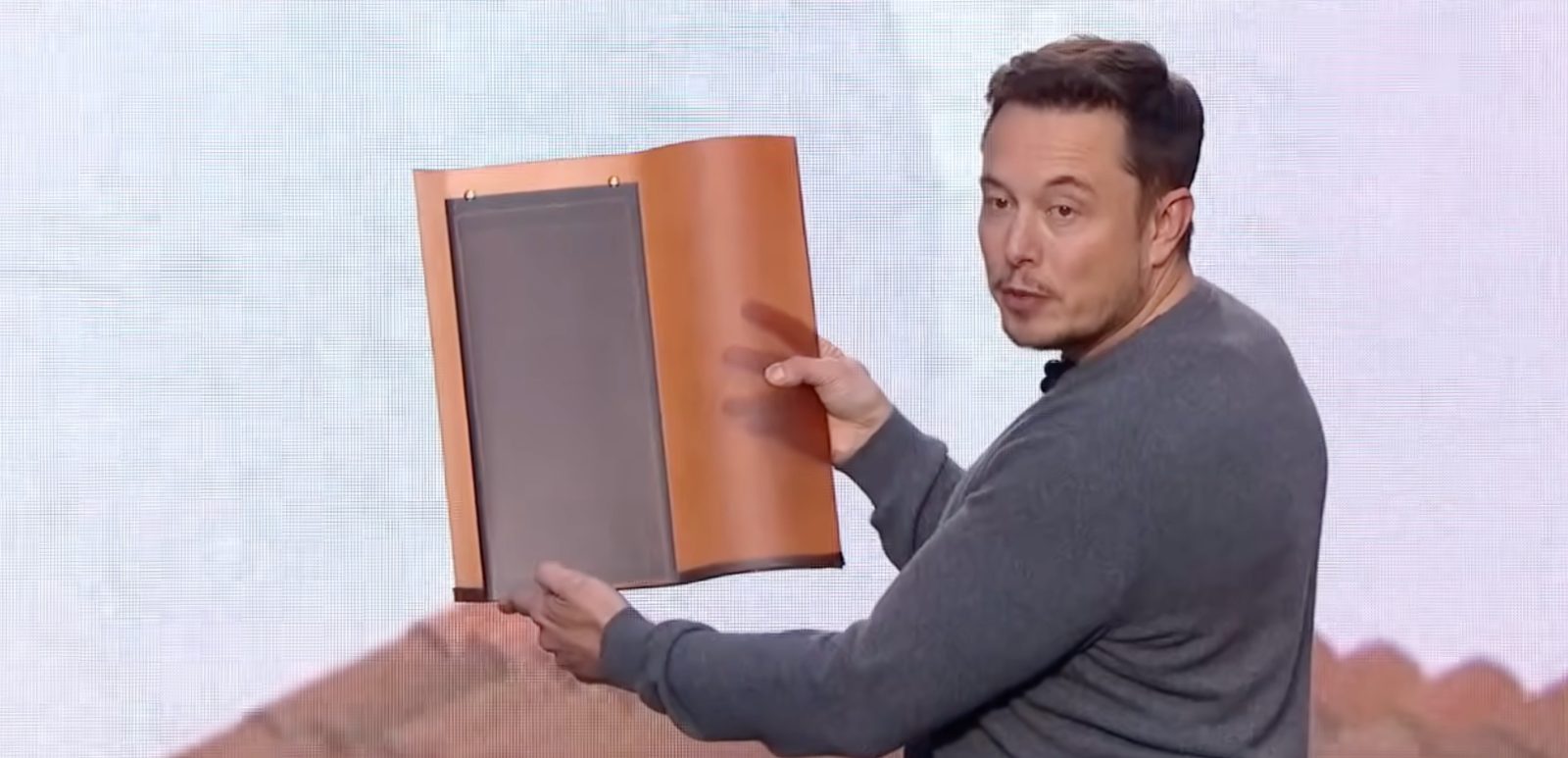
The Solar Roof was positioned as a futuristic and elegant solution for renewable energy, promising to seamlessly blend solar power generation with the aesthetic appeal of a conventional roof. The initial presentation showcased various tile designs, including a "smooth" tile and a "slate" tile, designed to mimic traditional roofing materials while incorporating photovoltaic technology. This vision was central to persuading investors to approve the roughly $2.6 billion acquisition, effectively a bailout of a company with deep connections to Tesla’s CEO.
However, subsequent revelations during shareholder litigation over the acquisition brought to light that the functioning solar products displayed at the 2016 event were not yet fully developed prototypes, raising questions about the initial presentation and its alignment with the product’s actual readiness. This foreshadowed the challenges that would plague the Solar Roof in the years to come.
The Promise of Affordability vs. Soaring Costs
A key element of Tesla’s initial pitch for the Solar Roof was its projected affordability. The company marketed the product as costing less than the combined expense of a new conventional roof and traditional solar panels. Early quotes suggested a price point of approximately $22 per square foot. This promise of a cost-effective, integrated solution was highly attractive to homeowners looking to upgrade their roofs and embrace solar energy simultaneously.
In reality, the installed prices for the Solar Roof consistently diverged from these initial projections. For many customers, the final costs significantly exceeded the original estimates provided by Tesla. This discrepancy led to considerable customer dissatisfaction and contributed to legal challenges. In 2021, Tesla implemented drastic price increases for the Solar Roof, a move that affected customers who had already signed contracts based on the earlier, lower pricing.
These price hikes triggered a class-action lawsuit, which Tesla ultimately settled for $6 million in 2023. Reports from the time highlighted extreme cases, such as one customer whose contracted price for a Solar Roof reportedly escalated from approximately $72,000 to around $146,000 before installation, demonstrating the dramatic financial impact on affected homeowners. This volatility in pricing undermined customer confidence and likely deterred broader adoption.
Production Bottlenecks and Unmet Volume Targets
The economic challenges were compounded by persistent issues with scaling production and installation volumes. Elon Musk had repeatedly set ambitious targets for the Solar Roof, forecasting production and installation rates of 1,000 units per week by the end of 2019 and the first half of 2020. While Tesla announced in March 2020 that it had achieved a weekly production rate of 1,000 roofs, the actual number of installations lagged significantly behind this figure.
Data compiled by Wood Mackenzie indicated that, at its peak, Tesla was installing approximately 21 to 32 Solar Roofs per week. This fell drastically short of the stated goal, representing a shortfall of over 95%. Over its roughly seven-year tenure in the US market, the firm estimated that Tesla installed only about 3,000 Solar Roof systems in total. This persistent inability to meet production and installation targets highlighted fundamental challenges in manufacturing the complex solar tiles and coordinating the specialized installation process.
The widening gap between the initial promise of the Solar Roof and its actual market performance has been a subject of ongoing observation. The product’s gradual slide toward irrelevance was marked by its diminishing presence in company communications and reporting.
Tesla’s Strategic Shift to Conventional Solar and Energy Storage
The discontinuation of the Solar Roof aligns with Tesla’s broader strategic emphasis on its core energy products: solar panels and Powerwall battery storage systems. The company has increasingly focused on the installation of conventional rooftop solar panels, often paired with its Powerwall home battery, to provide reliable backup power and energy independence. This approach leverages established technologies and a more mature supply chain, allowing for greater scalability and potentially improved profit margins.
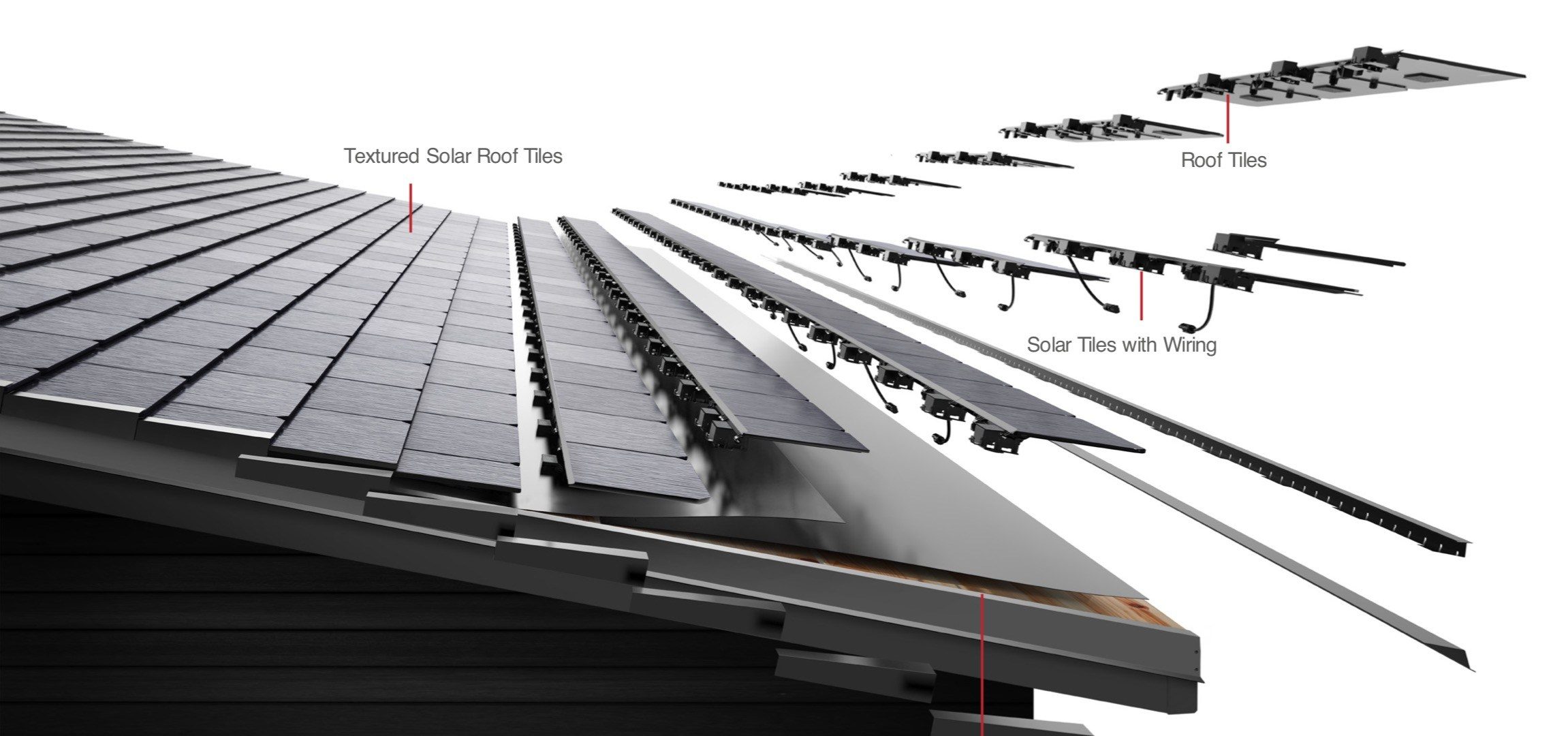
Furthermore, Tesla has indicated plans to expand its domestic solar manufacturing capabilities, concentrating on the production of standard solar panels rather than the intricate solar tiles. This strategic redirection suggests a commitment to capitalizing on the established and growing market for traditional solar energy solutions.
Broader Implications and Market Context
The cessation of the Solar Roof program has several implications for the renewable energy sector and Tesla’s long-term strategy.
-
Impact on the Solar Roofing Market: While Tesla’s foray into solar roofing has ended, the concept of integrated solar shingles and tiles remains an active area of innovation. Several competing manufacturers offer solar roofing solutions, and the success or failure of Tesla’s product may influence investor confidence and consumer adoption of these alternatives. It is crucial to distinguish Tesla’s experience with its specific solar roof tiles from the broader economics of traditional solar panel installations, which continue to offer compelling value propositions for many homeowners.

-
Tesla’s Energy Business Evolution: The decision underscores Tesla’s ongoing efforts to refine its energy division. By focusing on solar panels and Powerwall, the company is concentrating on products with proven market demand and greater potential for mass-market adoption. This strategic alignment is likely intended to drive profitability and growth within its energy segment.
-
Lessons in Product Development and Market Entry: The Solar Roof saga serves as a case study in the challenges of bringing highly innovative, yet complex, products to market. The difficulties in scaling production, managing costs, and aligning marketing promises with product reality highlight the importance of thorough development, realistic timelines, and robust financial planning. The history of the Solar Roof also raises questions about the potential for early-stage demonstrations to create expectations that may not be immediately achievable.
-
Customer Relations and Trust: The pricing issues and class-action lawsuit associated with the Solar Roof have undoubtedly impacted customer trust. Tesla’s handling of these situations, including significant price increases after contract signings, may influence how potential customers perceive the company’s reliability and transparency in future product launches.

-
Future of Integrated Roofing Solutions: Despite Tesla’s struggles, the appeal of a roof that doubles as a solar generator remains. For new construction or major roof replacements, an integrated solar solution offers aesthetic advantages and potential long-term cost savings by eliminating the need for separate racking systems. The market may yet see the emergence of more successful integrated solar roofing products from other companies, building on the lessons learned from Tesla’s experience.
The failure of the Solar Roof to achieve its ambitious goals does not diminish the broader potential of solar energy. Traditional solar panels, when installed efficiently and coupled with energy storage, continue to provide a viable and increasingly cost-effective pathway for homeowners to reduce their electricity bills and environmental impact. The ongoing innovation in the solar industry, including advancements in panel efficiency and battery technology, suggests a bright future for renewable energy adoption, even as specific product ventures face challenges. Tesla’s pivot signals a recalibration of its approach, prioritizing scalability and financial viability in its pursuit of a sustainable energy future.