The global community of volunteer-led coding clubs, known as CoderDojo, is marking a dual milestone this year as the movement celebrates its fifteenth anniversary and local chapters reach significant operational landmarks. In North Yorkshire, the Selby CoderDojo recently conducted its 40th monthly session, highlighting the enduring appeal and scalability of the initiative. Since its inception four years ago, the Selby chapter has not only provided a consistent platform for local youth but has also served as a regional incubator, catalyzing the launch of six additional clubs across the surrounding area. This localized success mirrors a broader international trend where non-formal education is increasingly seen as a vital supplement to traditional school curricula, particularly in the rapidly evolving fields of computer science and artificial intelligence.
The Genesis of a Movement: From Cork to the Global Stage
The CoderDojo movement began in 2011 at PBC Cork, a secondary school in Ireland. It was founded by James Whelton, then an 18-year-old student who had gained notoriety for hacking the iPod Nano, and Bill Liao, an entrepreneur and philanthropist. The initial concept was born from a desire to create a space where young people could share knowledge freely, outside the rigid structures of the formal education system. The first "Dojo" was held on July 23, 2011, and the model proved so popular that it quickly spread across Ireland and then internationally.
The growth of CoderDojo was predicated on a unique "open source" social model. Unlike traditional franchises, the CoderDojo Foundation provided the branding and resources for free, allowing anyone to start a club provided they adhered to the "Charter of Ethics" and the movement’s central motto: "Be Cool." By 2017, the CoderDojo Foundation merged with the Raspberry Pi Foundation, a move designed to provide the movement with greater institutional support and a more robust logistical backbone. Today, the movement represents a significant portion of the world’s largest coordinated network of free coding clubs, sitting alongside the Code Club initiative to serve over 10,000 monthly meetings worldwide.
The Selby Milestone: A Case Study in Local Impact
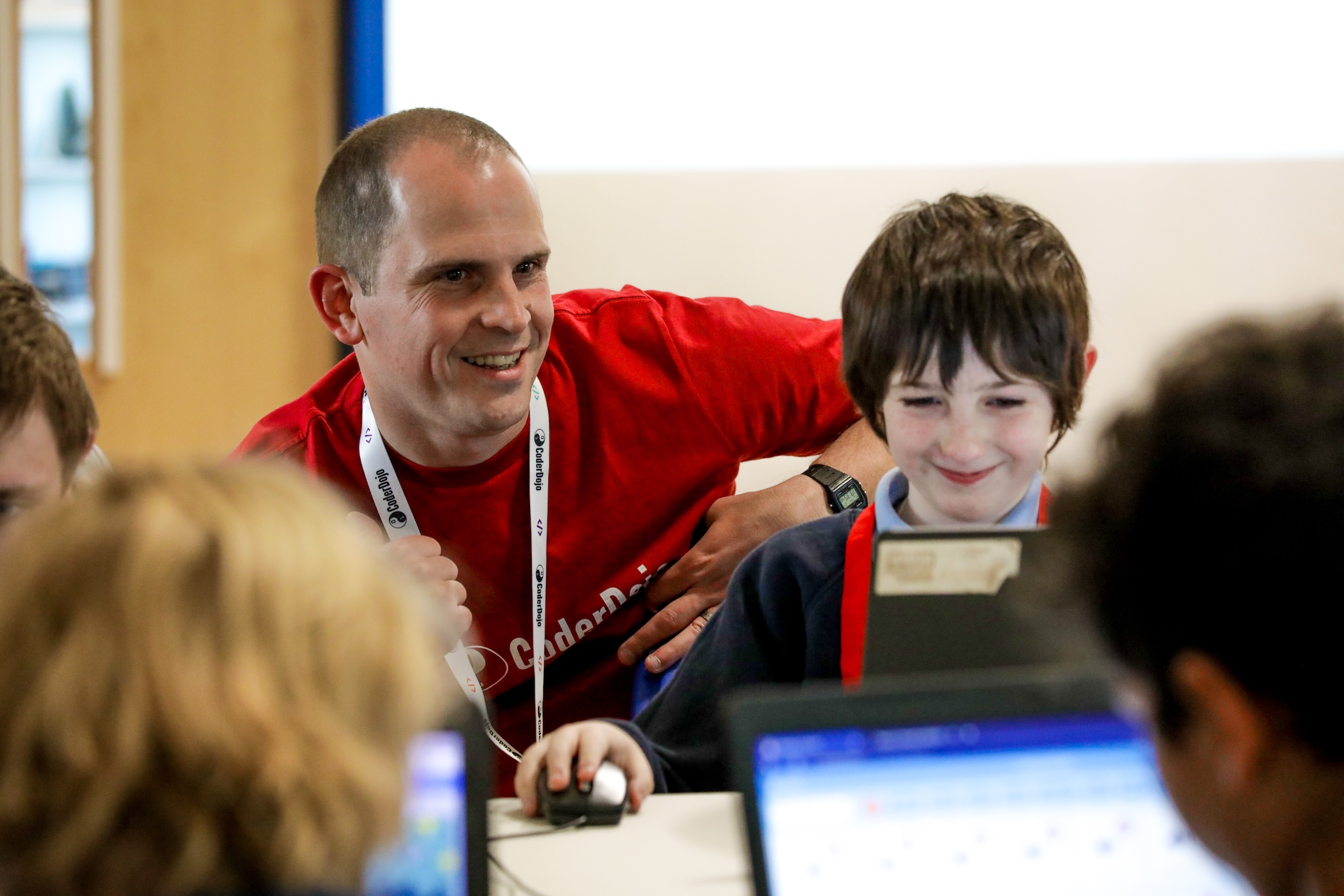
The experience of the Selby CoderDojo offers a granular view of how these global ideals translate into community-level benefits. Founded four years ago by volunteers seeking to understand the practical challenges faced by "Dojo Champions"—the lead organizers of these clubs—the Selby chapter has maintained a monthly schedule to meet a consistently high demand.
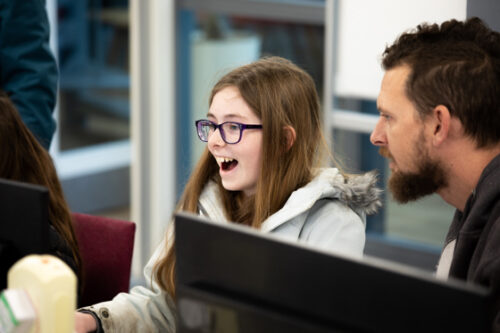
The 40th event in Selby underscores the repetitive, long-term commitment required to foster a "tech-native" generation. Organizers note that the value of these sessions extends beyond the acquisition of technical skills like Python or HTML. The environment encourages "Ninja" participants—the term used for students in the Dojo—to engage in collaborative problem-solving. Observations from these sessions indicate that the "eureka moment," such as successfully illuminating an LED for the first time or deploying a first website, serves as a powerful psychological driver for further learning. Furthermore, the inclusion of parents in the learning process creates a unique multi-generational educational dynamic that is rarely found in formal classroom settings.
The Educational Philosophy: Non-Formal vs. Formal Learning
The success of CoderDojo over the past 15 years has sparked significant academic and journalistic interest in the efficacy of non-formal education. While formal schooling is essential for foundational literacy and numeracy, it often struggles to keep pace with the exponential rate of technological change. CoderDojo operates on a "constructionist" learning theory, which posits that people learn most effectively when they are making tangible objects.
In a Dojo, there are no set curricula or exams. Instead, Mentors guide Ninjas through projects based on the student’s personal interests, whether that be game development, robotics, or web design. This self-directed approach is particularly effective for children who may feel marginalized by the standard educational system. Data from various youth development studies suggest that students who participate in extracurricular STEM (Science, Technology, Engineering, and Mathematics) activities are significantly more likely to pursue higher education and careers in technical fields. By removing the pressure of grading, CoderDojo fosters an environment of "fearless experimentation," a trait highly valued in the modern workforce.
The Raspberry Fields Summit and the AI Frontier
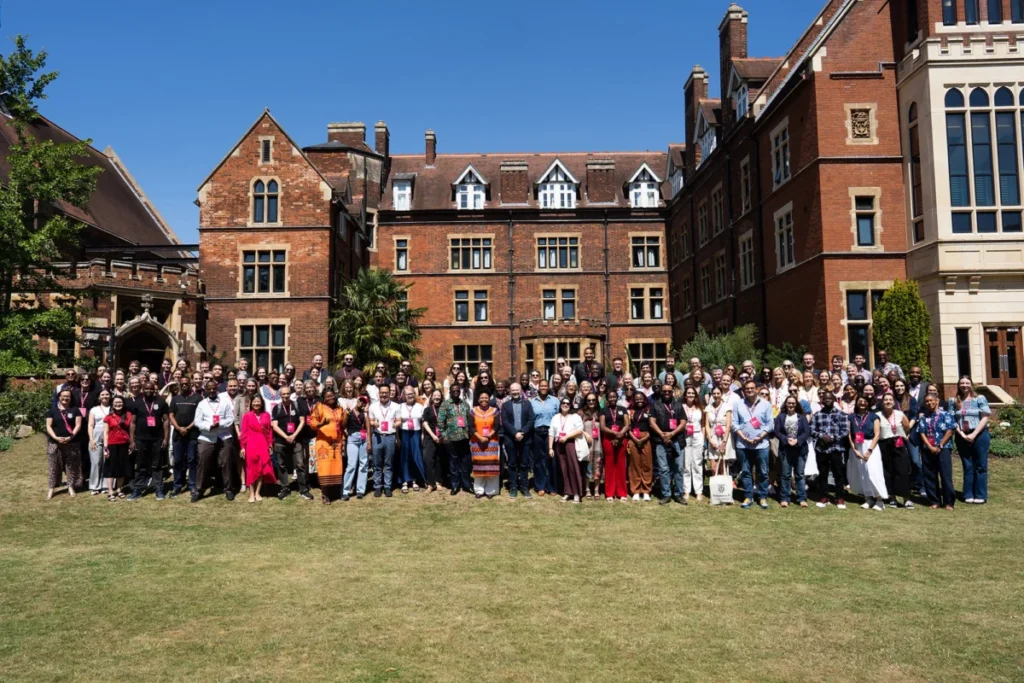
Earlier this month, the global leadership of the movement convened in Cambridge for "Raspberry Fields," the first global partners summit. The event brought together representatives from Dojos worldwide to discuss the future of computing education, with a heavy emphasis on the rise of Artificial Intelligence (AI).
The consensus among educators at the summit was that the advent of AI does not render coding skills obsolete; rather, it changes the nature of the skills required. As AI tools increasingly automate the writing of basic code, the role of the human programmer shifts toward high-level logic, system architecture, and ethical oversight. The summit emphasized that young people must be taught to "question and shape" the AI systems that are increasingly governing modern life.
Philip Colligan, CEO of the Raspberry Pi Foundation, has frequently noted that the mission of these clubs is to move children from being "passive consumers" of technology to "active creators." In the context of AI, this means understanding the data biases and algorithmic structures that underpin large language models and automated decision-making tools.
Global Reach and Socio-Economic Implications
Currently, there are over 600 active CoderDojos operating in more than 100 countries. This global footprint is essential for addressing the "digital divide"—the gap between those who have access to modern information technology and those who do not. Because CoderDojo is free to attend, it removes the financial barriers that often prevent children from lower-income backgrounds from accessing high-quality tech education.
The implications of this are profound for global labor markets. According to reports from the World Economic Forum, the majority of the fastest-growing occupations are in the technology sector. By providing free training in these areas, CoderDojo acts as an engine for social mobility. In regions like Ireland, where the movement began, the "Dojo generation" is now entering the workforce, providing a steady stream of talent for the country’s significant tech sector.
Chronology of Key Milestones in the CoderDojo Movement
- July 2011: The first CoderDojo is held in Cork, Ireland, by James Whelton and Bill Liao.
- 2012: The CoderDojo Foundation is established to support the growing number of clubs internationally.
- 2013: The movement reaches 100 Dojos globally.
- 2015: CoderDojo expands significantly into Asia and South America.
- May 2017: The CoderDojo Foundation joins forces with the Raspberry Pi Foundation to scale operations.
- 2020: The Selby CoderDojo is founded in the UK, beginning its journey toward its 40th event.
- 2021-2022: The movement adapts to the COVID-19 pandemic by pioneering "Remote Dojos" and virtual learning resources.
- 2024: The movement celebrates 15 years of operation; Selby CoderDojo hosts its 40th session.
- October 2024: The upcoming "Meet, Learn, Make" event in Athlone, Ireland, is scheduled to bring the community back to its roots.
Future Outlook: Continuing the Mission
As CoderDojo enters its sixteenth year, the focus remains on expansion and inclusivity. While the movement has seen massive success, organizers emphasize that there are still millions of young people who lack access to these resources. The "Meet, Learn, Make" event scheduled for October in Athlone, Ireland, represents the next major gathering for the community, aiming to synthesize the lessons learned from 15 years of operation into a strategy for the next decade.
The challenge for the future lies in maintaining the "volunteer spirit" that has defined the movement while scaling to meet the needs of an AI-driven economy. The Raspberry Pi Foundation and the CoderDojo community continue to advocate for the importance of reaching children who do not thrive in traditional school settings. By providing a "third space" for learning—one that is neither home nor school—CoderDojo fills a critical gap in the social fabric.
The 40th event in Selby and the 15th anniversary of the global movement serve as a reminder that community-led initiatives can have a global impact. As technology continues to evolve at a breakneck pace, the fundamental values of CoderDojo—fun, creativity, collaboration, and openness—remain as relevant today as they were in a school in Cork fifteen years ago. The call to action for volunteers remains clear: the mission to demystify technology for the next generation is an ongoing endeavor that requires both local commitment and global cooperation.