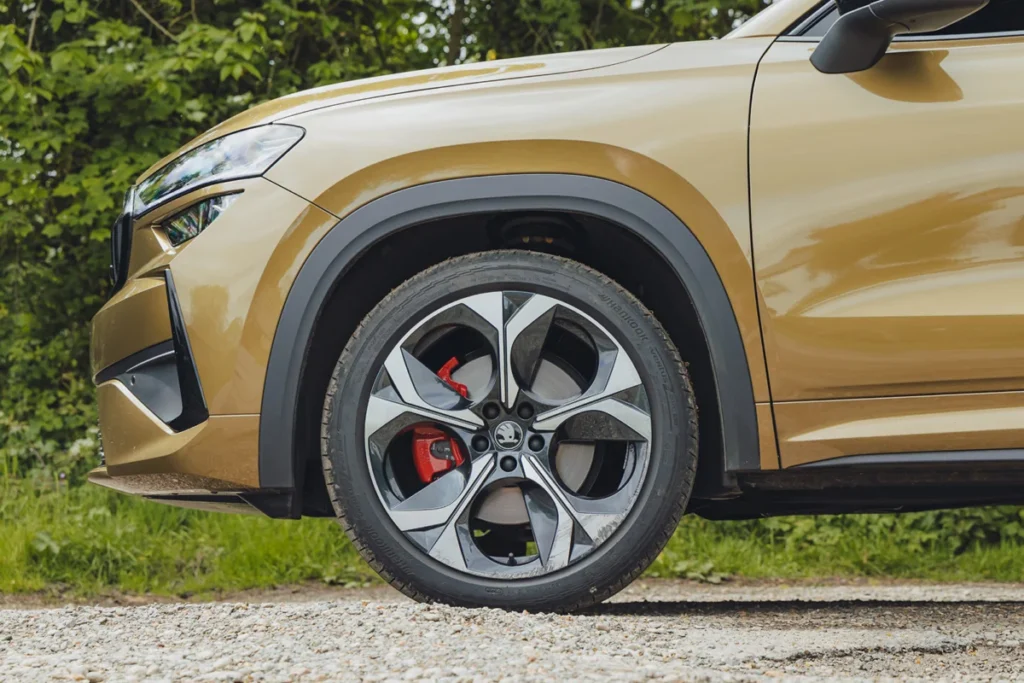
I feel bad, but I wasn’t being careless – are car design trends putting wheels needlessly at risk?
The author, a seasoned automotive correspondent for Autocar magazine, Matt Prior, has publicly admitted to a moment of professional embarrassment: kerbing a wheel. This seemingly minor incident, which occurred early in a four-hour drive, has prompted a broader reflection on contemporary car design trends and their potential impact on the vulnerability of wheels to damage. Prior, usually adept at parking maneuvers honed by daily practice in tight office car parks, found himself unexpectedly misjudging a maneuver during a brief break, leading to the unfortunate encounter with a kerb.
The Incident and the Author’s Reflection
The incident, described as "quite notable," occurred approximately two and a half hours into a journey. The author emphasizes that this was not a lapse in general driving skill but rather a specific moment where concentration wavered during a necessary stop. The subsequent irritation and embarrassment stem from a "point of professional pride," given his usual competence in handling vehicles. This personal anecdote serves as the catalyst for a more in-depth examination of whether modern automotive aesthetics and engineering choices are inadvertently increasing the likelihood of such damage.
Design Trends Under Scrutiny
The core of Prior’s inquiry revolves around whether specific design trends are making wheels more susceptible to damage from everyday encounters with kerbs. This includes a consideration of:
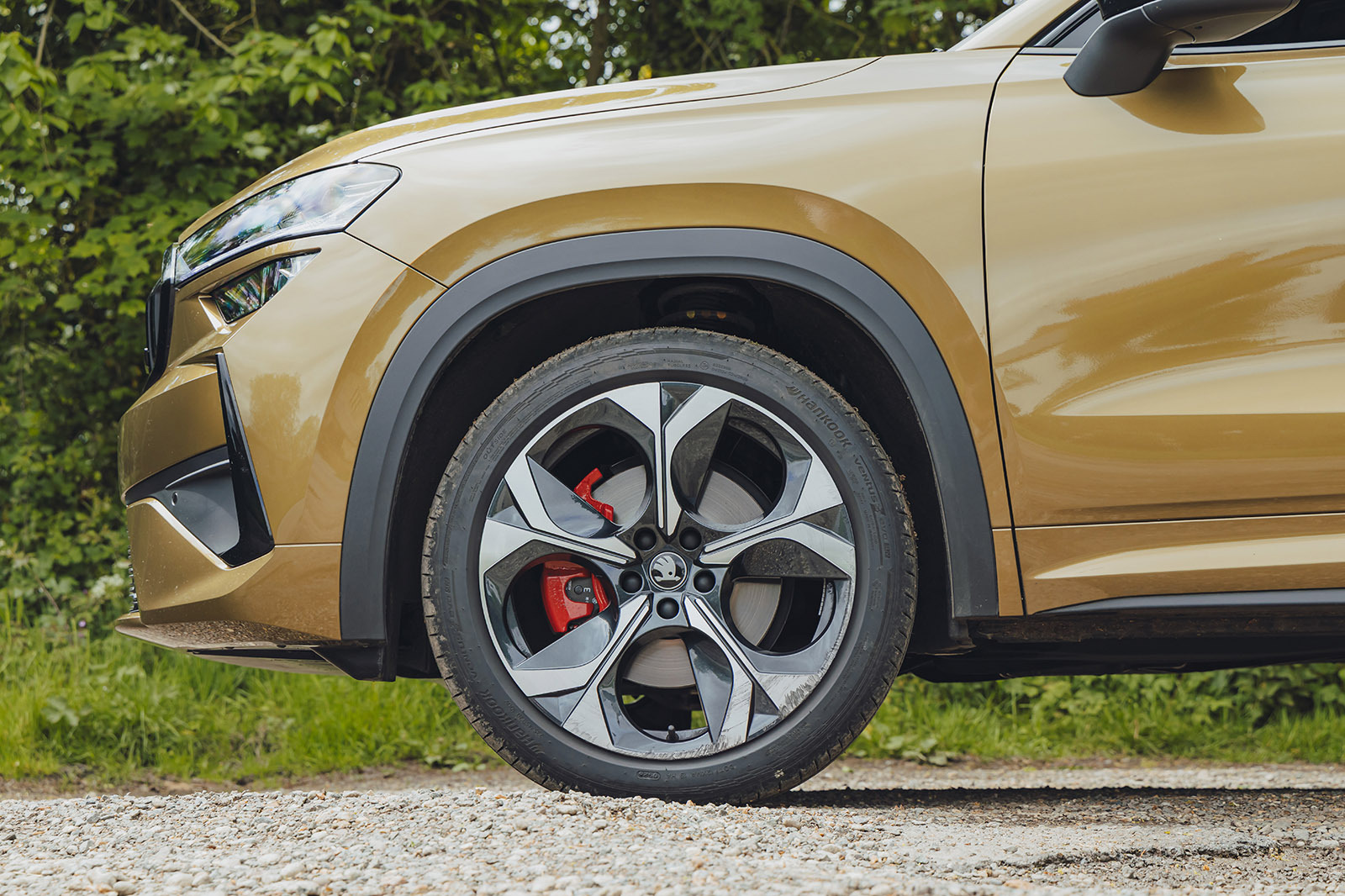
- Wheel Diameter and Profile: The increasing trend towards larger wheel diameters, often paired with lower-profile tires, is a significant factor. While aesthetically appealing to many consumers, these larger wheels can present a greater surface area exposed to impact. The reduced sidewall height of low-profile tires offers less cushioning between the rim and the kerb, thereby increasing the risk of direct contact and subsequent damage. Data from automotive industry analysis firms, such as IHS Markit, has consistently shown a year-on-year increase in the average wheel size fitted to new vehicles, with many premium and performance models now defaulting to 19-inch or larger wheels. For example, in 2023, the average wheel size for new passenger cars sold in Europe exceeded 18 inches, a marked increase from a decade prior.
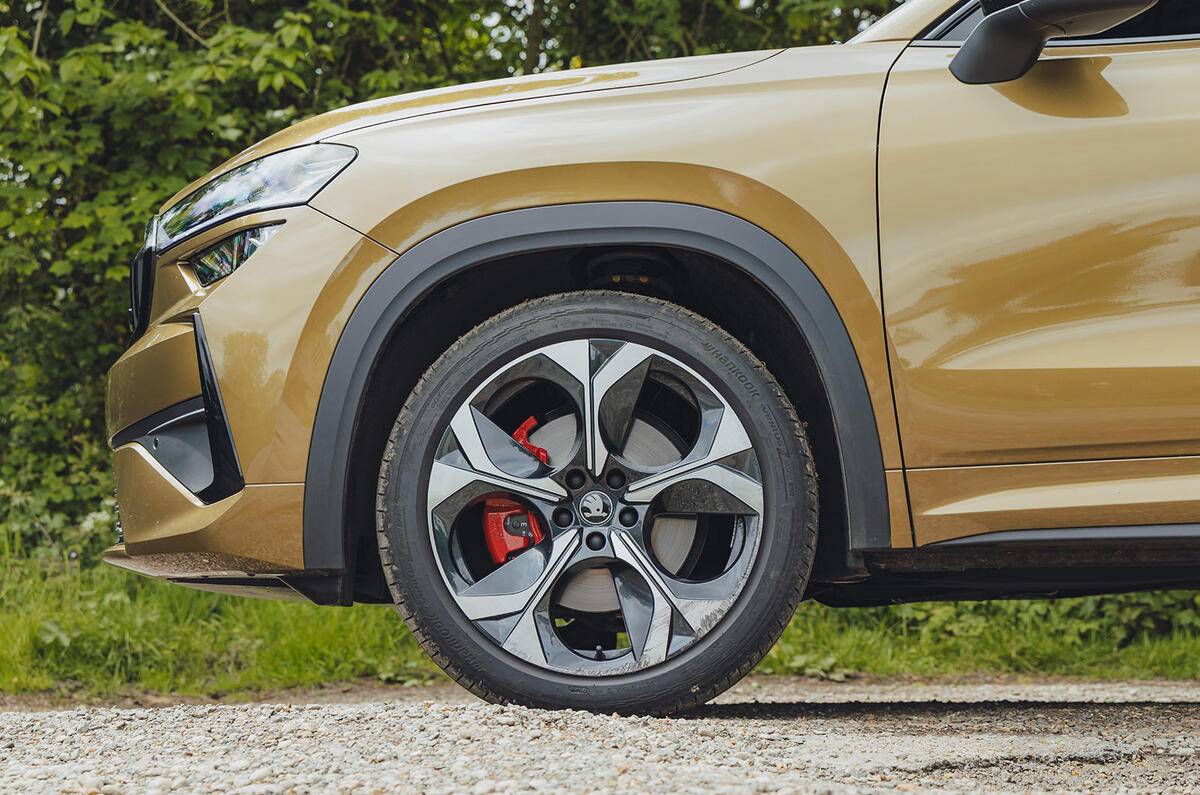
- Wheel Design Complexity: Many modern wheels feature intricate designs with sharp spokes, deep recesses, and polished or diamond-cut finishes. While these designs contribute to a vehicle’s visual appeal, they can also make the rim more vulnerable. A glancing blow that might have been absorbed or deflected by a simpler, more robust wheel design could instead catch an edge or spoke, leading to scuffing, bending, or cracking.
- Reduced Ground Clearance and Overhangs: The pursuit of aerodynamic efficiency and a more aggressive stance often leads to lower ride heights and more pronounced front and rear overhangs. This can reduce the margin for error when maneuvering close to kerbs, particularly in tight parking spaces or on uneven surfaces.
- Offset and Concavity: The "tucked in" or deeply concave wheel designs favored by some manufacturers and aftermarket tuners can alter the wheel’s effective offset. This can push the rim further outwards, making it more exposed to kerb strikes.
The Economic and Practical Implications
The damage to a wheel is not merely an aesthetic concern. Repairing or replacing a damaged wheel can be a significant expense for vehicle owners. Depending on the material (alloy, forged alloy) and the complexity of the design, a single wheel can cost anywhere from several hundred to over a thousand pounds. Beyond the financial cost, there are practical inconveniences:
- Downtime: Taking a vehicle to a repair shop for wheel damage results in temporary loss of use.
- Safety Concerns: Severe wheel damage can compromise the structural integrity of the wheel, potentially affecting handling and safety. In extreme cases, a damaged wheel could lead to a tire blowout or loss of control.
- Tire Wear: A bent rim can cause uneven tire wear, leading to premature replacement of tires.
Broader Industry Context and Historical Perspective
The debate over car design and its impact on vehicle durability is not new. Historically, car wheels were often smaller, with higher-profile tires that provided a significant buffer against road imperfections and accidental impacts. The shift towards larger wheels and lower-profile tires gained momentum in the late 20th and early 21st centuries, driven by consumer demand for sporty aesthetics, improved handling characteristics (particularly in dry conditions), and the marketing prowess of manufacturers highlighting these features.
However, the trade-offs are becoming increasingly apparent. While manufacturers strive for visual appeal and performance, the practical consequences for everyday driving and maintenance are coming under greater scrutiny. The automotive industry is a complex ecosystem where design, engineering, marketing, and consumer preference are constantly interacting.
Potential Industry Responses and Solutions
While the author’s personal anecdote is the starting point, the implications extend to the wider automotive industry. Potential responses or considerations could include:
- Design Evolution: Manufacturers might explore designs that offer a better balance between aesthetics and protection. This could involve subtle changes to spoke profiles, incorporating a protective lip on the wheel rim that extends slightly beyond the tire, or offering a wider range of wheel and tire size options from the factory.
- Material Innovation: Advances in wheel materials and manufacturing techniques could lead to stronger, more resilient wheels that are better equipped to withstand impacts.
- Driver Assistance Technologies: While not a direct design solution, the continued development and integration of advanced parking sensors, 360-degree camera systems, and even automated parking features can help drivers avoid such incidents, regardless of design.
- Consumer Education: Providing clearer information to consumers about the potential risks and maintenance requirements associated with larger wheels and low-profile tires could help manage expectations and promote more informed purchasing decisions.
- Aftermarket Considerations: The aftermarket tuning scene, which often pushes wheel sizes and designs to extremes, also plays a role. Awareness and responsible product development within this sector are crucial.
Conclusion: A Balancing Act
Matt Prior’s kerbed wheel, while a personal inconvenience, highlights a prevalent issue in modern automotive design. The relentless pursuit of aggressive styling, often characterized by larger wheels and lower-profile tires, comes with an inherent risk of increased vulnerability to kerb damage. This is a complex interplay of consumer desire, manufacturer ambition, and engineering capability. As vehicles become more integrated with technology and their aesthetics become a primary selling point, the practicalities of everyday use, such as avoiding minor but costly damage, remain a critical consideration. The industry faces the ongoing challenge of balancing cutting-edge design with the enduring need for robust, practical, and owner-friendly vehicles. The conversation initiated by this seemingly small incident underscores the need for continued dialogue between designers, engineers, and the motoring public to ensure that the cars we drive are not only beautiful but also resilient to the realities of the road.