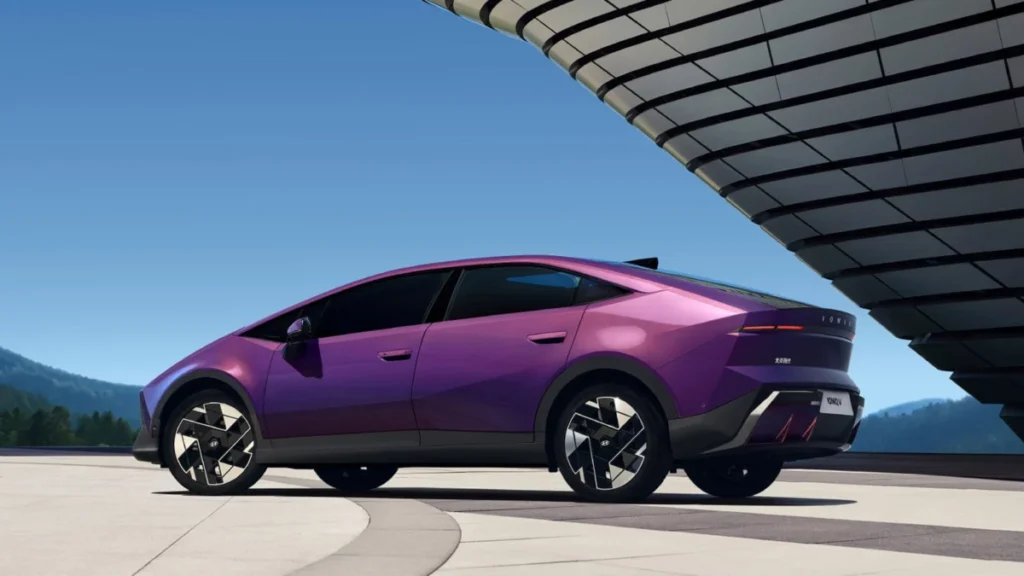
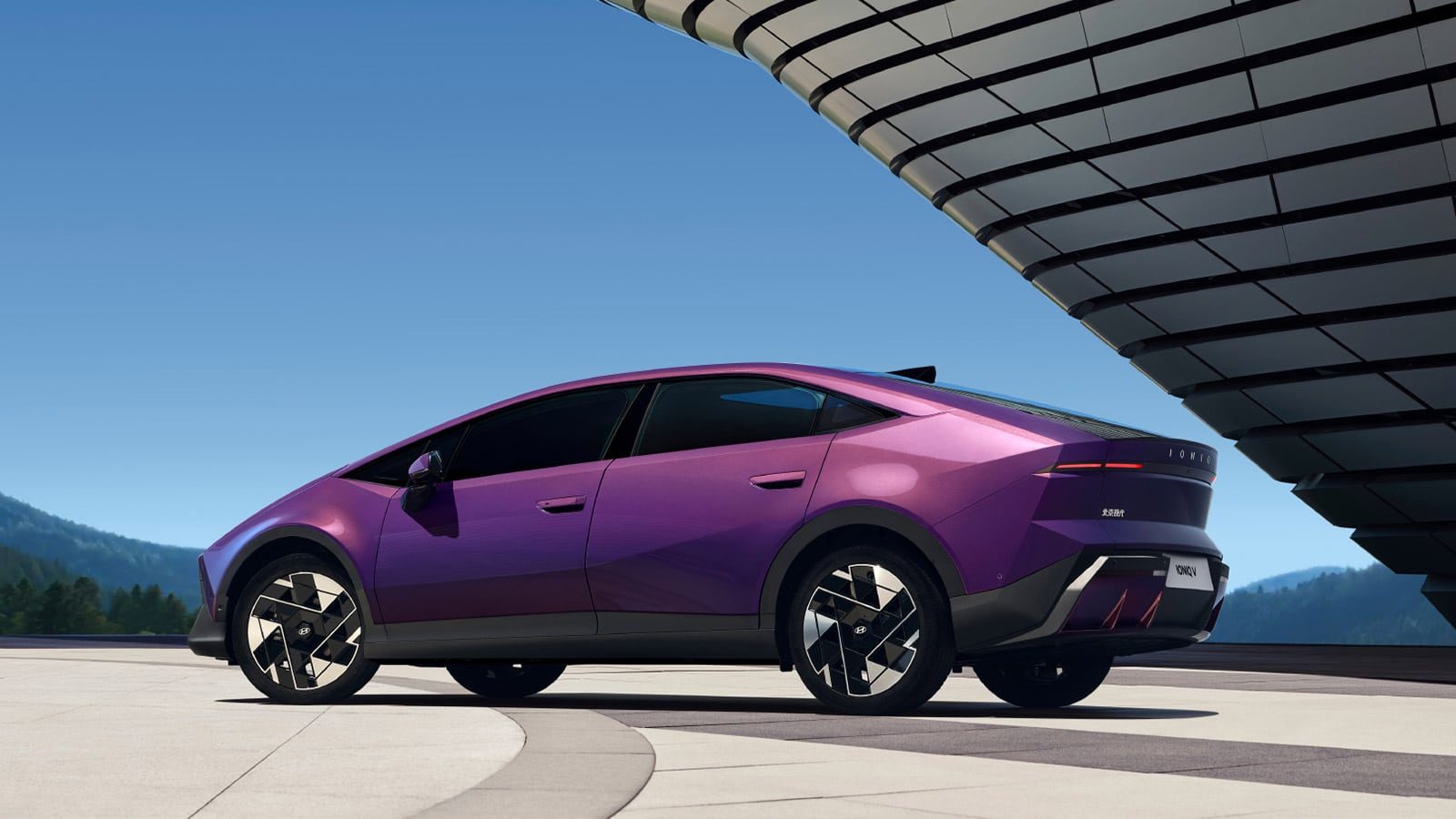
Hyundai has officially commenced pre-sale orders for its highly anticipated Ioniq V electric vehicle, a move that underscores the automaker’s strategic pivot towards the rapidly expanding Chinese electric vehicle market. While initially targeting Chinese consumers, the launch signifies Hyundai’s broader ambitions to leverage this crucial market as a testing ground for future global EV strategies. The Ioniq V, first unveiled in concept form just weeks prior and making its public debut at the Beijing Auto Show in April 2026, has now been showcased at the Chengdu Auto Show, marking a significant step in its journey from concept to production.

A Striking Design for a Competitive Landscape
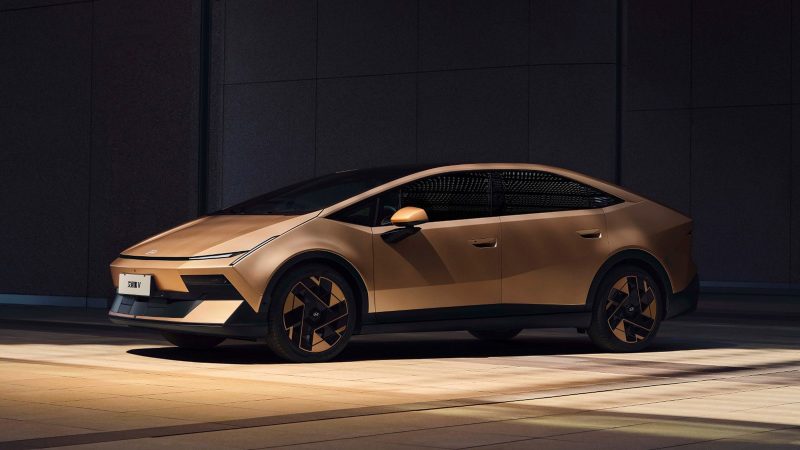
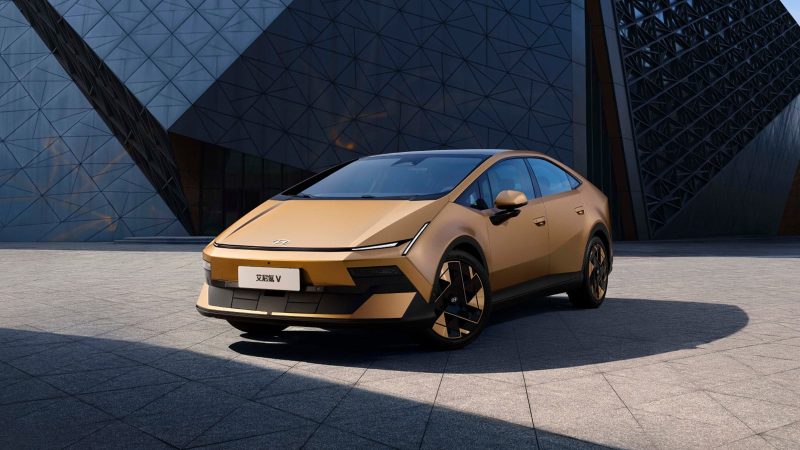
The Ioniq V immediately captured attention with its polarizing, sharply angular design, drawing comparisons to a digital, low-polygon interpretation of the contemporary Toyota Prius. This distinctive aesthetic is not an isolated design exercise; it represents the vanguard of Hyundai’s ambitious plan to introduce 20 new electric models into the fiercely competitive Chinese EV market. This consistent design language across its forthcoming lineup is intended to create a recognizable and modern brand identity tailored to the preferences of Chinese consumers.
The vehicle is being offered in three distinct trim levels, with pricing starting at approximately $17,700 (119,900 yuan) for the entry-level model. Mid-tier options are priced around $19,400 (129,900 yuan), and the top-tier variant commands a price of approximately $20,900 (139,900 yuan). These competitive price points position the Ioniq V to vie for market share in a segment characterized by rapid innovation and aggressive pricing.
Performance and Powertrain Options
Underpinning the Ioniq V’s electric performance are two battery options: a 53.5 kWh unit and a larger 66.8 kWh battery. The powertrain configurations vary across the trim levels, with lower-tier models delivering 188 horsepower (140 kW) and an estimated range of 330 miles (520-540 km) on the CLTC (China Light-Duty Vehicle Test Cycle) standard. The more potent upper model boasts 225 horsepower (168 kW) and an extended CLTC range of approximately 390 miles (620-650 km). It is important to note that CLTC figures are generally more optimistic than EPA (Environmental Protection Agency) estimates, suggesting that real-world range in Western markets would likely be lower.
While Hyundai has alluded to a future Extended-Range Electric Vehicle (EREV) version, the current market dynamics in China strongly favor Battery Electric Vehicles (BEVs). Recent sales data from China indicate a significant surge in EV adoption, with a corresponding decline in sales for internal combustion engine (ICE) vehicles. This trend suggests that the BEV variants of the Ioniq V are poised to be the primary focus and likely the most popular among consumers.
Advanced Platform and Charging Capabilities
The Ioniq V is built upon Hyundai’s cutting-edge E-GMP (Electric-Global Modular Platform), renowned for its 800V architecture. This platform is the foundation for some of the fastest-charging EVs currently available in markets like the United States, enabling significantly reduced charging times. Although Hyundai has not yet disclosed specific charge rates for the Ioniq V, its E-GMP underpinnings strongly suggest that it will offer rapid charging capabilities.
The Chinese EV charging infrastructure is experiencing unprecedented advancements. The nation is witnessing the deployment of ultra-fast charging stations capable of delivering up to 1.5 megawatts, and manufacturers are increasingly focusing on shaving seconds, not minutes, off charging times. While the Ioniq V may not reach the absolute pinnacle of this hyper-competitive charging race, a charging time of under 20 minutes for a substantial range replenishment would still be considered a remarkable achievement and a strong selling point.
Dimensions and Interior Technology
In terms of physical dimensions, the Ioniq V presents a more substantial footprint than its design comparisons might suggest. It measures 192.9 inches (4,900 mm) in length, significantly longer than the 181.1-inch (4,600 mm) Toyota Prius. It is also notably wider and taller, measuring 74.4 inches (1,890 mm) in width and 57.9 inches (1,470 mm) in height, offering a more commanding presence on the road.
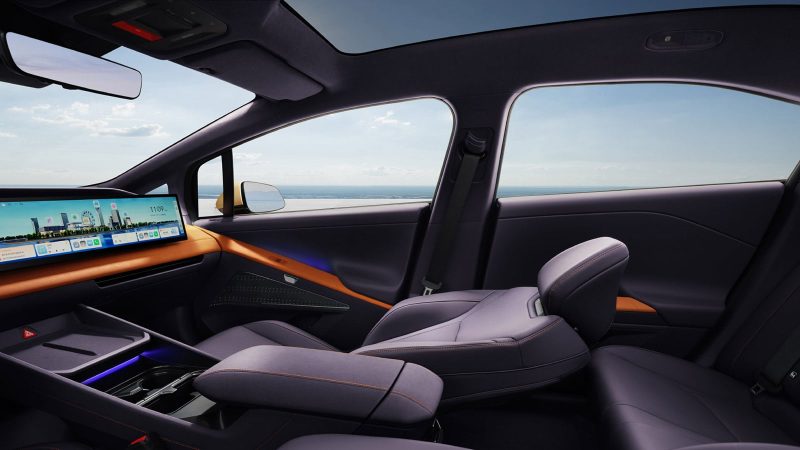
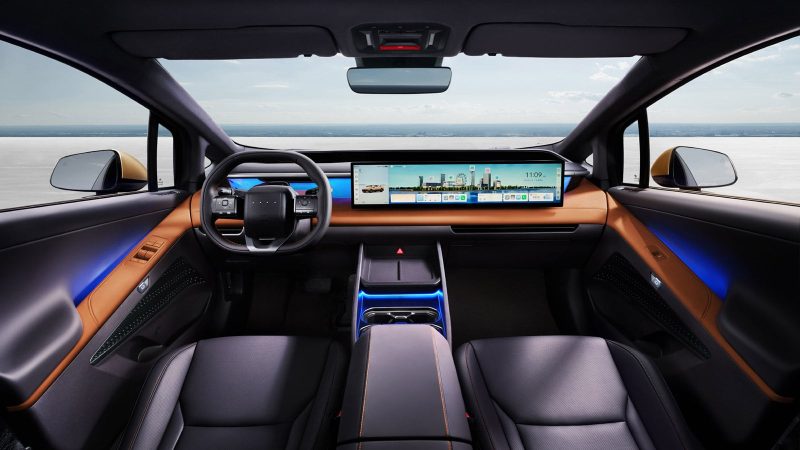
The interior of the Ioniq V is dominated by a colossal 27-inch screen. While Hyundai has described it as a 4K display, the practical resolution is likely not a true 3840×2160. This expansive central display serves as the hub for the vehicle’s infotainment and control systems, integrating two prominent Chinese AI models from Baidu and ByteDance. This strategic integration highlights Hyundai’s commitment to localizing technology and user experience for the Chinese market.
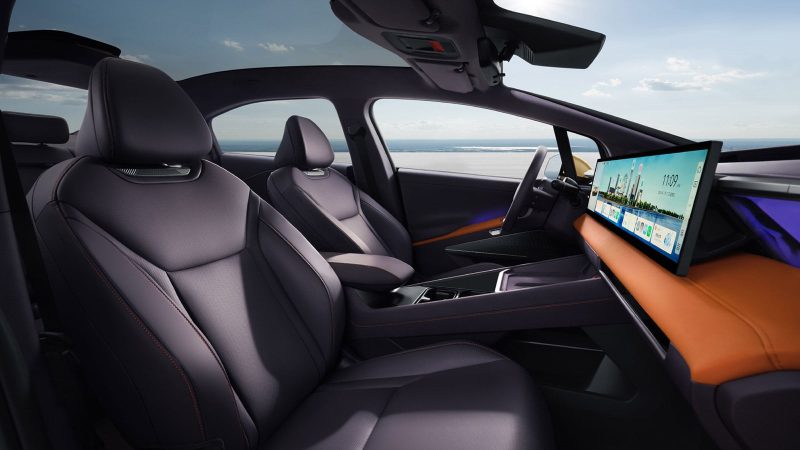
For the driver, the Ioniq V features a sophisticated heads-up display system, dubbed "Cyber Eye," and incorporates an advanced driver-assistance system (ADAS) developed in collaboration with Momenta, a leading Chinese ADAS company that supplies technology to numerous automotive brands. This partnership underscores the trend of global automakers integrating local expertise to navigate the complex and rapidly evolving ADAS landscape in China.
The Ioniq V will be manufactured in Beijing at a plant operated by Hyundai through a joint venture with BAIC Motor, a significant player in the Chinese automotive industry. This localized production strategy is crucial for efficiency, cost management, and compliance with Chinese regulations.
Global Ambitions and Market Access Challenges
While pre-orders for the Ioniq V are now open exclusively in China, Hyundai has expressed its intention to offer the model to global markets in the future. The company views the Chinese EV market as a critical incubator for its global mobility strategies, believing that success in this demanding environment will pave the way for broader international adoption of its electric vehicles.
However, a concrete timeline for international availability has not yet been established. Industry analysts suggest that markets with burgeoning EV sales, such as Australia, are likely candidates for early expansion. Hyundai’s recent introduction of the Elexio in Australia further supports this projection. There is also potential for the Ioniq V to reach European markets and possibly Canada, where the demand for affordable and innovative EVs is growing.
The United States, however, faces a more uncertain outlook for the Ioniq V’s availability. Without significant policy shifts, particularly concerning tariffs on Chinese-manufactured vehicles and components, the U.S. market may be deprived of access to this technologically advanced and potentially affordably priced EV. This situation could hinder the U.S.’s progress in decarbonizing its transportation sector, reducing reliance on fossil fuels, and mitigating global energy-related conflicts.
The Broader Context of China’s EV Dominance
Hyundai’s strategic focus on China is not an isolated decision but a response to the country’s undeniable leadership in the global electric vehicle revolution. China has consistently set the pace in terms of EV sales volume, technological innovation, and the development of supporting infrastructure. The nation’s proactive government policies, substantial investment in research and development, and a receptive consumer base have created a fertile ground for EV growth.

The rapid adoption of EVs in China has had a transformative effect on the country’s urban environments, leading to significantly improved air quality in major cities like Beijing. This environmental benefit, coupled with the economic advantages of reduced energy costs and enhanced energy independence, positions EVs as a key component of China’s national strategy.
For global automakers like Hyundai, establishing a strong foothold in China is no longer just an option but a strategic imperative. The lessons learned, the technologies honed, and the consumer insights gained from navigating the Chinese market are invaluable assets that can be leveraged to compete effectively on the world stage. The Ioniq V, with its distinctive design, advanced platform, and localized technology, represents Hyundai’s latest endeavor to capture a significant share of this vital market and, in doing so, shape the future of electric mobility worldwide.

A Glimpse into the Future of Automotive Design and Technology
The Ioniq V’s design language, while potentially divisive, speaks to a growing trend in the automotive industry towards more expressive and technologically integrated vehicle aesthetics. The sharp, geometric lines and the prominent, expansive interior screen reflect a desire to create an immersive and futuristic driving experience. The integration of AI-powered systems from leading Chinese tech companies further underscores the trend of cross-industry collaboration and the increasing importance of software and digital services in the automotive sector.
As the automotive world continues its rapid transition to electrification, the strategies employed by companies like Hyundai in markets like China will serve as crucial case studies. The success or challenges encountered by the Ioniq V will offer valuable insights into consumer preferences, technological viability, and the complex geopolitical factors that influence global automotive trade. Ultimately, the Ioniq V is more than just a new electric car; it is a signal of Hyundai’s commitment to innovation and its strategic positioning in the evolving landscape of global mobility.