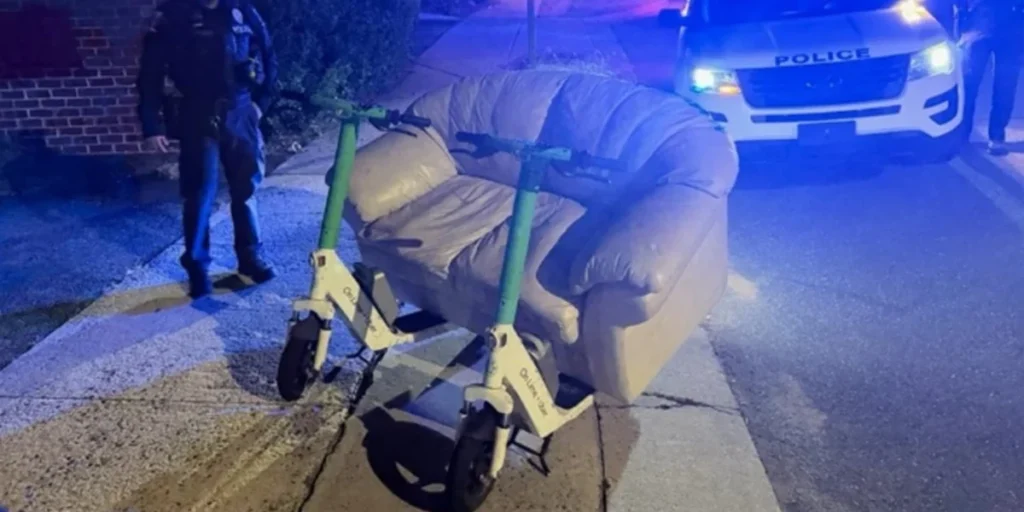
CHARLOTTE, NC – In a display of ingenuity that blurred the lines between personal transport and living room furniture, two individuals in Charlotte, North Carolina, were apprehended by the Charlotte-Mecklenburg Police Department for operating a rather unconventional vehicle: a full-sized couch propelled by a pair of Lime electric scooters. The peculiar sight was observed by officers on patrol along South Tryon Street, prompting an official report and a cautionary statement from the department.
The incident, which has since garnered attention online, involved a substantial couch, seemingly modified to accommodate the propulsion system of two shared electric scooters. While the precise engineering behind this mobile seating arrangement remains unclear, photographic evidence suggests a creative, albeit potentially hazardous, assembly. The exact method of attachment and steering is not detailed in the initial reports, but the fact that the contraption was mobile enough to attract law enforcement’s attention indicates a degree of functional, albeit unconventional, operation.
The Unfolding of an Unusual Encounter
The Charlotte-Mecklenburg Police Department’s Educational and Development Unit (EDU) officers were the first to encounter the unusual sight. According to a social media post shared by the department, the officers described the situation as "certainly a first." They encountered two gentlemen navigating South Tryon Street on what was described as "an actual couch." The department’s candid reaction highlighted the novelty and unexpected nature of the event, even for seasoned law enforcement officers.
The department’s statement, conveyed through their official channels, expressed a mix of amusement and concern. "Well, this was certainly a first," the police wrote. "Our EDU Officers encountered quite the situation this weekend when they stopped two gentlemen traveling down S. Tryon Street on a couch… Yes, an actual couch." The phrasing underscores the unusual nature of the vehicle, emphasizing that it was not a mere novelty item but a functional, albeit highly unconventional, mode of transportation.
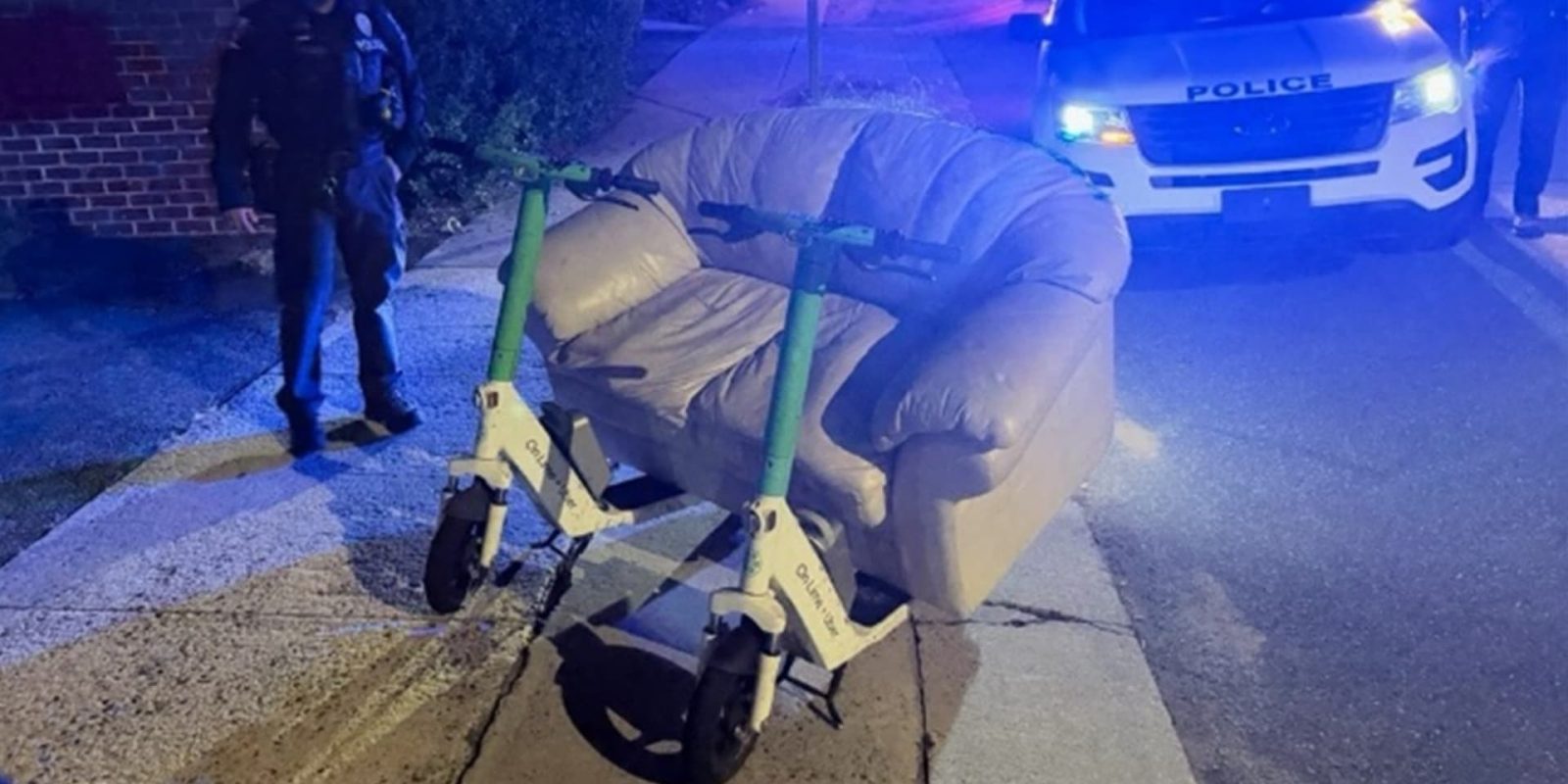
The image accompanying the police department’s post depicts a standard upholstered couch positioned atop two distinct electric scooters. The scooters appear to be Lime brand, a popular provider of shared electric mobility services in urban environments. The couch is centrally placed, with its base resting across the handlebars and rear decks of the two scooters. It is plausible that the two individuals operated the scooters independently, coordinating their movements to steer and propel the couch. This would necessitate a significant degree of teamwork and an understanding of each scooter’s capabilities.
Engineering Ingenuity or Safety Hazard?
The technical aspects of this makeshift vehicle raise numerous questions. The primary challenge would have been stabilizing the couch and ensuring it did not tip or detach from the scooters. The weight of the couch, combined with the riders, would have placed considerable strain on the scooters’ frames and batteries. Furthermore, steering a couch with two independent scooters would require precise, synchronized movements. A slight deviation by one scooter could lead to an unpredictable and potentially dangerous trajectory for the entire assembly.
The absence of any visible safety modifications, such as seatbelts or a protective frame, further amplifies the concerns regarding the safety of the riders and other road users. The inherent instability of such a contraption, especially at any significant speed or when encountering uneven terrain, potholes, or sudden braking, could lead to serious accidents. The scooters themselves are designed for individual riders and are not engineered to bear the load and dynamics of a couch and two occupants.
Context of Urban Micromobility
This incident occurs against a backdrop of increasing reliance on and innovation within the micromobility sector. Shared electric scooters, like those operated by Lime, have become a ubiquitous feature in many cities, offering a convenient and often eco-friendly alternative for short-distance travel. However, the proliferation of these devices has also brought challenges related to parking, sidewalk clutter, and safety regulations.
Cities worldwide are grappling with how to integrate micromobility services effectively while ensuring public safety and order. Regulations vary, but typically include restrictions on where scooters can be ridden (e.g., prohibiting them on sidewalks in many areas), speed limits, and requirements for helmets. The contraption observed in Charlotte represents a significant departure from the intended use of these personal electric vehicles, pushing the boundaries of what is considered acceptable or even feasible on public roadways.
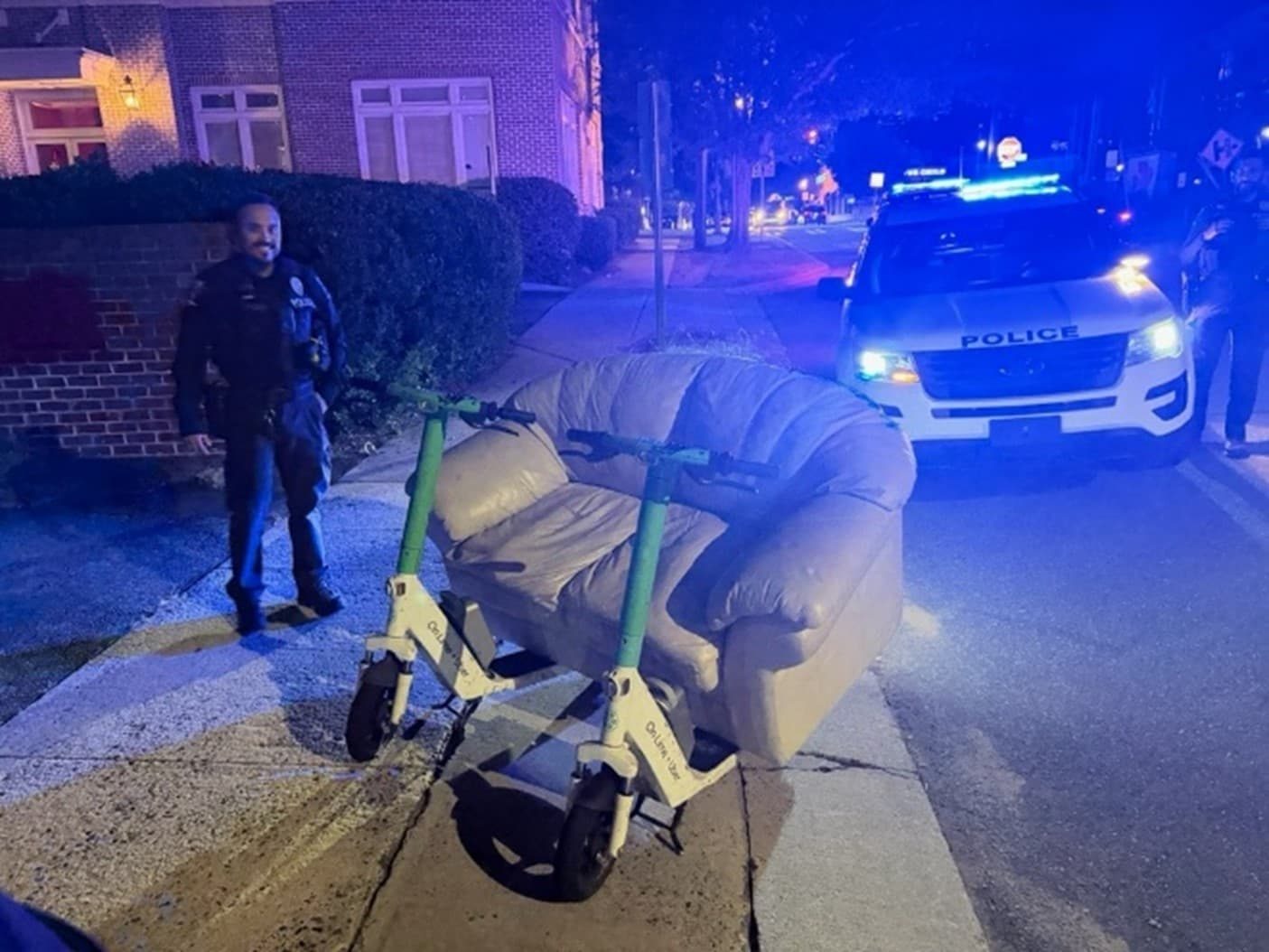
The use of two scooters to power a single, larger vehicle is not entirely unheard of in creative engineering circles, but applying this concept to a piece of furniture like a couch on public streets is highly unusual. It suggests a level of ambition and perhaps a disregard for conventional transport norms.
Official Response and Public Safety Concerns
The Charlotte-Mecklenburg Police Department’s response, while acknowledging the creativity, ultimately centered on the critical issue of public safety. Their statement served as a reminder to the public about responsible use of transportation, regardless of the vehicle’s nature. "While we appreciate the creativity, we do have to remind everyone: no matter what you’re ‘driving’ (using that term extremely loosely), please think about safety first," the department advised. This measured response indicates an understanding of the novelty while prioritizing the well-being of citizens.
The police department also injected a touch of humor into their official communication, remarking, "it was ‘probably best to leave the mobile furniture displays to IKEA.’" This lighthearted comment, while potentially amusing, also serves to reinforce the message that such improvised vehicles are not appropriate for public streets. IKEA, a Swedish furniture retailer, is known for its flat-pack furniture and creative solutions for home living. The comparison highlights the disconnect between designed living spaces and public infrastructure.
As of the latest reports, it remains unclear whether the individuals involved were issued citations or faced any legal repercussions beyond being stopped. The police department did not publicly identify the pair, nor did they release further details about the outcome of the encounter. This suggests that the primary objective was to address the immediate safety concern and educate the individuals involved.
Broader Implications and the Future of Micromobility
The incident in Charlotte, while seemingly an isolated and eccentric event, touches upon broader themes relevant to the evolving landscape of urban transportation. It highlights the human capacity for innovation and adaptation, even in unexpected ways. However, it also underscores the challenges faced by urban planners and law enforcement in managing an increasingly diverse range of personal mobility devices.

The "couch on scooters" scenario serves as a potent, albeit extreme, illustration of the potential for misuse or unintended applications of shared mobility services. While micromobility offers numerous benefits, including reduced traffic congestion and lower carbon emissions, its integration requires careful consideration of regulatory frameworks, infrastructure, and public behavior.
This event prompts reflection on the boundaries of creativity in urban mobility. While the desire to innovate and find novel solutions is commendable, it must always be balanced with the imperative of ensuring the safety and accessibility of public spaces for all. The future of micromobility will likely involve continued technological advancements, but also a more robust and adaptive regulatory environment that can accommodate both established forms of transport and the occasional, unexpected innovation that rolls down the street on a piece of furniture.
The incident also raises questions about the responsibility of shared mobility providers. While Lime is not directly responsible for how its scooters are used once rented, such incidents might prompt discussions about rental agreements, user education, and potentially even technological limitations that could prevent such extreme modifications. However, enforcing such limitations on creative re-purposing of the scooters is a complex undertaking.
In conclusion, the unusual sight of a couch being propelled by two electric scooters in Charlotte serves as a memorable, albeit cautionary, tale. It underscores the dynamic and sometimes surprising nature of urban life and the ongoing evolution of personal transportation. While the individuals’ ingenuity is undeniable, the incident reinforces the paramount importance of prioritizing safety and adhering to established traffic regulations, ensuring that innovation does not come at the expense of public well-being. The long-term impact of such events might contribute to ongoing dialogues about the future of micromobility and the evolving definition of what constitutes acceptable urban transport.