Happy Friday, watch enthusiasts. As another week draws to a close, we turn our attention to the vibrant world of horology, highlighting noteworthy timepieces that have recently crossed the auction block or are poised to do so. This week’s "What’s Selling Where" column brings forth a compelling selection, from historically significant military-issued Smiths watches to a stunning Gübelin triple date moonphase, and a utilitarian Universal Genève for Italian railway workers, alongside a pair of vintage Heuer Autavias.
Recap of Previous Sales and Upcoming Auctions

Last week’s auction results offered a diverse snapshot of the vintage watch market. The Zenith De Luca found a new owner for €4,750, indicating sustained interest in this robust chronograph. The Carlo Ferrara achieved €2,816, reflecting the niche appeal and distinctive design of this brand. The first generation Speedmaster X-33 garnered 2,000 Singapore Dollars, underscoring its status as a modern classic among pilots and watch collectors alike. Looking ahead, the highly anticipated Patek Philippe reference 1415 is scheduled for auction this Friday, promising to be a significant event in the horological calendar.
The Enduring Appeal of Issued Smiths Watches
This week, our spotlight shines on the British watchmaker Smiths, a brand with a rich history intertwined with military contracts. Two examples, a DeLuxe Broad Arrow and an A10, showcase the brand’s legacy of producing reliable and legible timepieces for official use.

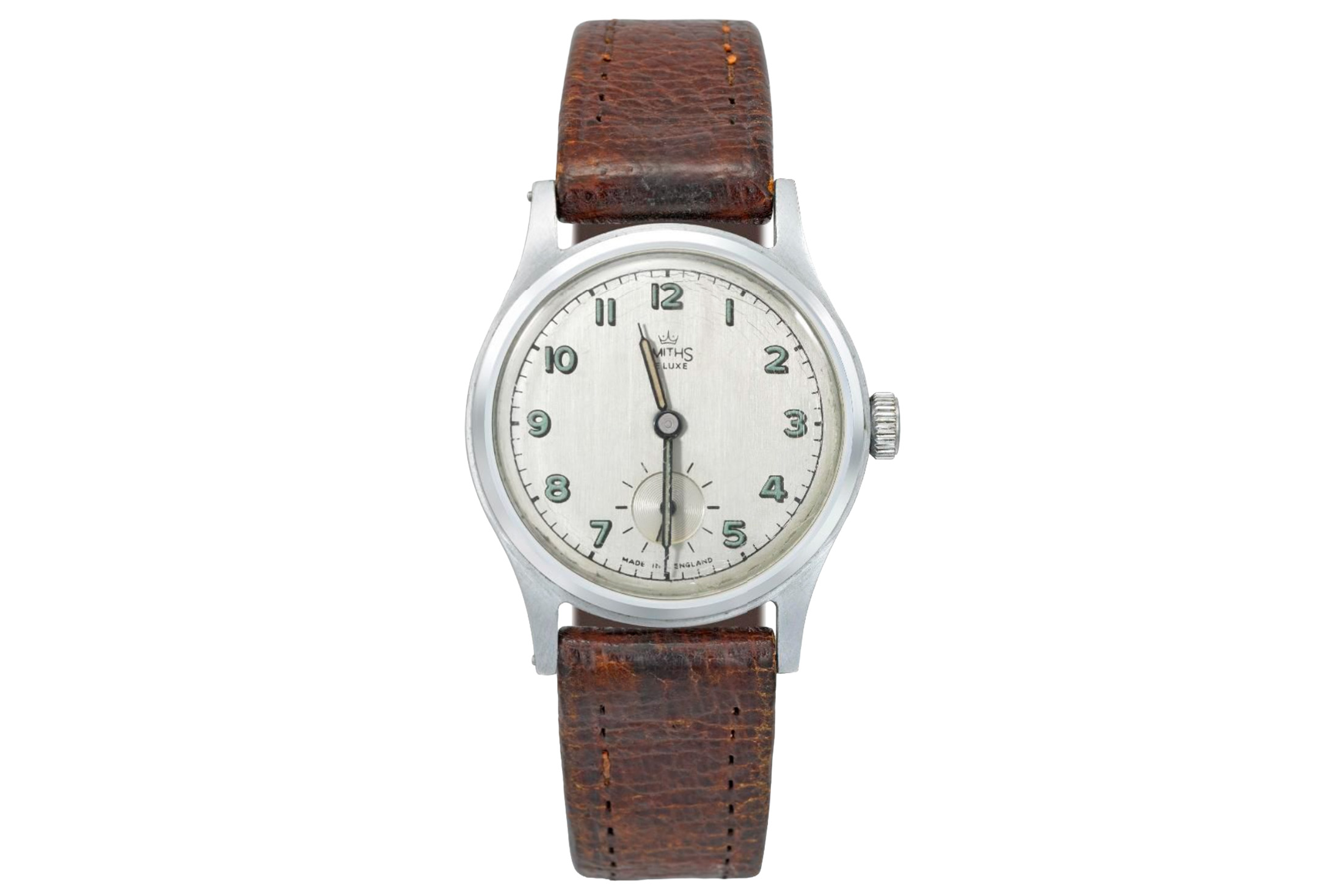
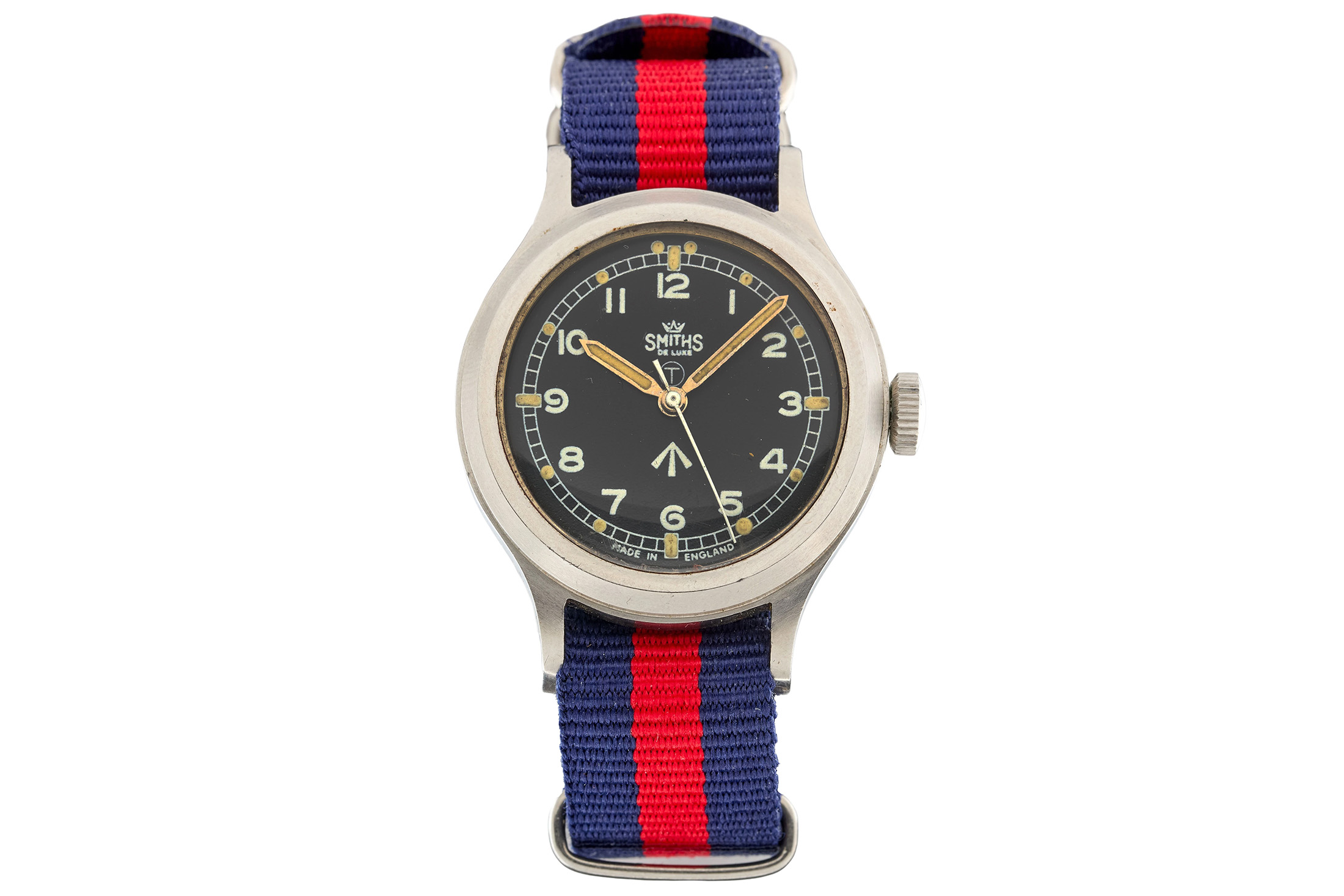
Smiths DeLuxe Broad Arrow: A Post-War Military Classic
The Smiths DeLuxe Broad Arrow, produced between 1954 and 1956, predates the more commonly known W10 model issued by the British Ministry of Defence (MoD) from 1967 to 1970. This earlier iteration holds particular significance given the context of exploration and adventure in the mid-20th century. It’s important to recall that in 1953, Sir Edmund Hillary famously ascended Mount Everest, and while his Rolex GMT-Master has often been the subject of discussion, he also carried his personal Smiths DeLuxe wristwatch. This historical connection underscores the trust placed in Smiths by individuals undertaking extreme endeavors.
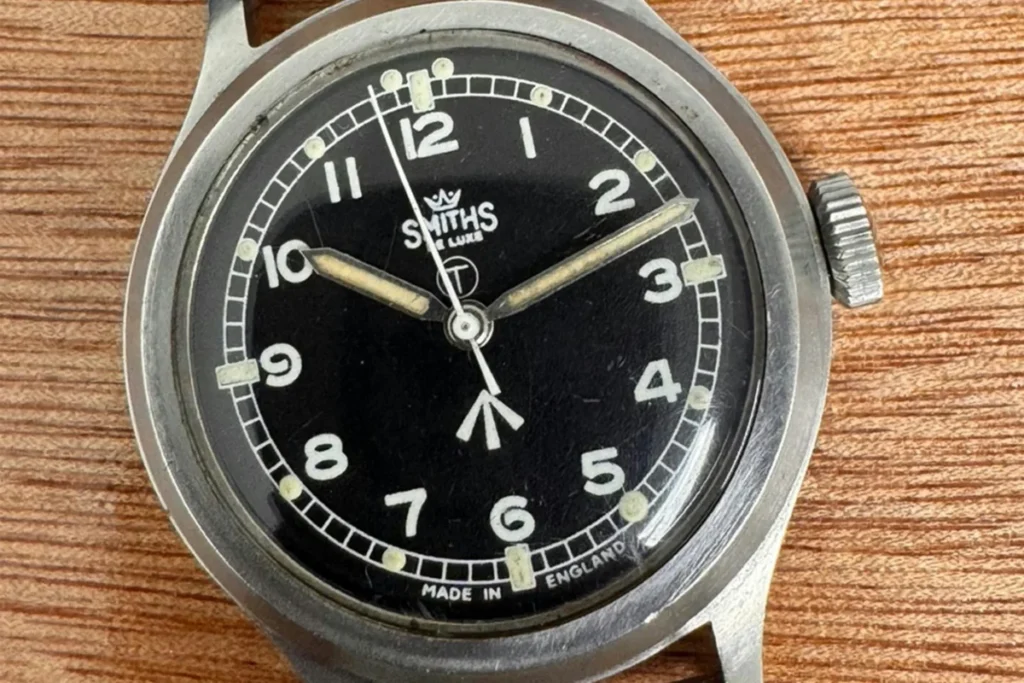
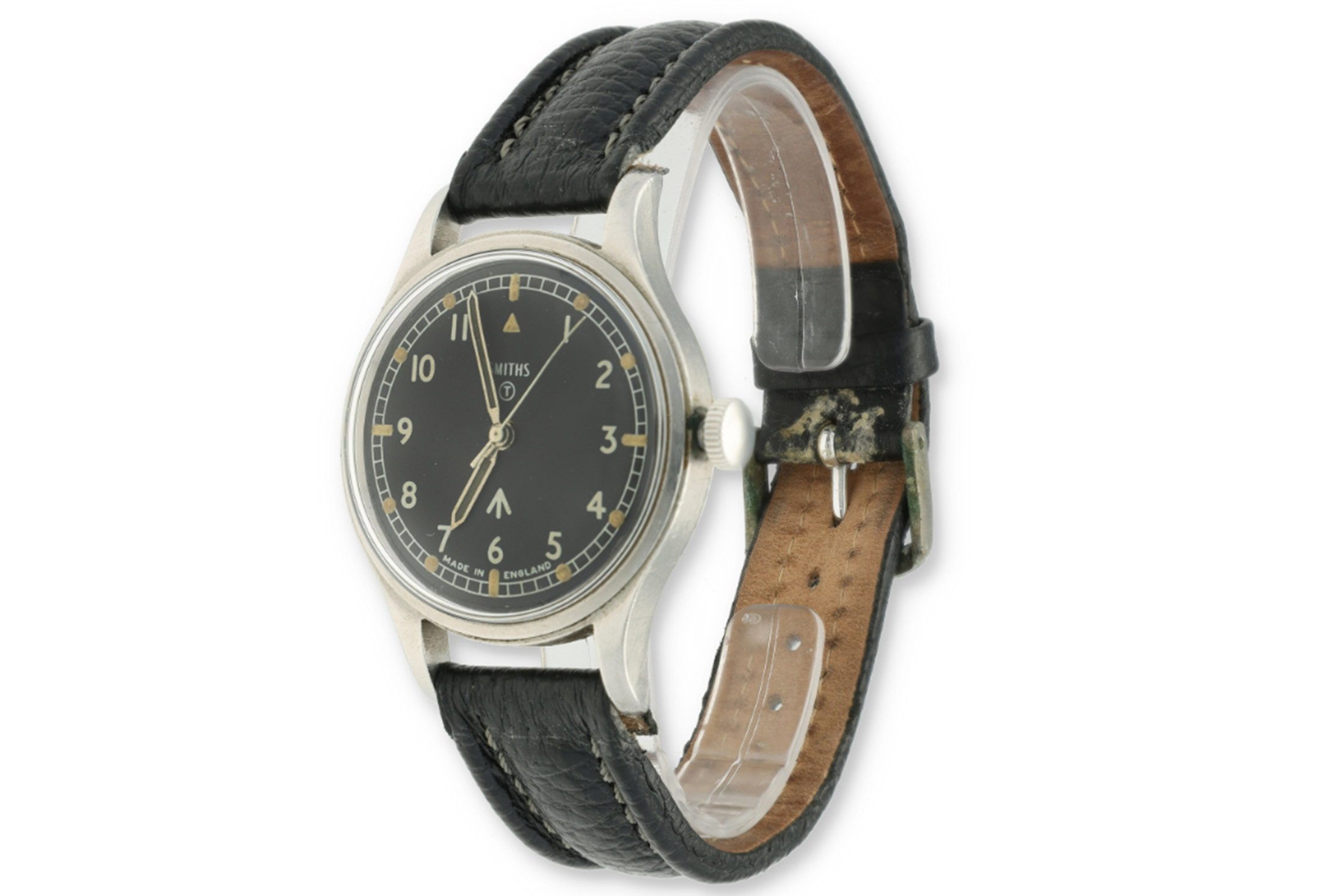
The MoD’s contracting of Smiths for military watches was not an isolated event; it was part of a broader trend of equipping personnel with dependable timekeeping instruments. The Smiths DeLuxe Broad Arrow, often referred to by its designation 6B/542 (though this is a designation, not a reference number), was part of a batch of 300 units produced in the 1950s. This particular example, dated 1956, has undergone a dial replacement due to concerns over radium. The "circle T" marking on the dial signifies the use of tritium, a safer luminescent material introduced to mitigate the risks associated with radium.
A recent offering of a Smiths DeLuxe Broad Arrow at Roseberys London exemplifies the market’s appreciation for these watches. The estimate of 600-800 GBP was quickly surpassed, with bids reaching 1,900 GBP at the time of reporting, a testament to its excellent condition and historical provenance. The dial and hands appear in remarkable shape, and the stainless steel case, a significant 35mm in diameter, shows minimal wear for its age, suggesting careful preservation by its previous owners.
Smiths A10: A Direct Descendant
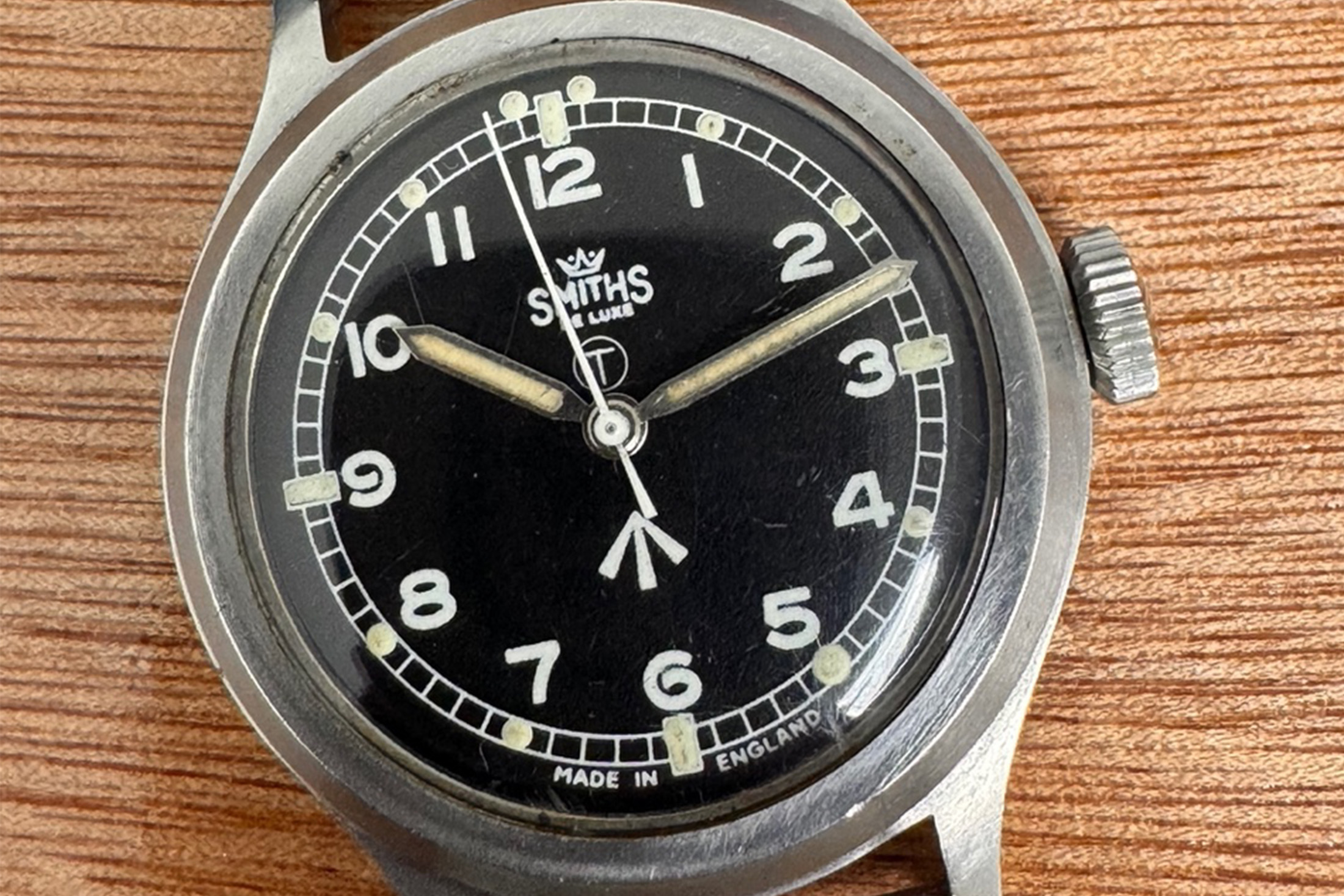
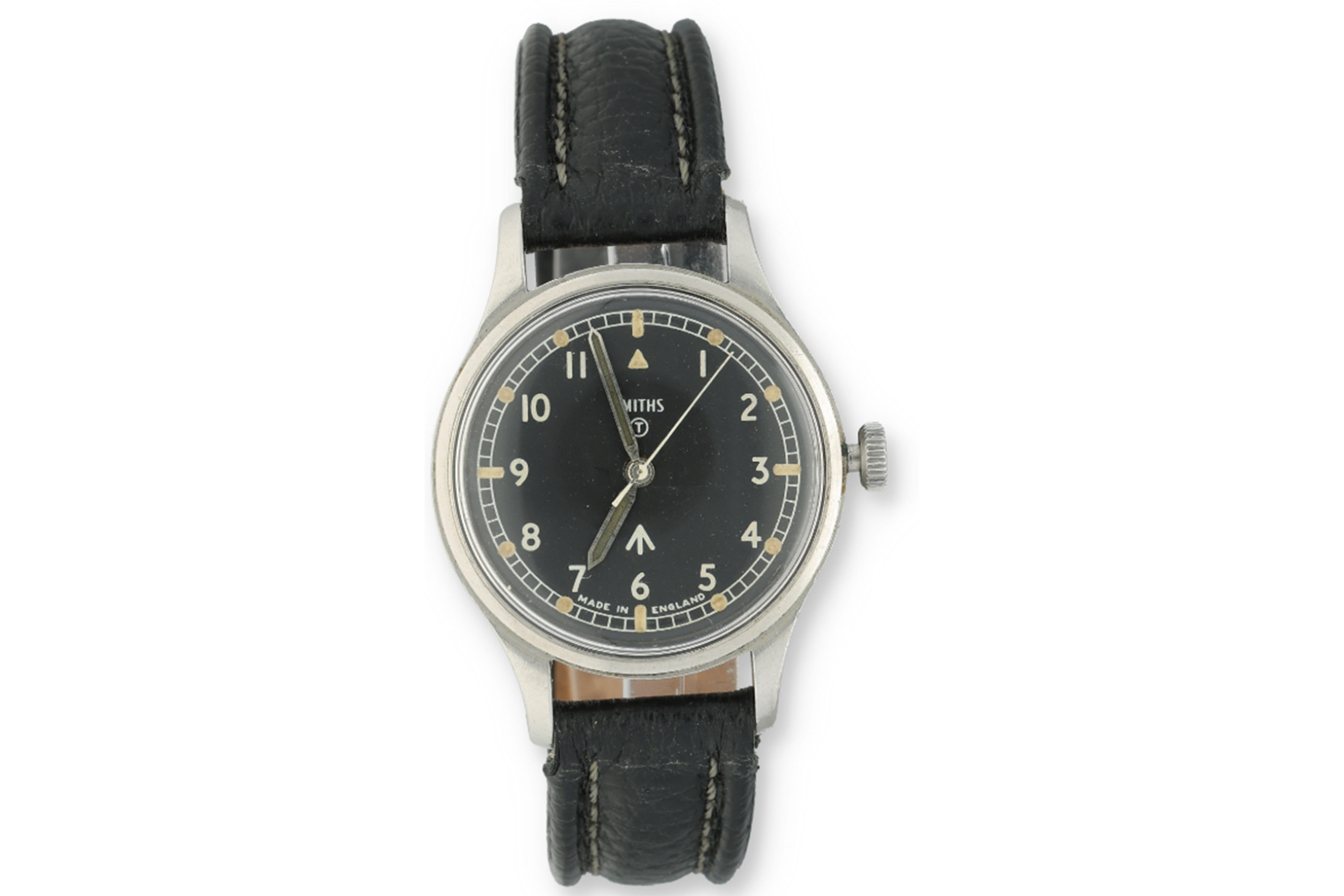
Following in the footsteps of the DeLuxe, the Smiths A10 represents a continuation of the military-issue philosophy. While visually similar to its predecessor, the A10 features subtle differences in font styling, reflecting evolving design preferences. The 35mm stainless steel case maintains a robust presence, and the dial remains clear and functional, prioritizing legibility. The example currently available at Dorotheum showcases excellent overall condition, with the primary visible sign of wear being the darkening of the luminous material on the hands.
Dorotheum is offering this Smiths A10 on September 17th, with an estimated price range of €1,400-2,000. At present, no bids have been placed, which may present an opportunity for collectors to acquire a piece of British horological and military history at a potentially attractive price point. The Dorotheum auction catalog itself is a treasure trove of horological delights, featuring other notable pieces such as a stunning gold Girard Perregaux and an intriguing egg-shaped Mellerio known as the M Cut, inspired by the legendary Beau Sancy diamond.
Gübelin 18K Triple Date Moonphase: A Statement of Mid-Century Elegance
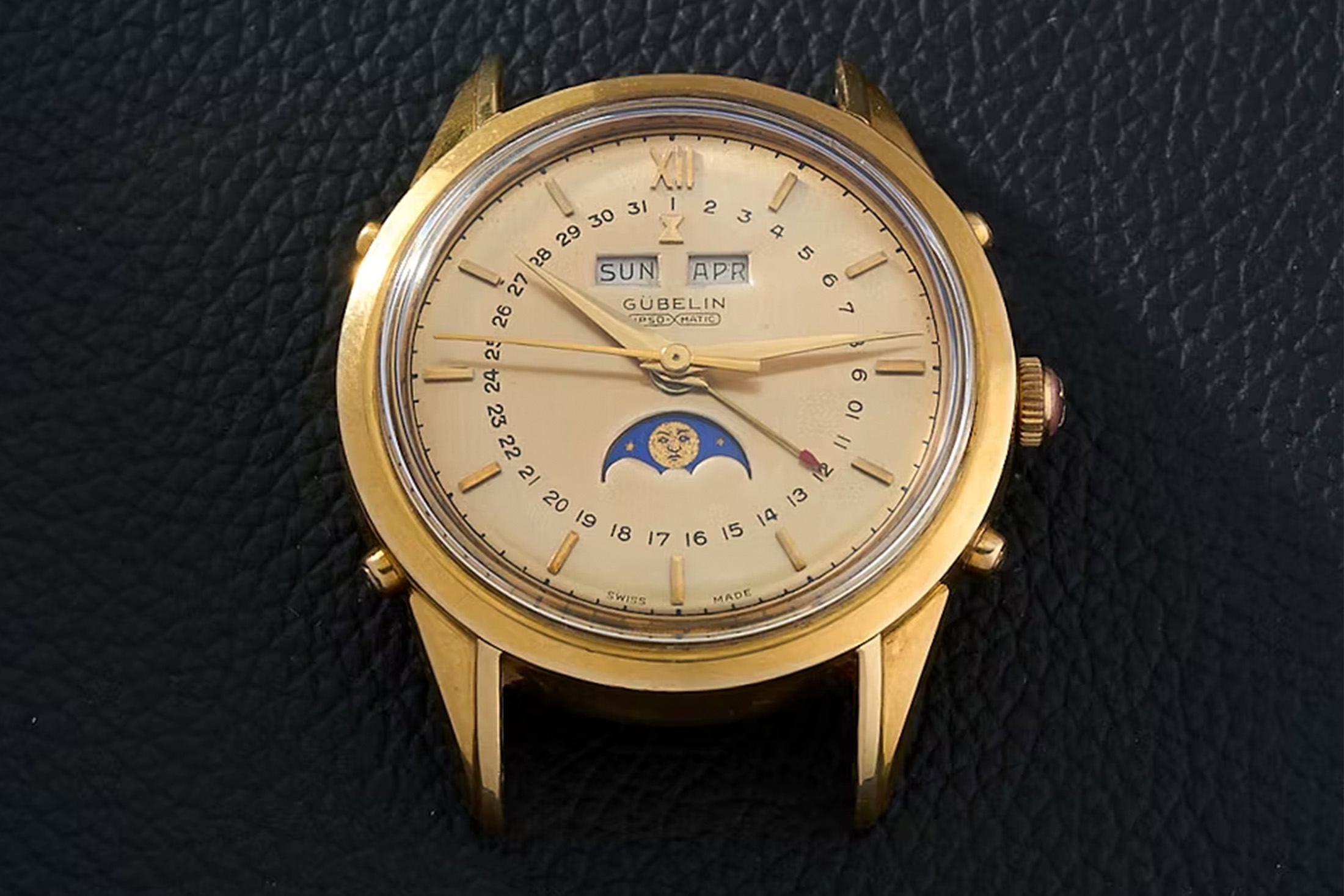
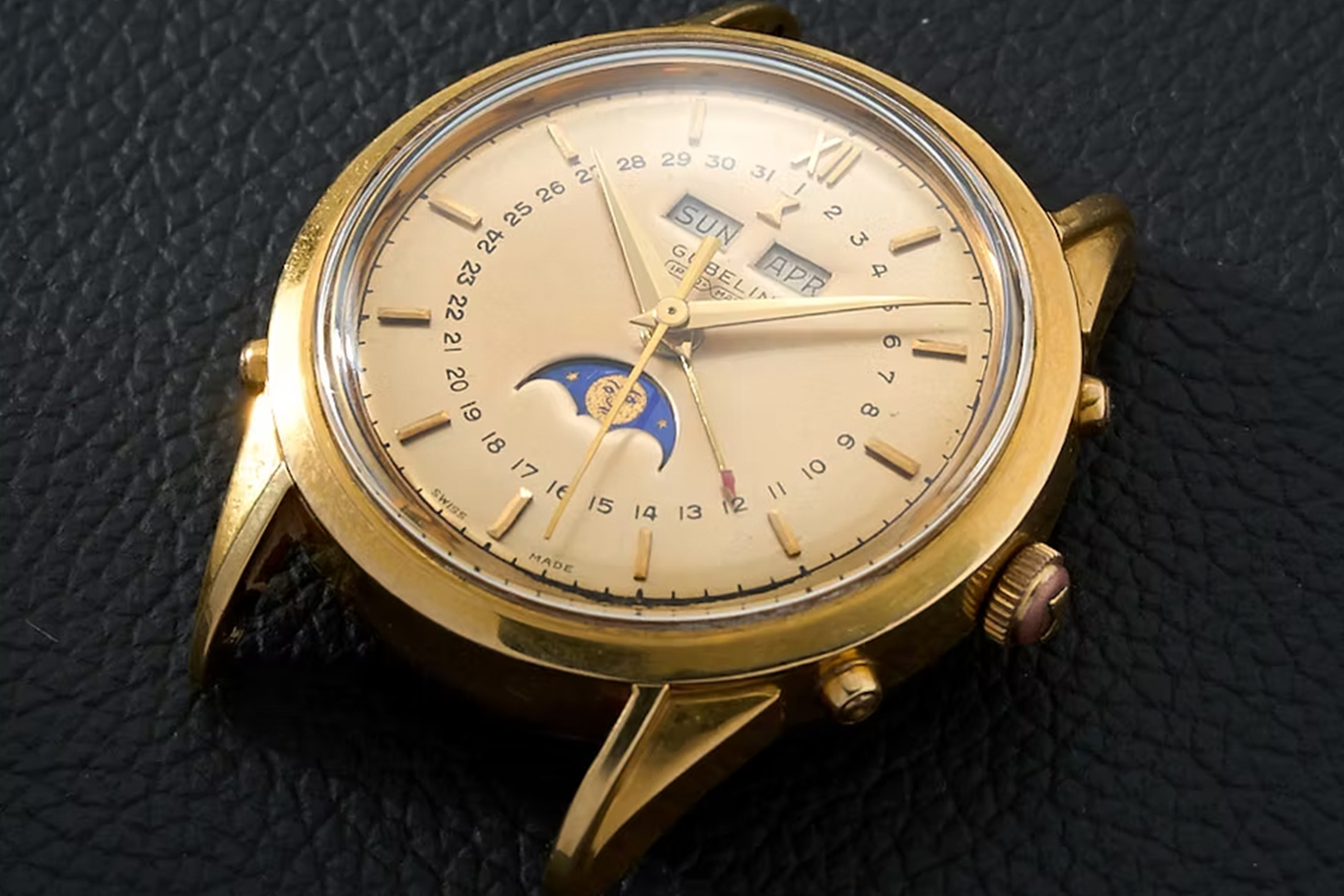
Shifting from military utility to refined luxury, the Gübelin 18K Triple Date Moonphase is a horological masterpiece that commands attention. This timepiece is a testament to the sophisticated watchmaking of the mid-20th century, particularly remarkable for its substantial 37.5mm 18k gold case, a considerable size for its era.
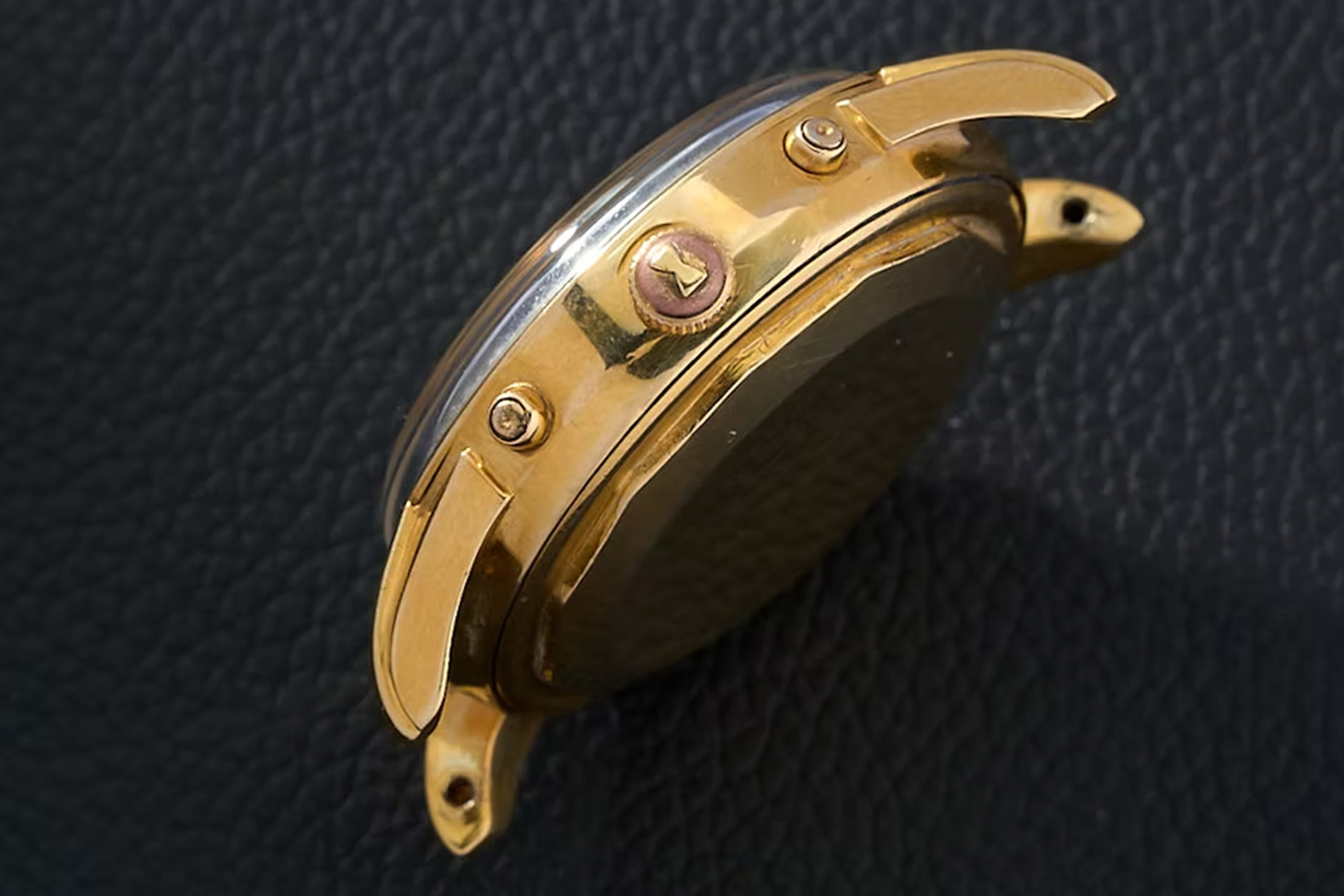
The watch’s case design is a highlight, featuring well-preserved gold hallmarks and a beautifully executed step or bevel on the lugs. The original crown, though showing some patina, remains a period-correct element. The term "Ipso Matic" on the dial, a fanciful Latin phrase meaning "self-winding," adds a touch of playful sophistication. Beyond its automatic movement, the Gübelin boasts a triple date complication, with the day and month discs positioned elegantly within the applied numerals. This distinctive layout, unlike many other pointer date watches where the date ring sits at the dial’s edge, creates a visually harmonious composition, drawing the eye to the applied Roman numeral at 12 o’clock. The dial itself appears largely pristine, with only minor darkening of the day and month discs noted.
This exceptional Gübelin triple date moonphase is currently offered by The Arrow of Time for €11,000. Given its outstanding condition and impressive specifications, it represents a significant opportunity for collectors seeking a high-quality example of a mid-century complication.
Universal Genève Ferrovie dello Stato: Legibility Meets Legacy
The Universal Genève Ferrovie dello Stato (FS) watch offers a different narrative, one of functional design for a specific professional group. These watches were issued to workers of the Italian state railway service, embodying the principle of clear, no-nonsense legibility. Its stark white dial, crisp black numerals, and unambiguous markings make it a direct descendant of the legible dial designs found in historical railroad watches, such as those produced by Ball. The emphasis on clarity serves as a practical reminder that legibility is, in essence, a form of consideration for the user.
The Universal Genève FS was produced in three distinct versions. This particular example, a Mark 2, belongs to the largest production run. Mark 1 models are characterized by their smaller, 34mm circular cases, while both the Mark 2 and Mark 3 feature a larger, 36mm cushion case. Contrary to some descriptions, the dial is not enamel but rather a stamped metal base with raised hour numerals, finished with a glossy white lacquer and contrasting black hash marks and numerals.
This Universal Genève FS, reference 36mm cushion case, is being auctioned by Alnwick Auctions on September 15th. Despite an initial estimate of £40-£60, bids have already reached £210, indicating strong interest in this charming and historically relevant timepiece. These FS models typically trade in the vicinity of $1,000, offering a compelling entry point into vintage Universal Genève ownership.
Vintage Heuer Autavia: A Tale of Two Eras
We conclude this week’s roundup with a pair of vintage Heuer Autavias, both slated for auction on September 18th in the Netherlands. These watches, though separated by a decade, showcase the evolution and enduring appeal of the Autavia line.
Heuer 113.603 PVD-Coated Autavia
The first is a PVD-coated reference 113.603. Its standout feature is the exceptional condition of its coating, a rarity for watches of this age. While the pushers and bracelet exhibit expected wear, the case and bezel present remarkably well. The luminous material on the hands has darkened appropriately with age, but this is a minor detraction. Crucially, the watch comes with its original bracelet and box, enhancing its collectible value. Introduced in 1983, this Autavia hails from the final era of Heuer’s independent operation before its acquisition by TAG in 1985. It is powered by the Calibre 12 movement, a significant automatic chronograph movement developed by a consortium of Swiss manufacturers.
Heuer 11630MH Autavia: The "Orange Boy" Counterpart
The second offering is the reference 11630MH, a watch often associated with the "Orange Boy" moniker due to its vibrant dial accents. The case is a significant selling point, appearing remarkably unworn with original brushing and bevels intact, though the sides show some softening. Introduced in 1972, this model predates the introduction of the Gay Frères bracelets that graced earlier Autavias. Like its PVD-coated counterpart, this watch is also powered by the Calibre 12 movement.
Both of these Heuer Autavias carry an estimate of £2,000-£4,000. The striking similarity in case design between these two watches, despite a ten-year gap in their introduction, highlights the consistent design language employed by Heuer during this period. This contrasts sharply with the evolution seen between an early 1962 Heuer Autavia and one from 1972, demonstrating a period of refinement rather than radical change in the latter part of the Autavia’s development. The presence of the Calibre 12 movement in both underscores its significance as a workhorse for Heuer’s chronograph offerings during this era.
The "What’s Selling Where" column continues to provide a valuable insight into the dynamic vintage watch market, showcasing a diverse range of timepieces that appeal to collectors for their historical significance, craftsmanship, and aesthetic appeal. As the auction calendar unfolds, we anticipate further exciting finds and noteworthy sales.