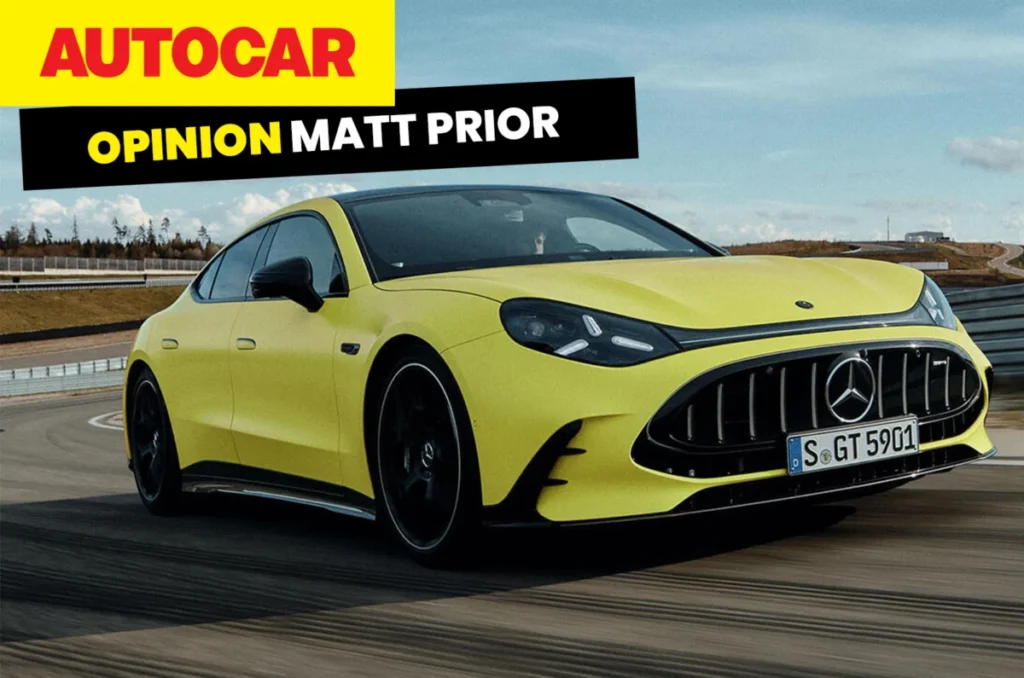
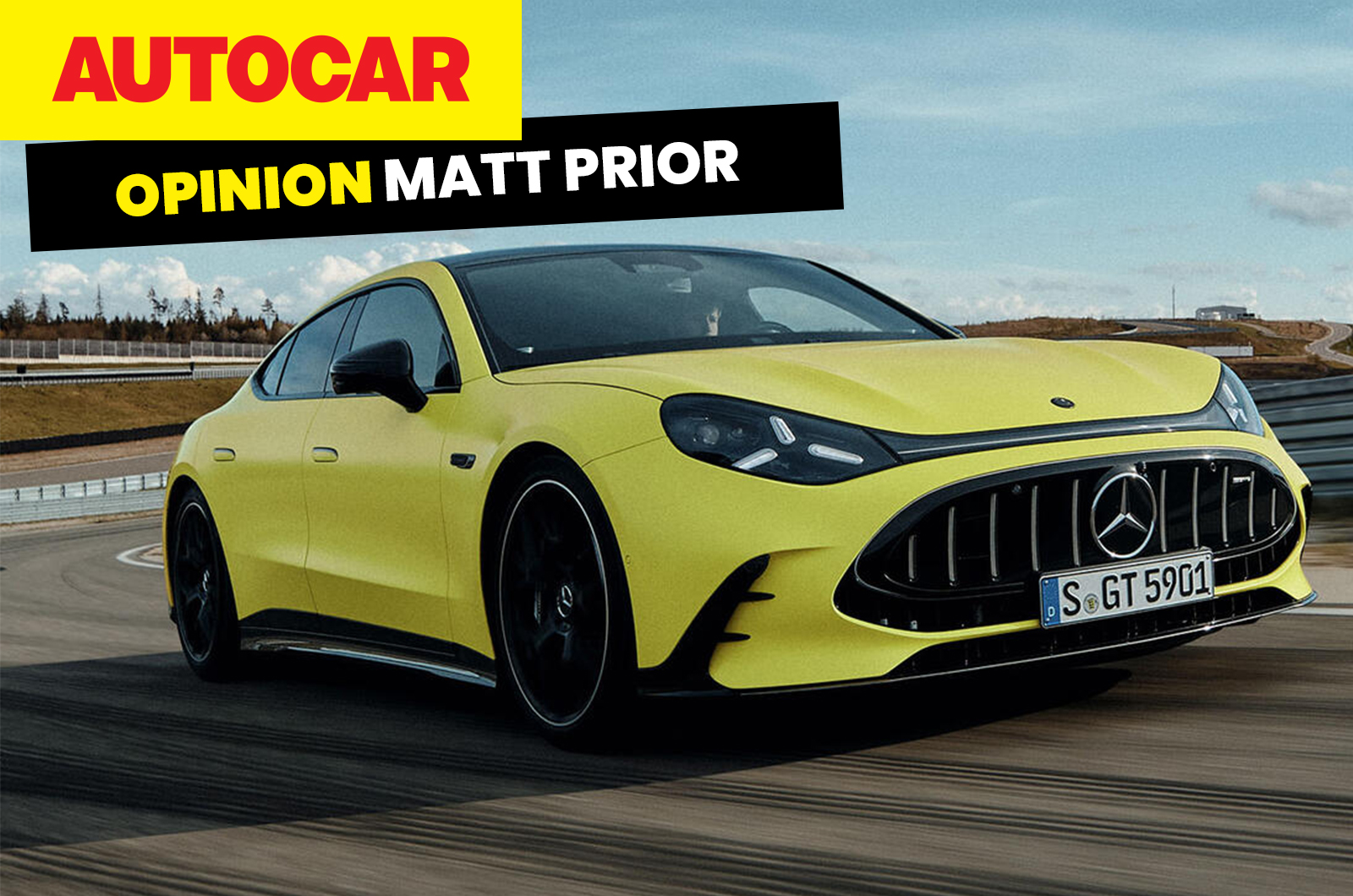
The automotive landscape is undergoing a seismic shift, with electrification no longer a niche pursuit but a dominant force reshaping established brands and their future product strategies. Amidst this transformation, the arrival of the electric Mercedes-AMG GT 4-Door Coupé is poised to serve as a crucial benchmark, offering invaluable insights into the performance and market positioning of Jaguar’s forthcoming Type 01 GT. While the automotive world has witnessed the emergence of high-performance electric vehicles previously, the AMG GT 4-Door Coupé distinguishes itself by its heritage, brand positioning, and its more direct lineage to a company’s core identity, making it a more relevant yardstick for Jaguar’s ambitious new offering.
A New Era of Electric Performance: Beyond the Niche
Historically, the premium electric vehicle segment has been populated by vehicles that, while impressive, often represented either a singular halo product or a variant within a broader, more conventionally powered model range. The most potent iterations of the Porsche Taycan, such as the Turbo GT, and the Tesla Model S Plaid, exemplify this. While undeniably technological marvels and formidable performers, they exist within extensive lineups that still heavily feature internal combustion engine (ICE) counterparts. Similarly, the Lotus electric saloon, the Emeya, and its SUV sibling, the Eletre, while potent and visually striking, represent such a radical departure from Lotus’s traditional sports car ethos that they almost herald the inception of a new brand identity for the marque. This divergence, while allowing for bold innovation, means they may not fully reflect the evolution of a brand deeply rooted in a specific performance heritage.
The significance of the new Mercedes-AMG GT 4-Door Coupé lies in its direct connection to AMG, a brand synonymous with high-performance derivatives of Mercedes-Benz models. AMG has consistently delivered potent, luxurious, and fast automobiles, a market segment where Jaguar has also carved a substantial niche over decades. This continuity of brand purpose, combined with the introduction of electric power, positions the AMG GT 4-Door Coupé as a more direct analogue for how a historically performance-oriented brand like Jaguar might translate its DNA into an all-electric grand tourer. The return of the V8 rumble in the upcoming Mythos variant of the CLE 63 coupé, a model that has until now been exclusively offered with a straight-six engine, further underscores AMG’s commitment to its performance legacy, even as it embraces electrification in other models. This duality highlights the careful balancing act manufacturers are performing.
The Genesis of the Electric GT: A Strategic Evolution
The electric Mercedes-AMG GT 4-Door Coupé is not merely another electric car; it represents a strategic evolution for AMG, a deliberate step into the electric era without abandoning its core performance philosophy. Unlike the groundbreaking, almost revolutionary introductions seen from brands forging entirely new paths, the electric GT 4-Door Coupé builds upon a foundation of established AMG principles. Its design and engineering are intended to resonate with a clientele familiar with AMG’s blend of luxury and raw power, but now delivered through a zero-emission powertrain. This approach suggests a calculated integration of electric technology, aiming to enhance, rather than redefine, the brand’s identity.
The parallels to the upcoming Jaguar Type 01 GT are compelling. Jaguar, like AMG, possesses a rich heritage of producing desirable, high-performance vehicles, often characterized by sleek designs, powerful engines, and a distinct sporting character. The Type 01 GT, envisioned as a modern grand tourer, is expected to embody these traits. Jaguar itself appears to acknowledge this lineage, referencing iconic models like the XJ-S in its advertising for the Type 01, a clear signal of its intent to connect its future with its storied past. This focus on continuity, albeit through an entirely new powertrain, makes the Type 01 GT a comparable proposition to the electric AMG GT 4-Door Coupé. Both vehicles are destined for a similar segment of the market, targeting discerning buyers who value performance, luxury, and a strong brand identity.
Design Philosophies in Transition: A Matter of Perception
While both the AMG GT 4-Door Coupé and the Jaguar Type 01 GT are navigating the transition to electric power while respecting their brand histories, their approaches to contemporary design language present a more nuanced comparison. The preview of the electric GT 4-Door Coupé through the GT XX concept car, while visually striking, did not generate the same level of buzz as Jaguar’s Type 00 concept. This difference in reception can be attributed, in part, to the differing needs of the two brands. Mercedes-AMG, with its established market presence and loyal customer base, may not require the same level of radical reinvention as Jaguar, which is undergoing a more profound brand repositioning.
However, the production version of the electric AMG GT 4-Door Coupé has arrived with a design that has proven to be polarizing. While subjective aesthetic judgments are often best left to individual preference, the consensus suggests that the new GT 4-Door Coupé presents an unusual visual statement, deviating more significantly from its concept predecessor and typical AMG design cues than might have been anticipated. This departure, while bold, raises questions about how a brand deeply associated with a specific visual identity adapts to new technological paradigms.
In contrast, Jaguar’s Type 00 concept offered a glimpse into a design language that, while modern, seemed to more overtly channel the brand’s heritage. The image of the Type 01, with its long bonnet and flowing lines, evokes classic GT proportions, suggesting a potentially more universally appealing aesthetic. The differing design directions of these two flagship electric GTs will undoubtedly be a significant factor in their market reception and will offer valuable insights into the broader trends of automotive design in the electric era.
Market Context and Competitive Landscape
The introduction of the electric Mercedes-AMG GT 4-Door Coupé and the anticipation surrounding the Jaguar Type 01 GT are taking place within a rapidly evolving automotive market. The premium electric vehicle segment, once nascent, is now a fiercely contested battleground. Established luxury marques are investing heavily in electrification, aiming to capture market share and meet increasingly stringent environmental regulations.
Supporting Data: Global sales of Battery Electric Vehicles (BEVs) have seen exponential growth. In 2023, BEV sales accounted for approximately 15% of the total global car market, a significant increase from just over 10% in 2022. The premium segment, in particular, has witnessed a surge in high-performance electric offerings. For instance, the Porsche Taycan has seen consistent year-on-year sales growth since its launch, and Tesla’s Model S Plaid remains a benchmark for acceleration and straight-line performance.
The Mercedes-AMG GT 4-Door Coupé, with its projected performance figures and luxury appointments, is positioned to compete directly with these established players. Reports suggest the new model will feature advanced battery technology and powerful electric motors, aiming to deliver both exhilarating acceleration and impressive range. The exact specifications are still emerging, but the intention is clear: to offer a compelling electric alternative that upholds the AMG brand’s reputation for performance.
Timeline and Chronology:
- Late 2023/Early 2024: Mercedes-AMG begins teasing its upcoming electric GT 4-Door Coupé, often referencing its concept previews and hinting at significant performance gains.
- Mid-2024: Official reveal of the electric Mercedes-AMG GT 4-Door Coupé, with detailed specifications and pricing information released. This event marks a significant milestone for AMG and the broader performance EV market.
- Late 2024/Early 2025: Expected market launch of the electric Mercedes-AMG GT 4-Door Coupé in key global markets.
- Ongoing: Jaguar continues to develop and tease its Type 01 GT, with increasing speculation about its technical specifications and design, likely informed by market reactions to competitor launches.
- 2025/2026: Anticipated reveal and market launch of the Jaguar Type 01 GT, allowing for a direct comparison with the AMG offering.
Background Context: The development of these high-performance electric GTs is a response to several converging factors. Firstly, global regulatory pressure to reduce emissions is driving manufacturers towards electrification. Secondly, consumer demand for performance and luxury vehicles is not diminishing, even as powertrain technologies evolve. Finally, advancements in battery technology, electric motor efficiency, and charging infrastructure are making it increasingly feasible to produce electric vehicles that can rival and even surpass the performance of their ICE counterparts.
Implications for the Automotive Industry and Consumer Choice
The arrival of the electric Mercedes-AMG GT 4-Door Coupé and the imminent launch of the Jaguar Type 01 GT carry significant implications for the automotive industry and consumers alike.
For Manufacturers:
These vehicles represent a critical phase in the transition from ICE to electric powertrains. For brands like AMG and Jaguar, which have built their reputations on performance and driving dynamics, successfully translating this heritage into an electric format is paramount. The engineering challenges are substantial, involving not only raw power and acceleration but also factors like battery weight management, thermal control, suspension tuning for electric drivetrains, and the integration of sophisticated driver-assistance systems. The success or failure of these models will inform future product development strategies for many other luxury and performance marques.
For Consumers:
The availability of high-performance electric GTs offers consumers more choices in the premium segment. Buyers will be able to opt for vehicles that offer exhilarating performance, advanced technology, and a reduced environmental footprint, without compromising on luxury or driving pleasure. The comparison between the AMG GT 4-Door Coupé and the Jaguar Type 01 GT will likely highlight differing approaches to electric performance, catering to diverse preferences in terms of driving feel, design, and brand ethos. This competition is expected to drive further innovation and potentially lead to more competitive pricing in the long run.
Fact-Based Analysis of Implications:
The success of these vehicles will be measured not only by sales figures but also by their ability to redefine customer expectations for electric performance. If the electric AMG GT 4-Door Coupé can deliver a driving experience that rivals or surpasses its ICE predecessors while offering the benefits of electrification, it will solidify AMG’s position in the EV era. Similarly, if the Jaguar Type 01 GT successfully channels the brand’s classic sporting character into an electric package, it could revitalize Jaguar’s image and attract a new generation of buyers. The market’s reaction to their design language will also provide valuable data on the evolving aesthetic preferences for electric luxury cars. The performance metrics, such as 0-60 mph times, top speeds, and estimated range, will set new benchmarks and influence the development of future competitor vehicles. The pricing strategies adopted by both manufacturers will also be crucial in determining their market penetration and long-term viability in this segment.
In conclusion, the electric Mercedes-AMG GT 4-Door Coupé is more than just a new model; it is a bellwether for the future of high-performance electric grand tourers. Its performance, design, and market reception will offer a critical preview of what to expect from the highly anticipated Jaguar Type 01 GT and, by extension, signal the direction in which the entire segment of luxury performance vehicles is headed. The interplay between established heritage and the imperative of electrification is being put to the ultimate test, and the outcomes will shape the automotive landscape for years to come.