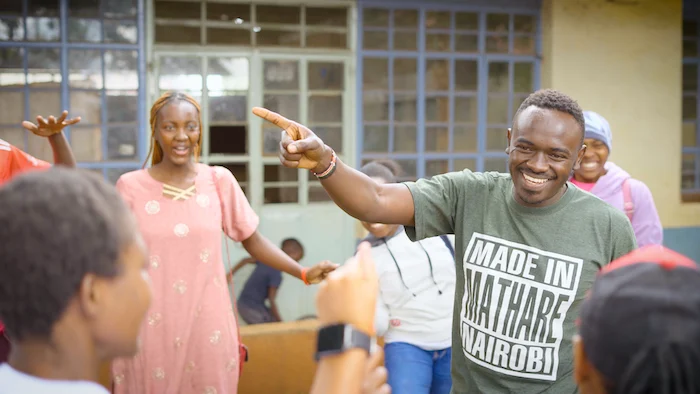
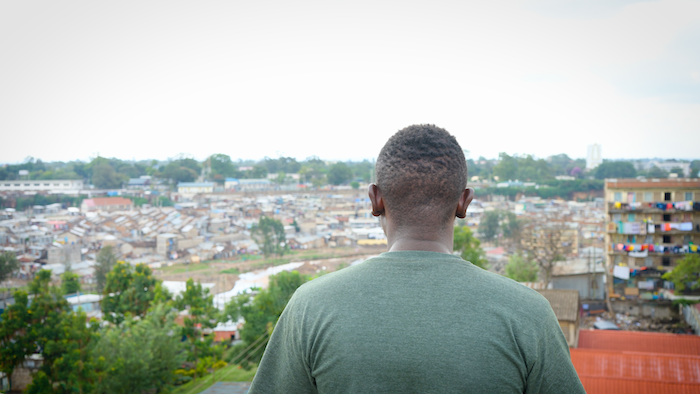
In the heart of Mathare, one of Nairobi’s oldest and largest informal settlements, a quiet revolution is taking place through the medium of computer science. Douglas, the founder and director of Oasis Mathare, is leading an initiative that leverages technology to provide a pathway out of poverty for young people who have traditionally been excluded from the formal digital economy. By partnering with the Raspberry Pi Foundation’s Code Club network, Oasis Mathare is demonstrating that technical literacy can serve as a powerful equalizer in regions where formal educational opportunities are often truncated by economic necessity.
The socio-economic landscape of Mathare presents significant hurdles for the youth residing there. With an estimated population of 500,000 people living in high-density conditions, the settlement faces challenges ranging from limited access to clean water and electricity to a lack of formal secondary schools. For many young residents, the journey through formal education is cut short due to the high costs of tuition and the immediate need to contribute to family income. This systemic barrier often leaves a vacuum of opportunity, leading to high rates of unemployment and social stagnation. However, the rise of "Silicon Savannah"—Kenya’s burgeoning tech sector—offers a different narrative, provided that the youth in informal settlements can acquire the necessary skills to participate.
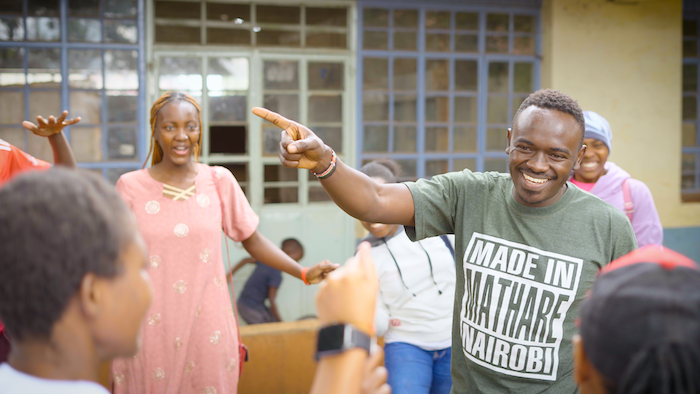
Douglas’s motivation for founding Oasis Mathare is rooted in his own lived experience. Growing up in the same environment he now seeks to transform, he recognized early on that the standard educational route was not the only way to achieve financial independence. His journey into the world of technology began not in a classroom, but in a local internet café. Through curiosity and independent study, he mastered basic graphic design, which eventually led to his first professional employment. This realization—that marketable skills could be acquired through self-directed learning and access to hardware—became the cornerstone of his organizational philosophy. Douglas maintains that technology possesses a unique quality: it is inherently democratic. In his view, a computer and an internet connection do not care about a user’s gender, race, or socio-economic background, provided there is guidance and a willingness to work hard.
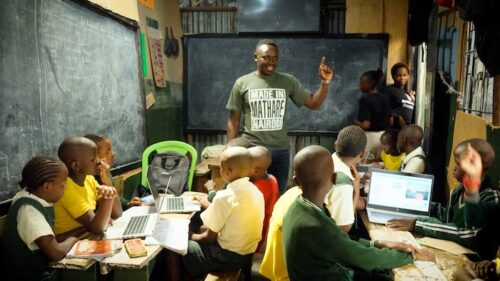
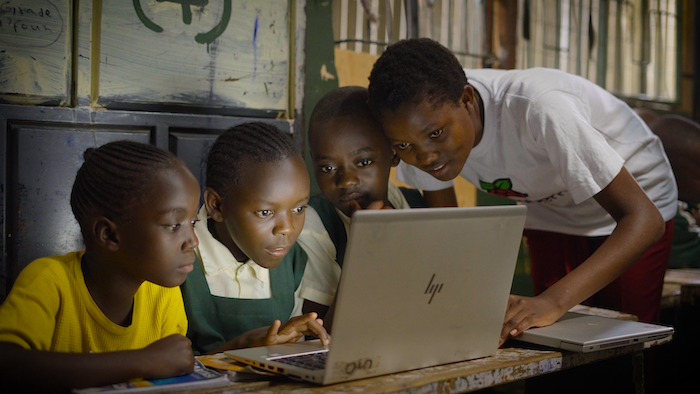
The implementation of Code Clubs at Oasis Mathare represents a strategic evolution in the organization’s approach to digital literacy. While the center initially attempted to develop its own curriculum to teach programming, it faced challenges in maintaining a structured and scalable learning path. The partnership with the Raspberry Pi Foundation addressed these gaps by providing "learning pathways"—systematic, project-based resources that guide children through the complexities of coding in an engaging and creative manner. These resources allow students to see immediate results, which is a critical factor in maintaining engagement among young learners who may be intimidated by the abstract nature of computer science.
The operational model of Oasis Mathare’s Code Clubs extends beyond the center’s walls and into local schools, introducing children to programming at an age when they are most receptive to new ways of thinking. The curriculum typically involves languages like Scratch, a block-based visual programming language that teaches the logic of code without the frustration of syntax errors, before progressing to more advanced languages such as Python. This exposure is vital, as it demystifies technology, shifting the perspective of the students from being mere consumers of digital content to being creators of it.
One of the most significant developments within the Oasis Mathare ecosystem is the emergence of a self-sustaining mentorship pipeline. This "learners-to-leaders" model ensures that the knowledge remains within the community. Former students who once navigated the basics of coding are now returning to the center as volunteer mentors. This cycle of mentorship serves two primary purposes: it provides the current students with relatable role models and offers the mentors a platform to sharpen their professional and soft skills.
Keziah, a mentor at Oasis Mathare, highlights the social importance of this engagement. In a community where idleness can lead to negative social impacts and a lack of direction, volunteering at the Code Club provides a sense of purpose and a path toward career growth. The act of teaching requires a deep understanding of the subject matter, and as these young mentors guide others, they simultaneously improve their own communication and delivery skills, making them more competitive in the broader job market.
The psychological impact on the students is equally profound. Faith, a student who transitioned into a mentorship role, recalls her initial belief that coding was reserved for "genius kids" or those with exceptional academic standing. This perception is a common barrier in underserved communities, where technology is often viewed as an elite pursuit. However, through the hands-on approach of the Code Club, Faith discovered that coding is not only accessible but also enjoyable. By breaking down these mental barriers, the program empowers young people to envision themselves in roles—such as software developers, data analysts, or digital entrepreneurs—that they previously thought were out of reach.
The success of the program is often measured in moments of individual achievement. Hope, another mentor, describes the visible transformation in students when their projects finally run correctly. This "lightbulb moment" provides a sense of agency and accomplishment that is often missing from other areas of their lives. For the mentors, witnessing this growth validates their efforts and reinforces their commitment to the community. Hope notes that the experience of being a facilitator has changed her own sense of self, proving that the benefits of the program are reciprocal.
From a broader economic perspective, the work being done at Oasis Mathare aligns with Kenya’s national digital goals. The Kenyan government’s "Vision 2030" and the "Digital Economy Blueprint" emphasize the importance of ICT as a driver for economic growth. As the nation continues to position itself as a tech hub in Africa, the demand for a digitally literate workforce is increasing. Programs like Oasis Mathare ensure that this growth is inclusive, preventing a widening of the digital divide between the urban elite and those in informal settlements. By equipping youth with coding skills, the organization is effectively preparing them for the "gig economy" and remote work opportunities, which can be accessed from anywhere, regardless of the physical infrastructure of their neighborhood.
The Raspberry Pi Foundation’s involvement provides a global context to this local initiative. Code Club is a worldwide network of thousands of clubs, and the resources provided to Oasis Mathare are part of a global effort to ensure that every child has the opportunity to learn to code. This connection to a global community gives the youth in Mathare a sense of belonging to something larger than their immediate surroundings. It reinforces the idea that the skills they are learning are universally valuable and that they are part of a global movement of young creators.
The implications of this model are significant for other underserved communities worldwide. The Oasis Mathare case study suggests that the primary barrier to digital inclusion is not a lack of talent or interest, but a lack of access and structured guidance. When these elements are provided, the results are transformative. The organization’s ability to turn learners into mentors suggests a scalable and sustainable way to address the global shortage of digital skills. It also highlights the importance of community-led initiatives; because Douglas and his team are from Mathare, they possess a level of trust and cultural understanding that external organizations might lack.
As Oasis Mathare continues to expand its reach, Douglas remains focused on the message of possibility. His advice to young people in similar situations around the world is rooted in pragmatism and hope. He asserts that while the future may seem limited by current circumstances, it is possible to change the course of one’s life through hard work, a positive mindset, and the acquisition of relevant skills. The story of Oasis Mathare is a testament to the fact that when technology is used as a tool for empowerment rather than just a medium for consumption, it can break down the most persistent socio-economic boundaries.
In conclusion, the work of Oasis Mathare and the Raspberry Pi Foundation serves as a blueprint for how technology can be harnessed to foster social mobility. By providing the tools, the curriculum, and the mentorship necessary to succeed, they are not just teaching children how to write lines of code; they are teaching them how to rewrite their own futures. As these young coders in Nairobi continue to build their projects and mentor their peers, they are proving that the digital revolution has no boundaries, and that the next great innovation could very well come from the heart of an informal settlement. For those inspired by this model, the message is clear: with the right resources and a supportive community, the potential of the world’s youth is truly limitless.