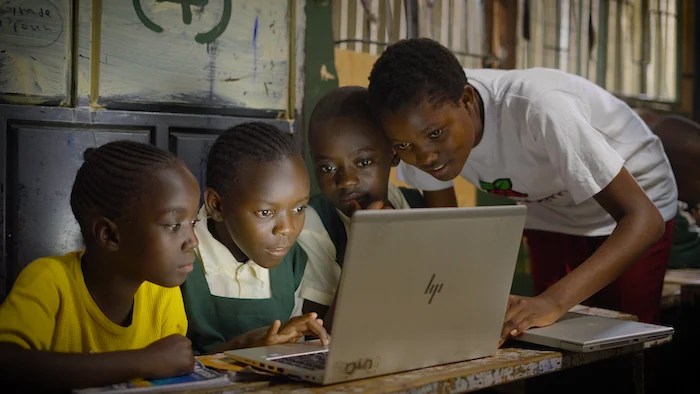
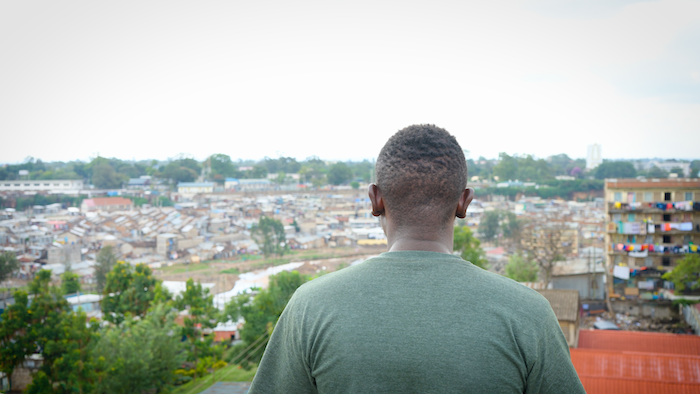
In the heart of Mathare, one of Nairobi’s oldest and largest informal settlements, a quiet revolution is taking place within the walls of modest classrooms and community centers. Driven by the vision of Douglas, the founder and director of Oasis Mathare, a growing number of young people are bypassing the traditional barriers of the formal education system to gain high-value skills in computer programming and digital literacy. By leveraging the power of technology, Oasis Mathare is transforming the narrative of the settlement from one of limited opportunity to one of limitless potential, creating a sustainable model for community-led development through the "Code Club" initiative.
The initiative, supported by the Raspberry Pi Foundation, addresses a critical gap in the Kenyan education landscape. In informal settlements like Mathare, where poverty is systemic and infrastructure is sparse, finishing secondary school is often a luxury many cannot afford. According to various NGO reports on urban poverty in Kenya, children in informal settlements face significant hurdles, including lack of school fees, the need to contribute to family income, and limited access to educational resources. For these young people, the traditional path to a career is frequently severed before it begins. Douglas, however, views technology as the ultimate equalizer—a tool that transcends geographic and socio-economic boundaries.
The Genesis of a Digital Oasis
Douglas’s motivation for founding Oasis Mathare is rooted in his own lived experience. Growing up in the settlement, he witnessed firsthand the cycle of "idleness" and the lack of vocational pathways for his peers. His own breakthrough did not occur in a university lecture hall but in a local internet café. It was there, through curiosity and independent study, that he taught himself basic graphic design. This self-taught skill led to his first job, proving to him that formal credentials, while valuable, are not the only gateway to a decent livelihood.
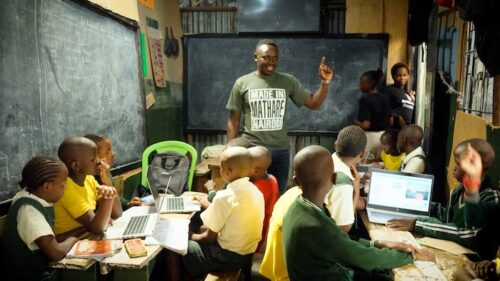
"I realized it’s really possible to gain a decent livelihood with just skills," Douglas noted, reflecting on his journey from a curious café visitor to a community leader. This realization formed the bedrock of Oasis Mathare. He recognized that if he could provide the youth of Mathare with access to computers, the internet, and structured guidance, they could compete on a global stage regardless of their background. His philosophy is simple: technology does not care about race, gender, or the neighborhood in which a person was born. It only requires access and the willingness to learn.
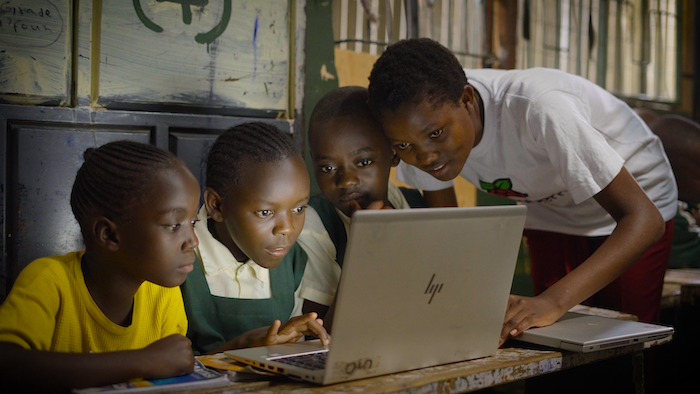
Initially, Oasis Mathare attempted to develop its own curriculum to teach coding. However, the organization faced challenges in creating a structured, scalable pathway that could cater to different age groups and skill levels. The turning point came through a partnership with the Raspberry Pi Foundation. By adopting the Foundation’s "Code Club" model and its specific learning pathways, Oasis Mathare was able to bridge the gap between interest and expertise. The resources provided are designed to be creative and engaging, allowing children to see immediate results from their efforts, which is crucial for maintaining engagement in high-stress environments.
The Mentorship Pipeline: From Learners to Leaders
One of the most significant achievements of the Oasis Mathare model is the creation of a self-sustaining mentorship ecosystem. The program does not merely graduate students; it cultivates role models. Many of the current mentors and volunteers at the Code Clubs are former students who once sat in the same seats as the children they now teach. This "Learner-to-Leader" pipeline ensures that the knowledge remains within the community and provides a visible path to success for new participants.
Keziah, a mentor at the center, highlighted the social importance of this engagement. In an environment where being "idle" can lead to negative social impacts, including crime or substance abuse, the Code Club offers a productive sanctuary. For Keziah, volunteering was a strategic choice for both community service and personal career growth. By teaching others, mentors sharpen their own technical and communication skills, making them more employable in Kenya’s burgeoning tech sector.
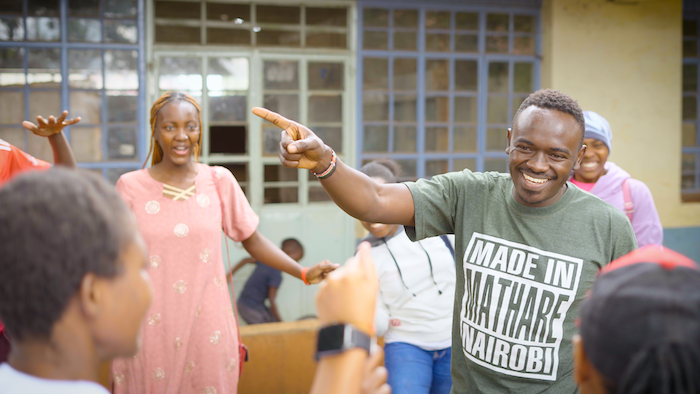
Faith, another student who transitioned into a mentorship role, admitted that she initially held the common misconception that coding was reserved for "genius kids." Her experience at Oasis Mathare debunked this myth, revealing that programming is a fun, accessible, and logical craft. This shift in mindset—from viewing technology as an intimidating mystery to seeing it as a tool for creation—is perhaps the most profound impact of the program.
The psychological impact on the mentors is equally significant. Hope, a facilitator at the club, described the sense of achievement she feels when a child’s project successfully runs for the first time. "The moment the kids realize they belong to a Code Club is when I see their face light up when their projects run," she said. This mutual growth reinforces the community bond and builds a sense of collective efficacy that is often missing in underserved areas.
Data and Socio-Economic Context: Kenya’s Digital Landscape
To understand the impact of Oasis Mathare, one must look at the broader economic context of Kenya, often referred to as the "Silicon Savannah." The Kenyan government has placed the digital economy at the center of its "Vision 2030" development plan. According to the Kenya National Bureau of Statistics (KNBS), the ICT sector has been one of the fastest-growing components of the economy, contributing significantly to the GDP. However, this growth is often concentrated in affluent urban hubs like Westlands or Kilimani, leaving residents of informal settlements behind.
Youth unemployment remains a pressing issue in Kenya. Data from the World Bank indicates that a significant portion of the youth population is either unemployed or underemployed in the informal sector. By providing high-demand skills like coding, Oasis Mathare is aligning its students with the needs of the modern job market. Coding is not just about building websites; it fosters computational thinking, problem-solving, and logic—skills that are transferable to almost any professional field.
The use of Raspberry Pi hardware and software is also a strategic choice. These low-cost, high-performance computers are specifically designed to make computing accessible to people of all ages and backgrounds. In a region where a high-end laptop can cost more than a year’s rent, the affordability and durability of Raspberry Pi devices are essential for the sustainability of community-led tech labs.
Broader Impact and Global Implications
The success of Oasis Mathare serves as a blueprint for other underserved communities worldwide. It demonstrates that the "digital divide" is not merely a lack of hardware, but a lack of structured opportunity and community support. When organizations provide the right resources and a safe environment for exploration, the results can be transformative.
The implications of this model extend to the United Nations Sustainable Development Goals (SDGs), particularly Goal 4 (Quality Education) and Goal 8 (Decent Work and Economic Growth). By offering non-formal education that leads to marketable skills, Oasis Mathare is providing a safety net for those who fall through the cracks of the traditional school system. Furthermore, the program’s emphasis on gender-neutral access helps bridge the digital gender gap, encouraging more girls like Faith and Keziah to enter STEM fields.
The psychological shift in the community is also noteworthy. In many informal settlements, there is a prevailing sense of "enforced destiny"—the belief that one’s future is dictated by their surroundings. Douglas’s message to the youth of Mathare and beyond is a direct challenge to this notion. "It is really possible to change your life, as long as you have a positive mind, you have hope, and you’re working hard," he asserts. This message of agency is reinforced every time a child in Mathare writes their first line of code and sees it execute on a screen.
Future Outlook: Scaling the Vision
As Oasis Mathare continues to grow, the focus remains on expanding the reach of its Code Clubs to more schools and community centers within and outside the settlement. The organization’s website, oasismathare.org, serves as a hub for those looking to support their mission or replicate their success. Similarly, the Raspberry Pi Foundation’s Code Club initiative offers free resources and training for anyone inspired by Douglas’s story to start their own club.
The journey of Oasis Mathare is a testament to the fact that talent is distributed equally, even if opportunity is not. By dismantling the boundaries that once limited the youth of Mathare, Douglas and his team are not just teaching children how to code; they are teaching them how to build a new future. As these young programmers grow into mentors and eventually into professionals, the ripple effect of their education will likely be felt for generations, proving that a few lines of code can indeed change the course of a life.
In the final analysis, the story of Oasis Mathare is not just a story about technology. It is a story about human resilience, the power of community, and the radical idea that every child, regardless of where they live, deserves a chance to participate in the digital future. Through the dedicated work of mentors and the infectious curiosity of the students, the boundaries of Mathare are no longer defined by the geography of a settlement, but by the infinite possibilities of the digital world.