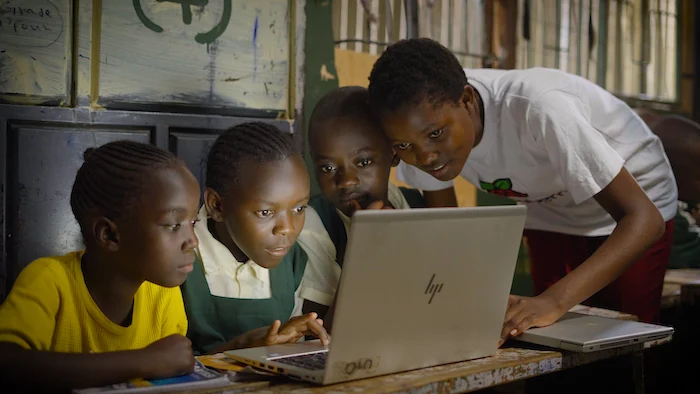
In the heart of Mathare, one of Nairobi’s oldest and largest informal settlements, a quiet revolution is taking place, driven not by political upheaval but by the rhythmic clicking of keyboards and the logic of computer programming. Oasis Mathare, a community-based organization founded by local visionary Douglas Mwangi, has emerged as a beacon of hope for thousands of young people who have traditionally been excluded from Kenya’s burgeoning "Silicon Savannah." By partnering with the Raspberry Pi Foundation and establishing localized Code Clubs, Oasis Mathare is dismantling the barriers to entry in the global digital economy, proving that code knows no boundaries of geography, gender, or socio-economic status.
The Socio-Economic Landscape of Mathare and the Digital Divide
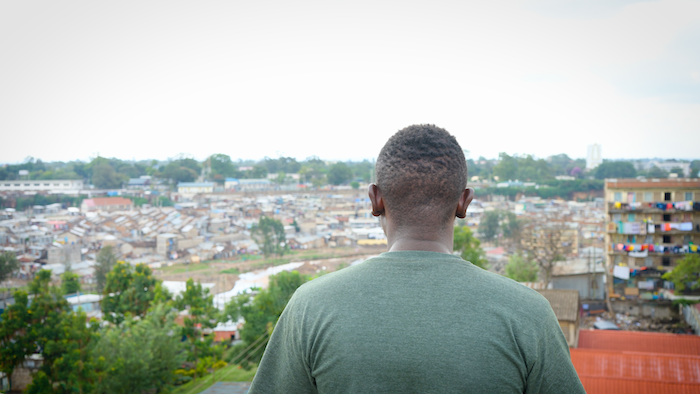
To understand the impact of Oasis Mathare, one must first understand the environment in which it operates. Mathare is home to an estimated 500,000 people living in highly congested conditions. The settlement is characterized by a lack of basic services, high unemployment rates, and a formal education system that often fails to retain students. For many young residents, finishing secondary school is a luxury that financial constraints make impossible. Without formal qualifications, the cycle of poverty often continues unabated, leaving youth with few options for stable livelihoods.
While Kenya as a whole has made significant strides in the technology sector—contributing roughly 7% to the national GDP through ICT services—the benefits of this growth have remained largely concentrated in affluent urban centers. The "digital divide" in Nairobi is not just a matter of internet access; it is a matter of "digital fluency." While many young people in informal settlements may have access to basic smartphones, the skills required to create technology, rather than just consume it, remain out of reach. Oasis Mathare was established to bridge this specific gap, providing the infrastructure, mentorship, and curriculum necessary to turn curiosity into a career.
The Genesis of Oasis Mathare: From Internet Cafes to Innovation Hubs
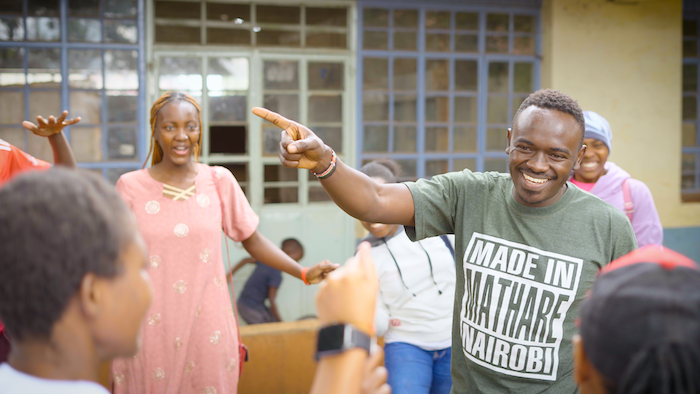
The story of Oasis Mathare is deeply rooted in the personal journey of its founder, Douglas Mwangi. Growing up in the settlement, Douglas faced the same systemic hurdles as the youth he now serves. His introduction to the world of technology did not happen in a classroom but in a local internet cafe. It was here, through independent study and trial and error, that he mastered basic graphic design. This self-taught skill led to his first employment opportunity, a moment that fundamentally changed his perspective on the necessity of formal degrees versus the power of practical skills.
Douglas realized that if he could forge a career path through independent learning, others could too, provided they had the right guidance. "Technology does not have a boundary," Douglas explains. "It knows no gender, no race. As long as you have access to a computer, you have access to the internet, and you’re being guided, the opportunities are limitless." This philosophy became the cornerstone of Oasis Mathare. Douglas recognized that the hurdle was not a lack of talent among Mathare’s youth, but a lack of access to the tools of the modern age.
The Implementation of Code Clubs and the Raspberry Pi Partnership
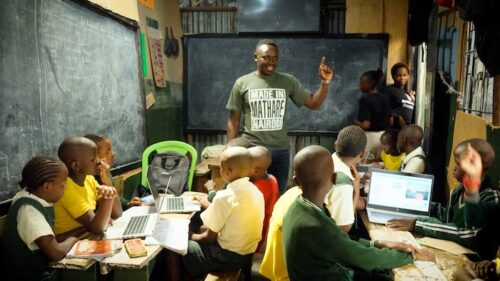
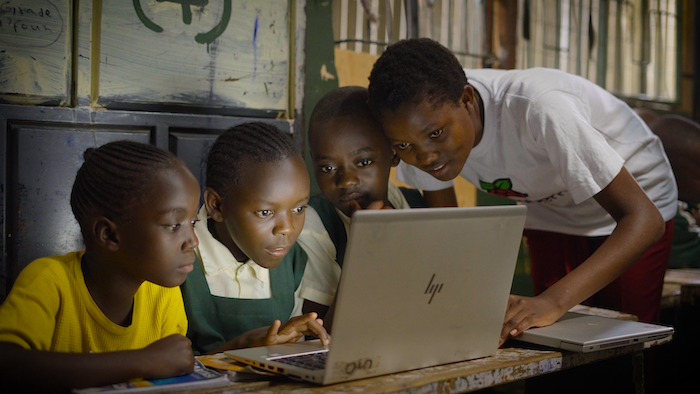
Oasis Mathare’s strategy centers on the implementation of Code Clubs, which operate both within local schools and at the organization’s dedicated community center. These clubs introduce children to the fundamentals of programming—such as Scratch, Python, and web development—at an age where they are most receptive to new languages and logic systems.
A critical turning point for the organization was the integration of the Raspberry Pi Foundation’s learning pathways. Prior to this partnership, Oasis Mathare had developed its own curricula, but Douglas noted that there were "missing pieces" in the educational flow. The Foundation’s resources provided a structured, creative, and project-based approach that resonated with the learners. These pathways allow students to see immediate results from their work, which is essential for maintaining engagement in a community where daily life can be fraught with distractions and hardships.
The use of Raspberry Pi hardware—low-cost, high-performance credit-card-sized computers—is particularly well-suited for the Mathare context. These devices are energy-efficient and durable, making them ideal for environments where power supply can be inconsistent and resources for high-end hardware are non-existent.
The Pipeline from Learners to Leaders: A Model of Peer Mentorship
Perhaps the most significant achievement of Oasis Mathare is the creation of a self-sustaining ecosystem of mentorship. The organization has successfully moved beyond a top-down teaching model to a peer-to-peer structure where former students return as volunteers and mentors. This "pipeline from learners to leaders" ensures that the children in Code Club see reflections of themselves in their teachers.
Faith, a former student who transitioned into a mentor role, highlights a common misconception that the program works to dismantle. "My thought was like coding is only for genius kids and the smart ones," she recalls. "But I will encourage a young learner to actually partake in this. Coding is not hard. It’s actually fun." By breaking down the "genius myth," mentors like Faith make technology approachable for children who might otherwise feel intimidated by the subject matter.
Another mentor, Keziah, joined the program to escape the "idleness" that often leads to negative social outcomes in the community. For Keziah, volunteering at Code Club was a strategic move for career growth and networking. This highlights a secondary benefit of the program: while the children learn to code, the mentors develop essential soft skills, including public speaking, project management, and pedagogical techniques, all of which improve their employability in the "greener pastures" Douglas envisions for them.
Analysis of Psychosocial Impact and Community Resilience
The impact of Code Club extends far beyond the technical ability to write lines of code. There is a profound psychosocial transformation that occurs when a young person from an underserved community builds a functioning digital product. Hope, a facilitator at Oasis Mathare, describes the visible change in her students: "The moment the kids realized they belong to a Code Club is when I see their face light up when their projects run. They made me feel achieved."
This sense of achievement is a powerful antidote to the narrative of limitation that often surrounds informal settlements. When a child successfully runs a program they built from scratch, it fundamentally alters their sense of self-efficacy. They no longer view themselves as passive observers of a world designed by others, but as active creators who can solve problems and build tools. This shift in mindset is a critical component of community resilience, fostering a generation of problem-solvers who are equipped to address local challenges using global technology.
Data and Trends in African Tech Education
The success of Oasis Mathare mirrors a broader trend across the African continent, where "ed-tech" and community-led coding initiatives are filling the gaps left by traditional education systems. According to the 2023 Africa Developer Ecosystem report, the number of software developers in Africa has seen a steady increase, with Kenya ranking among the top five countries for developer talent. However, the report also emphasizes that equity remains a challenge.
Initiatives like Oasis Mathare are vital for ensuring that the growth of the African tech sector is inclusive. Data suggests that students who engage in computer science at a young age are significantly more likely to pursue STEM (Science, Technology, Engineering, and Mathematics) degrees and careers. By targeting the primary and early secondary school demographic, Oasis Mathare is effectively priming the pump for the next generation of Kenyan engineers, data scientists, and entrepreneurs.
Broader Implications for Global Development
The Oasis Mathare model offers valuable lessons for global development and NGOs working in underserved urban areas worldwide. It demonstrates that:
- Local Leadership is Paramount: Douglas Mwangi’s lived experience in Mathare allows him to design programs that are culturally relevant and logistically feasible.
- Resource Accessibility Matters: Utilizing free, high-quality resources like the Raspberry Pi Foundation’s pathways allows small NGOs to scale their impact without the need for expensive proprietary software.
- Mentorship is the Engine of Sustainability: By training the next generation of mentors from within the community, the program reduces its reliance on outside experts and creates a local knowledge economy.
The organization’s work also aligns with several United Nations Sustainable Development Goals (SDGs), including Quality Education (Goal 4), Decent Work and Economic Growth (Goal 8), and Reduced Inequalities (Goal 10). By providing high-tech skills to low-income youth, Oasis Mathare is a practical application of the "Leave No One Behind" principle of the 2030 Agenda for Sustainable Development.
A Message of Possibility
As Oasis Mathare continues to expand its reach, Douglas Mwangi remains focused on the individual stories of the young people walking through his doors. His message to the youth of Mathare, and to those in similar circumstances globally, is one of radical possibility. "For any young person from Mathare or any other underserved community around the globe who feels that their future is limited, I would like to tell you that it is really possible," he says. "It is really possible to change your life, as long as you have a positive mind, you have hope, and you’re working hard."
The success of Oasis Mathare is a testament to the fact that talent is distributed equally, even if opportunity is not. Through the dedicated work of mentors, the support of global partners like the Raspberry Pi Foundation, and the relentless drive of local leaders, the boundaries that once confined the youth of Mathare are being rewritten—one line of code at a time. The organization continues to invite community members and global supporters to engage with their mission, providing a blueprint for how technology can be used as a tool for genuine, lasting social change.