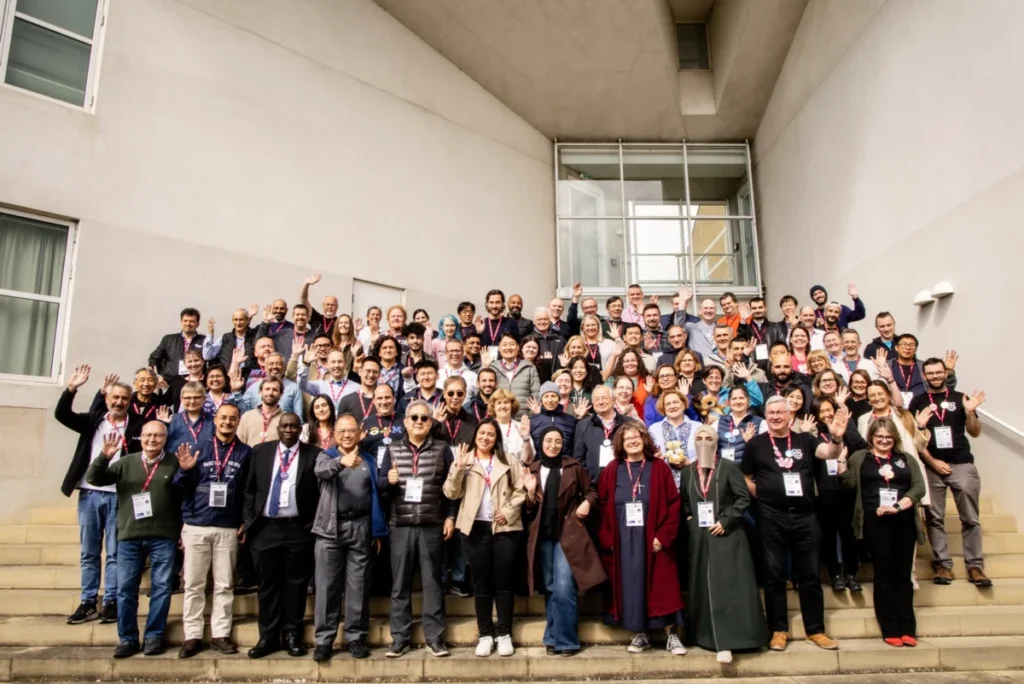
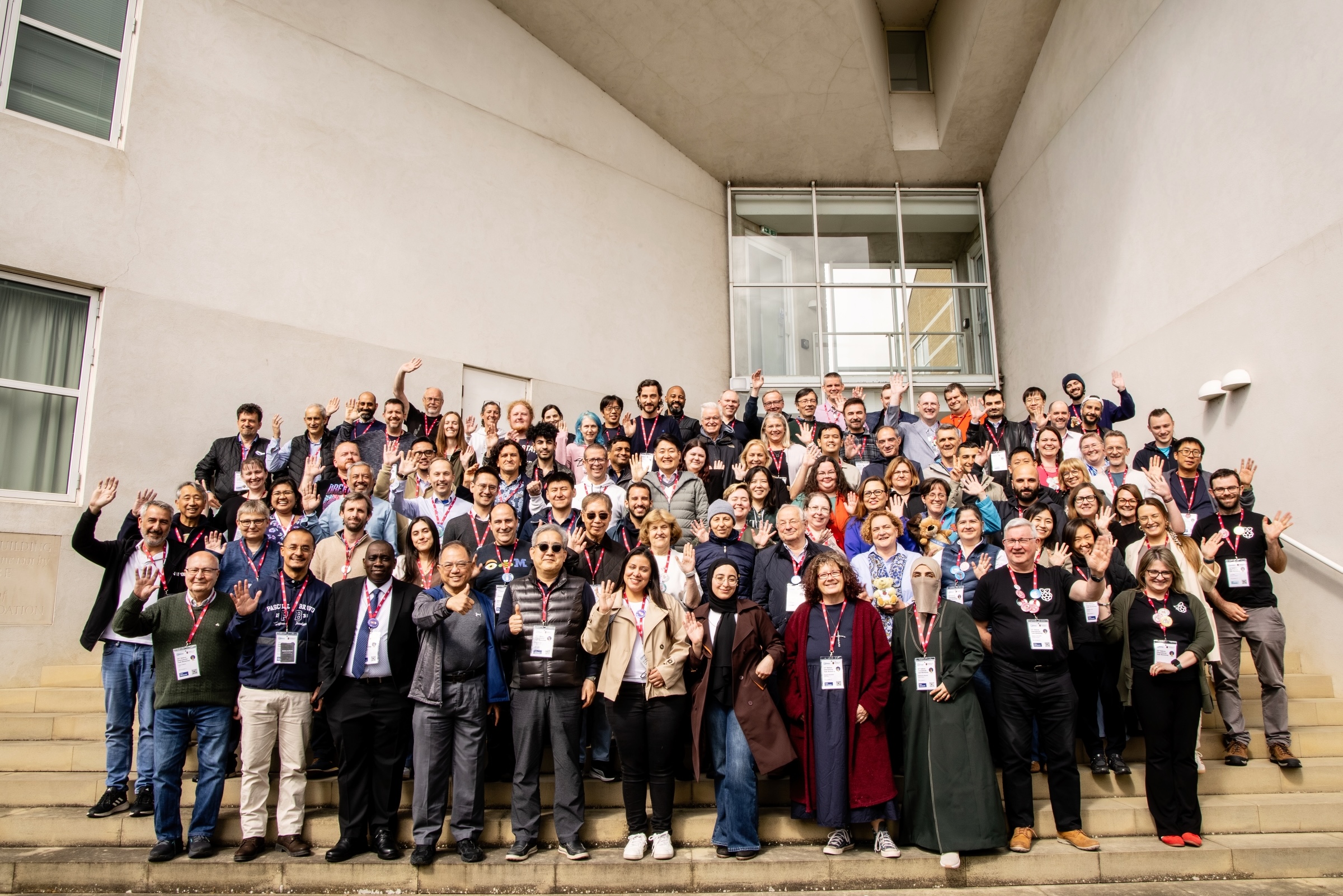
The city of Cambridge, a historic hub of scientific inquiry and technological innovation, recently served as the backdrop for the 22nd Bebras International Task Workshop, an event that brought together a diverse group of educators, researchers, and computer science experts from around the globe. Hosted by the Raspberry Pi Foundation, the organizers of the UK Bebras Challenge, the workshop took place from May 10 to May 15 at the Møller Institute. The primary objective of this annual gathering is to review, refine, and finalize the computational thinking tasks that will form the core of the Bebras Challenge for millions of students worldwide in 2026. This year’s summit saw a record-breaking level of participation, highlighting the growing international commitment to equipping the next generation with essential problem-solving skills in an increasingly digital world.
The Evolution of Bebras and the Global Computational Thinking Movement
To understand the significance of the 22nd International Task Workshop, one must look at the origins and the rapid expansion of the Bebras initiative. Founded in 2004 by Professor Valentina Dagienė of Vilnius University in Lithuania, the project was named "Bebras"—the Lithuanian word for "beaver"—in honor of the animal’s reputation for persistence, collaboration, and industriousness. The initiative was born out of a need to promote informatics (computer science) and computational thinking among school-aged children without requiring prior programming knowledge.
What began as a localized effort has evolved into a massive international movement. By 2025, the Bebras Challenge was active in 78 countries, reaching more than 4 million students between the ages of 6 and 19. In the United Kingdom alone, participation numbers have soared, with 526,000 students taking part in the most recent cycle. The workshop in Cambridge represents the "engine room" of this movement, where the intellectual property of the challenge is forged through rigorous peer review and cross-cultural collaboration.
Workshop Chronology: Four Days of Intensive Intellectual Rigor
The 22nd International Task Workshop was structured as a high-intensity working retreat. Over the course of four days, 101 delegates from 61 countries convened in person, supported by a significant cohort of international participants who joined the sessions virtually via high-definition livestreams. The atmosphere was one of academic dedication, characterized by the collective goal of producing tasks that are not only educational but also universally accessible.
The process began long before the delegates arrived in Cambridge. Member countries submitted a total of 277 proposed tasks, including four submissions from the UK host team. Each task is essentially a puzzle designed to test a specific aspect of computational thinking—such as pattern recognition, abstraction, or algorithmic design—often wrapped in an engaging narrative or visual problem.
Upon convening, the delegates were organized into eight specialized working groups. The review process was exhaustive, focusing on several critical criteria:
- Clarity and Language: Ensuring that the wording is precise and can be easily translated into dozens of different languages without losing the core logic of the puzzle.
- Visual Illustrations: Refining the graphics to ensure they support the problem-solving process rather than distracting from it.
- Age Suitability: Calibrating the difficulty levels to ensure tasks are appropriately challenging for various age brackets, from primary school children to late-stage secondary students.
- Inclusivity and Accessibility: Evaluating tasks to ensure they do not rely on cultural specificities that might disadvantage students in certain parts of the world.
- Scientific Accuracy: Verifying that each task accurately reflects a fundamental concept in computer science.
By the conclusion of the workshop, the delegates had successfully approved 214 tasks, including all four submitted by the UK team. This curated "task bank" will serve as the resource from which national organizers will select puzzles for their respective 2026 challenges.
Supporting Data: The Expanding Reach of the Bebras Community
The data emerging from the Cambridge workshop underscores the accelerating growth of the Bebras network. A significant portion of the event was dedicated to the formal expansion of the community through the induction of new members. This year, the international Bebras board welcomed 10 new provisional members: Bolivia, Cameroon, Ecuador, Ghana, Hong Kong and Macao, Luxembourg, Mongolia, Palestine, Sri Lanka, and Tanzania.
Furthermore, seven countries were elevated to full membership status after successfully demonstrating their ability to run the challenge at scale: Armenia, Colombia, Greece, Jamaica, Mexico, Paraguay, and Puerto Rico. This expansion is a testament to the universal appeal of the Bebras model, which bypasses the need for expensive hardware or high-speed internet during the learning phase, focusing instead on the cognitive "software" of the human mind.
The Bebras Marketplace: Sharing Innovations Across Borders
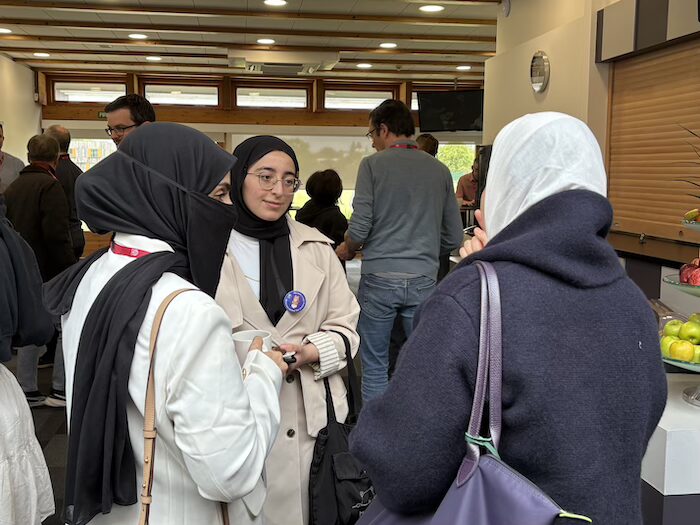
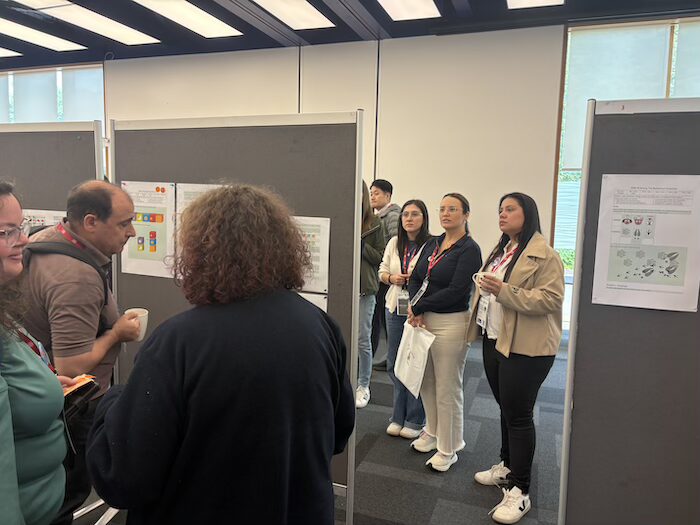
Beyond the formal task-review sessions, the workshop featured a "Bebras Marketplace," a forum for delegates to share pedagogical innovations and resources. This session revealed how different nations are adapting computational thinking to their unique educational landscapes.
For example, delegates from Ghana and Sri Lanka discussed the implementation of Bebras in regions with limited connectivity, where paper-based versions of the challenge are used to bridge the digital divide. Mexico presented its progress in developing smartphone-compatible versions of the tasks, recognizing that mobile devices are often the primary point of internet access for students in many communities.
Other nations showcased how they are extending the impact of Bebras beyond the annual competition weeks. Armenia highlighted its development of Bebras-themed textbooks, while Brazil introduced its dedicated Bebras magazine. Indonesia’s delegates shared their work on teacher-training modules that integrate computational thinking across all subjects, not just computer science. These examples illustrate that the Bebras community is not just creating a competition, but a comprehensive educational ecosystem.
Official Responses and Keynote Insights
The workshop opened with a keynote address from Laura Kirsop, the Chief Technology and Product Officer at the Raspberry Pi Foundation. Kirsop emphasized the profound influence that Bebras tasks have had on the Foundation’s broader educational offerings. She highlighted the "Escape Room: The Jungle Awakens" resource—an "unplugged" (non-computer based) Code Club activity—which utilizes archived Bebras tasks to teach logic and teamwork in settings where hardware may be scarce.
Alex Parry, a key member of the UK hosting team, reflected on the intensity of the collaboration. Parry noted that while the discussions were occasionally heated, particularly when debating the nuances of computational thinking definitions, the friction was a necessary part of the refinement process. "The improvements made to the tasks within the working groups were remarkable," Parry stated, noting that the diverse perspectives of delegates from 61 countries ensured that the final tasks were of the highest possible quality.
Analysis: The Broader Impact of Computational Thinking
The 22nd Bebras International Task Workshop arrives at a critical juncture in global education. As artificial intelligence and automation reshape the workforce, the ability to decompose complex problems, recognize patterns, and design algorithmic solutions has become a foundational literacy. Bebras tasks are unique because they strip away the intimidating syntax of coding languages, allowing students to focus purely on the logic.
The success of the Cambridge workshop suggests three major implications for the future of STEM education:
- Democratization of Computing: By focusing on "unplugged" logic, Bebras makes computer science accessible to students regardless of their socio-economic background or the technical infrastructure of their schools.
- Standardization of Pedagogy: The international collaboration seen in Cambridge helps create a shared global standard for what "computational thinking" looks like in a classroom setting.
- Early Intervention: By engaging children as young as six, the program helps dispel myths that computer science is exclusively for "math geniuses" or older students, fostering a more inclusive pipeline for future tech talent.
Looking Ahead: Uruguay 2027 and the 2026 UK Challenge
As the 22nd workshop concluded, the torch was passed to the next host nation. The 23rd Bebras International Task Workshop is scheduled to take place in Uruguay in May 2027. This will mark a significant milestone as the workshop moves to South America, further cementing the initiative’s status as a truly global endeavor.
For the immediate future, the focus of the UK team shifts to the upcoming UK Bebras Challenge, which will run from November 8 to November 20. In collaboration with partners from Australia, Ireland, Canada, and the USA, the UK organizers are now finalizing the task sets for this year’s participants. Educators in the UK are encouraged to register their schools starting in September.
The legacy of the Cambridge workshop will be felt by millions of students in the coming years. Through the meticulous work of 101 delegates and the acceptance of 214 high-quality tasks, the Bebras community continues to ensure that the journey into the world of informatics remains playful, challenging, and, most importantly, open to everyone. Even the unpredictable English weather, which one delegate jokingly suggested was the only area for improvement, could not dampen the spirits of a community dedicated to the serious business of teaching the world how to think.