The Selby CoderDojo recently marked its 40th session, a milestone that coincides with the 15th anniversary of the global CoderDojo movement. Since its inception in a small community in North Yorkshire, the Selby chapter has served as a primary case study for the efficacy of non-formal computing education, successfully catalyzing the launch of six additional local clubs and reaching hundreds of young participants monthly. This local success reflects a much larger global trend; CoderDojo, which began as a single grassroots initiative in Cork, Ireland, has grown into a worldwide network of over 600 active clubs, forming a critical component of the Code Club movement, the world’s largest coordinated network of free coding clubs for youth.
The Genesis and Evolution of a Global Movement
The history of CoderDojo began in 2011 at the National Software Centre in Cork, Ireland. Founded by James Whelton and Bill Liao, the organization was born out of a desire to provide a space where young people could learn to code outside the constraints of a traditional classroom environment. Whelton, who had gained notoriety as a teenager for hacking the iPod Nano, recognized that many students possessed a deep interest in technology that was not being met by standard school curricula. Together with Liao, a venture capitalist and philanthropist, they established the first "Dojo"—a term borrowed from Japanese martial arts meaning a "place of the way"—where the only rule was "Above all: Be Cool."
The movement’s growth was exponential. Within a year, Dojos had sprouted across Ireland and began appearing in the United Kingdom, the United States, and continental Europe. The model relied on "Champions"—volunteers who organize the sessions—and "Mentors"—technologically proficient volunteers who guide "Ninjas" (the young participants) through their projects. By 2017, the CoderDojo Foundation merged with the Raspberry Pi Foundation, a move designed to provide the movement with greater institutional support while maintaining its unique, volunteer-led identity. Today, the combined efforts of CoderDojo and Code Club support over 10,000 clubs meeting monthly across the globe.
The Selby Milestone: A Microcosm of Success
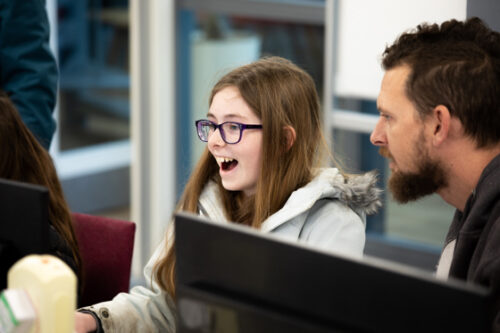
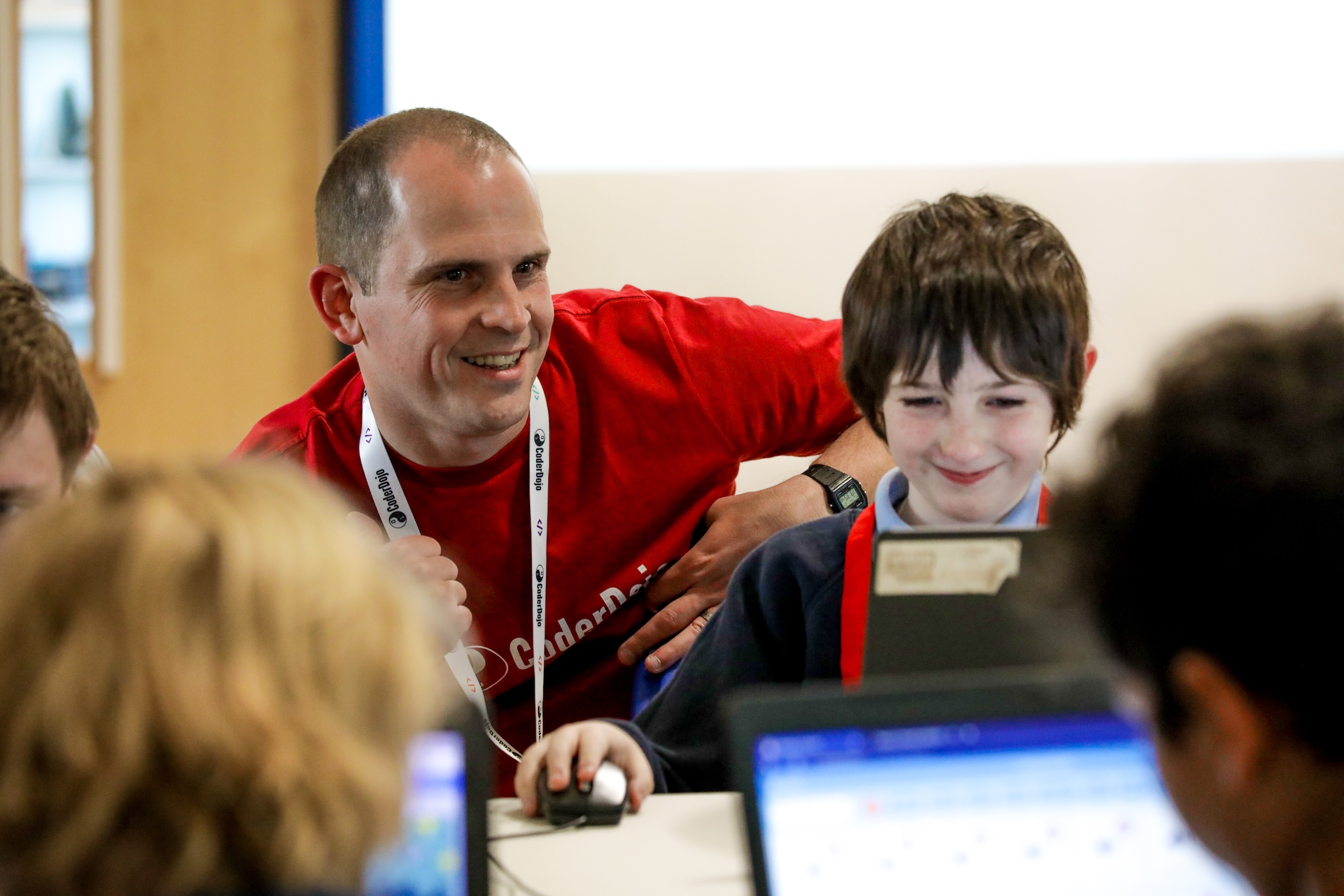
The 40th event of the Selby CoderDojo serves as a testament to the longevity and sustainability of the volunteer-led model. Established four years ago by local organizers seeking to understand the practical challenges faced by Dojo Champions, the Selby club has maintained a consistent monthly schedule to meet high community demand. The impact of these 40 events extends beyond technical instruction; organizers highlight the collaborative environment where parents and children work together on hardware and software projects.
Commonly utilized tools in these sessions include Scratch, a block-based visual programming language developed by MIT, as well as Python, HTML/CSS for web development, and hardware platforms like the Raspberry Pi and micro:bit. The "moment of discovery"—such as a young person successfully lighting an LED for the first time or deploying a functional website—remains the core psychological driver of the movement. By providing a space for creativity on the students’ own terms, the Dojo model addresses the "engagement gap" often found in formal STEM (Science, Technology, Engineering, and Mathematics) education.
Global Partners and the Raspberry Fields Summit
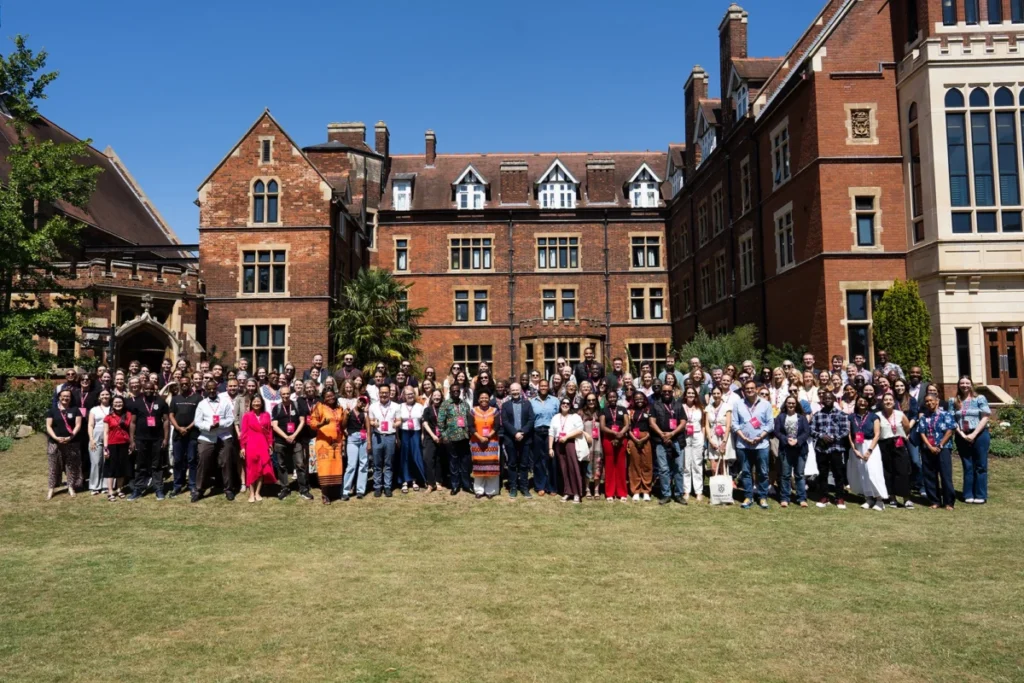
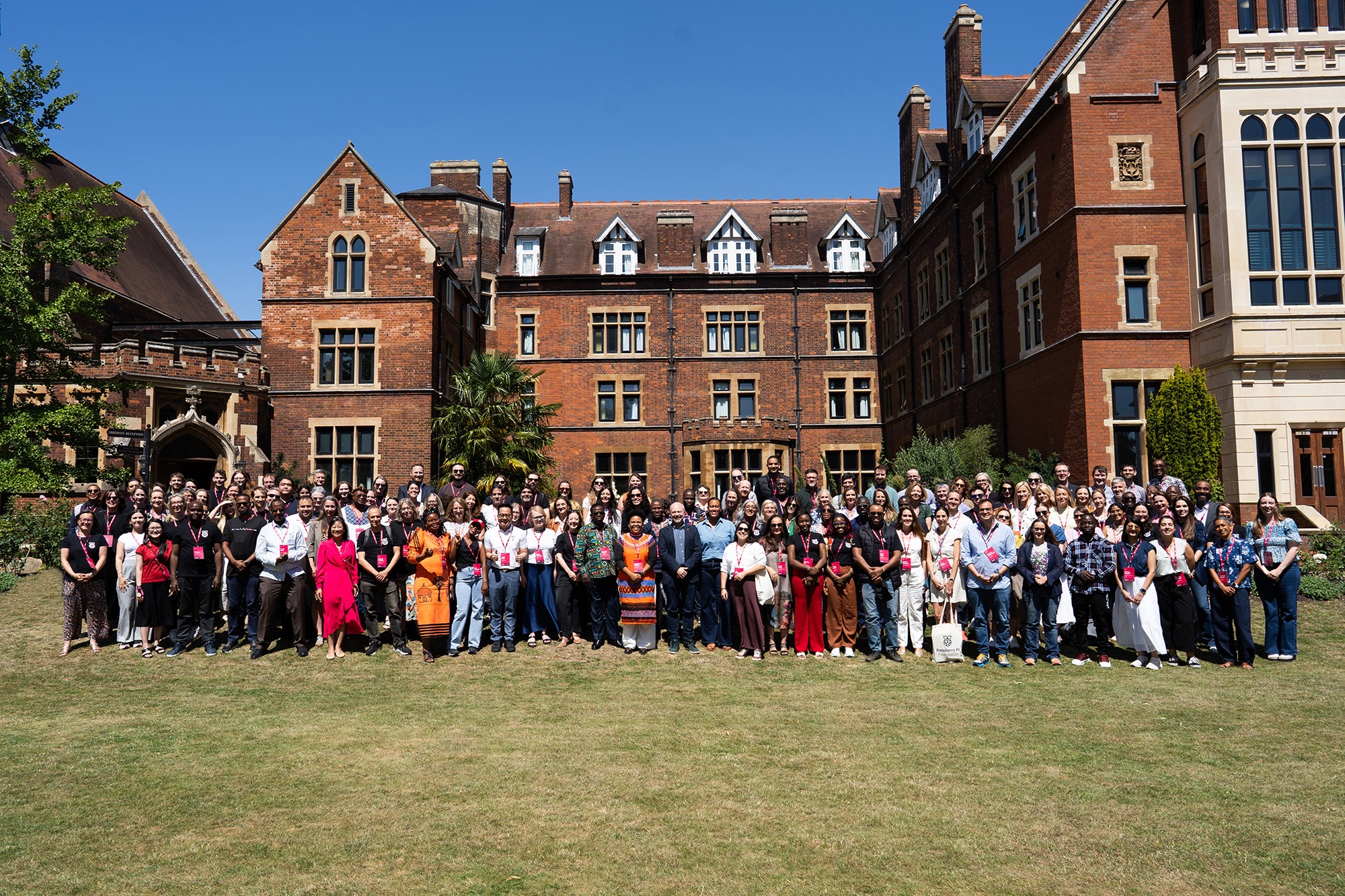
In mid-2024, the movement held its first global partners summit, titled "Raspberry Fields," in Cambridge, United Kingdom. The summit brought together representatives from Dojos and Code Clubs worldwide to discuss the evolving landscape of digital literacy. A primary focus of the conference was the integration of Artificial Intelligence (AI) into the curriculum and the role of non-formal education in a world where AI-assisted coding is becoming the norm.
The consensus among educators and tech leaders at the summit was that while AI can generate code, the fundamental logic, problem-solving skills, and ethical considerations inherent in programming are more important than ever. The summit served as a reminder that the original CoderDojo philosophy—championing creativity, collaboration, and openness—remains relevant. Philip Colligan, CEO of the Raspberry Pi Foundation, has frequently emphasized that the goal is not merely to create a workforce of programmers but to empower young people to be creators rather than just consumers of technology.
The Role of Non-Formal Education in the Modern Era
As digital infrastructure becomes the backbone of modern society, the disparity in access to computing education remains a significant concern. While many national curricula have integrated computer science, the quality and availability of these programs vary widely. CoderDojo fills a critical gap by providing a free, low-barrier entry point for students who may not thrive in a traditional school setting or who lack access to elective technology courses.
Data from educational researchers suggests that non-formal environments can reduce the "coding anxiety" often associated with technical subjects. In a Dojo, there are no grades or standardized tests; instead, progress is measured by the completion of projects and the sharing of work with peers. This "show and tell" aspect of the Dojo culture is vital for developing soft skills, such as public speaking and constructive peer review, which are essential in the professional technology sector.
Institutional Support and the Volunteer Ecosystem
The sustainability of the CoderDojo network is heavily dependent on its volunteer ecosystem. The Raspberry Pi Foundation provides clubs with free resources, including project guides, safeguarding training, and liability insurance in certain regions. However, the day-to-day operation of a Dojo relies on the altruism of community members.
In the Netherlands, for instance, the 2025 DojoCon event—an annual conference for CoderDojo volunteers—demonstrated the high level of organizational maturity within the movement. These events allow Mentors and Champions to share best practices, from managing large groups of diverse ages to integrating new technologies like machine learning and robotics into their sessions. The presence of senior leadership, such as Philip Colligan, at these regional events underscores the foundation’s commitment to supporting the grassroots level of the organization.
Looking Ahead: AI and the Digital Divide
The future of CoderDojo is increasingly focused on two fronts: the ethical understanding of AI and the expansion of the network to underserved populations. As AI systems begin to influence various aspects of daily life, from social media algorithms to automated decision-making in healthcare and finance, the movement seeks to help young people understand, question, and shape these systems.
Furthermore, there is a concerted effort to reach "digital deserts"—areas where children have little to no access to computers or high-speed internet. By partnering with libraries, community centers, and corporate sponsors, the movement aims to ensure that the opportunity to learn to code is not a privilege reserved for the affluent. The upcoming "Meet, Learn, Make" event in Athlone, Ireland, scheduled for October, is expected to address these themes, bringing together the Irish coding community to reflect on the movement’s 15-year journey and strategize for the decade ahead.
Broader Implications and Analysis
The 15-year trajectory of CoderDojo illustrates a significant shift in how society views digital literacy. What was once considered a niche hobby for "tech-savvy" children is now recognized as a foundational skill akin to reading and writing. The success of the Selby CoderDojo and its counterparts worldwide suggests that the community-led, non-formal model is not just a supplement to school-based learning but a vital educational pillar in its own right.
From an economic perspective, the movement contributes to the "pipeline" of technical talent, but its social implications are perhaps more profound. By fostering a culture of "being cool"—which in the Dojo context means being helpful, inclusive, and inquisitive—CoderDojo is helping to cultivate a generation of digital citizens who value collaboration over competition.
As the movement enters its 16th year, the challenge will be to maintain the "magic" of the grassroots Dojo experience while scaling to meet the needs of millions more young people. The continued support of founders like James Whelton and Bill Liao, combined with the organizational strength of the Raspberry Pi Foundation, provides a robust framework for this continued growth. For communities like Selby, the message is clear: the journey of 40 events is just the beginning of a lifelong engagement with the tools that will shape the future.