This week on The Business of Watches, we delve into the current state of the watch auction market, reaching the halfway point of the year with a robust and dynamic landscape. Remi Guillemin, Christie’s Head of Watches for the Americas, Europe, and the Middle East, offers an insightful perspective on what is captivating the attention of today’s most discerning watch collectors. This period is particularly significant, as the watch auction market is experiencing a surge of record-breaking sales across major auction houses, defying prevailing global economic headwinds and ongoing geopolitical tensions.
The unprecedented success observed in the watch auction market echoes a similar fervor seen in the post-COVID era of 2021 and 2022. However, Guillemin posits that the current market dynamics represent a fundamental shift, distinct from the speculative boom that characterized the immediate post-pandemic period. He elaborates on the specific factors driving this evolution, highlighting the growing prominence of certain brands and even unexpected categories like pocket watches, which are now at the forefront of high-value transactions. This represents a notable departure from the previous emphasis on "hype watches." Furthermore, Guillemin shares personal insights, offering a glimpse into his own watch collection and revealing the elusive "grail" piece he continues to pursue.
The Resurgence of the Auction Market: A New Era of Demand
The global watch auction market has, by all accounts, experienced a remarkable resurgence, achieving all-time high results for numerous timepieces. This upward trajectory, particularly evident in the first half of 2024, has surprised many given the prevailing macroeconomic uncertainties, including persistent inflation, rising interest rates, and geopolitical instability in various regions. Yet, the demand for exceptional watches at auction houses like Christie’s, Sotheby’s, Phillips, and Bonhams has remained remarkably strong, translating into record-breaking sales figures.
Data from industry watchdogs and auction houses consistently point to a thriving market. For instance, in 2023, the total value of watches sold at auction globally reached an estimated $800 million, a figure that is on track to be surpassed in 2024, with projections suggesting a potential return to or even exceeding the $1 billion mark seen in peak years. This sustained performance is not merely a statistical anomaly but a reflection of deeper, evolving trends within the collector community.
Key Drivers of Current Market Strength
Remi Guillemin’s observations underscore several critical factors contributing to the current market buoyancy:
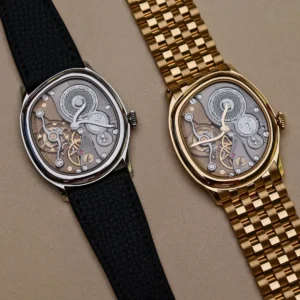
1. The Rise of F.P. Journe: The independent brand F.P. Journe has become a dominant force in the secondary market. Watches from François-Paul Journe, renowned for their innovative movements, exquisite finishing, and limited production, are consistently achieving astronomical prices. References like the Chronomètre à Résonance, Tourbillon Souverain, and the more accessible lines such as the Octa and Elegante, have seen exponential growth in value. This surge is attributed to a confluence of factors: an aging collector base seeking unique and technically superior timepieces, a new generation of collectors appreciating independent watchmaking, and the inherent scarcity of new F.P. Journe pieces. The brand’s strategic approach to production, deliberately keeping output low, has further amplified demand and desirability.

2. Cartier’s Enduring Appeal: Contrary to the often-narrow focus on steel sports watches, Cartier has experienced a significant and enduring resurgence in the auction arena. Iconic models such as the Tank, Santos, and particularly rarer or historically significant pieces, are commanding unprecedented attention and prices. This renewed interest can be attributed to Cartier’s rich heritage, its iconic design language that transcends trends, and a growing appreciation for its elegant and historically significant timepieces among a broader spectrum of collectors. Pieces with provenance, such as those owned by notable figures or with significant historical context, are particularly sought after.
3. The Unexpected Dominance of Pocket Watches: Perhaps one of the most surprising shifts highlighted by Guillemin is the robust performance of pocket watches. Historically, the focus in the modern era has been overwhelmingly on wristwatches. However, a renewed appreciation for horological artistry, historical significance, and the sheer craftsmanship involved in complex pocket watches has driven significant interest and record prices. This trend suggests a maturing collector base that is looking beyond mainstream categories to explore the depth and breadth of horological history. This includes highly complicated pieces, historically significant examples, and those from renowned makers of the past.
4. A Fundamental Departure from the "Hype Watch" Era: Guillemin’s assertion that the current market is fundamentally different from the post-pandemic boom is crucial. The 2021-2022 period was largely characterized by speculative buying, driven by accessible liquidity and a surge in interest in readily available, often steel, sports watches from brands like Rolex and Patek Philippe. This market was susceptible to rapid fluctuations and was, in many ways, driven by short-term investment potential.
The current market, however, appears to be more driven by genuine passion, connoisseurship, and a long-term appreciation for horological excellence and historical significance. Collectors are demonstrating a willingness to invest in pieces with intrinsic value, unique provenance, and exceptional craftsmanship, rather than solely those perceived as quick flips. This shift suggests a more sustainable and mature market environment.
Historical Context and Market Evolution
The watch auction market has always been a barometer of collector sentiment and economic conditions. The late 20th century saw a gradual emergence of specialized watch auctions, with a focus on antique and historically significant pieces. The late 1990s and early 2000s witnessed the rise of modern collectible watches, with certain brands and models gaining traction.
The period between 2010 and 2020 saw a steady growth in the market, fueled by increased global wealth and the rise of online auction platforms, which democratized access for collectors worldwide. However, the COVID-19 pandemic acted as a significant catalyst, leading to an unprecedented surge in demand. With limited opportunities for spending on travel and experiences, and an influx of disposable income for some, the watch market, particularly for rare and desirable models, experienced explosive growth. This era was marked by record prices for many Rolex, Patek Philippe, and Audemars Piguet models.
The current market, as described by Guillemin, represents a recalibration after the exuberance of the pandemic-driven boom. It is characterized by a more discerning collector base, prioritizing quality, rarity, and provenance over sheer speculative appeal. This evolution indicates a market that is maturing, with collectors demonstrating a deeper understanding and appreciation for horology.

Christie’s Role and Remi Guillemin’s Perspective
As a leading figure in the watch auction world, Remi Guillemin’s insights are highly valued. Christie’s has consistently been at the forefront of setting new benchmarks in the watch auction market. Their sales, particularly in Geneva, New York, and Hong Kong, regularly feature some of the most significant and high-value timepieces to come to market.
Guillemin’s emphasis on the fundamental shifts in the market reflects a keen understanding of collector behavior and evolving tastes. His personal insights into his own collection and grail watch add a human element to the business discussion, highlighting that even seasoned professionals in the industry are driven by passion. The mention of "grail he’s still chasing" suggests a lifelong pursuit of horological perfection and rarity, a sentiment shared by many dedicated collectors.
Broader Market Implications and Future Outlook
The current trends have several significant implications for the broader watch industry:
- Increased Demand for Independent Brands: The success of F.P. Journe is likely to inspire other independent watchmakers and potentially encourage larger brands to explore more niche and exclusive offerings.
- Diversification of Collector Interests: The renewed interest in pocket watches and the sustained appeal of brands like Cartier suggest a diversification of collector tastes, moving beyond a singular focus on a few popular categories.
- Emphasis on Authenticity and Provenance: As the market matures, the importance of authenticity, condition, and documented provenance will become even more critical in determining a watch’s value.
- Sustainable Market Growth: A market driven by genuine appreciation and connoisseurship is likely to be more stable and sustainable in the long term, less prone to the wild swings of speculative bubbles.
Looking ahead, the watch auction market appears poised for continued strength, albeit with a more refined and discerning approach from collectors. The focus on quality, rarity, and historical significance is likely to remain paramount. The ongoing success of auctions, even amidst economic challenges, underscores the enduring allure of exceptional timepieces as both objects of art and valuable assets. The insights from Remi Guillemin provide a clear roadmap for understanding these evolving dynamics, signaling a new, more mature, and perhaps more appreciative era for the watch auction world.
Personal Insights and The Collector’s Pursuit
Beyond the market analysis, Guillemin’s personal connection to watches is evident. The mention of his own collection and his pursuit of a "grail" piece underscores the passion that drives the entire industry. For many collectors, the acquisition of a watch is not merely a financial transaction but a journey of discovery, appreciation, and personal fulfillment. The pursuit of a grail watch, a timepiece that represents the pinnacle of a collector’s aspirations, is a testament to the enduring emotional connection people have with horology. While the specific details of his grail remain undisclosed, it serves as a relatable narrative for anyone who has ever dreamt of owning a truly exceptional timepiece.
This personal element humanizes the often-impersonal world of high-value auctions and reinforces the idea that behind every record-breaking sale is a story of passion, dedication, and a deep love for the art of watchmaking. The continued engagement of such passionate individuals, both as buyers and sellers, is what will undoubtedly fuel the watch auction market for years to come.