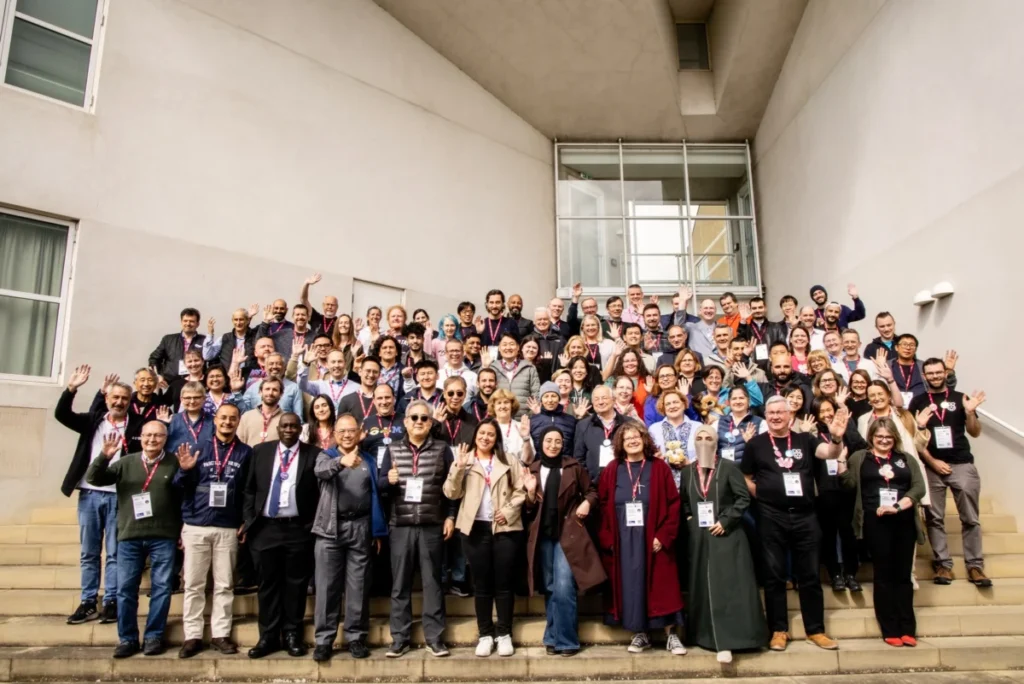
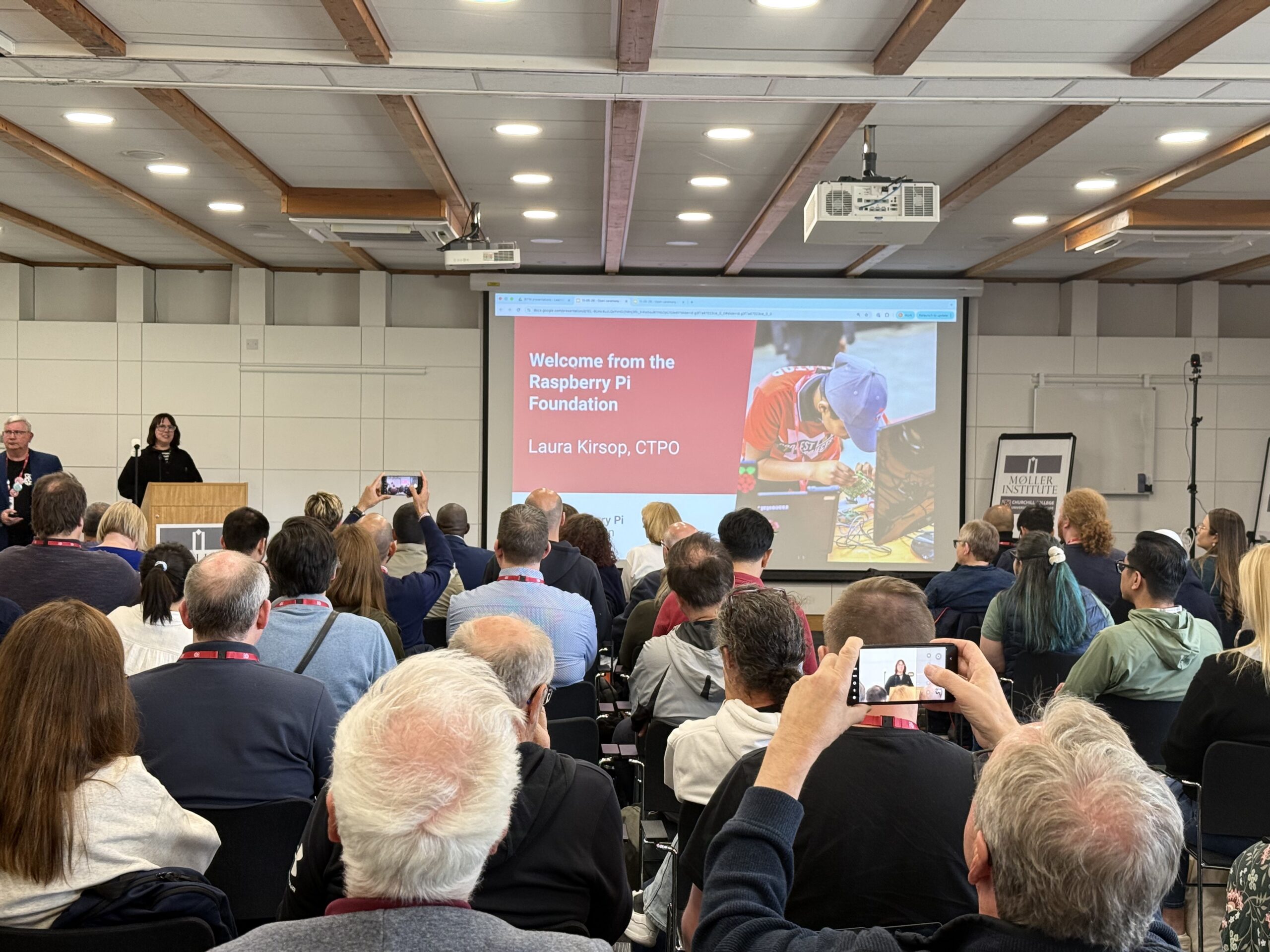
The city of Cambridge, long a global hub for scientific inquiry and educational innovation, recently served as the backdrop for a critical gathering of the international computing community. From May 10 to May 15, the Raspberry Pi Foundation hosted the 22nd Bebras International Task Workshop, an intensive summit dedicated to the refinement and selection of computational thinking tasks that will challenge millions of students worldwide in 2026. As the official organizers of the UK Bebras Challenge, the Raspberry Pi Foundation welcomed a diverse cohort of 101 delegates representing 61 countries to the Møller Institute. This annual event serves as the primary engine for the Bebras International Challenge, an initiative that has become a cornerstone of informatics education for primary and secondary school students globally.
The Bebras Challenge, which takes its name from the Lithuanian word for "beaver," was founded in 2004 by Professor Valentina Dagienė. Since its inception, the program has expanded from a regional contest into a massive international movement. The Cambridge workshop represents the collaborative heart of this movement, where educators, researchers, and computer science experts engage in a rigorous peer-review process to ensure that the tasks presented to students are not only engaging but also pedagogically sound and culturally accessible.
A Rigorous Chronology of the Task Selection Process
The 22nd Bebras International Task Workshop was characterized by a structured and intensive four-day schedule designed to process a high volume of intellectual contributions. Prior to the event, the global Bebras community had submitted a total of 277 proposed tasks. These tasks are essentially puzzles or problems that require students to apply computational thinking skills—such as decomposition, pattern recognition, abstraction, and algorithmic design—to reach a solution without necessarily requiring prior knowledge of programming languages.
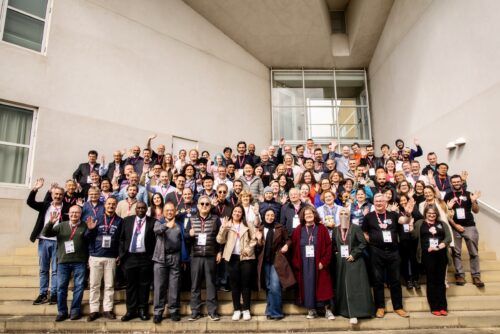
Upon arrival in Cambridge, delegates were divided into eight specialized working groups. The workflow for these groups was designed to be exhaustive. Each task underwent a multi-stage evaluation process:
- Initial Review: Working groups assessed the core logic of each task, determining if the underlying computational concept was sound and appropriate for the intended age group.
- Linguistic and Visual Refinement: Because Bebras is a global competition, tasks must be clear and translatable across dozens of languages. Delegates scrutinized the wording and illustrations to eliminate cultural biases and ensure clarity.
- Accessibility Auditing: A significant portion of the workshop was dedicated to ensuring that the tasks remained accessible to students with different learning needs and those in regions with varying levels of technological infrastructure.
- Debate and Final Selection: The process often involved what participants described as "spirited discussions" regarding the nuances of computational thinking. These debates ensured that only the highest-quality tasks reached the final pool.
By the conclusion of the workshop, the delegates had successfully reviewed and refined the submissions, resulting in the acceptance of 214 tasks. This rigorous vetting process ensures that when the challenge goes live in November 2026, the content will have been validated by a global panel of experts.
Supporting Data: The Expanding Footprint of Computational Thinking
The scale of the Bebras Challenge is a testament to the growing recognition of informatics as a fundamental literacy. According to data shared during the workshop, the Bebras Challenge currently operates in schools across 78 countries. The participation metrics for 2025 underscore the initiative’s massive reach: more than 4 million students between the ages of 6 and 19 took part globally.
The United Kingdom has emerged as a particularly strong participant in this international ecosystem. In the most recent cycle, the UK saw 526,000 participants, reflecting a robust interest in computing education across the British school system. This high level of engagement is supported by the Raspberry Pi Foundation’s efforts to integrate these tasks into broader educational resources, ensuring that the benefits of the challenge extend beyond the two-week competition window in November.
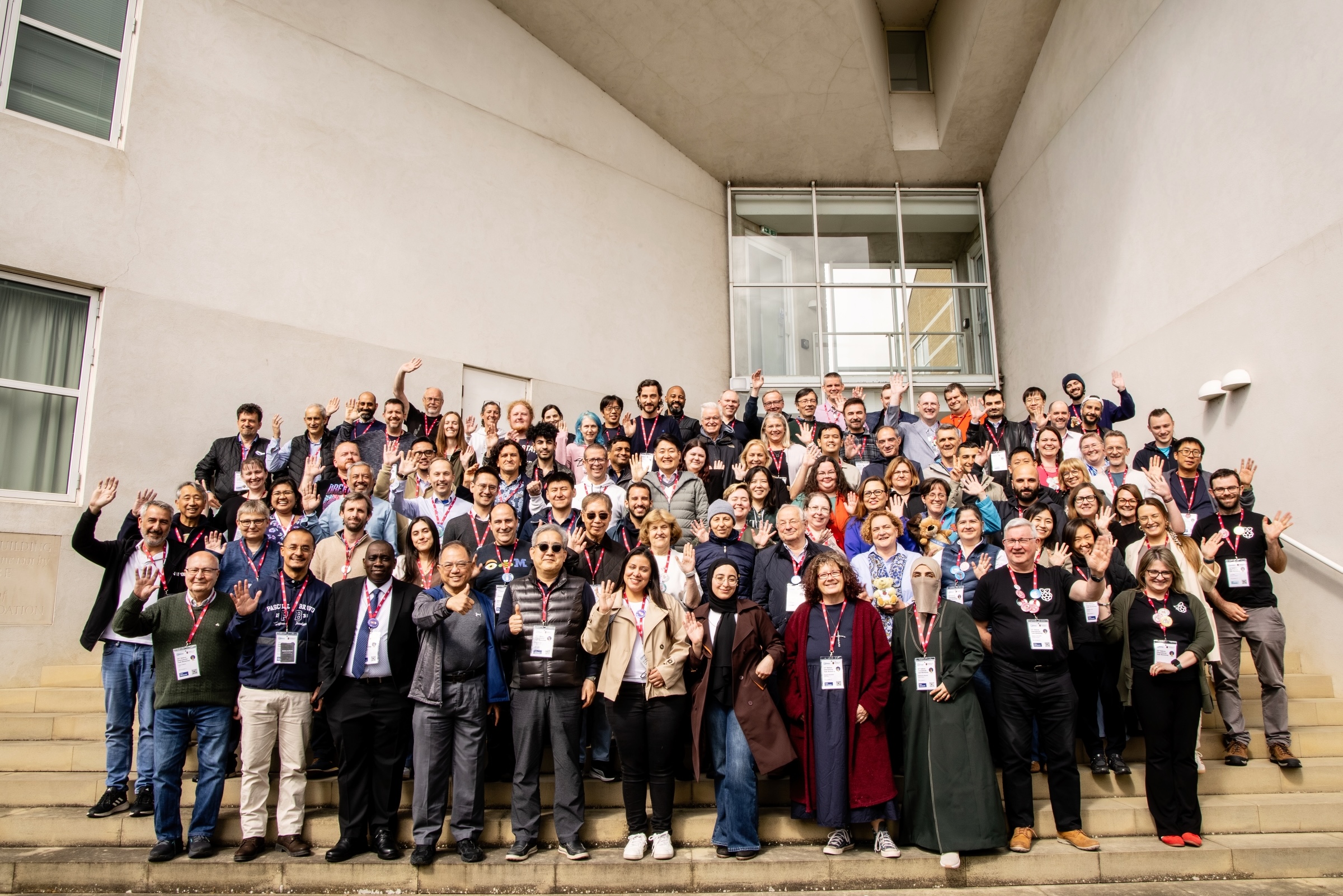
The workshop also served as a platform for organizational growth. The Bebras community formally expanded its ranks during the Cambridge event through a democratic voting process. Ten new provisional members were inducted, including Bolivia, Cameroon, Ecuador, Ghana, Hong Kong and Macao, Luxembourg, Mongolia, Palestine, Sri Lanka, and Tanzania. Furthermore, seven countries—Armenia, Colombia, Greece, Jamaica, Mexico, Paraguay, and Puerto Rico—were elevated to full membership status. This expansion highlights a strategic push to bring computational thinking resources to the Global South and regions where digital literacy programs are in critical stages of development.
Strategic Insights from the Bebras Marketplace
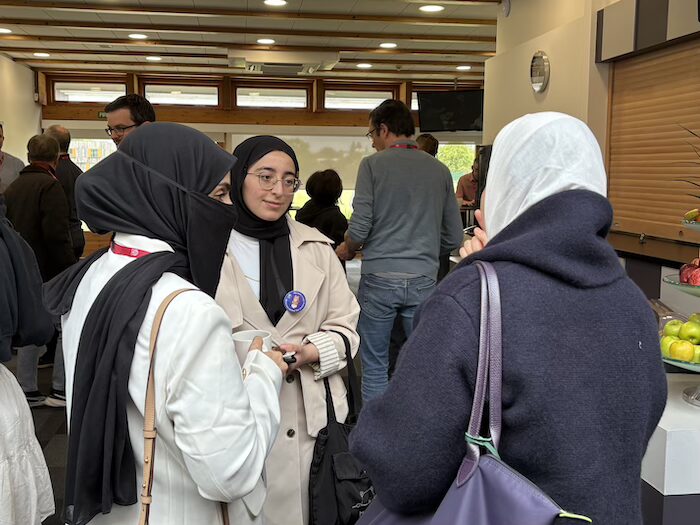
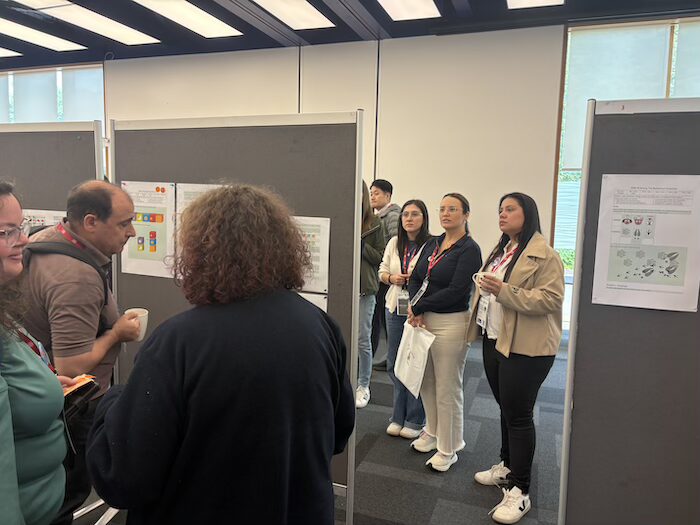
Beyond the formal task-review sessions, the workshop featured a "Bebras Marketplace," an exhibition where delegates shared localized strategies for delivering computing education. This exchange of ideas provided valuable insights into how different nations are overcoming barriers to digital education.
In countries like Ghana, Jamaica, Mexico, and Sri Lanka, where internet connectivity and hardware access can be inconsistent, educators have pioneered "unplugged" versions of the Bebras Challenge. These paper-based iterations allow students to develop logical reasoning and algorithmic thinking skills without the need for a computer. This approach challenges the misconception that computer science is solely dependent on high-tech infrastructure.
The marketplace also highlighted innovative extensions of the Bebras philosophy:
- Armenia has developed dedicated Bebras-themed books to supplement standard curricula.
- Brazil publishes a Bebras magazine to maintain student interest throughout the year.
- Indonesia has focused on teacher professional development, creating resources that help educators integrate computational thinking into non-computing subjects like mathematics and language arts.
- Lithuania, the birthplace of the movement, continues to innovate with hands-on games that translate abstract computing concepts into physical activities.
These diverse applications demonstrate that the Bebras model is highly adaptable, serving as a bridge between theoretical computer science and practical classroom instruction.
Official Responses and Leadership Perspectives
The hosting of the event by the Raspberry Pi Foundation signaled the organization’s commitment to global educational equity. Alex Parry, a key member of the Raspberry Pi team, noted the intensity and dedication of the international delegates. Parry emphasized that the "sometimes slightly heated discussions" were a necessary part of the process, as they forced the community to confront the wider implications of how computational thinking is defined and taught.
Laura Kirsop, Chief Technology and Product Officer at the Raspberry Pi Foundation, delivered the opening keynote, focusing on the synergy between the Bebras tasks and the Foundation’s other educational products. Kirsop highlighted how the Foundation has repurposed previous years’ Bebras tasks to create "unplugged" resources for Code Clubs. An example cited was the "Escape Room: The Jungle Awakens" resource, which uses puzzle-based logic to teach computing concepts in environments where digital tools may be unavailable.
The feedback from international delegates regarding the Cambridge workshop was overwhelmingly positive, with participants praising the logistical execution and the environment provided for collaboration. While one delegate jokingly suggested that the British weather was the only element beyond the organizers’ successful control, the consensus was that the workshop provided the necessary "conditions for collaboration" required to manage such a complex international project.
Broader Impact and Implications for Global Education
The work conducted at the 22nd Bebras International Task Workshop has implications that reach far beyond the selection of test questions. By standardizing what computational thinking looks like at various age levels, the Bebras community is effectively helping to define a global curriculum for informatics.
In the modern economy, the ability to decompose complex problems and design algorithmic solutions is no longer a niche skill reserved for software engineers; it is a versatile cognitive toolset applicable to medicine, law, engineering, and the arts. The Bebras Challenge provides a low-stakes, high-engagement entry point for students who might otherwise be intimidated by the technical barriers of traditional computer science.
Furthermore, the emphasis on "unplugged" activities and smartphone accessibility—such as the initiatives currently being developed in Mexico—addresses the digital divide. By decoupling computational logic from expensive hardware, the Bebras community is ensuring that the "thinking" part of "computing" is available to every child, regardless of their economic circumstances.
Looking Ahead: The Road to Uruguay 2027
As the 22nd workshop concluded, the focus began to shift toward the future of the initiative. The Raspberry Pi Foundation is currently collaborating with Bebras teams in Australia, Ireland, Canada, and the United States to finalize the tasks for the upcoming 2024 and 2025 cycles. In the UK, the next challenge is scheduled to take place between November 8 and November 20, with registration already open for educators.
The international community has also set its sights on the next major milestone. The 23rd Bebras International Task Workshop is slated to be held in Uruguay in May 2027. This move to South America reflects the growing influence of the region within the Bebras network and the continued globalization of the movement.
The Cambridge workshop has reinforced the idea that while technology may change at a rapid pace, the fundamental principles of logical reasoning and problem-solving remain constant. Through the meticulous work of 101 delegates over five days in May, the foundation has been laid for millions of young minds to discover the power of computational thinking in the years to come.