The global technology landscape witnessed a significant milestone this week as the Coolest Projects 2026 online showcase concluded its annual celebration of youth-led innovation. In an era where digital literacy is becoming as fundamental as traditional reading and writing, this year’s event highlighted the extraordinary potential of the world’s youth to leverage technology for creative expression and social problem-solving. Over 15,000 young participants from 40 countries converged on the digital stage, submitting more than 4,500 unique tech creations that ranged from complex artificial intelligence models to imaginative educational games.
The event, which culminated in a high-energy global livestream, serves as the flagship initiative of the Raspberry Pi Foundation’s efforts to democratize computer science education. This year’s statistics underscore a pivotal shift in the demographic makeup of the tech world: 47% of the participants were girls, marking a near-parity that challenges long-standing gender gaps in Science, Technology, Engineering, and Mathematics (STEM) fields. This diversity reflects a growing global movement to ensure that the creators of tomorrow’s technology are as diverse as the populations that will use it.
A Global Platform for Digital Creativity
Coolest Projects is not merely a competition; it is a celebration of the "maker" spirit. Since its inception, the initiative has sought to provide a low-barrier, high-prestige platform where young people, regardless of their socio-economic background or geographic location, can showcase their work to a global audience. The 2026 showcase featured seven distinct categories: Scratch, Games, Web, Mobile Apps, Hardware, Advanced Programming, and 3D Models.
The diversity of the projects reflected the unique cultural and social contexts of the participants. While some creators focused on pure entertainment and game mechanics, others utilized their coding skills to address local challenges, such as environmental sustainability, healthcare accessibility, and community organization. The sheer volume of entries—exceeding 4,500—demonstrates the efficacy of accessible coding tools like Scratch and Python in empowering the next generation of digital architects.
Expert Perspectives: The 2026 VIP Judging Panel
To provide professional validation and mentorship, the organizers invited a panel of high-profile "VIP Judges" from various sectors of the technology and gaming industries. These judges were tasked with selecting their favorite projects from each category, providing a bridge between amateur youth creation and professional industry standards.
Ronit Levavi Morad: Bridging AI and Pedagogy
Ronit Levavi Morad, the Strategy and Operations Lead at Google Research, brought her expertise in artificial intelligence and educational technology to the panel. As a leading advocate for AI literacy, Morad’s involvement highlighted the increasing importance of understanding the ethical and practical applications of AI from a young age. At Google Research, she spearheads initiatives like AI Quests, which gamifies the learning process to show teenagers how machine learning can tackle global humanitarian crises. Her selection process focused on projects that demonstrated a "human-centered vision," where technology serves as a tool for pedagogical improvement and social good.
Ben Powley: From Minecraft Modder to Senior Developer
Representing the professional gaming industry was Ben Powley, a Senior Developer at Jagex. Powley’s career trajectory served as a direct inspiration for many participants; he began his journey at the age of 12 by creating mods for Minecraft. Today, he works on iconic titles like RuneScape and has previously contributed to major franchises such as Assassin’s Creed and Avatar: Frontiers of Pandora. Powley’s presence emphasized the "hobbyist-to-professional" pipeline, validating the technical skills young creators develop while building games and interactive experiences.
Akari Kawaguchi: The Voice of the Young Creator
In a move to ensure the judging process remained grounded in the participant experience, the panel included 16-year-old Akari Kawaguchi. A youth mentor at CoderDojo Japan, Kawaguchi is a veteran of the Coolest Projects circuit, having showcased her own work seven times. Her inclusion on the panel represents the event’s commitment to youth agency, providing a perspective that understands the specific technical hurdles and creative triumphs inherent in being a young maker in today’s fast-paced digital environment.
Sebin Sunny: Driving Innovation and IoT
Sebin Sunny, CEO of the Entrepreneurship and Innovation Center (EIC) at the Indian Institute of Information Technology and Management – Kerala (IIITM-K), focused on the hardware and entrepreneurship aspects of the submissions. As a leader in the field of IoT (Internet of Things) sensors, Sunny looked for projects that demonstrated commercial potential and sustainable innovation. His participation highlights the growing tech ecosystem in India and the importance of fostering entrepreneurial mindsets in young engineers.
Excellence in Social Impact: The Broadcom Coding with Commitment® Award
One of the most prestigious accolades presented during the showcase was the Broadcom Coding with Commitment® award. This honor is specifically designed to recognize creators who align their technical projects with the 17 Sustainable Development Goals (SDGs) of the United Nations. The award seeks to highlight the intersection of technical proficiency and civic responsibility.
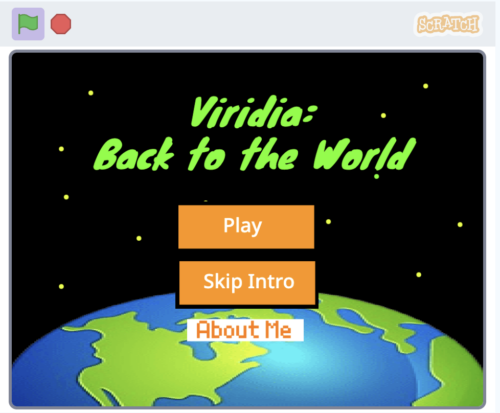
The 2026 recipient for the online showcase was Egehan, a young developer from Türkiye. Egehan’s project, titled "Viridia – Back to the World," is an educational game developed using the Scratch platform. The project focuses on water conservation, tasking players with managing resources and understanding the environmental impact of water waste. The judges praised the project for its ability to transform a complex global issue into an engaging, interactive learning experience. By using code to advocate for environmental stewardship, Egehan exemplified the core mission of the Broadcom Foundation: to support "STEM underdogs" and encourage the use of technology for community strengthening.
Data Analysis and Global Reach
The 2026 event data provides a comprehensive look at the state of youth tech engagement. With participants from 40 different countries, the event has successfully transitioned from a localized Irish movement (where it began) to a truly global phenomenon.
- Gender Representation: The 47% female participation rate is a significant data point. For comparison, women currently make up only about 25-28% of the global tech workforce. The high engagement of girls in Coolest Projects suggests that early-intervention programs and inclusive environments are effective in maintaining interest in STEM through the critical teenage years.
- Technological Trends: There was a marked increase in projects utilizing Artificial Intelligence and Machine Learning, reflecting the broader industry shifts. However, Scratch remains the most popular entry point for younger creators, proving that block-based coding is still the gold standard for introducing logic and computational thinking.
- Geographic Expansion: The inclusion of participants from emerging tech hubs in Southeast Asia, Africa, and South America indicates that the availability of free online resources—such as the 200+ coding projects offered by the Raspberry Pi Foundation—is successfully lowering the barriers to entry for international youth.
Broader Implications for the Tech Industry
The success of Coolest Projects 2026 carries significant implications for the future of the global tech industry. Events like these serve as a "pre-professional" incubator. When companies like Google, Amazon, and Jagex involve themselves in these showcases, they are not just engaging in corporate social responsibility; they are scouting and nurturing the talent that will fill their offices in the 2030s.
Furthermore, the emphasis on "creativity over competition" fosters a healthier tech culture. By encouraging young people to build things they care about—whether it’s a game about their pet or a tool for local farmers—initiatives like Coolest Projects ensure that technology remains a tool for human expression rather than just a commercial commodity.
Chronology and Future Outlook
The journey toward the 2026 showcase began months ago with the opening of project registrations. Throughout the spring, participants were supported by a network of mentors, teachers, and parents, many of whom utilize the Raspberry Pi Foundation’s free curriculum. Following the submission deadline, the projects were curated into a public online gallery, allowing the world to browse the thousands of entries.
The livestream celebration held yesterday served as the formal conclusion to the 2026 cycle, but it also signaled the start of the next phase. The organizers have already confirmed that Coolest Projects will return to the online format in 2027. In the interim, several in-person events are scheduled to take place, including Coolest Projects India and various partner events across Europe and North America. These regional events provide a hybrid experience, combining the massive reach of the online showcase with the tangible excitement of a live science and tech fair.
Acknowledging the Support Ecosystem
The scale of an event involving 15,000 young people requires a robust support system. The Raspberry Pi Foundation extended its gratitude to a coalition of sponsors, including the Broadcom Foundation, Amazon Future Engineer, Vilros, Qube-RT, Avnet, and GoTo. These organizations provide the funding and infrastructure necessary to keep the event free for all participants, ensuring that the only requirement for entry is a creative idea and the willingness to learn.
As the digital gallery for 2026 remains open, it serves as a living archive of youth ingenuity. For educators and parents, the message from this year’s showcase is clear: when provided with the right tools and a global stage, the next generation is more than capable of coding a better, more inclusive, and more creative future. The thousands of projects currently hosted on the Coolest Projects platform stand as a testament to what happens when technology is placed in the hands of those who are not afraid to experiment, fail, and ultimately, create something extraordinary.