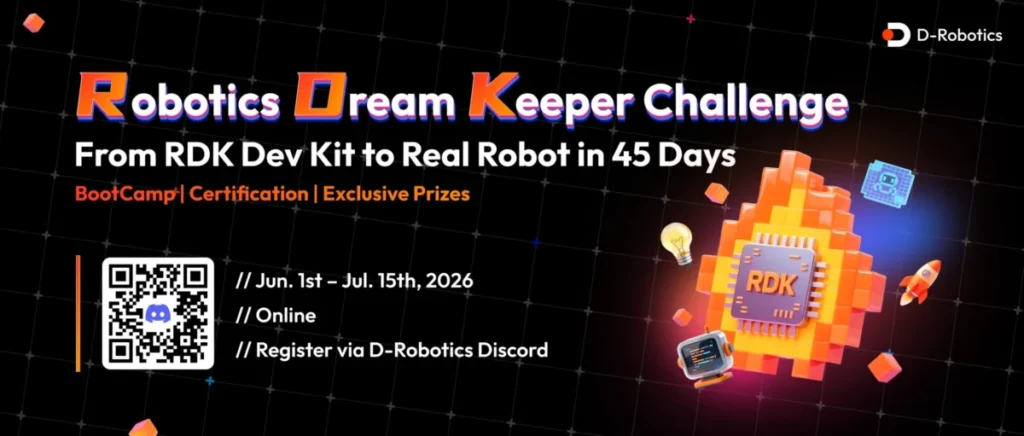
D-Robotics has officially unveiled the "Robotics Dream Keeper Challenge (RDK Challenge)," an ambitious initiative designed to lower the barriers to entry for advanced robotics and artificial intelligence development. The program aims to empower a diverse community of makers, students, hobbyists, and seasoned engineers to transform their innovative robot concepts into tangible realities using the RDK X5, an edge AI development board that D-Robotics touts as both powerful and remarkably accessible. This challenge represents a strategic move to democratize access to cutting-edge AI robotics, fostering a new generation of innovators.
The landscape of robotics development has historically been fraught with complexity. Enthusiasts and aspiring engineers often encounter significant hurdles, including intricate wiring configurations, steep learning curves associated with specialized software, and a general lack of clear guidance on where to begin. These obstacles frequently lead to promising robot ideas remaining conceptual, gathering dust rather than evolving into functional prototypes. D-Robotics seeks to fundamentally alter this paradigm, positioning the RDK Challenge and its flagship RDK X5 board as the catalyst for change. By providing a structured pathway, robust tools, and extensive community support, the company is directly addressing the frustrations that have long deterred potential robot builders.
The RDK X5: A Deep Dive into Edge AI Capabilities
At the heart of the RDK Challenge lies the RDK X5, an edge AI development board designed to deliver formidable artificial intelligence processing capabilities directly on the device. Unlike cloud-based AI solutions that rely on continuous internet connectivity and remote servers, edge AI enables real-time data processing and decision-making locally. This architectural choice offers several critical advantages for robotics applications, including reduced latency, enhanced privacy, lower bandwidth requirements, and improved reliability in environments with intermittent connectivity. For a robot, this translates into faster reaction times, more autonomous operation, and greater energy efficiency.
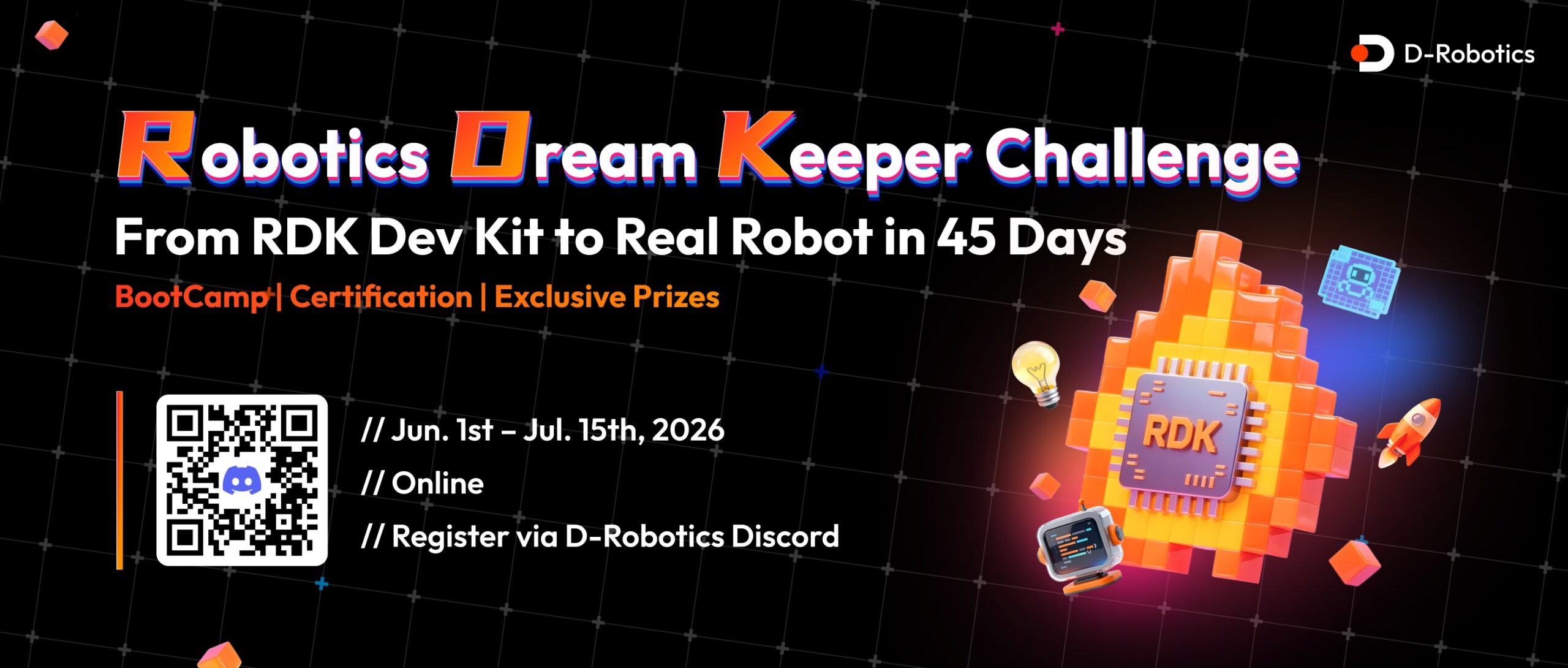
The RDK X5 is engineered to strike a delicate balance between high performance and user-friendliness. While specific technical specifications were not detailed in the initial announcement, the implied capabilities suggest a robust System-on-Chip (SoC) with dedicated AI acceleration hardware, such as a Neural Processing Unit (NPU) or specialized DSPs. This hardware enables efficient execution of complex AI models for tasks like object detection, facial recognition, speech processing, and autonomous navigation—all without the need for a powerful host computer. The board’s "approachable" nature likely stems from its comprehensive software development kit (SDK), extensive documentation, and a supportive ecosystem that simplifies integration and programming, making it appealing even to those with limited prior experience in AI or embedded systems.
The burgeoning field of edge computing is a significant trend across various industries, from industrial automation and smart cities to consumer electronics and, crucially, robotics. Market research firms project substantial growth in the edge AI market over the coming years, driven by the increasing demand for intelligent, autonomous devices. D-Robotics is strategically positioning the RDK X5 to capture a significant share of this expanding market, particularly within the maker and educational segments, by offering a platform that combines advanced capabilities with an accessible development experience.
Inspiring Innovation: Projects Already Forged with RDK X5
Even prior to the full launch of the RDK Challenge, the RDK X5 has already demonstrated its versatility through a series of impressive early-stage projects. These examples serve as powerful testimonials to the board’s capabilities and the creative potential it unlocks:
-
OpenDuck Mini – RDK X5: The Bipedal Pioneer: Developed by AI Researcher and Robotics Developer Frank Fu, the OpenDuck Mini is a reinforcement-learning bipedal robot that showcases advanced locomotion. This project is particularly noteworthy for its achievement of "sim-to-real walking," a complex feat where behaviors learned in a simulated environment are successfully transferred and executed by a physical robot. This demonstrates the RDK X5’s capacity to handle computationally intensive tasks required for sophisticated motion control and adaptive learning algorithms, pushing the boundaries of what is achievable with accessible hardware. The OpenDuck Mini highlights the potential for the RDK X5 in research and development, allowing for rapid iteration between virtual and physical prototypes.

-
An Arc Reactor That Beats With My Heart: Beyond Traditional Robotics: MateoTechLab conceived a glowing, heartbeat-synchronized Arc Reactor. While not a conventional robot, this project exemplifies the RDK X5’s capacity for creative applications beyond typical robotic movement. By integrating biometric data (heart rate) with dynamic lighting, it showcases the board’s ability to interface with various sensors and actuators, processing real-time inputs to create interactive and aesthetically captivating installations. This project underscores the RDK X5’s utility in IoT, wearable technology, and interactive art, expanding its appeal to a broader spectrum of creators.
-
Valentine’s Day AI Robot With RDK X5: The Interactive Companion: Pro Know developed an adorable interactive companion robot equipped with vision, touch, and sound reactions, imbued with a charming personality. This project demonstrates the RDK X5’s prowess in enabling multi-modal AI interactions. The robot can perceive its environment through vision, respond to physical touch, and interpret sound, allowing for engaging and personalized interactions. Such capabilities are foundational for social robots, personal assistants, and educational tools, illustrating the RDK X5’s potential to foster emotionally resonant human-robot interactions.
These diverse projects collectively underscore the RDK X5’s robust on-device AI performance and its maker-friendly design. They also validate D-Robotics’ claim that the board can serve as a powerful foundation for a wide array of intelligent systems, from complex autonomous machines to whimsical interactive devices. The public has already had a glimpse of the RDK X5’s capabilities through live demos showcased during Make: YouTube channel live streams, further building anticipation for the challenge.
The Three-Stage Build Path: A Structured Journey to Mastery
The Robotics Dream Keeper Challenge is meticulously structured into three progressive stages, designed to guide participants through the complexities of AI robotics development without overwhelming them. Spanning approximately 35-45 days, this phased approach ensures a gradual learning curve and ample support.

-
Stage 1 – Ignite (5-10 Days): Powering On the Robot’s Brain
The initial phase focuses on foundational setup and familiarization. Participants begin by unboxing their RDK X5 board and proceeding with its basic configuration. This involves tasks such as flashing an SD card with the operating system, establishing network connectivity (e.g., via SSH), and activating essential sensors. The primary goal is to successfully run a pre-configured, simple AI demonstration, providing immediate gratification and a clear understanding of the board’s core functionality. This stage is designed to be accessible even for those with rudimentary experience in embedded systems, akin to setting up a Raspberry Pi. -
Stage 2 – Build (10-15 Days): Designing an Intelligent Robot System
Building upon the basics, Stage 2 shifts focus to conceptualization and architectural design. Participants are challenged to move beyond pre-existing demos and begin sketching out their own unique robot ideas. This involves defining the project concept, outlining the AI pipeline (e.g., what AI models will be used, how data will flow), and locking in the hardware setup. A critical component of this stage is the availability of mentors who provide guidance and feedback, helping participants to refine their plans and identify potential pitfalls before embarking on the more intensive integration phase. This structured review process is invaluable for ensuring project feasibility and maximizing the chances of success. -
Stage 3 – Launch (20 Days): Shipping a Working, Demo-Ready AI Robot
The final and most intensive stage is dedicated to integration, optimization, and presentation. Participants will wire together all components, integrate their custom AI models, and leverage the RDK X5’s BPU (AI processing unit) acceleration for optimized inference performance. The culmination of this stage is the production of a polished, fully functional, and shareable AI robot project package. This final output is envisioned as a "portfolio piece"—a tangible demonstration of skill suitable for showcasing in a YouTube demo, a conference presentation, or even during job interviews, serving as a powerful credential for aspiring robotics engineers.
The comprehensive task guidelines for all three stages are openly accessible on GitHub, providing full transparency and detailed instructions for every step of the challenge.
A Pillar of Support: The Community-Driven Ecosystem

Recognizing that innovation thrives in collaborative environments, D-Robotics has emphasized a strong community-driven approach for the RDK Challenge. Far from being a high-pressure, isolating competition, the program is designed as a supportive ecosystem where beginners and experts alike can flourish. This environment is facilitated by:
- Structured Stages: As detailed above, the phased approach prevents burnout and ensures progressive learning.
- Free Bootcamps: Offering focused training sessions to equip participants with necessary skills.
- Dedicated Mentors: Experienced individuals providing personalized guidance and technical support.
- Weekly Events: Fostering engagement, knowledge sharing, and problem-solving through regular interactions.
- Abundant Open Resources: Providing access to documentation, code examples, and tutorials.
The Discord community, a central hub for interaction, is meticulously structured as a "growth ecosystem": participants begin as "Explorers," progress to "Builders," then to "Creators," and finally aspire to become "Core Developers." This clearly marked path encourages continuous learning and mentorship, ensuring that no participant is left behind, and everyone has opportunities to contribute and grow within the community. A spokesperson for D-Robotics underscored the importance of this collaborative spirit, stating, "We believe that the future of robotics lies in collective intelligence. The RDK Challenge is not just about building robots; it’s about building a community where ideas can be shared, challenges overcome, and dreams realized together." This approach aligns with broader trends in open-source development and community-led innovation, which have proven highly effective in accelerating technological advancement.
Rich Rewards and Unlocked Opportunities
D-Robotics has curated a compelling suite of rewards and incentives to motivate participants and acknowledge their hard work. These incentives are designed to appeal to both novice builders and experienced developers:
- Full Cash Rebate: Participants who successfully complete all three stages of the challenge will receive a full cash rebate on their purchase of the RDK X5 and accessory kits, making the investment essentially risk-free for dedicated participants. This significantly lowers the financial barrier to entry for aspiring roboticists.
- $1,000 Grand Prize: The most outstanding project developed during the challenge will be awarded a grand prize of $1,000, providing a substantial monetary incentive for exceptional innovation and execution.
- $500 Community Advocate Reward: Top community advocates, those who actively contribute to supporting and inspiring their peers, will receive an additional $500 cash reward, recognizing the invaluable role of community building.
Beyond these immediate rewards, D-Robotics has hinted at further opportunities that will be gradually unlocked. These include the chance to work directly with the D-Robotics team, offering invaluable professional experience and insights into advanced robotics development. Participants may also secure interviews with global developers, gain participation in the annual D-Robotics Developers Conference, and even win a visit to the prestigious Robot Innovation Center in Shenzhen, a global hub for robotics and hardware innovation. These long-term incentives represent significant career development opportunities, providing pathways for challenge participants to transition their passion into professional endeavors.

Seamless Engagement: Pathways to Participation
Engaging with the Robotics Dream Keeper Challenge is designed to be straightforward. Prospective participants are encouraged to follow a simple set of steps:
- Join the Discord Community: The first step is to become part of the vibrant Discord community, which serves as the primary platform for communication, support, and collaboration.
- Submit the Application Form: A quick application form ensures D-Robotics can track participants and provide tailored support.
- Download RDK Studio and Register: RDK Studio is the integrated development environment (IDE) that will streamline the coding and deployment process on the RDK X5. Registration ensures access to all necessary software tools and resources.
- Acquire Hardware: Participants can obtain the RDK X5 board and any necessary accessory kits through D-Robotics’ official partnered distributors. A dedicated accessories page also ensures easy access to complementary components.
This structured onboarding process aims to minimize confusion and allow participants to quickly dive into the core activities of the challenge.
Broader Implications and the Future of DIY Robotics
The Robotics Dream Keeper Challenge holds significant implications for several sectors, particularly in STEM education, the democratization of technology, and D-Robotics’ strategic market positioning. For STEM education, the challenge offers an unparalleled opportunity for students to engage with cutting-edge AI and robotics in a practical, project-based learning environment. It provides a bridge between theoretical knowledge and real-world application, fostering critical thinking, problem-solving, and technical skills that are highly valued in the modern workforce. Educators can leverage such initiatives to inspire the next generation of engineers and innovators.

Furthermore, the challenge represents a powerful step towards democratizing access to advanced AI robotics. By providing an affordable, supported platform, D-Robotics is enabling individuals and small teams, who might otherwise lack the resources or expertise, to experiment with sophisticated AI hardware. This has the potential to accelerate innovation from the grassroots level, leading to unforeseen applications and breakthroughs. It levels the playing field, allowing creativity and ingenuity to flourish regardless of institutional affiliation or extensive funding.
From a business perspective, D-Robotics is not merely launching a product but cultivating an ecosystem. By investing in community support, structured learning paths, and attractive incentives, the company is building a loyal user base and fostering a network of early adopters who will champion the RDK X5. This strategy can lead to valuable feedback for product development, organic marketing through community advocacy, and a stronger market presence in the competitive edge AI hardware space. The success of the challenge could cement the RDK X5 as a go-to platform for maker-grade AI robotics.
In conclusion, the Robotics Dream Keeper Challenge is more than just a competition; it is an invitation to explore the frontiers of modern robotics and embodied AI with robust guidance and tangible rewards. The RDK X5, still a relatively nascent platform, is poised to become a significant tool for creators. The makers who embrace this challenge now are not only building robots but are also shaping the future of an emerging community, poised to tell compelling stories of innovation and achievement. D-Robotics is urging aspiring builders to seize this rare opportunity, acquire their hardware, join the thriving Discord community, and begin creating the intelligent machines that will define tomorrow.