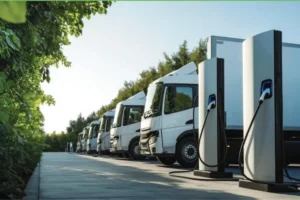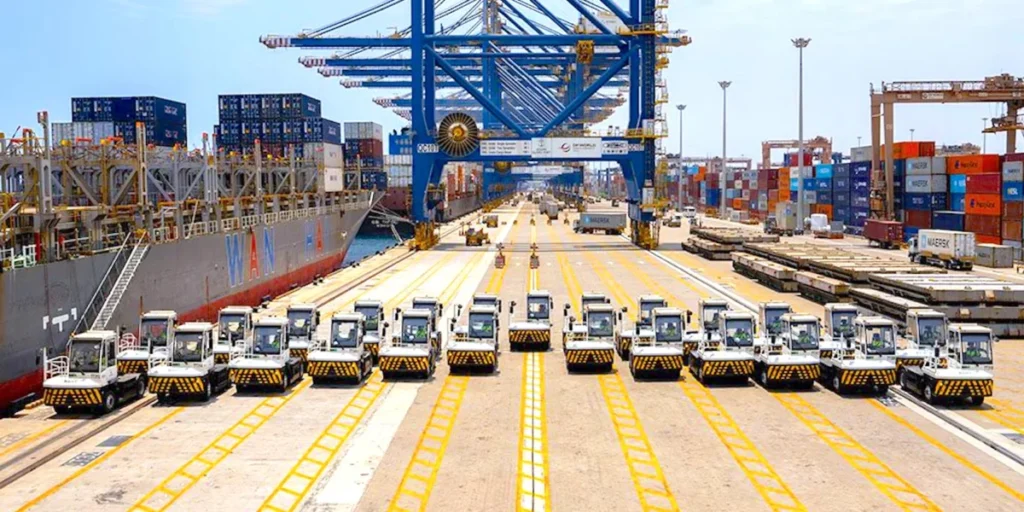
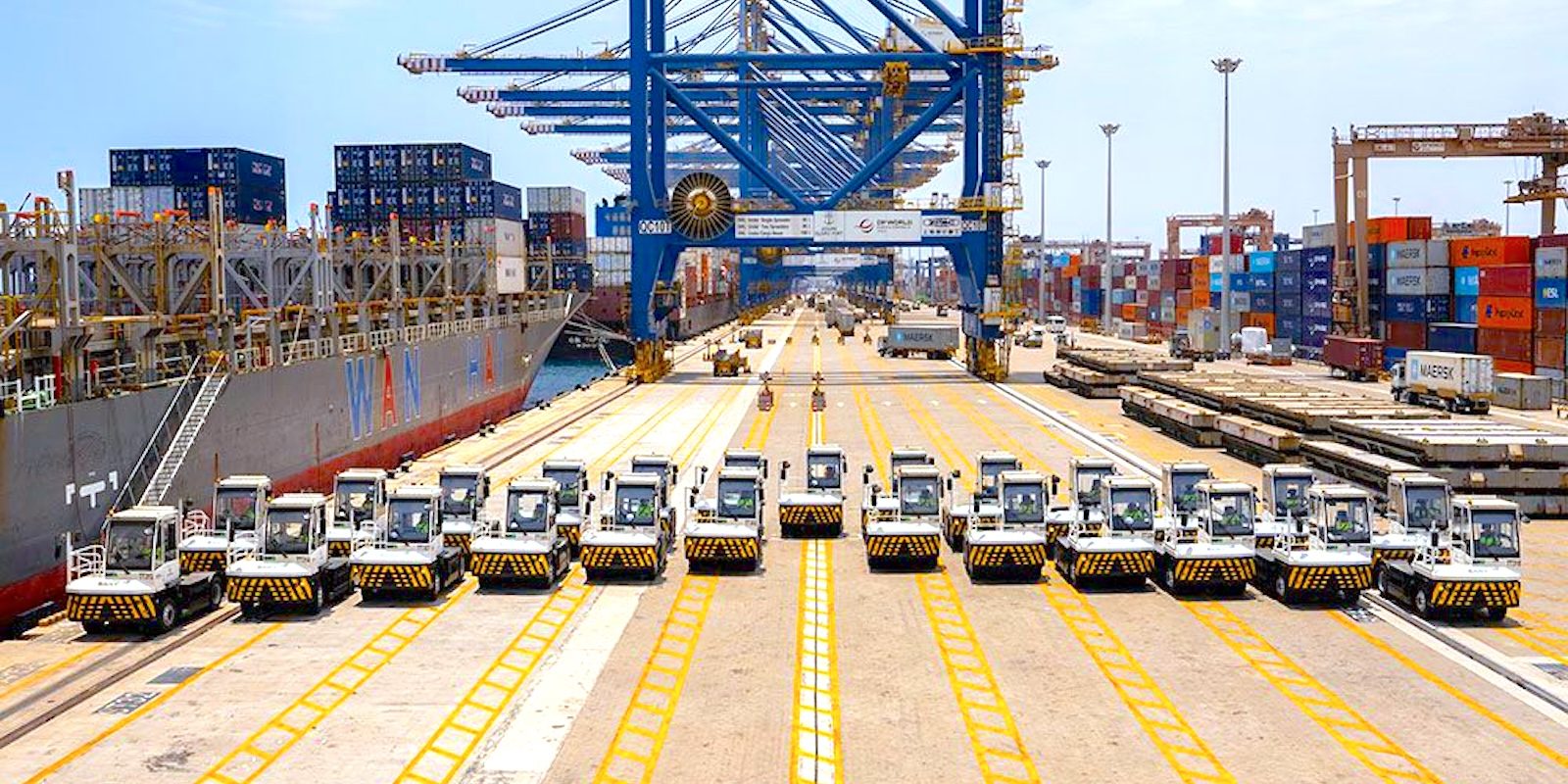
DP World is undertaking a significant electrification initiative at Brazil’s Port of Santos, introducing 15 battery-electric terminal trucks and three electric reach stackers. This strategic move represents a substantial leap forward in the quest for cleaner freight handling operations at one of Latin America’s most critical and high-volume container ports. The deployment is a cornerstone of DP World’s ambitious BRL 1.6 billion expansion project at its Santos terminal, a development poised to increase the port’s annual handling capacity to over 2 million twenty-foot equivalent container units (TEUs) by 2028.
This investment signifies the initial phase of a comprehensive modernization strategy by DP World, aimed at transforming port logistics through the adoption of cutting-edge, sustainable technologies. Beyond the initial electric fleet, the expansion blueprint includes the phased introduction of a total of 44 electric terminal tractors, an additional three electric reach stackers, four new electric quay cranes, and fifteen 40-ton class rubber-tired gantry cranes (RTGs). These crucial pieces of equipment are slated for delivery and operational integration before the close of 2027, underscoring DP World’s commitment to a swift and impactful transition.
Fabio Siccherino, CEO of DP World Brazil, emphasized the strategic imperative behind these investments. "We continue to invest in infrastructure and equipment that enables us to deliver greater capacity, reliability, efficiency, and sustainability for our customers," Siccherino stated. "These new electric vehicles strengthen our operations today while supporting increasing trade volumes and the long-term growth of Brazil’s trade." His remarks highlight the dual benefits of the electrification effort: enhancing current operational capabilities while simultaneously future-proofing the terminal to accommodate escalating demand and contribute to Brazil’s economic prosperity.

The strategic adoption of electric terminal trucks is not new for DP World, which has a proven track record of integrating this technology into its global operations. While the specific make and model of the terminal trucks deployed at Santos were not detailed in the initial announcement, the company has a well-established partnership with Dutch terminal truck manufacturer Terberg. This collaboration has previously resulted in the successful deployment of a fleet of 20 Terberg YT203-EV yard hostlers at DP World’s Callao terminal in Peru, and a significant number of similar units at its London Gateway facility.
The Terberg YT203-EV is recognized for its robust performance, featuring a substantial 236 kWh battery pack. This capacity has demonstrated its ability to sustain operations for up to 20 hours a day at the Callao site, averaging nearly 12 hours of continuous operation on a single charge. This level of performance is critical in the demanding environment of a major container port, where uninterrupted workflow is paramount. The reliability and efficiency of these electric vehicles are key drivers for their adoption in large-scale logistics operations.
Environmental and Economic Rationale for Electrification
The shift to electric port equipment is underpinned by compelling environmental and economic considerations. The reduction in diesel consumption directly translates into lower greenhouse gas emissions, a critical factor in the global effort to combat climate change. Analysis from January to April 2026 indicates a significant decline of 29.2% in diesel consumption compared to the 2024 average at facilities where such transitions have been implemented. This reduction is projected to cut carbon emissions by over 500 tons, a substantial environmental gain that underscores the dual financial and ecological benefits of investing in port modernization.
The long-term financial implications are also considerable. Reduced reliance on fossil fuels can lead to substantial savings in fuel costs, particularly given the volatility of global oil prices. Furthermore, electric vehicles generally have lower maintenance requirements due to fewer moving parts compared to their diesel counterparts, contributing to reduced operational expenses over their lifecycle. These cost efficiencies, coupled with potential incentives for adopting green technologies, make the transition to electric fleets an increasingly attractive proposition for port operators worldwide.
Broader Context of Port Modernization and Sustainability
The electrification at the Port of Santos is part of a larger global trend towards decarbonizing the maritime and logistics sectors. Ports are critical nodes in global supply chains, and their environmental footprint is significant. Initiatives like DP World’s investment in electric fleets are crucial for meeting international climate targets and enhancing the sustainability of trade. The International Maritime Organization (IMO), for instance, has set ambitious goals for reducing greenhouse gas emissions from shipping, and the landside operations of ports play a vital role in achieving these objectives.
The Port of Santos itself is a strategic gateway for Brazil’s international trade, handling a vast array of goods, including agricultural products, manufactured goods, and raw materials. Its modernization and expansion are therefore of national importance, impacting economic growth and competitiveness. By embracing electric technologies, DP World is not only improving its own operational efficiency but also contributing to the overall sustainability and resilience of Brazil’s trade infrastructure.
The Future of Port Operations: Automation and Electrification Synergy
The deployment of electric terminal trucks and reach stackers is often integrated with advancements in port automation. While not explicitly detailed for Santos in the initial announcement, DP World’s global strategy frequently involves the synergy between electrification and automation to enhance safety, efficiency, and productivity. Automated guided vehicles (AGVs) and other autonomous systems, powered by electricity, can operate with greater precision and consistency, further optimizing container handling processes.
The timeline for these developments is accelerating. The significant capital investment and the ambitious delivery schedule for new electric equipment indicate a strategic push to rapidly modernize operations. By 2028, the Port of Santos terminal is expected to be significantly transformed, not only in terms of capacity but also in its environmental performance.

International Parallels and Best Practices
The move by DP World at Santos aligns with similar initiatives by other major port operators globally. For example, the Port of Los Angeles has been actively pursuing electrification of its drayage trucks and other port equipment to reduce air pollution and greenhouse gas emissions. Similarly, the Port of Rotterdam, Europe’s largest seaport, has set ambitious sustainability targets, including the widespread adoption of electric and hydrogen-powered equipment. These international examples provide a roadmap and a benchmark for the kind of transformation DP World is undertaking in Brazil.
The financial commitments involved in these large-scale modernization projects are substantial. DP World’s BRL 1.6 billion investment in the Santos terminal is a testament to the perceived long-term value and strategic importance of sustainable port infrastructure. This investment signals confidence in the future growth of trade through Brazil and a commitment to leading the industry in environmental responsibility.
Potential Challenges and Opportunities
While the benefits of electrification are clear, implementing such a large-scale transition can present challenges. These may include ensuring adequate charging infrastructure is in place, managing the integration of new technologies with existing systems, and training personnel to operate and maintain the new electric fleet. However, these challenges are also opportunities for innovation and for developing best practices that can be shared across the industry.
The introduction of electric quay cranes and rubber-tired gantry cranes further amplifies the impact of this electrification strategy. These larger pieces of equipment are crucial for the efficient movement of containers within the terminal and their electrification represents a significant step in reducing the carbon footprint of port operations. The delivery of these specialized cranes before the end of 2027 suggests a phased but comprehensive approach to upgrading the entire operational ecosystem.

Conclusion: A Sustainable Future for Global Trade
DP World’s substantial investment in electrifying its fleet at the Port of Santos is a clear indicator of the evolving landscape of global trade logistics. By embracing cutting-edge electric technology, the company is not only enhancing its operational capabilities and efficiency but also demonstrating a strong commitment to environmental stewardship. This initiative at one of Latin America’s busiest ports sets a precedent for sustainable port operations, contributing to cleaner air, reduced carbon emissions, and a more resilient global supply chain. As the world increasingly prioritizes sustainability, such forward-thinking investments by major players like DP World will be instrumental in shaping a greener future for international commerce. The successful integration of these electric assets will likely serve as a model for other ports seeking to balance economic growth with environmental responsibility.