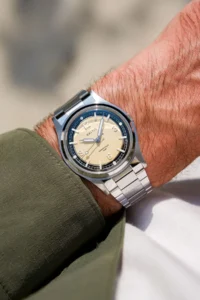
A California-based independent watch retailer, Collective Horology LLC, has initiated legal proceedings against President Donald Trump, U.S. Trade Representative Jamieson Greer, and a coalition of other government officials and departments. The lawsuit, filed in the United States Court of International Trade, contends that the administration’s imposition of new tariff duties is "unlawful," lacking the necessary congressional approval, and is inflicting significant financial harm on American businesses. This legal challenge represents one of the most direct and aggressive responses from within the watch industry to trade policies that have created a challenging economic landscape for retailers and brands alike.
The core of Collective Horology’s grievance lies in the assertion that the Trump administration has overstepped its executive authority by unilaterally levying tariffs under Section 301 of the Trade Act. The company argues that these duties, which range from 10% to 12.5%, were implemented without the constitutional mandate for congressional authorization, thereby rendering them unlawful. The lawsuit, filed on July 24, highlights the financial strain these tariffs have placed on businesses, particularly those that operate on narrower margins and rely on imported goods for their survival.
Background of the Tariffs and Their Impact
The tariffs in question were part of a broader trade strategy employed by the Trump administration, aimed at addressing perceived trade imbalances and unfair trade practices by various countries. Section 301 of the Trade Act of 1974 grants the U.S. President broad authority to investigate and respond to unfair trade practices by foreign nations. However, the specific application and scope of these powers, particularly concerning the imposition of duties on goods not directly originating from countries engaging in the targeted unfair practices, have been subjects of legal scrutiny.
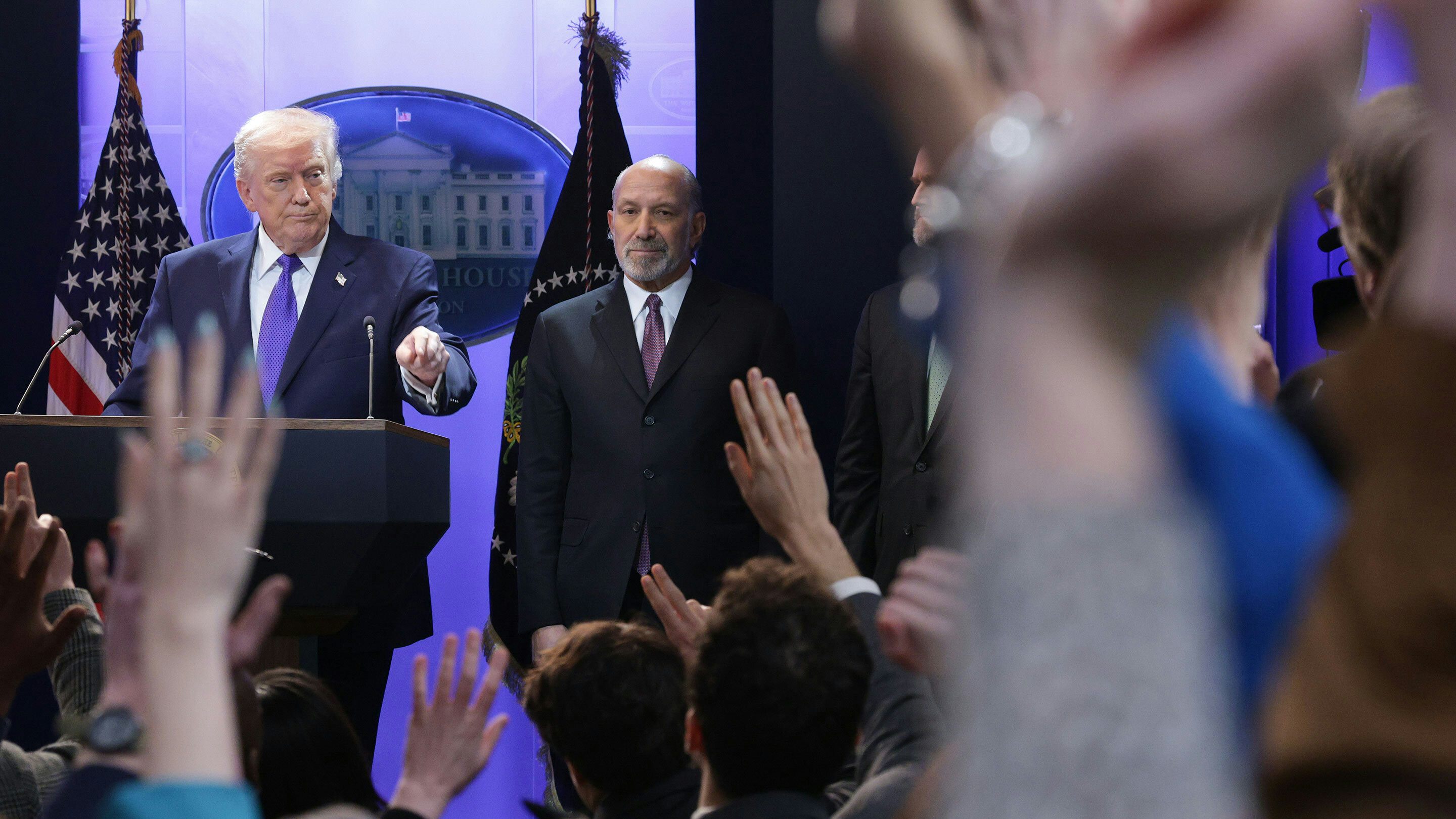
For the watch industry, these tariffs have arrived at a particularly precarious time. The sector has been grappling with a confluence of adverse economic factors, including a persistently strong Swiss franc relative to the U.S. dollar, which increases the cost of imported goods for American buyers. Furthermore, the escalating prices of precious metals, a key component in the manufacturing of luxury timepieces, have added another layer of financial pressure. These combined challenges have compelled many high-profile watch brands to increase their retail prices, a move that often impacts consumer demand. Retailers, caught in the middle, have seen their profit margins squeezed as they absorb some of the increased costs or face reduced sales volumes.
Collective Horology, founded in 2018, specializes in curating and selling independent watch brands such as Armin Strom, Czapek, Fears, J.N. Shapiro, and Ming. These brands often represent niche markets and appeal to discerning collectors who value craftsmanship and unique design. The company asserts that it has already paid over $160,000 in tariff duties across various schemes implemented by the Trump White House and U.S. Trade Representative Greer. Despite a significant Supreme Court ruling in February that determined President Trump lacked the authority to levy his initial round of tariffs, the administration has continued to implement similar measures through alternative legal avenues, leaving companies like Collective Horology without recourse or refunds for previously paid duties.
The most recent round of tariffs, filed under Section 301 and effective July 24, cites the alleged use of forced labor in countries included within the tariff scheme. Switzerland, a global epicenter of high horology and a nation known for its high labor costs, is among these countries. Collective Horology projects that upcoming watch imports valued at approximately $69,000 will incur an additional tariff of about $8,280, according to the lawsuit. This financial burden, while seemingly a small percentage, represents a substantial cost for a specialized retailer operating with limited capital and without the substantial negotiating power of larger multinational corporations.
Legal Basis and Support for the Lawsuit

The legal action is being spearheaded with the backing and support of the Liberty Justice Center, a non-profit organization dedicated to advocating for constitutional freedoms, including economic liberty and free speech. The Liberty Justice Center has a history of challenging government overreach, notably leading a previous legal fight that resulted in the Supreme Court’s ruling against President Trump’s initial tariffs. This established legal precedent provides a strong foundation for Collective Horology’s current challenge.
The plaintiffs, which also include New York-based spice importer Burlap & Barrel, argue that the imposed duties have an "immediate and substantial impact" on small American retailers. They contend that these tariffs hinder their ability to compete, invest, and grow, ultimately harming the broader American economy. The lawsuit emphasizes that these duties are not a reflection of fair trade practices but rather an arbitrary imposition that disproportionately affects smaller businesses.
Statements from Collective Horology Leadership
Asher Rapkin, co-founder and Chief Executive Officer of Collective Horology, has been vocal about the detrimental effects of the tariffs. In an interview, Rapkin stated that the company has experienced a loss of "hundreds of thousands of dollars" due to these import duties. While expressing gratitude for the company’s resilience and ability to navigate these challenges, he underscored the frustration of being compelled to divert time, energy, and resources towards legal battles rather than focusing on the core business of promoting independent watchmaking. "This is not a thing in my mind that I should be using my time and effort and energy on. I would far prefer to be talking to you about the watchmakers that I believe in and the art form that I’ve invested my life in, not the finer points of trade law," Rapkin remarked.

He further elaborated on the practical implications for a business of Collective Horology’s size. "For a small American retailer importing highly specialized products with limited capital reserves and without the scale or negotiating leverage of a multinational luxury conglomerate, an additional duty of 10 or 12.5 percent has an immediate and substantial impact," the plaintiffs stated in their filing. This sentiment highlights the disparate impact of trade policies on businesses of varying scales.
Analysis of Tariffs in the Watchmaking Industry
Tariffs are typically employed as a tool in government trade policy to level the playing field between domestic industries and foreign competitors. They can be used to offset advantages such as lower labor costs or government subsidies enjoyed by overseas manufacturers. However, the global watchmaking industry operates under a unique structure. The production of watch movements and intricate components is largely concentrated in a few key regions, notably Japan, China, and Switzerland. The United States, while having a historical legacy in watchmaking, no longer possesses the capacity for large-scale production of watch components. This lack of domestic manufacturing capability means that tariffs on imported watches or their components do not directly support a comparable U.S. industry in the same way tariffs on automobiles might bolster domestic car manufacturers.
Instead, for American retailers and consumers, these tariffs translate directly into increased costs without a corresponding benefit to domestic production. This situation can stifle innovation and competition within the retail sector, as businesses struggle to maintain competitive pricing and offer a diverse range of products.

Timeline of Events and Legal Proceedings
- February (Year of Filing): Supreme Court rules against President Trump’s initial round of tariffs, finding he lacked the authority to impose them unilaterally.
- July 24 (Year of Filing): Collective Horology LLC and Burlap & Barrel file a lawsuit in the United States Court of International Trade against President Trump, U.S. Trade Representative Jamieson Greer, and other government officials.
- July 24 (Year of Filing): A new round of tariffs, filed under Section 301 of the Trade Act, becomes effective, citing concerns over forced labor, including in Switzerland.
- Following Months: The case is expected to proceed in the U.S. Court of International Trade, with potential for further legal challenges and developments.
- Present: The Trump administration has yet to formally respond to the legal challenge. It is important to note that none of the allegations made by the plaintiffs have been proven in court.
Broader Implications and Future Outlook
The lawsuit filed by Collective Horology is more than just a dispute over import duties; it represents a broader challenge to the executive branch’s authority in implementing trade policy. The outcome of this case, and others like it, could have significant implications for how future trade agreements are negotiated and enforced, and the extent to which the President can act independently on matters of international trade.
For the independent watch community, this legal action underscores the vulnerability of niche markets to sweeping trade policies. It highlights the need for nuanced approaches to trade that consider the specific structures and economic realities of different industries. The ongoing legal battle will be closely watched by businesses across various sectors that are also grappling with the impact of tariffs and trade disputes. The court’s decision will not only determine the fate of Collective Horology and Burlap & Barrel but could also set important precedents for the future of U.S. trade law and the balance of power between the executive and legislative branches in shaping America’s global economic policy. The case is a stark reminder that the intricate world of international trade can have profound and direct consequences on small businesses striving to thrive in specialized markets.