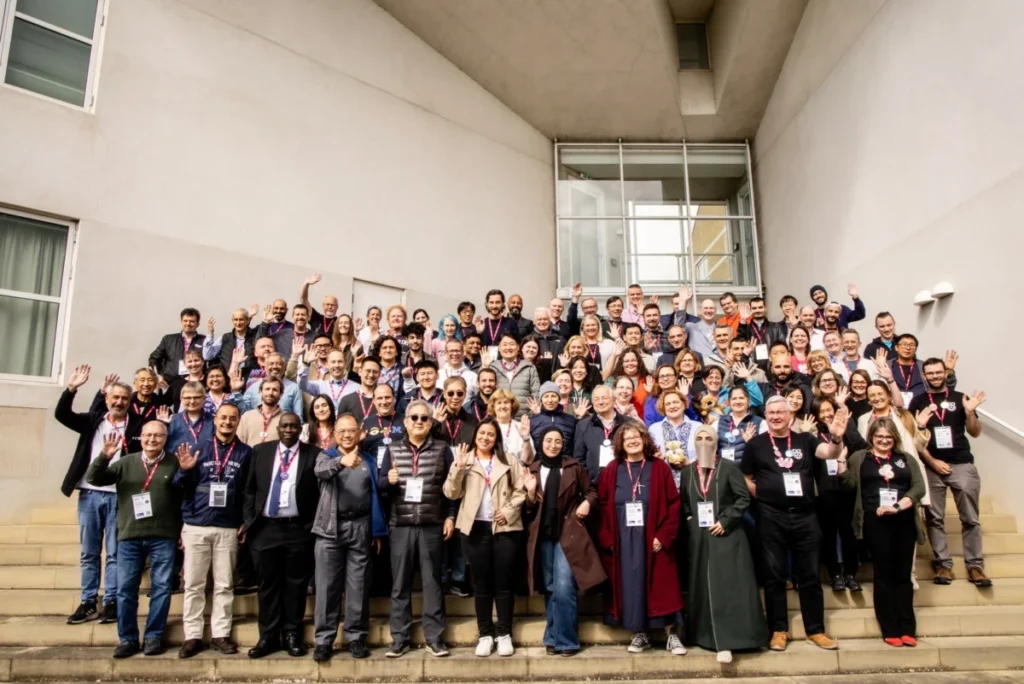
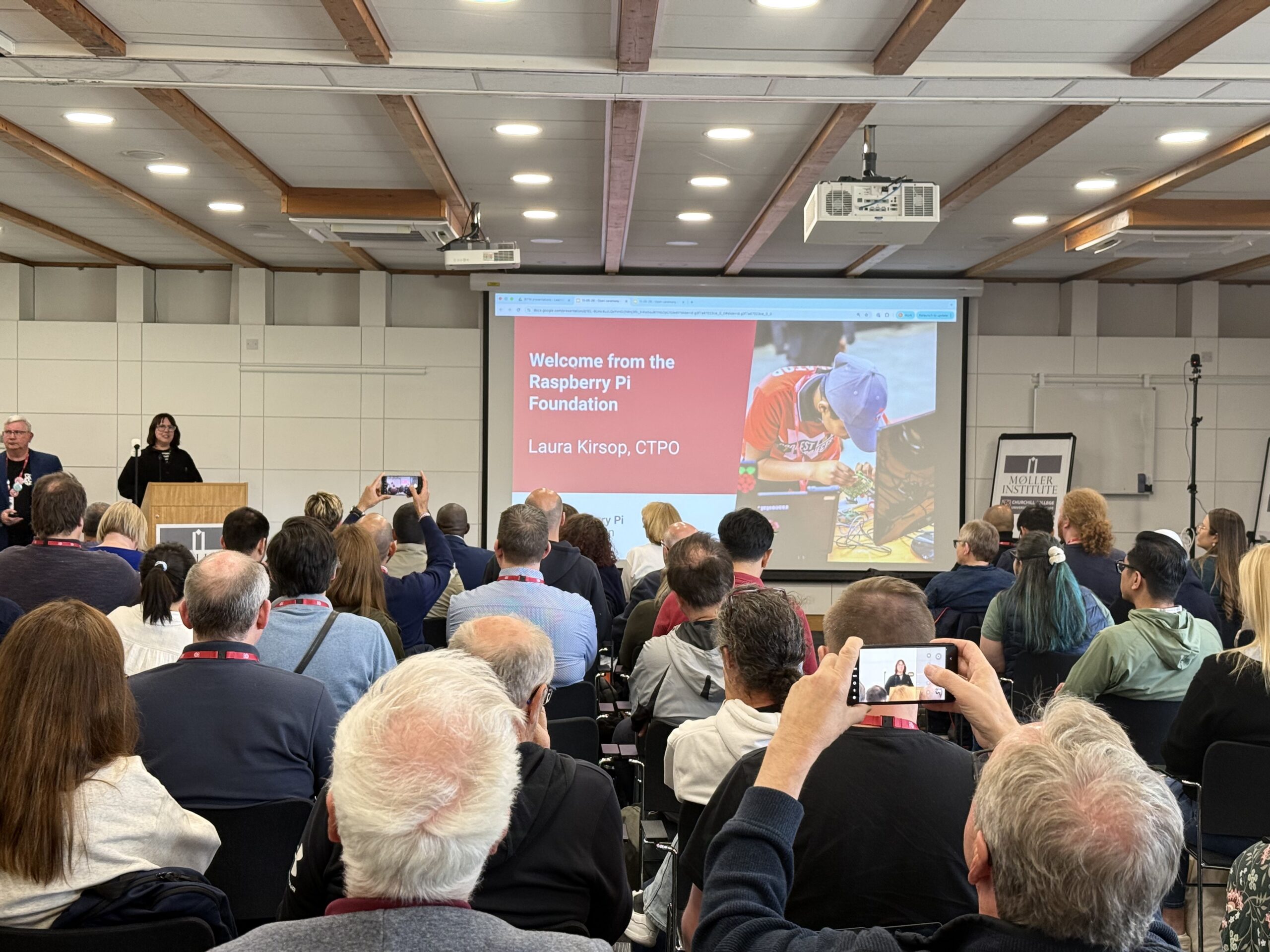
The city of Cambridge, long recognized as a global hub for scientific inquiry and educational excellence, recently served as the backdrop for a significant milestone in computer science education. From May 10 to May 15, the Raspberry Pi Foundation hosted the 22nd Bebras International Task Workshop, an intensive gathering that brought together a diverse coalition of educators, researchers, and computer science experts from across the globe. This annual summit is the cornerstone of the Bebras International Challenge, a worldwide initiative designed to promote computational thinking among school-aged children. Over the course of six days, 101 delegates representing 61 different countries gathered at the Møller Institute to collaborate on the future of the challenge, ensuring that the tasks presented to millions of students worldwide remain rigorous, accessible, and pedagogically sound.
The primary objective of the workshop was the meticulous review and refinement of the tasks that will form the basis of the 2026 Bebras Challenges. While the puzzles presented to students every November are designed to appear playful and engaging, their development is a complex, data-driven process. The tasks are engineered to assess and develop core competencies in computational thinking without requiring prior knowledge of specific programming languages. By convening this international body of experts, the Bebras community ensures that the challenge transcends cultural and linguistic barriers, providing a universal platform for students aged 6 to 19 to demonstrate their problem-solving capabilities.
A Rigorous Chronology of Task Refinement
The 22nd International Task Workshop was characterized by a structured and intensive schedule designed to maximize collaborative output. The process began long before the delegates arrived in Cambridge, with the global community submitting a total of 277 proposed tasks. These submissions represented the collective creativity of educators from dozens of nations, including four significant contributions from the UK-based Raspberry Pi Foundation team.
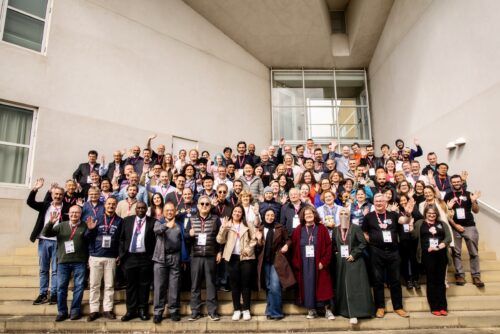
Upon convening at the Møller Institute, the 101 in-person delegates were joined by an additional cohort of participants via digital platforms, creating a hybrid environment that allowed for broader international input. The workload was divided among eight specialized working groups. Each group was tasked with a granular analysis of the proposed puzzles, evaluating them against a strict rubric of criteria. This evaluation process included an assessment of linguistic clarity, the quality and necessity of illustrations, age-appropriateness for various school levels, and the underlying computational thinking concepts.
Over four days of focused deliberation, the delegates engaged in what participants described as "spirited" and "sometimes heated" debates. These discussions were not merely academic exercises but were essential for defining the boundaries of computational thinking in a modern educational context. By the conclusion of the workshop, the pool of 277 submissions was narrowed down to 214 accepted tasks. These selected tasks were deemed to have met the high standards of the Bebras community, having been improved through iterative feedback and cross-cultural peer review.
The Evolution of the Bebras Challenge and Its Global Reach
The Bebras Challenge—named after the Lithuanian word for "beaver"—was founded in 2004 by Professor Valentina Dagienė at Vilnius University. What began as a local initiative has grown into a global phenomenon that now operates in 78 countries. The growth of the program reflects a shifting global educational priority: the move from teaching students how to use specific software to teaching them how to think like computer scientists.
The scale of the project is immense. In 2025, more than 4 million students participated in the challenge globally. The United Kingdom has emerged as a major participant in this network, with the Raspberry Pi Foundation reporting that 526,000 students in the UK took part in the most recent cycle. This massive dataset allows researchers to analyze how young people approach problem-solving and identifies areas where further educational support may be required.
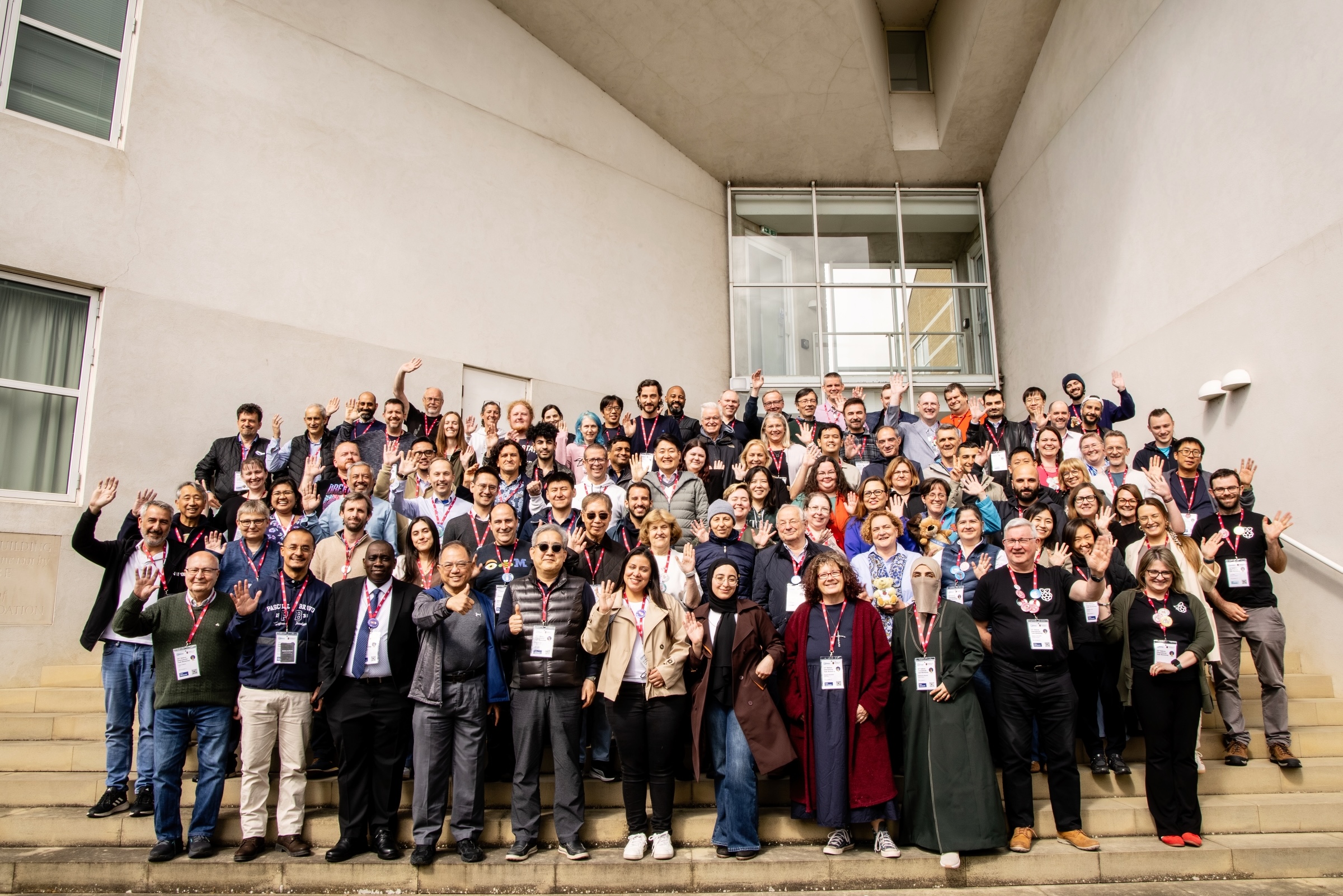
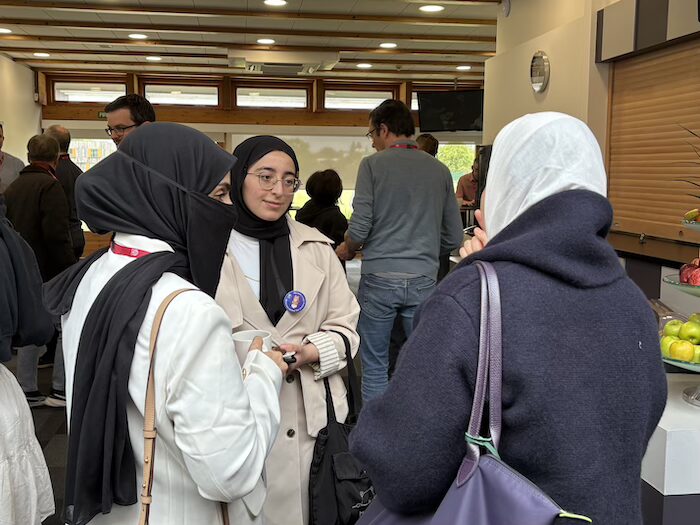
The workshop in Cambridge served as a testament to this growth. Beyond the task review sessions, the event facilitated a "Bebras Marketplace" on Wednesday evening. This session allowed delegates to share posters, pedagogical resources, and innovative strategies for implementing the challenge in diverse environments. The marketplace highlighted the adaptability of the Bebras model, showcasing how computational thinking can be taught even in regions with significant infrastructure challenges.
Addressing the Digital Divide Through Unplugged Innovation
One of the most significant themes to emerge from the 22nd workshop was the commitment to accessibility and the "unplugged" philosophy of computer science education. Computational thinking—encompassing logical reasoning, pattern recognition, abstraction, decomposition, and algorithmic thinking—does not strictly require a computer. This realization is critical for ensuring that students in developing nations or under-resourced schools are not left behind.
Delegates from countries such as Ghana, Jamaica, Mexico, and Sri Lanka shared insights into how they deliver the Bebras Challenge in environments with limited internet connectivity or a lack of hardware. In many of these regions, paper-based versions of the challenge are the standard, ensuring that the intellectual benefits of the program are decoupled from the availability of technology.
Furthermore, the workshop highlighted innovative adaptations of the challenge to modern constraints. For instance, representatives from Mexico discussed their ongoing efforts to optimize the Bebras interface for smartphones, recognizing that mobile devices are often the primary point of internet access for students in their region. In other parts of the world, the Bebras philosophy is being integrated into broader curricula. Armenia has developed specialized Bebras workbooks, Brazil produces a dedicated magazine, and Indonesia is creating teacher-training resources that apply computational thinking to all subjects, including the humanities and social sciences.
Strategic Integration and Official Perspectives
The impact of the Bebras International Task Workshop extends beyond the annual competition itself. For organizations like the Raspberry Pi Foundation, the insights gained from the international community inform the development of a wide range of educational products. During an opening keynote, Laura Kirsop, Chief Technology and Product Officer at the Raspberry Pi Foundation, emphasized how Bebras tasks have been integrated into other initiatives, such as Code Club.
"The Bebras tasks provide a unique window into how students process information and solve problems," Kirsop noted. She highlighted the "Escape Room: The Jungle Awakens" resource as an example of how previous Bebras tasks are repurposed to support "unplugged" learning in clubs that may lack consistent computer access. This strategic reuse of content ensures that the high-quality pedagogical work done during the Cambridge workshop continues to provide value long after the event concludes.
Alex Parry, a member of the UK Bebras team, reflected on the intensity of the collaboration: “The effort that everyone put in was remarkable—the delegates who travelled from around the world, the sometimes slightly heated discussions about computational thinking and its wider implications, and the improvements to the tasks within the working groups.” This sentiment was echoed by many participants who praised the logistical execution of the event, which managed to balance the rigors of technical work with the social connection necessary for international diplomacy.
Membership Expansion and Future Outlook
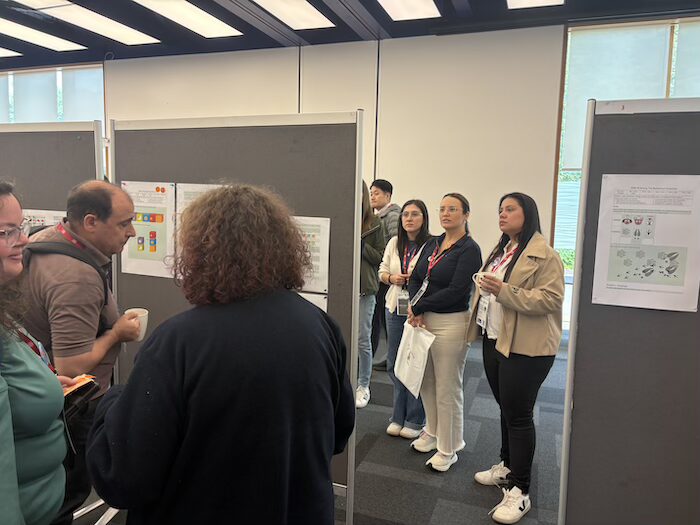
The 22nd workshop also served as a platform for the formal expansion of the Bebras community. The organization announced the induction of 10 new provisional members: Bolivia, Cameroon, Ecuador, Ghana, Hong Kong and Macao, Luxembourg, Mongolia, Palestine, Sri Lanka, and Tanzania. Additionally, seven countries were elevated to full membership status: Armenia, Colombia, Greece, Jamaica, Mexico, Paraguay, and Puerto Rico.
This expansion is a clear indicator of the rising global demand for structured computational thinking frameworks. Each new member country represents thousands of additional students who will gain access to high-quality educational materials and an international network of expertise.
As the 22nd workshop concluded, the focus shifted toward the future of the initiative. The 23rd Bebras International Task Workshop is scheduled to take place in Uruguay in May 2027. This move to South America underscores the truly global nature of the community and the commitment to rotating the hosting duties among different continents to foster inclusive participation.
Implications for the UK Educational Landscape
For educators in the United Kingdom, the successful hosting of the workshop reinforces the country’s position at the forefront of computer science education. The Raspberry Pi Foundation is currently preparing the tasks for the upcoming UK Bebras Challenge, which is set to take place between November 8 and November 20. This preparation is being conducted in close collaboration with Bebras teams from Australia, Ireland, Canada, and the United States, ensuring a high degree of synergy among English-speaking nations.
The Bebras Challenge remains a free resource for schools, providing a low-barrier entry point for teachers to introduce complex concepts. By participating in the international workshop, the UK team ensures that British students are being measured against global benchmarks and that the curriculum remains aligned with international best practices.
In conclusion, the 22nd Bebras International Task Workshop was more than a series of meetings; it was a rigorous exercise in international cooperation and pedagogical innovation. By refining the tools used to teach computational thinking, the delegates in Cambridge have laid the groundwork for the next generation of problem-solvers. As technology continues to reshape the global economy, the work done in these workshops ensures that young people, regardless of their geographic or economic circumstances, have the cognitive tools necessary to navigate and shape a digital future.