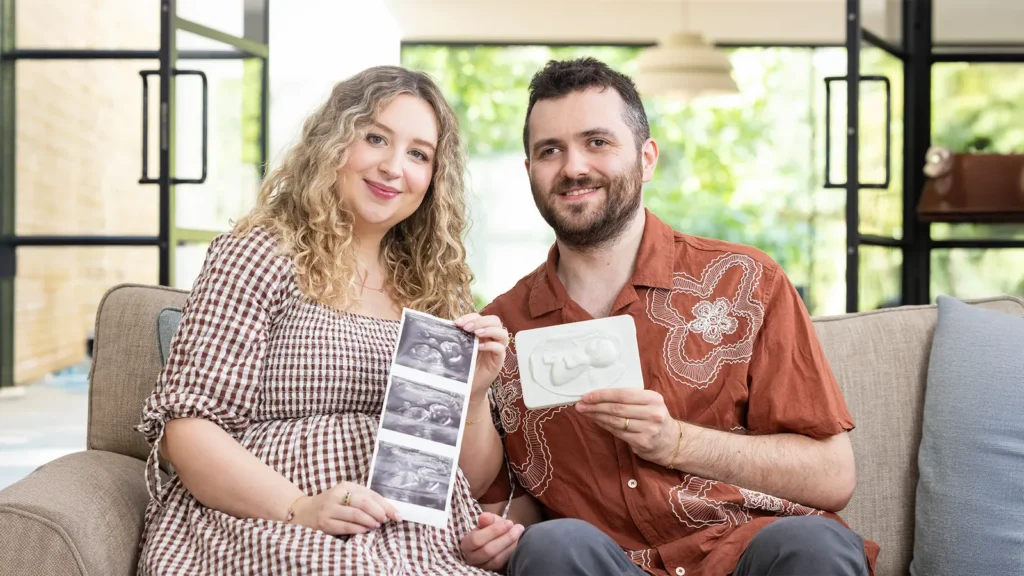
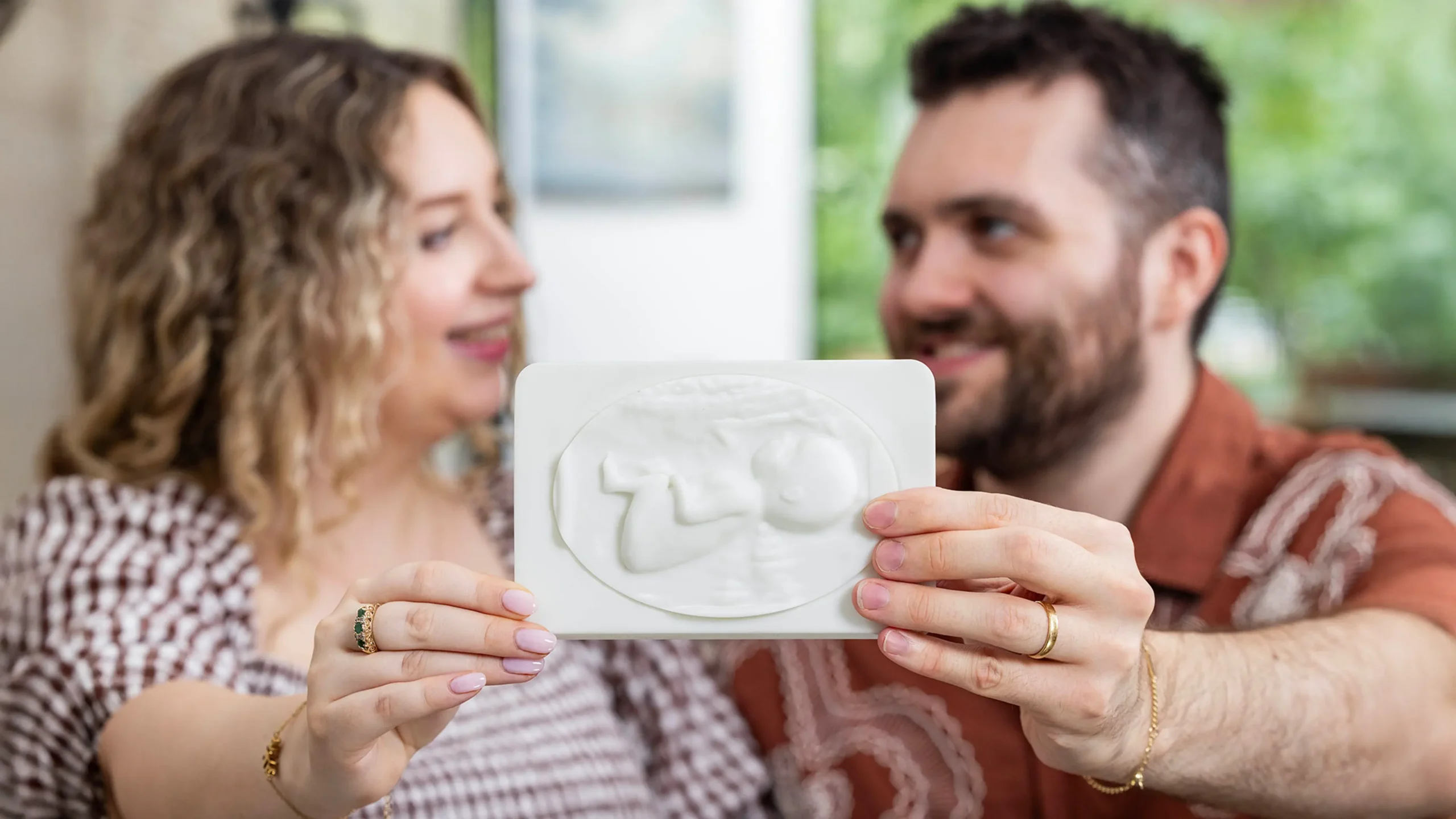
The Guide Dogs for the Blind Association, widely recognized as Guide Dogs, the United Kingdom’s foremost charity dedicated to assisting individuals with vision loss, has initiated a groundbreaking pilot program named ‘First Hello’. This initiative aims to bridge a significant gap in parental experience, offering visually impaired expectant parents the profound opportunity to engage with a milestone that sighted individuals often take for granted: the visual representation of their unborn child. The program leverages advanced 3D printing technology to transform traditional 2D ultrasound scans into tangible, tactile models, allowing parents who are blind or have low vision to "feel" their baby’s form for the first time.
The impetus for ‘First Hello’ stems from compelling research conducted by Guide Dogs. A comprehensive survey of 2,000 adults in the UK living with visual impairment revealed a strong desire for greater inclusivity in pregnancy care. A significant 54% of respondents expressed that standard pregnancy scans should be more accessible to individuals with sight loss. Furthermore, an overwhelming eight in ten participants believed that all parents, regardless of their visual ability, should have the opportunity to experience crucial pregnancy milestones, such as viewing their baby’s first sonogram. The survey also highlighted a poignant sentiment: nearly 64% of respondents indicated that family members with vision loss would feel considerably more included in this particular milestone if they could physically interact with a representation of the sonogram. This directly led to the exploration and implementation of 3D printing as a viable and impactful solution.
Transforming Ultrasound into Tactile Experience
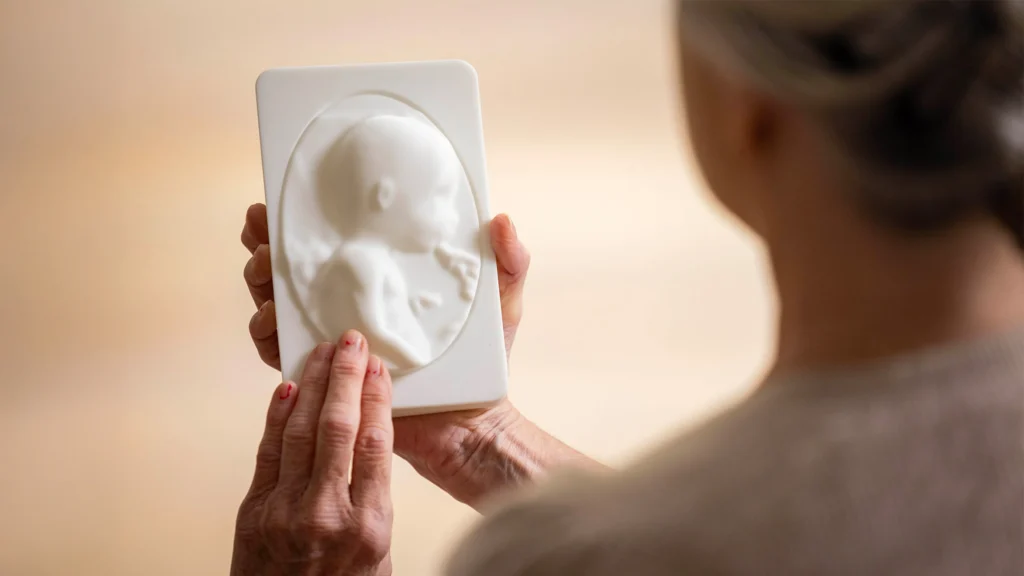
The ‘First Hello’ initiative provides visually impaired expectant parents in the UK with what are effectively tactile sonograms. These are 3D printed models meticulously crafted from the standard 20-week pregnancy ultrasound images. This innovative approach allows parents-to-be who cannot rely on sight to physically explore the contours and features of their unborn child, offering an intimate connection that a 2D visual scan cannot provide. Crucially, the program is not limited to visually impaired parents. Sighted expectant parents who have family members with impaired vision can also order a 3D printed ultrasound model, extending the ability to share this cherished experience across generations and familial connections.
Kerry Bevan, Head of Support Services at Guide Dogs, articulated the core mission behind the program: "Every parent, grandparent and loved one deserves to experience the joy of early parenting milestones. Too often, people with sight loss are excluded from significant life moments that others take for granted." This statement underscores the charity’s commitment to ensuring that the journey of parenthood is as inclusive and joyous as possible for everyone.
The Power of 3D Printing for Accessibility
The application of 3D printing in making experiences more accessible for visually impaired individuals is a field with profound personal significance for many, including those involved in the development and reporting of this story. The fundamental principle behind this technology’s utility lies in its ability to translate visual information into physical, tactile forms. For individuals with vision loss, touch is often their primary or only means of perceiving and understanding the world around them. 3D printing capitalizes on this sensory modality, creating tangible representations of objects and concepts that would otherwise be inaccessible.
The versatility of 3D printing in enhancing accessibility is vast and continues to expand. Beyond the realm of pregnancy scans, the technology has been instrumental in making a multitude of experiences more inclusive for the visually impaired. This includes:
- Educational Tools: 3D printed models are used to teach complex subjects like biology, geometry, and even sex education, allowing students to physically interact with anatomical structures, geometric shapes, and concepts that are difficult to grasp through verbal descriptions alone. Braille-based learning materials, such as puzzles and tactile maps, further enhance educational engagement.
- Cultural and Recreational Experiences: Museums are increasingly incorporating 3D printed replicas of artifacts and artworks, enabling visually impaired visitors to experience art and history through touch. Similarly, 3D printed devices are being developed to allow visually impaired sports fans to engage with the action of games in real-time.
- Daily Living Aids: The potential extends to practical applications that can significantly improve the quality of life for individuals with vision loss. This includes the development of 3D printed medication dispensers with Braille or Moon patterns to aid in safe and accurate drug administration, and even tactile prototypes of pregnancy tests, offering greater autonomy and privacy in personal health matters.
These examples illustrate a broader trend: 3D printing is democratizing access to information and experiences, breaking down barriers that have long existed for individuals with visual impairments. The ‘First Hello’ program is a powerful testament to this potential, focusing on a deeply personal and emotionally significant life event.
A Pilot Program with Profound Impact
The ‘First Hello’ service, operated in collaboration with Hope and Glory, involves a straightforward process for expectant parents. They are required to upload a digital file (JPG or PNG, under 10MB) of their standard 20-week 2D ultrasound scan. This image is then meticulously transformed into a 3D render, from which a physical model is printed. The printed tactile sonogram is then shipped directly to the expectant parents. This service is provided entirely free of charge, with parents typically receiving their 3D printed tactile sonograms within approximately one week of their request.
The initial phase of the ‘First Hello’ pilot scheme is making 50 prints available to the public. The Guide Dogs charity has expressed hope that the success of this pilot will pave the way for the introduction of further initiatives in the future, expanding the reach and impact of this invaluable service.
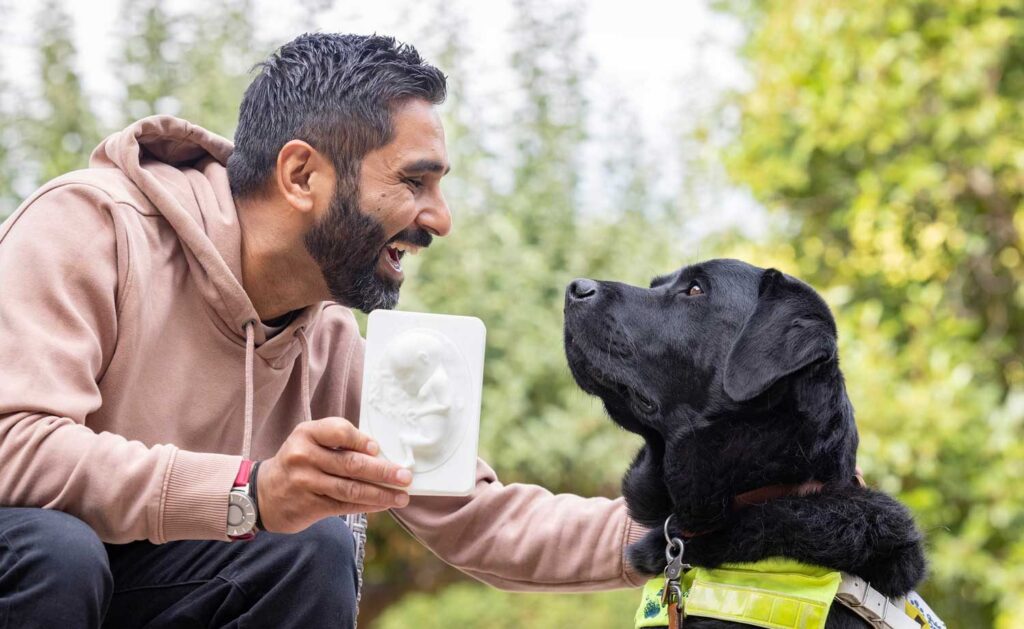
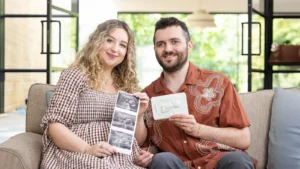
Reece Finnegan-Knight, an expectant father who participated in the pilot program and has a visual impairment, shared his moving experience: "Holding the tactile scan for the very first time was an incredible experience. I didn’t feel like I got much from our first scan appointments, and I found it really hard thinking that friends and family knew more about my baby than I did. First Hello gave that moment back to me. It’s so important because it’s giving parents like me that special moment." His words powerfully convey the emotional significance of the program, highlighting how it restores a sense of inclusion and participation in a pivotal life event.
Sophy and Reece Finnegan-Knight, with Sophy having a visual impairment, exemplify the diverse range of individuals who can benefit from such inclusive initiatives. Their story, like many others, underscores the human element behind technological advancements and charitable endeavors.
Broader Implications and Future Outlook
The ‘First Hello’ initiative by Guide Dogs is more than just a technological application; it is a profound statement about the importance of inclusive experiences and the right of every individual to participate fully in life’s most cherished moments. By harnessing the power of 3D printing, the program addresses a tangible need and offers a deeply emotional benefit to visually impaired expectant parents.
Kerry Bevan further elaborated on the broader vision: "While this tactile sonogram project is an exciting pilot, it represents just one of the many ways Guide Dogs supports people who need it – breaking down barriers, celebrating life’s important firsts, and empowering individuals to live life unleashed." This statement encapsulates the charity’s holistic approach to support, aiming to foster independence and enable individuals with vision loss to lead fulfilling lives without limitations.
The implications of this program extend beyond individual families. It serves as a compelling case study for how technology can be ethically and compassionately applied to enhance accessibility and promote social inclusion. As 3D printing technology continues to advance and become more accessible, similar initiatives could be replicated in various contexts, offering tangible solutions to long-standing challenges faced by diverse communities. The success of ‘First Hello’ could inspire other charities, healthcare providers, and technology companies to explore innovative ways to create more inclusive experiences for all.
The integration of personal information, such as ultrasound scans and shipping addresses, is handled by Hope and Glory, ensuring that Guide Dogs can focus on its core mission while operational aspects are managed efficiently. This collaborative approach allows for a streamlined and effective delivery of the service.
As the pilot program unfolds, the focus will be on evaluating its impact, gathering feedback from participants, and assessing the feasibility of scaling the initiative. The ultimate goal is to ensure that the joy and connection derived from experiencing a baby’s first sonogram are not limited by visual ability, but are a universal experience shared by all expectant parents. The ‘First Hello’ program stands as a beacon of innovation, demonstrating that with creativity and technological application, profound human experiences can be made accessible to everyone.