The 45th Hong Kong Watch and Clock Fair (HKWCF), organized by the Hong Kong Trade Development Council (HKTDC) and key industry associations, concluded its physical event recently, leaving a lasting impression of a successful gathering. The fair’s impact, however, extended beyond its physical closing, with business activities facilitated by the innovative Click2Match system continuing until September 12th, underscoring the event’s enduring commercial momentum.
Established as a pivotal platform for the global watch and clock industry, the HKWCF has consistently served as a vital nexus for manufacturers, designers, buyers, and enthusiasts. For decades, it has showcased the latest trends, technological advancements, and burgeoning talent within this intricate and timeless sector. This year’s iteration, following a period where physical gatherings were challenged, reaffirmed the fair’s importance in fostering international trade and driving innovation.
The robust attendance figures paint a compelling picture of the fair’s global reach and significance. Approximately 17,000 trade buyers from 115 countries and regions converged in Hong Kong, demonstrating the event’s expansive appeal. Notably, strong participation was observed from key growth markets across Asia, including India and the ASEAN nations, alongside a significant presence from Latin America. This geographical diversity highlights the HKWCF’s role as a crucial gateway for businesses looking to tap into these expanding consumer bases, whether they are involved in the intricate craft of watchmaking or the strategic distribution of timepieces.
The Salon de TIME: A Showcase of Innovation and Microbrands
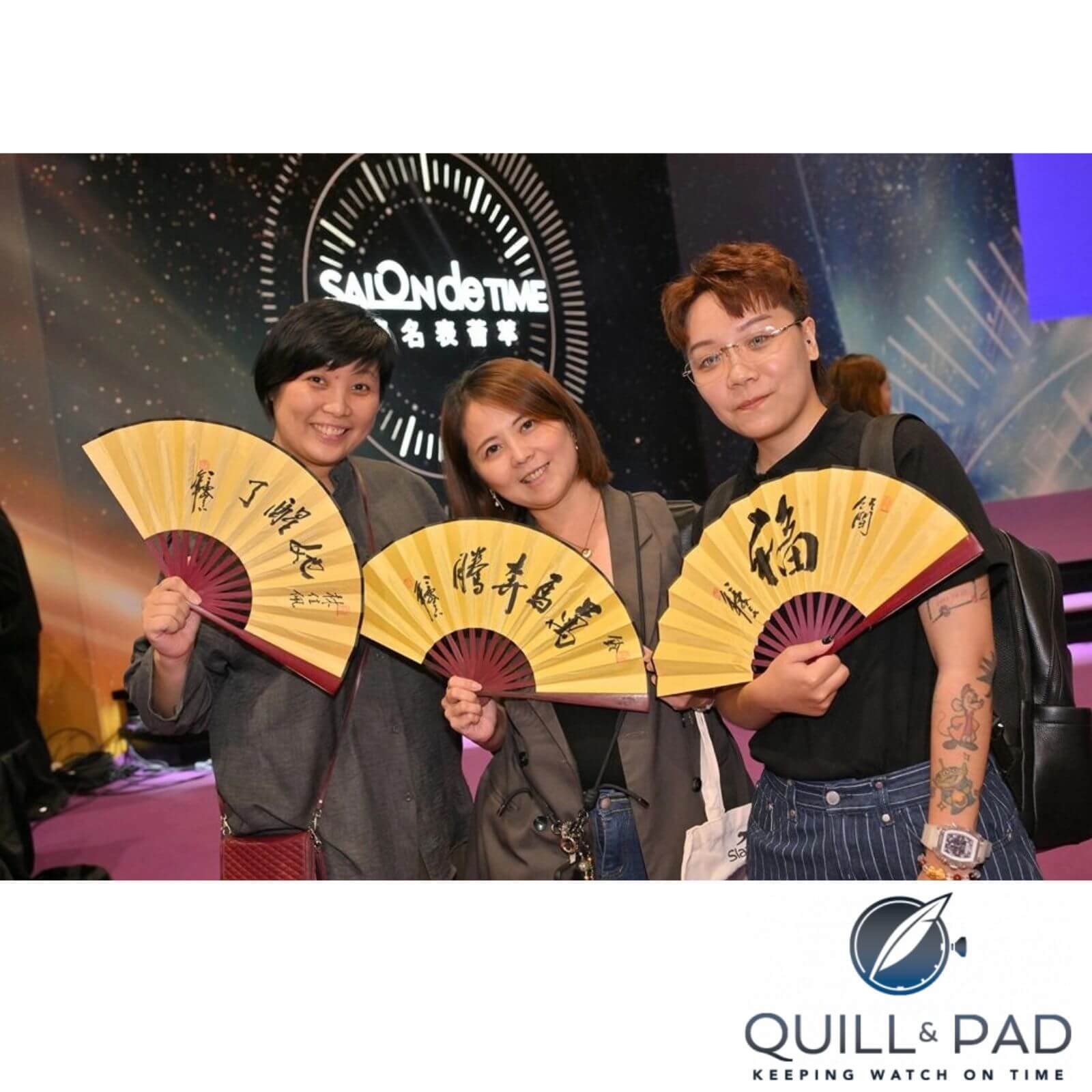
Within the fair’s expansive layout, the Salon de TIME, dedicated to finished watches and wearables, emerged as a vibrant hub. This year, the hall hosted over 150 brands, a testament to the diverse landscape of contemporary watchmaking. A particularly encouraging trend was the doubling of microbrand exhibitors compared to the previous year, with 29 independent brands from eight different countries presenting their unique offerings. This surge in independent participation signals a healthy and dynamic ecosystem, characterized by a wide array of styles and a rich tapestry of aesthetic influences.
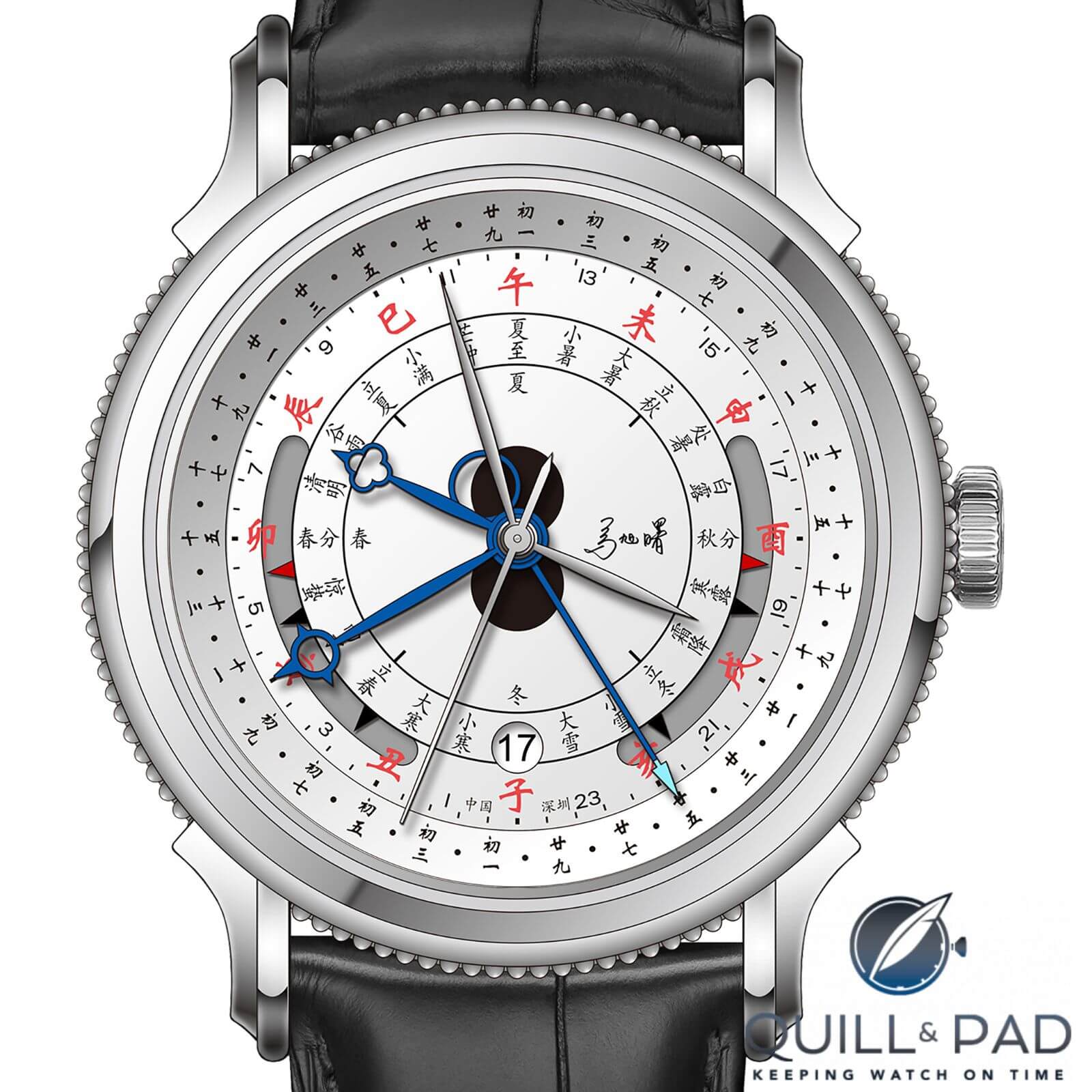
The presence of several members of the prestigious Académie Horlogère des Créateurs Indépendants (AHCI) on their home turf added significant gravitas to the Salon de TIME. Notable attendees included Lin Yong Hua, Zehua Tan, and Xushu Ma. Xushu Ma’s exhibit of his extraordinary Full Lunar Calendar timepiece drew particular attention. This complex watch features a dial with ten distinct indications, intricately designed to represent various temporal markers of the Chinese calendar, showcasing a sophisticated blend of traditional artistry and modern horological engineering.
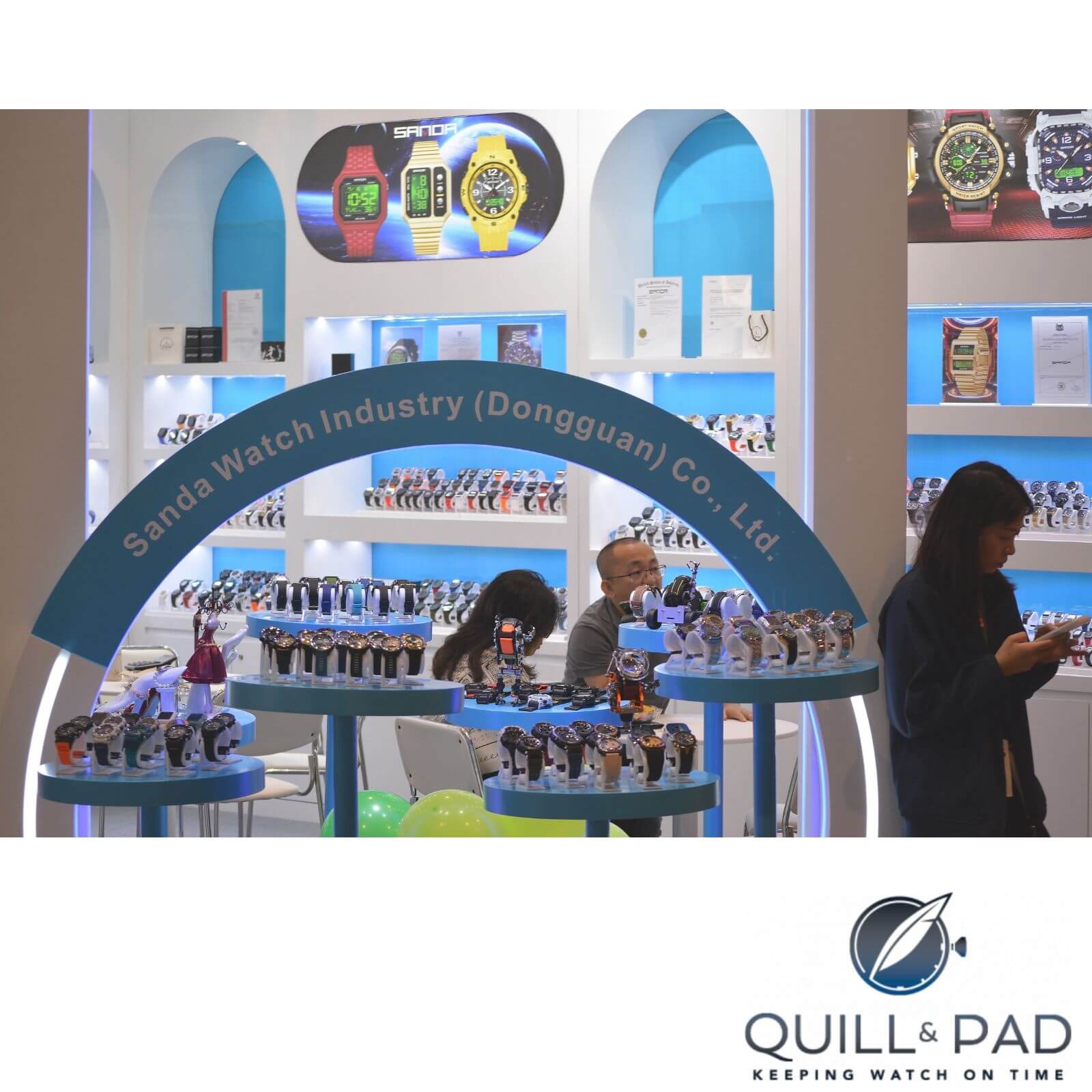
In a strategic move to broaden public engagement, the Salon de TIME was open to the public free of charge. This accessibility, coupled with its proximity to the neighboring Centerstage fashion show, resulted in an impressive turnout of over 20,000 curious visitors, effectively bridging the gap between industry professionals and the wider watch-appreciating community.
The Ascendance of Chinese Watchmaking: A New Era of Design
Beyond the sheer numbers, the Salon de TIME served as a powerful barometer for the rapid evolution of watchmaking in China. A new generation of ambitious designers is increasingly making its mark, driven by a growing sense of national pride and a desire to express a distinct Chinese identity through their creations. This phenomenon, often referred to as guochao (national trend), has permeated various consumer sectors and is now significantly influencing the watch industry.
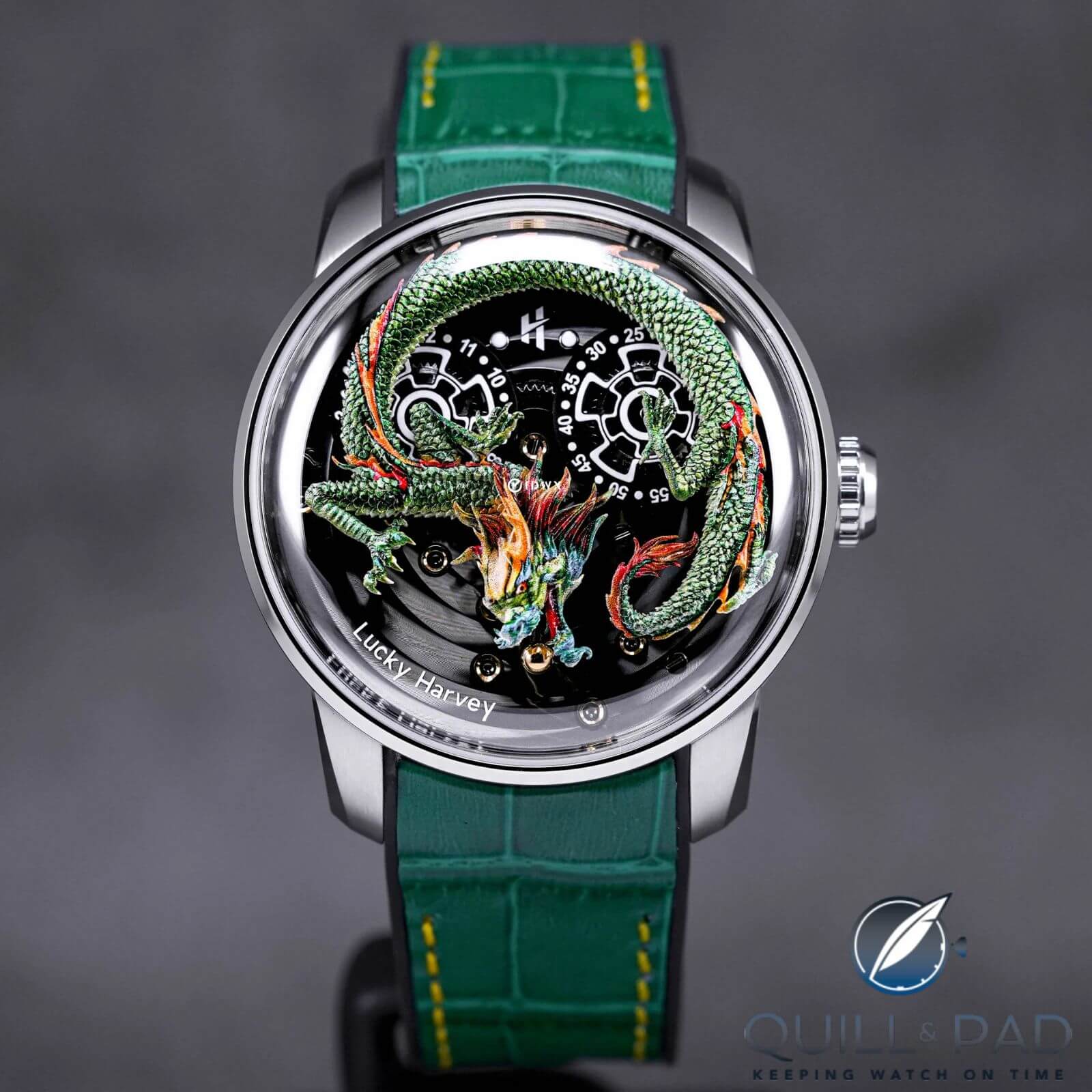
Young Chinese consumers are actively seeking products that respectfully incorporate elements of their cultural heritage. This has led to a nuanced approach to design, moving away from potentially stereotypical depictions towards more sophisticated and culturally resonant motifs. The example of the Chinese dragon, once often rendered with aggressive imagery, is now being reimagined with a more benevolent portrayal, such as the kindly dragon holding a pearl in its maw, symbolizing good fortune and prosperity.
This dynamic shift is evident across a spectrum of brands catering to diverse market segments. Shanghai, CIGA Design, and Agelocer represent brands that focus on sophisticated and technically advanced timepieces, appealing to the discerning collector. On the other end of the spectrum, brands like Lucky Harvey embrace a more playful yet technically ambitious approach, incorporating complications, animations, and even repeaters into their designs.

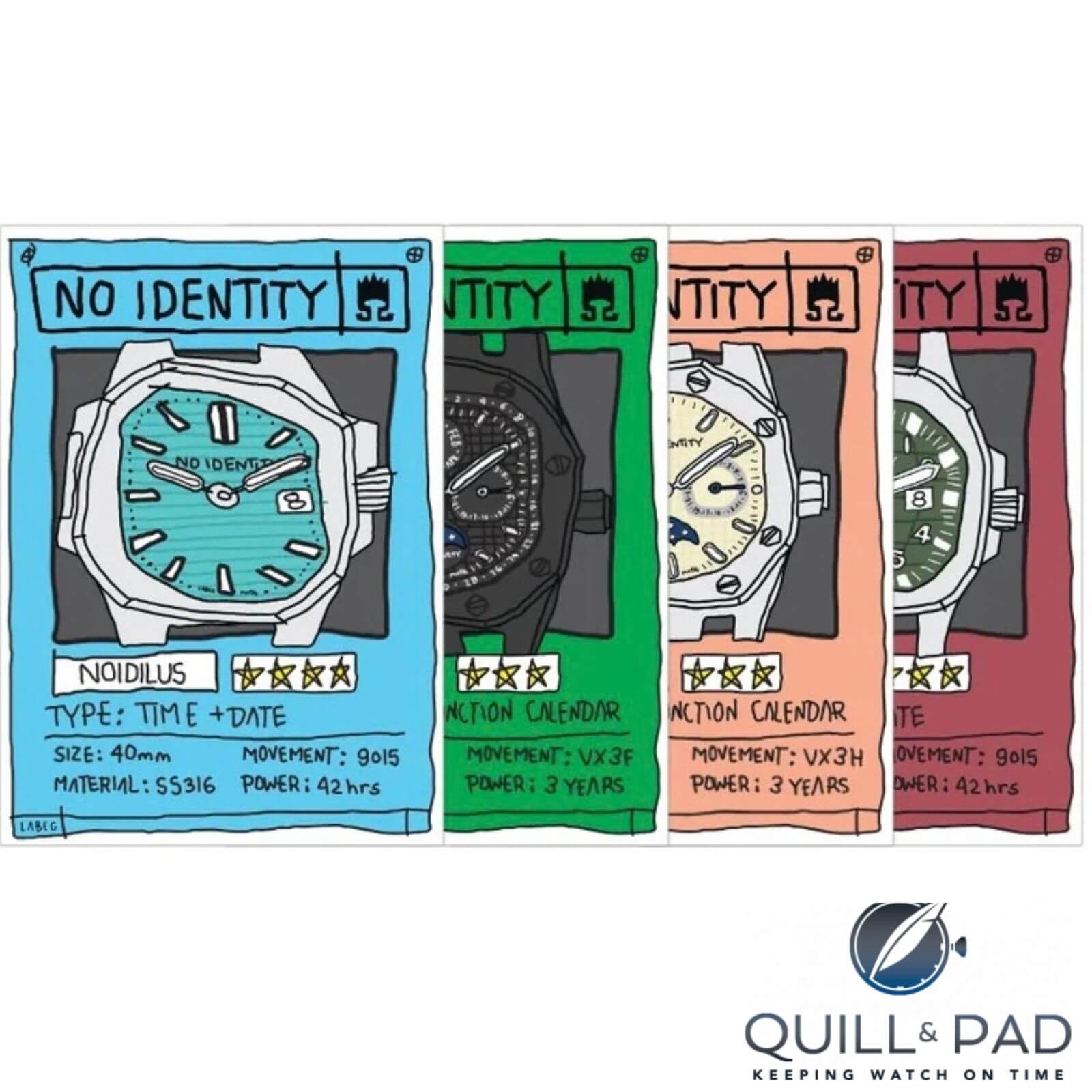
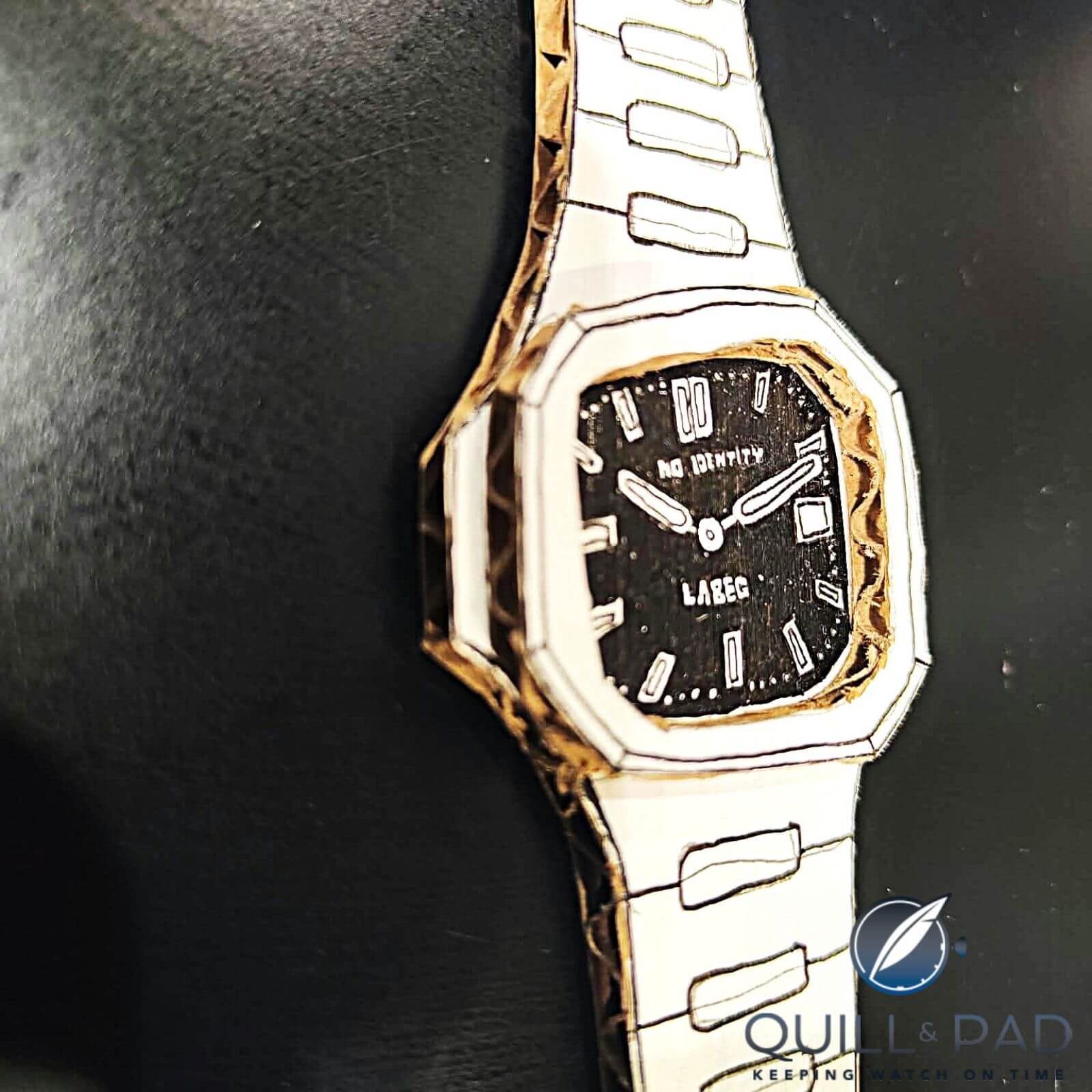
The brand "No Identity" exemplifies the youthful creativity and experimental spirit on display. Founded by an artist known only as "Labeg," the brand’s watches, some bearing a stylistic resemblance to iconic models like the Audemars Piguet Royal Oak, begin their creative journey as prototypes crafted from plain cardboard. This unconventional starting point highlights a design philosophy rooted in concept and artistic expression, demonstrating that innovation can emerge from the most unexpected materials.
Itay Noy, founder of the eponymous brand Itay Noy, aptly summarized the energetic atmosphere and evolving nature of Hong Kong’s watchmaking scene. He commented, "What I found most interesting was seeing the combination of different technologies and the level of sophistication outside traditional Swiss watchmaking. It was also a reminder that a large part of the watch industry is actually based there, even though we tend to make a very clear distinction between high-end and low-end watchmaking." This observation underscores the blurring lines between traditional luxury and innovative independent watchmaking, with Hong Kong emerging as a significant player in this evolving landscape.
The Swiss Independent Watch Pavilion: A Traditional Counterpoint
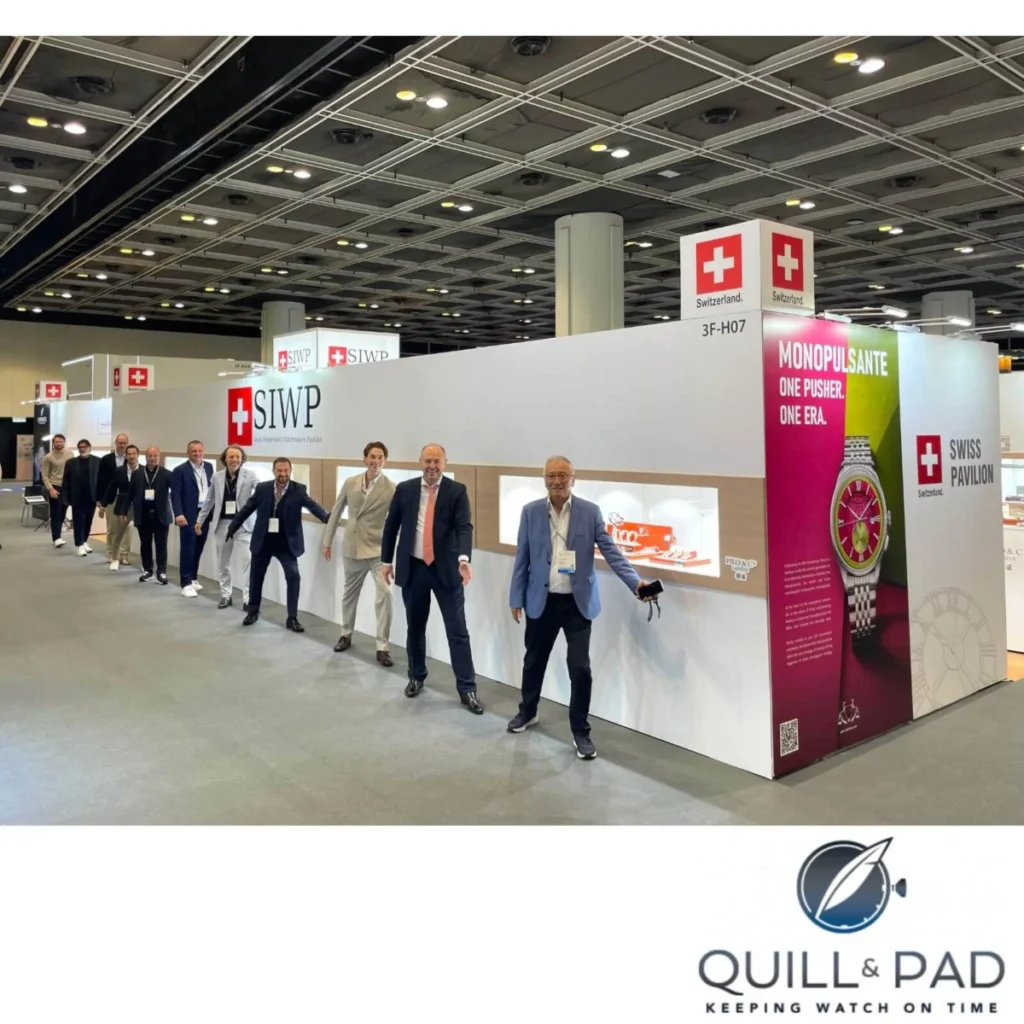
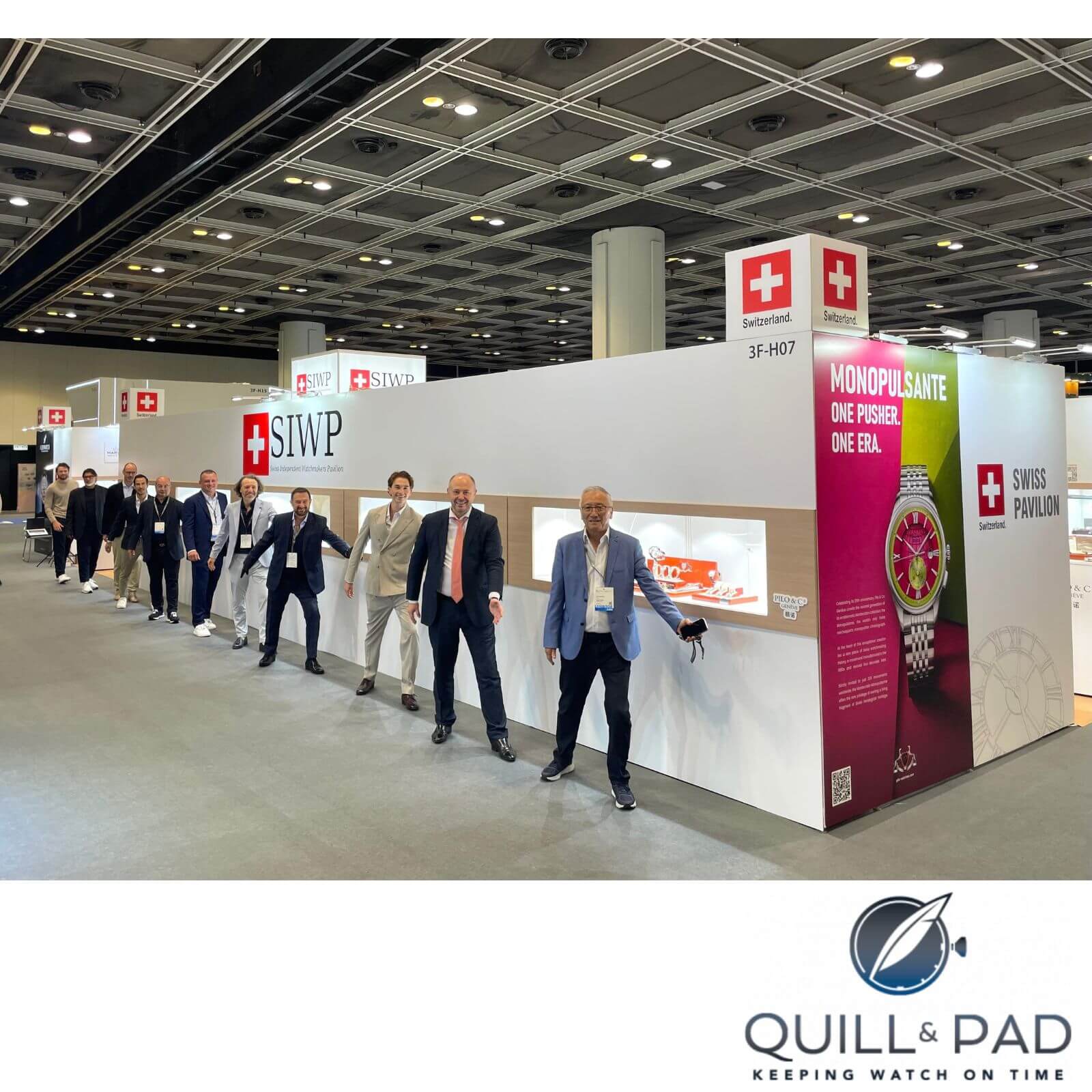
Amidst this vibrant display of emergent talent, the Swiss Independent Watch Pavilion (SIWP) stood as a steadfast beacon of traditional Swiss watchmaking. Positioned as a contemplative elder statesman, the SIWP provided a valuable presence for European brands, particularly those in the mid- to lower price segments. For these companies, establishing a strong foothold in the burgeoning Asian market is paramount, and the HKWCF offers a crucial opportunity to connect with potential distributors and consumers in a region where demand for quality timepieces continues to grow.
Daniel Freihofer, Swiss Consul to Hong Kong, visited the Pavilion on the opening day and expressed his belief that more Swiss brands should actively participate to showcase their expertise. He emphasized, "Swiss watchmakers represent the values for which Switzerland is known worldwide and especially here in Asia, like precision, craftsmanship, innovation, design, and everyone loves watches, obviously." His statement highlights the enduring appeal of Swiss watchmaking’s core tenets and its continued relevance in global markets.
The brands exhibiting within the SIWP universally found the fair to be a worthwhile endeavor, despite the geographical distances involved. Amarildo Pilo, founder of Pilo Genève and head of the SIWP, shared his positive assessment: "It was a terrific fair for us, and Hong Kong did a great job. The number of visitors was a little bit down from last year, but the quality of the visits was a lot higher." This sentiment suggests a shift towards more focused and qualified engagement, indicating that while visitor numbers may fluctuate, the caliber of interactions remains high.
The Hong Kong Design Competition: Nurturing Future Talent
Hong Kong’s position as the world’s second-largest trading hub for watches and clocks is not merely a statistical fact but a driving force behind its commitment to fostering local design talent. For 43 years, local trade and industry organizations have organized a prestigious design competition in conjunction with the fair. The stated objectives of this competition are ambitious: to "elevate the design standards and quality of Hong Kong watches and clocks, foster innovative and creative thinking, enrich the fair’s programme, and boost sales of Hong Kong-made timepieces both locally and abroad."
This year’s competition featured two distinct categories, reflecting a commitment to exploring diverse creative avenues. The Open Group was challenged with the abstract task of translating sensory experiences into time-transcending designs, pushing the boundaries of conceptual watchmaking. Concurrently, the Student Group was tasked with capturing the essence of the wind’s movement as a symbol of life’s limitless possibilities, encouraging a more poetic and metaphorical approach to design. The results from both categories were remarkably innovative and showcased a high level of design thinking.
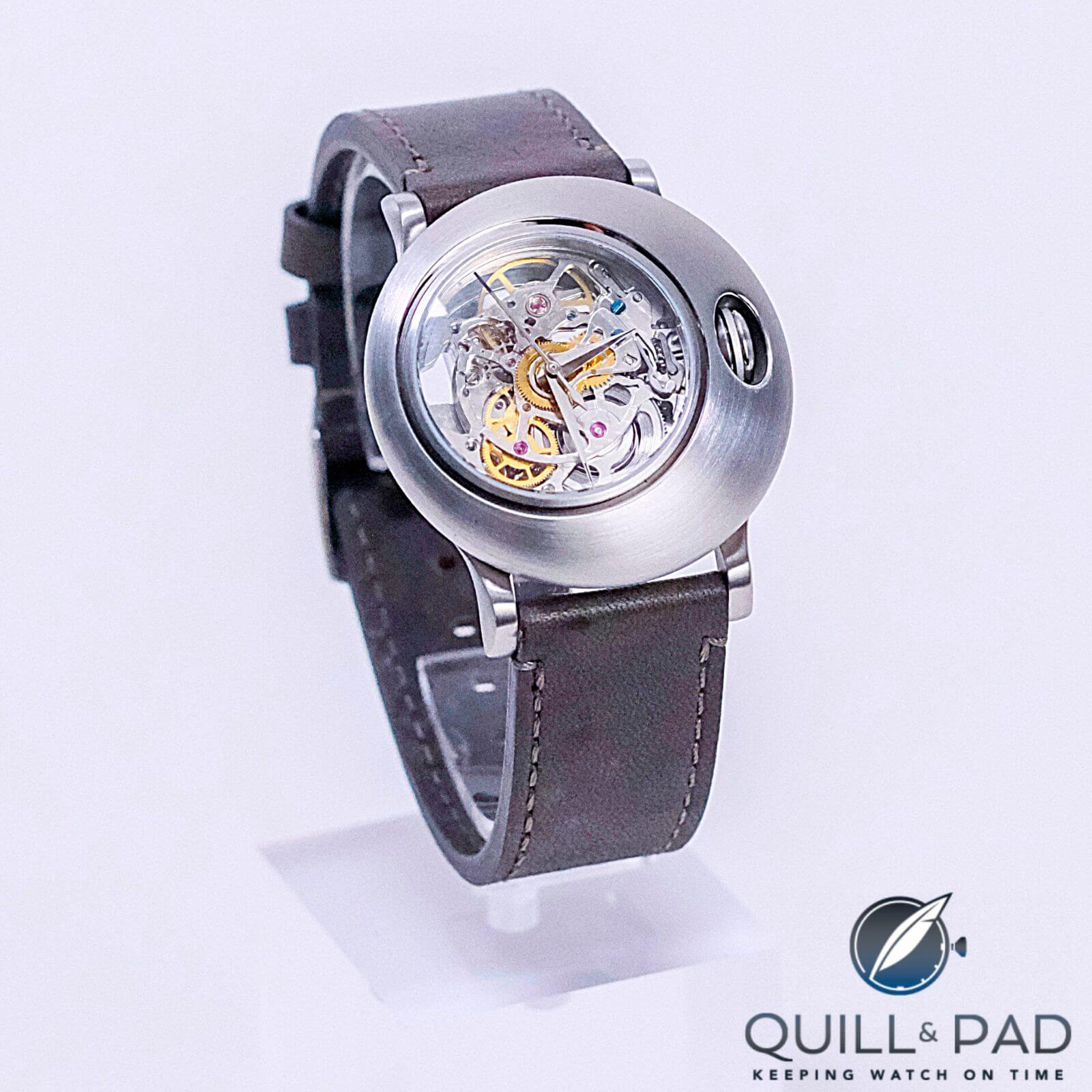
In the Open Group, the winning entry was a watch named "Tectonic Indeterminacy," conceived by Chan Pak Hei and Yang Tianxu. This design features a dial set within an off-center cavity inside a distinctive pebble-shaped case, creating a striking three-dimensional aesthetic and tactile experience. The runner-up in this category was "Channel," by Wong Ting Bong. This design draws inspiration from the familiar VU meters used by old radio announcers, with its hands visually linking the concepts of time and sound, offering a unique and nostalgic nod to audio technology.
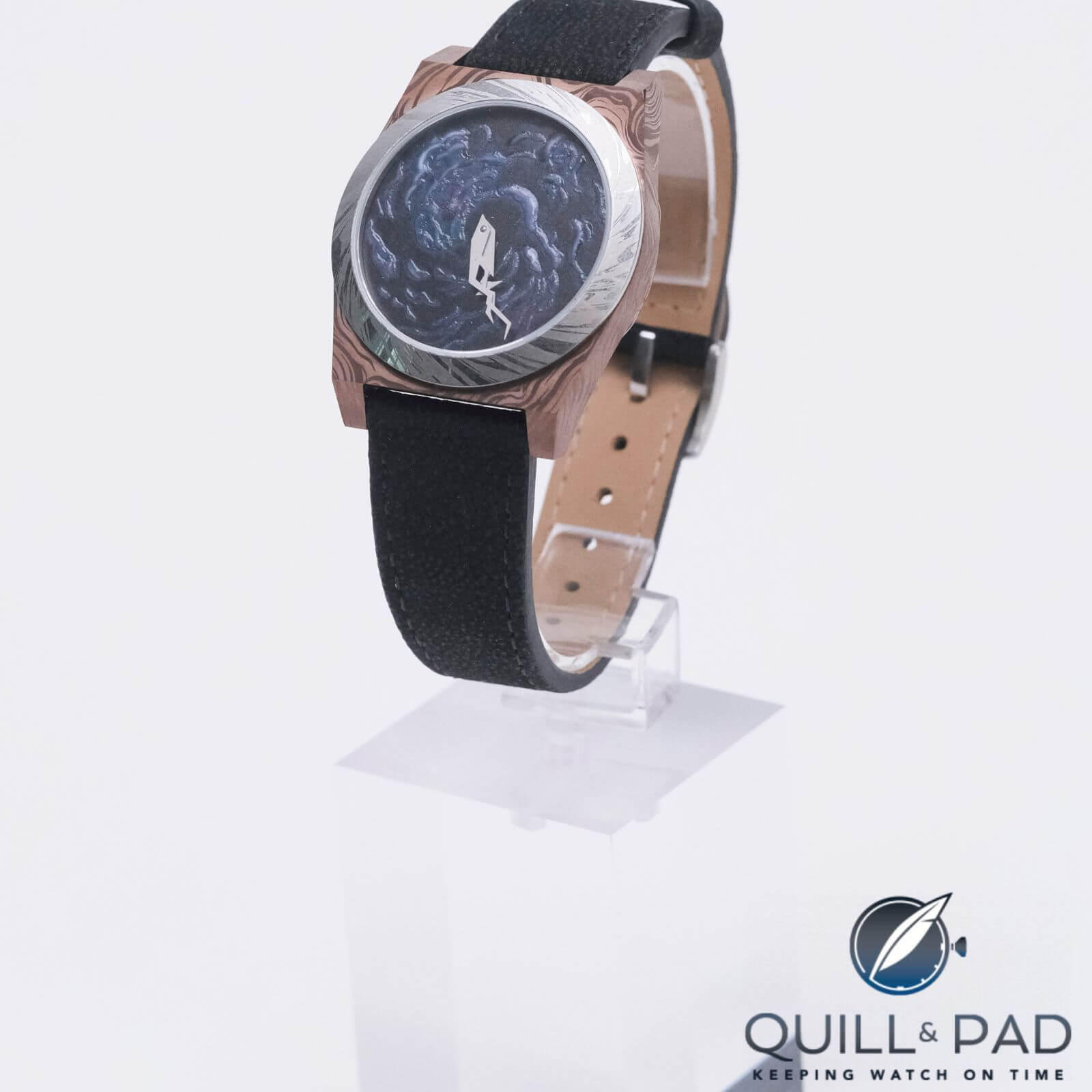
The Student Group, open to full-time Hong Kong students, saw "Traces of Storm" by Yip Yuen Sze emerge as the clear winner. This design captivates with its dark, evocative hurricane-themed dial and lightning-bolt-shaped hands. Its innovative approach and strong visual impact earned it not only the top prize in its category but also the coveted Made-to-Sell Award, signaling its potential for commercial production and availability to consumers. The runner-up in the Student Group was "Running Through the Breeze" by Tam Hei Yiu. This imaginative timepiece features hour, minute, and second hands artistically shaped as a girl, a tree, and a windmill, respectively, creating a narrative of movement and nature on the dial.
However, arguably the most artistically significant timepiece, deserving of a separate accolade, was "Carpe Diem," designed by Lo Hoi Pui of the Technological and Higher Education Institute of Hong Kong. This conceptual piece transcends the traditional definition of a watch, presenting a metaphor for time and existence. Inspired by a dandelion seed with its delicate hairs, it features a weathervane at its center for hands and a dragonhead as a pointer. This creation is more than a timekeeping device; it is a thought-provoking installation that serves as a profound normative metaphor for the passage of time, the nature of life, and the acceptance of inevitability.
Implications and Future Outlook
The 45th Hong Kong Watch and Clock Fair has underscored several critical trends shaping the global horological landscape. The increasing prominence of independent and microbrands signifies a democratization of watchmaking, allowing for greater creative freedom and niche market penetration. The burgeoning influence of Chinese design and the guochao movement highlights a growing demand for culturally resonant products and a shift in global manufacturing and design leadership. Furthermore, the fair’s continued success demonstrates Hong Kong’s enduring importance as a vital international trading hub for timepieces, adept at adapting to evolving market dynamics and technological advancements.
The fair’s hybrid approach, blending physical exhibition with digital matchmaking capabilities, represents a forward-thinking model for trade shows in the post-pandemic era, ensuring continued engagement and business opportunities. As the industry navigates an increasingly interconnected and design-conscious global market, the HKWCF remains a pivotal event, offering invaluable insights into the present and future of watchmaking. The sustained interest from a diverse range of international buyers, coupled with the innovative spirit showcased by local and international designers, suggests a promising outlook for the watch and clock industry, with Hong Kong poised to remain at its forefront.