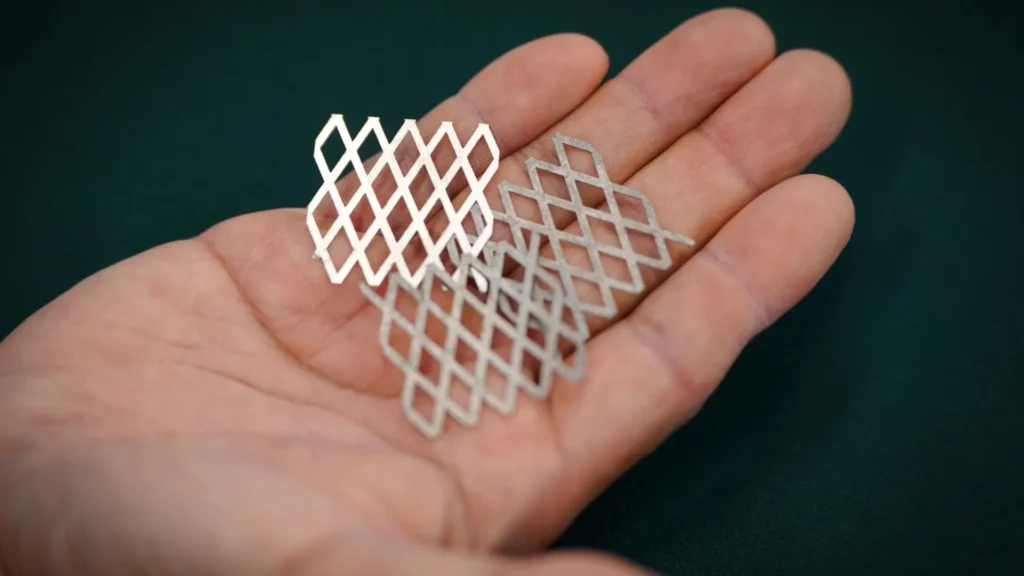
A groundbreaking innovation from the University of Hong Kong (HKU) promises to fundamentally transform the landscape of green hydrogen production, addressing a critical bottleneck in the global energy transition. A research team at HKU has successfully engineered a novel type of stainless steel, designated Stainless Steel for Hydrogen (SS-H₂), designed to overcome the severe corrosion limitations of conventional stainless steel in extreme electrochemical environments. This breakthrough not only paves the way for the more widespread and cost-effective generation of green hydrogen from readily available seawater but also establishes a new paradigm for material science in high-potential applications.
The development, spearheaded by Professor Mingxin Huang of HKU’s Department of Mechanical Engineering, is a pivotal achievement within his acclaimed "Super Steel" Project. This initiative has a distinguished track record, having previously yielded stainless steel with anti-COVID properties in 2021, and exceptionally strong and tough forms of Super Steel in 2017 and 2020. The latest advancement, SS-H₂, directly targets one of the most pressing challenges in sustainable energy: making green hydrogen economically viable and scalable.
The Global Imperative for Green Hydrogen
Green hydrogen, produced by splitting water using renewable electricity, is heralded as a cornerstone of future energy systems. It offers a clean, versatile energy carrier capable of decarbonizing hard-to-abate sectors such as heavy industry, long-haul transport, and seasonal energy storage. The urgency to transition away from fossil fuels, driven by escalating climate change concerns and international commitments like the Paris Agreement, has placed green hydrogen at the forefront of global energy strategies. Nations and corporations worldwide are investing billions into its development, recognizing its potential to achieve net-zero emissions.
However, the widespread adoption of green hydrogen faces significant hurdles, primarily its high production cost and reliance on freshwater sources. Current electrolysis technologies, while effective, often necessitate expensive materials and either desalinated water or acidic solutions, adding substantial capital and operational expenses. The ability to utilize abundant seawater directly, without the energy-intensive and costly desalination process, has long been a holy grail for researchers. It is precisely this challenge that HKU’s SS-H₂ aims to resolve.
HKU’s Innovative SS-H₂: A Game Changer for Electrolysis
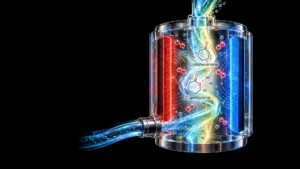
At the core of green hydrogen production is electrolysis, a process that uses an electrical current to decompose water (H₂O) into hydrogen (H₂) and oxygen (O₂). When this electricity is sourced from renewables like solar or wind, the resulting hydrogen is classified as "green." While the concept is straightforward, the practical implementation, especially with seawater, presents formidable material science challenges. Electrolyzers must operate under demanding chemical and electrical conditions, with the presence of chloride ions in seawater being particularly aggressive.
Conventional electrolyzers, especially those employing proton exchange membrane (PEM) technology, often rely on expensive materials like titanium, frequently coated with precious metals such as gold or platinum, for their structural components. These materials are chosen for their exceptional corrosion resistance and catalytic properties, but they represent a substantial portion of the overall system cost, making green hydrogen expensive compared to fossil fuel-derived "grey" hydrogen.
SS-H₂ distinguishes itself by offering comparable performance to these high-cost titanium components in a saltwater electrolyzer environment, but at a dramatically lower price point. Its remarkable resistance to severe corrosion under high electrical potentials makes it an ideal candidate for directly processing seawater, circumventing the need for desalinated water and significantly reducing capital expenditure.
Overcoming Conventional Stainless Steel’s Achilles’ Heel
For over a century, stainless steel has been indispensable across countless industries due lauded for its corrosion resistance. This durability primarily stems from the presence of chromium (Cr). When exposed to an oxygen-containing environment, chromium in the steel reacts to form a thin, passive layer of chromium oxide (Cr₂O₃) on the surface. This inert film acts as a protective barrier, preventing further corrosion of the underlying metal.
However, this protection, while robust under normal conditions, has a critical limitation in high-potential electrochemical applications, such as water electrolysis. The protective chromium oxide layer, Cr₂O₃, can itself undergo further oxidation. At sufficiently high electrical potentials, typically around ~1000 mV (relative to a saturated calomel electrode, SCE), Cr₂O₃ can transform into soluble Cr(VI) species. Once this occurs, the passive layer degrades, leading to a phenomenon known as transpassive corrosion. This breakdown exposes the underlying metal to the corrosive environment, causing rapid degradation.
This "transpassive limit" has historically precluded conventional stainless steels from being effectively used in many high-voltage electrochemical processes. Water oxidation, a fundamental reaction in electrolysis, requires a substantially higher potential, typically around ~1600 mV. The significant mismatch between the transpassive limit of conventional stainless steel and the operational potential required for efficient water oxidation has been a major barrier. Even advanced alloys like 254SMO super stainless steel, considered a benchmark for chromium-based corrosion-resistant alloys with excellent pitting resistance in seawater, succumb to this problem when electrical potentials become sufficiently high. This fundamental material science constraint has forced electrolyzer manufacturers to rely on far more expensive and exotic materials.
The Breakthrough: Sequential Dual-Passivation
Professor Huang’s team ingeniously circumvented this long-standing limitation through a novel approach they term "sequential dual-passivation." Rather than solely relying on the traditional chromium oxide layer, SS-H₂ develops an additional, secondary protective layer that forms on top of the primary chromium oxide. This groundbreaking second layer is based on manganese (Mn), and it begins to form at approximately ~720 mV.
The synergistic action of these two distinct layers enables SS-H₂ to withstand corrosion in highly aggressive chloride-containing environments—like seawater—at potentials reaching an impressive 1700 mV. This capability is paramount, as chloride ions are notoriously corrosive and responsible for localized degradation in many metals. By exceeding the 1600 mV threshold required for water oxidation, SS-H₂ fundamentally transcends the limitations of conventional stainless steel, opening up a realm of applications previously deemed impossible for this class of materials.
What makes this discovery particularly astounding is the pivotal role played by manganese. Historically, manganese has been widely considered detrimental to the corrosion resistance of stainless steel alloys. Its presence has often been associated with reduced passivity and increased susceptibility to pitting corrosion.
Dr. Kaiping Yu, the first author of the study and a PhD candidate supervised by Professor Huang, articulated the team’s initial skepticism: "Initially, we did not believe it because the prevailing view is that Mn impairs the corrosion resistance of stainless steel. Mn-based passivation is a counter-intuitive discovery, which cannot be explained by current knowledge in corrosion science. However, when numerous atomic-level results were presented, we were convinced. Beyond being surprised, we cannot wait to exploit the mechanism." This candid admission underscores the radical departure of their findings from established corrosion science principles, highlighting the depth of their experimental validation.
The findings were meticulously documented and subsequently published in the prestigious scientific journal Materials Today, in a study titled "A sequential dual-passivation strategy for designing stainless steel used above water oxidation." The researchers have proactively sought intellectual property protection, applying for patents covering this innovative technology in several countries, with two patents already authorized, securing their pioneering position in this field.
A Six-Year Odyssey of Discovery and Development
The journey to developing SS-H₂ was a testament to persistent scientific inquiry, spanning nearly six years. The project commenced with the initial, unexpected discovery of this unusual steel’s properties. The subsequent phase involved intensive, atomic-level investigations to unravel the underlying mechanisms responsible for its anomalous behavior. This deep dive into fundamental material science was crucial for validating the counter-intuitive role of manganese and understanding how the sequential dual-passivation strategy worked.
Professor Huang emphasized the unique focus of his group’s research: "Different from the current corrosion community, which mainly focuses on the resistance at natural potentials, we specialize in developing high-potential-resistant alloys. Our strategy overcame the fundamental limitation of conventional stainless steel and established a paradigm for alloy development applicable at high potentials. This breakthrough is exciting and brings new applications." This strategic shift in research focus, concentrating on materials stability at much higher electrical potentials rather than ordinary corrosion resistance, proved instrumental in achieving this breakthrough. The project systematically progressed from fundamental scientific understanding to practical application, culminating in publication and the initiation of steps towards industrial deployment.
Economic Paradigm Shift: Towards Affordable Green Hydrogen
The economic ramifications of SS-H₂ are potentially enormous, promising a paradigm shift in the cost structure of green hydrogen production. Current electrolyzers, particularly those operating with desalinated seawater or acidic solutions, are heavily reliant on expensive components made from titanium, often enhanced with gold or platinum coatings. These specialized materials contribute significantly to the prohibitive capital cost of an electrolysis system, hindering the economic competitiveness of green hydrogen.
According to the HKU researchers, structural components alone can account for as much as 53% of the total system cost of a 10-megawatt PEM electrolysis tank system, which currently approximates HK$17.8 million (approximately US$2.28 million). This substantial material cost is a major barrier to scalability and affordability.
The introduction of SS-H₂ offers a compelling solution. By enabling the replacement of these high-cost titanium and precious metal components with a far more economical stainless steel, the new material could drastically reduce the upfront investment required for electrolyzer infrastructure. The researchers’ conservative estimates suggest that utilizing SS-H₂ could lead to an astonishing 40-fold reduction in the cost of structural materials. Such a monumental cost reduction would profoundly impact the overall economics of green hydrogen production, potentially making it competitive with, or even cheaper than, fossil fuel-derived hydrogen in many regions.
Industry analysts are likely to view this development with keen interest. A significant reduction in capital expenditure for electrolyzers would accelerate investment, stimulate innovation, and drive down the levelized cost of hydrogen (LCOH), which is a key metric for its market viability. This could unlock massive potential for hydrogen deployment in various sectors, from industrial feedstock to power generation and fuel cells.
From Lab to Industrial Scale: The Road Ahead
While the laboratory results for SS-H₂ are exceptionally promising, the transition from experimental material to widespread industrial deployment still entails significant engineering challenges. Electrolyzers require components in various practical forms, such including metal meshes and foams, which are crucial for electrode support and efficient gas separation. Achieving laboratory performance in these complex industrial forms requires careful manufacturing process development and rigorous testing.
Despite these hurdles, Professor Huang’s team has already initiated the crucial steps towards large-scale production and commercialization. "From experimental materials to real products, such as meshes and foams, for water electrolyzers, there are still challenging tasks at hand," Professor Huang acknowledged. "Currently, we have made a big step toward industrialization. Tons of SS-H₂-based wire has been produced in collaboration with a factory from the Mainland. We are moving forward in applying the more economical SS-H₂ in hydrogen production from renewable sources."
This collaboration with an industrial partner for producing SS-H₂ wire represents a critical milestone, demonstrating the material’s manufacturability at scale. The next phases will involve adapting this material into the specific forms required for electrolyzer components and validating its long-term performance and durability in commercial-scale operations. Addressing issues such as weldability, formability, and consistent quality control will be paramount for widespread adoption.
Broader Implications for Energy Transition and Sustainability
The successful industrialization of SS-H₂ holds profound implications for the global energy transition and environmental sustainability. By providing a cheaper, more accessible route to green hydrogen production from seawater, it could:
- Accelerate Decarbonization: Lowering the cost of green hydrogen will make it a more attractive option for heavy industries (steel, cement, chemicals) and transport sectors (shipping, aviation, heavy-duty trucking) that are difficult to electrify directly. This would significantly contribute to global emissions reduction targets.
- Enhance Energy Security: Countries with abundant coastlines and renewable energy resources could become major green hydrogen producers, reducing reliance on imported fossil fuels and enhancing energy independence.
- Promote Water Stewardship: Utilizing seawater directly for hydrogen production alleviates pressure on freshwater resources, which are increasingly scarce in many parts of the world. This is a critical environmental benefit, particularly in regions facing water stress.
- Drive Economic Growth: The development and deployment of SS-H₂ and the subsequent expansion of the green hydrogen economy will create new industries, jobs, and investment opportunities in manufacturing, engineering, and renewable energy sectors.
- Catalyze Further Innovation: The "sequential dual-passivation" strategy itself represents a novel approach in corrosion science. Its success could inspire new research directions for developing advanced materials resistant to extreme environments across various electrochemical and industrial applications.
Looking Ahead
The combination of exceptional corrosion resistance at high potentials and the potential for a 40-fold reduction in material costs positions SS-H₂ as a truly transformative technology. If this experimental steel successfully transitions into reliable industrial components for commercial electrolyzers, it would not only validate years of dedicated research but also provide a crucial enabler for a truly green hydrogen economy. The journey from the lab bench to global industrial deployment is often arduous, but the foundational science and early industrial collaborations suggest that HKU’s SS-H₂ is on a promising trajectory to become a cornerstone material in the future of sustainable energy. The world watches with anticipation as this innovative material moves closer to powering a cleaner, greener future.