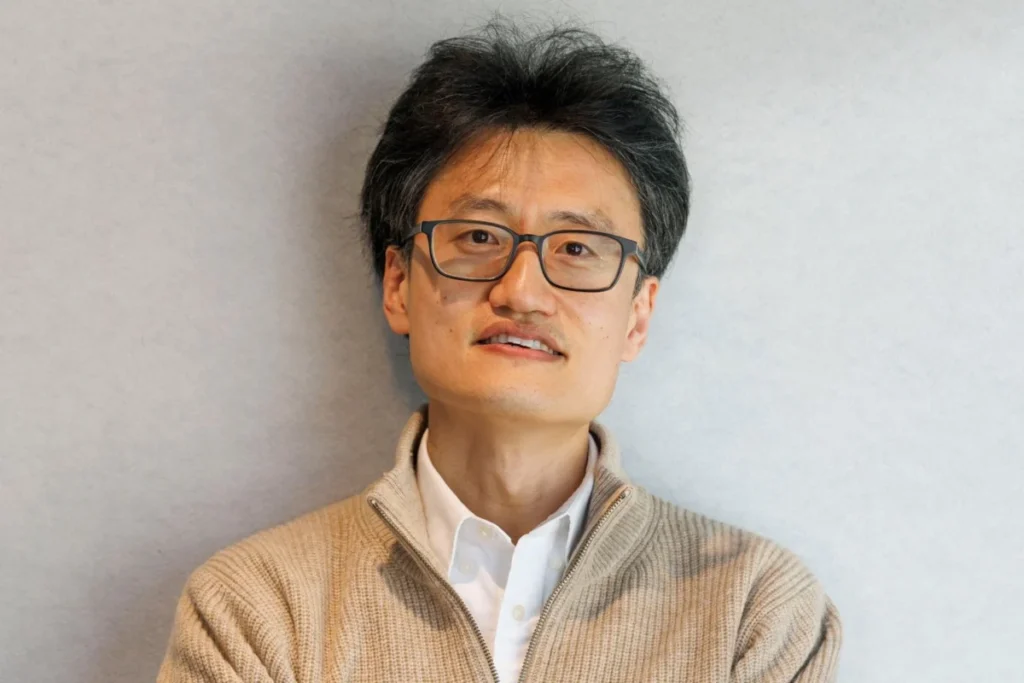
Jinhua Zhao, a distinguished alumnus with multiple advanced degrees from MIT and a leading scholar in cities and transportation, has been appointed the new head of the Department of Urban Studies and Planning (DUSP). His tenure officially began on July 1, taking the helm of one of the world’s most influential urban planning departments. Zhao, the Class of 1941 Professor of Cities and Transportation at MIT, brings a wealth of experience at the intersection of cutting-edge research and practical policy implementation.
The announcement was made by Hashim Sarkis, Dean of the MIT School of Architecture and Planning. Sarkis lauded Zhao as a globally recognized authority in transportation planning, education, and scholarship, highlighting his visionary approach to shaping the future of mobility. "Jinhua is one of those rare scholars who moves seamlessly between cutting-edge research and real-world policy," Sarkis stated. "His work with governments and transportation agencies around the world is a model for what MIT’s impact can look like beyond our campus." This appointment signifies a strategic direction for DUSP, emphasizing its commitment to addressing complex urban challenges through interdisciplinary research and global engagement.
Zhao succeeds Professor Christopher Zegras, who has served as department head since 2020. Zegras’s leadership was marked by a significant expansion of opportunities for students to engage directly with communities and policymakers globally, alongside a continued strengthening of DUSP’s long-standing bridge between research and practice. Sarkis expressed his gratitude to Zegras, noting his "excellent and level-headed leadership, especially in challenging times." The transition marks a new chapter for DUSP, building upon the foundation laid by Zegras and charting a course for future innovation under Zhao’s direction.
Zhao’s own journey at MIT has been deeply intertwined with the institution’s unique academic culture. After completing his Master of City Planning (MCP), Master of Science (SM), and Doctor of Philosophy (PhD) degrees at MIT, he joined the DUSP faculty. He credits the Institute’s unconventionality and its robust culture of interdisciplinary idea-sharing as key factors in his intellectual development. "MIT is a small school in the best sense of the word," Zhao remarked. "We have fewer boundaries than other universities – intellectually and physically. Our ‘infinite corridor’ literally connects us to so many disciplines." This inherent connectivity, he believes, is crucial for tackling the multifaceted nature of contemporary urban issues.
Shaping Global Mobility Systems: A Career of Impact
Jinhua Zhao has established himself as a preeminent figure in the field of mobility, with his research directly influencing transportation policy and practice in some of the world’s most dynamic urban environments. His work has extended to shaping policy for Transport for London, the Mass Transit Railway in Hong Kong, and Japan Railways, demonstrating a global reach and impact. In the United States, his research has informed leading transit authorities such as Boston’s MBTA, the Chicago Transit Authority, and Washington’s Metropolitan Area Transit Authority. Furthermore, Zhao has guided strategic planning for the mobility industry on the future of autonomous and digital mobility, including developing autonomous vehicle (AV) deployment strategies for Singapore and the Middle East.
Zhao’s approach is rooted in understanding the inherent tension between rapid technological advancement and the pace of institutional adaptation. "Every city I’ve worked with faces the same tension: The technology is moving faster than the institutions designed to govern it," Zhao observed. "My work has been about closing that gap." This perspective underscores his commitment to creating practical, actionable solutions that bridge the divide between innovation and governance.
Fostering Global Dialogue and Knowledge Exchange
A cornerstone of Zhao’s initiative to bridge this gap is the MIT Mobility Initiative, which he founded. This initiative serves as a vital hub, connecting mobility and transportation researchers across MIT with leading figures in the field from around the globe. A key component of this initiative is the weekly MIT Mobility Forum, hosted by Zhao via Zoom and open to the public. What began as a modest internal gathering has evolved into a significant global platform, attracting over 200 practitioners, policymakers, and researchers weekly. The substantial interest in the forum reflects the pressing need for accessible expertise in the rapidly evolving mobility landscape.
Zhao emphasizes that no single discipline holds a monopoly on transportation solutions. "No single discipline owns transportation," he stated. "AI and autonomous systems are reshaping urban living faster than most institutions can adapt. The question is no longer what we know. It is whether the people who need it most – municipal governments, transport agencies, federal ministries – can access it when they make decisions on transportation. This is why the forum exists." This philosophy highlights his dedication to democratizing knowledge and ensuring that critical insights are available to those who need them most.
Beyond the Mobility Forum, Zhao directs the JTL Urban Mobility Lab, a research group that integrates behavioral science with transportation technology to influence travel behavior, design effective mobility systems, and enhance transportation policies. He is also a lead principal investigator with Mens, Manus, and Machina, an MIT initiative at the nexus of artificial intelligence, the future of work, and human learning. This project aims to develop strategies and tools that enable cities, institutions, and economies to ensure that AI augments human capabilities rather than displacing individuals.
DUSP’s Evolving Global Agenda Under Zhao
As Zhao steps into his new role as department head, he articulates a vision for DUSP that is deeply aligned with the pressing global agenda. "If you look at the global agenda, what are the issues people are facing?" Zhao asked. "An aging society; AI and its impact on jobs; the energy crisis; traffic congestion. These are just some of the problems people feel connected to because they are embodied in our cities and communities. I want DUSP to engage with city leaders and share our research and insights."
Zhao’s immediate goal is to accelerate the dissemination of research generated within DUSP to those on the front lines of urban planning and policy. He envisions a department that is in active dialogue with transit authorities grappling with autonomous vehicle integration, city governments rethinking aging infrastructure, and national transport ministries navigating the complex policy implications of artificial intelligence. "We know a great deal about how cities grow, how people move, and how that will change," Zhao stated. "The question is whether the people responsible for making these changes – in city halls, transport agencies, federal ministries – can access what we know, when they need it."
Broader Context and Future Implications
The appointment of Jinhua Zhao as head of DUSP at MIT comes at a critical juncture for urban planning and transportation. Globally, cities are confronting unprecedented challenges stemming from rapid urbanization, climate change, technological disruption, and evolving societal needs. The demand for innovative, evidence-based solutions has never been higher. Zhao’s expertise in shaping mobility systems and fostering interdisciplinary collaboration positions DUSP to play an even more influential role in addressing these complex issues.
His background, bridging academic rigor with practical application, is particularly relevant. The proliferation of autonomous vehicles, the integration of artificial intelligence into urban infrastructure, and the urgent need for sustainable transportation solutions require a nuanced understanding that transcends traditional disciplinary boundaries. Zhao’s focus on closing the gap between technological advancement and institutional capacity directly addresses this need. The MIT Mobility Initiative and the Mobility Forum, under his leadership, have already demonstrated the power of creating platforms for knowledge exchange and collaborative problem-solving.
The success of Zegras’s tenure in expanding community engagement and strengthening the research-practice link provides a solid foundation for Zhao’s leadership. The expectation is that Zhao will build upon this legacy, further solidifying DUSP’s reputation as a leader in translating groundbreaking research into tangible improvements for urban environments worldwide. His emphasis on making DUSP’s insights accessible to decision-makers in cities and governments suggests a commitment to practical impact and a forward-looking approach to urban development.
Supporting Data and Evidence of Impact
Zhao’s influence can be measured by the tangible impact of his research and initiatives. For instance, his work on shaping policy for Transport for London and Japan Railways has likely contributed to improvements in public transportation efficiency, ridership, and sustainability in these major global cities. The fact that his research has positively impacted leading U.S. transit authorities like the MBTA, CTA, and WMATA suggests that his insights have helped address specific operational challenges, improve passenger experience, or inform strategic planning for these vital public services.
The substantial weekly attendance at the MIT Mobility Forum, often exceeding 200 participants from diverse professional backgrounds, is a strong indicator of the demand for the expertise and dialogue that Zhao facilitates. This sustained engagement suggests that the topics discussed and the insights shared are highly relevant to current urban challenges and are actively sought after by those responsible for shaping the future of mobility.
Furthermore, Zhao’s involvement in developing autonomous vehicle deployment strategies in places like Singapore and the Middle East highlights his role in guiding the implementation of cutting-edge technologies. These initiatives often involve complex regulatory frameworks, public acceptance strategies, and infrastructure planning, areas where Zhao’s interdisciplinary approach is invaluable.
Press Mentions and Public Engagement
Zhao’s expertise is frequently sought by media outlets, underscoring his public profile and the relevance of his work. A recent mention in GBH’s "Curiosity Desk" featured Professor Zhao discussing the complexities of self-driving technology in Boston. In this segment, he addressed the critical balance between AV safety and the need for assertiveness in navigating real-world traffic. "We pay a lot of attention to how good AV [Autonomous Vehicle] safety needs to be, but it’s important for us to understand how bad we have been—the current system is [bad]," Zhao commented. He further elaborated on the challenges human drivers pose to AVs, stating, "When human drivers are aggressive, they actually indeed pose a challenge on AV—which is that AV needs to learn how to be assertive. If you’re too conservative, you’ll just be stuck there going nowhere." This interview exemplifies Zhao’s ability to translate complex technical and behavioral issues related to emerging mobility technologies for a broader public audience, demonstrating his commitment to public education and informed discourse.
Conclusion
The appointment of Jinhua Zhao as the new head of MIT’s Department of Urban Studies and Planning marks a significant moment for the department and for the field of urban planning globally. His proven track record in shaping mobility systems, fostering interdisciplinary collaboration, and bridging the gap between research and policy makes him an ideal leader for DUSP. As cities worldwide grapple with increasingly complex challenges, Zhao’s vision for DUSP promises to enhance its impact, ensuring that cutting-edge research and insights are not only generated but also effectively disseminated to inform decisions that shape our urban futures. His leadership is poised to further solidify DUSP’s position as a vital force in addressing the critical issues of our time.