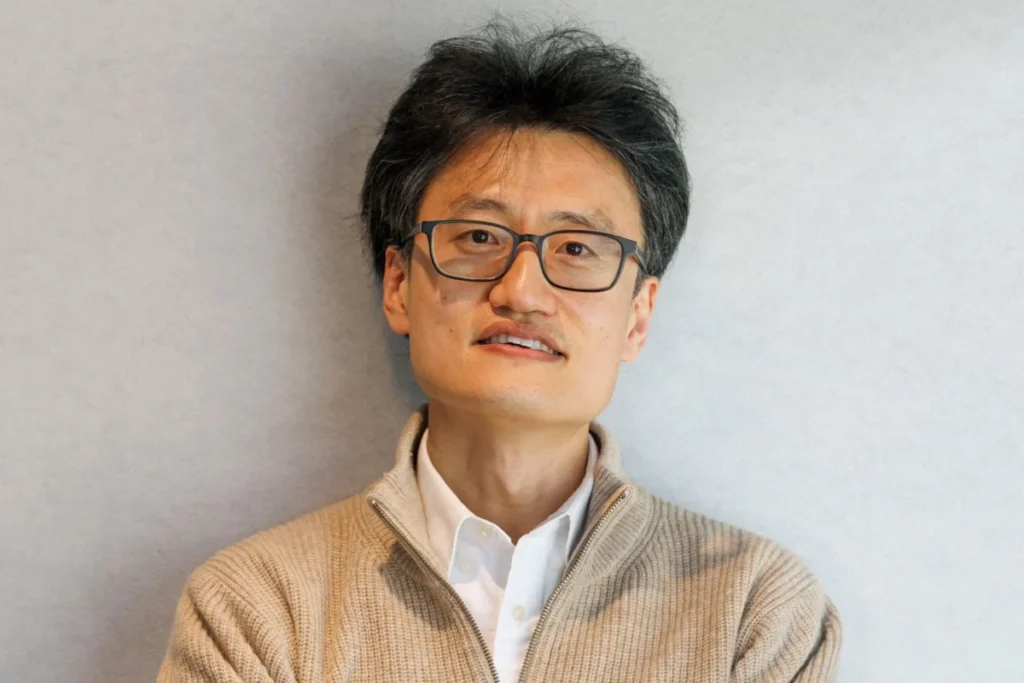
Jinhua Zhao, a distinguished alumnus and esteemed faculty member of the Department of Urban Studies and Planning (DUSP) at the Massachusetts Institute of Technology (MIT), has been appointed as the new head of DUSP, effective July 1. Zhao, who holds multiple advanced degrees from MIT – a Master of City Planning (MCP) and a Master of Science (SM) in 2004, followed by a Ph.D. in 2009 – is also the Class of 1941 Professor of Cities and Transportation at the institute. His appointment marks a significant transition for one of the world’s leading academic departments focused on urban development and planning.
The announcement was made by Hashim Sarkis, Dean of the MIT School of Architecture and Planning. Sarkis lauded Zhao as a "renowned transportation planner, educator, and scholar, and a world leader in imagining and shaping better futures for mobility." He further elaborated on Zhao’s unique capabilities, stating, "Jinhua is one of those rare scholars who moves seamlessly between cutting-edge research and real-world policy. His work with governments and transportation agencies around the world is a model for what MIT’s impact can look like beyond our campus." This endorsement highlights Zhao’s proven ability to bridge the gap between academic innovation and practical application, a cornerstone of MIT’s mission.
Zhao succeeds Professor Christopher Zegras, who has steered DUSP as department head since 2020. Zegras’s tenure was characterized by an expansion of opportunities for students to engage directly with communities and policymakers globally, reinforcing the department’s longstanding commitment to integrating research with practice. Dean Sarkis expressed his gratitude for Zegras’s leadership, acknowledging his "excellent and level-headed leadership, especially in challenging times." The transition occurs against a backdrop of evolving urban challenges, from climate change and technological disruption to social equity and public health, making Zhao’s expertise in mobility systems particularly relevant.
Zhao’s personal journey with MIT is deeply rooted. After completing his doctoral studies, he joined the DUSP faculty, citing the Institute’s unconventional approach and its culture of interdisciplinary collaboration as key drivers of his academic growth. "MIT is a small school in the best sense of the word," Zhao remarked. "We have fewer boundaries than other universities – intellectually and physically. Our ‘infinite corridor’ literally connects us to so many disciplines." This ethos of cross-pollination has undoubtedly influenced his research and the initiatives he has championed.
Shaping Global Mobility Systems
Jinhua Zhao has established himself as a global authority on mobility, with his research and programs significantly impacting urban transportation systems worldwide. His work has informed policy for major international transit organizations, including Transport for London, the Mass Transit Railway (MTR) in Hong Kong, and Japan Railways. In the United States, his research has influenced leading transit authorities such as Boston’s Massachusetts Bay Transportation Authority (MBTA), the Chicago Transit Authority (CTA), and Washington D.C.’s Metropolitan Area Transit Authority (WMATA).
Zhao has also been instrumental in guiding strategic planning for the mobility industry, particularly concerning the future of autonomous and digital mobility. His expertise has been sought after for developing autonomous vehicle (AV) deployment strategies in key international markets like Singapore and the Middle East. This proactive engagement with emerging technologies underscores his forward-thinking approach to urban planning.
Reflecting on the persistent challenges in this domain, Zhao noted, "Every city I’ve worked with faces the same tension: The technology is moving faster than the institutions designed to govern it. My work has been about closing that gap." This fundamental insight forms the bedrock of his research agenda and his vision for DUSP.
Fostering Interdisciplinary Mobility Research and Dialogue
A significant contribution to the field by Zhao is the founding of the MIT Mobility Initiative. This interdisciplinary initiative brings together researchers from across MIT who are engaged in mobility and transportation studies, fostering a collaborative environment. Furthermore, it actively engages leaders from the global mobility sector, creating a vital bridge between academia and industry practice.
Central to the MIT Mobility Initiative is the weekly MIT Mobility Forum, hosted by Zhao via Zoom and open to the public. What began as a small, internal gathering has evolved into a substantial global platform, attracting over 200 practitioners, policymakers, and researchers from around the world each week. This widespread interest, Zhao believes, is a testament to the urgency and interconnectedness of mobility challenges.
"No single discipline owns transportation," Zhao asserted. "AI and autonomous systems are reshaping urban living faster than most institutions can adapt. The question is no longer what we know. It is whether the people who need it most – municipal governments, transport agencies, federal ministries – can access it when they make decisions on transportation. This is why the forum exists." This statement highlights the critical role of accessible knowledge dissemination in effective urban governance.
Zhao also directs the JTL Urban Mobility Lab, which integrates behavioral science with transportation technology to influence travel behavior, design smarter mobility systems, and refine transportation policies. His research at the lab aims to understand and shape how people interact with their transportation environments, with the ultimate goal of creating more efficient, equitable, and sustainable systems.
In addition, Zhao is a lead principal investigator with "Mens, Manus, and Machina" (MMM), a key MIT initiative situated at the intersection of artificial intelligence, the future of work, and human learning. This ambitious project focuses on developing the tools and strategies necessary for cities, institutions, and economies to ensure that AI serves to augment human capabilities rather than displace them. This work is particularly relevant as cities grapple with the societal and economic implications of widespread AI adoption.
DUSP’s Evolving Global Agenda Under New Leadership
As Zhao steps into his new role as department head, he articulates a clear vision for DUSP’s future, emphasizing its responsibility to address pressing global issues. "If you look at the global agenda, what are the issues people are facing?" Zhao queried. "An aging society; AI and its impact on jobs; the energy crisis; traffic congestion. These are just some of the problems people feel connected to because they are embodied in our cities and communities. I want DUSP to engage with the city leaders and share our research and insights."
Zhao’s primary objective is to accelerate the translation of DUSP’s research into actionable insights for those on the front lines of urban planning and policy. He envisions a more direct and responsive relationship between the department’s academic output and the needs of planners, officials, and engineers making critical decisions in cities worldwide. This includes supporting transit authorities navigating the integration of autonomous vehicles, city governments rethinking aging infrastructure, and national transport ministries addressing the policy implications of AI.
"We know a great deal about how cities grow, how people move, and how that will change," Zhao stated. "The question is whether the people responsible for making these changes – in city halls, transport agencies, federal ministries – can access what we know, when they need it." This focus on accessibility and impact underscores Zhao’s commitment to making DUSP’s intellectual capital a tangible resource for global urban development.
The appointment of Jinhua Zhao as head of DUSP signals a strategic emphasis on applied research, interdisciplinary collaboration, and global engagement, particularly in the rapidly evolving fields of mobility, technology, and urban sustainability. His leadership is expected to further enhance the department’s reputation as a crucible for innovative solutions to the complex challenges facing cities today and in the future.
Broader Context and Implications
The appointment of Professor Zhao comes at a pivotal moment for urban planning. Cities globally are grappling with unprecedented demographic shifts, technological disruptions, and environmental pressures. The increasing sophistication of artificial intelligence, the projected widespread adoption of autonomous vehicles, and the urgent need for sustainable transportation solutions are reshaping the urban landscape at an accelerated pace.
Data from the International Transport Forum (ITF) consistently highlights the growing complexity of urban mobility. For instance, projections indicate that urban populations will continue to grow, with the percentage of people living in cities expected to rise from 57% in 2020 to 68% by 2050. This demographic shift intensifies demands on existing transportation infrastructure and necessitates innovative planning strategies. Simultaneously, the rise of shared mobility services, electric vehicles, and increasingly intelligent transportation systems presents both opportunities and challenges for city planners seeking to improve efficiency, reduce congestion, and mitigate environmental impact.
Zhao’s emphasis on bridging the gap between research and policy is crucial. Many municipal governments and transit agencies struggle to keep pace with technological advancements, often lacking the specialized expertise or resources to effectively integrate new solutions into their existing frameworks. The MIT Mobility Forum, under Zhao’s direction, serves as a critical conduit for knowledge transfer, democratizing access to cutting-edge research and fostering collaborative problem-solving. The forum’s consistent attendance of over 200 participants each week illustrates a palpable demand for such dialogue and expertise.
The "Mens, Manus, and Machina" initiative, in which Zhao is a lead principal investigator, directly addresses the societal impact of AI. As AI technologies become more pervasive, questions surrounding job displacement, ethical considerations, and the augmentation of human capabilities become paramount. Zhao’s leadership in this area positions DUSP at the forefront of understanding and shaping the human-AI interface in urban contexts, aiming to ensure that technological progress benefits society broadly.
The implications of Zhao’s appointment extend beyond the academic sphere. His vision for DUSP to actively engage with city leaders suggests a more direct and impactful role for academic institutions in informing public policy and urban development. This proactive approach could lead to faster adoption of evidence-based strategies for tackling issues such as climate change resilience, equitable access to transportation, and the creation of livable, sustainable urban environments. By facilitating the flow of knowledge from MIT’s research labs to the decision-makers in city halls and ministries, Zhao aims to equip urban practitioners with the insights they need to navigate the complexities of the 21st-century city. His leadership is poised to reinforce DUSP’s position as a vital hub for addressing the world’s most pressing urban challenges.