The 2026 iteration of Maker Faire Bay Area opened its gates this past Friday, marking two decades of a cultural phenomenon that has redefined the intersection of technology, art, and the DIY spirit. What began in 2006 as a niche gathering for hobbyists has evolved into a massive logistical undertaking, often compared by organizers to hosting a wedding for more than 20,000 guests. As the event celebrates its 20th anniversary, the opening day showcased over 300 exhibits, proving that the appetite for hands-on innovation and "maker" culture remains as robust as ever.
The Friday opening, traditionally a day for educators, students, and early enthusiasts, saw a turnout that exceeded historical benchmarks for the first day of the festival. Attendees were greeted by an eclectic mix of high-tech robotics, whimsical interactive games, and large-scale kinetic sculptures, all of which underscore the "joy and mayhem" that has become the event’s hallmark. The sheer scale of the 2026 fair serves as a testament to the enduring relevance of the maker movement, which continues to influence STEM education, rapid prototyping, and the democratization of manufacturing.
Interactive Innovation: The Fusion of Software and Physical Computing
One of the standout exhibits of the opening day was "Udder Mayhem," an alternative controller rhythm game that exemplifies the movement’s penchant for combining absurdity with technical sophistication. Developed using the Unity game engine, the installation tasks players with stepping into the role of a barista. However, instead of a standard keyboard or touchscreen, the interface consists of four silicone udder teats. Players must squeeze the udders to a rhythmic beat to prepare virtual café lattes.
The technical backbone of Udder Mayhem is the Teensy 4.1, a high-performance microcontroller featuring an ARM Cortex-M7 processor at 600 MHz. This choice of hardware highlights a broader trend at the Faire: the use of industrial-grade processing power to fuel creative and often humorous endeavors. Throughout the day, the exhibit maintained a consistent queue, with repeat visitors attempting to secure high scores on the leaderboard. This interaction demonstrates the core appeal of the Maker Faire—transforming passive consumption into active, tactile participation.
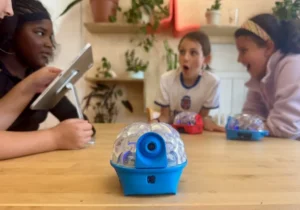
Similarly, "Tiny Robot Soccer" provided a platform for competitive interaction through the lens of miniaturized engineering. The booth featured "Sesame," a palm-sized quadruped robot designed from the ground up by Dorian Todd. The Sesame robot has already garnered significant attention online, with over 1.1 million combined views on YouTube, but the Faire allowed the public to engage with the hardware in real-time.

The soccer matches, played in teams of two, utilized retro game controllers to navigate the robots across a miniature field. To enhance the spectator experience, organizers provided a real-time dynamic camera view on a large screen, complete with live scores and digital effects. Beyond the formal matches, the "testing zone" allowed participants to bring their own non-combat robots—provided they weighed under two pounds—to test their agility against the Sesame units. While the Friday sessions were informal, the engagement levels suggested that small-scale robotics remains one of the most accessible entry points for aspiring engineers.
Community-Driven Engineering: The Droid Builders and Community Legacy
A staple of the Maker Faire for years, the Bay Area Droid Builders returned in 2026 with a display of cinematic-accurate robotics. This group represents the communal side of the maker movement, where hobbyists exchange open-source plans, 3D printing files, and electronic schematics to recreate iconic robots from the Star Wars franchise, such as R2-D2 and BB-8.
The droids present at the 2026 event featured several "movie-accurate" upgrades, including improved locomotion systems and advanced sound integration. Beyond the technical spectacle, the Droid Builders emphasize the social impact of making; the group is actively involved in local charity work and educational outreach. Their presence at the Faire serves as a reminder that making is often a collaborative effort, bridging the gap between pop culture appreciation and rigorous mechanical engineering.

Large-Scale Artistry and Kinetic Sculptures
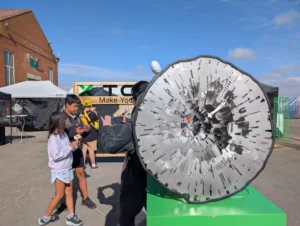
The 2026 Faire also highlighted the evolution of "Maker Art"—installations that prioritize aesthetic impact and fluid motion through heavy-duty fabrication. "Nebula Rider," a massive stainless steel sculpture by artist Adrian Landon, captured the attention of the Friday crowds. The piece, a larger-than-life pegasus, was designed to evoke a sense of "effortless fluid motion."
Landon’s choice of stainless steel reflects the industrial roots of many maker projects, where material durability is as important as the artistic vision. The sculpture is non-mechanical, yet its form suggests a kinetic energy that aligns with the festival’s theme of "mayhem" and movement.
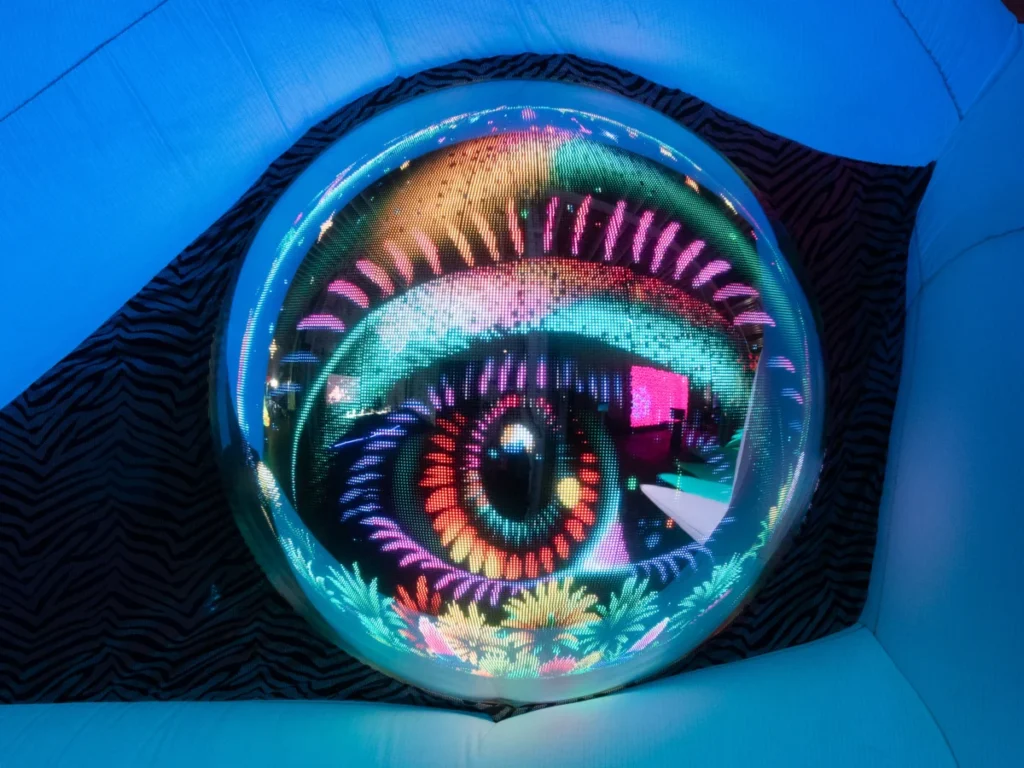
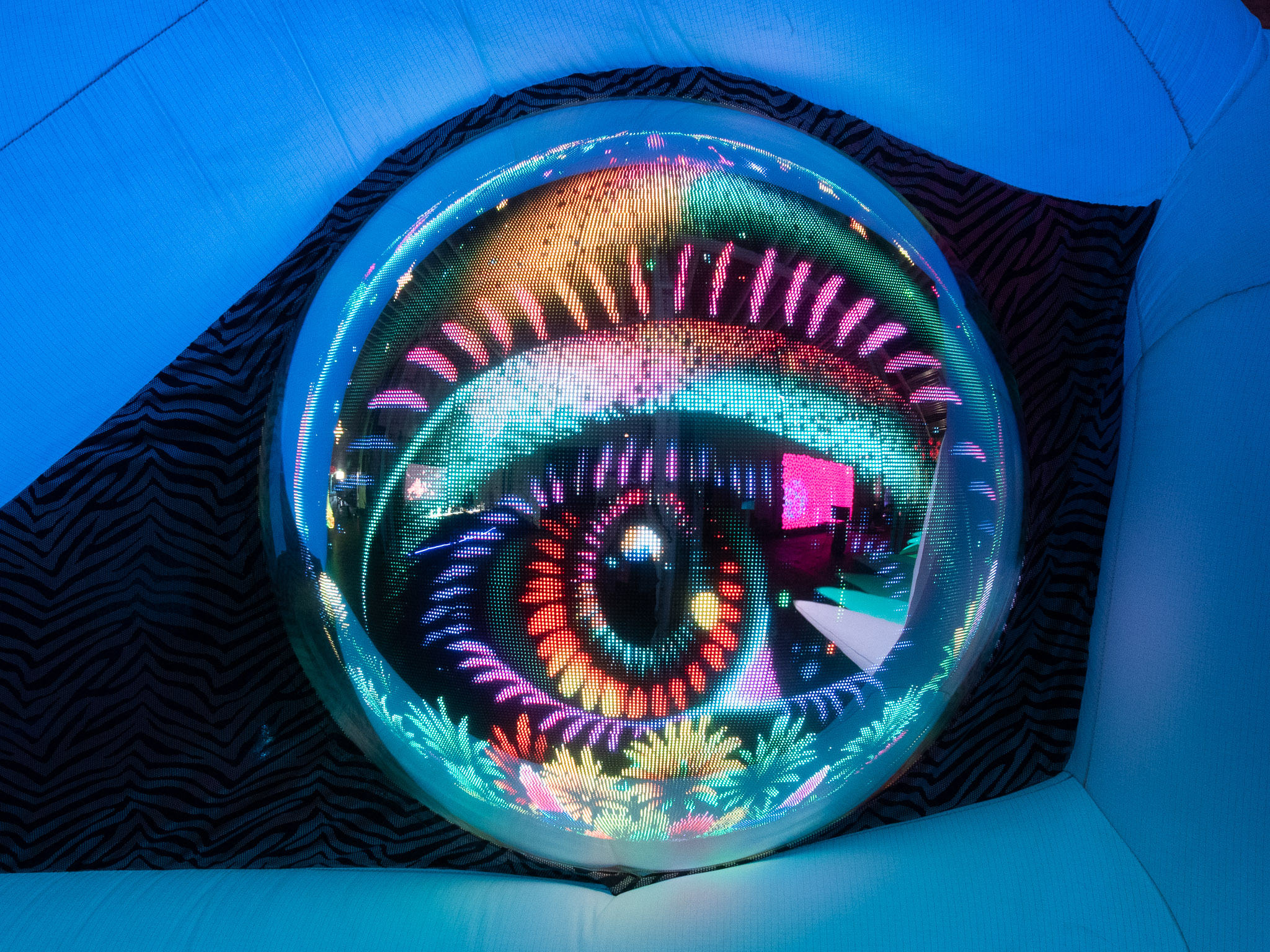
On the more whimsical side of the spectrum, the "Cuttlefish Art Car" and "Flash the Tortoise" offered a neon-lit contrast to the metallic sculptures. The Cuttlefish is a 35-foot-long animatronic, inflatable, and illuminated creature, while Flash the Tortoise is constructed from custom-formed high-density polyethylene (HDPE) paneling. These mobile art installations are equipped with interactive lighting systems that can be controlled via a piano or drum set in a darkened environment. These exhibits represent the "Burning Man" influence on the Maker Faire, where art is not merely observed but lived and manipulated by the audience.

Historical and Educational Integration
While much of the Faire focuses on the future, the 2026 event made significant space for historical reflection and traditional craftsmanship. Educators from the San Francisco National Maritime Park Association brought a piece of California history to the fairgrounds through the story of the C.A. Thayer, a historic sailing vessel.
This exhibit allowed attendees to step back into the age of sail, exploring the life of sailors during the California Gold Rush and the Barbary Coast era. By including maritime history alongside 3D printers and AI-driven robots, the Maker Faire reinforces the idea that "making" is a continuum that stretches from the hand-hewn timber of the 19th century to the silicon wafers of the 21st.
Timeline and Chronology of the 20th Anniversary Event
The Friday opening was the first of a three-day schedule designed to maximize community exposure.

- Friday (Opening Day): Focus on school groups, educators, and "Preview" ticket holders. This day is characterized by technical deep-dives and the first public reveals of new projects.
- Saturday (Peak Attendance): Historically the busiest day, featuring keynote speeches from leaders in the tech and maker communities, as well as the most intensive robot combat rounds.
- Sunday (Community Day): A focus on family-friendly workshops and the "Maker Awards," where standout exhibits are recognized for innovation, sustainability, and community impact.
The 20-year timeline of Maker Faire Bay Area shows a remarkable trajectory. In 2006, the event was a small experiment by Make: Magazine. By 2016, it had become a global flagship, spawning hundreds of "Mini Maker Faires" across the world, from Tokyo to Rome. The 2026 event represents a "stabilization" of the movement—moving past the initial hype of 3D printing into a more mature era where makers are solving real-world problems in climate tech, accessibility, and decentralized manufacturing.
Broader Impact and Economic Implications
The success of Maker Faire Bay Area 2026 has implications that extend beyond the weekend’s festivities. Economically, the maker movement has been a catalyst for the "hardware renaissance" in the Silicon Valley ecosystem. Companies like Pebble, Oculus, and various drone manufacturers can trace their cultural, if not technical, lineages back to the DIY ethos promoted at early Maker Faires.
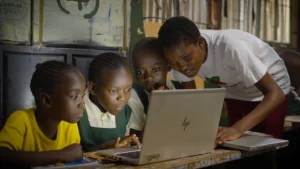
From a pedagogical standpoint, the event remains a premier venue for informal STEM education. By presenting engineering as a source of "joy and mayhem" rather than a dry academic pursuit, the Faire continues to funnel young people into technical careers. The 300+ exhibits on Friday were not just displays; they were interactive classrooms.

Furthermore, the 20th anniversary highlights the resilience of the community. Despite the challenges faced by large-scale events in the early 2020s, the return to a high-attendance, high-enthusiasm format suggests that the physical gathering of innovators remains an essential component of the technological landscape.
Conclusion
As Maker Faire Bay Area 2026 continues through the weekend, the opening day has already set a high bar for what the next decade of making might look like. Whether through the lens of a barista-themed udder game or a high-tech quadruped robot, the message remains clear: the spirit of inquiry and the drive to create are as vibrant as they were twenty years ago. The "army" of makers—from solo artists like Adrian Landon to community groups like the Droid Builders—continues to prove that when 20,000 people gather to share their passions, the resulting "mayhem" is a powerful force for cultural and technological progress.