Miami-based climate resilience company Kind Designs has successfully closed a Pre-Series A financing round, securing $10 million in new capital. This significant investment brings the company’s total funding to an impressive $21.5 million, underscoring strong investor confidence in its innovative approach to coastal protection. The round saw participation from existing investors, including prominent venture capitalist Mark Cuban and former Washington D.C. Mayor Adrian Fenty, alongside new investment from NBA forward Kyle Kuzma.
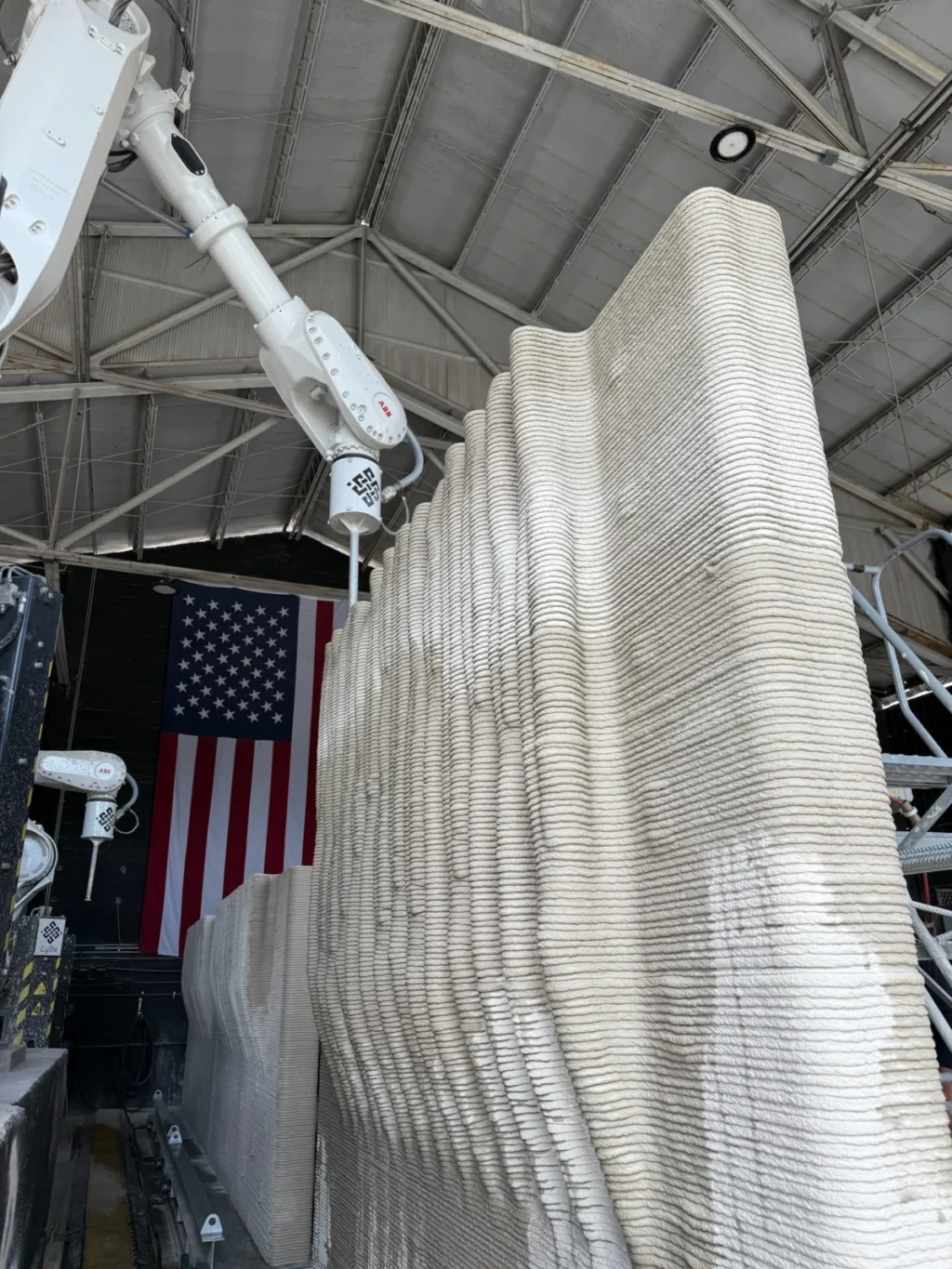
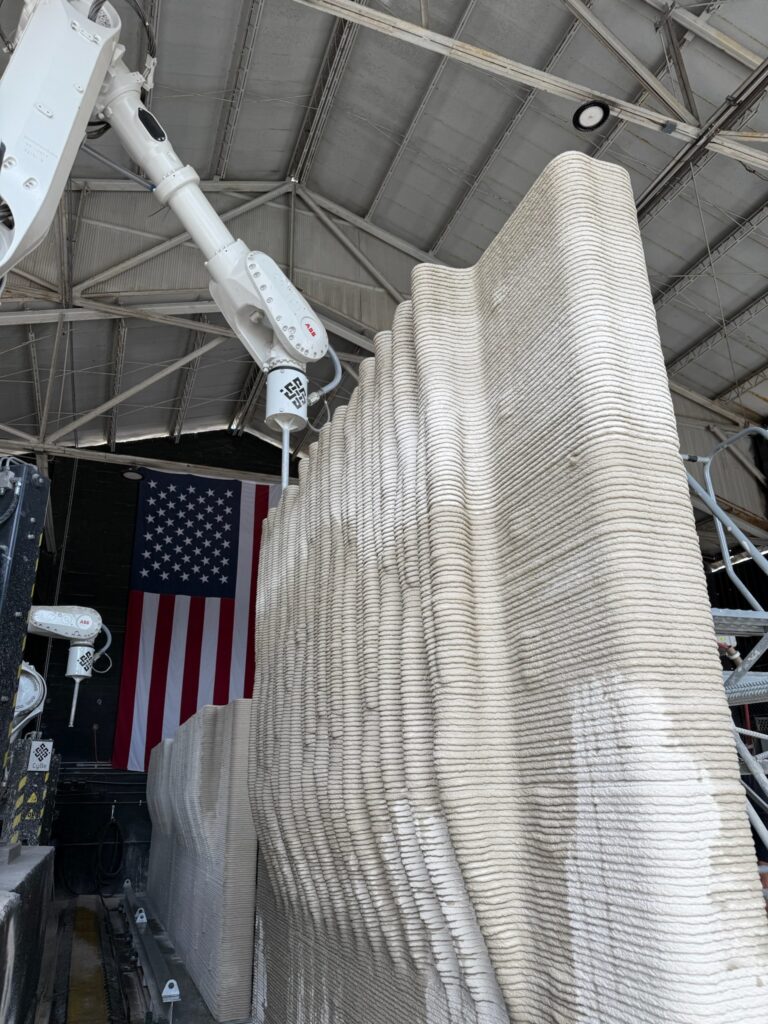
Kind Designs is at the forefront of developing and deploying large-scale, 3D-printed "Living Seawalls." These advanced structures are designed not only to provide robust defense against rising sea levels and storm surges but also to actively contribute to the restoration of marine ecosystems and the improvement of water quality. The growing urgency for sustainable and resilient infrastructure in coastal communities has fueled a surge in demand for Kind Designs’ solutions, prompting the company to expand its product offerings to include Living Seawall Tiles, Living Shorelines, and 3D Printed Artificial Reefs.
The company’s recent financial performance and strategic growth trajectory have been remarkable. In 2026 alone, Kind Designs reported $10 million in contracted revenue, built a substantial $175 million active pipeline, and successfully diversified its project portfolio to include applications in the luxury hospitality sector and, significantly, federal defense. This latest funding infusion is earmarked for aggressive expansion into key new markets, including California and New York, strengthening its engineering and operations teams, and crucially, tripling the production capacity at its existing seawall manufacturing facility. The company’s growth is further bolstered by favorable legislative changes, such as Florida’s recent enactment of new laws making it easier to approve living shoreline projects, positioning Kind Designs for sustained acceleration.
Anya Freeman, the founder and CEO of Kind Designs, articulated the company’s ambitious vision: "The seawall industry is a multi-hundred-billion-dollar market that has never had a true technology company. We’re building one of America’s most important tech companies to put resiliency on the map as the next great industrial category." This statement highlights the company’s intent to disrupt a traditional industry with technological innovation and establish a new paradigm for coastal infrastructure development. The multi-hundred-billion-dollar valuation of the seawall market suggests a vast opportunity for Kind Designs to capture significant market share with its scalable and environmentally beneficial solutions.
U.S. Navy Enhances Fleet Readiness with Advanced Additive Manufacturing Systems
In parallel to advancements in climate resilience, the U.S. Navy is significantly bolstering its operational capabilities through the strategic integration of advanced manufacturing technologies. The Navy’s Deployed Advanced Manufacturing Initiatives are a testament to its commitment to workforce development and enabling production at the point of need. This strategy involves the widespread adoption of both metal and polymer additive manufacturing (AM) across shore-based facilities and onboard naval vessels.
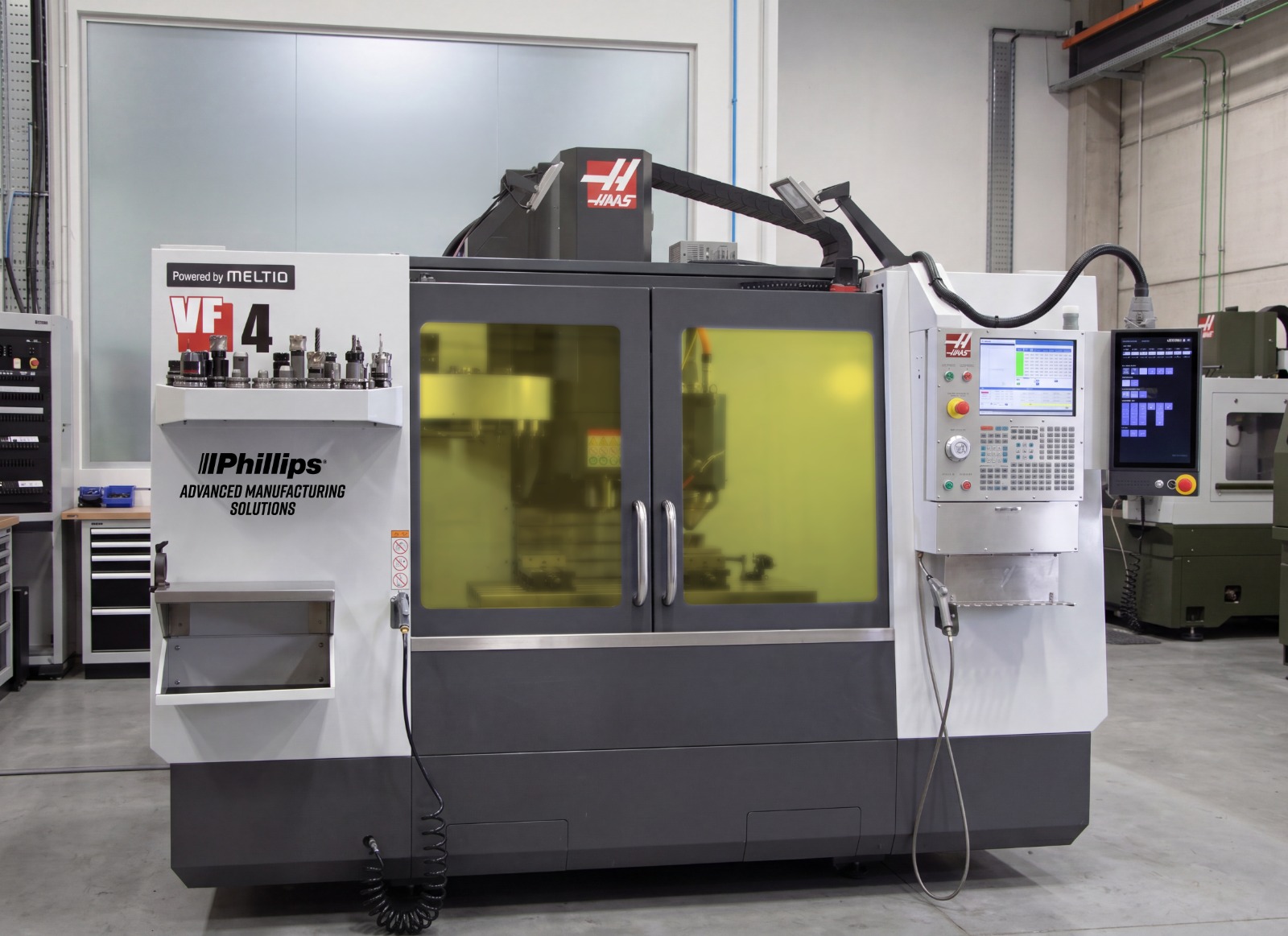
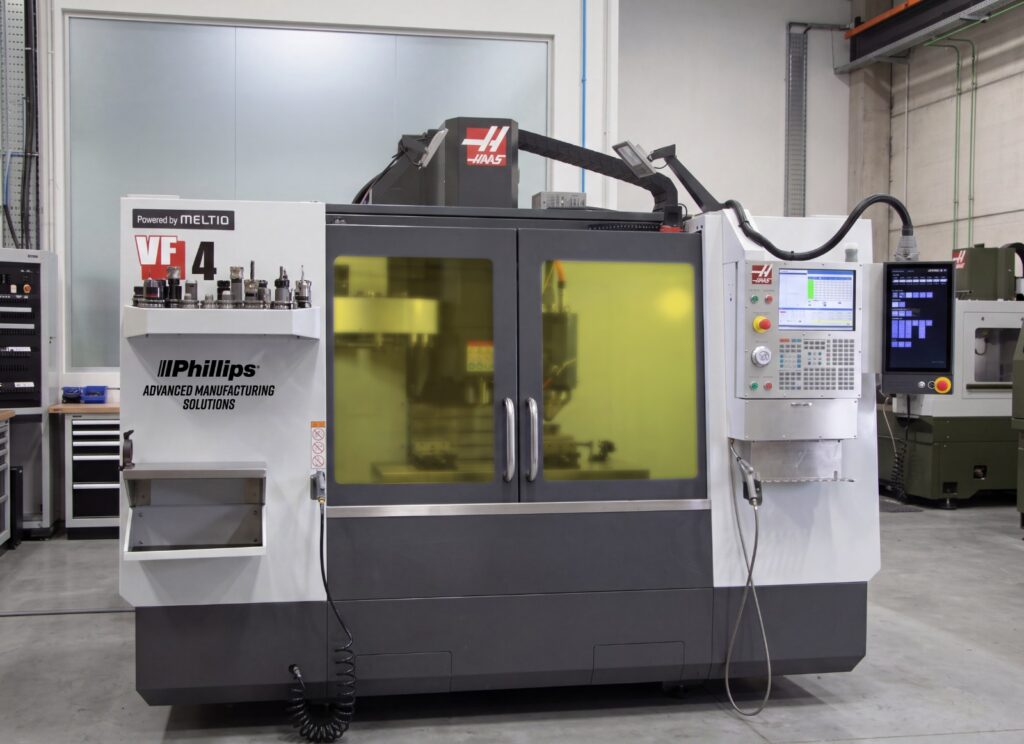
A key component of this initiative is the Navy’s Schoolhouse in Danville, Virginia, which has recently acquired a suite of hybrid and additive manufacturing systems. This procurement, valued at an undisclosed but substantial sum, is designed to enhance fleet readiness and reduce reliance on traditional supply chains. The Schoolhouse, operated under the Naval Sea Systems Command (NAVSEA) in collaboration with the Institute for Advanced Learning and Research (IALR), has invested in 12 Phillips Federal hybrid manufacturing systems. These sophisticated machines are built upon Haas TM-1P CNC platforms and integrate Meltio’s Directed Energy Deposition (DED) technology. This powerful combination allows for the precise repair of worn components, the fabrication of entirely new parts, and the restoration of high-value naval assets, thereby extending their operational lifespan.
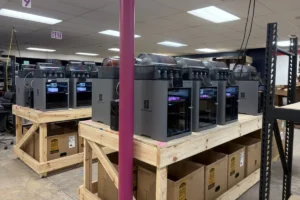
Complementing the metal-focused hybrid systems, the Navy has also acquired 12 Markforged X7 composite 3D printers. These printers will empower sailors to rapidly produce a wide array of critical items, including robust parts, fixtures, tooling, prototypes, and essential replacement components. The procurement process was managed by the BlueForge Alliance, an organization dedicated to advancing manufacturing capabilities for the defense industrial base, on behalf of the Navy. The integration of these advanced systems into the Afloat Training Program will provide Navy personnel with invaluable hands-on experience in composite AM, metal hybrid manufacturing, and production-ready workflows, crucial for maintaining operational readiness in diverse and challenging environments.
Bobby Keithley, Vice President of Sales & Product Strategy at Phillips Federal, emphasized the collaborative nature of this endeavor and its strategic importance: "This effort reflects a highly collaborative approach between the Navy, BlueForge Alliance, Meltio, Markforged, and Phillips Federal to deliver real-world manufacturing capability for the fleet. By training sailors on the same hybrid and additive systems they will encounter aboard ship, the Navy is accelerating readiness, improving sustainment outcomes, and strengthening its advanced manufacturing workforce." He further elaborated on the advantages of hybrid manufacturing, noting its ability to combine additive and subtractive processes, which "enables sailors to produce new components, repair worn parts, and reduce dependence on traditional supply chains when operating in contested or remote environments." This capability is particularly vital for long-duration missions or operations in areas where resupply is difficult or impossible. The implications of this investment extend beyond immediate readiness, fostering a skilled workforce capable of leveraging cutting-edge technology for sustained operational superiority.
Young Entrepreneurs Turn 3D Printing Passion into Thriving Toy Business
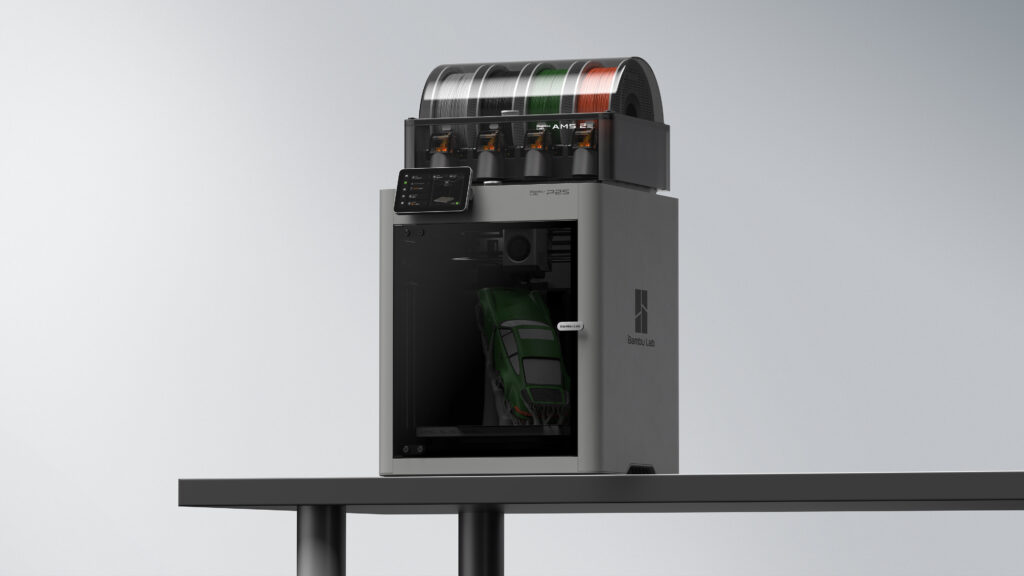
In a heartwarming demonstration of youthful ingenuity and entrepreneurial spirit, 12-year-old Aaron Osirus has successfully established a custom 3D printing business from his own playroom. Inspired by the prevalence of 3D-printed fidget toys among his classmates, Aaron recognized an opportunity to create similar items at home. With an initial investment of $600 from his parents, he acquired a sophisticated 3D printer, likely a Bambu Lab system, equipped with an automatic material system that allows for seamless color changes during the printing process.
Aaron’s business quickly gained traction, serving classmates and neighborhood children. He offers a personalized service, allowing customers to specify their preferred colors, designs, and sizes for each custom order, with pricing and delivery timelines clearly communicated. The burgeoning demand led to the involvement of his twin brother, Alain, who now assists in managing the growing enterprise. The twins offer a 50-cent discount to repeat customers, demonstrating a keen understanding of customer retention strategies. Remarkably, none of their 3D-printed toys exceed $5 in price, a testament to their efficient production and accessible pricing model. After accounting for labor and material costs, the brothers report a monthly profit of approximately $200, a significant achievement for their age and a reflection of the broader accessibility and profitability of consumer-level 3D printing.
Beyond the financial rewards, the entrepreneurial venture has provided Aaron and Alain with invaluable life lessons. They have gained practical experience in customer service, the principles of investment, and the fundamentals of running a business. The shared endeavor has also deepened their bond as brothers. When asked for advice for other young aspiring entrepreneurs, Aaron encourages them to "Follow your dreams. Just try your hardest. You’ve got to save up the money. You’ve got to plan for everything." Alain echoes this sentiment, urging them to "Chase your dreams. Outcompete everyone else in your business. Show them what you’re made of." Their success story serves as an inspiring example of how accessible technology can empower young individuals to innovate, create, and build their own futures.
MIT Researchers Pioneer Reusable, Water-Soluble Supports for Vat Polymerization 3D Printing
A team of researchers at the Massachusetts Institute of Technology (MIT) has developed an innovative solution to a persistent challenge in vat polymerization 3D printing: the efficient and waste-free removal of support structures. Vat polymerization techniques, such as Stereolithography (SLA) and Digital Light Processing (DLP), are celebrated for their ability to produce high-resolution resin parts with exceptionally smooth surface finishes. However, these processes necessitate the use of support structures to uphold overhangs and delicate features during printing. The manual removal of these supports can compromise the surface finish of the final part and, critically, generates a significant amount of non-recyclable plastic waste.
The MIT researchers have engineered reusable support interfaces that are water-soluble, offering a sustainable and efficient alternative. While other methods exist to address support-related issues, such as multi-material resin systems or volumetric printing, these approaches often impose significant constraints on hardware, resin formulations, and achievable part geometries. The MIT team’s novel approach involves a top-down resin printing method where a water-soluble resin is strategically applied only at the tips of the support structures, forming a critical interface between the part and the supports.
Upon completion of the printing process, this water-soluble interface can be dissolved in a water bath, significantly aided by the application of high-frequency sound waves. This process gently releases the printed part from its supports with minimal force. Crucially, the prefabricated support structures themselves remain intact and can be reused for subsequent print cycles. The researchers demonstrated the efficacy of their system through rigorous testing. Their findings, detailed in a recent publication, indicate that a single set of supports can be reused across at least four print cycles without any observable degradation in support function or release behavior.
The research abstract highlights the team’s characterization of the interface geometry in relation to support pillar diameter and offset distance, demonstrating that optimal print parameters yield artifacts comparable in size to those produced by manually separable, monolithic supports. Furthermore, the researchers successfully showcased the system’s capabilities through batch production of dozens of miniature parts released simultaneously, the creation of a print-in-place chain assembly, and the fabrication of a model dental aligner on contour-matched supports. The implications of this breakthrough are substantial, with the researchers positing that "Continued development of the reusable, dissolvable interface approach could enable fully automated, zero-touch VP production of complex polymer parts in large quantities." This advancement has the potential to revolutionize the production of intricate polymer components across various industries, including aerospace, medical devices, and consumer goods, by significantly reducing waste, improving efficiency, and enabling higher throughput for vat polymerization processes.