
October has historically been a pivotal month for advancements in aviation and space exploration, marked by audacious feats of human endurance, groundbreaking technological introductions, and significant strategic decisions that have shaped the trajectory of aerospace. From the pioneering long-distance flights of the early 20th century to the complex development of modern military aircraft and interplanetary missions, the month of October has consistently witnessed pivotal moments that have pushed the boundaries of what is possible in the skies and beyond. This chronicle delves into some of these significant events, offering a richer context and deeper understanding of their impact on the aerospace landscape.
1926: A Year of Audacious Journeys and Emerging Capabilities
The year 1926 proved to be a banner year for aviation milestones, with October serving as the backdrop for several remarkable achievements. The spirit of exploration was palpable, as aviators pushed the limits of endurance and aircraft manufacturers introduced specialized designs for critical services.
Alan Cobham Completes Epic London-to-Melbourne Flight
On October 1, 1926, aviator Alan Cobham achieved a monumental feat by touching down in London, successfully concluding a staggering 26,000-mile (41,840-kilometer) round trip to Melbourne, Australia. His journey, undertaken in a de Havilland DH.50J, began in June of the same year. The arduous expedition was far from a smooth sail through the skies. Cobham battled severe environmental challenges, including relentless sandstorms that threatened visibility and aircraft integrity, scorching heat that pushed engines and pilots to their limits, and torrential monsoons that posed significant navigational and operational hurdles.
Reaching Melbourne on August 15th was a testament to his skill and perseverance. However, the return journey, commencing on August 29th, presented its own set of trials, with the reoccurrence of monsoon conditions testing his resolve once more. This flight was not merely a personal triumph; it was a significant demonstration of the burgeoning capabilities of long-distance air travel and the reliability of aircraft like the de Havilland DH.50J, albeit under extreme duress. The event underscored the growing potential of aviation for connecting distant corners of the globe, laying important groundwork for future commercial and exploratory aviation endeavors. The success of such missions, despite the inherent dangers, inspired a generation and fueled further investment and innovation in aircraft design and navigation.
U.S. Coast Guard Air Service Receives Specialized Aircraft

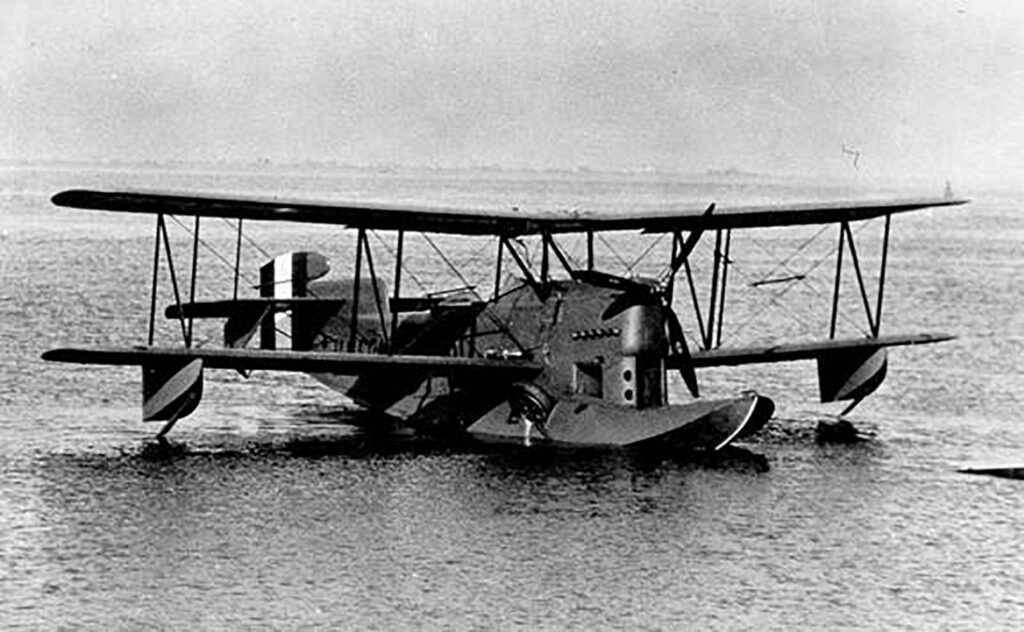
A significant development in maritime safety and enforcement occurred on October 14, 1926, with the U.S. Coast Guard Air Service taking delivery of its first purpose-built aircraft: a modified Loening OL-5. This acquisition was facilitated by a congressional appropriation of $162,000, intended for the procurement of five such aircraft. The Loening OL-5 was not just any airplane; it was engineered with specific operational requirements in mind for aerial maritime surveillance and rescue.
Key features included strengthened fuselage hulls, designed to withstand the stresses of operating over water and potentially making emergency landings on the sea. Special skids were integrated onto the wing tip floats, enhancing stability and maneuverability during water operations. Furthermore, the aircraft was equipped with two Lewis machine guns, indicating a dual role that encompassed not only reconnaissance and rescue but also potential defense or enforcement capabilities. By early November, three of the five contracted aircraft had been delivered, signaling a concrete step towards enhancing the Coast Guard’s aerial capabilities. This marked a crucial transition from using modified general-purpose aircraft to employing specialized designs tailored for the unique demands of maritime patrol and search-and-rescue operations, significantly improving response times and operational effectiveness in coastal waters.
Airships as Aircraft Carriers: A Visionary Experiment
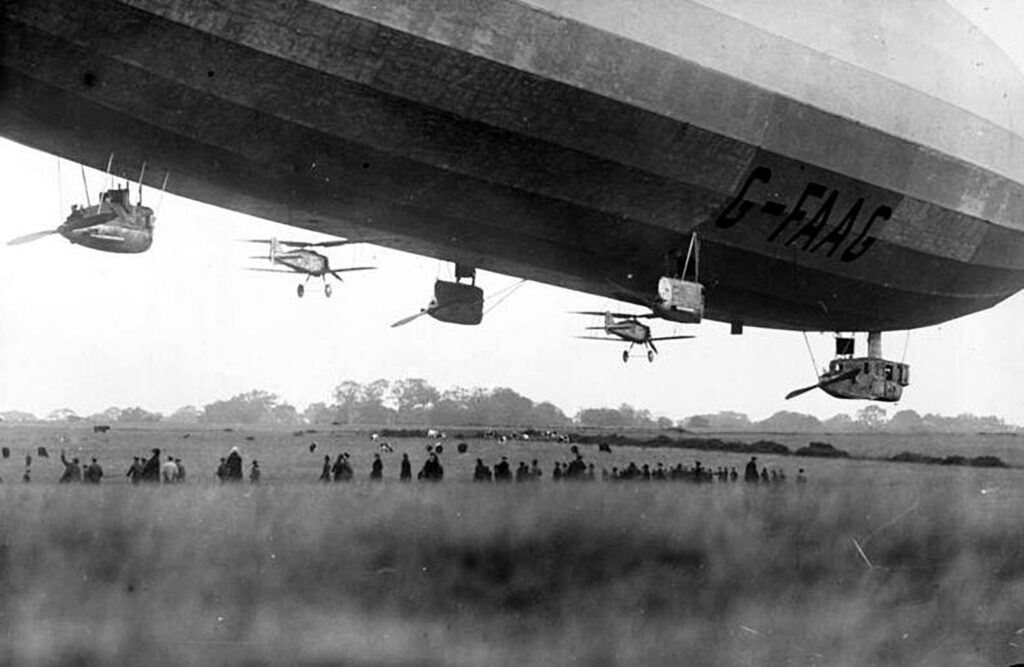
On October 21, 1926, the Royal Naval Air Service’s Pulham Airship Station became the site of a remarkable demonstration of aerial synergy. The British airship R.33, a colossal lighter-than-air vessel, successfully released two Gloster Grebe single-seater fighters from an altitude of 2,000 feet. This experiment, building on previous trials involving a single D.H.53 light monoplane, aimed to explore the potential of using large airships as mobile aerial platforms or "carriers" for smaller, faster aircraft.
The Gloster Grebe fighters were ingeniously suspended from the airship’s keel, with one positioned ahead of the forward engine nacelles and the other closer to the rear. This arrangement showcased an innovative approach to aerial projection, envisioning a future where airships could deploy fighter aircraft to extend their operational range and tactical capabilities. While the concept of airship carriers did not fully materialize into widespread military doctrine, this experiment was a bold step in exploring unconventional aerospace concepts and the potential for integrating different forms of air power. It highlighted the ongoing quest to optimize deployment and operational flexibility in an era where aircraft were rapidly evolving.
U.S. Navy Pioneers Dive-Bombing Techniques
The U.S. Navy took a significant step in naval aviation tactics on October 22, 1926, with Lt. Cdr. Frank Wagner leading the service’s first fleet demonstration of dive-bombing. In a simulated attack scenario, a squadron of Curtiss F6C-2 aircraft executed near-vertical dives from an altitude of 12,000 feet towards ships belonging to the Pacific Fleet. This aggressive maneuver, characterized by its precision and steep angle of attack, reportedly surprised and deeply impressed military observers.
This demonstration was a critical early validation of dive-bombing as a potent offensive tactic. The ability to attack targets from extreme angles allowed for greater accuracy and made aircraft less vulnerable to defensive fire during the crucial moments of bomb release. The success of this demonstration paved the way for the development and refinement of dive-bombing techniques, which would prove invaluable in naval warfare in the decades to come, particularly during World War II. It represented a fundamental shift in how naval aircraft could engage enemy vessels, moving beyond level bombing to a more dynamic and impactful attack profile.
French Aviators Set New Distance Record
In a testament to the growing range and endurance of aircraft, French aviators Dieudonné Coste and Rignot etched their names in aviation history on October 29, 1926. Departing from Le Bourget, France, in a Breguet 19 aircraft, they embarked on a record-breaking straight-line distance flight. Their epic journey concluded in Bandar-e-Jask, Iran, a remarkable 3,340 miles (5,370 kilometers) later. The flight spanned an impressive 32 hours, with darkness ultimately preventing them from extending their record even further.
This feat not only showcased the advanced capabilities of the Breguet 19 but also highlighted the increasing ambition of aviators to conquer vast geographical distances. Such long-duration flights required meticulous planning, exceptional pilot endurance, and reliable aircraft performance. The record set by Coste and Rignot was a significant benchmark in aviation, pushing the envelope of what was considered achievable in terms of non-stop flight distance and underscoring the progress made in overcoming the challenges of fuel capacity, navigation, and pilot fatigue.
1951: The Dawn of the Jet Age and Strategic Missile Development
The mid-20th century marked a period of rapid transformation in aerospace, characterized by the ascendancy of jet propulsion and the burgeoning field of ballistic missile technology. October 1951 witnessed key developments in both these transformative areas.
U.S. Navy Establishes First Anti-Submarine Helicopter Squadron
October 3, 1951, marked a significant milestone in naval aviation with the U.S. Navy commissioning its first dedicated anti-submarine helicopter squadron. Based at the Key West Naval Air Station in Florida and commanded by Cdr. J.T. Watson, this squadron was established with a forward-looking mandate: to pioneer and develop novel techniques and procedures for combating submarines.
The integration of helicopters into anti-submarine warfare (ASW) represented a strategic shift. Helicopters offered unique advantages, including the ability to hover, conduct low-altitude surveillance, and deploy sonar equipment directly into the water. This squadron was tasked with exploring how these rotorcraft could be most effectively integrated with naval ships and shore installations to create a comprehensive and potent ASW network. The establishment of this squadron was a proactive step in recognizing the evolving threat posed by submarines and leveraging emerging rotorcraft technology to counter it. It laid the foundation for the sophisticated helicopter-based ASW capabilities that would become a cornerstone of naval operations in the latter half of the 20th century.
Corporal Ballistic Missile: A Nuclear Deterrent Takes Shape
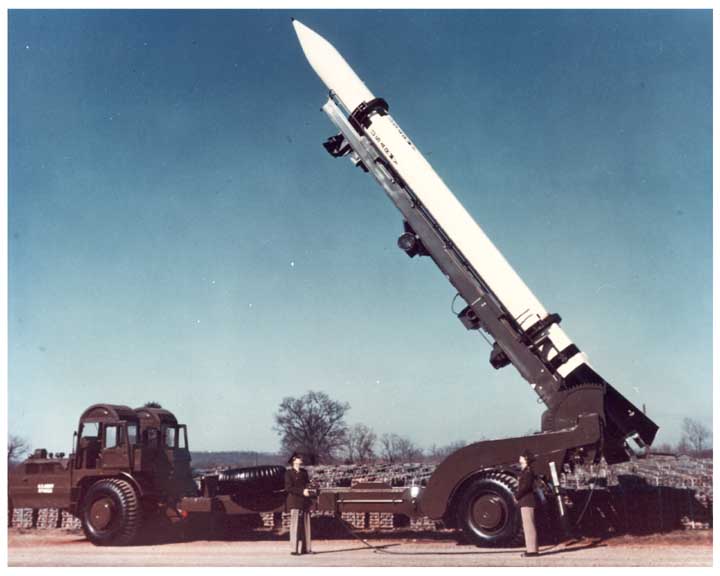
On October 10, 1951, the Corporal E-11 ballistic missile, developed by the Jet Propulsion Laboratory (JPL), was successfully launched from White Sands Proving Ground in New Mexico. This test was not just another missile firing; it was a critical demonstration of the fundamental configuration for what would become the U.S. Army’s first operational guided ballistic missile. Crucially, it was also America’s first guided missile approved to carry a nuclear warhead.
The Corporal program represented a monumental leap in guided missile technology. Its development was rooted in the post-World War II pursuit of advanced weaponry, drawing lessons from German V-2 rocket technology while significantly advancing guidance and control systems. The successful test flight confirmed the missile’s basic design and its potential as a strategic weapon. The approval for nuclear warhead integration underscored its role in the nascent nuclear deterrence strategy of the United States during the Cold War. The Corporal missile program was instrumental in establishing the technological bedrock for subsequent generations of American ballistic missile systems, including those deployed on submarines and land-based silos.
Boeing Delivers First Operational B-47 Stratojet
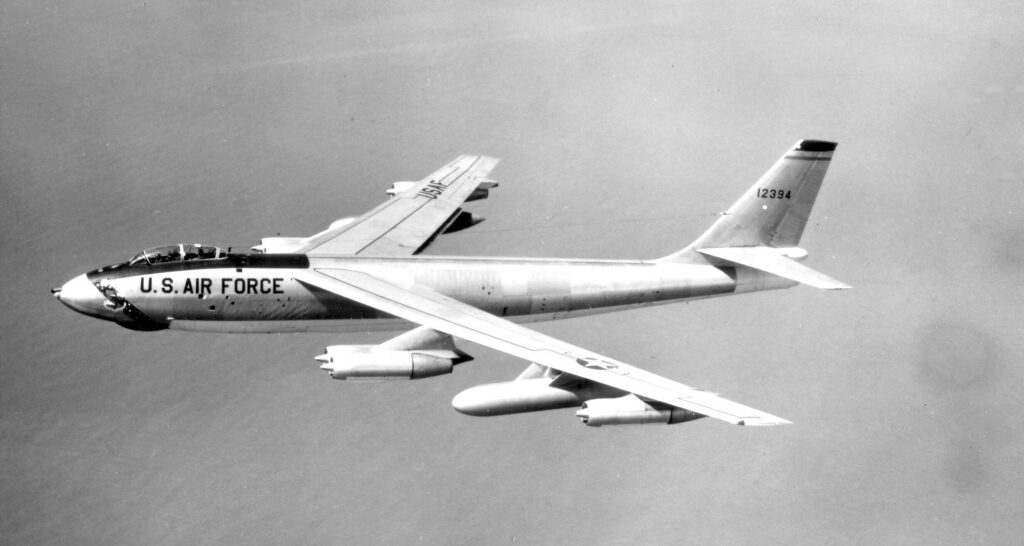
A pivotal moment in the evolution of strategic air power arrived on October 23, 1951, when Boeing delivered the first operational B-47 Stratojet to the U.S. Air Force. The B-47 was a revolutionary aircraft for its time, characterized by its distinctive swept-wing design and jet propulsion. It emerged as the victor in the U.S. Air Force’s competition for a new jet-powered bomber, a testament to its advanced aerodynamic and engineering principles.
The B-47 Stratojet was a significant departure from the propeller-driven bombers of World War II. Its high speed, altitude capability, and payload made it a formidable platform for strategic bombing missions. The swept wings were a critical innovation, enabling the aircraft to achieve higher speeds by delaying the onset of compressibility effects. This aircraft played a crucial role in the U.S. Air Force’s strategic deterrent posture throughout the Cold War, capable of delivering nuclear payloads deep into enemy territory. Its introduction signaled the definitive shift towards jet-powered military aviation and set new standards for bomber performance and design.
The Genesis of the F-100 Super Sabre
Concurrent with the delivery of the B-47, a significant decision was made by the Air Force Council during October 1951, concerning the development of a modified F-86 Sabre. This modification led directly to the design of the F-100 Super Sabre, an aircraft that would etch its name in history as the first production aircraft capable of sustained supersonic flight.
The F-86 Sabre itself was a legendary fighter aircraft, renowned for its performance in the Korean War. The Air Force Council’s decision to pursue a supersonic derivative was a clear indication of the rapid pace of technological advancement and the intense desire to achieve air superiority through speed. The F-100 Super Sabre, with its powerful jet engine and advanced aerodynamics, represented a quantum leap in fighter aircraft capability. Its development and subsequent operational deployment fundamentally altered the landscape of air combat, ushering in an era where supersonic speeds became a standard requirement for advanced military aircraft.
1976: Innovations in Space Communication, Ballooning Feats, and Tiltrotor Technology
The latter quarter of the 20th century saw continued exploration and innovation across various aerospace domains, with October 1976 showcasing advancements in satellite communication, daring personal voyages, and pioneering rotorcraft designs.
Space Hall of Fame Establishes a Pantheon of Pioneers
October 5, 1976, marked a significant cultural moment in aerospace history with the dedication ceremony of the Space Hall of Fame in Alamogordo, New Mexico. Approximately 3,000 people gathered to honor individuals who had made profound contributions to spaceflight and technology. The initial induction class comprised 35 luminaries, including iconic figures such as Apollo 11 astronaut Neil Armstrong, the first human to walk on the Moon, and Soviet cosmonaut Yuri Gagarin, the first human to journey into outer space.
The establishment of the Space Hall of Fame served as a vital institution for preserving and celebrating the history of human endeavor in space. By recognizing pioneering astronauts, engineers, scientists, and visionaries, it aimed to inspire future generations and provide a lasting legacy for the monumental achievements in space exploration. The inclusion of both American and Soviet figures underscored the collaborative, albeit often competitive, spirit that characterized the Space Race.
Satellite Communication Network for the Philippines Takes Shape
In a move to enhance global connectivity, Domestic Satellite Philippines and Japan’s Nippon Electric Co. reached an agreement on October 5, 1976, to construct a $26 million satellite communication system. Announced by Manila radio stations, this ambitious project was slated to be operational by 1978. The network was designed to feature 11 satellite stations, providing essential long-distance communication services to the Philippines’ national telecommunications infrastructure.
This initiative represented a significant step in leveraging satellite technology to bridge geographical divides and improve communication access in developing nations. The deployment of such a system would facilitate a wide range of services, from telecommunications and broadcasting to potentially supporting disaster relief and remote education. It highlighted the growing global reliance on satellite technology for modernization and economic development, demonstrating how space-based assets could directly benefit terrestrial infrastructure and populations.
Transatlantic Ballooning Adventure Ends in Rescue
A remarkable feat of endurance and ingenuity concluded with a rescue on October 10, 1976, when U.S. balloonist Ed Yost was plucked from the Atlantic Ocean by a West German tanker. His daring attempt to become the first person to fly a balloon across the Atlantic had commenced on October 6th, departing from Maine. Despite facing the challenges of a transoceanic journey in a lighter-than-air craft, Yost managed a record-setting flight lasting 107 hours and covering 2,740 miles (4,410 kilometers).
The flight’s end came about 200 miles east of the Azores Islands, where a loss of helium forced him to descend. Yost’s dedication to this ambitious endeavor was underscored by the 18 months and $100,000 he invested in building his specialized balloon. A particularly innovative aspect of his design was the gondola, which was ingeniously engineered to double as a catamaran, providing a stable platform for survival at sea until his timely rescue. This event underscored the enduring allure of pioneering individual feats in aviation and the critical role of search and rescue operations in supporting such high-risk adventures.
Bell XV-15 Tiltrotor: A Glimpse into Future Flight
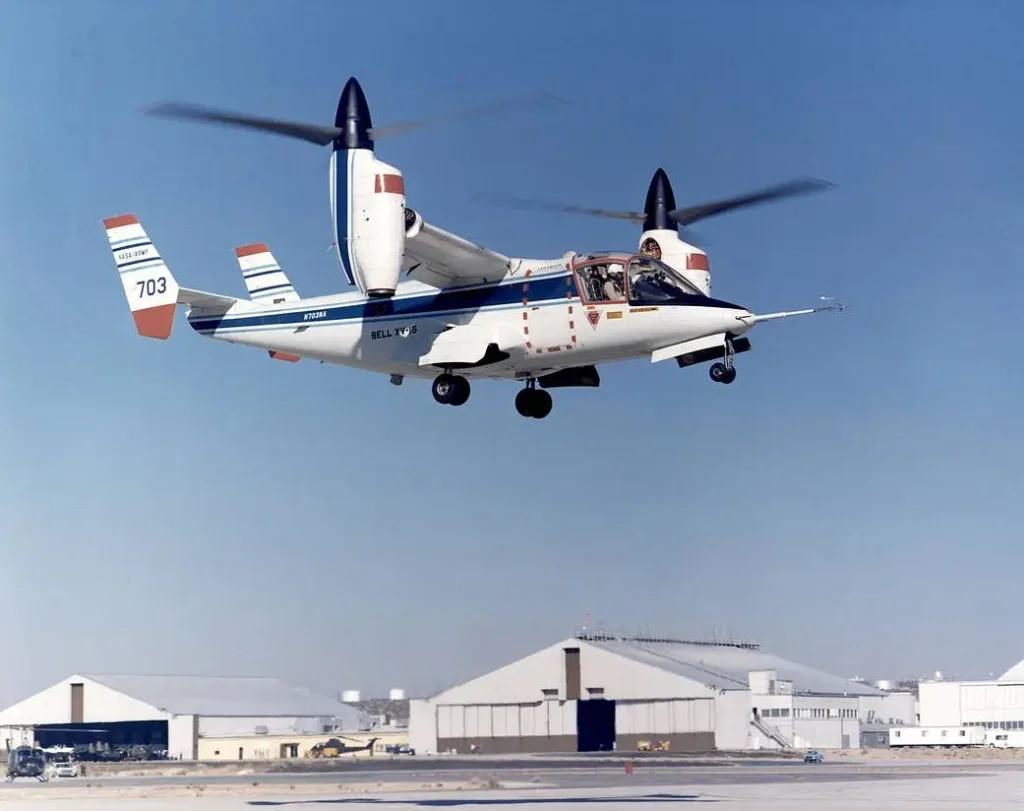
October 22, 1976, saw Bell Helicopter Textron roll out the XV-15 experimental aircraft, a machine that would become a pivotal development in the history of tiltrotor technology. The XV-15 featured two turboprop engines mounted on its wingtips, each driving a three-bladed propeller. The defining characteristic of this design was the capability of these propellers to rotate, transitioning seamlessly from a vertical takeoff position to a horizontal flight configuration.
This innovative design represented a significant milestone in the quest for aircraft that could combine the vertical takeoff and landing (VTOL) capabilities of helicopters with the speed and range of conventional airplanes. The XV-15 was envisioned to bridge this gap, offering unprecedented operational flexibility. Flight tests were scheduled for the following year, with the anticipation that this technology would revolutionize military and civilian aviation, potentially enabling access to remote areas and enhancing rapid response capabilities. The XV-15 was a tangible precursor to the successful V-22 Osprey and other advanced tiltrotor aircraft that continue to shape modern aerospace.
Cape Canaveral Marks 2,000th Major Missile Launch
Cape Canaveral, Florida, a historic hub for rocketry and space exploration, reached a significant operational milestone on October 26, 1976. On this date, the facility conducted its 2,000th "major missile launch," with the event marked by the firing of a U.S. Army Pershing missile. This achievement was particularly noteworthy given that the area’s very first launch, 26 years prior, had utilized a captured German V-2 rocket.
The progression from a captured foreign rocket to conducting thousands of sophisticated missile launches demonstrated the dramatic growth and maturation of the American missile and space program. The Pershing missile itself was a key component of the U.S. strategic nuclear arsenal, capable of delivering tactical nuclear warheads. This milestone at Cape Canaveral underscored the site’s enduring importance as a testing and launch facility, facilitating continuous innovation and deployment of advanced missile and space technologies over several decades.
2001: Mars Exploration, ISS Evolution, and the Dawn of a New Fighter Era
The dawn of the 21st century brought renewed focus on interplanetary exploration, the expansion of human presence in orbit, and the development of next-generation combat aircraft. October 2001 was a month rich with these forward-looking endeavors.
Mars Reconnaissance Orbiter Contract Awarded
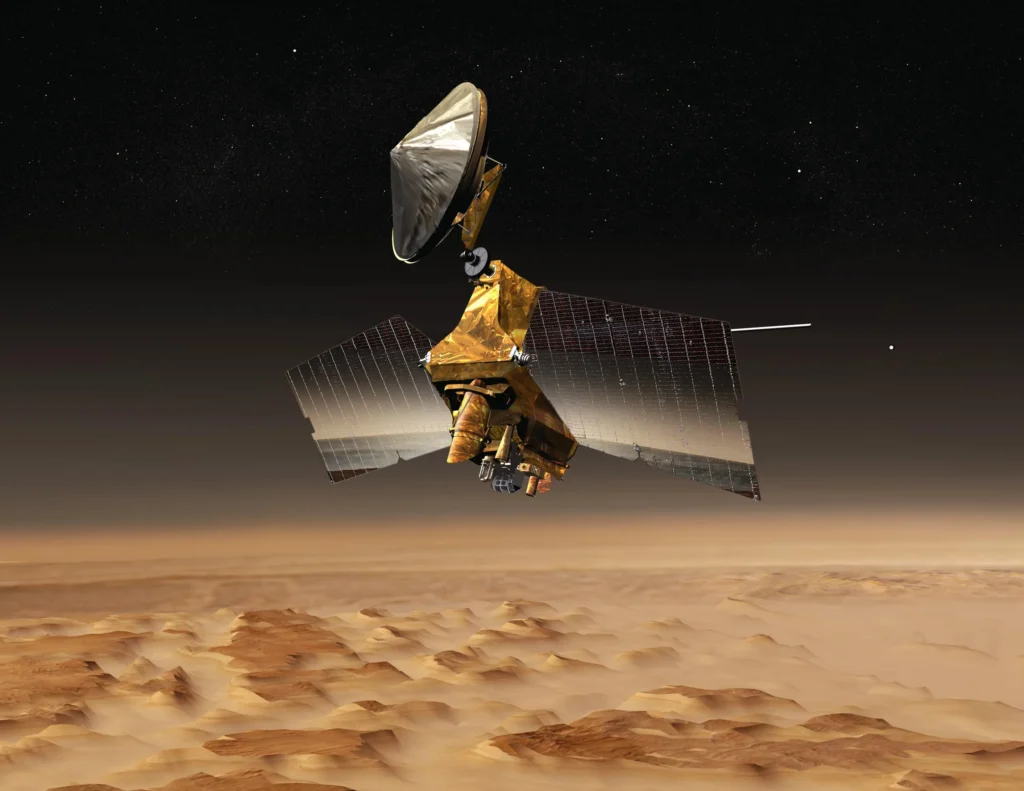
On October 3, 2001, NASA announced a significant contract award to Lockheed Martin, valued at $145 million, for the construction of the Mars Reconnaissance Orbiter (MRO). This advanced spacecraft was scheduled for launch in August 2005, with a primary mission to provide high-resolution photographic data of the Martian surface. Beyond its imaging capabilities, the MRO was tasked with identifying potential landing sites for future missions and serving as a crucial communications and navigation relay point for subsequent Martian exploration endeavors.
The MRO represented a substantial investment in understanding Mars, aiming to gather unprecedented detail about its geology and potential for past or present habitability. Its mission profile indicated a move towards more in-depth, high-fidelity reconnaissance of the Red Planet. The spacecraft’s sophisticated instrumentation and its role as a relay orbiter highlighted NASA’s long-term strategy for continued exploration and potential human missions to Mars.
International Space Station Welcomes First European Woman
A historic moment for international cooperation in space occurred on October 23, 2001, when European Space Agency (ESA) astronaut Claudie Haigneré became the first European woman to visit the International Space Station (ISS). Her arrival was marked by the successful docking of the Soyuz capsule carrying her, alongside cosmonauts Victor Afanassiev and Konstantin Kozeev, with the orbiting laboratory.
During her stay aboard the ISS, Haigneré engaged in a variety of scientific experiments and oversaw a program designed to transmit space-related data to European students. This mission was a significant step in broadening the international participation in space exploration and furthering the goals of the ISS as a collaborative research platform. Haigneré’s presence symbolized the growing diversity and global reach of human spaceflight efforts. The addition of the Russian Pirs module the previous month had also expanded the station’s capabilities, facilitating such missions and further enhancing its capacity for scientific research and operational activities.
Odyssey Spacecraft Arrives at Mars
Concluding a six-month journey spanning 286 million miles (460 million kilometers), NASA’s Odyssey spacecraft successfully reached Martian orbit on October 24, 2001. The spacecraft was slated for an extended mission, with plans to remain in orbit for at least two years. Its scientific objectives included detailed mapping of the planet’s mineral composition and a dedicated search for evidence of subterranean water ice beneath the Martian surface.

The Odyssey mission represented a critical phase in understanding the geological history and potential resources of Mars. By mapping mineral distributions, scientists could infer past environmental conditions and identify areas of interest for future exploration. The search for water ice was particularly significant, as water is a fundamental ingredient for life as we know it, and its presence could have profound implications for astrobiology and future human colonization efforts. Odyssey’s successful orbital insertion and its subsequent record-breaking operational lifespan cemented its importance in the ongoing scientific exploration of Mars.
F-35 Joint Strike Fighter Program Secures Major Funding
In a landmark development for military aviation, Lockheed Martin received an $18.9 billion System Development and Demonstration contract from the U.S. Department of Defense on October 26, 2001, for the F-35 Joint Strike Fighter program. This substantial investment signaled the commencement of a massive undertaking aimed at developing a new generation of multirole fighter aircraft. The program outlined plans for the production of at least 3,000 units over the life of the project, indicating a long-term commitment to equipping the U.S. military and its allies with advanced aerial capabilities.
The F-35 program represented a significant technological leap, intended to provide a stealthy, networked, and highly versatile fighter capable of performing a wide range of missions. Its development was driven by the need for a common platform that could replace multiple aging aircraft types across the U.S. Air Force, Navy, and Marine Corps, as well as those of allied nations. The scale of the contract and the projected production numbers underscored the F-35’s intended role as a cornerstone of future air power for decades to come, marking the beginning of a new era in fighter aircraft development.