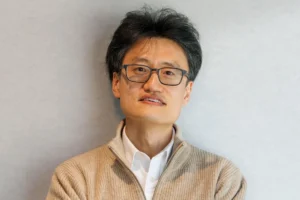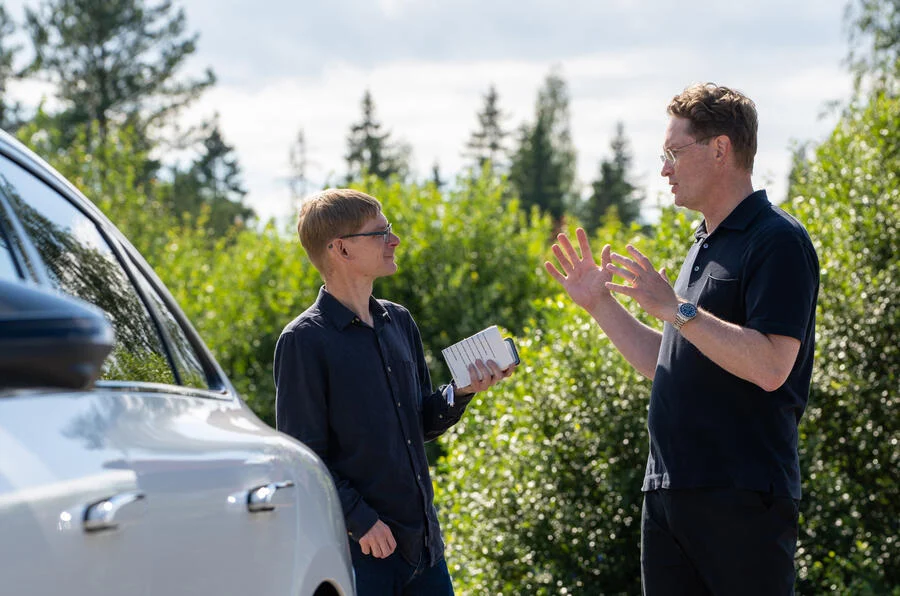
Ola Källenius, the Swedish chairman and CEO of Mercedes-Benz, a company he has dedicated 33 years of his career to, is steering the iconic German automaker through a period of profound transformation. From his early days as a trainee to leading the entire engineering division before ascending to the helm in 2019, Källenius possesses a unique, holistic understanding of the automotive business. This broad experience, spanning procurement, operations, Formula 1, performance divisions like AMG, and sales, provides him with a deep insight into the complexities of creating and delivering vehicles in the 21st century. In a recent interview, Källenius elaborated on Mercedes-Benz’s strategic direction, emphasizing the critical role of software, the enduring appeal of performance, and the unwavering commitment to the human touch in vehicle development.
The "Software-Defined Vehicle" Revolution and its Ubiquitous Reach
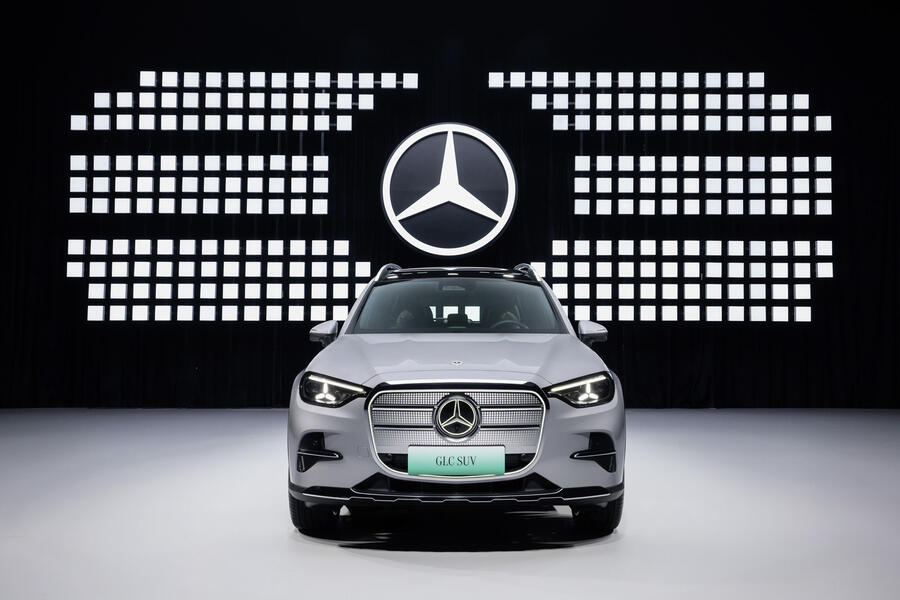
At the heart of Mercedes-Benz’s current and future product strategy lies the MB.OS operating system. This sophisticated software platform, which powers the advanced digital experience in vehicles like the C-Class Electric, is not confined to the electric vehicle (EV) portfolio. Källenius confirmed that MB.OS is also the foundation for the new GLC and CLA electric models, as well as the recently launched internal combustion engine (ICE) S-Class and the forthcoming ICE C-Class. This unified approach to software development across different powertrain types underscores Mercedes-Benz’s ambition to create a consistent and evolving digital ecosystem for all its customers.
"It’s not only Mercedes’ new generation of EVs that will be ‘software-defined vehicles’," Källenius stated, highlighting a fundamental shift in how vehicles are conceived and developed. This philosophy positions cars not merely as mechanical machines but as intelligent, connected platforms capable of receiving over-the-air updates, unlocking new features, and enhancing existing functionalities throughout their lifecycle. The implications are far-reaching, promising a future where a car purchased today can continuously improve and adapt, much like a smartphone.
This strategic decision to deploy MB.OS across a broad spectrum of models reflects a significant investment in software engineering. According to industry analysts, the global automotive software market is projected to grow substantially, reaching hundreds of billions of dollars in the coming decade. Mercedes-Benz’s proactive integration of its proprietary OS signals its intent to capture a significant share of this burgeoning market and to differentiate itself through superior digital integration and user experience.
A CEO’s Journey: From Procurement to the Pinnacle
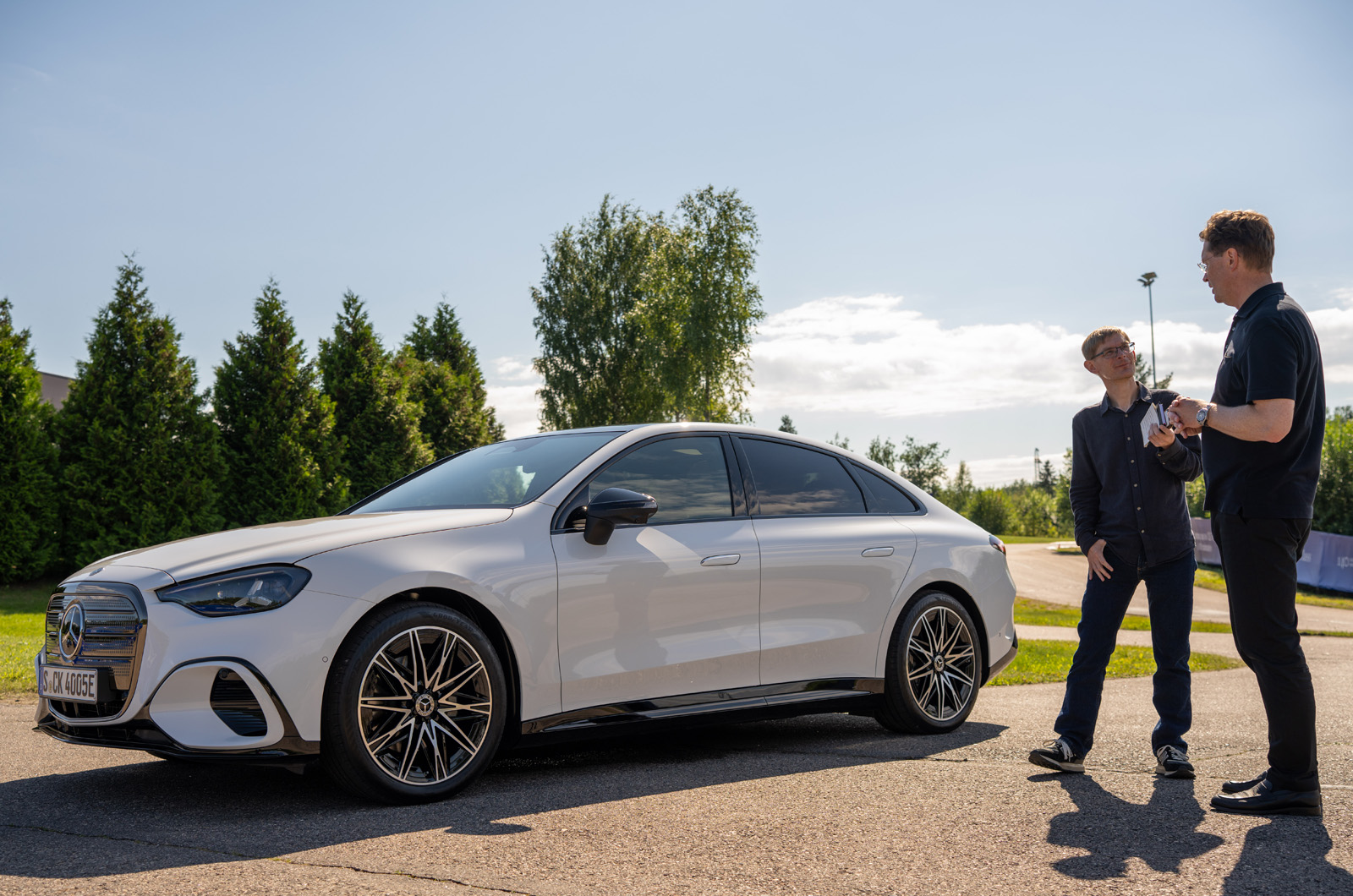
Källenius’s career at Mercedes-Benz is a testament to his multifaceted talent and dedication. His tenure began in 1993, and he has since navigated through various critical functions within the company. His early experience in procurement provided him with a foundational understanding of the supply chain and the intricate relationships between manufacturers and their suppliers. "If you work in procurement and supply, you’re like the wingman of the engineers," he humorously described, underscoring the supportive yet crucial role of his initial position.
His career progression saw him take on executive leadership roles, including a significant stint as executive director of operations for McLaren in 2003 during the development of the SLR McLaren. This period likely provided him with invaluable insights into high-performance vehicle engineering and the demanding pace of elite automotive projects. He further honed his expertise by leading Mercedes-Benz’s Formula 1 engine division in Brixworth, a role that demands cutting-edge technological innovation and relentless performance optimization. His leadership extended to its US operations before returning to Germany in 2010 to head Mercedes-AMG, the company’s renowned performance division.
Joining the board of management in 2015, Källenius initially led sales before transitioning to engineering, ultimately culminating in his appointment as CEO in 2019. This diverse background allows him to approach strategic decisions with a rare blend of commercial acumen, engineering prowess, and a deep understanding of the brand’s heritage and customer expectations.
"I went through production, management and sales and then ended up as engineering director for the whole company," Källenius reflected. "But I do believe that fundamentally, if you’re working for a car company, whatever you do centres around the product and the technology. You must have that constant curiosity to look at what’s happening with the product. Technology remains at the centre of Mercedes’ strategy."
Bridging the Gap: From Horsepower to "Tops"
The automotive landscape is rapidly evolving, with the traditional metrics of V8 and V12 engines increasingly being complemented, and in some cases supplanted, by discussions of processing power and artificial intelligence. This shift can present a challenge in engaging enthusiasts who have grown up with a deep appreciation for internal combustion engine performance. Källenius acknowledges this generational and technological divide.
"For traditional car nuts it feels like you’re learning a new language," he admitted. However, he draws a parallel to past technological advancements, recalling the evolution of personal computing. "When I was in uni, it was: ‘Do you have a 386 or a 486 processor on your massively heavy laptop?’ The technology race has always been there as a combination of hardware and software, but now you have that in cars too, and you’re then talking about: ‘Okay, how many tops [trillion operations per second] do you have?’"
Källenius explains the crucial role of this digital horsepower: "Why do you need tops? Well, you need tops to power very sophisticated generative AI-based end-to-end software models, and if you don’t have the ‘horsepower’ to do that, you don’t have the driving features. The horsepower of the digital side is provided by chipsets." This analogy effectively frames the computational power within vehicles as the new frontier of performance, enabling advanced driver-assistance systems, sophisticated infotainment, and personalized user experiences.
The integration of AI and advanced software is not merely about functionality; it’s about enhancing the very essence of the driving experience. Generative AI, for instance, could enable more naturalistic voice interactions, predictive navigation, and even personalized driving modes that adapt to individual preferences and road conditions in real-time. The strategic focus on chipsets and processing power is, therefore, a direct investment in the future capabilities and appeal of Mercedes-Benz vehicles.
The Board’s Role: Evaluation and the Human Touch
While the technical intricacies of chipsets and software algorithms are critical, Källenius emphasizes that the ultimate responsibility for the product lies with the board. "The board drives and evaluates everything, because at the very end the buck stops with us," he asserted. However, he is quick to delegate the detailed technical validation to the company’s expert engineers. "But I’m the first to admit the excellent engineers we have are better trained than us to do that. It’s not our job to do their job. But we are customers too."
This customer-centric approach to evaluation is paramount. When Källenius and his board members test new vehicles, they adopt the mindset of a potential buyer. "How would I feel if I’d spent €60,000 [approximately £51,000] or so to buy this? Is it really delivering? Then we debate that." This rigorous evaluation process extends beyond pure technological performance to encompass the entire user experience, including the crucial aspects of chassis tuning and handling.
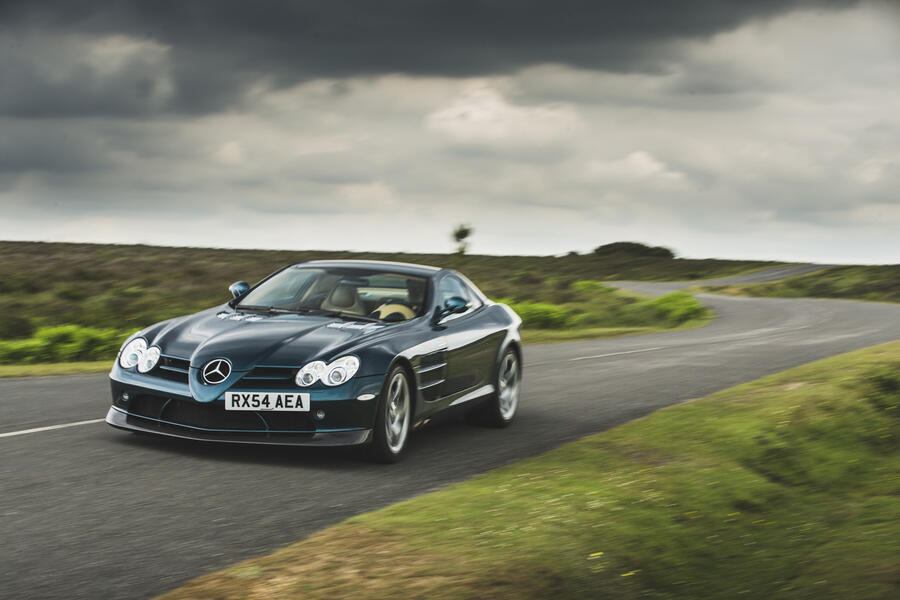
"The fine-tuning of the chassis and handling and so on is vital, because it’s a Mercedes, right? But now we spent a lot of time working on the UI [user interface] and digital side." This dual focus on traditional engineering excellence and the evolving digital interface highlights Mercedes-Benz’s commitment to delivering a complete and compelling product.
Källenius views the development of a Mercedes-Benz vehicle as a delicate balance between science and art. "It’s a science and an art," he explained. "You can measure everything, such as the hertz frequency of the movement in the chassis, but it’s the experts who ultimately sign off the car and set how it rides and drives. There’s a human component to that: it’s like they have sensors in their bodies somehow that translate into the perfect set-up." This "human component" is what defines the distinct character of a Mercedes-Benz – a feeling of safety, control, and comfort, coupled with the ability to deliver exhilarating performance when desired. Different brands cultivate different driving characteristics, and Mercedes-Benz’s signature blend of refinement and dynamism remains a core tenet of its identity.
Performance Legacy: The Enduring Appeal of AMG
With his personal passion for performance, evident from his time at McLaren and AMG, Källenius is keenly focused on preserving and enhancing the driving dynamics that define the Mercedes-Benz brand. His fond memories of participating in track days, particularly at Goodwood, underscore his appreciation for the visceral thrill of spirited driving. This personal enthusiasm directly translates into Mercedes-Benz’s strategic objective to expand its performance division, AMG.
"Our intent is to over-proportionally grow the performance side of the business," he announced, a statement sure to resonate with enthusiasts. He specifically addressed Autocar readers, acknowledging their deep knowledge of sports cars and promising that AMG’s future models will cater to their discerning tastes.
AMG is increasingly developing vehicles on bespoke platforms to maximize their performance potential. While leveraging broader company synergies for common systems like climate control, these dedicated platforms allow for a more focused approach to engineering the ultimate performance machines. Källenius insists that this specialized development will not come at the expense of cross-fertilization, ensuring that innovations and learnings from AMG models will continue to benefit the wider Mercedes-Benz lineup.
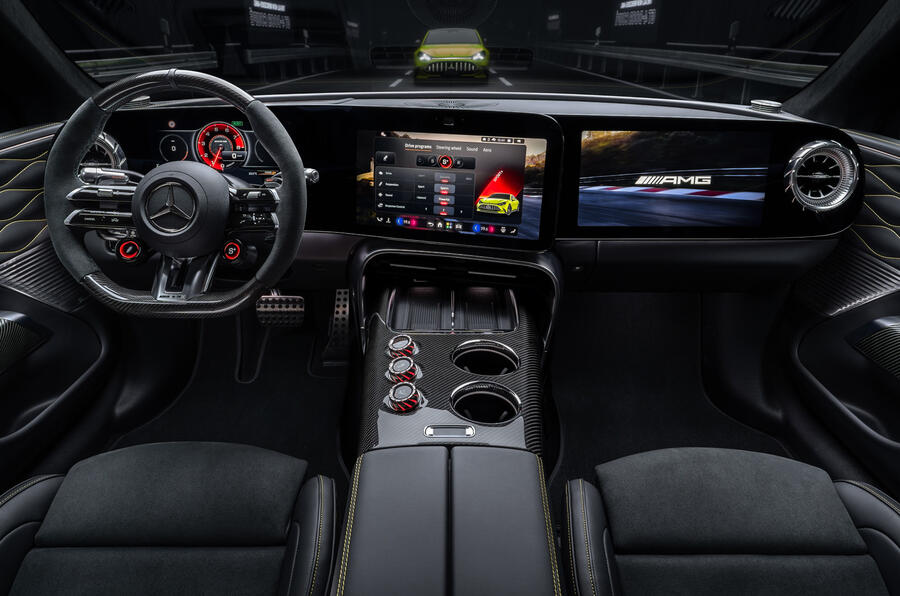
A compelling example of this synergy is the new AMG CLA 45, which features an electric powertrain capable of simulating the sounds and sensations of a V8 engine, including pops and bangs during virtual gear changes. Källenius described his initial experience with the system with palpable enthusiasm: "When I first drove the CLA 45 with that system, I was like a born-again Christian. It was the best V8 I’d ever driven: it had all the feeling of a V8 but with more power and torque." This innovative approach demonstrates how Mercedes-Benz is embracing electrification while striving to retain the emotional appeal that has long defined its performance vehicles.
Navigating the Electrification Transition
Despite the strides made in electric vehicle technology, Källenius acknowledges that consumer adoption is still a work in progress. "The consumer is not quite there yet," he stated, referring to the pace of electrification. However, he reaffirmed Mercedes-Benz’s unwavering commitment to its long-term goal of becoming an electric-only brand. Simultaneously, the company is not abandoning its commitment to developing "high-tech electrified combustion engines," recognizing the ongoing demand for advanced ICE technology during the transition period. This balanced approach ensures that Mercedes-Benz can cater to diverse market needs and preferences while progressively moving towards a fully electric future.
Furthermore, Mercedes-Benz maintains a distinct strategy regarding partnerships. Unlike many other automakers that have forged extensive alliances, the company has largely opted to keep its core technological development in-house, with the exception of the Smart brand’s joint venture with Geely. This strategy suggests a strong belief in proprietary innovation and a desire to maintain tight control over the quality and character of its products.
In conclusion, Ola Källenius is leading Mercedes-Benz with a clear vision that embraces technological advancement, cherishes performance heritage, and prioritizes the human element in automotive engineering. The company’s commitment to a unified software platform, its innovative approach to bridging traditional performance metrics with digital horsepower, and its dedication to retaining the art of driving in an increasingly automated world position Mercedes-Benz to navigate the complexities of the automotive future with confidence and distinction.